

Every summer, gardeners lose crops to pests they never see coming. Aphids colonize tomato stems overnight. Nematodes silently destroy root systems underground. Whiteflies cloud around cucumber vines before the fruit even sets. There’s a centuries-old solution to all of this, and it comes in shades of orange, yellow, and red.
The marigold has earned a permanent place in vegetable beds around the world, not just for its looks, but for what it does chemically, ecologically, and practically. The science behind it keeps getting sharper, and what was once dismissed as gardening folklore is now backed by published research. Here is what you actually need to know.
Why Marigolds Are the Go-To Companion Flower
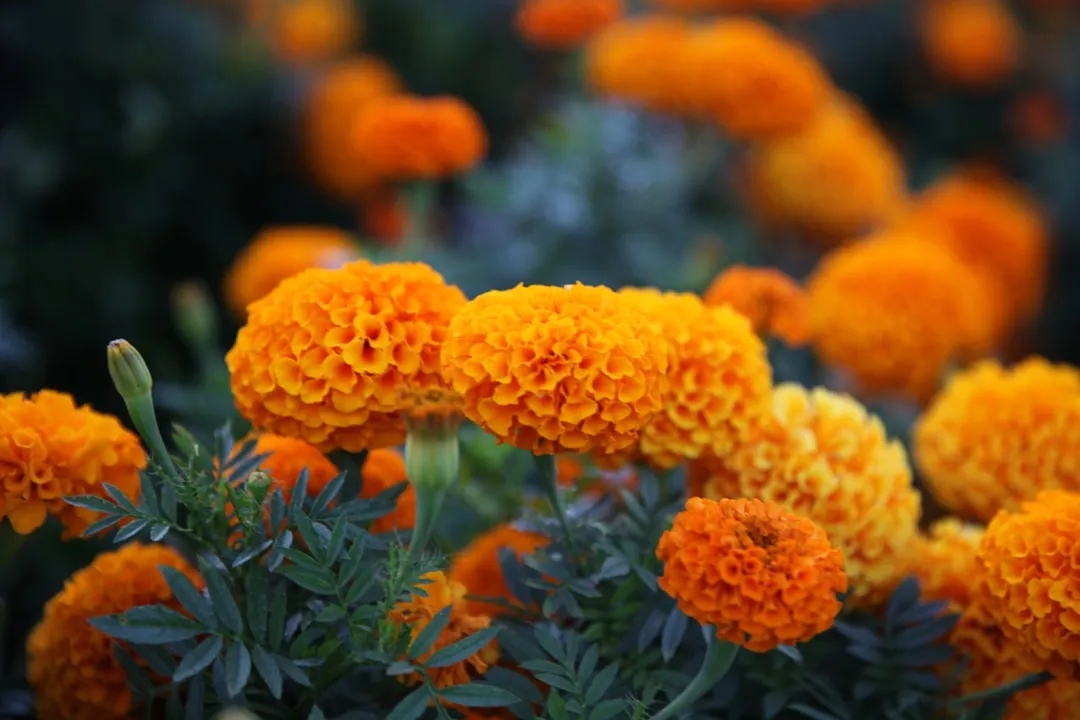
Marigolds, which come in many different species, have long been used by gardeners for pest control. Their reputation is not based on wishful thinking. The secret to the marigold’s pest-repelling ability lies in its chemical composition, with French marigolds (Tagetes patula) and signet marigolds (Tagetes tenuifolia) producing several compounds that act as natural insecticides and nematicides.
To date, there is very little scientific evidence that the aroma of marigold plants actually repels all pests, however it is a generally accepted scientific fact that marigolds help to control nematodes and attract beneficial insects that aid in controlling unwanted pests. That distinction matters. The flower is not a magic shield, but it is a genuinely useful tool in an integrated approach to garden health.
The Science of Alpha-Terthienyl: What Makes It Work Underground

Below ground, marigold roots secrete a sulfur-containing compound called alpha-terthienyl. This chemical doesn’t just repel soil-dwelling pests; it kills them. Research published in Biology Open showed that alpha-terthienyl penetrates the outer skin of root-knot nematodes and triggers a burst of oxidative stress inside their cells.
Nematode mortality was observed within 24 hours of exposure, and the compound works even in complete darkness, without needing sunlight to activate it. Its broad-spectrum efficacy, persistence in the rhizosphere, and low toxicity to non-target organisms make it a promising candidate for integrated pest management.
Global agricultural losses caused by plant-parasitic nematodes have been estimated at US$100 billion annually. That number puts the humble marigold in a very different light.
Not All Marigolds Are Created Equal: Choose the Right Variety
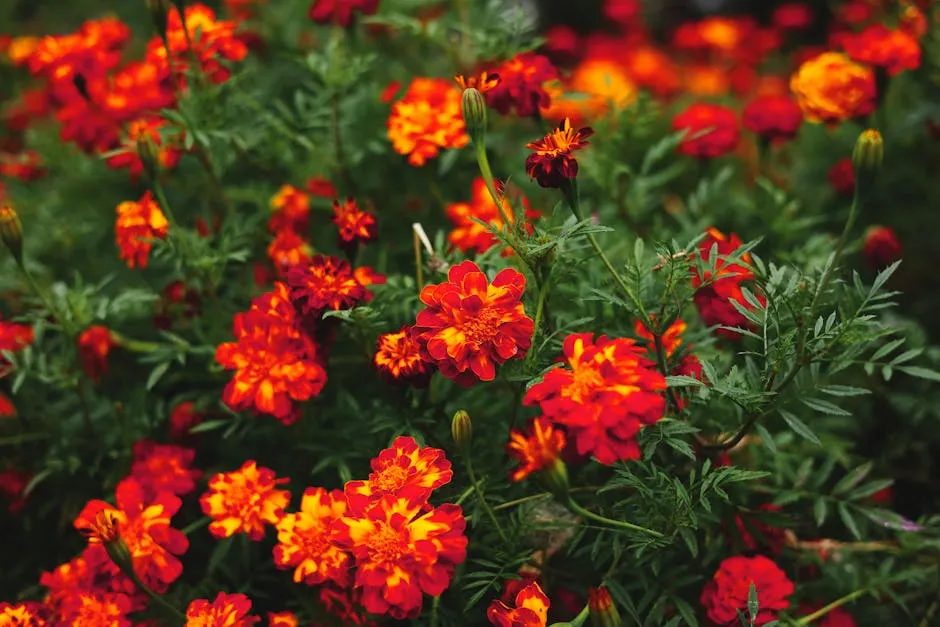
The pest-repelling power of marigolds comes from natural compounds like alpha-terthienyl, released mainly through their roots, not their flowers. That’s why French marigolds (Tagetes patula) and signet types (Tagetes tenuifolia) outperform the big, showy African marigolds (Tagetes erecta) – they invest more energy underground.
University of Florida research confirms that French types produce up to three times more bioactive compounds. Many modern marigolds are bred for color, size, or disease resistance, not pest suppression. If the tag says F1 hybrid and doesn’t mention nematode control, assume it’s decorative.
California research revealed that particular varieties are more effective at controlling root-knot nematodes. In one experiment, the “Single Gold” variety of Tagetes patula outperformed other varieties. Choosing the right cultivar is the difference between decoration and real protection.
Whiteflies, Aphids, and the Pests Marigolds Can Actually Deter Above Ground
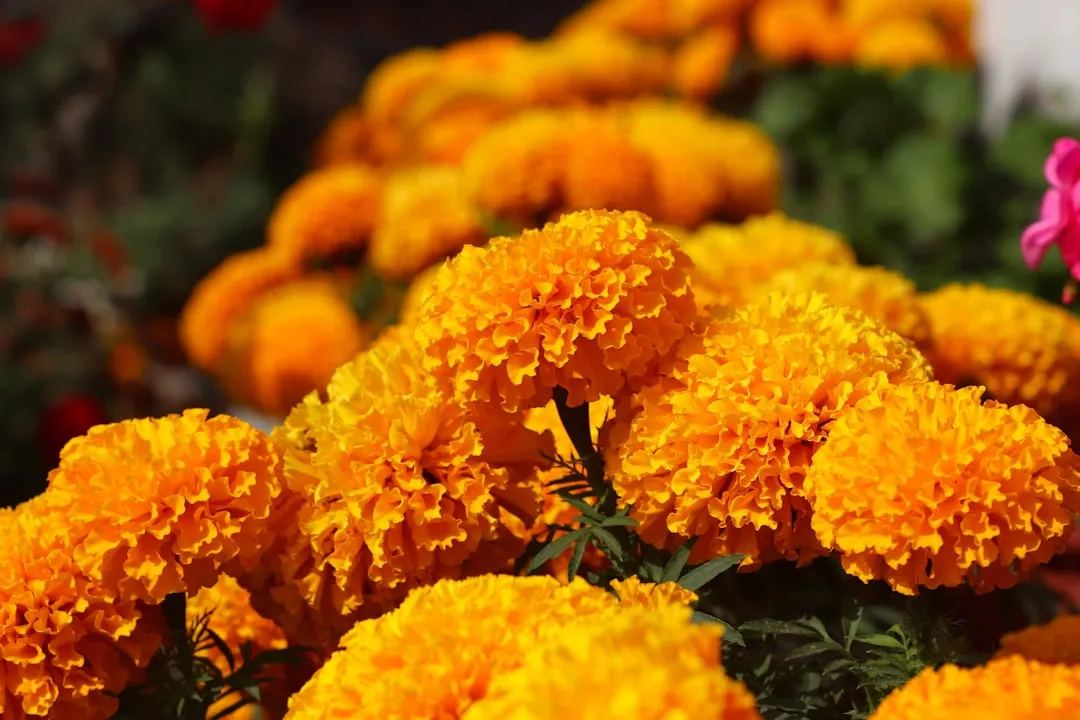
Marigolds are most effective at repelling nematodes, aphids, whiteflies, squash bugs, tomato hornworms, and cabbage moths. Above-ground deterrence works differently than the underground chemistry. The characteristic pungent odor of marigolds acts as a deterrent to many common garden pests, as this scent masks the attractive odors of vegetable plants, making it harder for pests to locate their food source.
The limonene in marigolds deters whiteflies. For whitefly reduction, intercropping works. One approach backed by research involves planting marigold seedlings alongside tomato seedlings in a ratio of roughly one row of marigolds for every five rows of tomatoes.
Marigolds as a Trap Crop: A Smarter Strategy Than Pure Repellence

In their natural state, marigolds are in fact susceptible to a fair range of pests. Many gardeners use that to their advantage, planting marigolds as a trap crop or sacrificial crop near vegetables so the marigolds intercept aphids and Japanese beetles first. Once infested, they can simply be dug up and removed along with those pesky pests, sparing the crop plants.
Researchers at the University of Vermont have reported that marigolds have been effective in luring pests away from other ornamental plants. This trap-crop role is arguably more reliable than hoping the scent alone will send pests packing. It gives you something concrete to act on.
The Vegetables That Benefit Most from Marigold Companionship
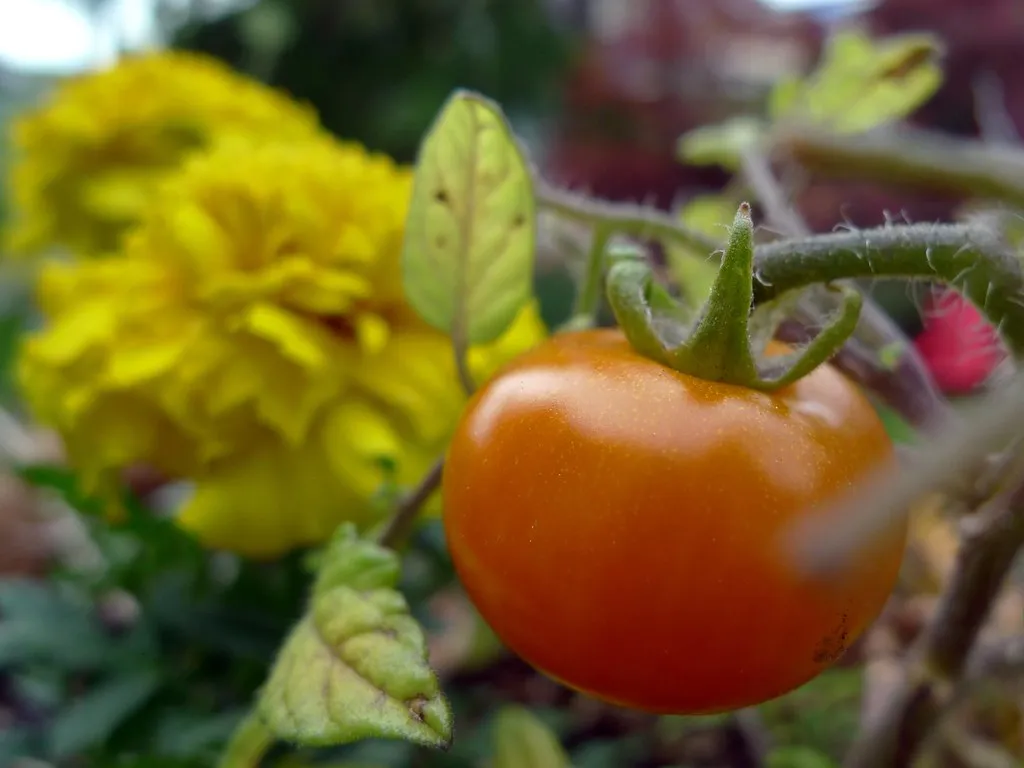
Root-knot nematodes attack the roots of tomatoes, peppers, carrots, and many other vegetables, causing stunted growth and wilting. These are precisely the crops where marigolds provide the most documented benefit. Tomatoes benefit from whitefly and aphid repulsion. Cucumbers gain protection against cucumber beetles. Zucchini and squash are shielded from squash bugs. Broccoli and cabbage are distracted from cabbage moths. Beans see enhanced growth while gaining protection from aphids.
Research from Iowa State University found that interplanting zucchini with marigolds improved their resistance to squash bugs and cucumber beetles. That’s real, field-tested evidence, not just anecdotal garden wisdom.
How Marigolds Bring in the Good Insects
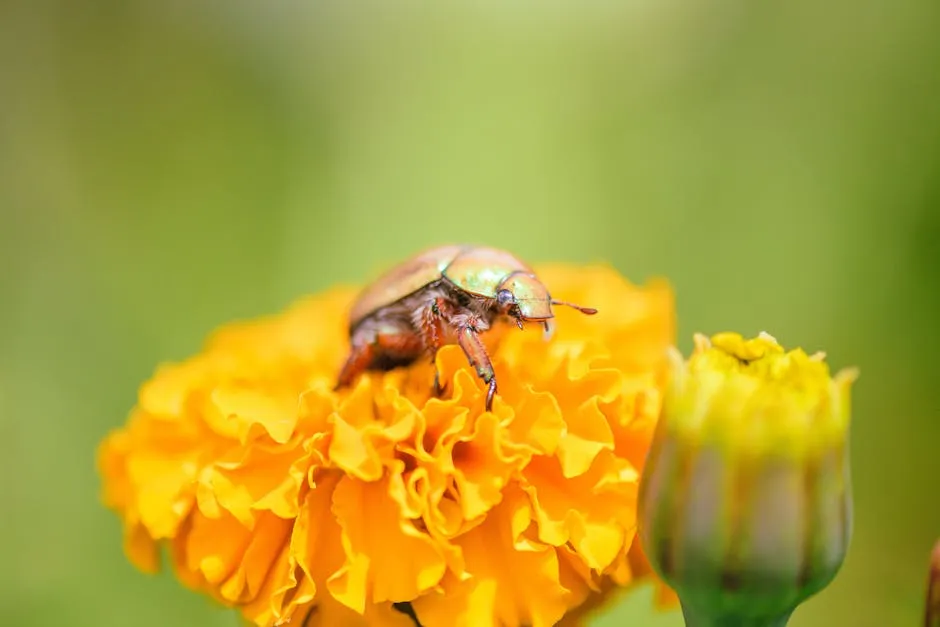
In addition to helping control nematodes, marigold flowers attract beneficial insects that not only pollinate, but also help control bad bugs. Beneficial insects attracted to marigolds include hoverflies, ladybugs, and parasitic wasps. These insects do ongoing pest management work long after the marigold has done its chemical job.
Some of the top defenders you’ll see around marigolds include ladybugs, famous for their appetite for aphids; lacewings, whose larvae are known as “aphid lions” for devouring aphids and mites; and hoverflies, whose larvae are also fantastic aphid-eaters.
Some vegetables like squash, cucumbers, and eggplant are not self-pollinating. They require pollinators to move pollen between the male and female flowers. Without them, your vegetables will produce beautiful flowers but no fruit. Marigolds help prevent exactly that outcome.
Where and How to Plant Marigolds for Maximum Effect
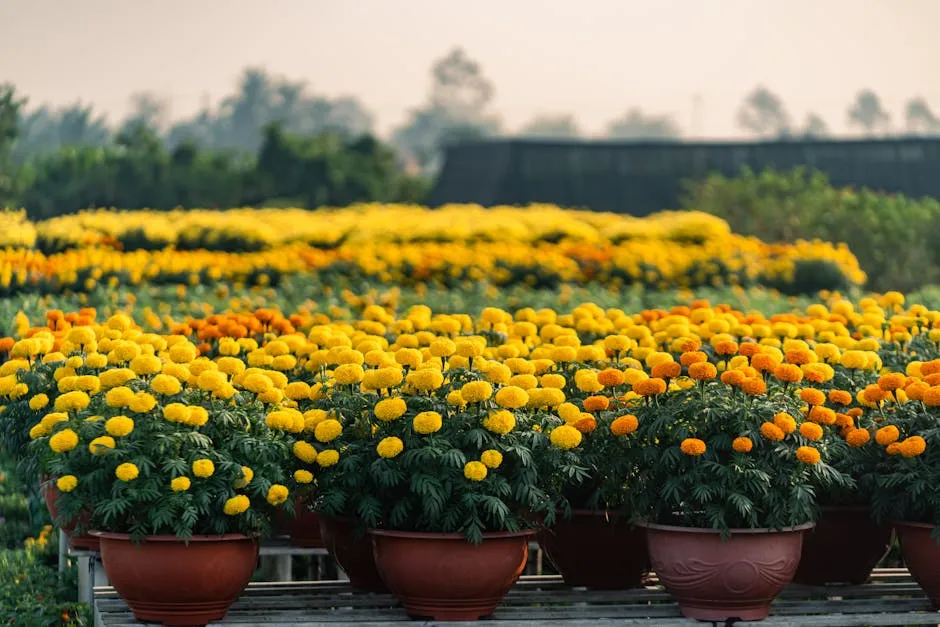
For nematode suppression, the marigolds need to actually grow in the infested soil for several weeks before you plant your vegetables. The roots need time to release enough alpha-terthienyl to reduce nematode populations. Some gardeners plant a solid block of marigolds as a cover crop in one season, then plant vegetables in that bed the following season.
Plant marigolds directly among your vegetables. Place them along rows, at the edges of beds, and near plants that are particularly susceptible to pests. Like other companion plants, nasturtiums and marigolds are best used within rows, or interplanted among several different crops. Spacing and placement matter considerably more than most gardeners realize.
The Honest Limitations: What Marigolds Cannot Do
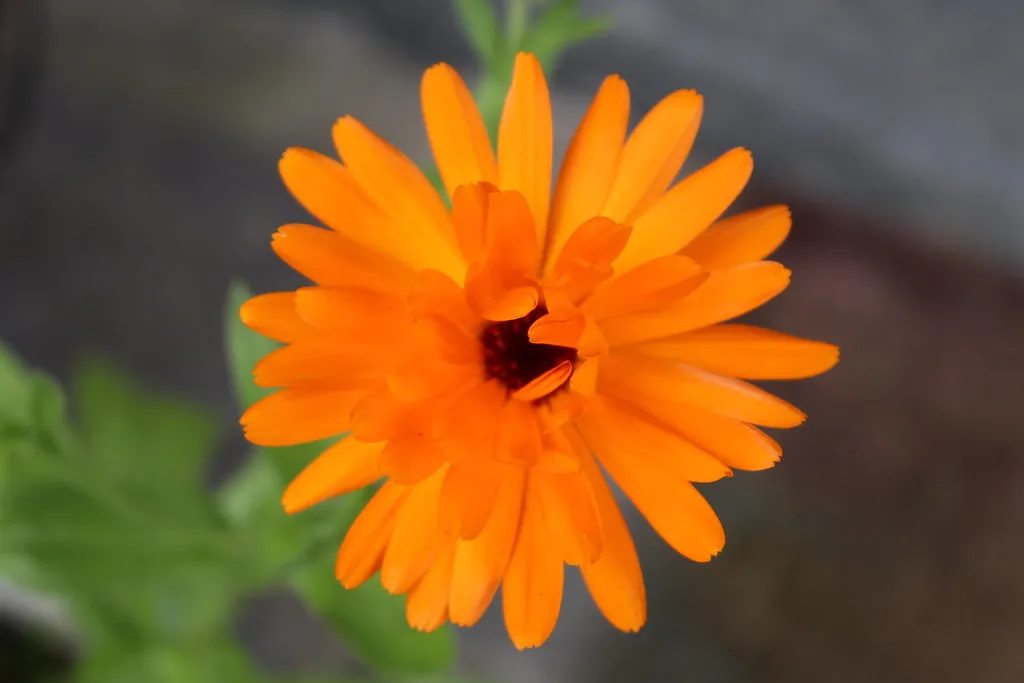
Research conducted at Rutgers University concluded that marigolds failed to repel cabbage, carrot, and onion pests. In fact, the USDA lists a total of 15 pests that attack marigolds, including aphids, Japanese beetles, snails, and spider mites. This is not a reason to avoid them, but it is a reason to stay realistic.
The usefulness of marigolds as antagonistic plants is still largely restricted because marigolds are strongly affected by changes in temperature and day length. Rotation with marigolds has been shown to reduce nematode populations more effectively than some chemical fumigants. The key word is rotation, not a single season’s border planting.
Building a Balanced Garden Ecosystem Around Marigolds

Combining marigolds with other pest-repelling plants such as basil, garlic, and onions provides enhanced protection. A single flower doing all the work is an unrealistic expectation. With climate change and pesticides posing a challenge for farmers and home gardeners alike when it comes to attracting pollinating insects, using flowers such as marigolds is more important than ever.
By interplanting marigolds throughout your raised beds, you create a balanced mini-ecosystem where pest pressure is reduced and biodiversity is increased. There is growing concern about pesticides’ non-target effects on humans and other organisms, and many pests have evolved resistance to some of the most commonly-used pesticides. Together, these factors have led to increasing interest in non-chemical, ecologically sound pest management.
The marigold fits squarely into that shift. It’s inexpensive, easy to grow, and grounded in a growing body of genuine science. Plant it not because someone on the internet said so, but because published research, university extension programs, and field experiments consistently point in the same direction. Sometimes the old garden wisdom turns out to be right, just for reasons more interesting than anyone suspected.
AI Disclaimer: This article was created with the assistance of AI tools and reviewed by a human editor.