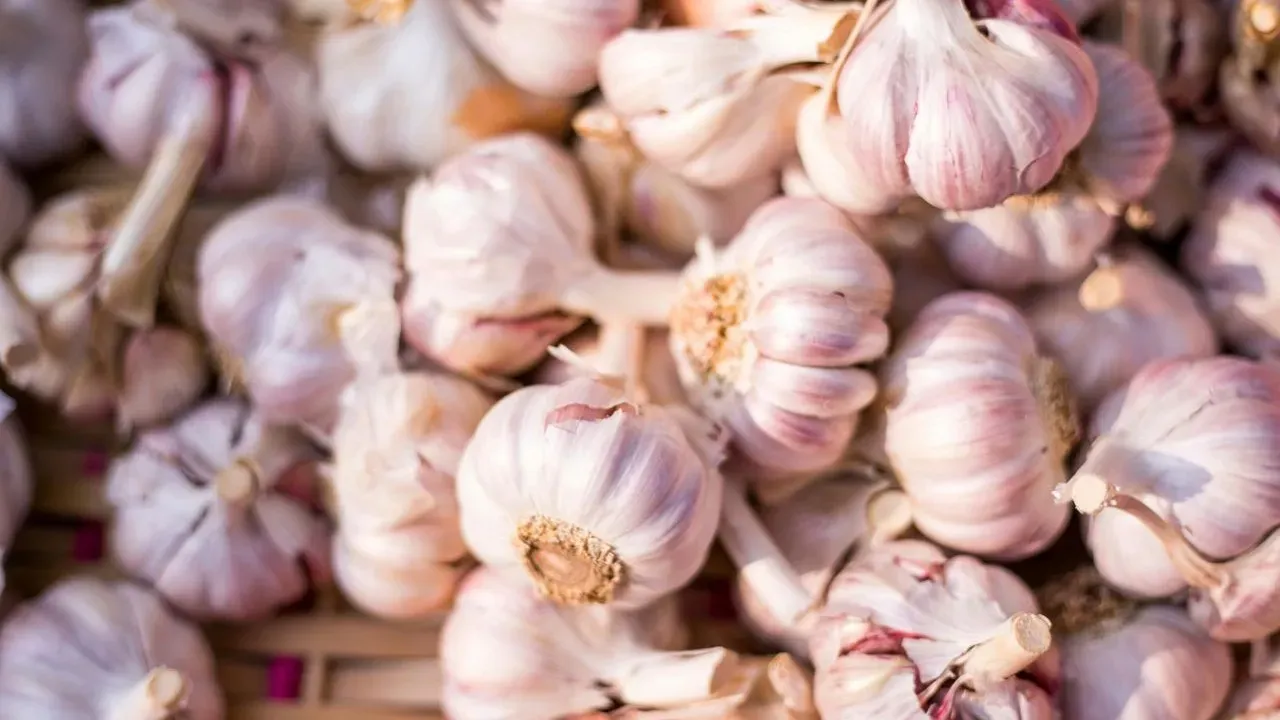

Gardeners who plant garlic in the coming weeks often find themselves with a steady supply of fresh bulbs, scapes, and green shoots that stretch well into the following summer. The process begins with a single clove tucked into prepared soil and ends with cured heads that store for months. For many, the appeal lies in the crop’s reliability and its central place in both market sales and home kitchens. ([1])
Choosing the Right Varieties for Your Climate
Hardneck types such as Music, German White, and Spanish Roja have become favorites on many small farms because they produce flavorful bulbs and an extra harvest of scapes. These varieties send up flowering stalks that can be cut early for tender eating or left a bit longer as cut flowers that draw pollinators. Softneck garlic, by contrast, tends to form smaller cloves that are less convenient for cooks and has fallen out of favor in cooler regions where hardnecks perform better.
Storage life is one practical advantage of softnecks, yet the warming climate may eventually push more growers to test them even in northern zones. The key decision for most home gardeners remains matching the variety to local winter temperatures so the plants receive the cold period they need to form proper bulbs later.
Preparing Beds Without Heavy Tillage
Many successful growers begin bed preparation the previous spring by sowing a mix of sorghum sudangrass and summer legumes where garlic will eventually go. Midsummer termination with a roller and tarp, or with cardboard covered by compost, suppresses weeds and builds soil structure while avoiding repeated digging. The result is a loose, fertile planting zone that supports strong root development through the winter.
Moisture management matters during the first weeks after covering; keeping the surface damp helps cardboard break down so cloves can be planted through it with minimal resistance. An auger bit on a drill speeds the work on thicker material. Once the beds are ready, the focus shifts to timing the actual planting for mid- to late October in most temperate areas.
Planting, Spacing, and Early Care
Cloves are separated from cured bulbs no more than two weeks before planting to avoid drying or rot. They are set germ-side down at roughly four inches deep and seven-and-a-half inches apart within rows, with the flat root end oriented correctly. In colder climates, slightly deeper placement helps prevent frost heave that can push cloves toward the surface.
Rows marked with a simple grid tool keep spacing consistent across four lines per bed. Any cloves too small for market bulbs can be planted deeper in separate rows to produce green garlic later. The entire operation stays low-impact when the soil has already been improved by the cover-crop mulch layer.
Harvest Stages and Post-Harvest Handling
Green garlic can be pulled as early as March from dense plantings, offering mild stems before bulbs form. Scapes follow in May; removing them promptly by hand can boost final bulb size by 20 to 30 percent while supplying another marketable bunch. Fresh garlic arrives next, with differentiated cloves still encased in edible skins, and the main cured crop is lifted once tops have browned 50 to 60 percent, usually by late June or early July.
After lifting, roots are trimmed if needed and tops cut to two inches above the bulb. The heads are then spread on racks with gentle airflow for two weeks before storage. Keeping the outer skins intact during this period extends shelf life, and damaged bulbs are set aside for kitchen use rather than sale.
Lessons on Competition and Long-Term Planning
Garlic does not compete well with other plants during its critical growth window. One farm’s experience with Austrian winter peas interplanted after garlic showed dramatically smaller bulbs the following season, even when peas were cut early for mulch. The lesson for gardeners is to give the crop ample space or to use relay planting only after garlic has matured.
With careful variety selection, minimal soil disturbance, and attention to the full sequence from green shoots to cured bulbs, a modest fall planting can supply flavor for CSA shares, market tables, and daily meals across many months. The crop’s value lies as much in its steady presence on the plate as in the straightforward steps that bring it from clove to harvest.
AI Disclaimer: This article was created with the assistance of AI tools and reviewed by a human editor.