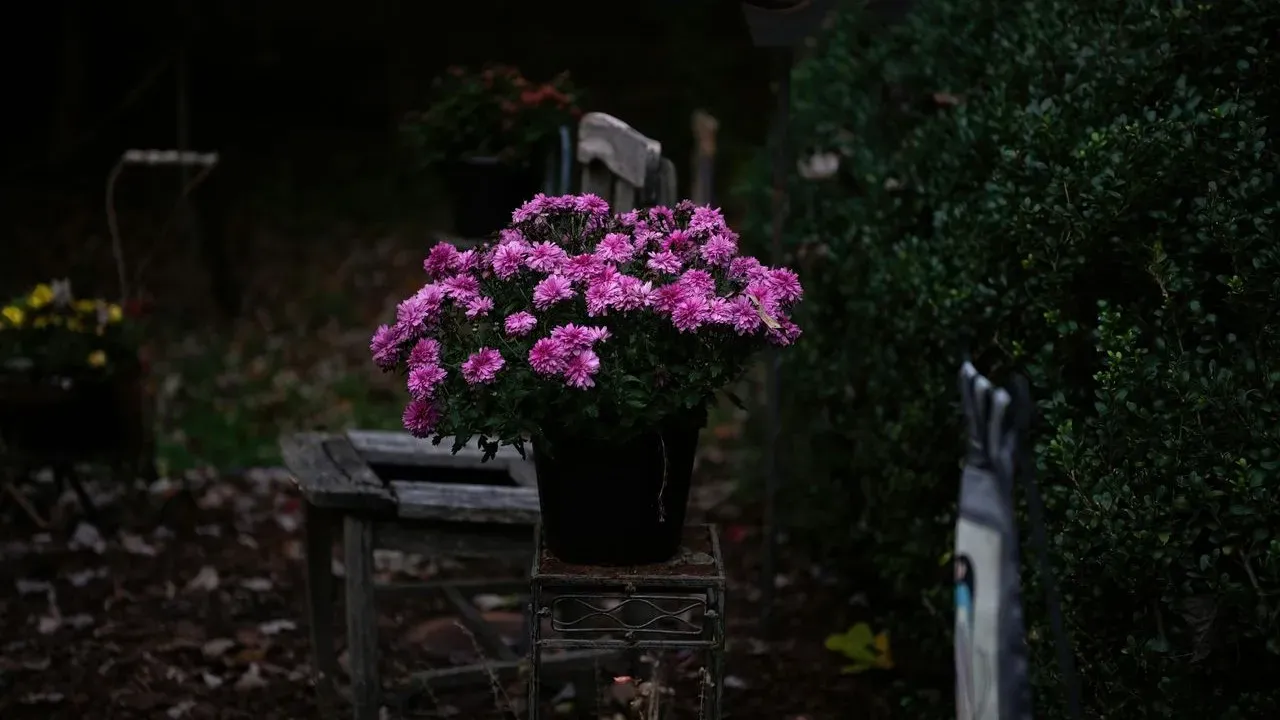

Gardeners who maintain container displays through the warmer months often face a familiar challenge as temperatures drop and blooms fade. A handful of targeted seasonal adjustments can bridge the gap from late summer into autumn without requiring a complete overhaul. Past contributors to the Garden Photo of the Day series have illustrated exactly how these modest updates sustain visual appeal in planters and garden vignettes alike. ([1])The result is a smoother transition that respects both the plants already in place and the changing conditions of the season.
Why Containers Benefit From Timely Refresh
Container gardens experience more rapid shifts than in-ground beds because their limited soil volume responds quickly to cooler nights and shorter days. Many summer annuals begin to decline just as cooler-weather options become available at nurseries. Rather than emptying and replanting everything, experienced growers focus on strategic additions that complement what remains. This method reduces waste, preserves established root systems, and maintains the overall structure of the display. The approach also aligns with the practical realities of many home gardeners who juggle multiple beds and containers at once.
The Core Technique Shared by Community Contributors
The consistent thread across the featured examples is the addition of a few fall-oriented elements that instantly shift the color palette and texture. Gardeners often introduce plants with deeper hues or interesting foliage while retaining reliable summer performers that still look strong. Small accents such as ornamental grasses or compact shrubs provide height and movement without overwhelming the existing arrangement. These tweaks create cohesion between the lingering summer tones and the richer shades of autumn. The changes feel natural rather than forced, allowing the containers to evolve gradually as the season progresses.
Practical Steps for a Seamless Update
Begin by assessing which plants in each container are still performing well and which are showing signs of fatigue. Remove spent material carefully to avoid disturbing healthy roots. Next, select complementary additions that match the scale of the pot and the light conditions of the site. Position new plants to fill gaps and create visual balance rather than crowding the center. Water thoroughly after planting and monitor moisture levels closely, as fall weather can alternate between dry spells and cooler, damp periods. A light layer of fresh mulch helps retain moisture and gives the refreshed display a polished finish.
Longer-Term Advantages for the Gardener
Adopting this incremental method saves both time and resources compared with starting fresh each season. It also encourages closer observation of how individual plants respond to changing conditions, building practical knowledge over time. Containers updated in this way often remain attractive through the first light frosts, extending the enjoyment of outdoor spaces. Many gardeners find the process satisfying because it celebrates continuity rather than constant replacement. The same containers can then be further adapted for winter interest or emptied for storage once the growing year truly ends.
AI Disclaimer: This article was created with the assistance of AI tools and reviewed by a human editor.