
The Beatles’ “Butcher Cover” – Yesterday and Today (1966)

Few records carry a backstory as dramatic as this one. Capitol Records released this compilation with a cover showing the Beatles in white coats surrounded by dismembered dolls and raw meat. Public backlash was immediate, and Capitol recalled the album within days, pasting a new, innocuous cover over the original.
Sealed first-state copies, those that were never pasted over, have sold for over $125,000. Even second-state copies, where the paste-over can be carefully peeled to reveal the butcher image beneath, fetch $10,000 to $25,000 depending on condition.
About 750,000 copies were “trunked,” meaning pasted with a replacement cover and re-shipped. So while the record itself wasn’t scarce, the unaltered version certainly was. If you find one still in shrinkwrap, do not open it.
Sex Pistols – “God Save the Queen” on A&M Records (1977)
A&M Records signed the Sex Pistols outside Buckingham Palace in March 1977 and pressed 25,000 copies of “God Save the Queen.” Six days later, after multiple band incidents at the A&M offices, the label dropped them and destroyed the entire pressing, except for approximately 9 copies that survived as test pressings, promos, or smuggled-out singles.
One copy made £24,000 at Wessex Auctions in July 2024, and every surviving copy is accounted for by collectors the way museums track paintings. The key is in the label itself. Each one carries the A&M label and matrix codes that distinguish it from the Virgin reissue.
Most people who think they have this record actually own the far more common Virgin pressing, which is worth very little. Still, if you stumble across an A&M label on this single in any old collection, it’s worth getting it authenticated immediately.
Prince – The Black Album (1987)
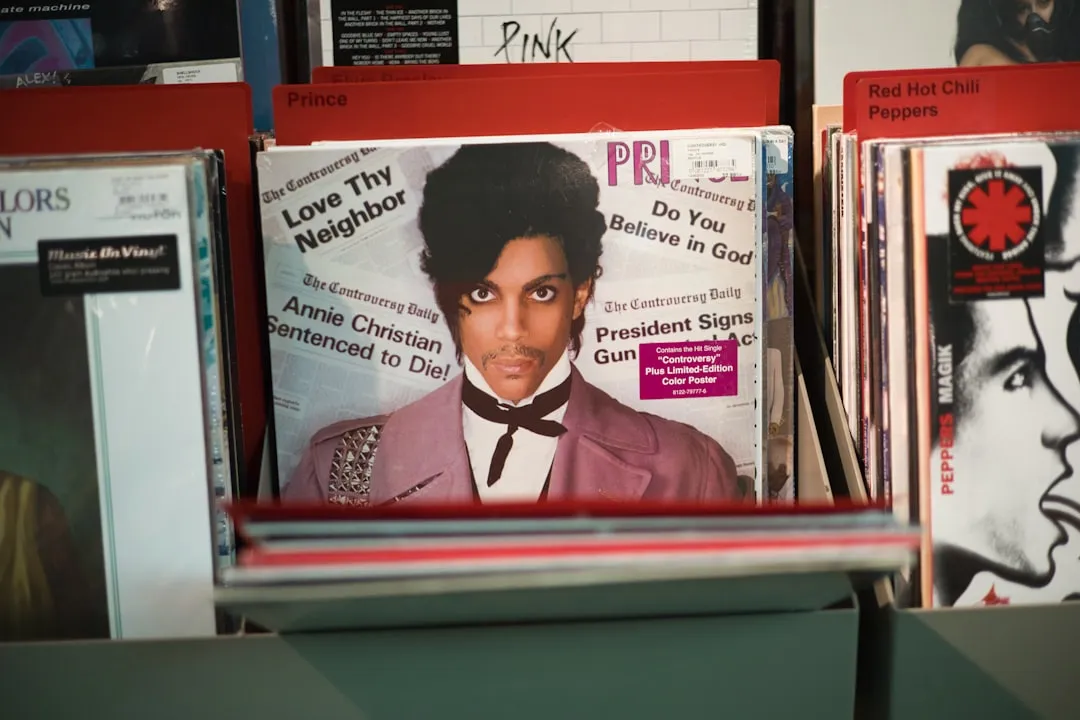
A week before release in December 1987, Prince decided The Black Album was bad karma and ordered it destroyed. Warner’s European plants had already pressed copies. A US promo sold on Discogs in 2018 for $27,500, still among the highest prices in the marketplace’s history.
The story alone makes it compelling, but it’s the scarcity of authorized pressings that drives real collector demand. As of mid-2026, the cheapest copy of this edition listed on the market was $7, with 168 for sale, meaning most of what surfaces are the 1994 official release or bootlegs, not the original withdrawn pressing.
Knowing the difference requires checking the matrix numbers carefully. Original pressings have distinct catalog markings that deviate from the later official release. If you find a plain black sleeve with no official catalog info and an early matrix code, consult an expert before selling.
Robert Johnson’s Original 78 RPM Singles (1936–1937)
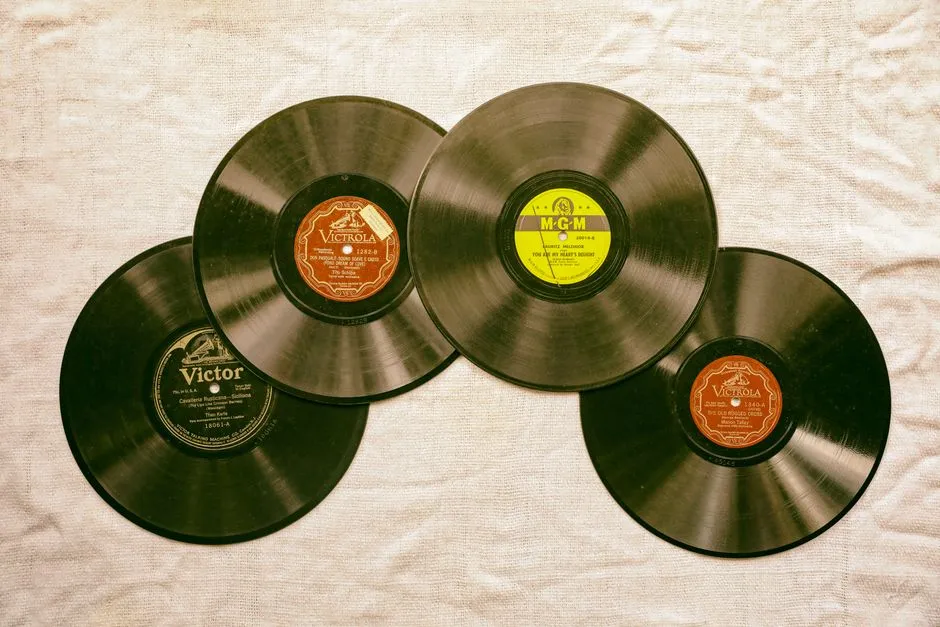
Robert Johnson only recorded 29 songs in his entire lifetime. He recorded these tracks before his death in 1938, and his original 78 RPM singles on the Vocalion label are among the most sought-after records in any genre. “Cross Road Blues” and “Terraplane Blues” originals in good condition can sell for $10,000 to $30,000.
These are not records most people find at home, but they do turn up. Estate sales in the American South, old farmhouse attics, and collections assembled in the 1940s and 1950s occasionally surface with Vocalion 78s in their sleeves. Condition is everything with these fragile shellac discs.
The Beatles – UK Parlophone First Pressings
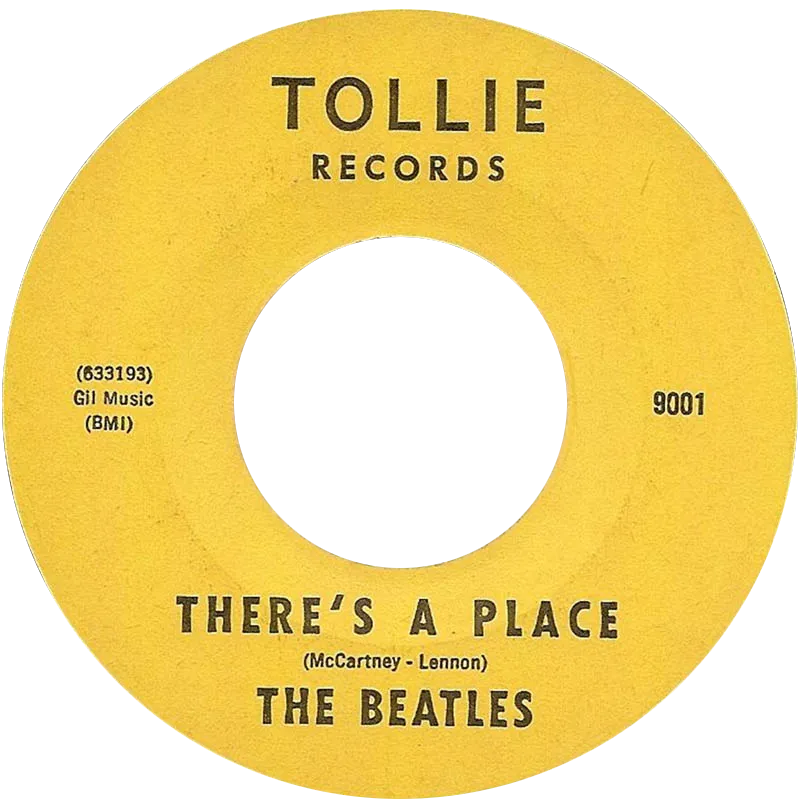
No artist commands higher prices across a broader range of releases than The Beatles. Beyond the famous White Album, numerous Beatles pressings regularly sell for five and six-figure sums.
A mono first pressing of “Please Please Me” with the gold and black Parlophone label and correct matrix numbers can fetch $5,000 to $8,000 in Near Mint condition. The stereo version is even rarer and more valuable, with prices reaching $15,000 to $20,000 for pristine copies.
The catch is that most Beatles records found in old collections are not UK first pressings. If your copy has a barcode and the album predates 1980, it is a reissue. The gold and black Parlophone label is the one to look for, and the matrix numbers in the runout groove tell the full story.
Blue Note Jazz Records – Original Pressings (1950s–1960s)
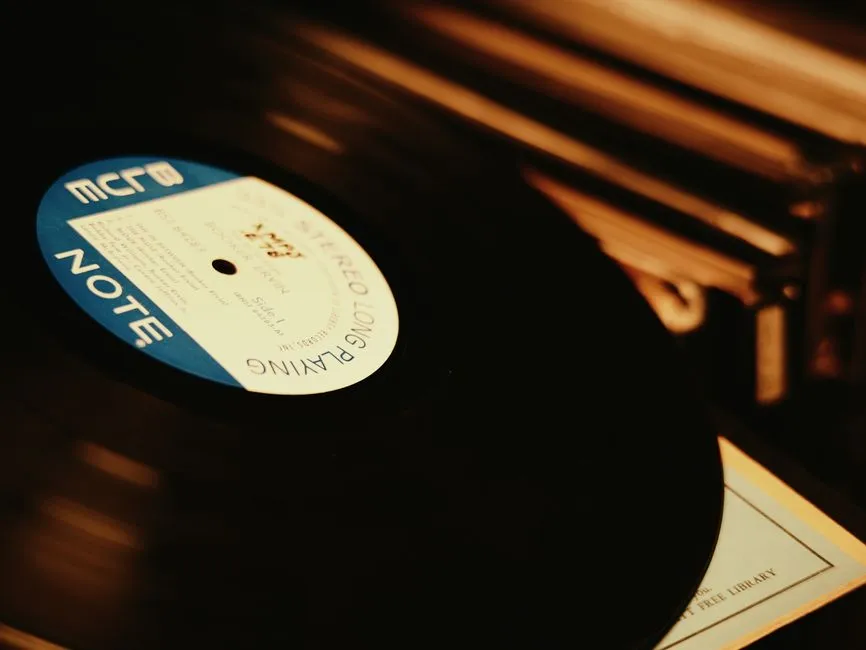
Blue Note Records produced some of the most collectible jazz pressings in history, and the original editions from the 1950s and 1960s are now serious collector items. The original deep-groove Blue Note pressing of Hank Mobley’s self-titled album, with the New York “47 West 63rd” address on the label, is the copy every hard bop collector wants.
The deep groove, a small indentation around the label area, is one of the key identifiers of an early Blue Note pressing. The label address changed over time, and those address changes function almost like a dating system for the pressings. Collectors cross-reference these details obsessively, and for good reason – the value difference between an original and a reissue can be several thousand dollars.
Wu-Tang Clan – “Once Upon a Time in Shaolin” (2015)

The Wu-Tang Clan’s “Once Upon a Time in Shaolin” is the most extreme case in vinyl collecting. It was pressed as a single physical copy, sold to one buyer initially for $2M in 2015, and exists in a category of one. You won’t find this one at a garage sale, but the story illustrates how scarcity and cultural significance can intersect.
It illustrates the pricing logic for rare vinyl: scarcity multiplied by cultural significance multiplied by verified provenance. That formula applies across the board, not just for once-in-a-generation pieces like this one.
Michael Jackson and Signed Promo Copies
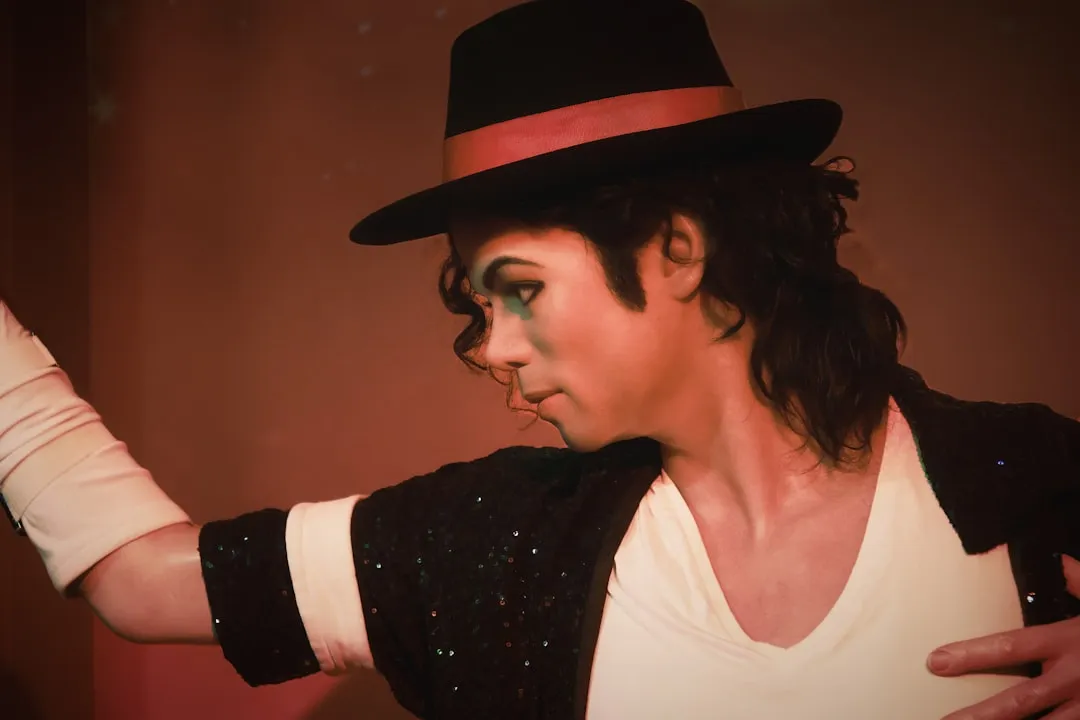
Signed promo copies of major albums occupy a separate and extremely lucrative corner of the market. A JSA-authenticated signed promo copy of Michael Jackson’s “Bad,” his 1987 follow-up to Thriller, sold for roughly $16,000 in May 2026, making it one of the most valuable modern-era signed vinyl pieces.
Authentication is the critical word here. Provenance is everything. A signed Lennon copy is worth $150,000; the same record unsigned is $40. Signed records without verifiable authentication paperwork from recognized services are worth a fraction of their authenticated counterparts. If you find a signed record, don’t assume it’s genuine, but do get it checked.
1990s Vinyl During the CD Era – Overlooked and Underpriced
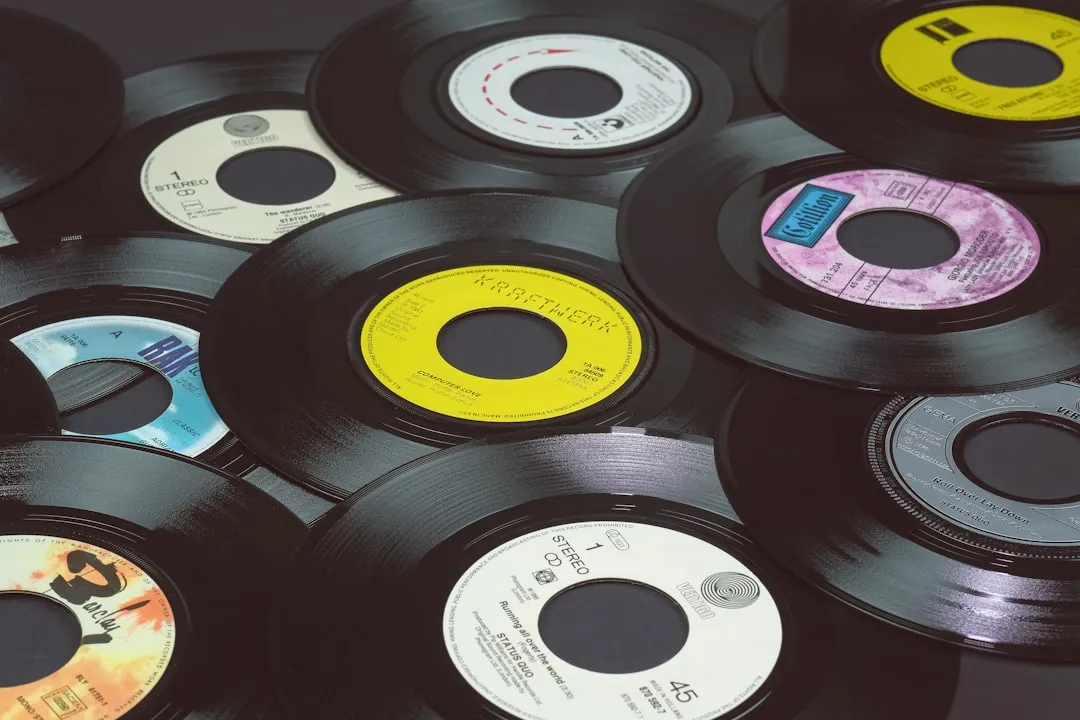
Here’s a category most people completely overlook. First pressings of early hip hop records like Illmatic, 36 Chambers, and Operation: Doomsday, as well as original punk and hardcore singles, and small-run vinyl from the CD era like OK Computer, Dummy, and Loveless, saw tiny vinyl runs in the 1990s, which quietly made originals scarce.
Because the CD era was so dominant, many labels pressed very few vinyl copies of albums that went on to become landmarks. Someone who bought the original vinyl pressing of a 1990s classic and left it in a box for 25 years could be sitting on something genuinely valuable today. These records often don’t look especially special, which makes them easy to accidentally discard.
How to Actually Check What You Have
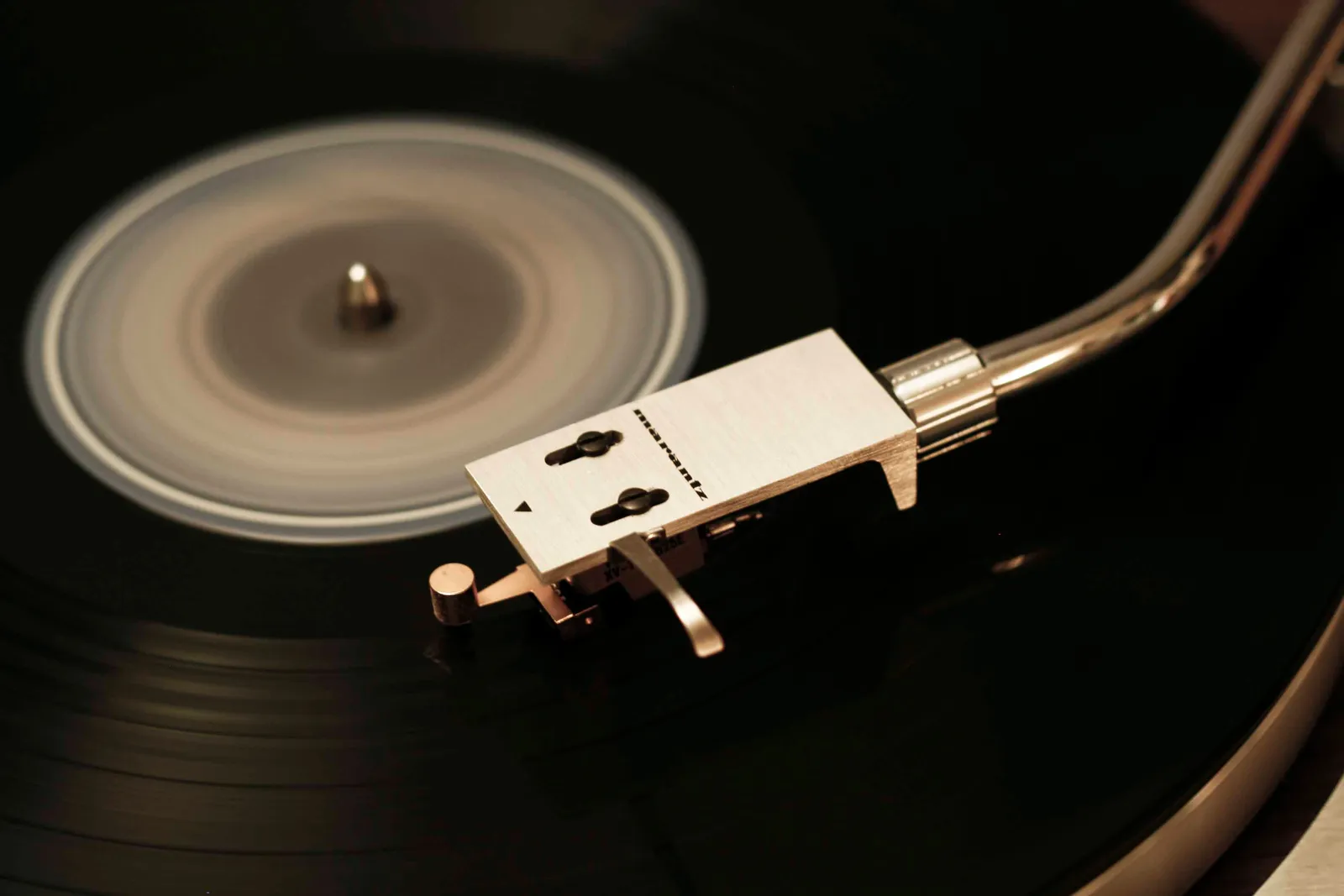
To identify what you have, check matrix codes (the inscriptions in the runout groove), country of pressing, label variations, catalog number prefix, mono vs stereo, and sleeve variants. Cross-reference against the Discogs database, which catalogs over 920 million items with detailed variant data.
Most “first pressings” are not rare. Only specific pressings with specific markings carry real value. Condition matters enormously too. Real value comes from a combination of low pressing run, cultural significance, condition, and verified provenance.
For records worth over $1,000, consider auction houses like Heritage Auctions, Sotheby’s, or Christie’s, which attract serious collectors and achieve premium prices. For everything below that threshold, Discogs remains the most reliable marketplace for cross-referencing sold prices against your specific pressing.
The Takeaway
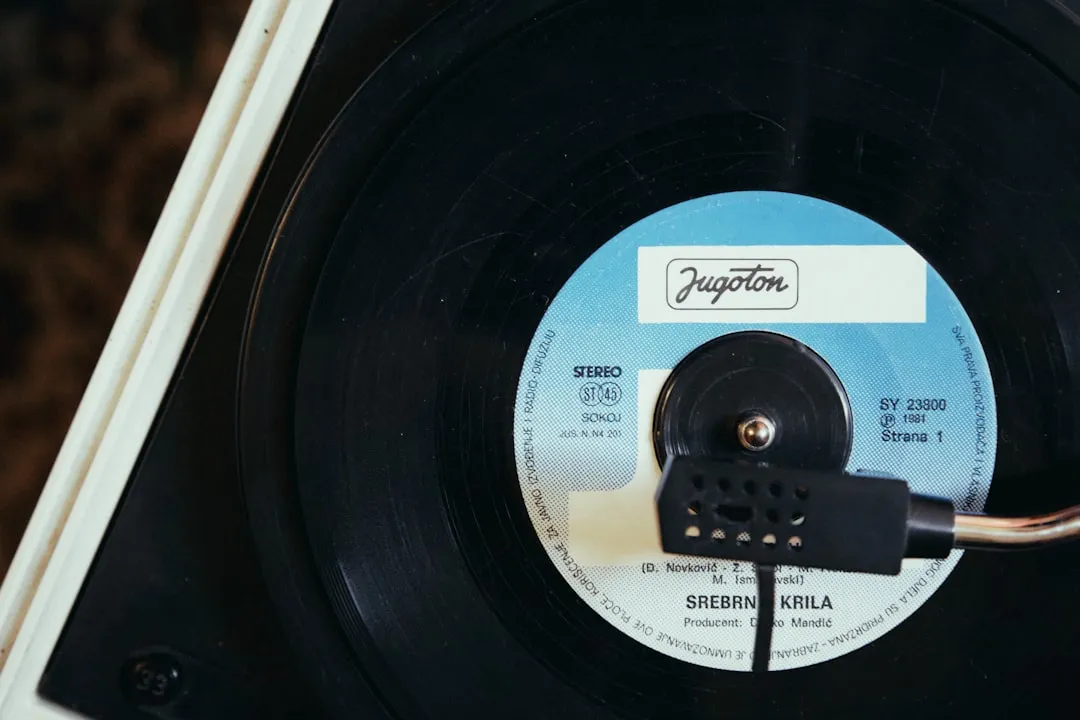
In 2024, Discogs processed over $250 million in transactions, and auction houses report growing interest from younger collectors entering the market. The convergence of vinyl’s sustained sales growth streak, Gen Z’s appetite for physical media, and the finite supply of original pressings means rare records are appreciating faster than ever.
The records worth real money are rarely the ones that look impressive. They’re the ones with specific matrix numbers, unusual label addresses, withdrawn covers, or provenance that can be traced and verified. A little time spent with a magnifying glass and the Discogs database could be the difference between a garage sale and a windfall.
Before any record leaves your hands, flip it over, look at the label, check the runout groove. You might just find something worth keeping.
AI Disclaimer: This article was created with the assistance of AI tools and reviewed by a human editor.