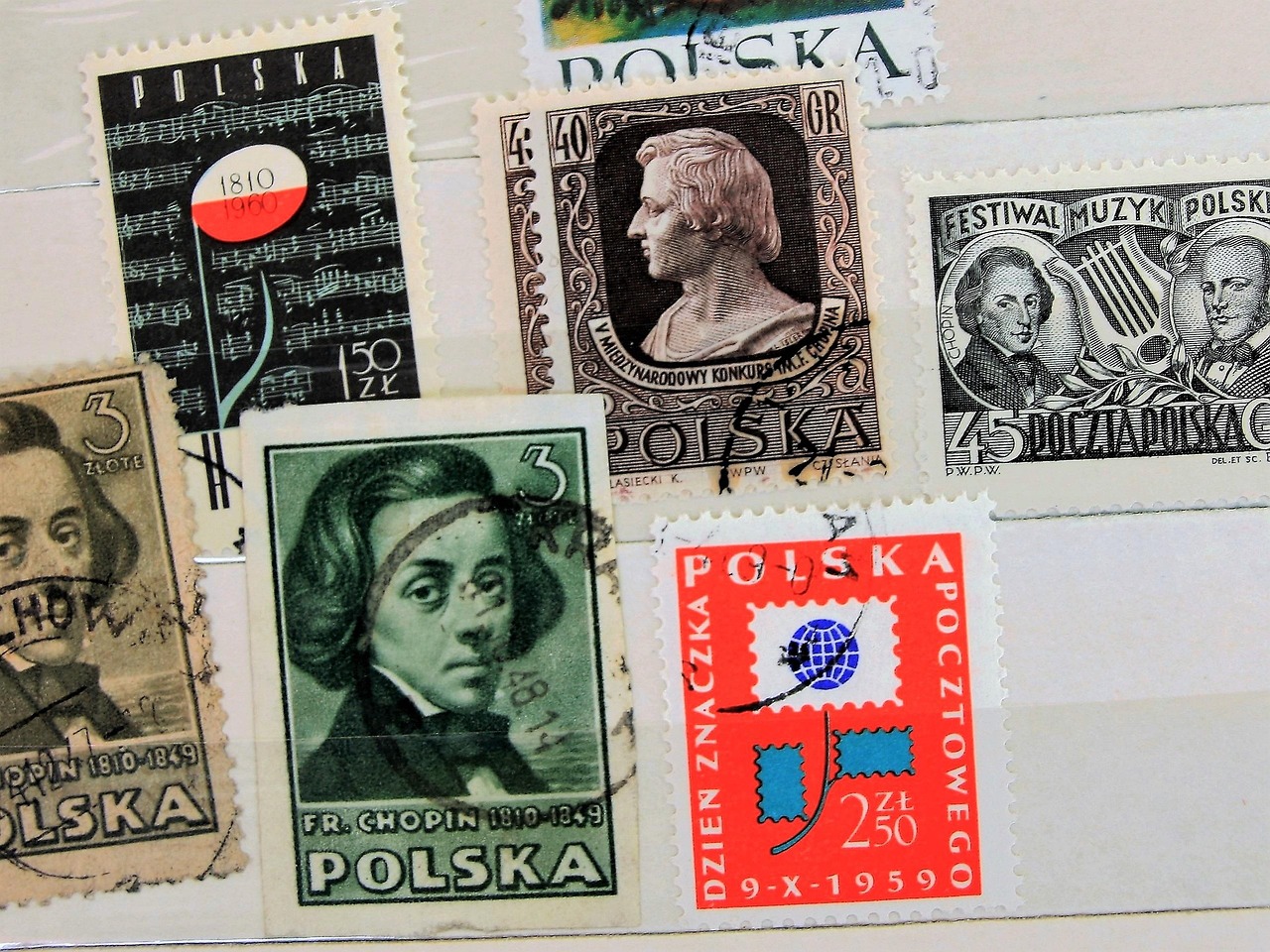

Stamp collecting has never really gone quiet. Despite digital everything, the philatelic market keeps producing record-breaking auction results, with serious collectors and investors hunting the same elusive pieces that have fascinated people for generations. The global collectibles market was estimated at nearly $294 billion in 2023, with expectations of steady growth through 2030. Rare stamps sit squarely within that boom.
For collectors, the appeal of a stamp can come from its age, rarity, a printing mistake, its condition, or a connection to an important moment in history. Some of these small pieces of paper are worth more than luxury cars, fine art, or real estate. Here is a gallery of the ones that serious collectors never stop chasing.
1. The British Guiana 1 Cent Magenta (1856)
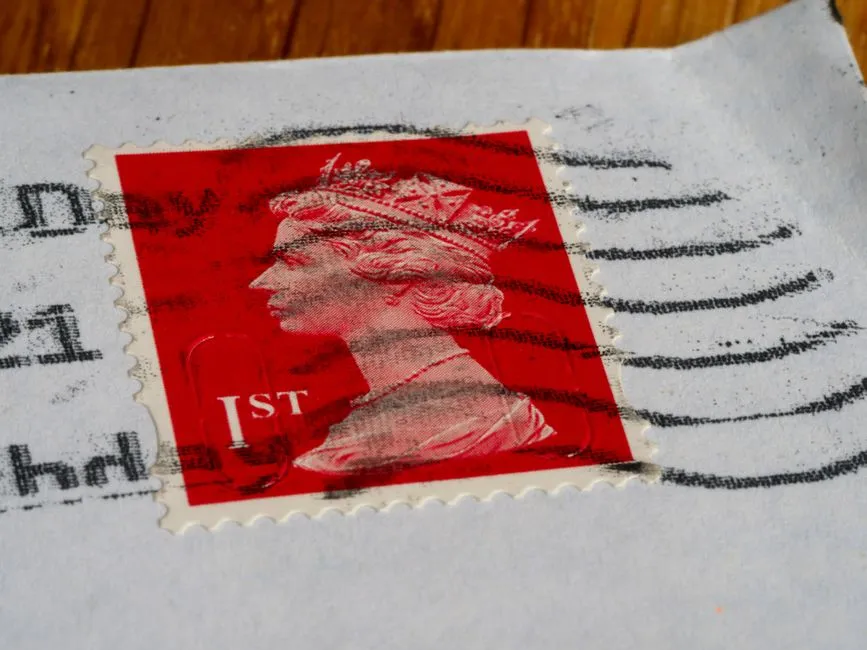
There is only one British Guiana 1 Cent Magenta postage stamp in existence, making it the rarest stamp in the world. The stamp was produced in British Guiana during an emergency printing run, with a design featuring a magenta background, black printing, and a sailing ship.
This stamp sold for about $9.48 million at a June 2014 Sotheby’s auction. Before then, it had belonged to John du Pont, an American man who purchased it for $935,000 in 1980. That trajectory alone tells you everything about where rare stamps are heading as investments.
2. The Inverted Jenny (1918)
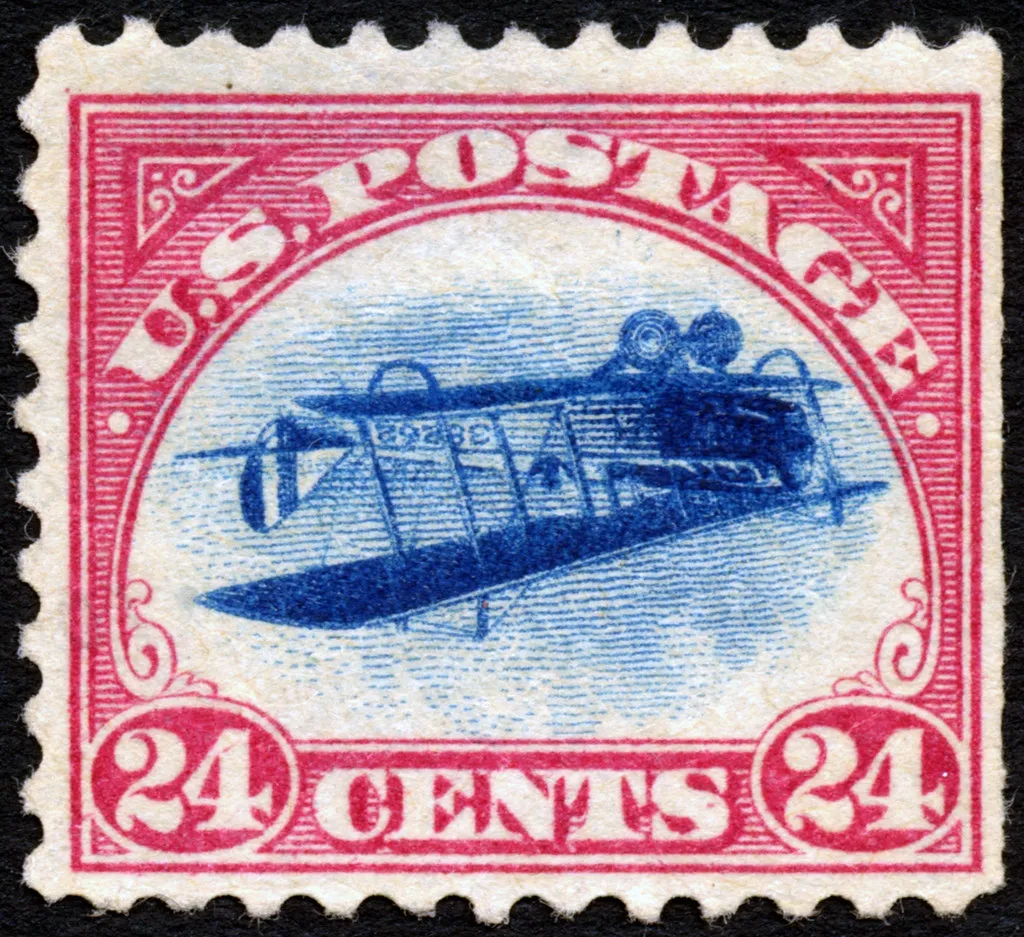
The Inverted Jenny is one of the most famous stamps in American philately. The 24-cent airmail stamp features a Curtiss JN-4 airplane printed upside down in the center, and the error resulted in just 100 examples from the affected sheet reaching collectors.
On November 11, 2023, another Inverted Jenny stamp was auctioned by Robert A. Siegel Auction Galleries for a new record hammer price of $1,700,000, with an 18 percent buyer’s premium raising the total cost to $2,006,000. Of the original 100 stamps, the whereabouts of about 20 remain unknown. That mystery only adds to the obsession.
3. The Benjamin Franklin Z Grill (1868)
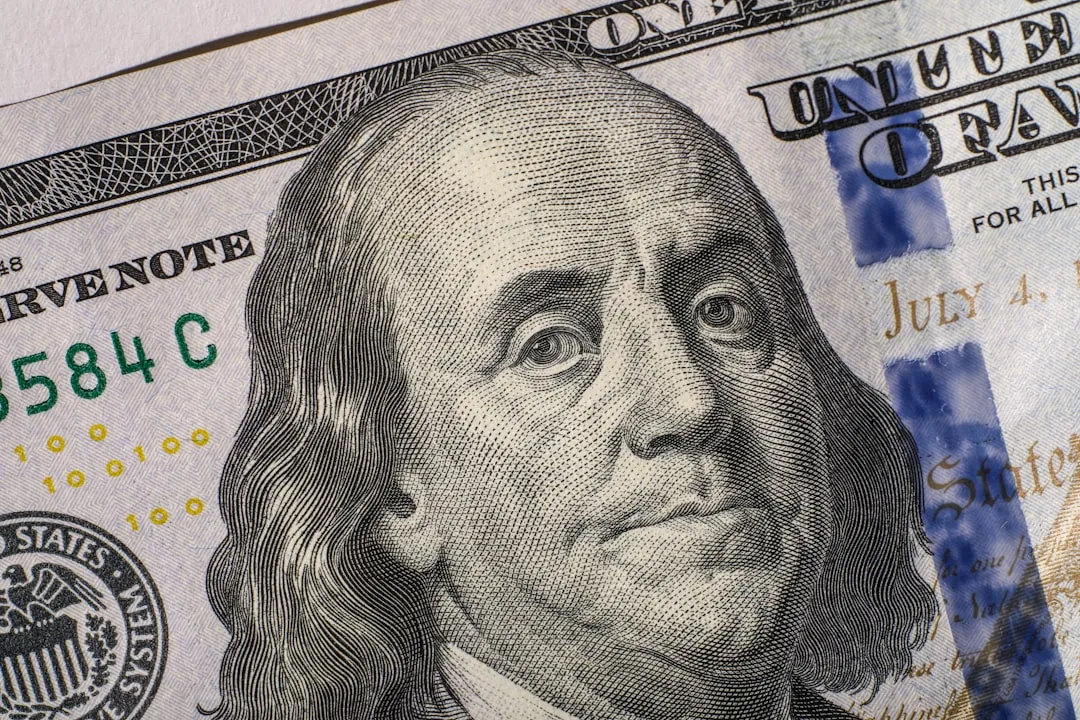
The Z Grill is considered the rarest of all United States stamps, with only two examples known to exist. This 1-cent Benjamin Franklin stamp features a distinctive Z grill pattern. The US Postal Service used different types of grills, which were embossed patterns designed to prevent the reuse of stamps. The Z grill was not widely used, making this stamp an extreme rarity.
The iconic Blue Z Grill stamp shattered records by selling for an astounding $4.3 million at a recent auction. One of the two known examples is permanently held at the New York Public Library’s Miller Collection, while the other circulates at auction houses. Owning the second one is essentially a once-in-a-generation opportunity.
4. The Mauritius Post Office Stamps (1847)
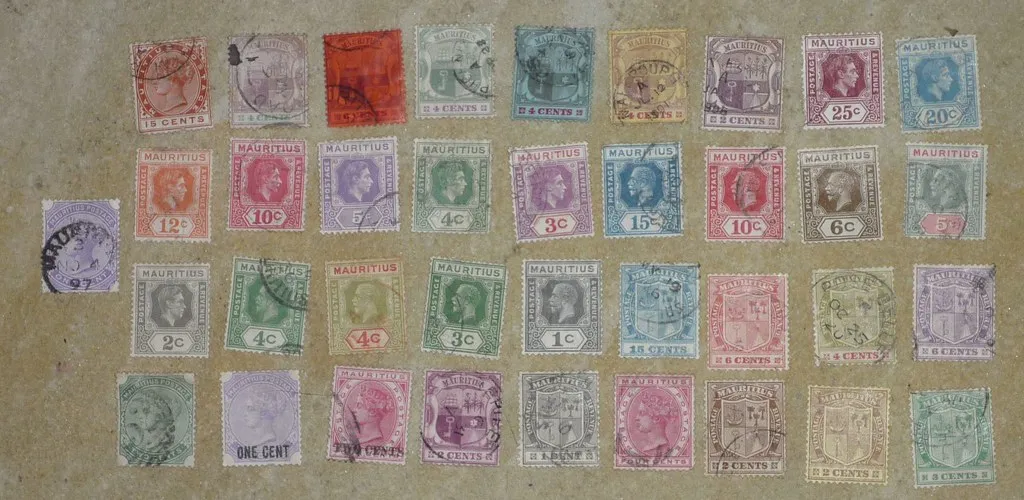
These are the first British stamps ever created outside Great Britain, and they rank among the world’s most expensive stamps, costing more than some of the most valuable paintings. The stamps were produced as an emergency solution when a stamp shipment from London was delayed.
A famous “Ball” cover featuring a scarce Mauritius penny red-orange stamp was auctioned by Christoph Gärtner in June 2021, selling for €8.1 million, equivalent to almost $12 million. This is the highest price ever paid for a single philatelic item. The pair continues to represent the pinnacle of colonial postal history.
5. The Swedish Treskilling Yellow (1855)
The 1855 Swedish Treskilling Yellow was part of Sweden’s first postage stamps ever produced and should have been printed in green. The mistaken yellow copies are down to one example in existence today. It was found by a schoolboy and philatelist named Georg Wilhelm Baeckman, who rescued it from his grandmother’s rubbish bin in 1885 and sold it to a dealer for just seven Kroner in 1886.
This stamp sold for around $2.3 million in 1993, and today it is estimated to be worth over $4.2 million. One stamp, one known color error, one schoolboy’s lucky moment. It doesn’t get more dramatic than that in philately.
6. The Sicilian Error of Color (1859)
The 1859 Sicilian Error of Color was supposed to be printed in orange but was instead printed in blue. There are only two known examples in existence today, making it one of the most valuable rare stamps sought by collectors.
Both were shown at the 1899 Manchester Philatelic Exposition, then separated before one was sold as part of the Ferrari collection. One sold in 2011 for €1.8 million, equivalent to about $2.5 million in inflation-adjusted terms. Color errors of this magnitude simply do not survive in quantity, which is precisely why collectors will pay almost anything for them.
7. The Penny Black (1840)
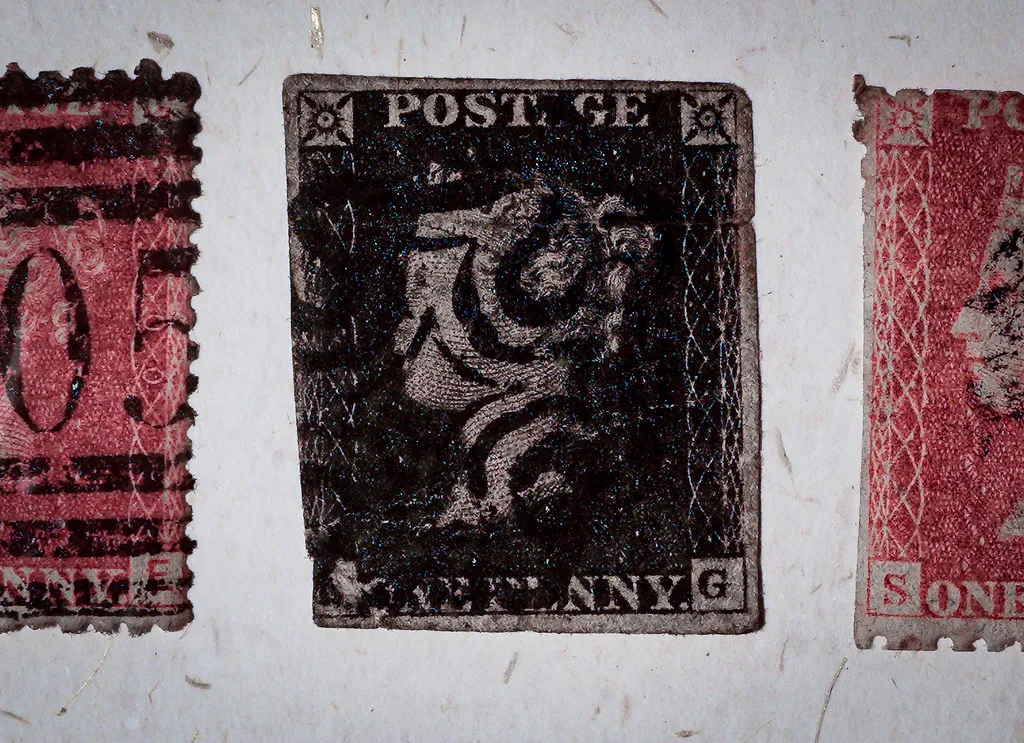
The Penny Black holds the distinction of being the world’s first adhesive postage stamp, issued by Great Britain on May 1, 1840. This revolutionary stamp transformed postal communication and established the foundation of modern philately.
The Two Penny Blue is the world’s second official postage stamp, issued alongside the Penny Black. The Two Penny Blue was meant for heavier items and was used less often, making surviving examples comparatively scarcer. Both remain cornerstones of any serious British collection, and fine examples regularly surface at major London and Swiss auction houses.
8. The Baden 9 Kreuzer Error (Germany)
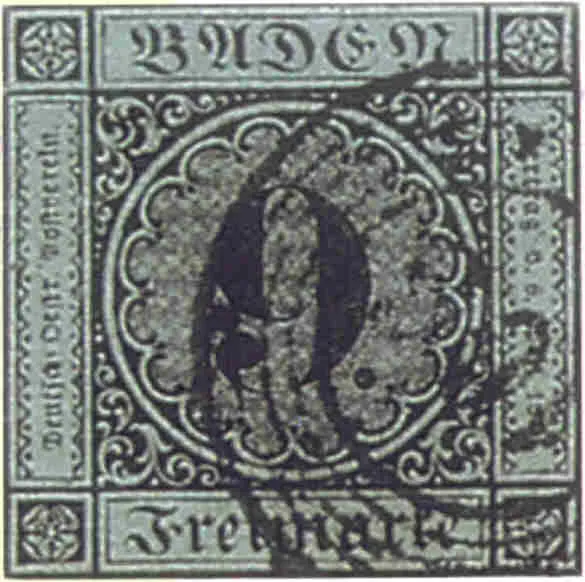
The Baden 9 Kreuzer printed in green instead of rose is one of the most famous German stamp errors and among the world’s rarest stamps. It is a textbook example of how a simple printing blunder can transform an otherwise routine issue into one of the most coveted objects in philatelic history.
Only a handful of examples are known to exist, and the stamp regularly appears on shortlists of the most wanted European philatelic rarities. Its value has climbed substantially over the decades, reflecting both its scarcity and its reputation as a genuine error classic. Collectors focused on European postal history rarely ignore it.
9. The Tiflis Unique (1857)
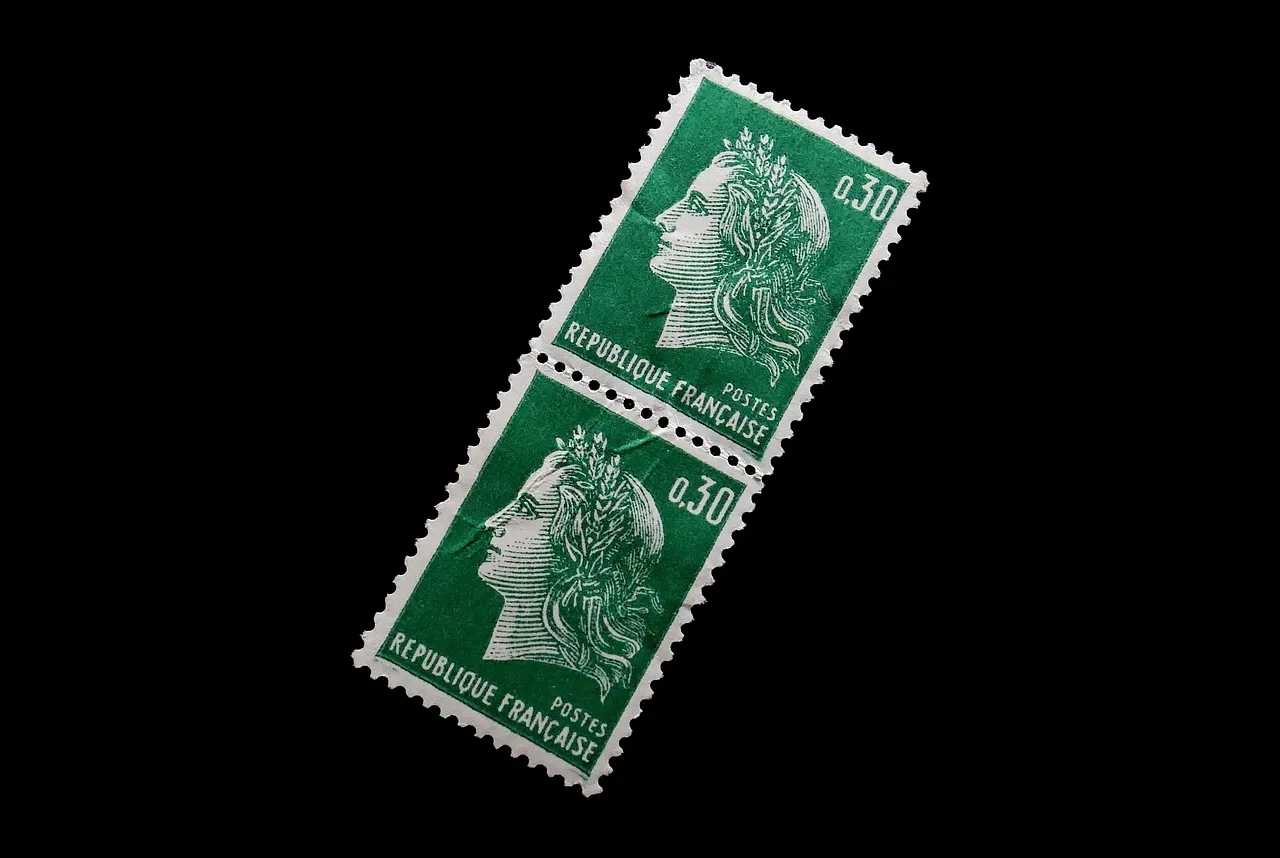
The Tiflis Unique is an outstanding postage stamp that was issued in the Russian Empire, in what is now the Republic of Georgia. It appeared in 1857 and is considered to be the first Russian postage stamp, with only five specimens preserved.
A recently discovered Tiflis Unique, which had been kept in an old album in New Zealand for the last century, was offered by Spink in 2017. In unused condition, it was estimated at £70,000 to £100,000 but ultimately sold for £165,000. Stories like this one are exactly why collectors never stop searching through inherited albums and old estate collections.
10. The William H. Gross Collection and What It Revealed
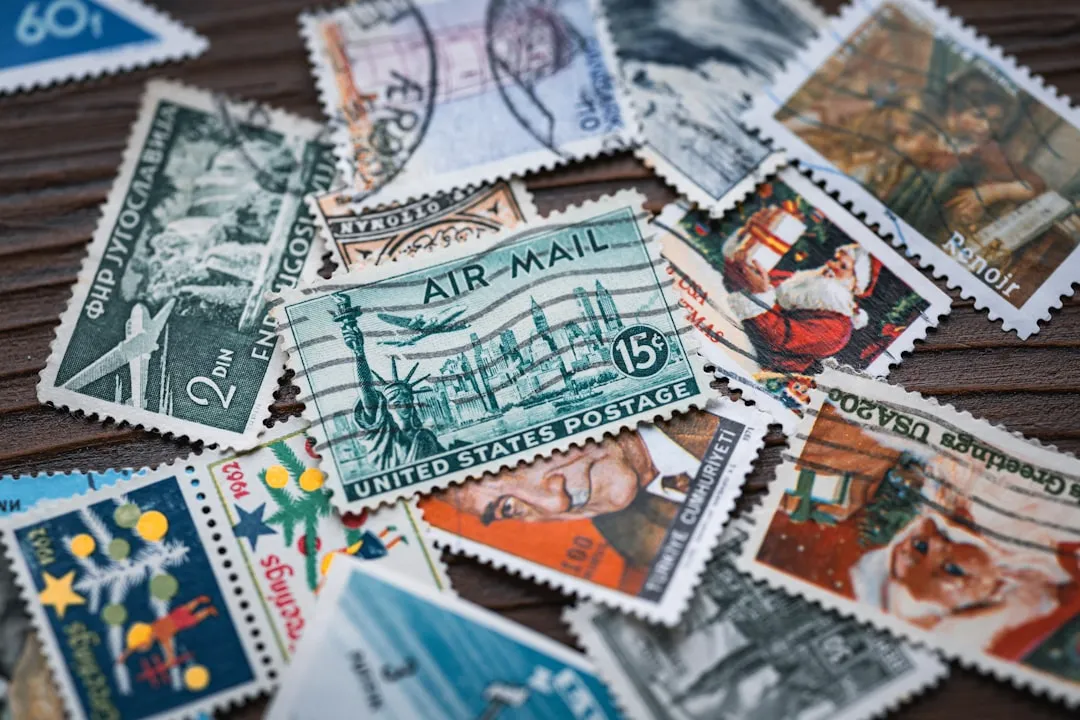
In June 2024, Siegel Auction Galleries sold the William H. Gross Collection of United States Stamps in New York City. The two-session sale realized $19,201,550, with the top 100 lots alone bringing $18,120,847, making it the highest-grossing single auction session in philatelic history.
The collection was assembled by William H. Gross, known as the “Bond King,” and is considered by many to be the most complete and significant collection of American postage stamps ever put together. The sale didn’t just break records. It confirmed that rare stamps, when collected with real rigor and expertise, hold serious financial weight in the broader collectibles world.
The Takeaway
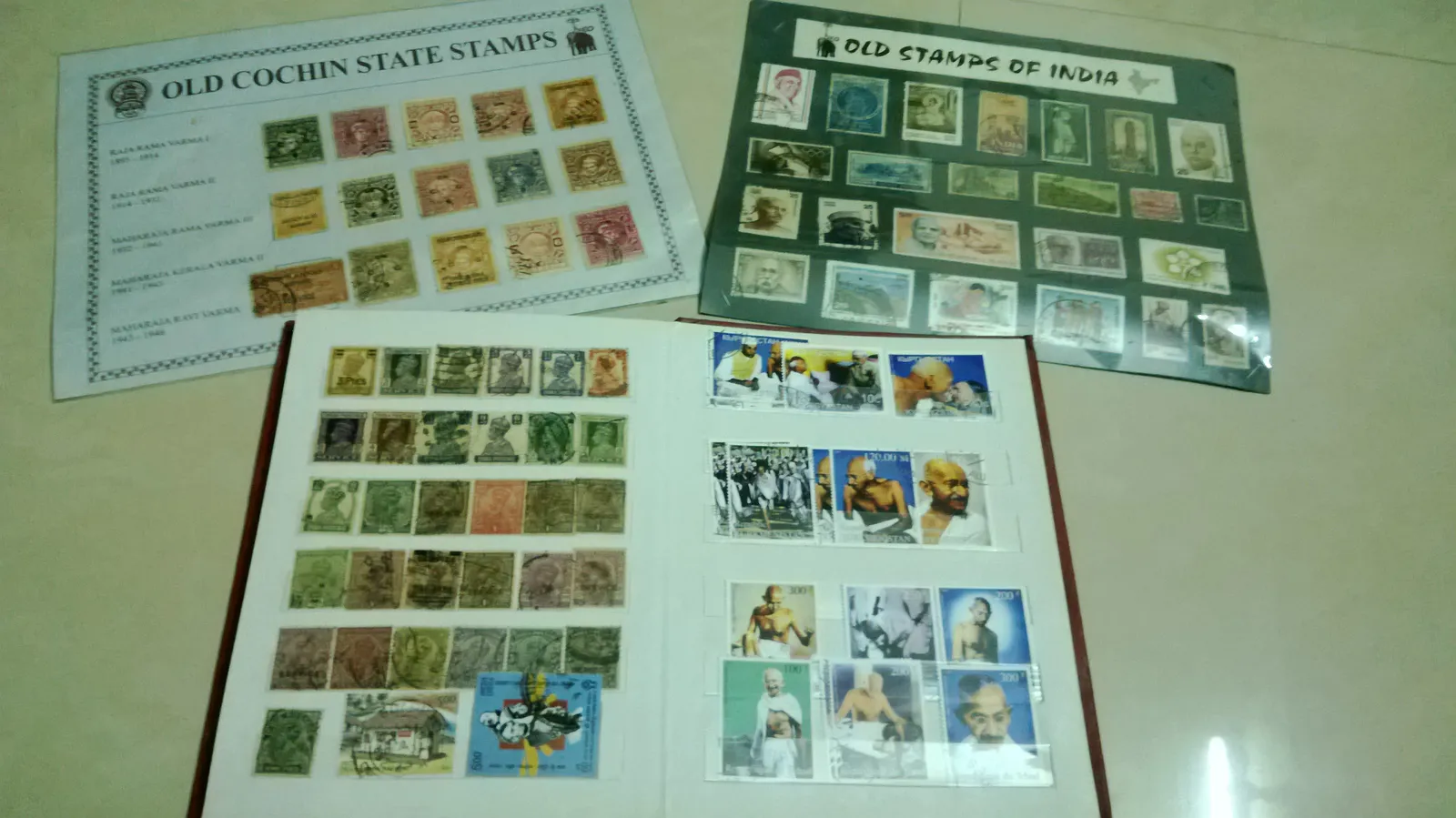
What ties all of these stamps together isn’t just monetary value. The appeal for collectors comes from a stamp’s age, its rarity, a printing mistake, its condition, or its connection to an important moment in history. Each of these pieces is a fragment of postal, political, or economic life frozen in time.
That old album sitting in a closet could contain something much more valuable than a keepsake. Before donating or throwing away an inherited collection, it’s worth taking a much closer look at what’s inside. The stamps people are hunting for most urgently are the ones that nobody expected to survive, printed in the wrong color, fed through the press upside down, or issued in a colonial backwater during an emergency. Ordinary circumstances, extraordinary outcomes.
AI Disclaimer: This article was created with the assistance of AI tools and reviewed by a human editor.