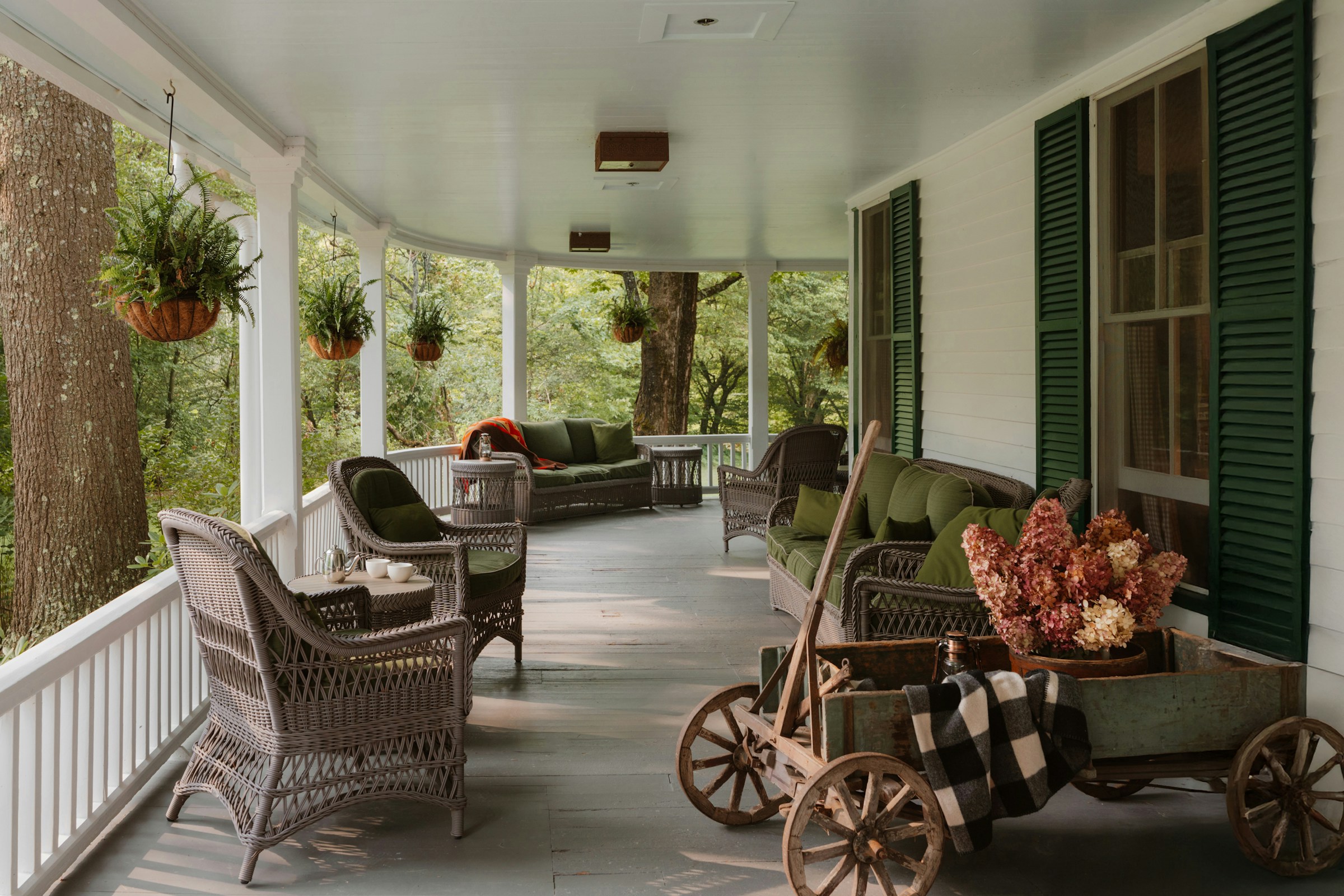

How the Porch Disappeared in the First Place
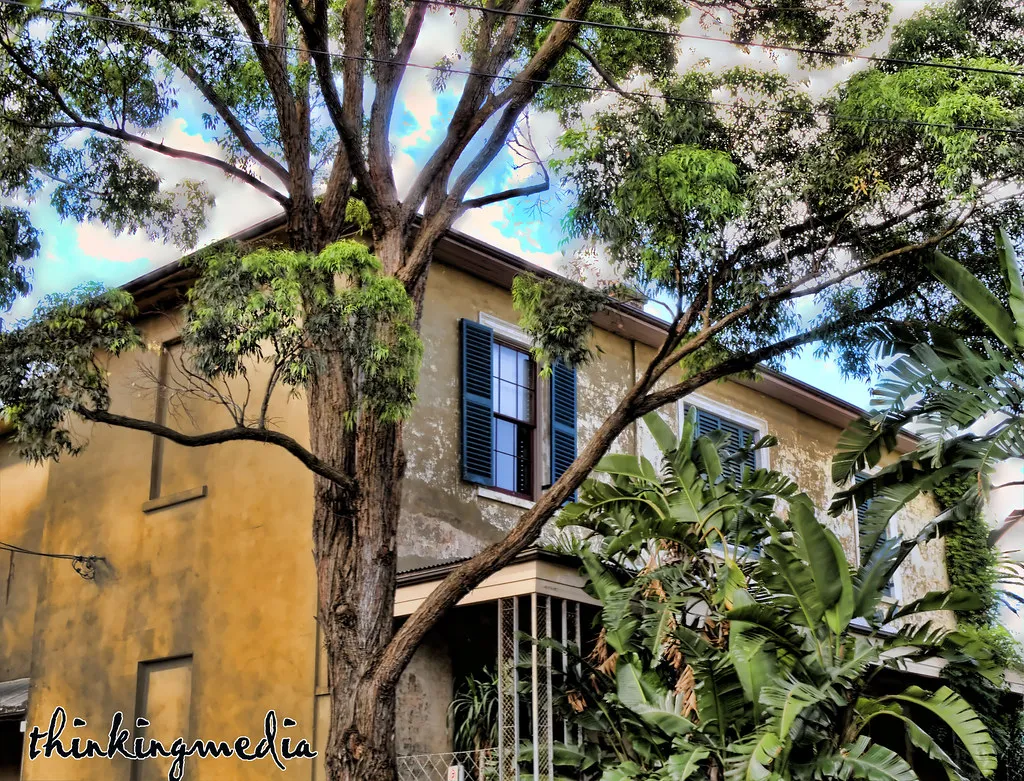
The front porch’s decline wasn’t accidental. The sprawling ranch houses, split-levels, and garage-forward suburban designs that swept across America from the mid-20th century onward systematically pushed social life indoors and out of sight. Porches went out of fashion for much of the 20th century, just look at the ramblers and split-level homes that proliferated from midcentury onward.
A 2023 study by the Pew Research Center found that nearly a third of adults don’t know their neighbors by name, a sharp rise from past decades. Fenced yards and garage-centric homes have physically walled off interaction.
Over half of Americans who say they know some of their neighbors say they never get together socially, according to a Pew study from 2019. That’s the quiet toll of a landscape designed around cars rather than people.
The Numbers Behind the Revival
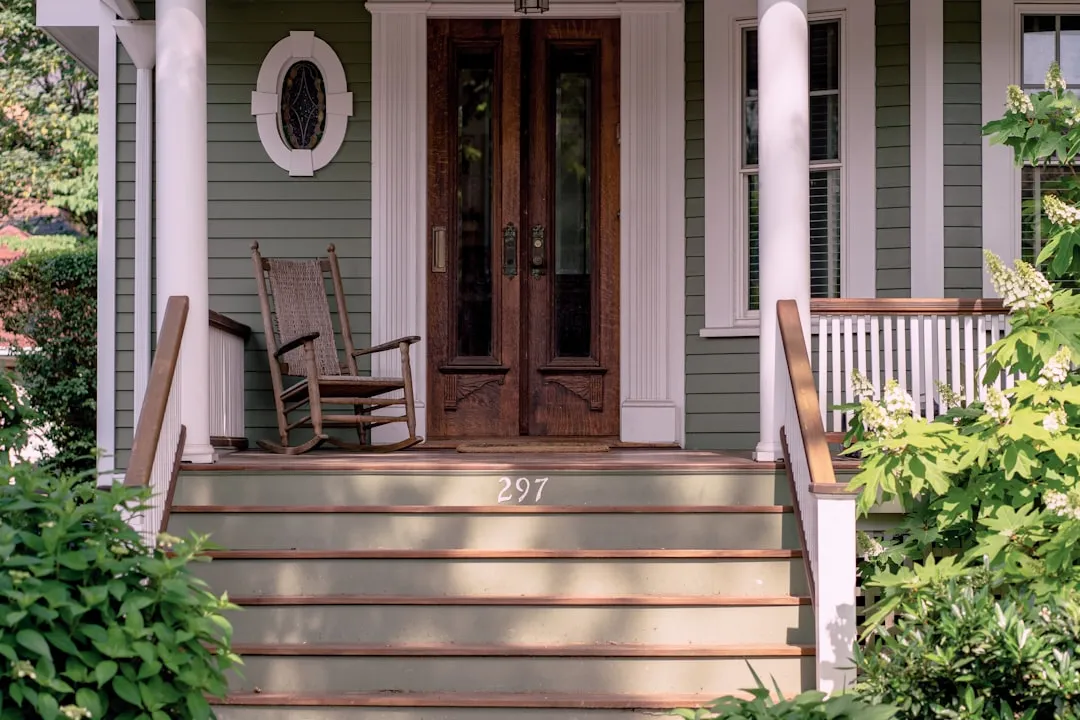
Across the United States, 68 percent of new construction homes included a porch in 2024, according to Ed Hudson, the director of the market research division at Home Innovation Research Labs. The majority of them are front porches.
That figure is up from 2005, when, according to the U.S. Census Bureau, about 54 percent of new homes included porches. That’s a meaningful shift over roughly two decades, not a blip.
In recent decades, front porches have seen a slow but steady rise in popularity. The trajectory has been gradual, but the direction is consistent and it’s showing up in construction data, design trends, and neighborhood culture simultaneously.
The New Urbanism Connection
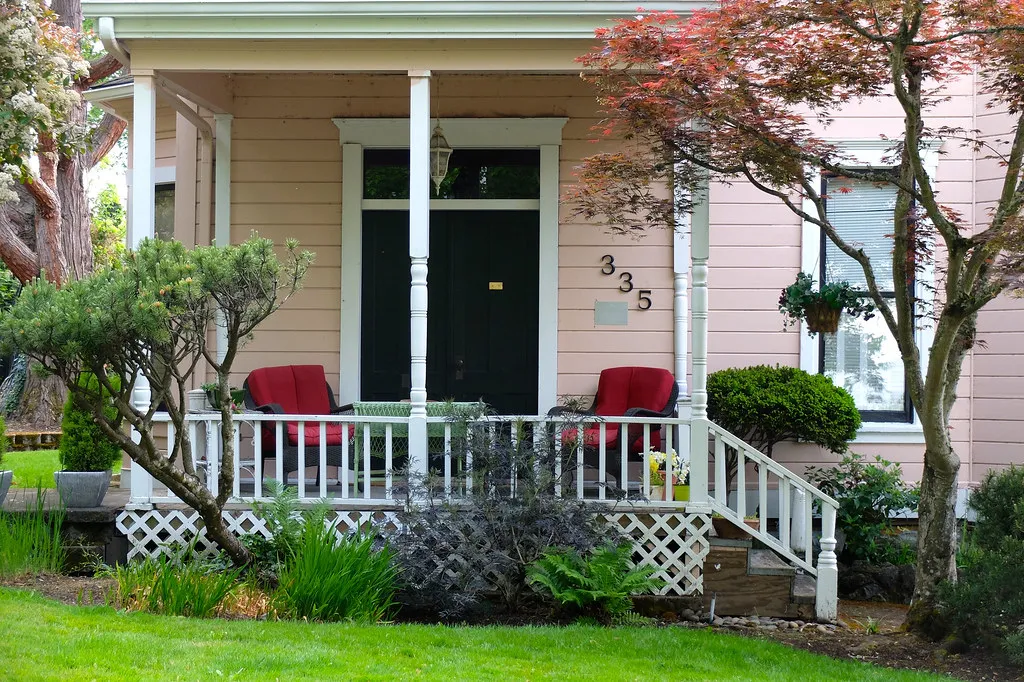
The comeback of the front porch ties to the New Urbanist movement, beginning in the 1990s. That movement specifically challenged the car-centric, privacy-first design logic that had shaped American suburbs for generations.
New Urbanism is a movement that seeks to create walkable, human-scaled neighborhoods that prioritize community, sustainability, and connectivity. The front porch fits squarely into that philosophy because it places residents in visible, accessible relationship with the street.
The entire orientation toward the porch, street, civic spaces, walkable community, and shared open spaces is intended to let you know your neighbors and spend time with them. To achieve this, New Urbanists often incorporate various features such as front porches, community gardens, local gathering places, and pedestrian-friendly streetscapes.
Porches as a Public Health Response
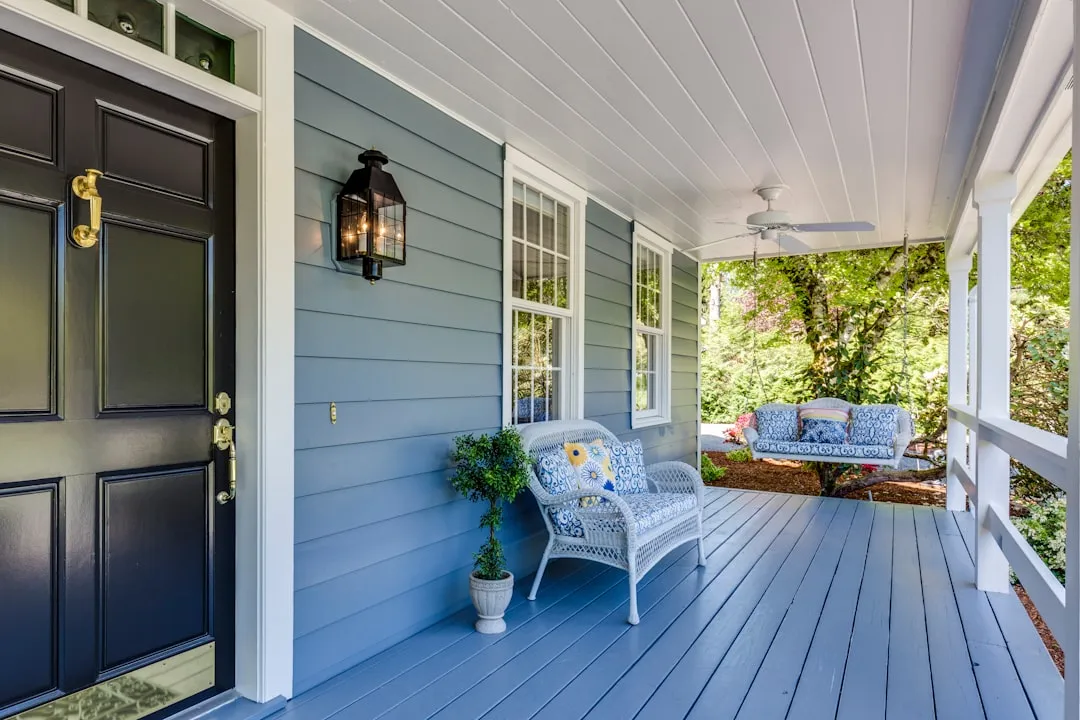
The epidemic of loneliness and isolation has fueled other problems, and rebuilding social connection has been called a top public health priority for the nation. The front porch, modest as it is, sits right at the intersection of architecture and public health.
The greatest predictors of longevity and health are physical activity and social interaction outside of one’s family circle, and research proves that the design of the neighborhood you live in impacts those variables.
Washington State University researchers have made this case plainly. Spending more time on the front porch to make yourself available and building involvement from there can be a strategy for good neighboring. Small gestures open the door for meaningful connection, especially for youth, caregivers, and older adults who spend more time at home.
What Homebuilders Are Doing About It
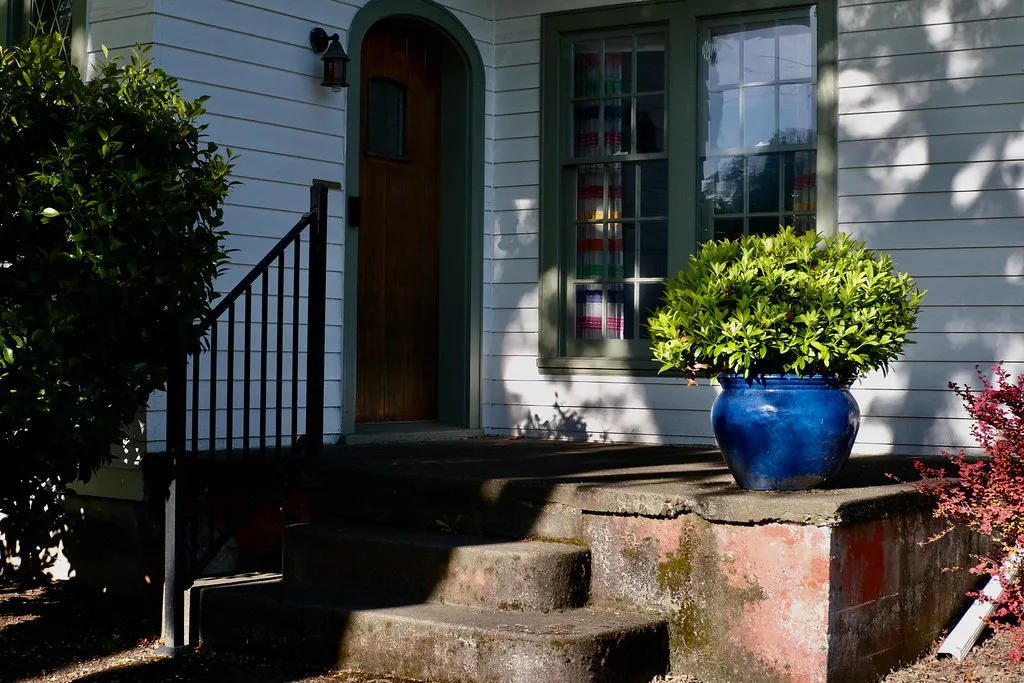
Some homebuilders describe their effort as trying to always create a sense of community in neighborhoods, and front porches have become one of the most practical tools to do that. Most new home designs from certain builders now include front porches.
In 2025, the trend has shifted toward wide, deep porches that allow for dining, working, and lounging, turning them into transitional indoor-outdoor living spaces. It is no longer enough to have a small porch that is more aesthetic than functional. People want every inch of their home working for them, and this is partly due to the pandemic.
Not only does a large front porch give you more square feet to utilize, but it’s also a great way to reconnect with your neighborhood since you’ll be outside more often and not tucked away in the backyard. The logic is simple but it holds up.
Porchfest: Turning Porches Into Community Stages
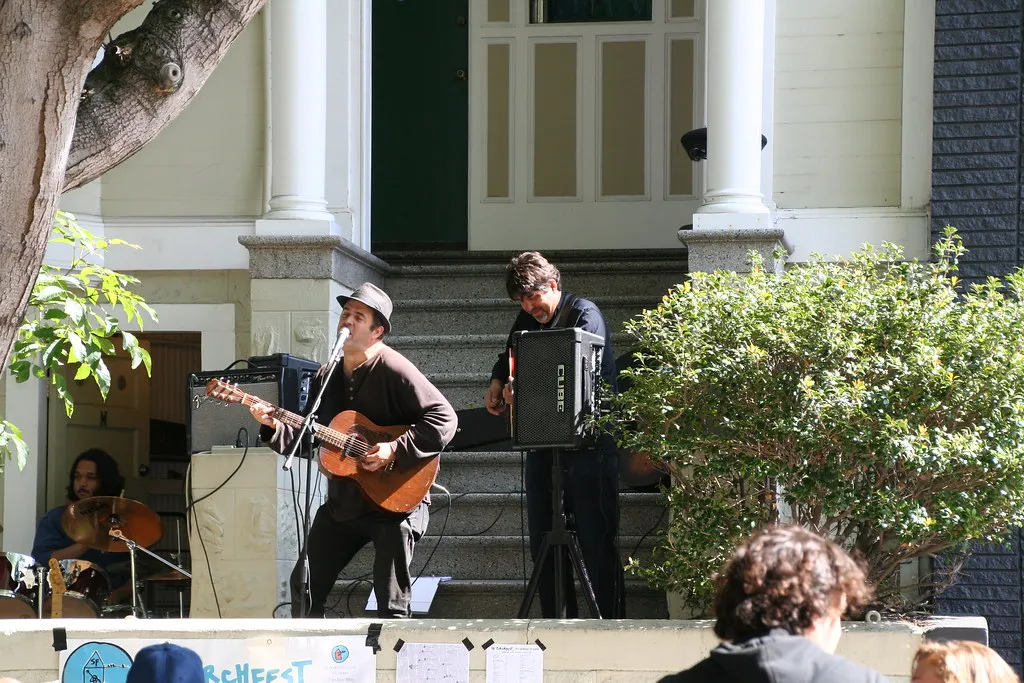
One of the most vivid expressions of the porch revival is the Porchfest movement, where neighborhoods turn their front stoops into free live music venues for an afternoon. Ithaca, New York has been celebrating community through music on the porches of its Fall Creek and Northside neighborhoods since 2007.
About 170 different performers and groups took part in Porchfest 2024, taking over porches, driveways, lawns, and parks for an afternoon celebrating community. That’s a genuine neighborhood institution at this point, not a one-off experiment.
The idea has spread widely. After the success of Porchfest in 2024 and 2025, Porchfest LA announced it would expand in 2026 to cover both the Eastside and Westside of Los Angeles. It is a completely free performance art festival that welcomes residents to turn their porches into performance spaces. Cities from Tacoma to Malden, Massachusetts have launched their own versions.
The Grassroots “Front Porch Friday” Movement
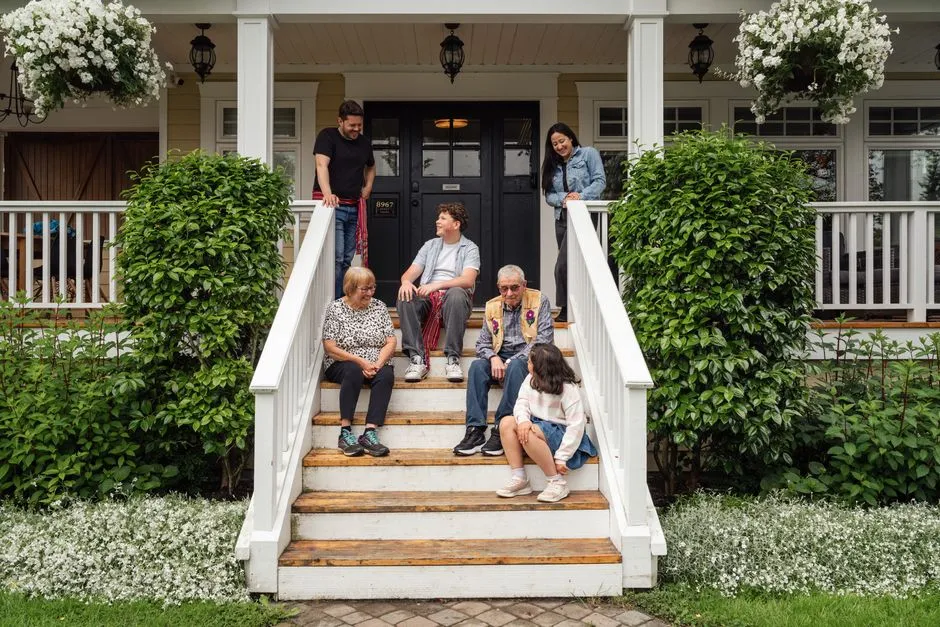
Not every porch revival requires a festival permit or a stage. Some of the most effective efforts have been informal, neighbor-to-neighbor invitations. In St. Paul’s Tangletown neighborhood, one resident made flyers inviting neighbors to “Front Porch Fridays.”
At its heart, Porchfest is a grassroots celebration where neighbors generously offer their front porches, driveways, and yards as stages for local musicians. For families, it represents an opportunity to connect with neighbors and experience live art in a safe, walkable environment.
The scale doesn’t seem to matter much. Whether it’s 170 performers or one household putting out chairs on a Friday evening, the underlying mechanism is the same: making yourself visible and available to the people who live nearby.
What Design Elements Actually Make Porches Work
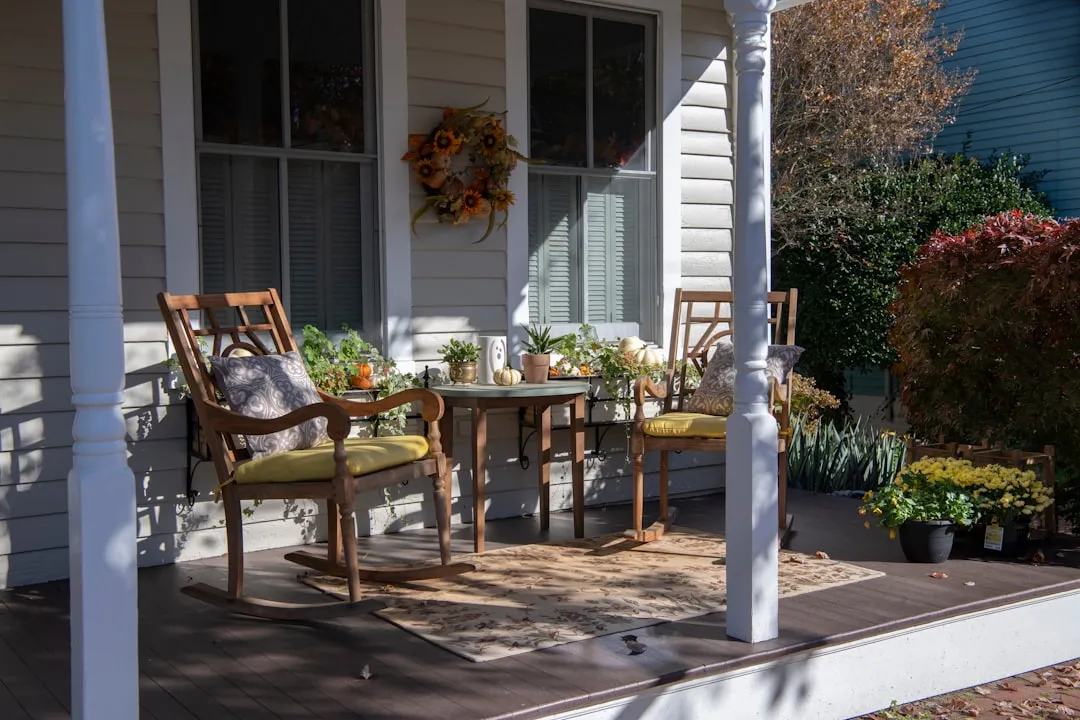
A middle ground between private homes and public streets, front porches have made a steady comeback in new home construction. That middle-ground quality is precisely what makes them socially effective. They lower the stakes of interaction without eliminating it entirely.
Porches and fences play a pivotal role. A porch can be a finely-honed social interaction device, while a fence can be a precisely-tuned personal space protection mechanism. The distance from the sidewalk, the height off the ground, and the presence or absence of railings all shape how comfortable casual conversation feels.
Multifunctional porches are a hot trend as homeowners transform these areas into spaces for work, play, or relaxation. With clever zoning, a porch can host a dining table, a small desk for remote work, and even a yoga mat. Foldable furniture, storage benches, and power outlets enhance versatility without overcrowding the space.
Sustainability Is Now Part of the Porch Conversation
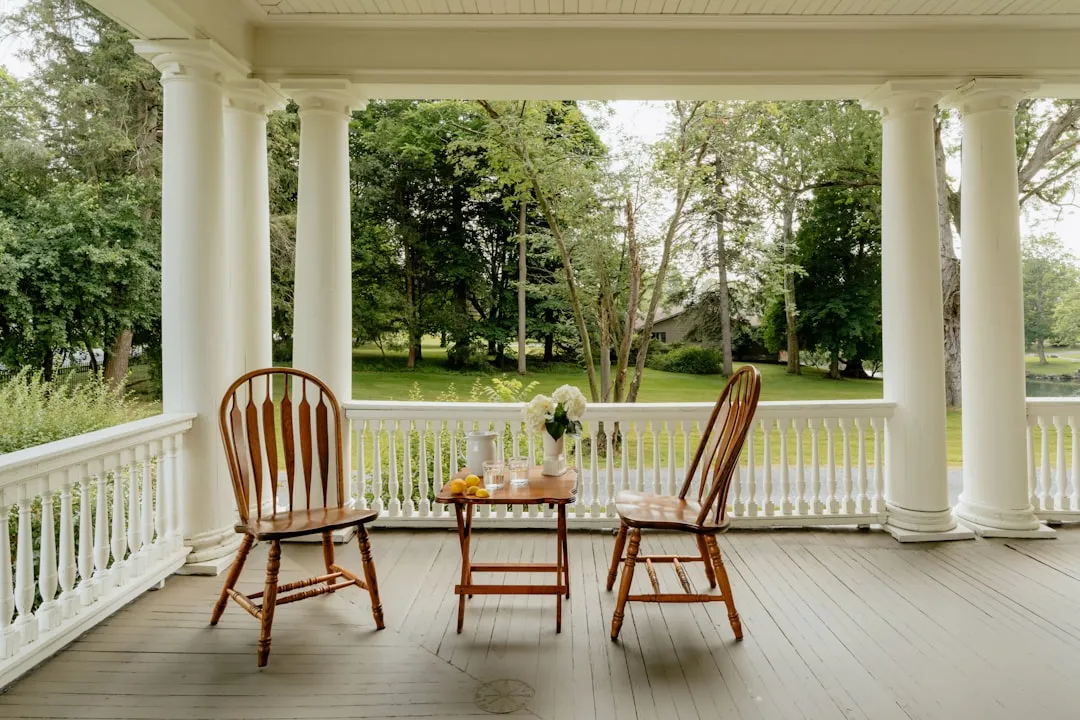
Eco-consciousness is redefining porch design, with an emphasis on sustainable materials that marry style with responsibility. Homeowners are gravitating toward reclaimed wood, bamboo, and composite decking that reduce environmental impact while offering robust performance.
Lighting is more than functional; it’s an art form that creates ambiance while supporting sustainability. Solar-powered fixtures, string lights, and LED pathways bring warmth to porches without driving up energy usage. The porch, in this sense, has become a testing ground for low-impact living choices as much as a social one.
The pandemic drove a desire for outdoor living, leading people to want every inch of their home to be functional. The post-pandemic emphasis on outdoor living persists, and there’s a renewed desire to use that space both socially and functionally. Sustainability aligns neatly with that impulse.
What Happens in Communities That Actually Use Them
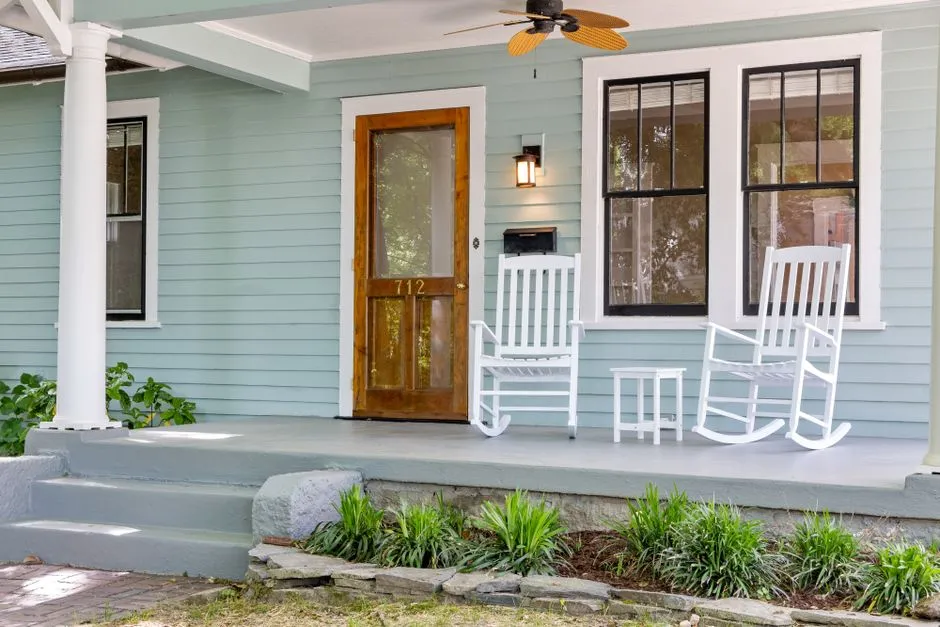
The evidence from communities that have actively built porch culture is encouraging. More than 81 percent of respondents in one study felt they became a more informed citizen through a front-porch-oriented community platform, compared with only 26 percent of Facebook users and 32 percent of Nextdoor users.
A quiet movement around American front porch culture is pushing back against isolation, reviving these classic spaces as hubs for connection. Urban planners and homeowners alike are rediscovering that a simple porch can do what no app or algorithm can: rebuild trust and camaraderie right outside your door.
Community organizers involved in porch-centered events have noted that community connection matters more than ever and that these spaces offer a positive way to grow community and enjoy meaningful interaction. The goal, in most cases, is growth: more neighborhoods, more participants, more porches.
The Takeaway
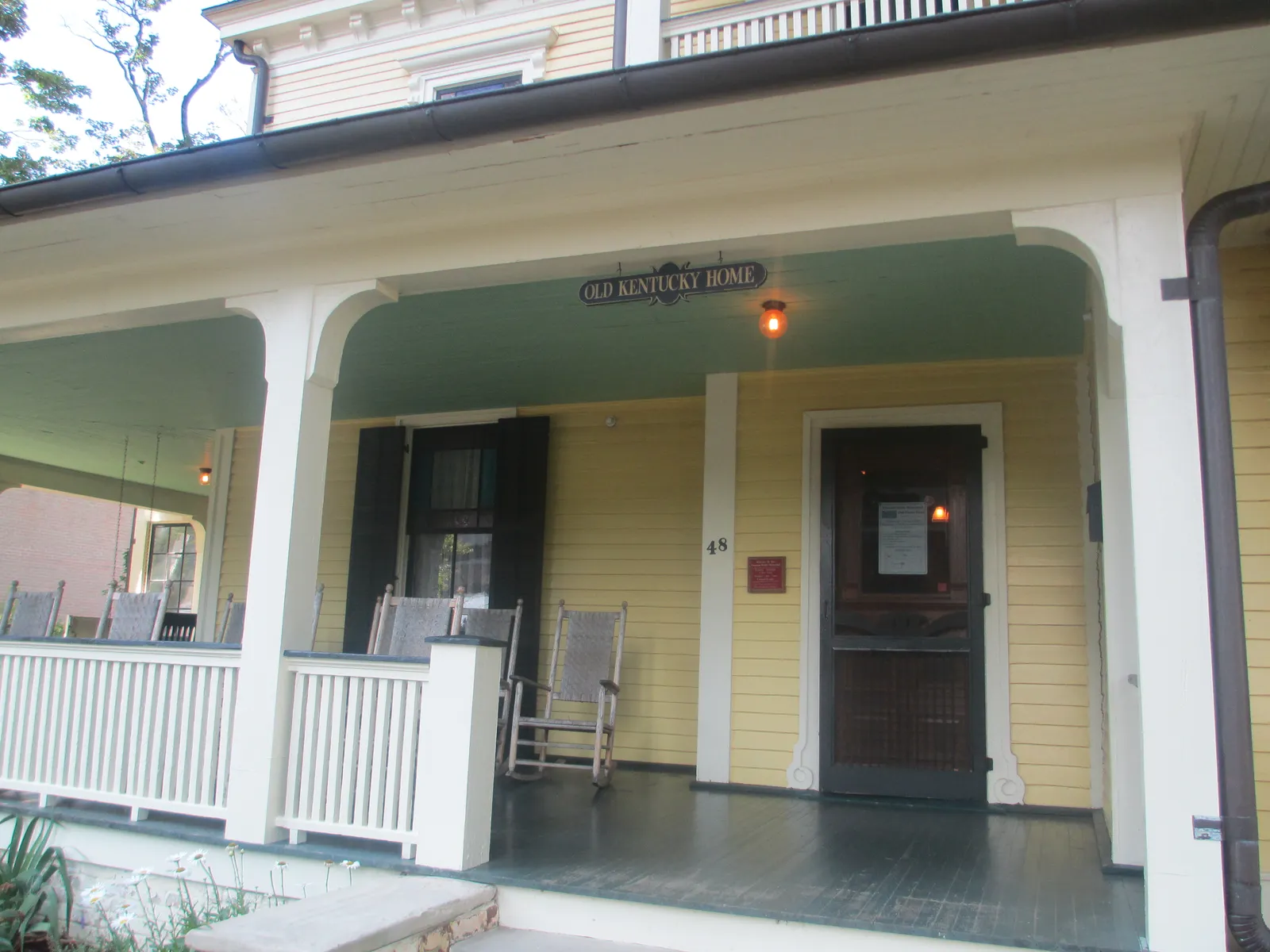
The front porch revival isn’t really about architecture. It’s about the recognition that connection doesn’t happen automatically, that it needs a physical space with the right conditions: visible enough to invite interaction, private enough not to demand it.
The data on new construction, the spread of Porchfest events across dozens of cities, and the growing body of research on walkable, neighbor-facing design all point the same direction. The habits that reduce loneliness and build community tend to be simple, low-cost, and already within reach.
Sometimes the most effective piece of community infrastructure is a covered platform, a couple of chairs, and the decision to sit outside for a while.
AI Disclaimer: This article was created with the assistance of AI tools and reviewed by a human editor.