
Sourdough Fermentation: The Original Slow Rise
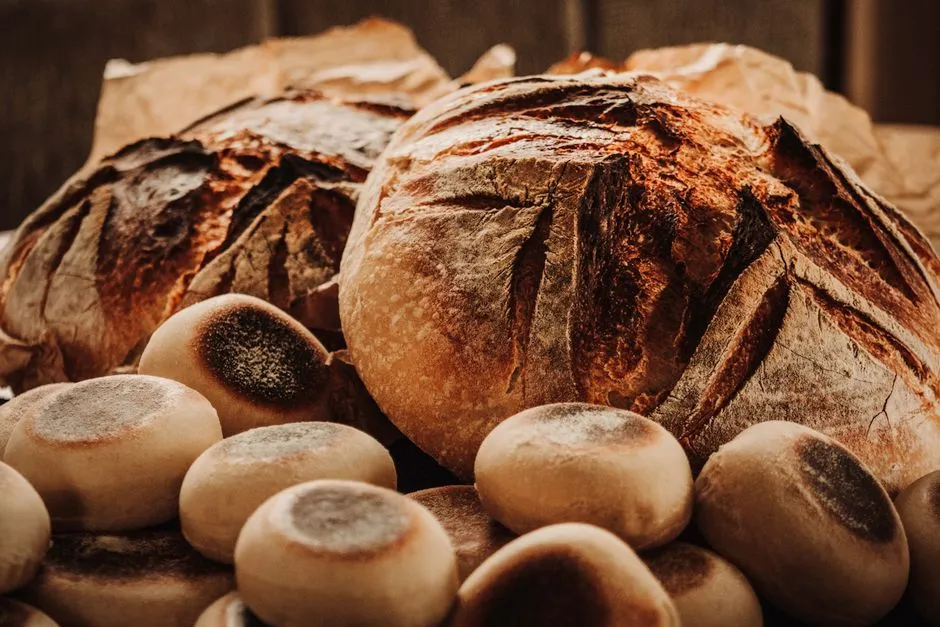
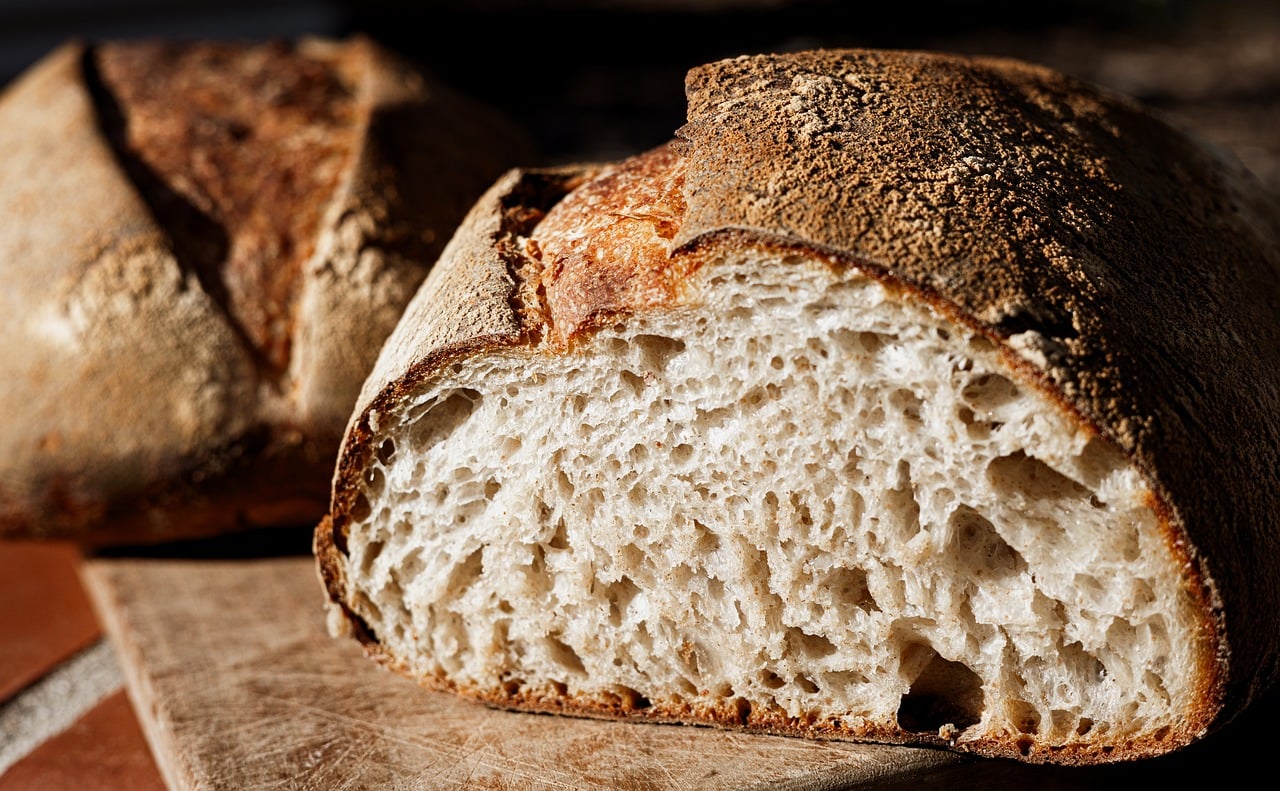
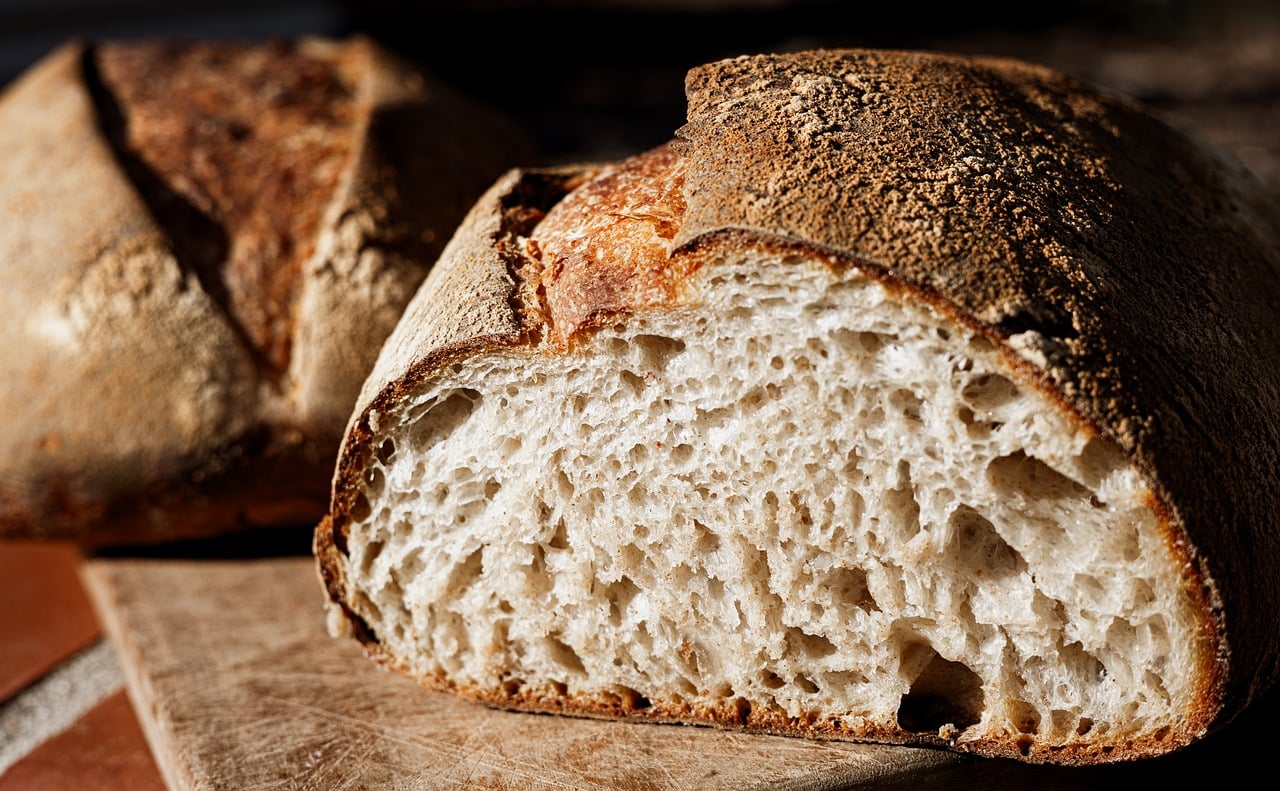
Sourdough has been used for centuries as a natural starter in fermented baked goods, and over nearly three decades, research has gathered significant evidence demonstrating its effectiveness. This wasn’t a trend our great-grandmothers stumbled into. It was simply the only reliable way to make bread rise before commercial yeast packets appeared on shelves.
New research shows that sourdough fermentation does more than make bread rise. Scientists found that enzymes already present in wheat, activated by sourdough’s acidic environment, break down key fibers called arabinoxylans, a process that may influence the bread’s texture, digestibility, and flavor.
Research has explored the significant impact of sourdough fermentation on various nutritional factors, including mineral bioavailability, starch digestibility, glycemic index, protein digestibility, gut microbiota modulation, and phenolic compounds. In plain terms, slow fermentation builds a more nutritious loaf than a 90-minute quick-rise ever could.
Steam Baking with a Dutch Oven: The Crust Secret Hiding in Plain Sight
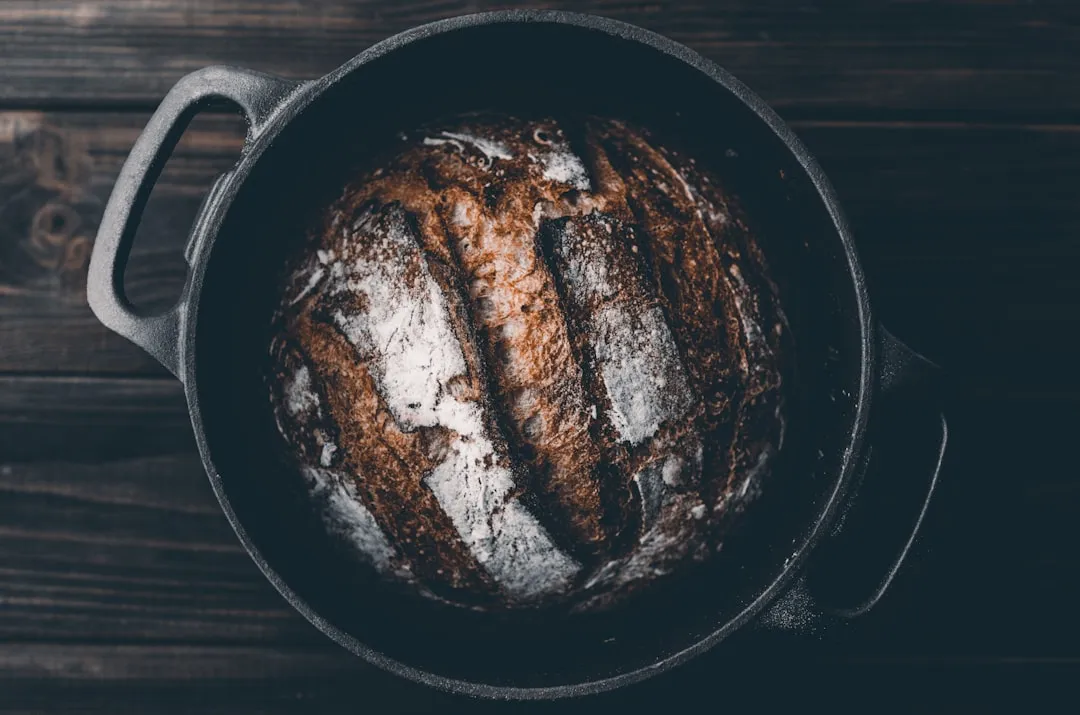
Cast iron Dutch ovens conduct heat evenly for consistent baking, and the heavy lid traps steam released by the bread while it cooks. That steam keeps the outside of your loaf from setting before the bread rises, drying out, or baking too quickly.
By slowing down crust formation, steam helps the bread rise rapidly without the constraint of a stiff crust, keeps the outer crust thin and crispy rather than tough and chewy, and lets bread develop a deep brown color without burning. This is what professional bakers mean when they talk about “oven spring.”
King Arthur Baking Company backs this approach, with their top method being to preheat a Dutch oven for 30 minutes, add the loaf, bake with a lid for 20 minutes, then remove the lid to develop a golden crust. It’s a trick that home kitchens abandoned when convenience took over, but the results speak for themselves.
Cold Butter in Pastry: The Rule Modern Bakers Keep Breaking
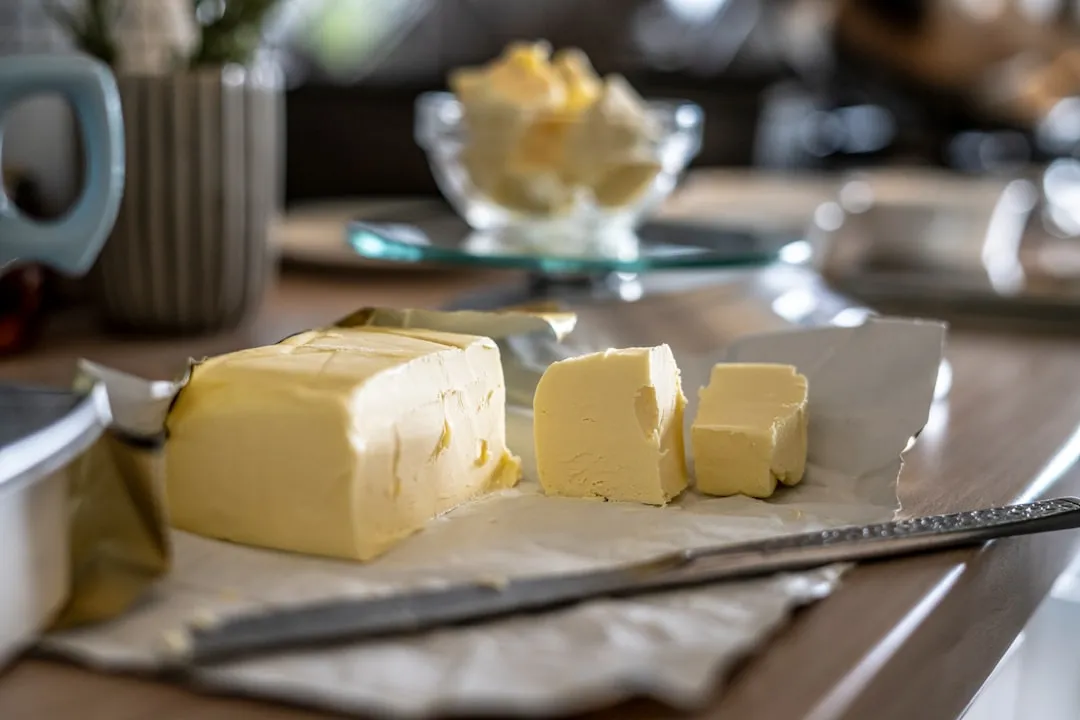
Butter temperature is a direct formula for texture. Cold butter creates flakiness by forming steam, room temperature butter creates lightness by trapping air, and melted butter creates chewiness by adding pure moisture and fat. Choosing the wrong one isn’t a minor mistake. It changes the entire structure of what you’re making.
When butter is straight from the fridge, it is solid and firm, preventing it from dissolving into the flour. Cutting cold butter creates tiny, distinct layers of solid fat separated by flour. As the dough bakes, the water trapped inside these cold butter pieces instantly turns to steam, pushing the flour layers apart, creating the essential pockets of air necessary for flakiness and tenderness.
Both cold and room-temperature butter provide different results, and both are critical to the specific pastries in which they’re used. Going with room-temperature butter to make a pastry that requires cold butter will leave you with a final baked good with compromised texture. Grandmothers knew this instinctively. They kept their butter cold until the moment it was needed.
The Long, Cold Proof: Patience as a Baking Ingredient
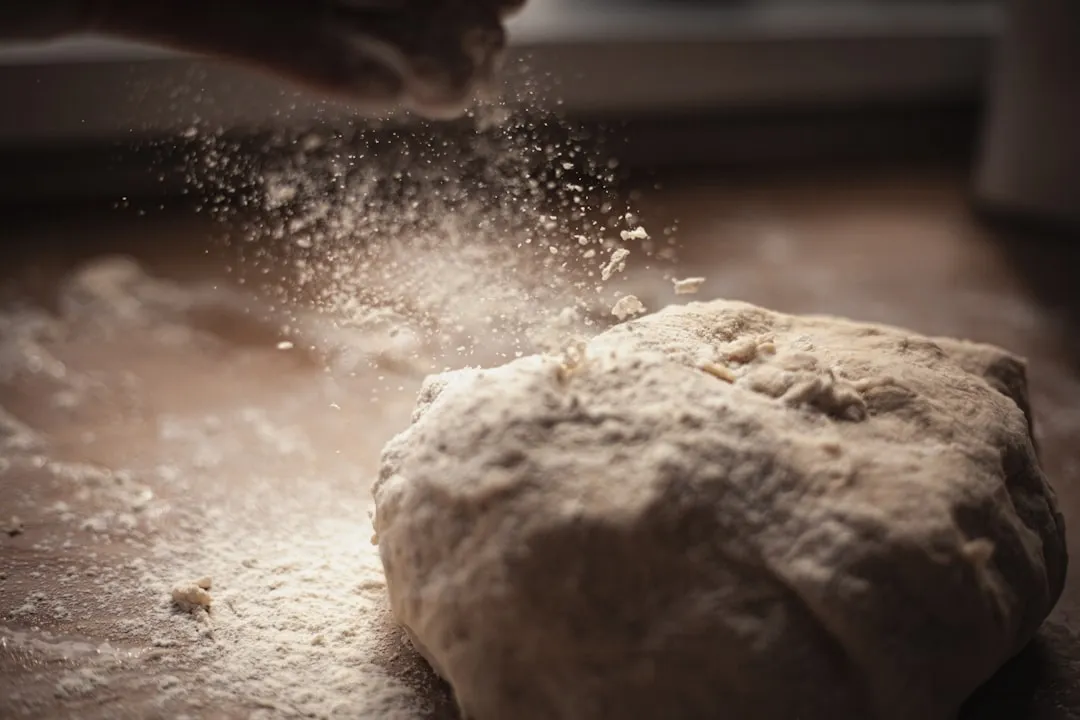
Before refrigerators were common, bakers used overnight fermentation out of necessity, not choice. Dough was mixed, set aside in a cool space, and left to develop slowly over many hours. The result was bread with a depth of flavor that a same-day rise simply can’t match.
During fermentation of cereals, biotransformation of nutrients occurs, resulting in notable changes to proteins, carbohydrates, fats, vitamins, and minerals. Proteins undergo hydrolysis to produce small molecular weight peptides and amino acids that are more easily digested and absorbed by the human body.
A cold overnight rest in the refrigerator also firms up the dough, making it easier to handle and shape. This isn’t a minor convenience. Research shows that the microbes living in sourdough starters are shaped by what bakers feed them, and a slow, cool fermentation allows those microbes to work more thoroughly, building complexity in every bite.
Using Potato Water in Bread Dough
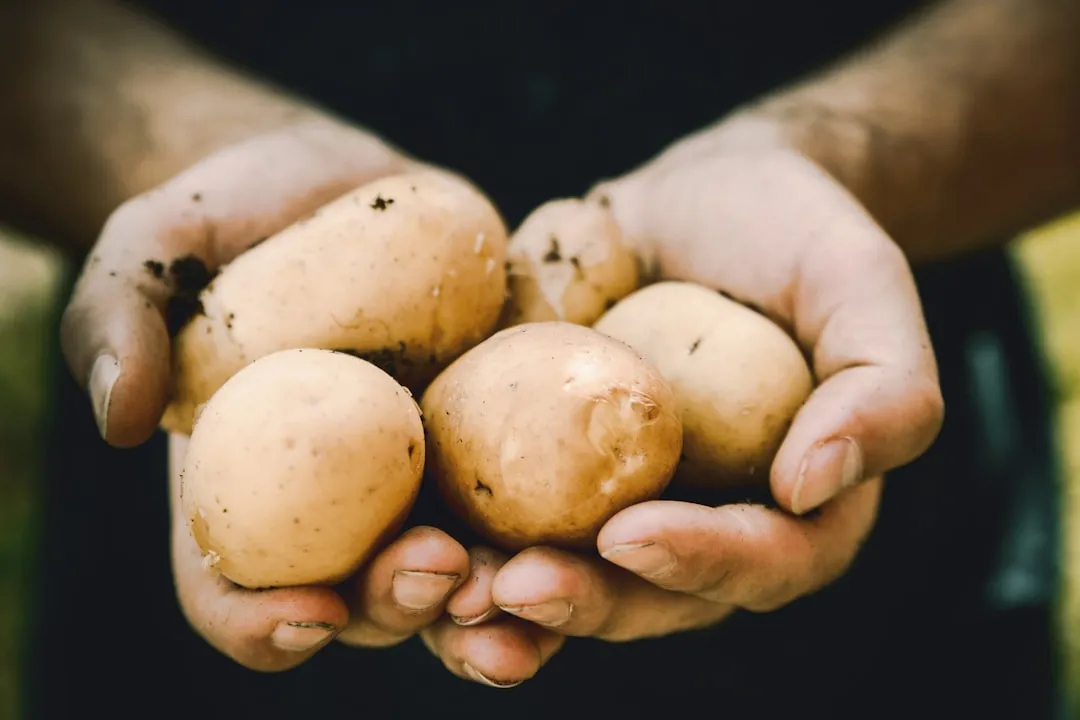
Leftover potato water can be used as a natural thickener and is particularly common in Eastern European cuisine, where it’s used to improve the elasticity of pierogi and dumpling dough. It can also improve the texture of bread. This is one of those practical habits that older generations never questioned, and modern kitchens almost universally discard.
The starchy water left over from boiling potatoes adds a subtle softness to bread crumb and can also feed the yeast during fermentation. Just make sure the potato water isn’t too salty, because the salt will carry over into your finished dish, and refrigerate it immediately, using it within 24 hours.
This isn’t folklore. It’s a functional trick built on how starch interacts with gluten. Older baking manuals from the early 20th century referenced it routinely. It disappeared not because it stopped working, but because convenience cooking moved people away from saving cooking water at all.
Ancient Grains: What Got Traded Away for White Flour
Three ancient ingredients have stood the test of time in baking: honey, olive oil, and various grains. Honey lends its delicate floral notes to breads and cakes, while olive oil imparts a rich, fruity depth to savory pastries. Ancient grains like spelt and einkorn, with their nutty aromas and hearty textures, connect bakers to centuries of tradition.
Sourdough fermentation can enhance the texture, flavor, and nutritional value of cereal foods while also extending their shelf life. Using whole or ancient grains amplifies this effect considerably. The additional bran and germ in less refined grains give wild yeast more to work with during fermentation.
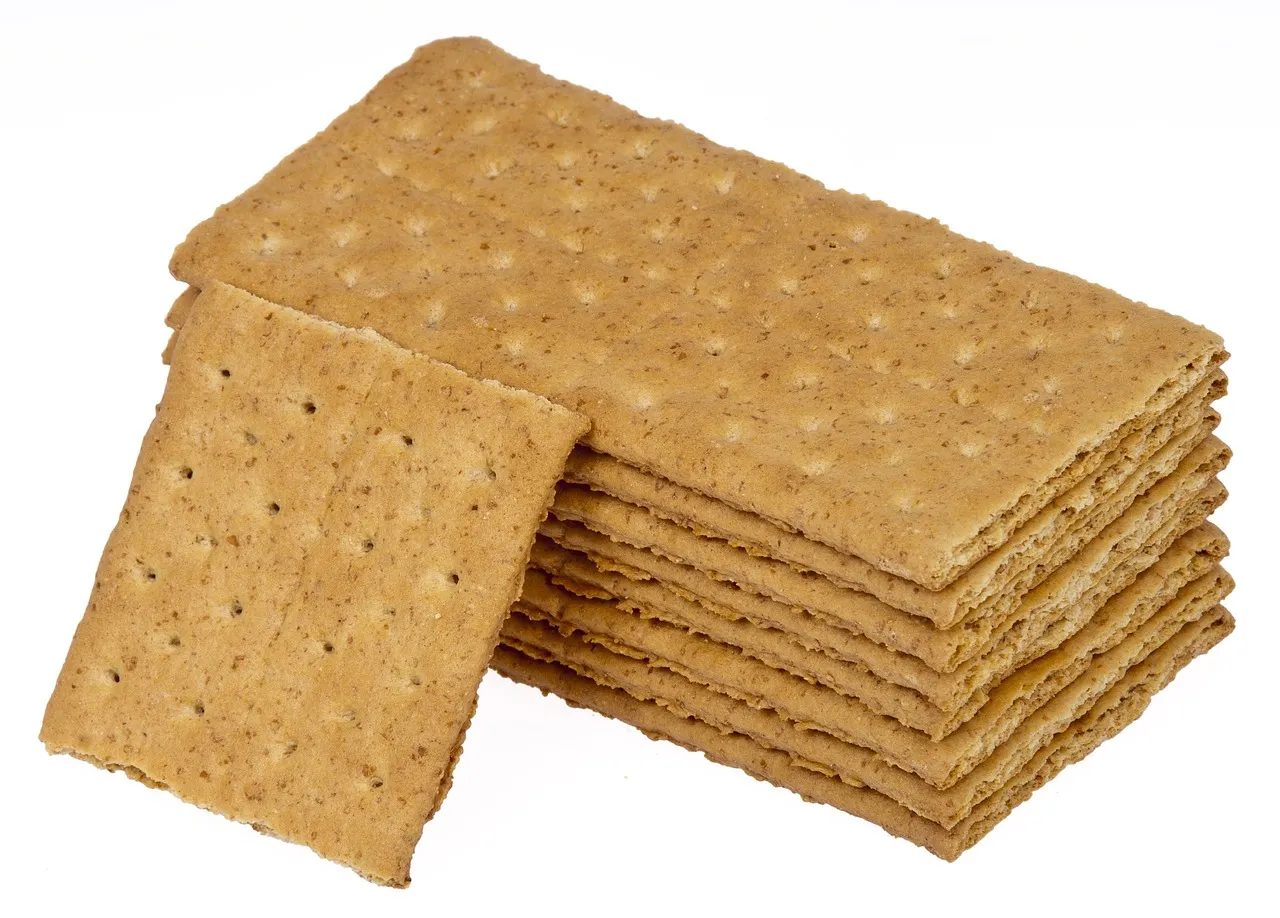
Sylvester Graham understood this as far back as the 19th century. Graham bread is named after Sylvester Graham, a 19th-century American dietary reformer who promoted whole grains and invented the Graham cracker. He decried refined white flour and championed coarsely ground wheat as a healthier alternative, and his ideas helped popularize a family of whole-grain products meant to be filling and virtuous.
Salt-Rising Bread: Bacterial Leavening Before Commercial Yeast
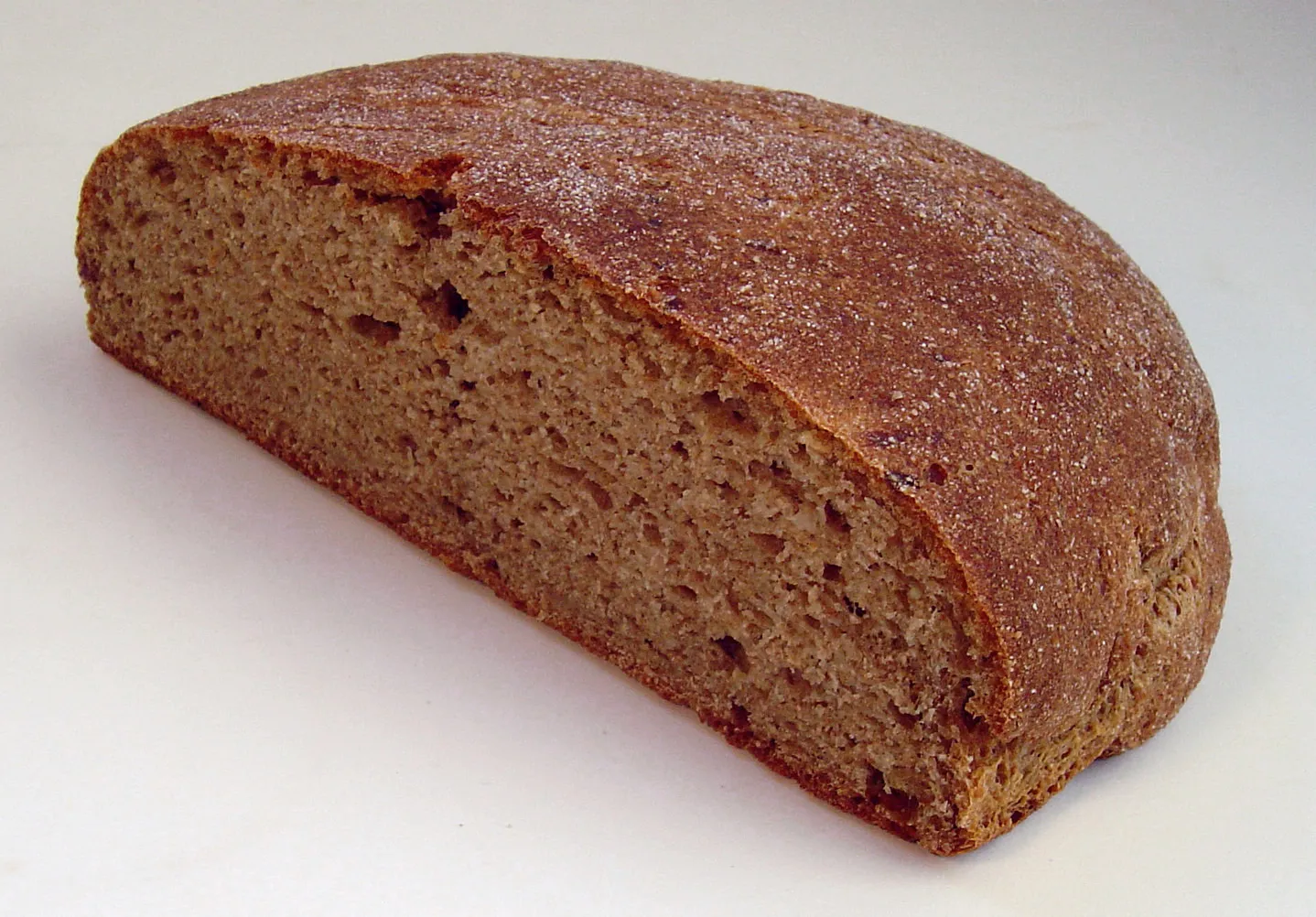
Salt-rising bread is a curious, old-fashioned loaf that relies on bacteria rather than commercial yeast for leavening. When baked, it has a dense, moist crumb and a strong, savory aroma. Despite the name, salt has nothing to do with how it rises. It actually uses a starter made from potatoes, incubated in a consistently warm spot until the right microbes establish themselves.
The technique demands careful temperature control because the bacteria that do the work prefer warmth rather than cool fermentation. Historically, that meant keeping the starter near a hearth or in a warm box. Today, a proofing box or even a warm oven works just as well.
Salt-risen breads fell out of favor as commercial yeast made baking faster and more reliable, but it survives among historians and enthusiasts who enjoy the unusual fermentation process. The flavor is unlike anything a standard white loaf can produce, earthy, slightly tangy, and deeply satisfying in a way that’s hard to put into words.
The Maillard Reaction: Why High Heat Was Never the Enemy
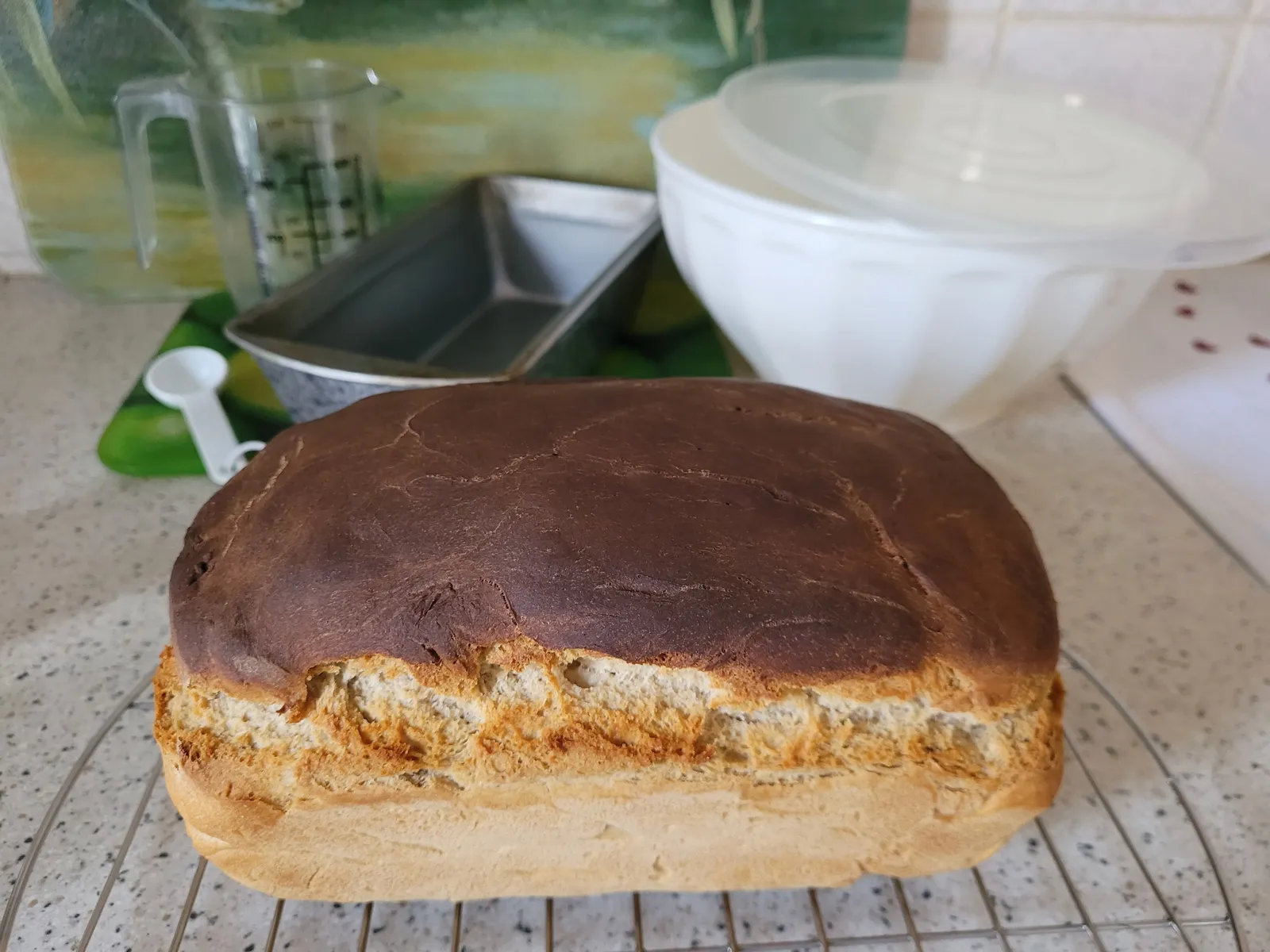
Old recipes frequently called for very high initial oven temperatures, something modern home bakers often dial back out of caution. There’s actual science behind starting with heat. The Maillard reaction, the chemical process responsible for browning and flavor development on bread crusts and cookies, requires significant surface heat to begin properly.
Steam hitting the bread’s surface gelatinizes some of the starches there, which swell and become glossy, creating a crust with a subtle, attractive luster. That initial burst of high heat followed by a controlled finish is what gives artisan loaves their characteristic color and crunch. Baking too low from the start starves this process.
Traditional bakers worked with wood-fired ovens that reached fierce temperatures in the first minutes of baking. The slow, patient processes of hand-kneading dough, using natural leaveners, and baking in wood-fired ovens impart a depth that’s hard to replicate, producing richer, more complex flavors than modern methods. Starting hot, then easing back, mimics that old pattern in a domestic oven.
Scoring and Shaping: The Craft That Controls the Crumb
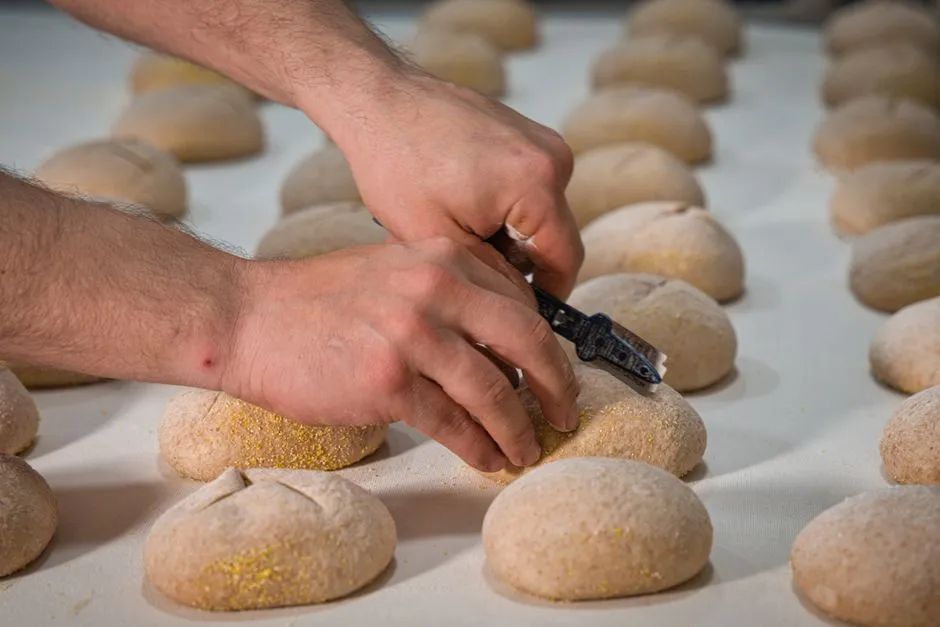
Before bakers used proofing baskets and scoring blades, they shaped loaves by hand and slashed them with whatever sharp edge was available. The slash wasn’t decorative. It directed where the bread could expand during the oven spring, preventing wild, uneven bursting at the sides and base.
Thanks to steam, slashes or scores made in risen dough open up beautifully during baking. They form what bakers call “ears,” crisp ridges that add crunch and an artisan-style look to a voluminous loaf. Getting that ear right is a skill, but even a simple, confident single slash delivers a vastly better result than none at all.
Shaping matters too. Tight surface tension created during shaping holds the loaf together during rising and prevents it from spreading flat in the oven. Older bakers felt for this tension intuitively, tucking and pulling dough until it resisted. That physical sense of readiness is something no recipe timer can fully replace.
Saving Scraps and Thinking Like a Depression-Era Baker
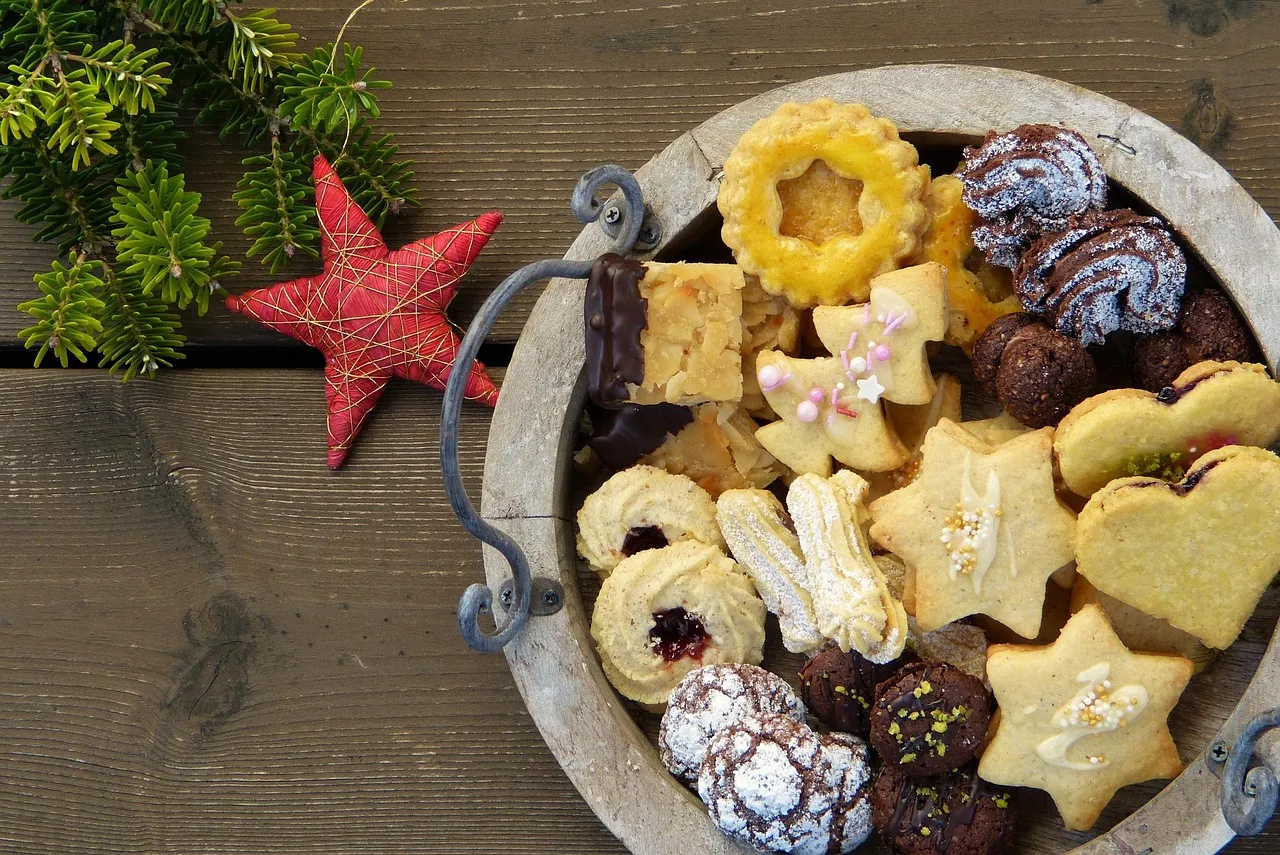
Many grandmothers grew up during times when fresh food wasn’t always readily available. Because of this, they learned to stretch ingredients further and make every kitchen item count. That mindset produced remarkable resourcefulness, and much of it translates directly into better baking.
Older generations viewed kitchen scraps as ingredients rather than garbage. Just as vegetable scraps were saved for soups and stocks, fruit scraps were saved for syrups and jams. In baking terms, this means overripe bananas for sweetness, stale bread for puddings, and yesterday’s bread water for tomorrow’s dough.
The methods and ingredients used for making baked goods like cakes, breads, and cookies may have changed a lot over the years, but vintage recipes still make some of the best treats imaginable. That’s not nostalgia talking. It’s the evidence of techniques that were proven through daily necessity across generations, before shortcuts were even a concept.
What Gets Lost When Convenience Takes Over
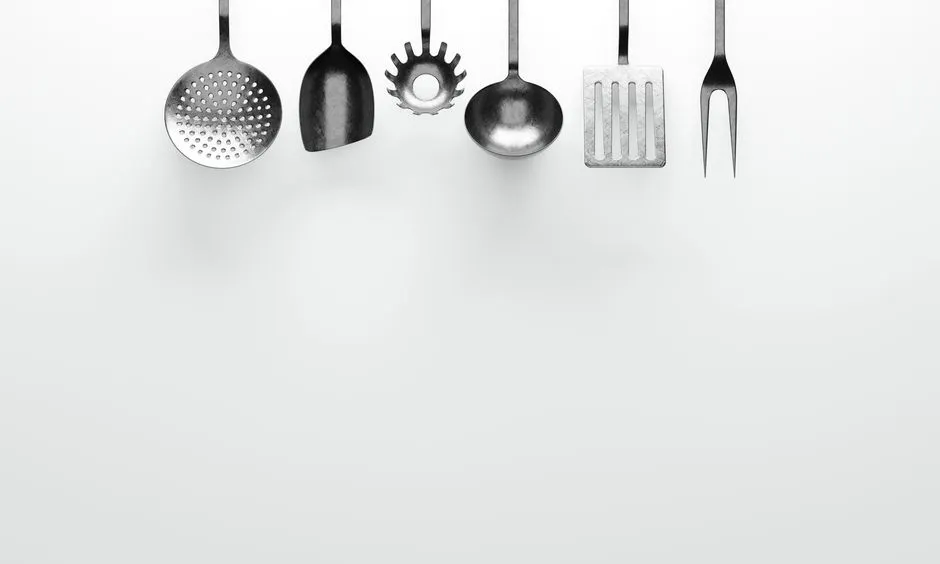
The modern kitchen isn’t short on tools. It’s short on time, or at least, on the willingness to give baking the time it was designed to need. As the 1970s brought rapid changes in kitchen technology, modern cookware began to overshadow traditional tools. Electric mixers, non-stick pans, and microwave cake makers emerged, offering faster solutions for busy homemakers.
While cooking techniques have become more refined as technology and understanding of food science continue to improve, solid cooking advice from past generations sometimes gets lost in this shuffle. The gap between knowing something works and understanding why it works is where most of the old tricks quietly disappeared.
None of this requires going back to a wood-fired hearth or hand-grinding flour. It just requires accepting that some of the most reliable baking wisdom was already worked out long before anyone invented a kitchen timer. The old tricks weren’t forgotten because they stopped working. They were forgotten because speed felt like progress.
The Takeaway: Old Methods, Real Results
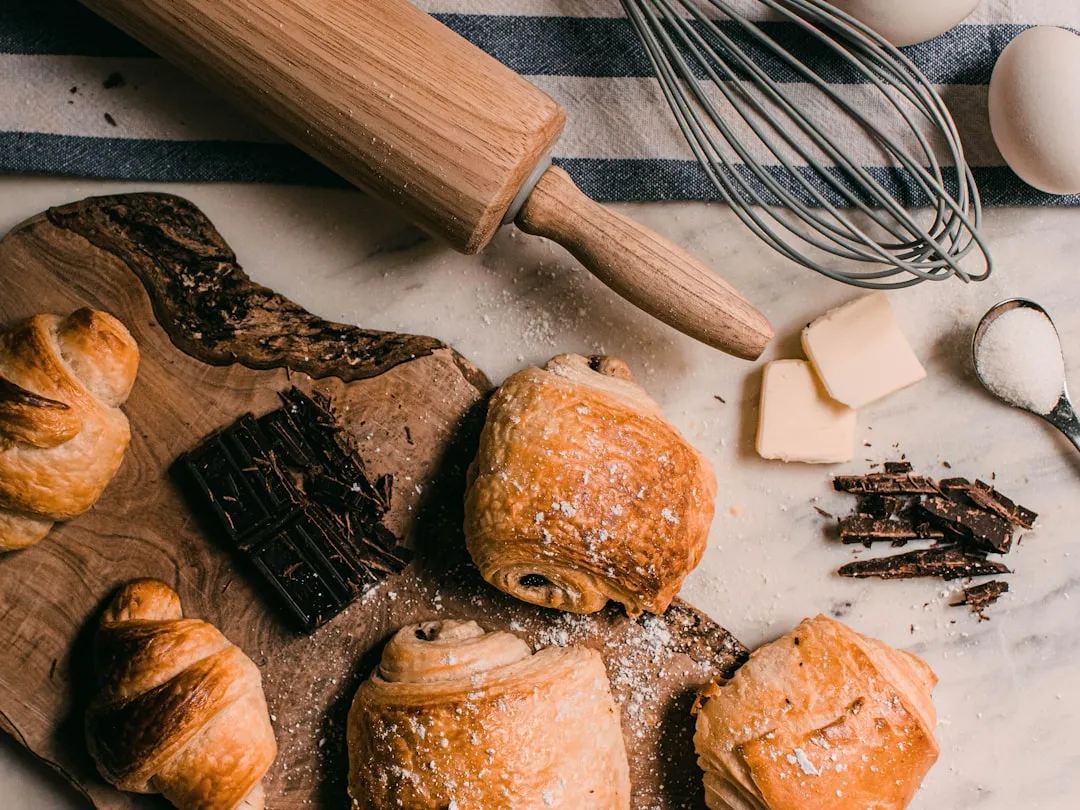
Baking is one of the few cooking disciplines where physics and patience matter as much as ingredients. The techniques that survived centuries of daily kitchen use weren’t preserved by sentiment. They were preserved because they consistently produced better bread, better pastry, and better results than the shortcuts that replaced them.
Cold butter for flaky pastry, steam for a shatteringly crisp crust, long fermentation for flavor and digestibility. These aren’t complicated ideas. They just require a little more trust in the process than a quick-rise packet or a non-stick pan typically asks for.
The most honest thing that can be said about old-fashioned baking is this: the kitchens that produced those results weren’t more sophisticated than ours. They were more patient. That’s still available to anyone willing to use it.
AI Disclaimer: This article was created with the assistance of AI tools and reviewed by a human editor.