
There is something quietly impressive about a farmer who steps outside at dusk, looks at the sky, feels the air, and simply knows. No weather app, no radar, no satellite ping. Just a lifetime of paying attention to the same signals that the land has been sending out for centuries.
Before Doppler radar and satellite imagery, farmers and gardeners turned to the natural world for clues. These methods were not guesswork. They were careful observations passed down through generations, refined by hard experience, and often grounded in real physical principles that modern science has since confirmed.
Why Frost Still Matters So Much
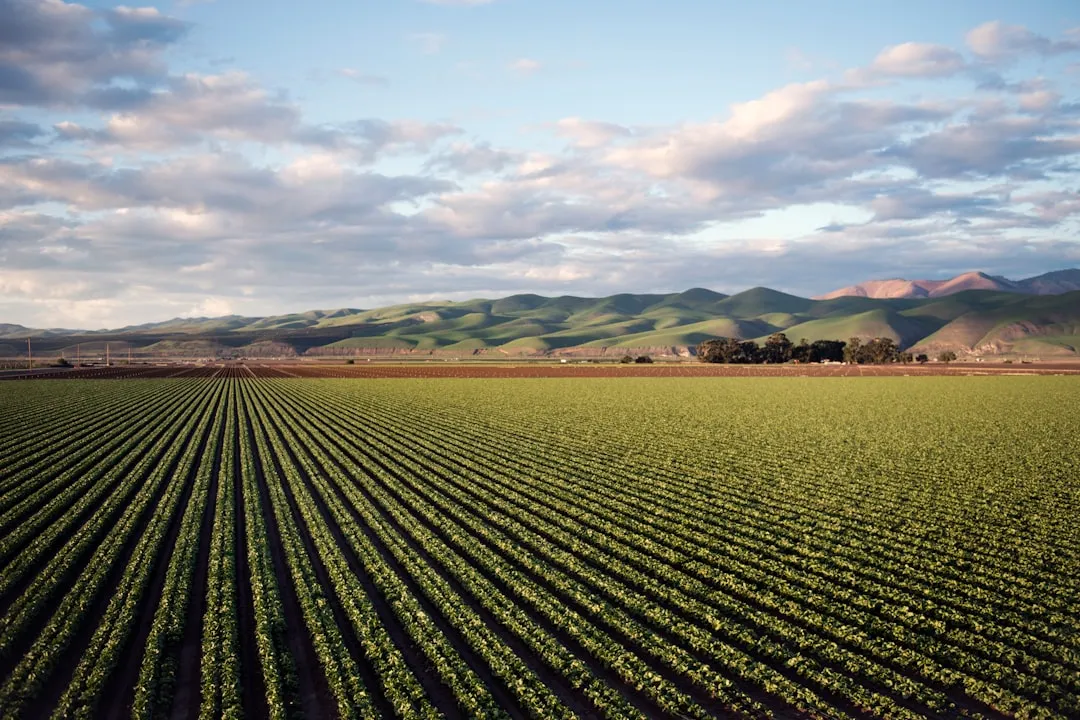
Frost damage in agriculture is a costly burden to farmers and global food security alike. The stakes have always been high. More economic losses are caused by freezing of crops in the USA than by any other weather hazard.
A late spring frost in Europe in 2017 resulted in economic losses of €3.3 billion (roughly US$3.8 billion). That kind of loss from a single event illustrates why farmers have always been obsessed with reading the warning signs. Getting it wrong even once can define an entire season.
Frost is a recurring problem for farmers each year, representing a significant threat to agricultural production. In a matter of hours, temperatures below the freezing point can result in the loss of nearly the entire crop from a producer.
Reading the Night Sky: The Cloud Cover Signal
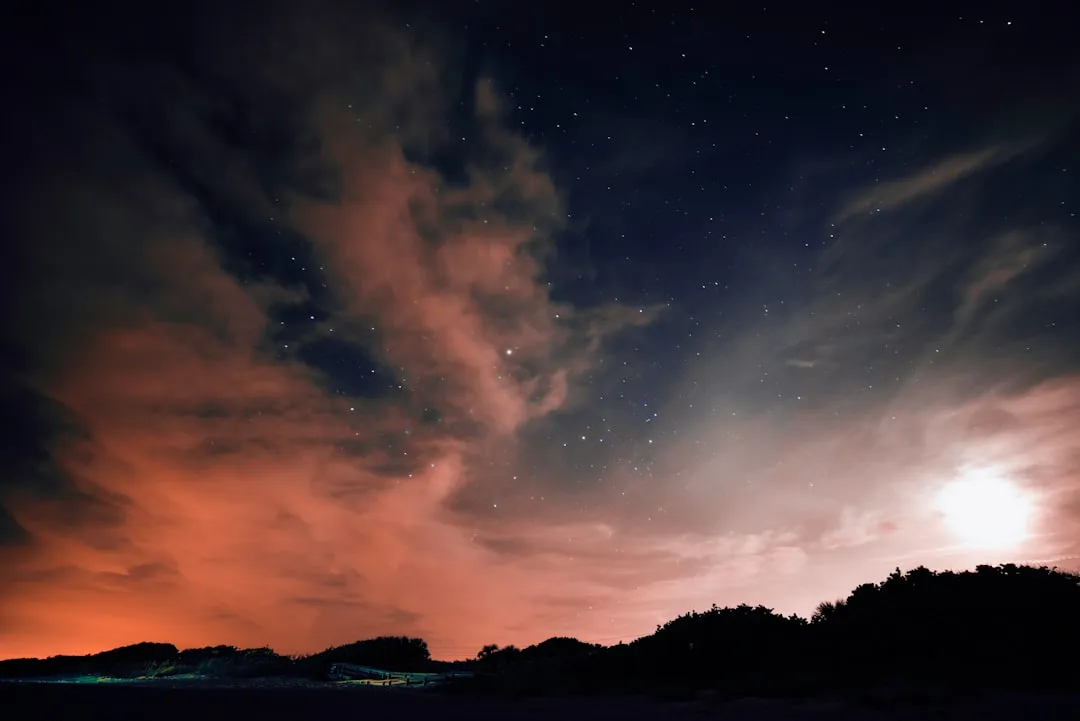
Cloud cover acts as a kind of blanket to the atmosphere and keeps heat in, so if the night sky is clear in wintertime, it’s usually a very cold, crisp night and you can expect a frosty morning. Old farmers knew this intuitively long before meteorology had a name for the process.
If the sun sets through a layer of thickening clouds, the clouds will slow radiational cooling and help stave off a frost. With clouds, the risk of frost is reduced. This is one of the oldest and most reliable observation points a farmer can make, requiring nothing more than eyes and a clear view of the western horizon at sundown.
Under conditions of low humidity, low nighttime temperatures, and little or no cloud cover, heat from exposed earth, plants, and the like can quickly radiate skyward. Conversely, when such elements are covered by meteorological coverings such as water vapor in the form of high humidity or cloud cover, the heat from the earth and plants is not able to radiate skyward. The physics is straightforward. The old-timers just read the sky and arrived at the same conclusion.
The Dew Point Rule That Farmers Swore By
As a rule of thumb, don’t worry about a frost if the dew point is above 45°F on the evening weather report. The more moisture in the air, the less likely a frost will occur. Farmers discovered this relationship through observation long before anyone measured dew point with instruments.
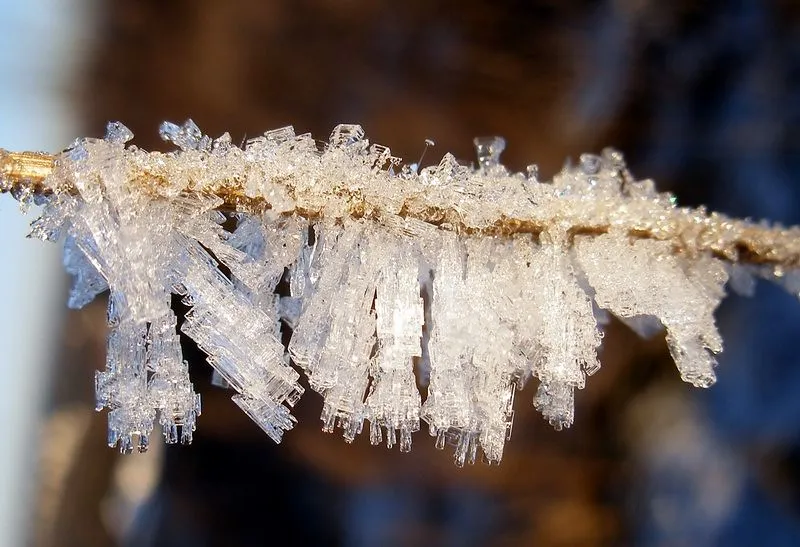
Radiation frosts are common occurrences. They are characterized by a clear sky, calm or very little wind, temperature inversion, low dew-point temperatures, and air temperatures that typically fall below 0°C during the night but are above 0°C during the day. The convergence of calm air and low moisture is the classic setup that generations of growers learned to recognize.
Dew forms when temperatures become close or equal to the dew point. The greatest chance for dew formation occurs on a night where there’s a clear sky, calm wind, decent soil moisture, and the temperature and dew point aren’t far away from each other. Experienced farmers felt this in the air before any thermometer confirmed it.
Listening to the Wind: Calm Nights as a Warning Sign
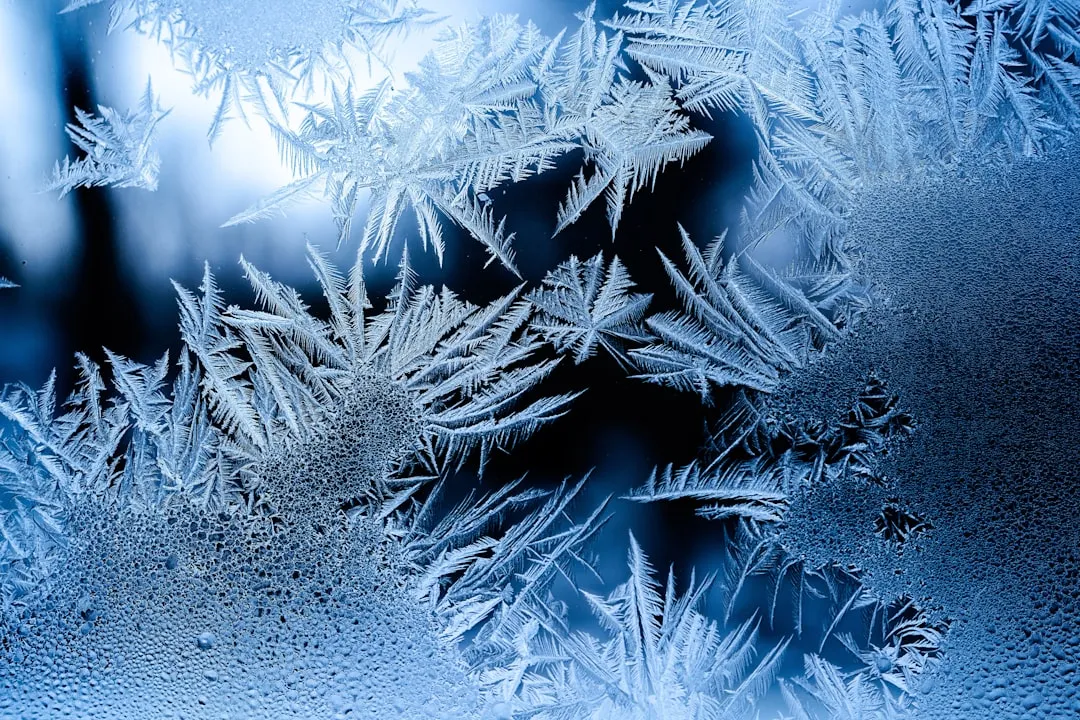
A radiational frost typically occurs when winds are calm, usually at zero to three miles per hour, and skies are clear. Under such conditions, an inversion may form because of rapid radiational cooling at the surface. Any seasoned grower knows that a dead-still evening at the tail end of autumn deserves respect.
Wind mixes the air layers near the ground, which keeps surface temperatures from dropping too sharply. When the air goes completely still, that mixing stops, and cold air settles low over fields and crops. If a strong inversion forms, temperatures aloft may become ten degrees Fahrenheit or higher than surface temperatures. This is why frost can appear on a field when the thermometer mounted five feet up on a barn wall reads above freezing.
Cold Air and Valleys: Knowing the Shape of Your Land
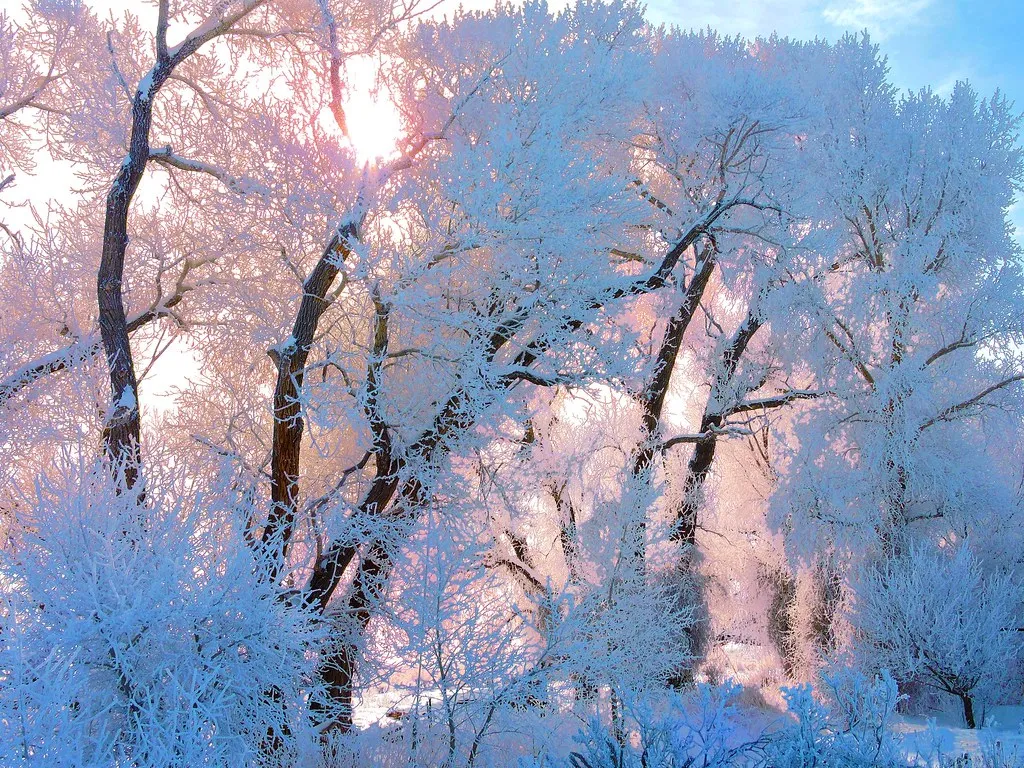
Gardens on slopes or high ground often survive. However, cold air sinks and will puddle down into valleys and hollows. If your home and garden are at the bottom of a slope or in a valley, and there is no wind, then there is a higher risk of frost. Old farmers learned to read topography the same way they read the sky.
This is called cold air drainage, and it explains why a farm at the bottom of a hillside can suffer frost damage while a neighbor a few hundred feet higher escapes entirely. It also explains why generations of fruit growers planted orchards on hillsides, not valley floors. The wisdom predated the science by centuries.
The 9 PM Temperature Trick
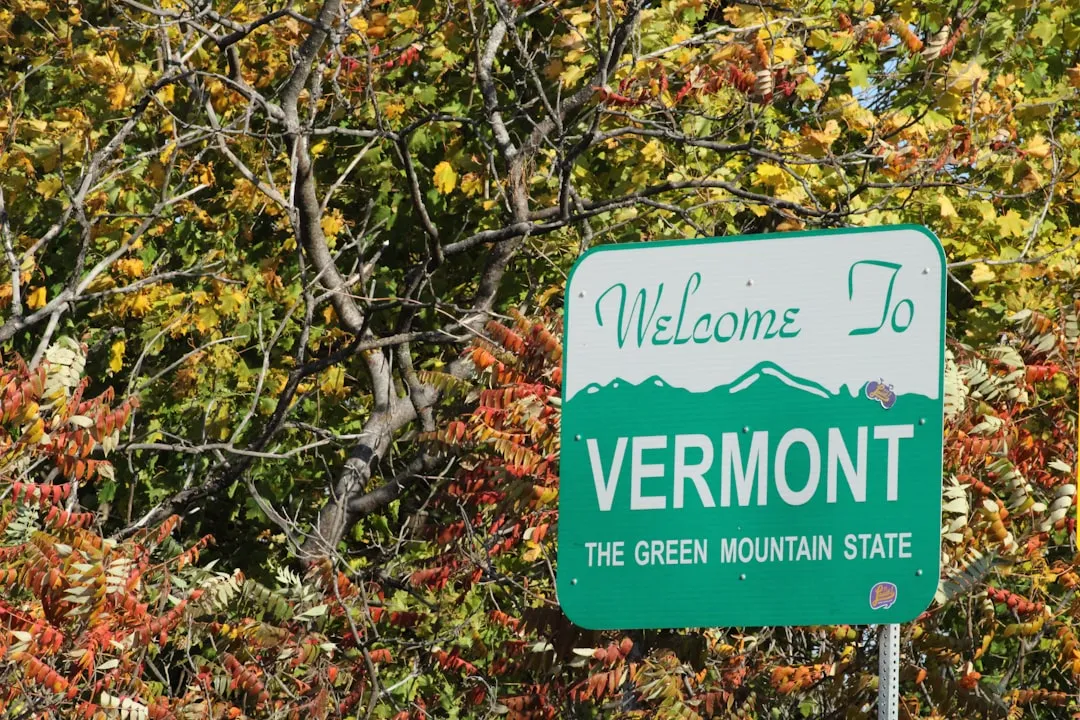
Farmers in Vermont have observed that if the temperature at 9 PM was 40 degrees Fahrenheit or less, there would be a frost by morning. So far, that has worked for many growers. This kind of localized, time-stamped rule is exactly the sort of practical shortcut that gets passed between neighbors at harvest time.
It works because the rate of nighttime temperature drop under clear, calm conditions tends to follow a fairly consistent pattern. If you are already at 40°F around 9 in the evening, reaching freezing by 4 or 5 AM is not a stretch at all. It is simple math dressed up as intuition.
Nature’s Indicators: What Animals and Plants Were Telling You
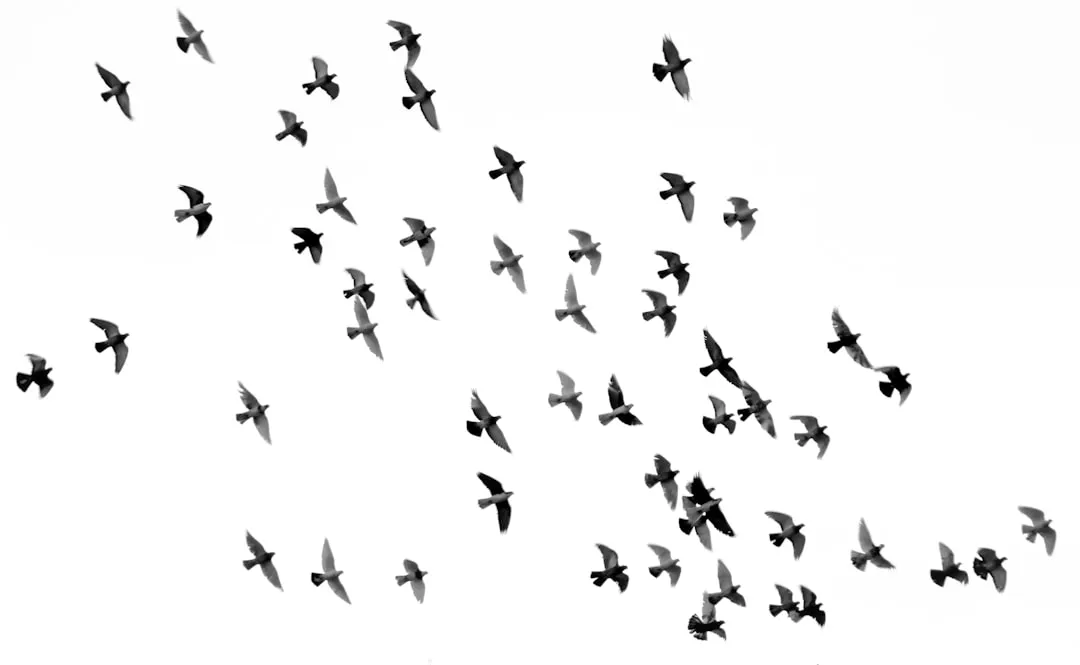
Early or large bird migrations and early disappearance of crickets and grasshoppers could signal a freeze. These were not mystical omens. They reflected real seasonal shifts that farmers noticed because they were outdoors every single day, watching the same fields in the same light across many years.
The natural world, including clouds, birds, animals, and plants, all provided cues to predict what the winter would bring. Generations of hunters, farmers, and fishermen relied upon this weather lore to predict storms and the severity of the coming winter. Some of these indicators were more reliable than others, and experienced farmers developed a feel for which ones could actually be trusted.
Most are fanciful fun with no basis in scientific fact, while others have been found to have a kernel of truth at their core. The skill was in knowing the difference, something that only came from years on the land.
Trees, Moisture, and the Garden Microclimate
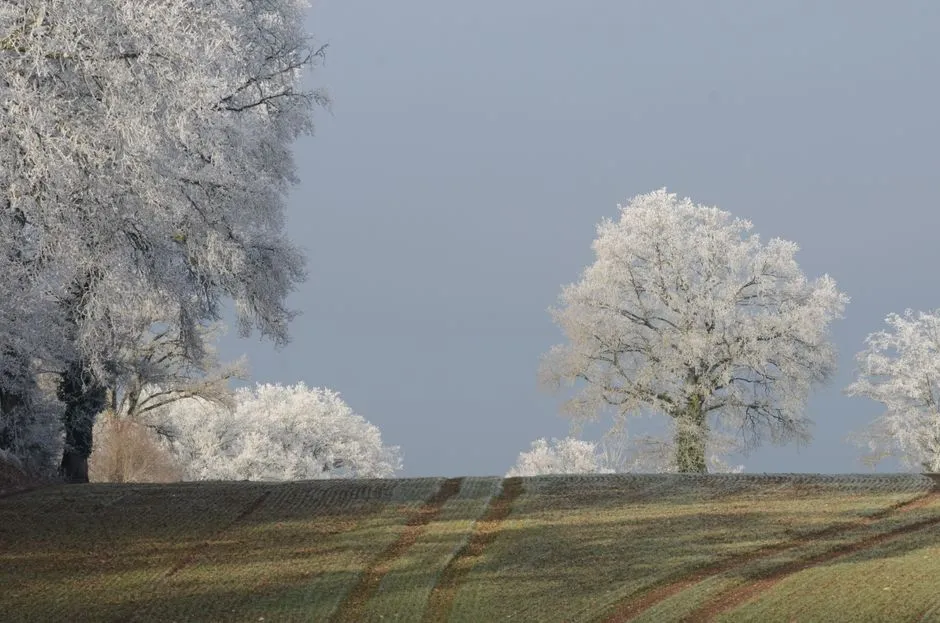
A landscape with trees can assist in preventing frost. Trees transpire a lot of moisture through their leaves. This moisture raises the local humidity, which in turn raises the dew point and reduces the risk of a hard frost at ground level. Old farmers planted windbreaks and tree rows not just for wind protection but for this thermal effect as well.
The more moisture in the air, the less likely a frost will occur. A light watering of the garden a day or two before a frost is predicted can help stop it from settling. Farmers who understood their microclimate often found they could protect tender crops in ways that puzzled their neighbors.
Weather Folklore vs. Real Science: Where the Line Falls
The Old Farmer’s Almanac cites three core disciplines: solar science, climatology, and meteorology. It also claims to factor in modern climate change when adjusting weather predictions. The publication has been issuing forecasts since 1792, making it a uniquely long-running experiment in blending observation with prediction.
Although their exact formulas are closely guarded, the supposed skill of seasonal forecasts found in farmers’ almanacs comes from astronomical observations as well as weather patterns. Analysis of the almanacs found they aren’t as accurate as some claim, but they remain a widely cited source of winter forecasts across the country. Honest growers will tell you the same about their own folk methods: useful, worth watching, but never a guarantee.
Before the days of scientific seasonal forecasts, these observations from nature were the main source of predictions for the coming winter. While few of these predictors are fool-proof forecasts, they remain well-entrenched in our local, regional, and national weather folklore.
What Modern Research Says About Traditional Cues
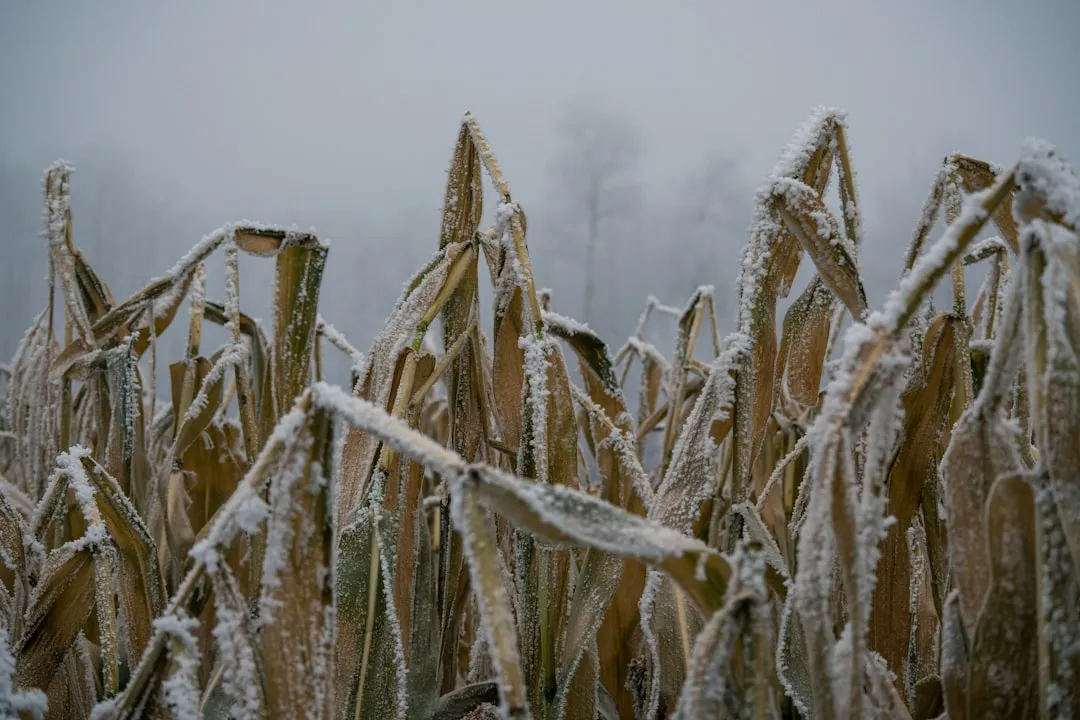
Frost damage in agriculture is a costly burden to farmers and global food security alike. Timely prediction of frost events is important to reduce the cost of agricultural frost damage, and traditional numerical weather forecasts are often inaccurate at the field-scale in complex terrain. This is a surprising admission from modern research. Even today’s best forecasting tools struggle with the hyper-local accuracy that small farms actually need.
Frost mitigation systems are costly to implement and operate and can cut into the profit margins of the crop producer, which is particularly restrictive for the small-scale farmer. The farmer implementing such a mitigation system must also consider correctly identifying a damaging frost event to avoid expenditures on operating these systems when they are not needed. For a small operation, getting the call right matters as much as having the equipment in place.
The old observation methods, especially reading cloud cover, wind stillness, air humidity, and temperature at specific evening hours, align closely with the physical variables that modern frost science identifies as the most important predictors. The farmers were looking at the right things. They just used their senses instead of sensors.
The Takeaway
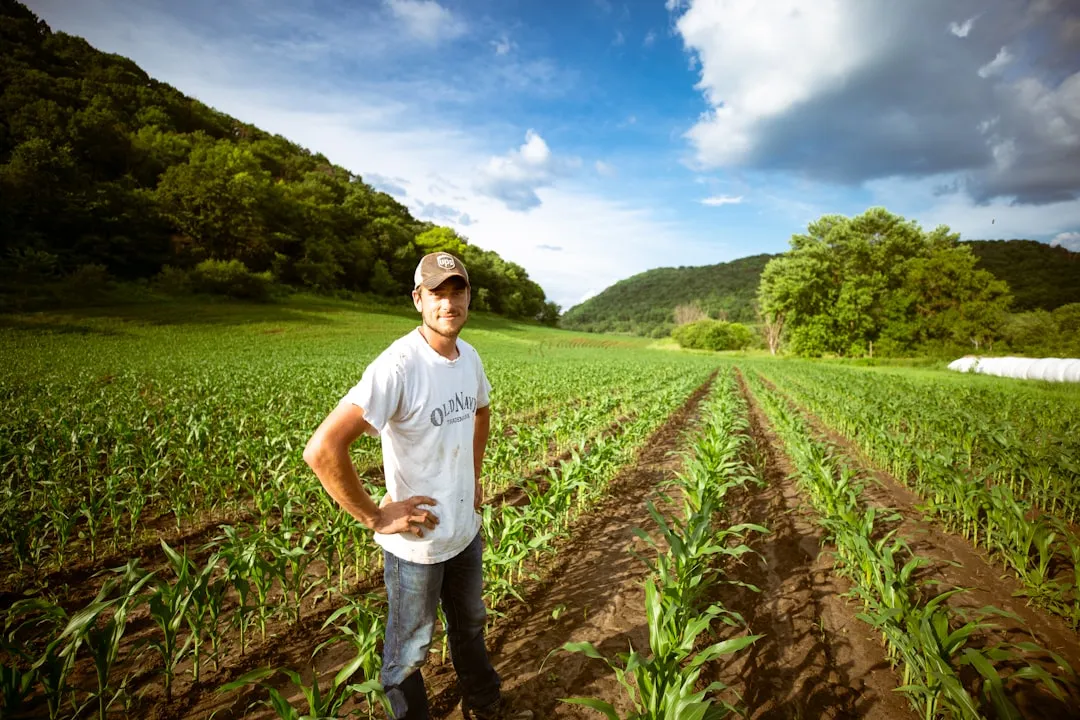
There is no single trick that replaces experience, and no checklist that substitutes for years of watching the same piece of land through every kind of weather. What the old farmers had was attention. They read the sky at sunset, felt whether the air was still or moving, noticed whether the night smelled damp or dry, and checked the temperature well before midnight.
These signals are real. The physics behind clear-sky radiation cooling, cold air drainage, dew point thresholds, and wind mixing are all well-documented by modern science. The old methods were not superstition. They were field observation, and in many cases they were pointing at the exact variables that researchers still measure today.
In a world of abundant data, there is still something worth preserving in the habit of stepping outside, looking up, and reading what the evening is trying to tell you.
AI Disclaimer: This article was created with the assistance of AI tools and reviewed by a human editor.