
Most people have a charger ritual they’ve followed for years without much thought. Plug in before bed, grab the cable from whoever lent it to them, or grab the cheapest replacement they could find. It feels harmless. The phone charges, life moves on. Except the damage is real, gradual, and quietly accumulating with every cycle.
What makes this habit tricky is that the consequences don’t show up right away. Battery health erodes slowly, and by the time you notice your phone dying mid-afternoon, the damage is already done. Here’s what the research and data actually say about the habits putting your device at risk.
Staying at 100% Longer Than You Think
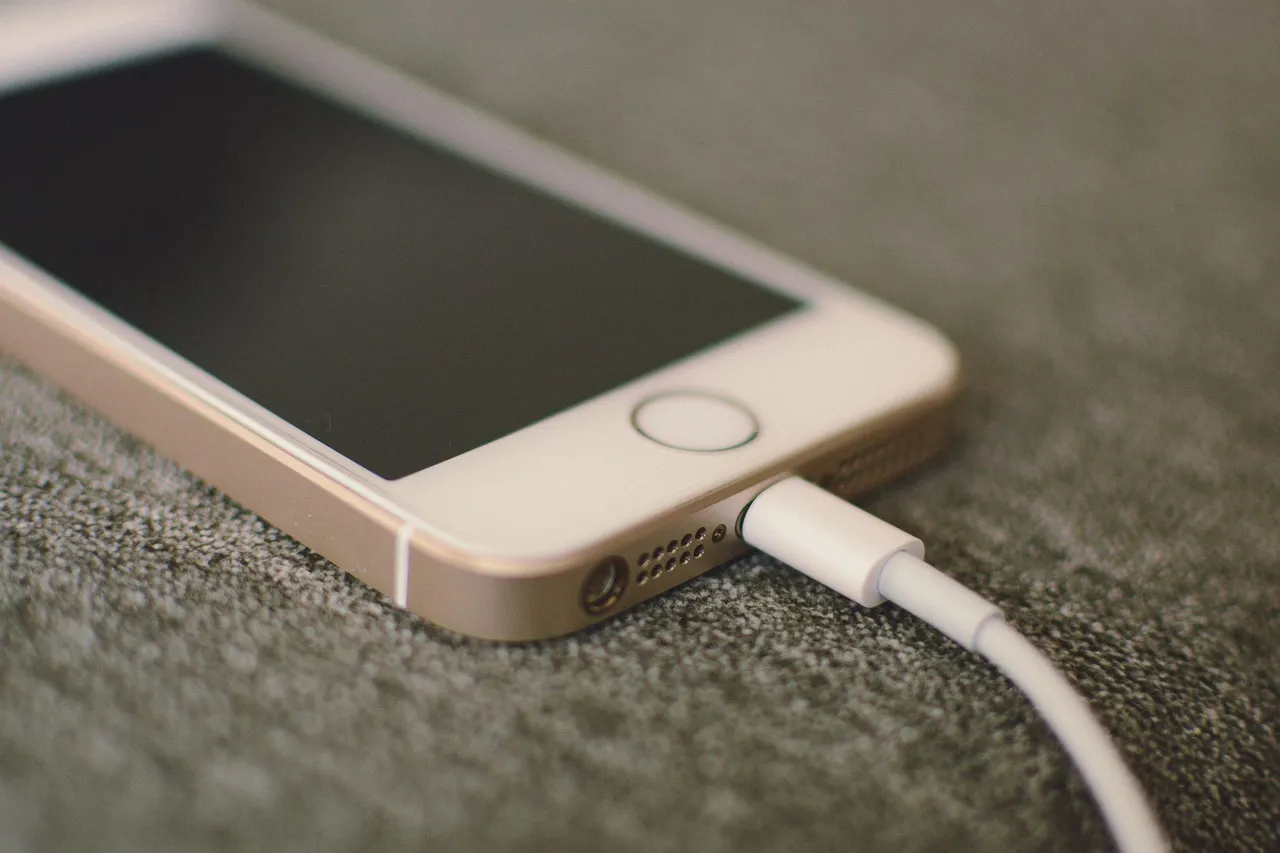
One of the most common charging habits is simply leaving a phone plugged in long after it hits full charge. Lithium-ion batteries experience more stress when held at peak voltage, and if your phone reaches full charge early and stays plugged in, it remains at maximum voltage until unplugged. This is especially common with overnight charging, where a phone might sit at 100% for five or six hours straight.
While the risk of immediate damage is low, long-term exposure to these conditions contributes to gradual capacity loss. Batteries naturally degrade with age and use, and how you charge plays a role in how fast that happens. The harm isn’t dramatic or immediate, but it compounds over months.
The Sweet Spot Most People Ignore
A smartphone battery will last the longest if you manage to keep its battery charge between 20 and 80% as much as possible. This is a well-established guideline in battery science, yet the vast majority of users simply charge to full and drain to near-empty out of habit.
Lithium-ion batteries prefer being kept between 20% and 80%, as holding them at full charge for long durations increases electrode stress and electrolyte breakdown. Apple estimates that after 500 full charge cycles, an iPhone retains about 80% of its original battery capacity under normal conditions, and how you charge plays a significant role in reaching or exceeding that benchmark.
Heat Is the Real Enemy
Keeping a phone perpetually at 100% can add extra stress on the battery, especially when paired with heat, which is the real enemy of longevity. Research bears this out with striking precision. Charging a battery at 113°F causes more than double the degradation compared to charging at 77°F.
Studies show that at 86°F, the cycle life of a battery decreases by roughly a fifth, and when the temperature rises to 104°F, that reduction doubles. Charging and discharging at 113°F can cut the expected cycle life in half compared to operation at 68°F. Those temperatures are easily reached when a phone is charging under a pillow or in a warm room.
This rapid aging results from increased chemical reactions within the battery, leading to capacity fade. High temperatures cause the electrolyte to decompose, generating gas and increasing internal pressure, which over time damages the battery’s internal structure.
Cheap Chargers That Cost You More in the Long Run
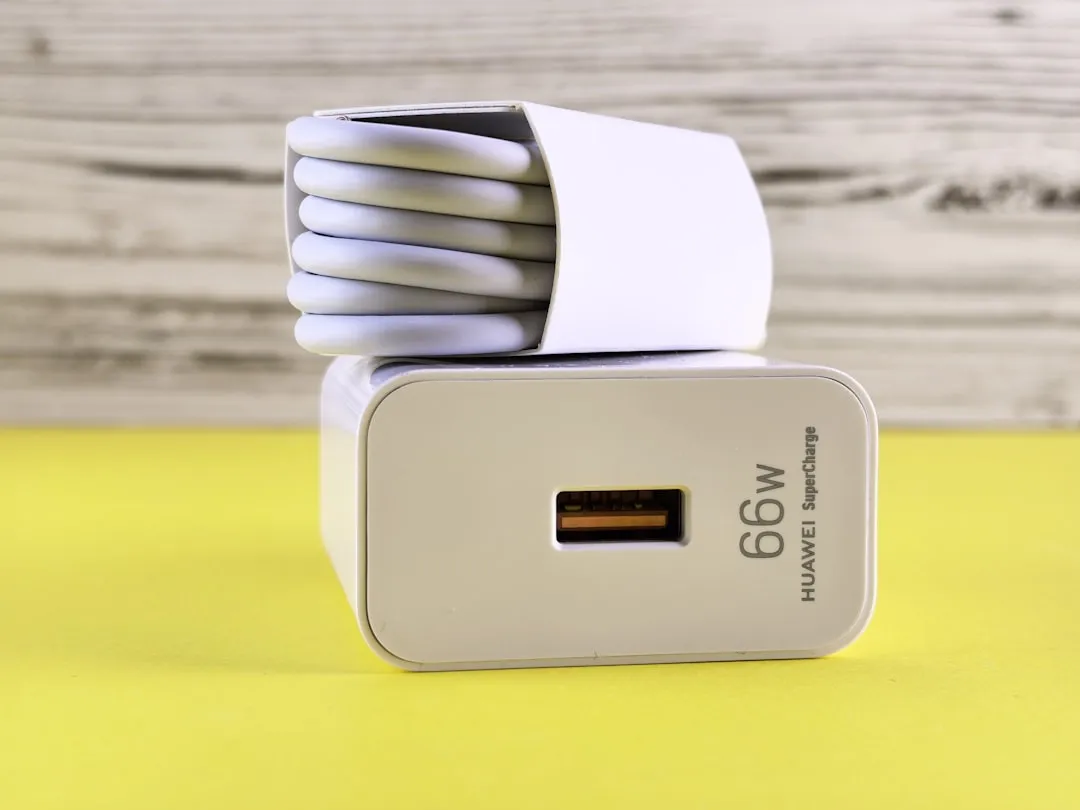
Technical analysis shows that low-quality chargers can degrade lithium-ion batteries by somewhere between a fifth and half their capacity, largely due to voltage fluctuations, heat buildup, and lack of proper charging protocols. That bargain charger from an unfamiliar online marketplace may seem like a reasonable swap, but the cost shows up in battery health over time.
Using a charger with an incorrect power delivery profile can lead to insufficient or excessive power supply, affecting device performance and battery health. Low-quality chargers may lack proper voltage regulation, insulation, or protection mechanisms, increasing the risk of power surges, short circuits, and damage to connected devices.
The cheapest chargers contain lower-quality components and tend to be less efficient, and that lower efficiency translates to higher levels of heat, with protection against overheating that can be minimal to nonexistent.
Counterfeit Chargers and the Fire Risk
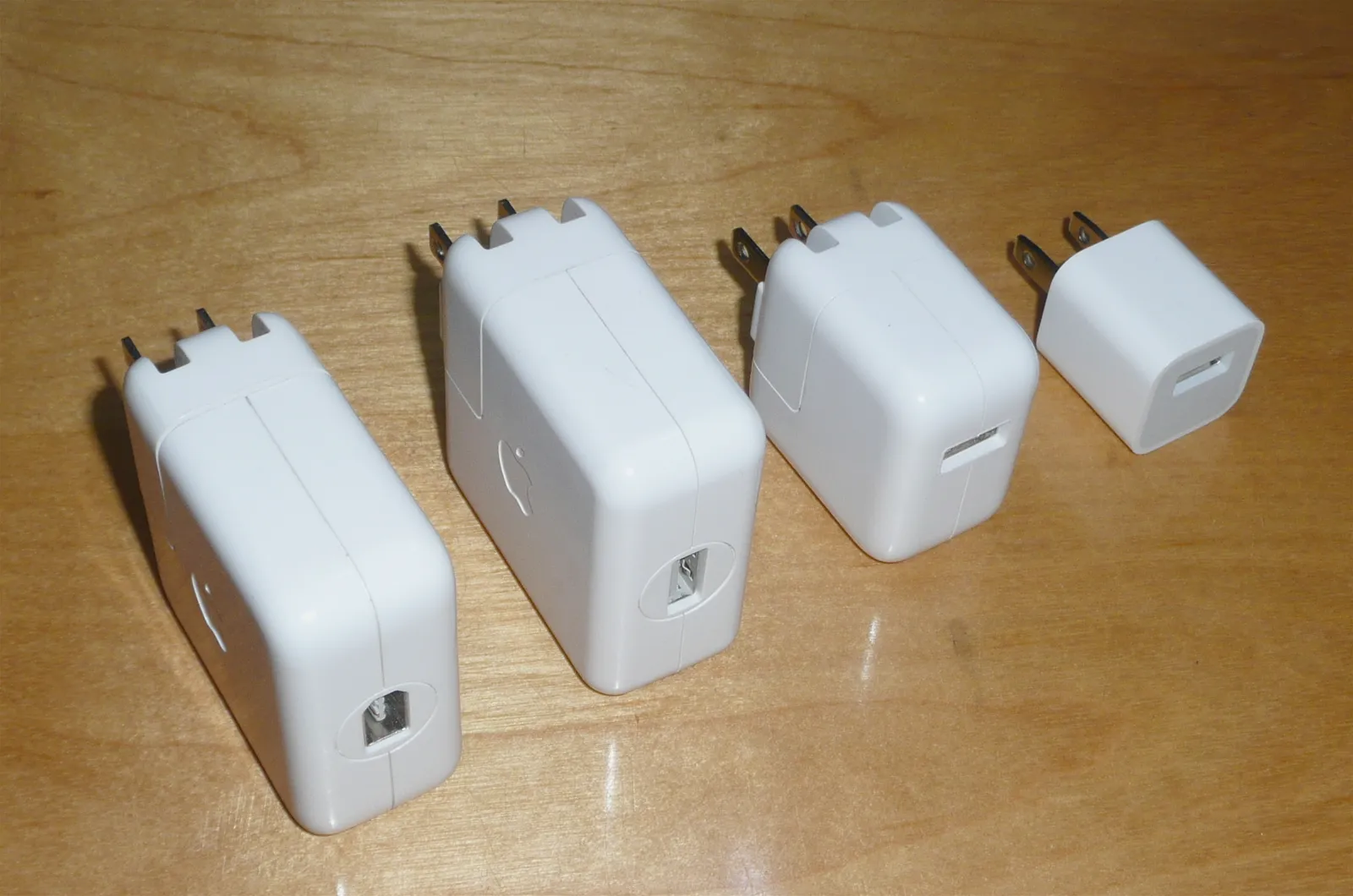
Approximately 25,000 phone charger fires threaten homes across the United States every year, fueled by faulty, counterfeit, and poorly used chargers. That number puts the scale of the problem into perspective. Nearly three in five electric fires involving portable electronic devices are linked to non-original or counterfeit chargers.
Insurer Aviva reported a seven percent increase in customer claims for fires started by lithium-ion batteries, including from rechargeable devices like mobile phones and tablets. Their documented cases include a significant house fire started by an e-cigarette charged with an incompatible charger and fire damage caused by a faulty charger used on a remote-control car.
The use of third-party chargers is linked to roughly a third more fire hazards than original manufacturer chargers. That gap is significant, and it widens further when counterfeit products are involved.
Charging on Soft Surfaces Is More Dangerous Than It Looks
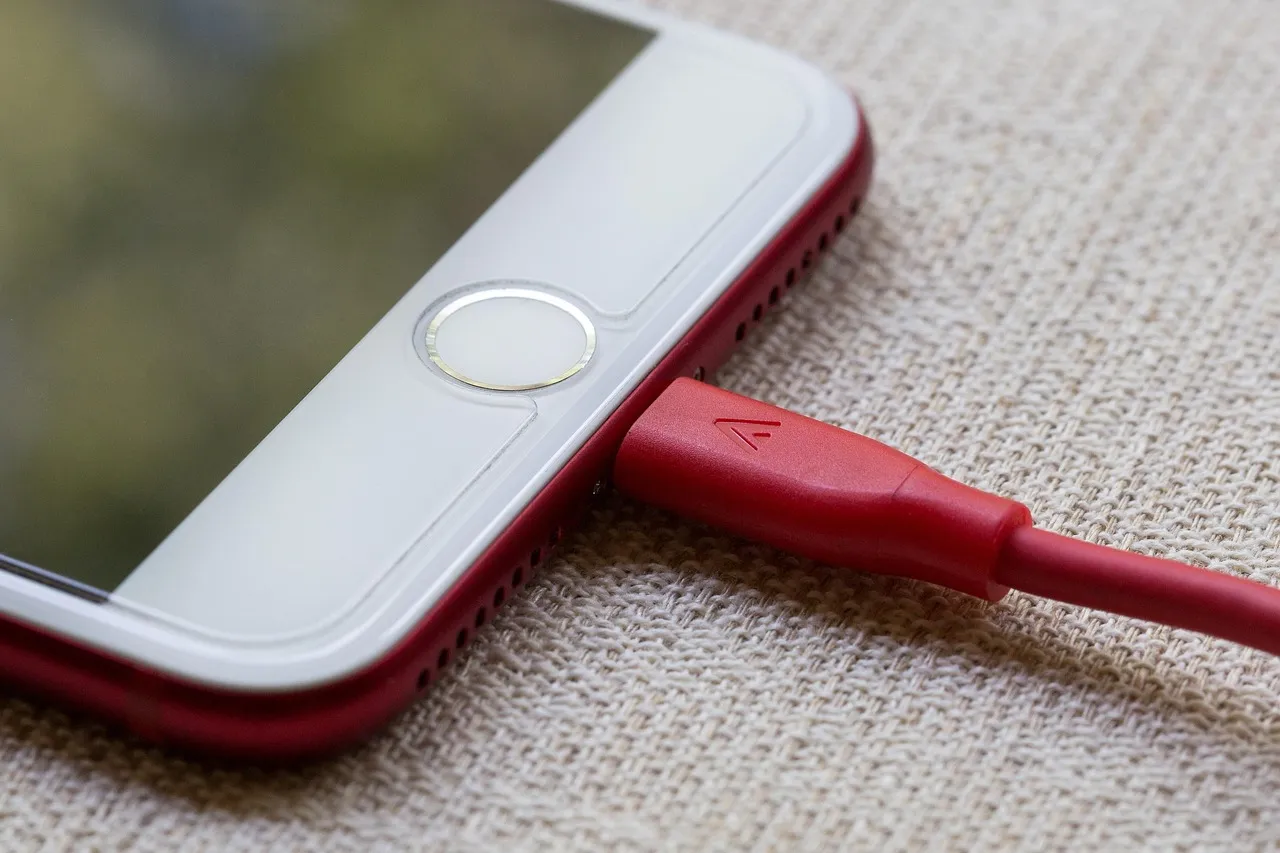
Charging a device on flammable surfaces increases fire risk by roughly a quarter, statistically leading to more incidents. Beds, sofas, and carpets are particularly problematic because they trap heat that would otherwise dissipate into the air. A phone under a blanket while charging is a familiar scenario, but not a safe one.
Batteries and devices should be charged in a safe location, on a flat, non-flammable surface, and never on soft surfaces such as beds or close to flammable materials. This advice comes directly from Aviva based on their real-world claims data. The habit of leaving a phone charging on a mattress overnight is far more common than most people realize.
Using the Wrong Charger for Your Specific Device
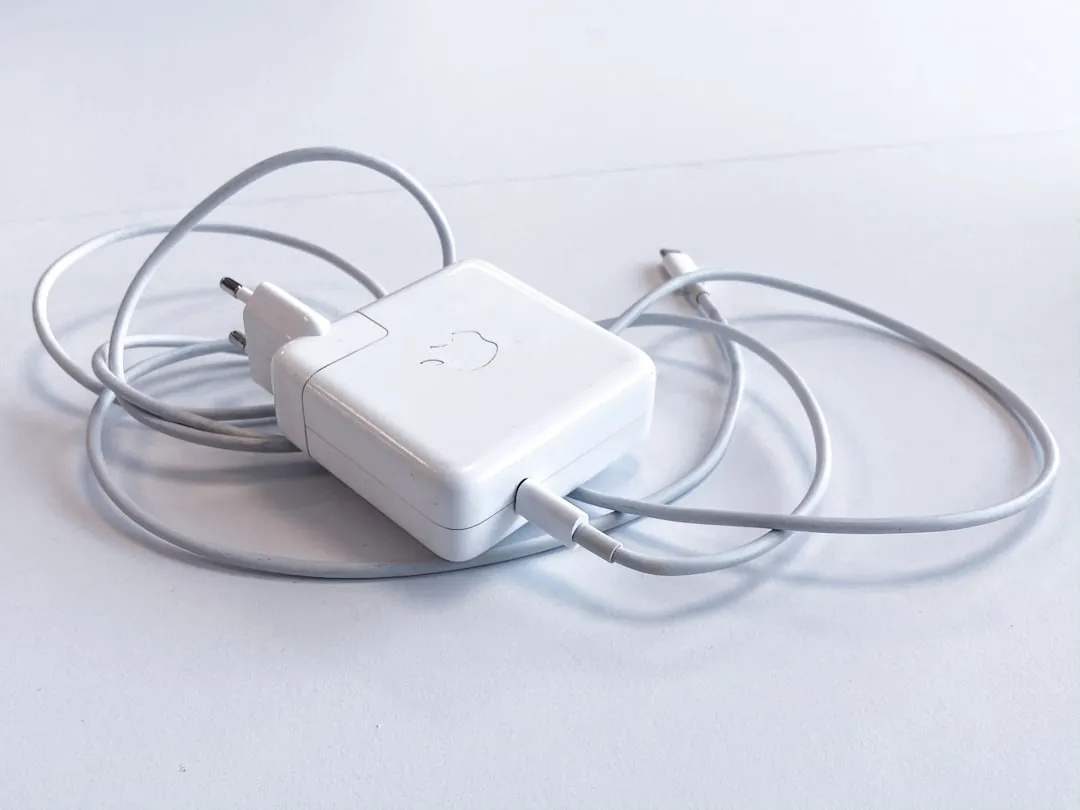
The charger that comes with your phone is specifically designed to charge your phone’s battery, with the right voltage and the right type of connector. Using a different charger can cause all sorts of problems: if the voltage is too high, it can damage your phone’s battery, and if the voltage is too low, it won’t charge your phone at all.
The consequences of using incompatible chargers can range from immediate device malfunction to long-term damage, including accelerated battery wear that leads to reduced capacity and shorter lifespan, as well as component failure from overvoltages that can damage integrated circuits and capacitors.
The Overnight Charging Nuance
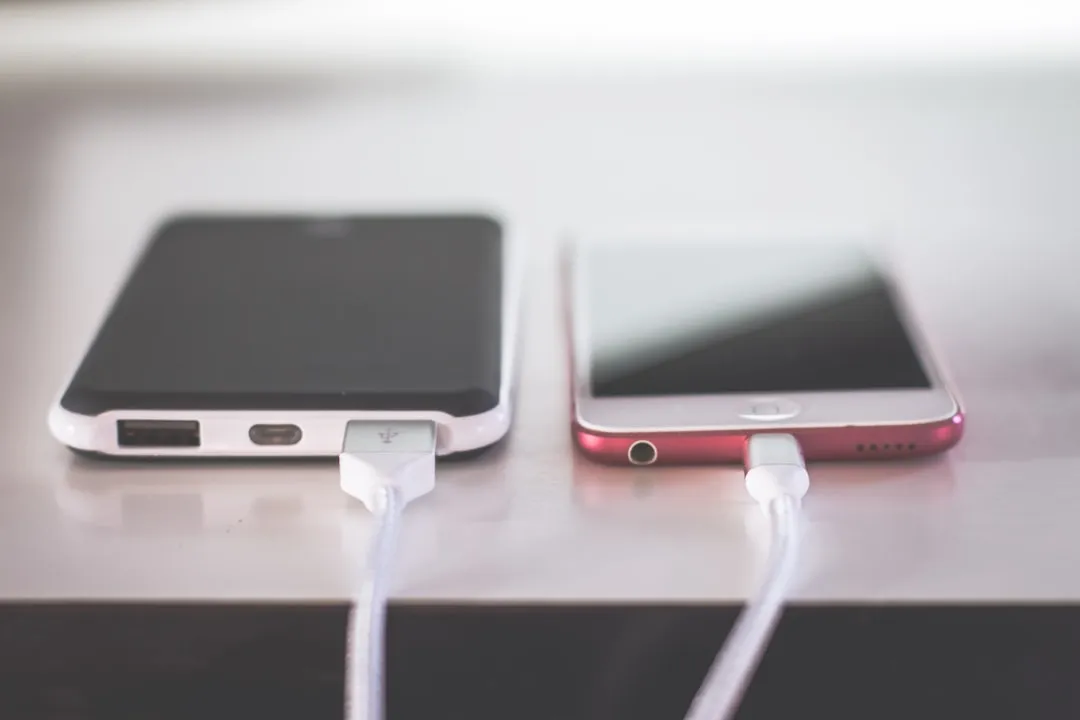
A phone’s battery will not be at risk of overcharging if left plugged in overnight, since modern smartphones are equipped with smart charging technology that halts the charging process once the battery reaches full capacity. The charger only kicks in occasionally to top off the battery, maintaining it at 100% through what are called maintenance charges.
So the phone isn’t frying itself, but it does sit at peak voltage for hours at a time. The long duration of an overnight charge is not the direct problem. Instead, certain effects related to this habit can contribute to battery aging over time. When your phone sits at 100% while connected to a power source, it may use tiny amounts of power for background tasks. Those small cycles, repeated night after night, quietly add up.
Smart Charging Features That Most People Never Turn On
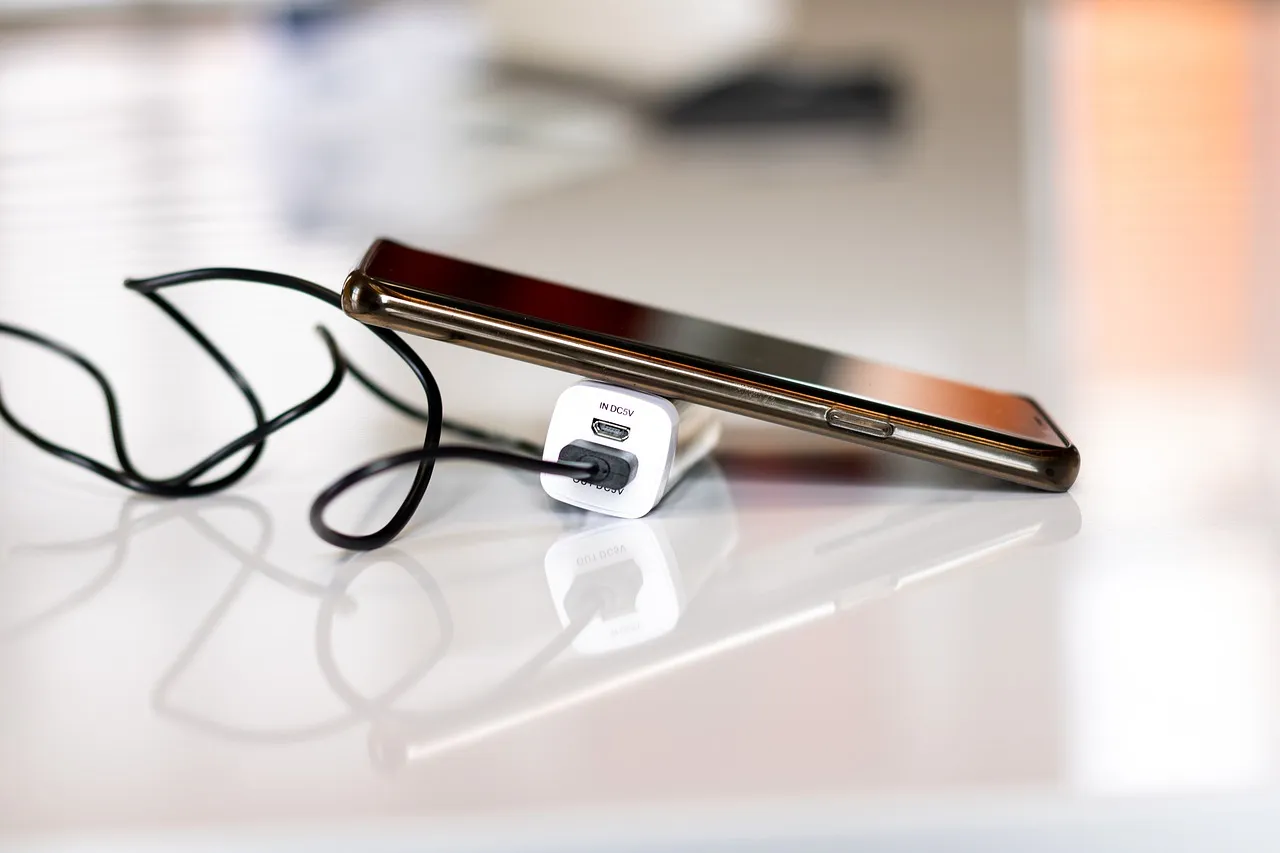
Charging your phone overnight is not unsafe as modern electronics have plenty of failsafes. However, using features like Adaptive Battery that delay or slow down overnight charging to help prevent long-term battery degradation is strongly recommended. Both Apple and Google have built these features into their operating systems, yet a large share of users have never configured them.
Fast charging does not inherently damage a battery, but the key is using a high-quality, certified charger. All fast chargers produce more heat than standard chargers, and heat is a primary cause of battery degradation. However, reputable fast chargers using Gallium Nitride technology are designed with advanced safety features and thermal management to control this heat.
Gallium Nitride technology represents the latest advancement in charger efficiency, offering roughly three times better efficiency than silicon-based chargers while operating noticeably cooler. These are the kinds of upgrades that make a measurable difference over a device’s lifespan.
What Happens to Your Battery After Thousands of Cycles
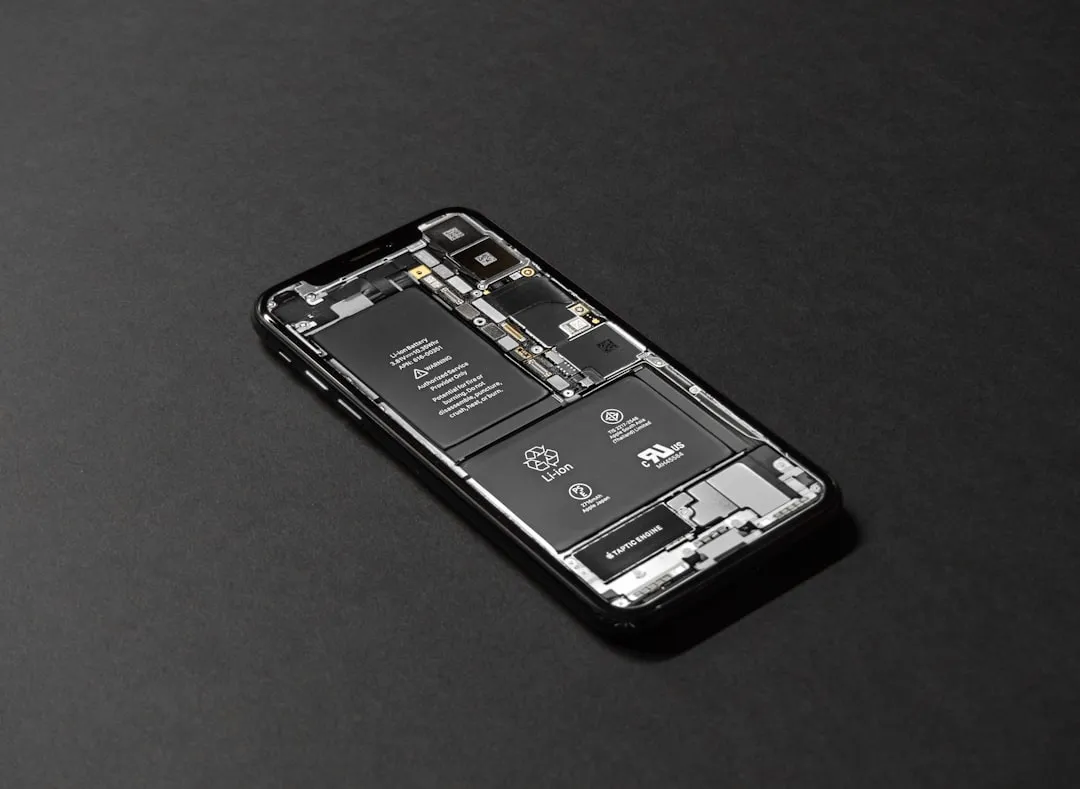
The battery degradation rate sits at about a fifth of battery capacity loss after 500 charge cycles. That’s the baseline under normal conditions. Push those cycles harder with heat, peak voltage saturation, and cheap chargers, and the degradation arrives sooner and runs deeper.
Battery health depends on how often and how carefully you charge. The real enemy is heat and constant full charge, not the charger itself. Battery health isn’t just about how many times you charge a phone. It’s about how it manages voltage, temperature, and maintenance. Lithium-ion batteries age fastest when exposed to extreme levels such as 0% and 100%.
The Takeaway
The charger habit causing quiet damage isn’t one dramatic mistake. It’s the accumulation of small, unremarkable choices repeated hundreds of times: leaving the phone at full charge for too long, grabbing whatever cable is nearby, charging on the bed, and never once checking whether the adaptive charging feature is actually on.
None of these habits will destroy your device overnight. That’s exactly what makes them so easy to ignore. Over the span of a year or two, though, the difference between good and careless charging habits shows up clearly in battery health, device longevity, and in some cases, home safety. The fix requires almost no effort, which makes it hard to justify not doing it.
AI Disclaimer: This article was created with the assistance of AI tools and reviewed by a human editor.