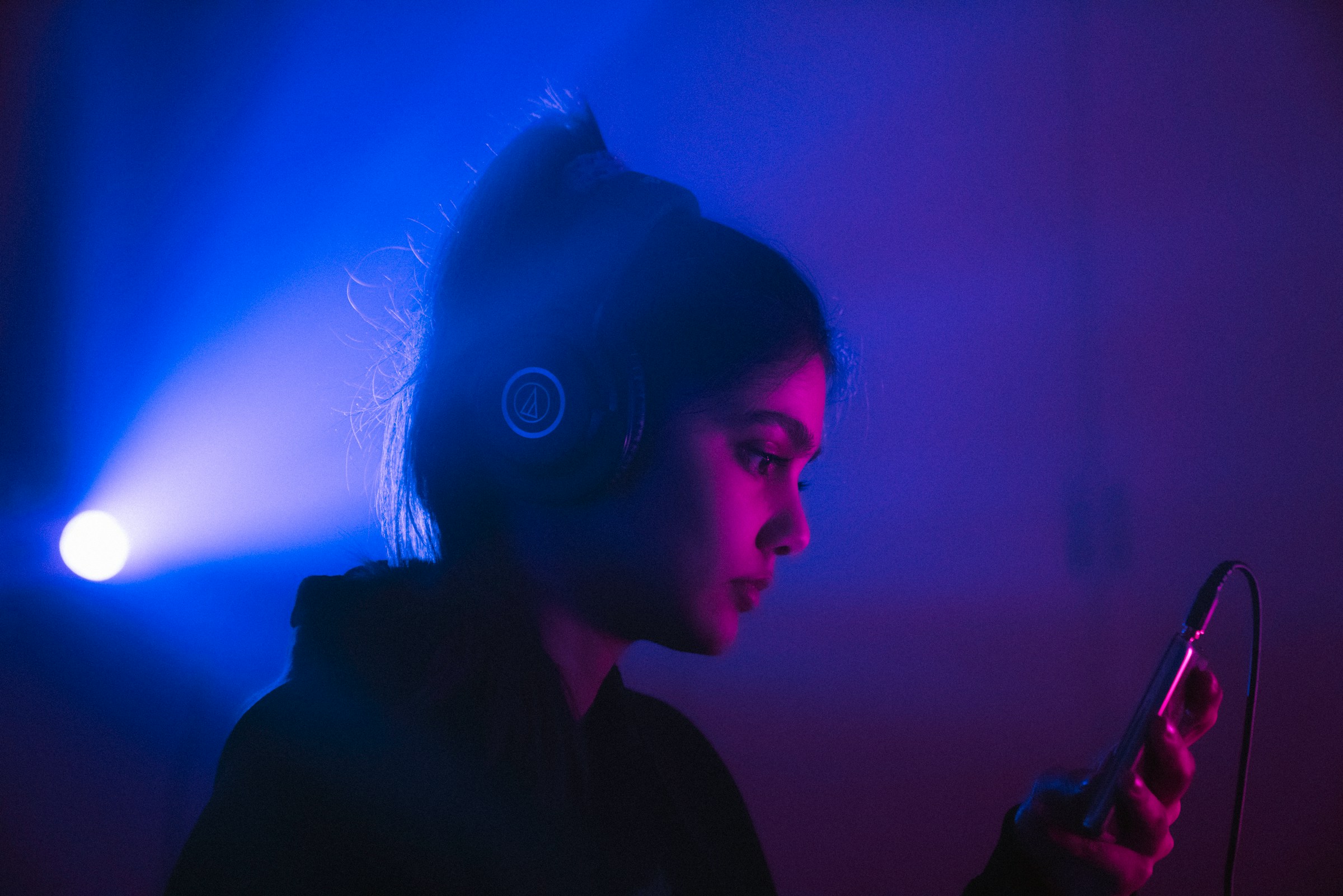

ANC Does Not Damage Your Ears Directly – The Risk Is More Subtle
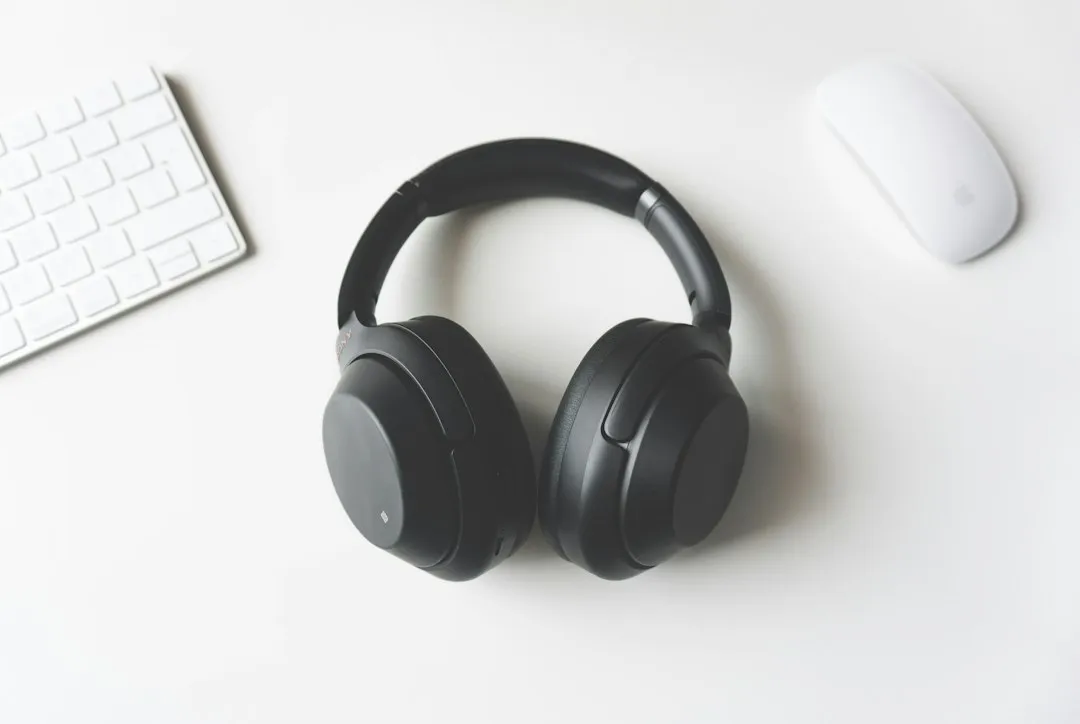
The first thing to understand is what noise-canceling technology actually does. Active Noise Cancelling (ANC) works by reducing unwanted ambient noise, not by increasing the volume of what you’re listening to. That is an important distinction, because it clears up a persistent myth.
One scientific review found no evidence of hearing damage directly caused by ANC; in fact, it suggested that by allowing users to listen at lower volumes, noise-canceling headphones might actually contribute to hearing preservation. So the technology itself is not the villain here. The risk comes from how and how long people use it.
The risk to your ears comes from listening to content at high volumes for prolonged periods, not the noise cancellation itself. Understanding that distinction is actually the first step toward using these devices safely.
The Volume Problem Nobody Talks About
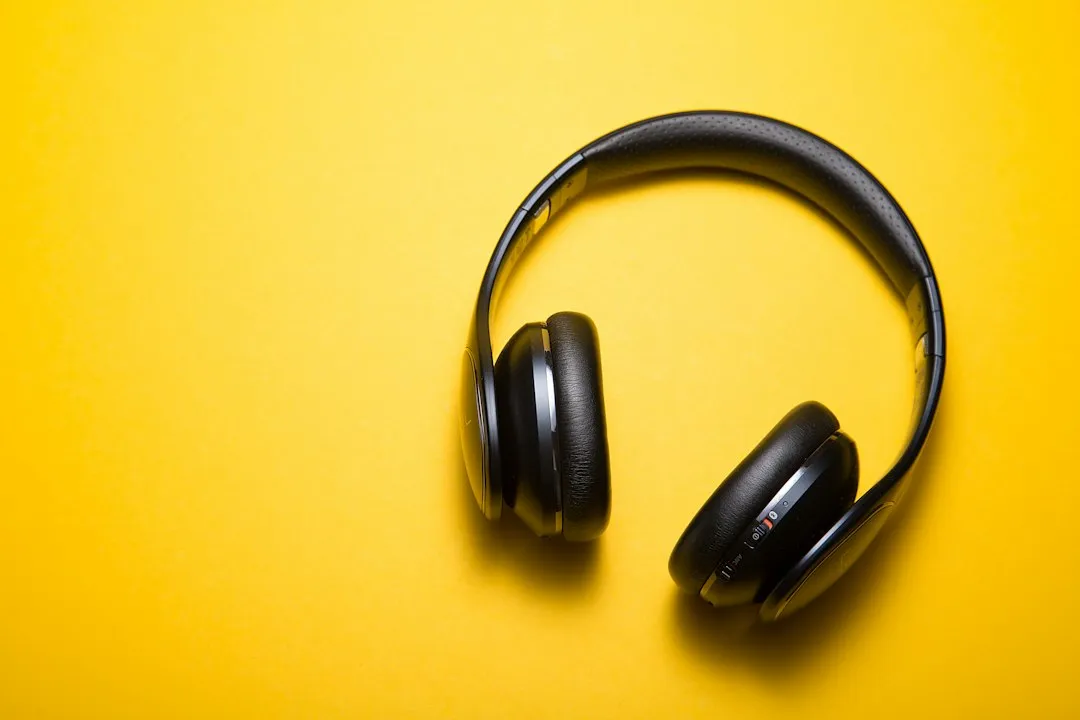
Sounds at or below 70 dB are considered safe, according to the CDC. Yet the majority of headphones can top 100 decibels, which can damage hearing permanently in just minutes. That gap between what is safe and what is possible is where the real danger lives.
People ages 12 to 35 commonly listen to music and other content at 105 decibels when using MP3 players and smartphones, according to a WHO report. That is a level that crosses into risky territory remarkably fast. Hearing damage is a function of energy and time together, not level alone. A sound twice as intense needs half the exposure to do the same damage, which is why every safe-listening standard is written as a level paired with a duration rather than a single ceiling.
Decibels aren’t linear – they’re logarithmic. A 3 dB jump doubles the sound energy your ears absorb. Most people have no intuitive sense of this, which makes volume creep far more dangerous than it appears.
Young People Are Listening at Unsafe Levels – at Scale
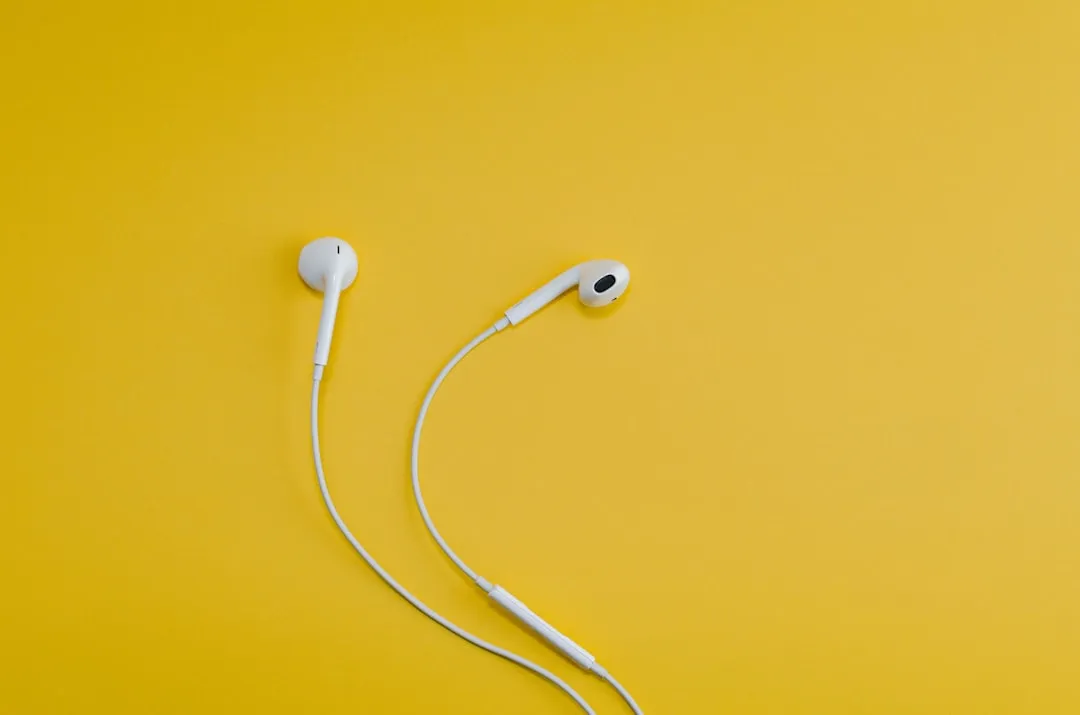
About nearly half of young people, including roughly one in four teenagers, engage in unsafe listening practices by turning up the volume on their devices or attending loud events at entertainment venues. WHO researchers arrived at those figures by analyzing 33 studies from 2000 to 2021. That is not a niche problem. It’s a generational one.
Over 1 billion young people worldwide are at risk of hearing loss from unsafe listening practices, according to the WHO. The scale of that figure is striking. It is not a projection for some distant future; that risk exists right now, shaped by everyday choices made with earbuds in.
Used at unsafe volumes, or for too long at a stretch, headphones and earbuds are contributing to an epidemic in hearing loss, especially among young people – prompting the World Health Organization to warn that 1.1 billion young people are at risk of noise-induced hearing loss.
The Brain Is Being Left Out of the Conversation
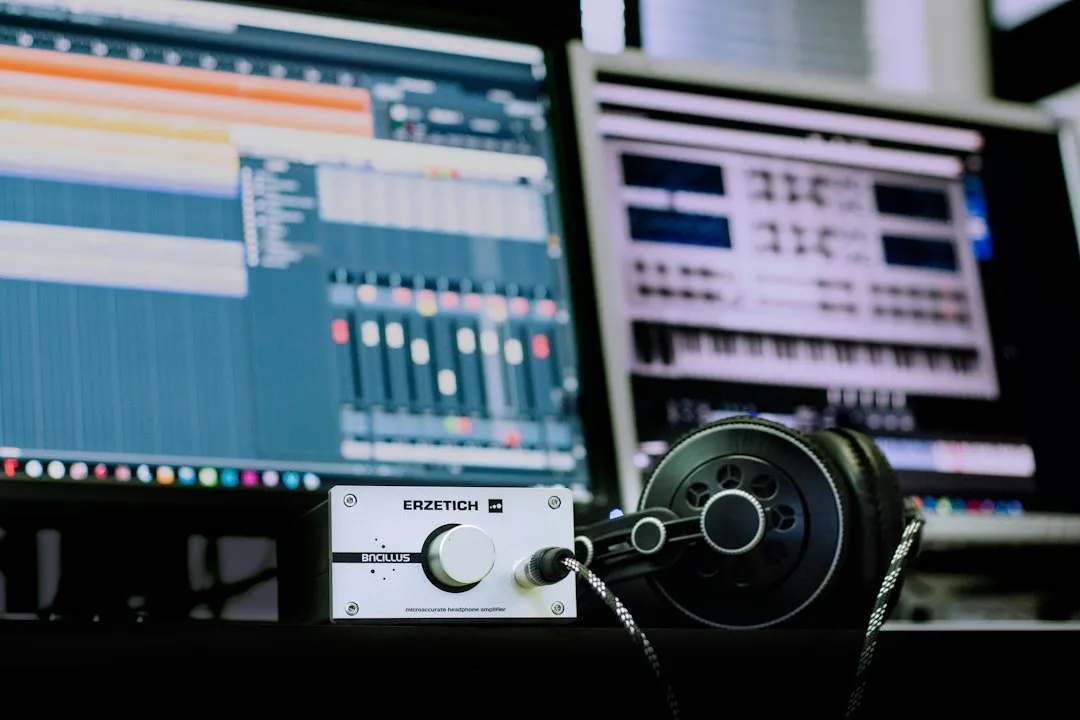
Here is where the emerging research gets particularly interesting. Audiologists are now asking whether noise-canceling headphones are making it harder for teenagers and young adults to understand speech in a noisy environment. That is the question raised by a BBC report featuring five audiologists in the UK who are seeing an increase in young patients referred to them for hearing problems.
The twist is that their ears are fine. The issue seems to be with how their brain processes sounds, and a hesitant finger is pointing at the noise-canceling headphones they wear so much. Normal hearing thresholds, yet a genuine difficulty making sense of sound in a noisy room. That is a different category of problem entirely.
Patients who have difficulty understanding speech in noisy environments but have normal hearing thresholds are usually diagnosed with auditory processing disorder (APD) – they have a listening problem but not a hearing problem. The distinction matters. A standard hearing test would not catch it.
Auditory Deprivation: When the Brain Forgets How to Filter
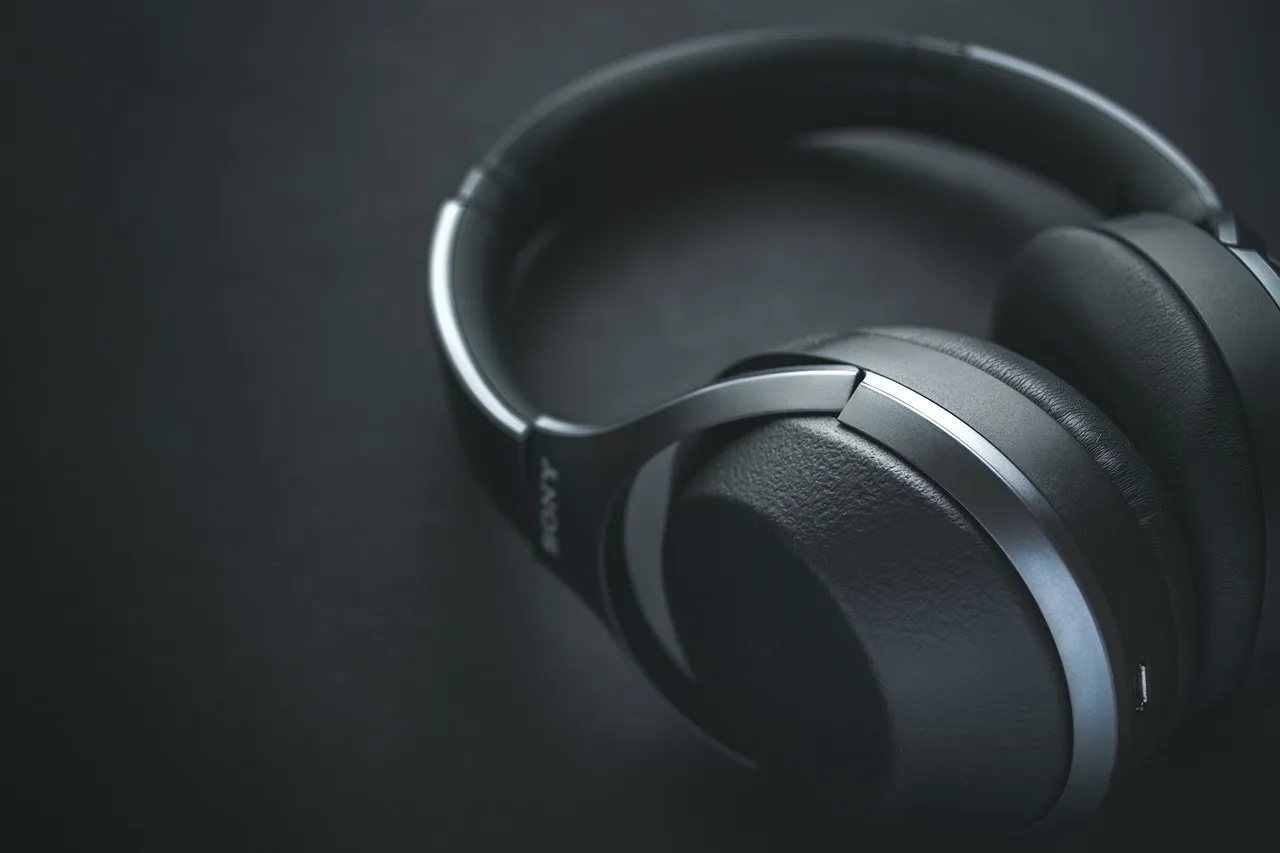
Experts now worry about how noise-canceling headphones affect the brain’s ability to process sound. Claire Benton, vice president of the British Academy of Audiology, suggests that blocking everyday sounds may cause the brain to “forget” how to filter out background noise naturally.
Benton says that by blocking out everyday sounds, the use of noise-canceling headphones may delay the ability to process speech and noise – skills that are still developing in the brain until late teens. That developmental window makes the habit especially consequential for younger users who treat these headphones as a permanent fixture of daily life.
Audiologists’ concern stems from an apparent increase in the number of young adults being diagnosed with APD. They suspect that the overuse of noise-canceling headphones is negatively impacting the ability to segregate speech from background noise. It is still only a hypothesis, but these audiologists feel there is enough concern for the possible link to be investigated.
NHS Departments Are Noticing a Pattern
The issue has been illustrated by cases such as a 25-year-old from London who wears noise-canceling headphones around five hours a day and was diagnosed with auditory processing disorder. Five NHS audiology departments told the BBC that there has been an increase in the number of young people referred to them from GPs with hearing issues.
Five NHS audiology departments noticed a striking increase in young people coming in for hearing issues. The puzzling part is that these patients can hear just fine when tested. Their brains just can’t process sound properly. For clinicians used to diagnosing straightforward noise-induced hearing loss, this pattern is something genuinely new.
This suggests that younger adults may be experiencing unexpected difficulties with central auditory processing – potentially linked to modern listening habits such as near-constant usage of headphones and personal listening devices. The research to confirm this definitively does not yet exist, but the clinical signal is clear enough to warrant attention.
How Earbuds Make the Problem Worse
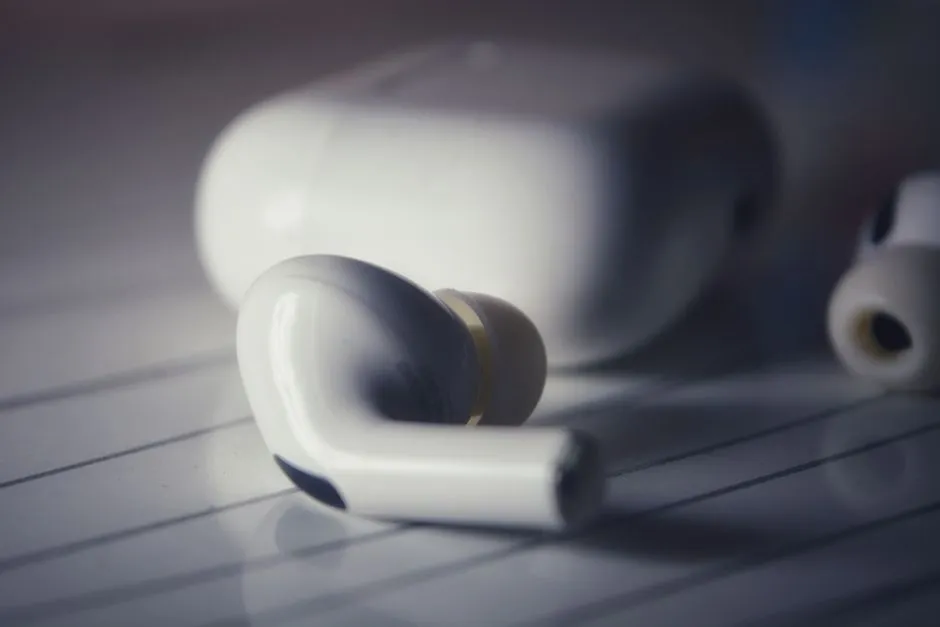
Not all headphones carry the same risk profile. The type of device you use matters more than most people realize. Earbuds increase sound pressure by 6 to 9 dB compared to over-ear headphones at the same volume setting. That difference, owing to proximity to the eardrum, is acoustically significant.
Headphones that completely sealed the ear canal from external noise were most effective at making music enjoyable at lower volumes. This is important because if wearers can enjoy music at lower volumes, this decreases the risk posed by listening at loud levels, researchers noted. Over-ear noise-canceling headphones, in that respect, offer a genuine advantage over earbuds.
Poor isolation is the main reason people turn their listening volume up to unsafe levels during commutes. This is the paradox: people without noise cancellation compensate by turning up the volume, which creates its own risk. The solution is not simply to avoid ANC, but to use it more deliberately.
The Safe Listening Rules That Most People Ignore
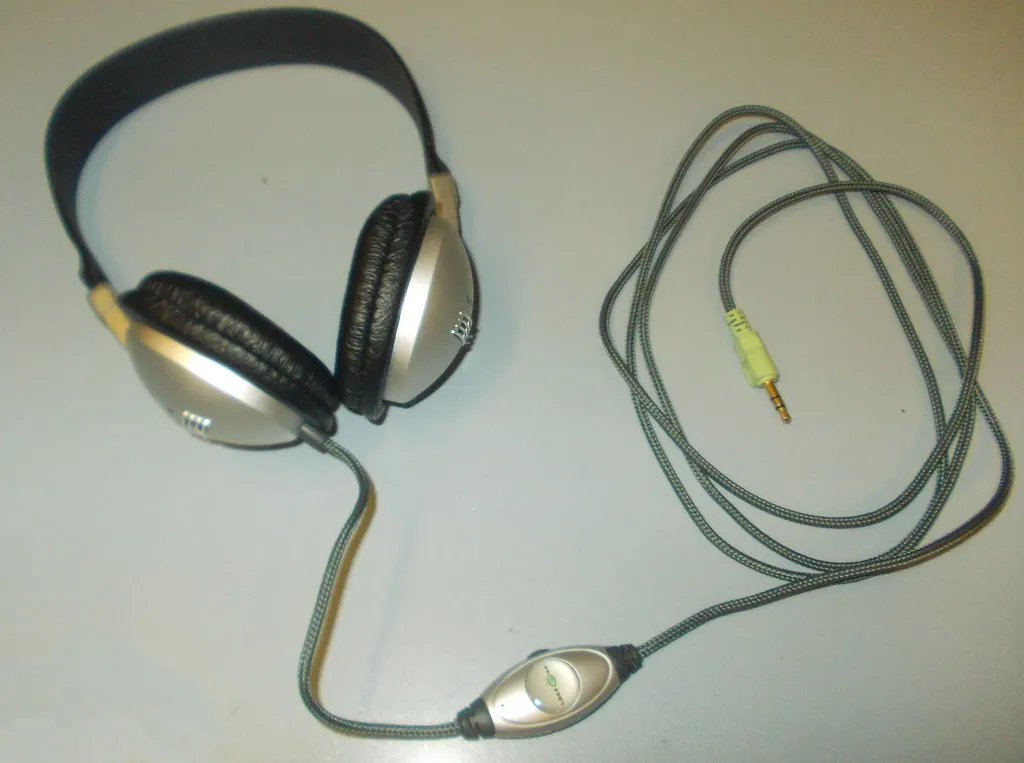
The World Health Organization recommends the 60/60 rule as a simple rule of thumb: keep your headphone volume at no more than 60% of maximum, and limit listening sessions to 60 minutes before taking a break. It is a straightforward guideline, yet most daily headphone use looks nothing like it.
WHO guidelines specify that 80 dB is safe for 40 hours per week, 85 dB for 8 hours per day, 100 dB for 15 minutes, and that 115 dB causes immediate damage. Put another way, a single loud listening session on a long flight can consume a significant portion of a week’s safe sound allowance in one go.
Noise-induced hearing loss doesn’t hurt as it happens, and by the time you notice it, you can’t undo it. That invisibility is precisely what makes the habit so easy to underestimate. There is no warning signal in the moment, no discomfort to prompt a change in behavior until the damage is already done.
The Deeper Issue: Hearing Loss Has No Cure
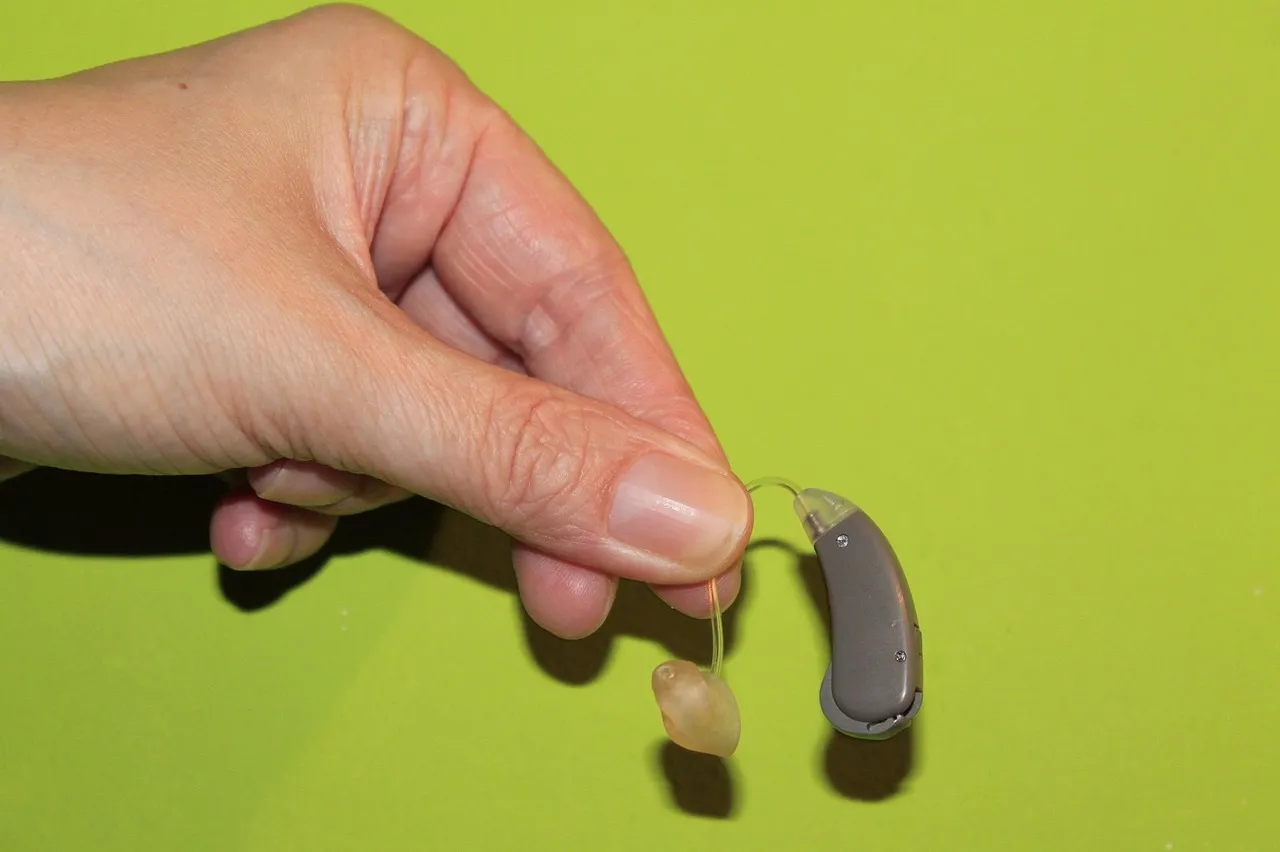
Inner ear cells can recover from brief overexposure, but not always. If they are damaged permanently, they will no longer play a part in your hearing. There is no cure for it. That is a harder fact than most people have sitting in the front of their minds when they reach for their headphones every morning.
Warning signs include muffled hearing after listening, ringing in the ears known as tinnitus, and needing to raise your voice to someone an arm’s length away. These are signals worth taking seriously rather than brushing off as temporary. Not paying attention to symptoms like ringing in the ears after headphone use could lead to worsening conditions.
Globally, approximately 500 million people suffer from disabling hearing loss, accounting for about 6.8% of the world’s population. Hearing loss has emerged as a major global health issue. Those numbers are expected to climb, and listening habits at a population level are a meaningful part of the reason why.
What Science Still Doesn’t Know – and Why It Matters
Central auditory processing disorder and its link to noise-canceling headphones is entirely unclear for now. That honesty from the research community is important. Clinicians are seeing a pattern, but correlation and causation are different things, and the formal studies needed to confirm a direct link have not yet been completed.
The issue seems to be with how the brain processes sounds, and a hesitant finger is pointing at noise-canceling headphones. Hesitant is the key word. The evidence is early, clinical rather than experimental, and needs proper investigation before firm conclusions can be drawn. The main point, as one expert noted, is that anecdotally it does look like wearing noise-canceling headphones may have an impact on a person’s listening abilities, and further research is needed to look into this.
Anecdotes are data – a low form of evidence, certainly, contaminated with all sorts of uncontrolled variables, but one that can serve as an early-warning system. Anecdotes can generate hypotheses that science can test properly. The clinical observations from NHS audiology departments are exactly that kind of early signal, and the research community is beginning to respond.
The Takeaway
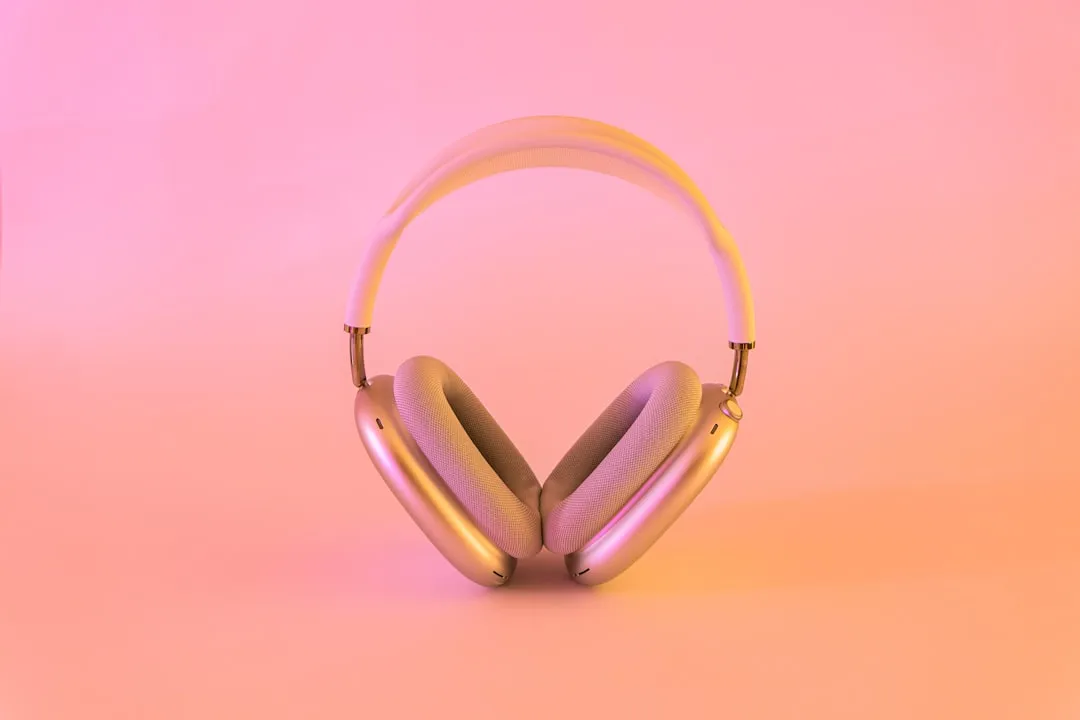
Noise-canceling headphones are not the enemy. Used with some awareness, they can actually reduce your overall sound exposure compared to cranking up the volume on ordinary earbuds to compete with background noise. The habit that’s quietly doing harm isn’t wearing them. It’s wearing them at high volume, for hours on end, day after day, without any breaks.
The emerging concern about auditory processing is worth watching closely as researchers design proper studies to investigate it. For now, the most grounded action anyone can take is straightforward: follow the 60/60 rule, keep volume below 80 dB where possible, and give your ears and your brain regular time to engage with the natural acoustic world again. Silence is not always the safest setting.
AI Disclaimer: This article was created with the assistance of AI tools and reviewed by a human editor.