
Most people who set up a backyard compost bin do the same thing. They toss in kitchen scraps, a few handfuls of grass clippings, maybe some coffee grounds, and expect nature to do its job. Weeks pass. The pile stays cold, or it starts to smell, or both. The frustration is real, but the fix is almost always simpler than people assume.
The core issue isn’t what you’re adding. It’s the proportion. A single invisible number called the carbon-to-nitrogen ratio governs whether your pile hums with microbial life or just sits there rotting slowly in the corner of your yard. Getting it right changes everything. Getting it backwards is surprisingly easy to do.
What the C:N Ratio Actually Means
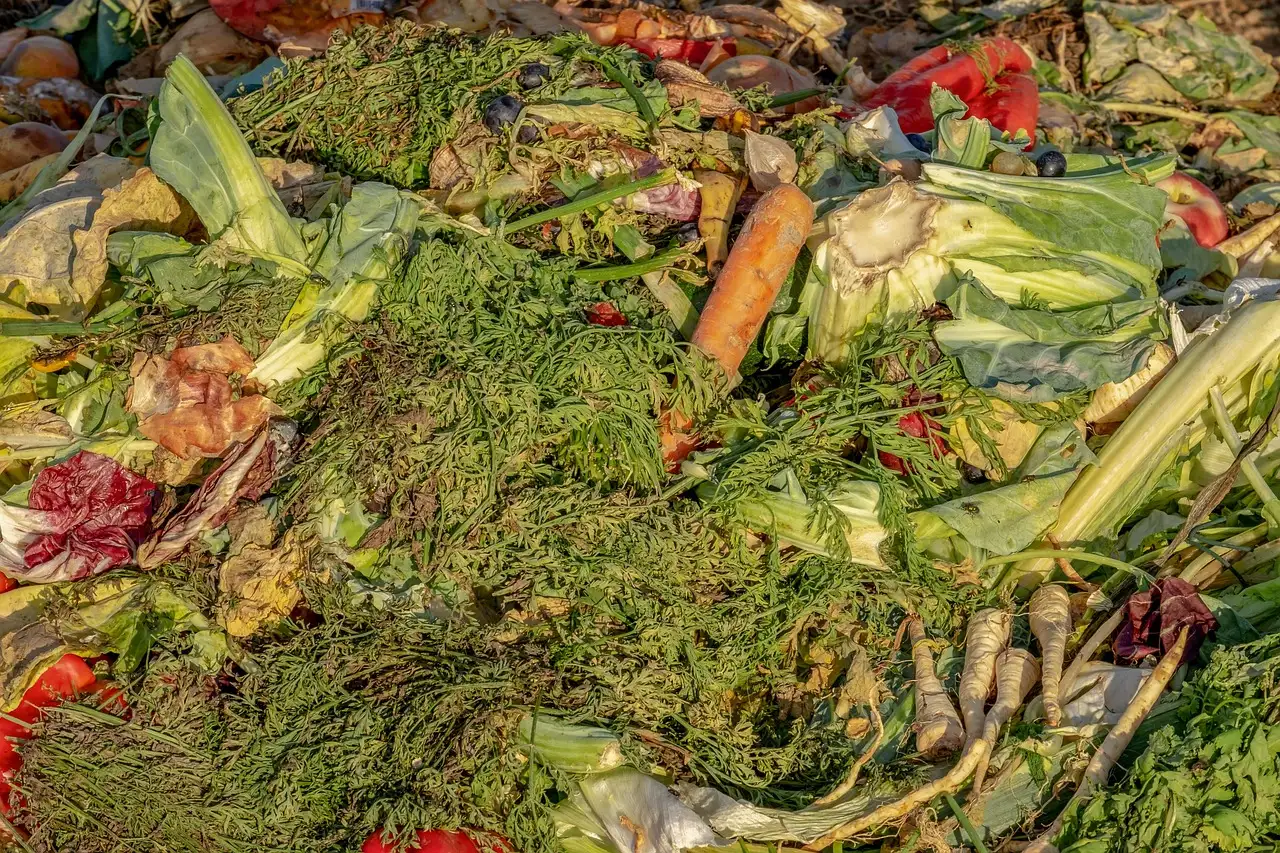
The carbon-to-nitrogen ratio in compost measures how much readily available carbon material exists for microbes relative to nitrogen needed for microbial growth. It controls how quickly microbes multiply, how hot the pile gets, and the final nutrient balance of the compost.
The C:N ratio is an important parameter that relates composting reactions to the relative concentrations of essential chemical constituents required for the growth and metabolic reactions of the microbial population. Compounds such as carbohydrates are sources of carbon for the microbial biomass and generate energy for microbial metabolic activity. Nitrogen is an essential component of proteins and amino acids required for the growth of that same microbial biomass.
Think of it this way: carbon is the fuel, and nitrogen is the spark that gets the engine running. You need both in the right proportion, or the whole system stalls.
The Target Range Science Actually Agrees On
The nutritional balance of compost microorganisms is evaluated mainly by the carbon-to-nitrogen ratio, and an adequate C:N ratio for composting is in the range of 25 to 35 to 1. That’s a well-supported consensus, not just a rule of thumb.
Scientists have determined that the fastest way to produce fertile, sweet-smelling compost is to maintain a C:N ratio somewhere around 25 to 30 parts carbon to 1 part nitrogen. Research also shows that even when ratios drift somewhat higher, decomposition can still occur, just more slowly.
One foundational experiment found the optimum range for composting speed was between 30:1 and 35:1. Below this range, excess nitrogen was lost, while above this range the composting speed slowed down. That study, by McGaughey and Gotass, remains a useful benchmark even today.
Why Most Home Composters Overload the Nitrogen Side
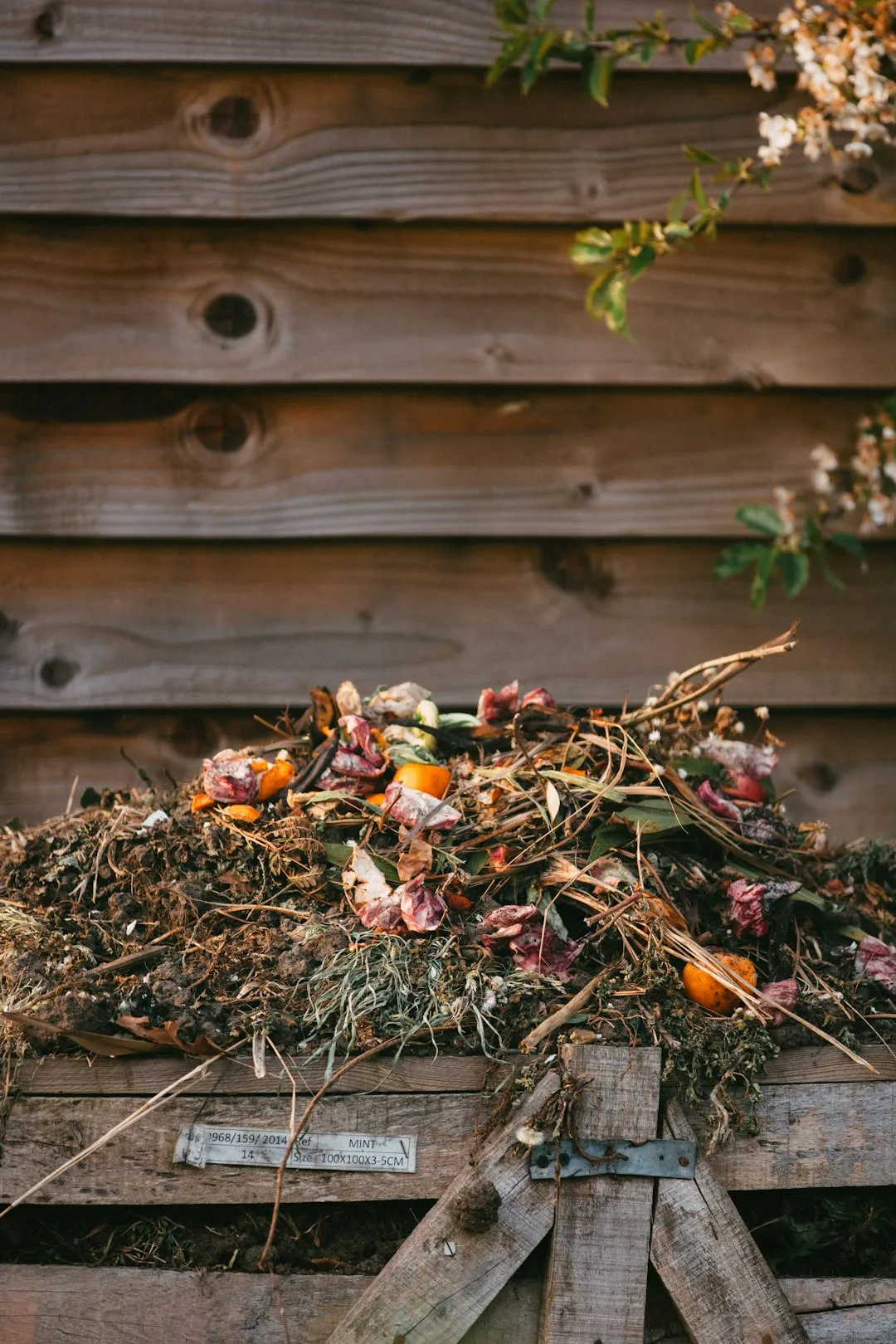
Here’s the pattern most beginners fall into: they have a kitchen scrap bucket that fills up every few days, so that’s what constantly goes into the pile. Vegetable scraps, fruit peels, coffee grounds, and fresh grass clippings dominate the bin. What they’re adding is nearly all nitrogen-rich material, and the carbon side barely gets a look.
Compost substrates with low C:N ratios have an excess of nitrogen relative to degradable carbon, and the excess nitrogen is lost in the form of ammonia, greenhouse gas emissions, or leaching. That explains both the smell and the wasted nutrients.
If the nitrogen proportion is too high, the compost may become too hot, killing the compost microorganisms, or it may go anaerobic, resulting in a foul-smelling mess. That slimy, sulfur-like odor coming from your bin isn’t just unpleasant; it’s a signal that the microbial community is collapsing.
What Happens When Carbon Dominates Instead
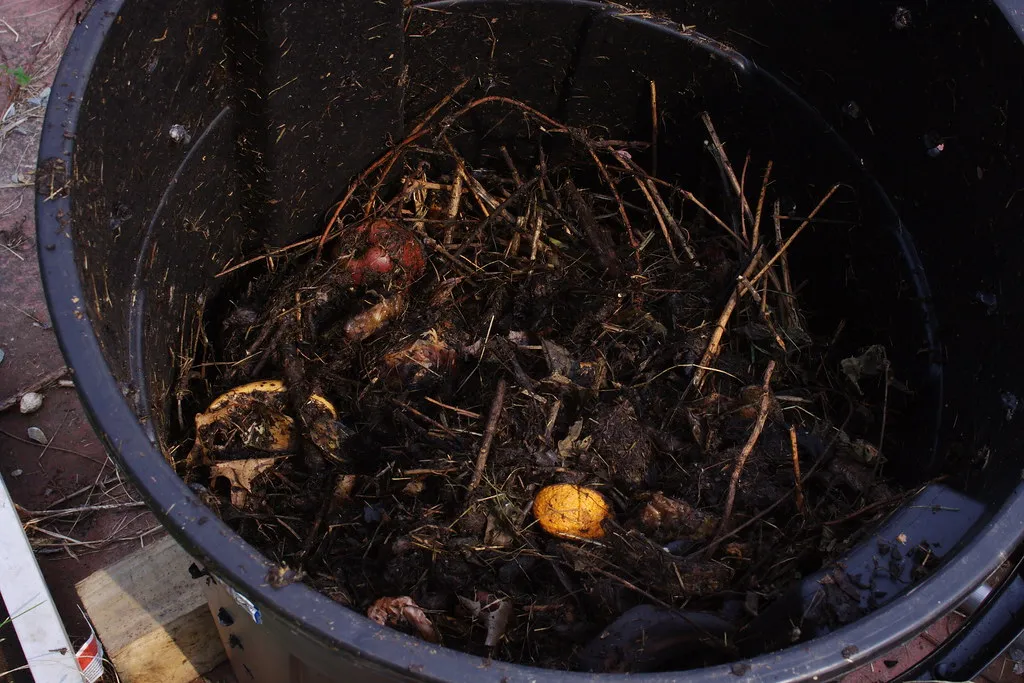
The opposite problem is less dramatic but equally frustrating. A pile that’s mostly dead leaves, cardboard, and woody debris will simply sit there. Months go by, and nothing much happens. This is what a carbon-heavy pile looks like: dry, pale, and inert.
At a high C:N ratio, there is an excess of degradable carbon, which makes the composting process very slow because the growth of microorganisms is limited owing to a lack of nitrogen. The microbes can’t reproduce without it, so the whole process crawls.
When the C:N ratio is too high, microbial growth slows, temperatures stay low, and decomposition drags on. Small, chopped materials and added nitrogen sources can shorten that timeline considerably if you catch it early enough.
The “Greens” and “Browns” Shortcut Explained Properly

Most gardening advice sorts composting materials into “greens” and “browns,” which is a useful shortcut but easy to misapply. In general, materials that are green and moist tend to be high in nitrogen, and those that are brown and dry are high in carbon.
The confusion comes from color. In composting, “green” refers to a source which is high in nitrogen, not color. For example, manure is brown in appearance, but is considered a “green” because of its nitrogen content. This trips up a lot of beginners who sort by what things look like rather than what they chemically are.
Gardeners often simplify matters by thinking in terms of color: materials with a C:N ratio higher than 30:1 are browns, and materials with a ratio lower than 30:1 are greens. Note that high-nitrogen materials can actually be brown in color, and vice versa. The label is about chemistry, not appearance.
Real C:N Numbers for Common Materials
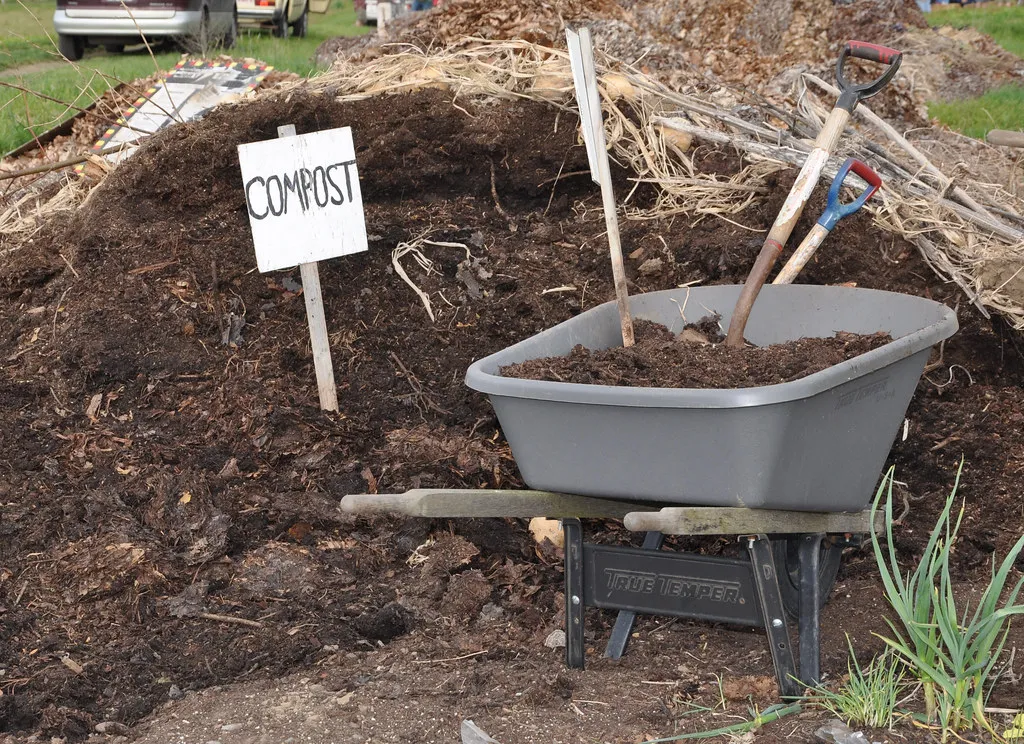
Knowing approximate ratios for everyday compostable materials takes the guesswork out of building a balanced pile. High-nitrogen, or “green,” examples include fresh grass clippings at roughly 12 to 20:1, kitchen food scraps at around 15 to 25:1, and poultry manure at 6 to 10:1. These materials are powerfully nitrogen-dense.
High-carbon examples include dry leaves at around 40 to 80:1, straw at 50 to 100:1, and wood chips and sawdust ranging from 200 to 500:1 depending on wood type and moisture. Shredded paper and cardboard sit even higher, often well above 300:1.
Coffee grounds carry a C:N ratio of around 20:1, making them a useful nitrogen booster, though they can compact and restrict airflow if added in large amounts. Sawdust, at 200 to 500:1, adds structure but can tie up nitrogen unless mixed with greens. Even materials that feel similar on the surface can behave very differently inside the pile.
The Practical Volume Rule for Balancing Your Pile
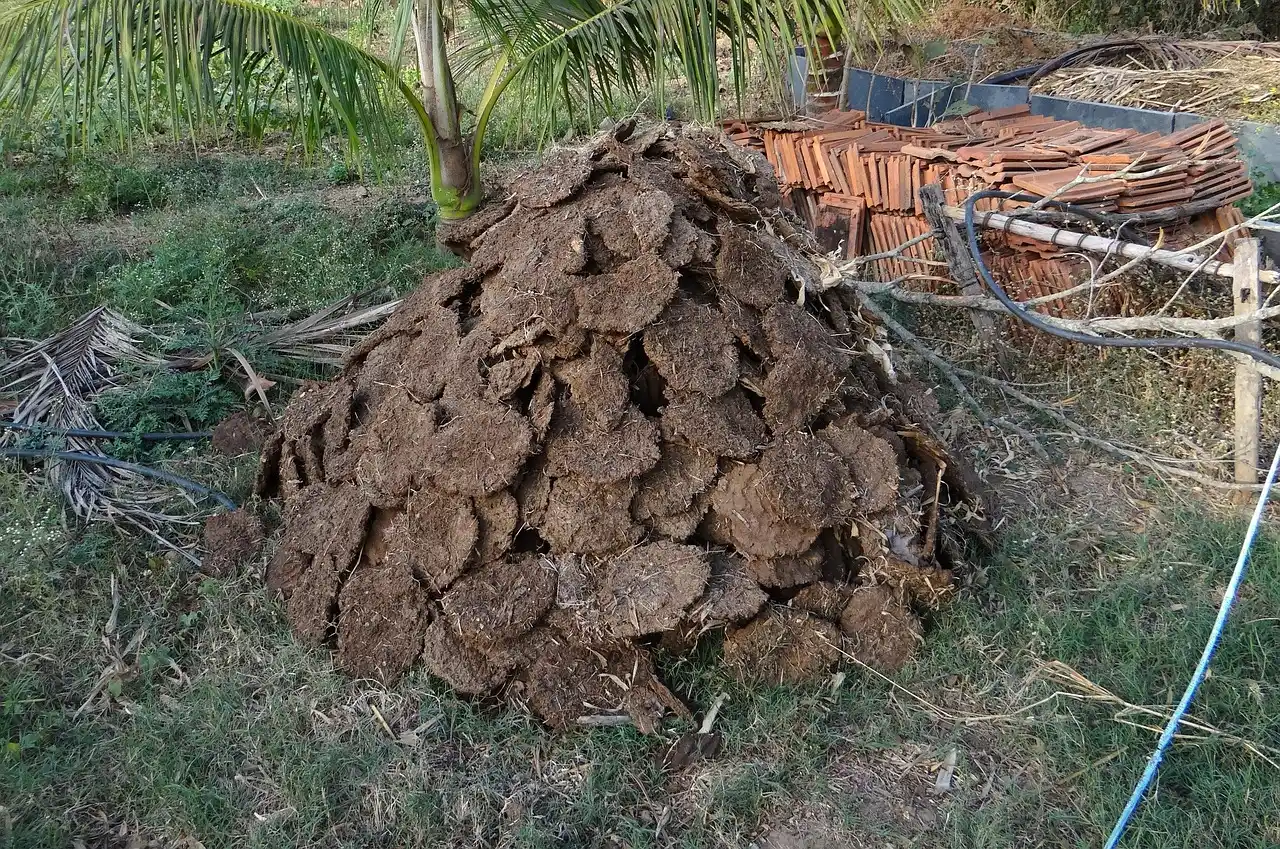
You don’t need a lab or a spreadsheet to hit the right ratio. Most composting guides converge on a simple volume-based rule that works well for typical home inputs. A pile built with roughly three parts browns to one part greens by volume provides an approximate C:N ratio in the target range for most common home composting inputs.
That three-to-one ratio holds up reasonably well in practice, though it’s worth adjusting slightly depending on the specific materials you’re using. High C:N ratios may be lowered by adding grass clippings or manures. Low C:N ratios may be raised by adding paper, dry leaves, or wood chips.
The key is to think of each addition as a chance to rebalance, not just a disposal decision. Every time you drop in a bucket of kitchen scraps, the honest question to ask is: what am I adding on the carbon side to match?
How the Ratio Affects Temperature and Speed
The C:N ratio isn’t just about avoiding odors. It directly determines whether your pile ever reaches the high internal temperatures needed for fast, thorough decomposition. This matters more than most people realize.
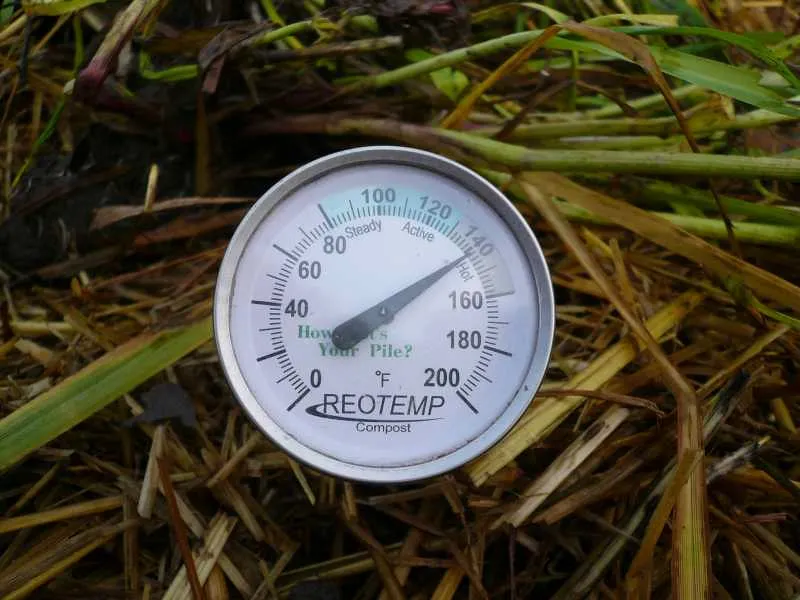
The carbon-to-nitrogen ratio is critical for hot composting because microbes need the right food balance to generate heat. A proper ratio of 25 to 30 parts carbon to 1 part nitrogen fuels rapid microbial activity, raising the pile’s internal temperature to 130 to 160 degrees Fahrenheit, which kills weed seeds and pathogens.
The pile must reach 131 to 170 degrees Fahrenheit and maintain that range for at least three consecutive days to kill weed seeds and pathogens. The EPA recommends maintaining temperatures above 131 degrees Fahrenheit for pathogen reduction in home compost systems. A cold, carbon-heavy pile never gets there.
How the Ratio Changes as Composting Progresses
One thing that surprises many composters is that the C:N ratio doesn’t stay the same throughout the process. It shifts significantly from start to finish, and understanding this helps you interpret what your pile is doing at any given stage.
As composting proceeds, the C:N ratio gradually decreases from around 30:1 to 10 to 15:1 for the finished product. This occurs because each time that organic compounds are consumed by microorganisms, roughly two-thirds of the carbon is given off as carbon dioxide.
Although attaining a C:N ratio of roughly 30:1 is a useful goal in planning composting operations, this ratio may need to be adjusted according to the bioavailability of the materials in question. Most of the nitrogen in compostable materials is readily available. Some of the carbon, however, may be bound up in compounds that are highly resistant to biological degradation. Newspaper and corn stalks are good examples of this.
How to Fix an Imbalanced Pile Right Now
If your pile is already off-balance, the good news is that it’s fixable with materials you likely already have. Diagnosing the problem is straightforward once you know what to look for. A wet, smelly pile needs carbon. A dry, inert one needs nitrogen.
You can easily fix an imbalanced pile. If it is too wet and smelly (too much nitrogen), add more brown materials like shredded cardboard or dry leaves. If the pile is dry and not decomposing (too much carbon), mix in green materials like grass clippings or vegetable scraps to restore balance.
According to Practical Compost Engineering, when you have the right mixture, ammonia released from high nitrogen sources can be captured for synthesis by microbes in nitrogen-poor material instead of being released into the atmosphere. Fixing the balance isn’t just good for your compost; it reduces the environmental footprint of the whole process. Turning the pile as you add corrective materials speeds up recovery significantly.
The Takeaway
The nitrogen-carbon balance isn’t some obscure technical detail reserved for serious horticulturalists. It’s the central mechanism of composting, and ignoring it is why so many bins underperform for years without anyone understanding why.
Getting a good carbon-to-nitrogen ratio is not just about efficient composting; it could also help the environment. The stakes are low enough to experiment freely, but high enough that a little knowledge genuinely changes the outcome.
Once you start thinking in terms of balance rather than just disposal, the pile stops being a problem and starts being a system. That shift in perspective, more than any specific material or technique, is what separates composters who get results from those who keep wondering what went wrong.
AI Disclaimer: This article was created with the assistance of AI tools and reviewed by a human editor.