
Most tomato gardeners have had the same baffling experience: you step outside in the morning, and an entire branch of lush green foliage is gone. No obvious culprit, no visible pest. The plants looked fine the evening before. What happened?
Tomato hornworms are notorious for their ability to devastate tomato plants, often stripping foliage completely within just a few hours, and they are masters of camouflage, blending seamlessly with the greenery during the day and making them a real challenge to spot with the naked eye. There is, however, one very effective trick that more and more gardeners are relying on, and it only takes a few minutes after dark to pull off.
The Pest You Probably Can’t See in Daylight
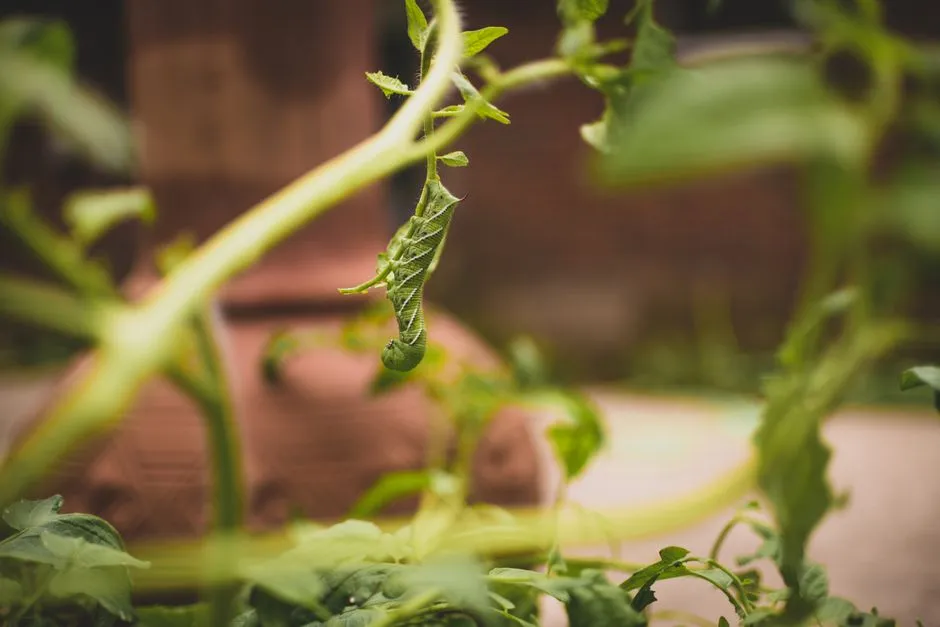
Common throughout North America, the tomato hornworm (Manduca quinquemaculata) is one of the most destructive pests of tomato, potato, pepper, eggplant, and tobacco plants. Despite being one of the biggest caterpillars you’ll ever come across in a home garden, they are remarkably good at hiding.
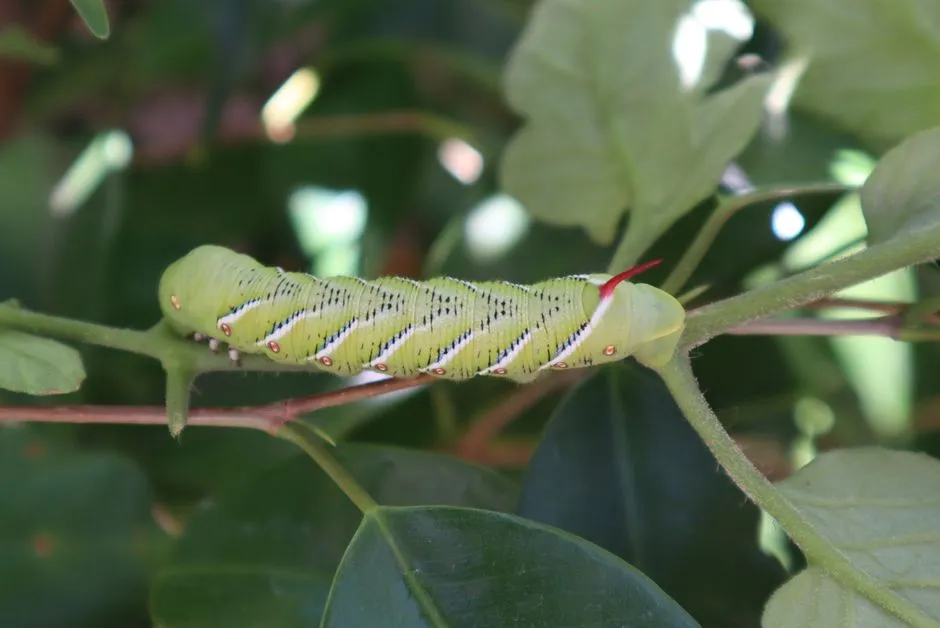
The tomato hornworm larva is over 3 inches long when fully grown, green, with eight chevron-shaped white stripes and a distinctive large horn on the posterior end of its body. The problem is that the hornworm blends in easily with its surroundings and its near-perfect camouflage makes hand-picking a large group seem almost impossible, since even when one is found, there are many more hiding right in plain sight.
Tomato hornworm caterpillars start feeding on the leaves on the upper parts of the plants, and they blend in with the leaves so well that they might not be noticed until most of the damage is already done.
Why Nighttime Is the Right Time to Look
The most active times for tomato hornworms are at dusk, dawn, and at night, when they emerge to feed, and while their camouflage still makes them harder to notice, using a flashlight during those hours gives you the best window to track them down.
Hornworms stay in the interior, shaded part of the plant during the day, and then move to the outside from dusk to dawn. This behavioral pattern is actually what makes the nighttime patrol so much more productive than a daytime search. They come out to eat, and that’s when you’ve got them.
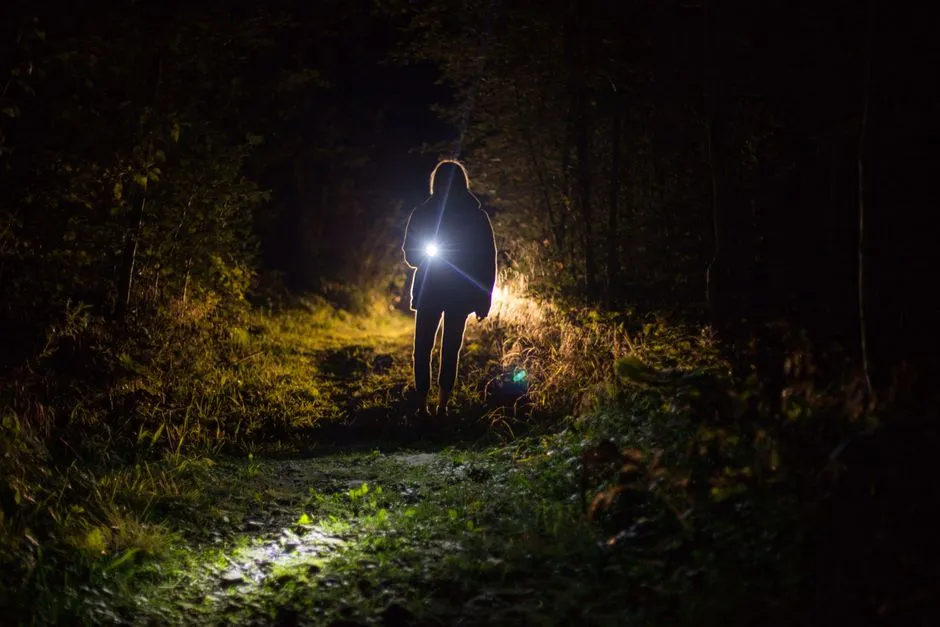
The best time to check for hornworms is during the evening, when they come out in the open to feed, and shining a bright flashlight on your plants makes these elusive pests considerably easier to catch sight of.
The UV Flashlight: A Simple Tool That Actually Works

The answer to finding these pests the fastest is ultraviolet black lighting, because the tomato hornworm may be superior in the daylight blending in with the plant’s foliage, but at night, under the right lighting, they glow like they are radioactive.
Tomato hornworms, like many caterpillars, have pigments in their skin that absorb UV light and re-emit it as visible light through fluorescence, and this fluorescence makes them appear to glow green or white under a black light, especially against the dark green foliage of tomato plants.
Hornworms are among several different insects that have bioluminescent properties which allow them to glow or light up when they are exposed to a black light. It sounds almost too simple, but it genuinely changes the game for home gardeners who have spent entire afternoons searching fruitlessly.
What Equipment You Actually Need
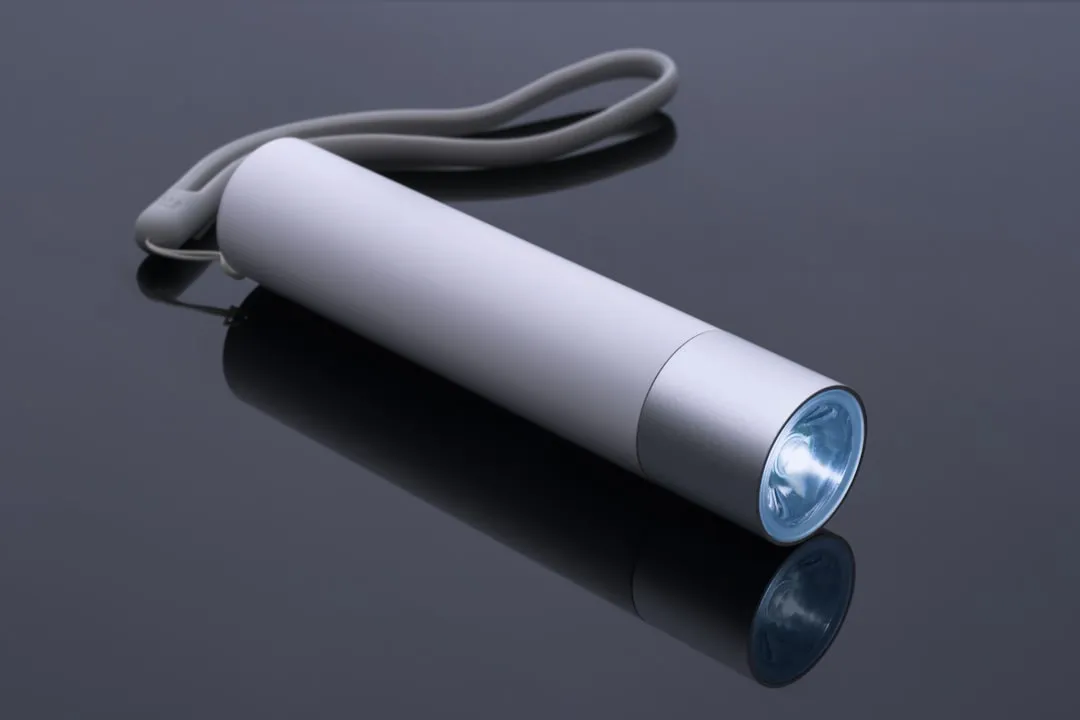
All you need is an inexpensive UV flashlight, which is readily available online or at hardware stores. You don’t need anything expensive or specialized. A basic UV black light in the 365 to 395 nanometer wavelength range does the job well.
Wear protective gloves to protect your hands when handling hornworms, and have a container ready to collect them. Once you spot them, often the best way to deal with them, especially if their numbers are small, is to pick them off your plants by hand and drown them in a pail of soapy water.
Begin your search just after dusk when it’s dark enough for the UV light to stand out. That’s genuinely all there is to the setup. The results tend to surprise even experienced gardeners on their first try.
What You’ll See Under the Light
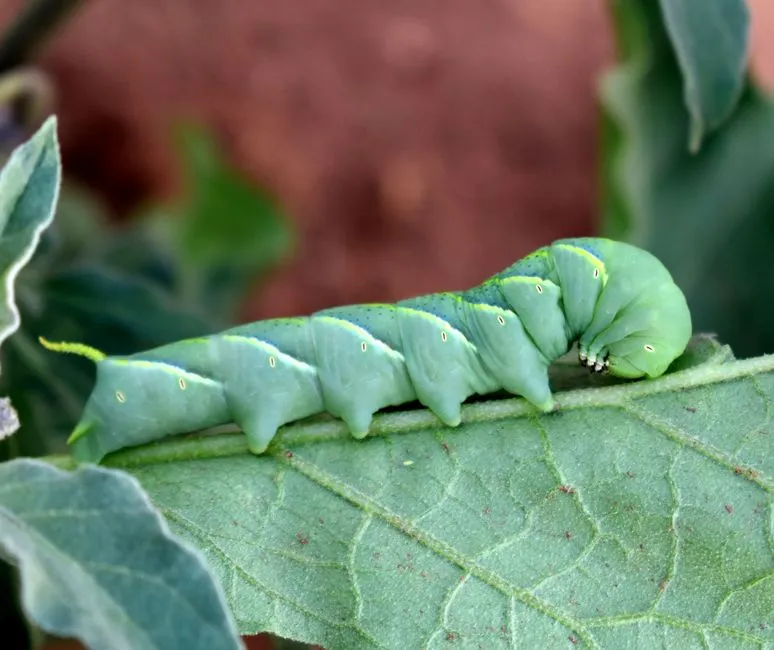
Hornworms have a translucent body that will light up with a black light, and the UV rays create a glow on the worms against the plants, making them easy to spot. The hornworms glow bright yellow-green on the dark stems.
You will find many small ones as well as big ones that you would have missed without the UV light, and you may also notice fluorescent bite marks or trails where they had been, which can lead you to any that are still hiding.
Where there is one hornworm, there are likely dozens more. Those tiny tomato hornworms are feasting on your plants, and it can be difficult to gauge how much damage they will do before you manage to find them all. The UV light removes that guesswork entirely.
Reading the Warning Signs Before Dark
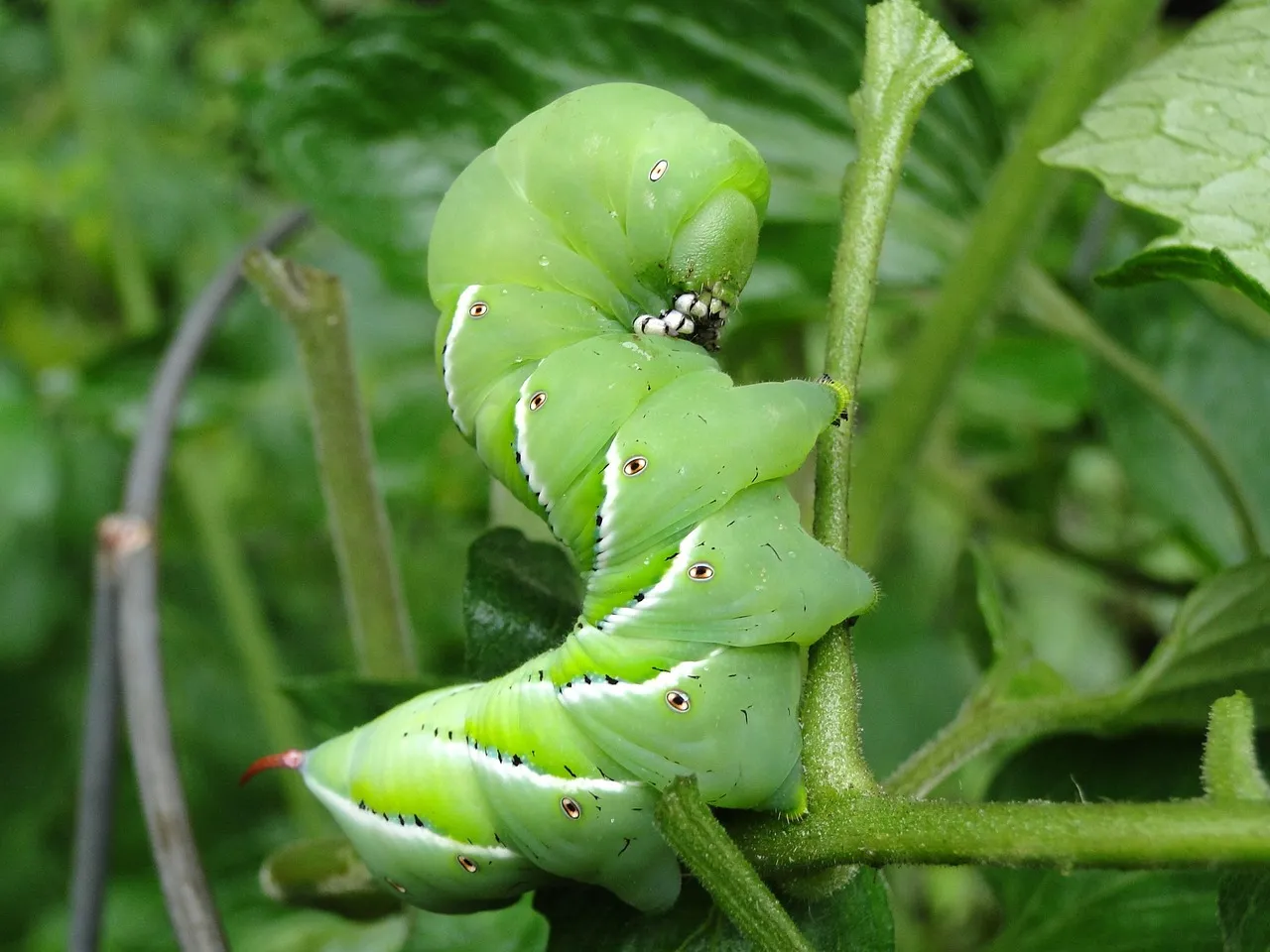
Signs of a hornworm problem include chewed or missing leaves, often starting at the top of the plant, wilted stems and bare stalks, dark green droppings on leaves or soil, chewed fruit, and sunscald on tomatoes caused by loss of leaf cover.
One telltale sign of a tomato hornworm infestation is the presence of their droppings, which resemble tiny green or black grenades, known as frass, cylindrical and slightly tapered at the ends, often accumulating on the leaves and soil beneath the plants.
The greener the frass, the fresher it is. By the time the droppings turn black, the tomato hornworm has likely already moved on. Fresh frass during a daytime walkthrough is a reliable signal to come back out with your UV flashlight that evening.
Understanding the Lifecycle to Stay One Step Ahead
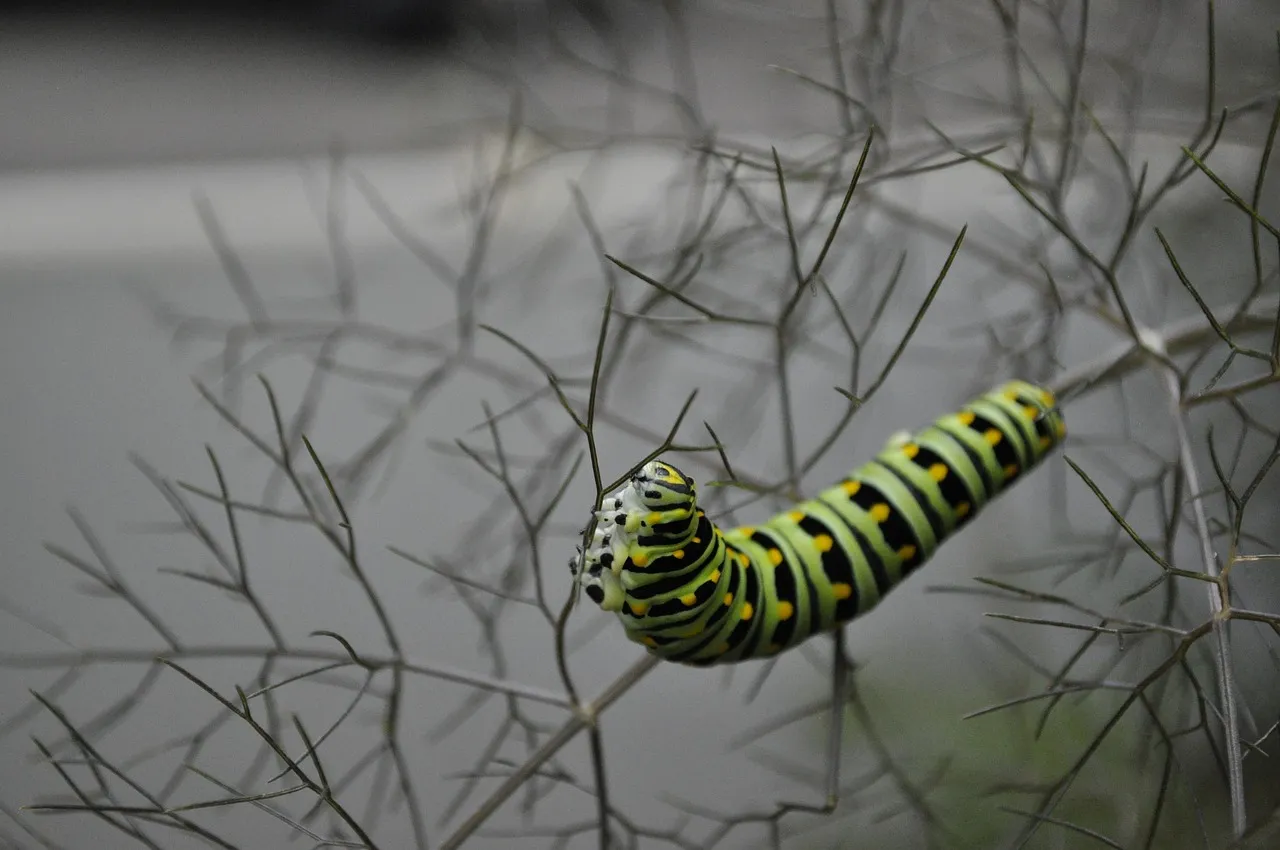
In late spring, the adult moth lays eggs on the underside of tomato leaves, and the eggs hatch in 6 to 8 days. The adult moth is most active from dusk until dawn, which means the egg-laying itself happens at night, largely out of sight.
Because hornworms have a life cycle of just 30 to 50 days, there may be two opportunities for pupation during the growing season, with the moths from the first generation emerging during the middle of summer, and the second generation’s moths emerging in the spring from pupae that overwinter in the soil.
The last caterpillar stage consumes nearly as much as all the younger stages combined. That one fact alone explains why catching them early, before they reach full size, makes such a practical difference.
How to Handle What You Find
Hornworms do not bite or sting, but if you are squeamish, wearing a pair of garden gloves makes the task easier. Drop collected hornworms into a container of soapy water to dispatch them quickly and cleanly.
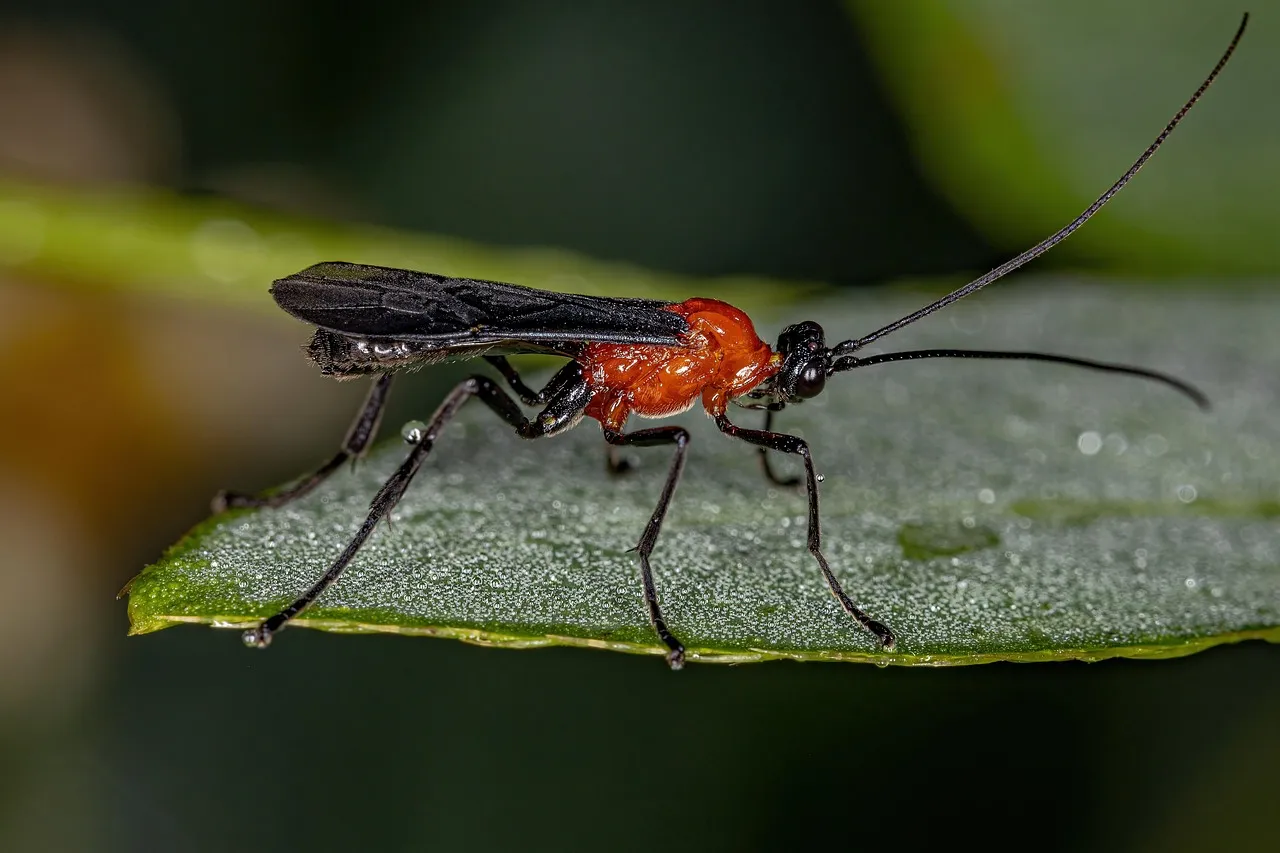
If you find a hornworm whose body has what look like white rice-shaped cocoons protruding from it, leave it in the garden to allow the adult wasps to emerge, because those wasps kill the hornworms when they emerge from the cocoons, and then go on to seek out other hornworms to parasitize.
The braconid wasp (Cotesia congregatus) is a beneficial insect for the home gardener. These tiny, mostly transparent wasps are of no danger to humans and are an excellent addition to gardens, especially if you grow tomatoes or peppers. Removing a parasitized hornworm from your garden removes that free pest control as well.
Additional Natural Controls to Support Your Nightly Patrol
Spraying the leaves and soil with Bacillus thuringiensis (Bt) as soon as you notice young caterpillars is a practical approach, as this bacteria infects and kills caterpillars like hornworms and is approved for organic gardening, providing effective natural control without resorting to chemical insecticides.
Planting borage, marigold, or opal basil in the garden can help repel hawk moths and hornworms. Avoiding planting tomatoes or other nightshades in the same spot every year helps disrupt the pest’s lifecycle, and rotating crops reduces pest and disease issues while improving soil structure and health.
Before planting, turning soil three to five inches deep to expose overwintered pupae means they will die in the cold or be eaten by birds. These seasonal habits, layered on top of the nightly UV patrol, give hornworms very little room to operate.
How Often Should You Do the Nighttime Routine?

Checking your plants for tomato hornworms at least twice per week during the summer is a solid baseline recommendation from the University of Minnesota Extension. For gardeners who have already spotted frass or leaf damage, nightly checks for a week or two are well worth the effort.
Damage is most often noticed in midsummer and continues throughout the remainder of the growing season. Keeping the routine going from late June through early September covers the riskiest window in most North American climates.
Simply walk your rows and shine the light on your foliage. It is actually amazing how well this works, and for many gardeners it has become their favorite way to find hornworms, especially when done under the stars on a cool evening. That’s a rare situation where pest control is almost enjoyable.
Final Thoughts: A Low-Tech Habit with Real Results
There’s something quietly satisfying about a solution this simple. No sprays, no traps, no expensive equipment – just a UV flashlight, a pair of gloves, and ten minutes after dark a few nights a week.
Those fat, tomato-destroying caterpillars might be experts at blending in during the daylight hours, but when the sun goes down, they simply can’t hide from the beam of a UV flashlight. That shift in the balance of detection is what makes this routine so worth adopting.
Tomato hornworms are a genuine threat to a summer garden. They are fast, they are hungry, and they are nearly invisible in daylight. The nighttime UV patrol doesn’t eliminate every risk, but it reliably tips the odds back in the gardener’s favor – and that, at the end of a long summer of careful growing, is more than enough.
AI Disclaimer: This article was created with the assistance of AI tools and reviewed by a human editor.