

When One Trip Becomes a Pattern Worth Noting

According to the International Continence Society, getting up once per night falls within normal limits. The moment things shift is when that number climbs to two or more on a regular basis. Dr. Ali Dabaja, a urologist at Henry Ford Health in Michigan, puts it plainly: “Everyone has a baseline of what’s normal urinary frequency for them. But if you wake at least twice to go to the bathroom during eight hours of sleep, that’s considered nocturia.”
The real threshold where nocturia starts causing problems is two or more voids per night, at which point sleep quality suffers measurably. It’s not dramatic. It’s gradual. But the cumulative toll on the body is real.
How Common Is It, Really?

Nocturia affects an estimated 50 million adults in the United States alone, with prevalence ranging from roughly ten to twenty percent among those aged 40 to 59, to over half of people past the age of 60. Those numbers are striking on their own. What makes them more striking is the treatment gap.
Many people assume nighttime urination is simply a normal part of aging. In reality, it has several distinct causes. Only about 1.5 million of the roughly 50 million people affected ever seek treatment. That gap between how many people have the condition and how many actually discuss it with a doctor is enormous.
The Sleep Disruption Nobody Talks About

Nocturia leads to sleep deprivation, which can cause exhaustion, mood changes, drowsiness, impaired productivity, increased risk of falls and accidents, fatigue, lethargy, inattentiveness, and cognitive dysfunction. These aren’t trivial side effects. Over weeks and months, the compounding effect of broken sleep reshapes daily life in ways that are hard to trace back to a bathroom habit.
Studies have shown that more than forty percent of people with a nighttime awakening will have trouble returning to sleep. That means a single trip isn’t just a brief interruption. For a large share of people, it represents the end of meaningful sleep for that night.
The Fall Risk That Often Goes Unmentioned

Older adults with nocturia who make multiple nocturnal trips to the bathroom are at a substantially increased risk of potentially serious falls. A quarter of all falls that occur in older individuals happen overnight, and of these, twenty-five percent are directly related to nocturia. That’s a meaningful portion of a very serious public health problem.
Patients who make at least two or more nocturnal bathroom visits a night have more than double the risk of fractures and fall-related traumas. Clinicians should also consider other medical factors, including vision impairment, ambulatory difficulties, prior history of falls, dizziness, and dementia, all of which can compound the danger of getting up disoriented in the dark.
Sleep Apnea: The Overlooked Driver
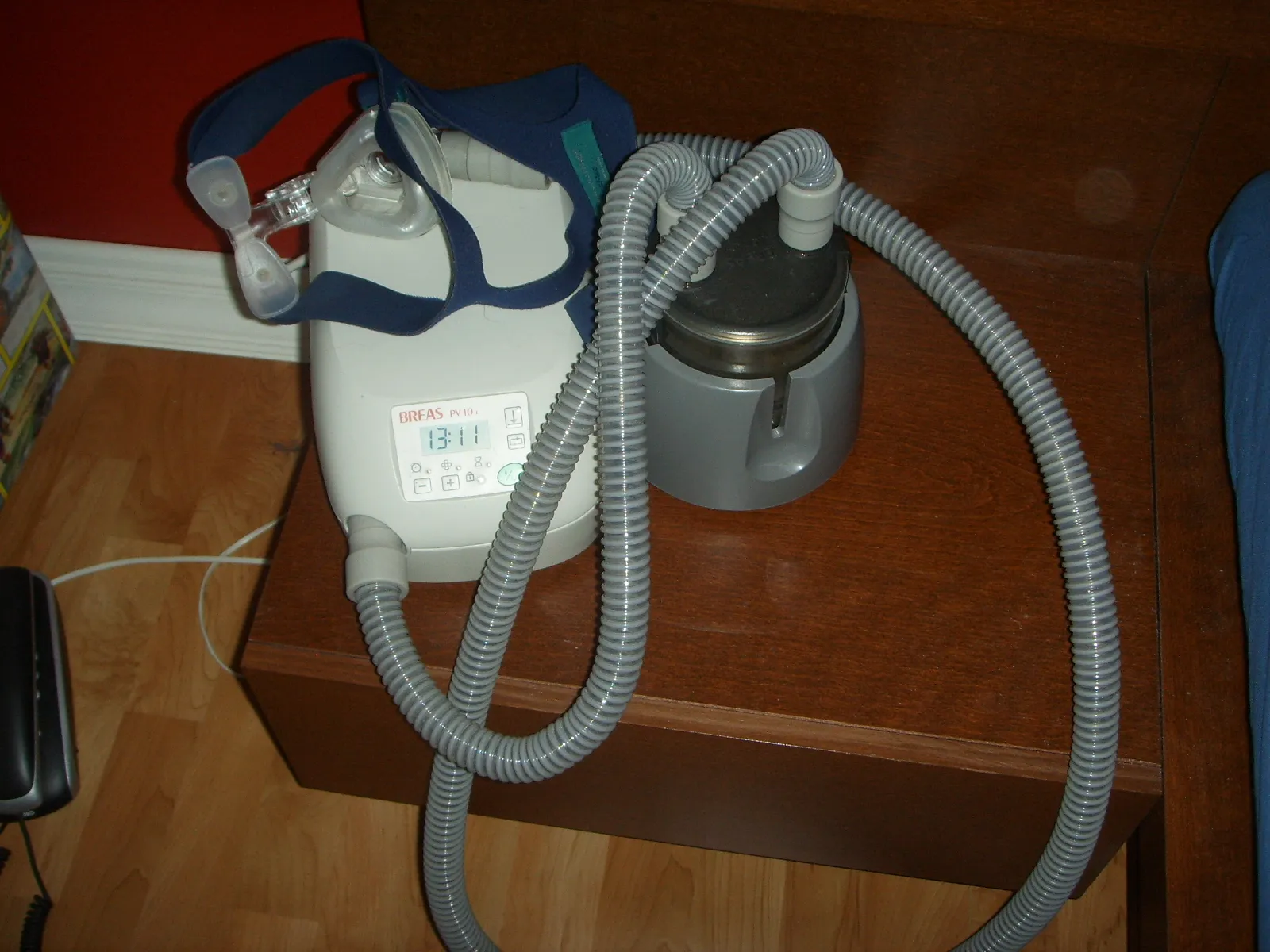
Sleep disorders can also be a factor, including obstructive sleep apnea, which can affect hormones involved in suppressing urine production overnight. This connection surprises a lot of people. Many people with sleep apnea wake up thinking they need to pee, but the real problem is disrupted breathing.
A 2023 systematic review confirmed that nocturia severity increases alongside sleep apnea severity. The good news is that treating sleep apnea with CPAP therapy significantly reduces nighttime urination. A meta-analysis found that CPAP reduced nocturia episodes by an average of 2.28 and decreased overnight urine volume by roughly 183 ml. That’s a meaningful reduction through a treatment that many people are already candidates for.
Heart and Kidney Disease Connections

Heart diseases, especially arterial hypertension and congestive heart failure, are closely related to nocturnal polyuria. The main mechanisms include renal hyperfiltration and elevated atrial natriuretic peptide. In other words, the heart sends signals that push the kidneys to produce more urine at night, which is not a bladder problem at all.
A study following over 5,000 men found that those with nocturia of three or more voids per night had a roughly one and a half times higher risk of cardiovascular death compared to those without nocturia. Chronic kidney disease is also an independent predictor of nocturia through an osmotic diuresis mechanism. These findings suggest that nocturia can sometimes function as an early signal from systems that extend well beyond the bladder.
Diabetes and Blood Sugar’s Role

Diseases such as diabetes mellitus, hypoalbuminemia, venous stasis of the lower extremities, cirrhosis, and renal insufficiency can trigger peripheral edema and increase renal burden due to the transfer of fluids from the interstitium to the vasculature while the patient is at bed rest, leading to nocturia. High blood sugar, in particular, forces the kidneys to filter excess glucose into the urine, pulling large amounts of fluid with it.
Nocturia is also associated with decreased physical health, obesity, diabetes, depression, and heart disease. The condition rarely exists in isolation. When a doctor sees nocturia, they’re often looking at a doorway to a broader picture of someone’s metabolic health.
Medications You Might Not Suspect

A number of drugs frequently used in cardiovascular disorders are implicated in nocturia; diuretics, calcium channel blockers, and beta-blockers induce nocturnal polyuria and thus nocturia, whereas alpha-blockers improve nocturia. Many patients have no idea their prescriptions are contributing to this pattern.
The timing of medication is often adjustable. If a diuretic is taken in the late afternoon or evening, its peak effect lands squarely during sleeping hours. Shifting the dose earlier in the day, under a doctor’s guidance, can sometimes reduce nighttime trips noticeably without changing the medication itself.
Lifestyle Habits That Are Adding to the Problem

A study published in Neurourology and Urodynamics found that adults who spent five or more hours a day watching TV and videos were more likely to develop nocturia. The study drew from National Health and Nutrition Examination Survey data, and among more than 13,000 US individuals aged 20 and older, participants with five or more hours of daily viewing time had a roughly forty-eight percent higher risk of experiencing nocturia compared to those with less than one hour per day.
Research found that restricting evening fluids reduced nighttime voids from an average of 3.6 to 2.7, with over half of patients reporting meaningful improvement. Obesity also doubles or triples the incidence of nocturia in both genders. These are modifiable factors, which means there’s something practical a person can actually do before any medication enters the picture.
When to Bring It Up With Your Doctor

Nocturia is not a disease or illness in itself. It is the result of another underlying problem that needs to be identified and treated. That distinction matters because it reframes the conversation. You’re not just asking about bathroom habits. You’re potentially uncovering something else that deserves attention.
You should speak to a doctor if you wake up two or more times nightly on a regular basis, feel extreme thirst or produce large amounts of urine, notice blood in your urine, have pain or burning with urination, experience swelling in your legs, or have chest discomfort or shortness of breath. To understand your urinary habits, your physician may recommend keeping a record of the liquid you drink and the number of times you urinate, called a voiding diary. It’s a simple starting point that provides doctors with genuinely useful data.
The Takeaway

Nighttime bathroom trips sit in a strange category. They’re common enough to feel unremarkable, yet frequent enough to carry real signals about health. Those with nocturia who have three or more nocturnal voids per night have a significantly higher overall mortality rate than the general population. That’s not a reason to panic over a single night of poor sleep, but it’s a reason to pay attention over time.
The body rarely shouts. More often, it offers quiet, repeating patterns. A bathroom trip at 2 a.m. might just be a glass of water taken too late. Over months, though, that same trip at the same time might be something worth saying out loud at your next appointment. Doctors can’t address what they don’t know about.
AI Disclaimer: This article was created with the assistance of AI tools and reviewed by a human editor.