
Something has quietly shifted across the American farm belt. The ground still looks the same, the fields still stretch to the horizon, but the calendar that generations of farmers lived by is no longer quite right. Planting windows are opening earlier, winters are softening in places that used to be reliably brutal, and crops that once defined specific regions are creeping northward.
This isn’t speculation. Government maps, university research, and farmers’ own observations are all pointing in the same direction. The rules of American agriculture are being rewritten, one growing season at a time.
The Map That Confirmed What Farmers Already Knew

In November 2023, the USDA released its updated Plant Hardiness Zone Map for the first time in over a decade. When compared to the 2012 map, the 2023 version reveals that about half of the country shifted to the next warmer half zone, and the other half remained in the same half zone. That might sound modest, but the implications for farming decisions are far-reaching.
The 2023 map incorporates data from 13,412 weather stations, compared to the 7,983 that were used for the 2012 map. That broader data set makes the findings harder to dismiss. Relative to its predecessor published in 2012, the new map is overall about one quarter-zone warmer, on average.
Two Thirds of US Locations Are Now in Warmer Zones
About 67% of 243 US locations analyzed have already shifted to warmer planting zones from the past period of 1951 to 1980, compared to the present period of 1995 to 2024. That is a remarkable shift in a relatively short time frame. The 30-year average coldest temperatures have warmed in 235 out of 97% of locations analyzed. These zones, based on the coldest temperatures of the year, determine which plants can grow and thrive in different parts of the country.
Alaska, the Northwest, and the Southwest have been most affected. With continued heat-trapping pollution, 90% of locations are likely to shift to warmer planting zones by the middle of the century. The Upper Midwest is likely to be most affected. For farmers in Minnesota and the Dakotas, the changes coming down the line are some of the most dramatic in the nation.
Growing Seasons Are Getting Longer, With Strings Attached
The effects on seasons of a changing climate are already being seen across the country and vary region to region: temperatures have risen across seasons, growing seasons have become longer, precipitation patterns have changed, and extreme precipitation events have increased in frequency and severity. For some producers, a longer season is genuinely useful. Earlier springs, extended growing seasons, and lengthier falls offer opportunity for greater agricultural yields and forest growth in many parts of the country. Heat-tolerant crops and woody perennials will likely thrive, while cool weather crops face shorter growing seasons in some regions.
The catch is that longer doesn’t always mean better. Warming winters and off-season precipitation require more diligent soil management to avoid soil loss and organic matter degradation. Farmers gaining weeks at one end of the season can lose ground to soil quality problems at the other.
Corn and Soybean Planting Is Shifting Earlier Every Year
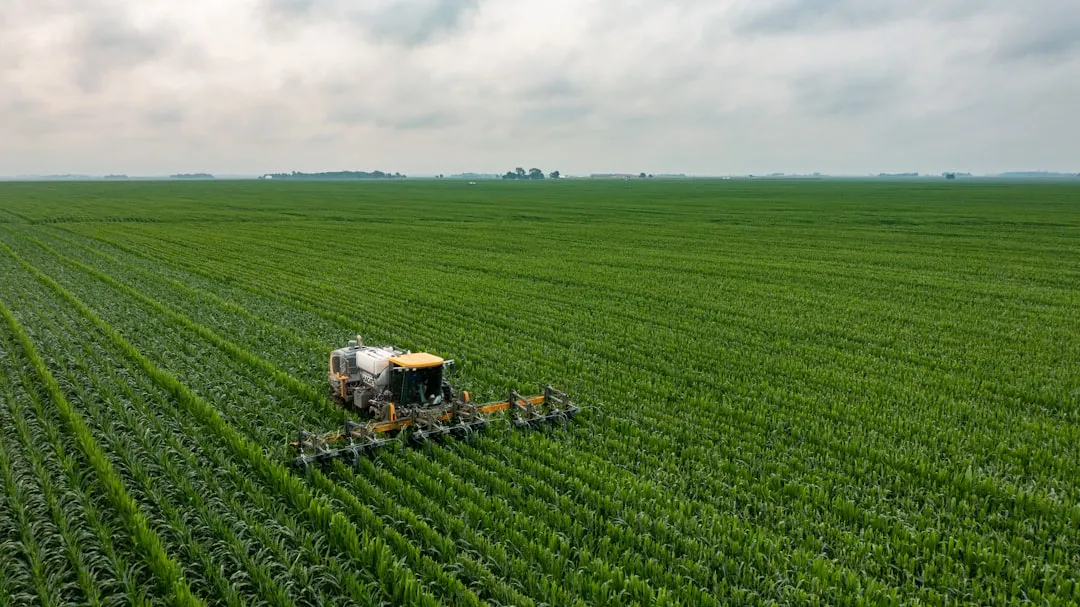
US corn planting dates have steadily moved earlier in the season, driven by multiple factors. A warming climate has allowed farmers to enter fields sooner, reducing the risks of late spring frost. Soybeans are following a similar path, and the data is clear. Warming trends are increasing planting readiness for soybeans, allowing farmers to take advantage of earlier planting windows with greater confidence.
Soybeans are undergoing an even more dramatic transformation. While corn farmers have steadily pushed planting forward, the acceleration of soybean planting has outpaced that of corn in recent years. The shift is driven by early-planted soybeans consistently producing higher yields. It’s a change driven partly by climate and partly by smarter seed genetics, and separating the two causes is not always straightforward.
The Corn Belt Is Slowly Moving North
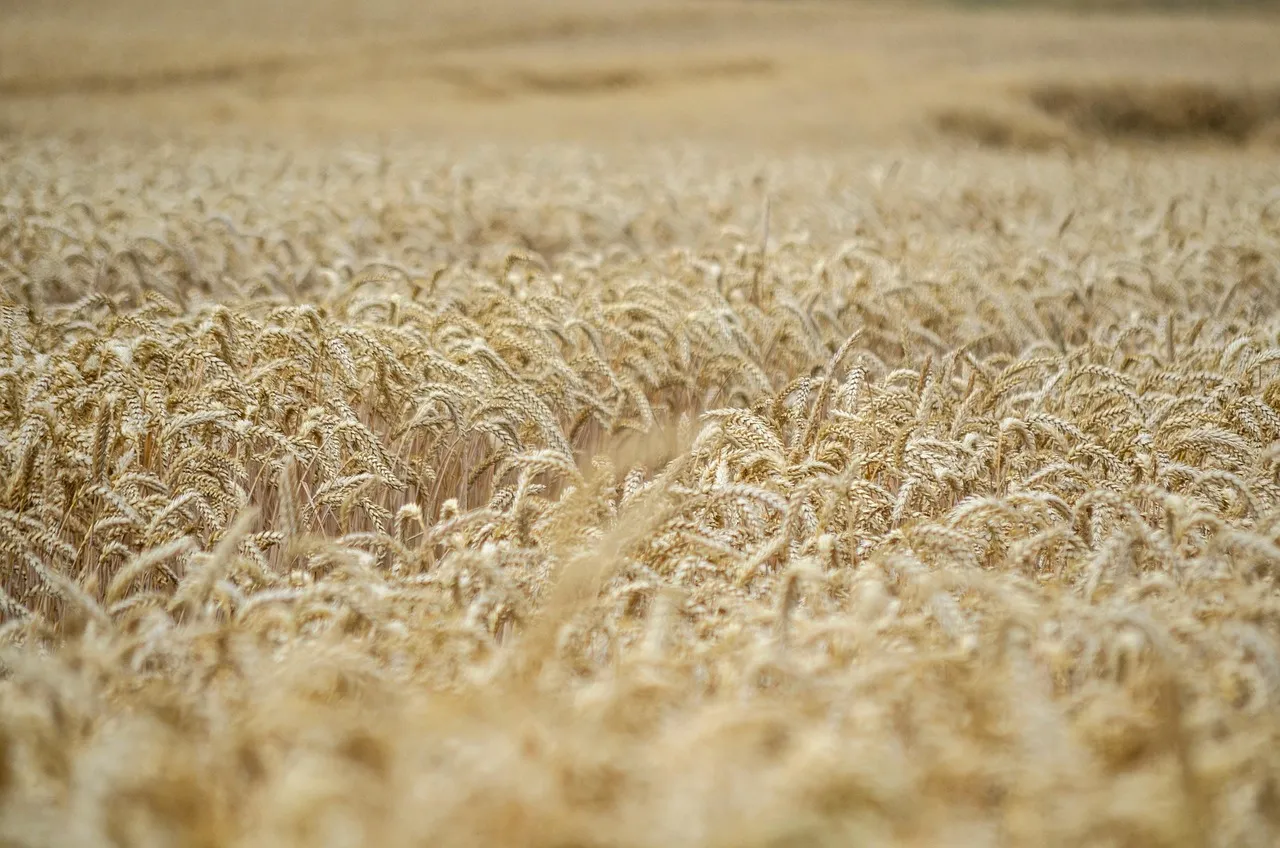
If warming continues unabated in the Midwest, in 50 years we can expect the best conditions for corn and soybean production to have shifted from Iowa and Illinois to Minnesota and the Dakotas, according to Penn State researchers. That’s a significant geographic redistribution of one of the world’s most productive agricultural regions. The shift doesn’t mean that Iowa and Illinois will stop producing crops, but it might mean that farmers in those states will adapt to a warmer climate by producing two crops in a year or a different mix of crops instead of the dominant corn-soybean rotation.
Higher temperatures and greater variability during the critical growing period for corn and soybeans could lead to lower levels of production than would otherwise be achieved. An acute, albeit likely slow, change in crop production poses a significant risk, especially presuming that demand for these crops continues to rise as a result of worldwide population growth. The challenge is managing a slow-motion shift while keeping yields competitive.
Drought and Water Stress Are Compounding the Problem
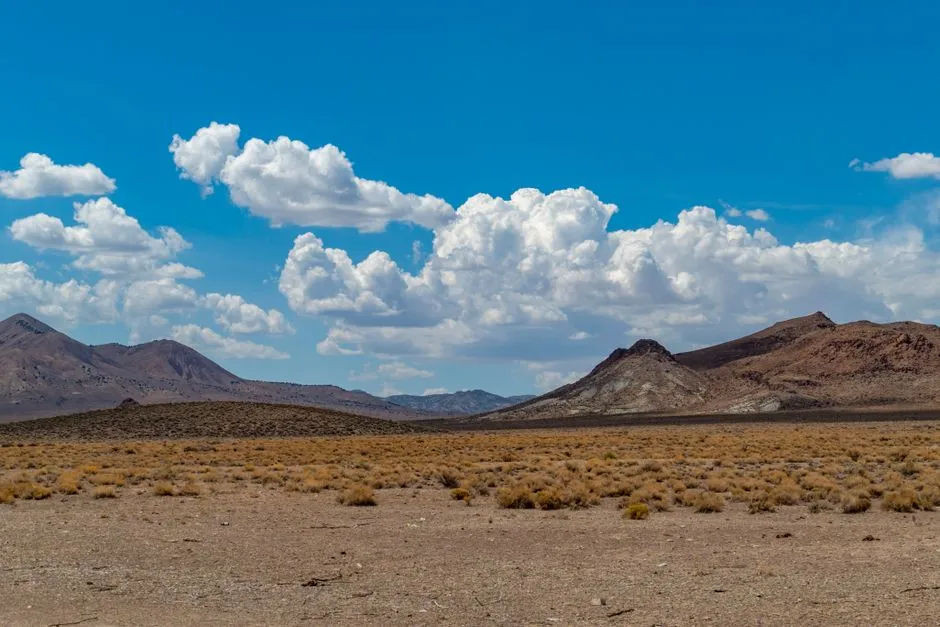
According to the July 2025 US Drought Monitor map, large swaths of the western United States, from Washington and Oregon down through Arizona and New Mexico, are currently experiencing moderate to extreme drought conditions. Water has become just as critical a variable as temperature. USDA data shows that as of July 22, 2025, 45% of durum wheat and 62% of barley production is within a drought-impacted area.
Changing melting of snowpack may lead to early melting and loss of water before necessary irrigation periods in the western US. This disrupts the timing that irrigated western farms depend on. Even regions that technically receive enough annual precipitation are finding that water arrives in the wrong season, or in intense bursts that cause erosion rather than soil absorption.
Perennial Crops and Orchards Face a Particular Vulnerability
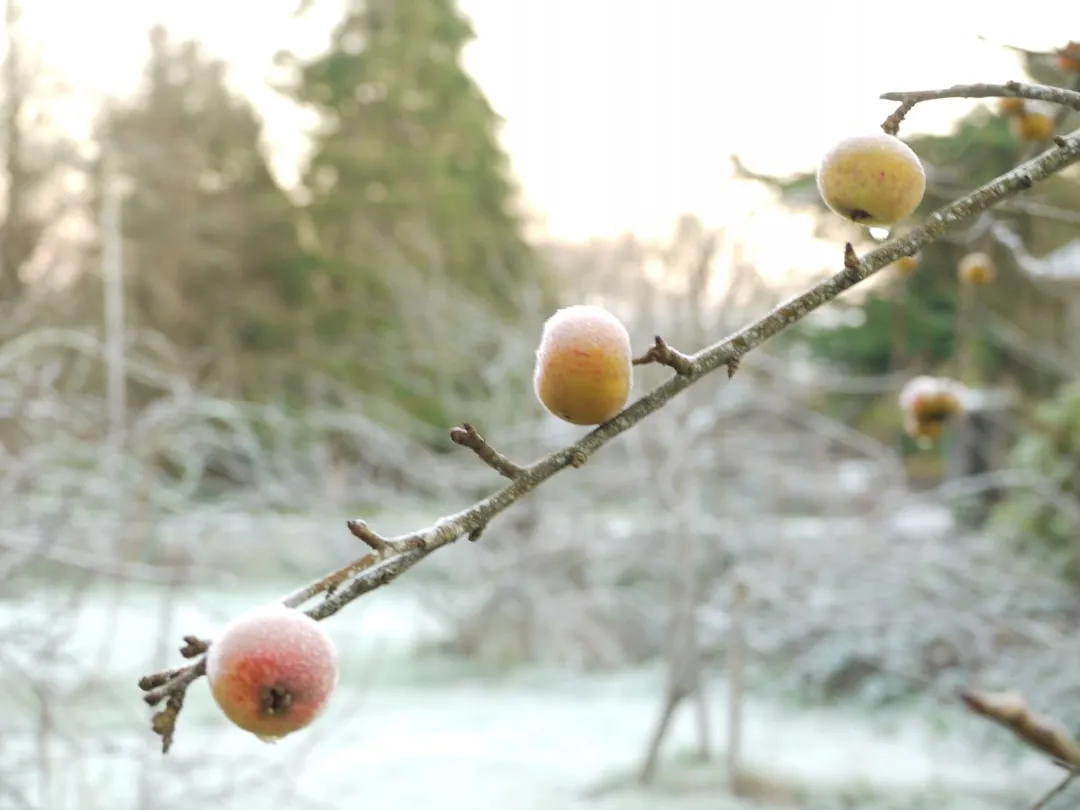
Perennial crops such as tree fruit, berries, and grapes are impacted most severely by unpredictable winters. The lengthening autumn season is a benefit for farmers growing longer season apple cultivars, but some cultivars may be getting all their required chilling hours in the fall. If the winter is warm, plants will respond to lengthening days and aberrant warmth in late winter, only to be severely injured when early spring temperatures return to normal. This fluctuation sets perennial fruit crops up for losses to winter injury and frost damage in the spring.
Cold nighttime temperatures in early spring 2025 damaged cherry blossoms in California, resulting in a significant crop loss. Some growers in the state are reporting losses of up to 80% in yield due to poor pollination and flower drop caused by cold snaps during critical blooming windows. These are growers who survived warmer winters only to be blindsided by a late freeze, which is precisely the kind of paradox the new climate creates.
Invasive Pests and Weeds Are Following the Warmth
Although zone shifts could expand growing ranges for high-value crops such as almonds, oranges, and kiwis, they could also expand ranges for harmful weeds and pests. Kudzu, a fast-growing invasive vine, is projected to continue expanding from the Southeast into the Mid-Atlantic, Midwest, and Northeast. Every new acre that warms up is potential habitat for species that previously couldn’t survive the winter. The geographic range of the brown marmorated stink bug, an agricultural pest in at least 15 states, is projected to grow partly due to warmer, wetter winters.
Insects need to exist within a certain range of warmth, and if this range shifts during the year, they might migrate. Changes to insect populations can disrupt entire ecosystems. Pollinators are part of that equation too, and a mismatch between when flowers bloom and when bees emerge is already a documented concern in several farming regions.
Yield Losses Are Already Measurable in Some States
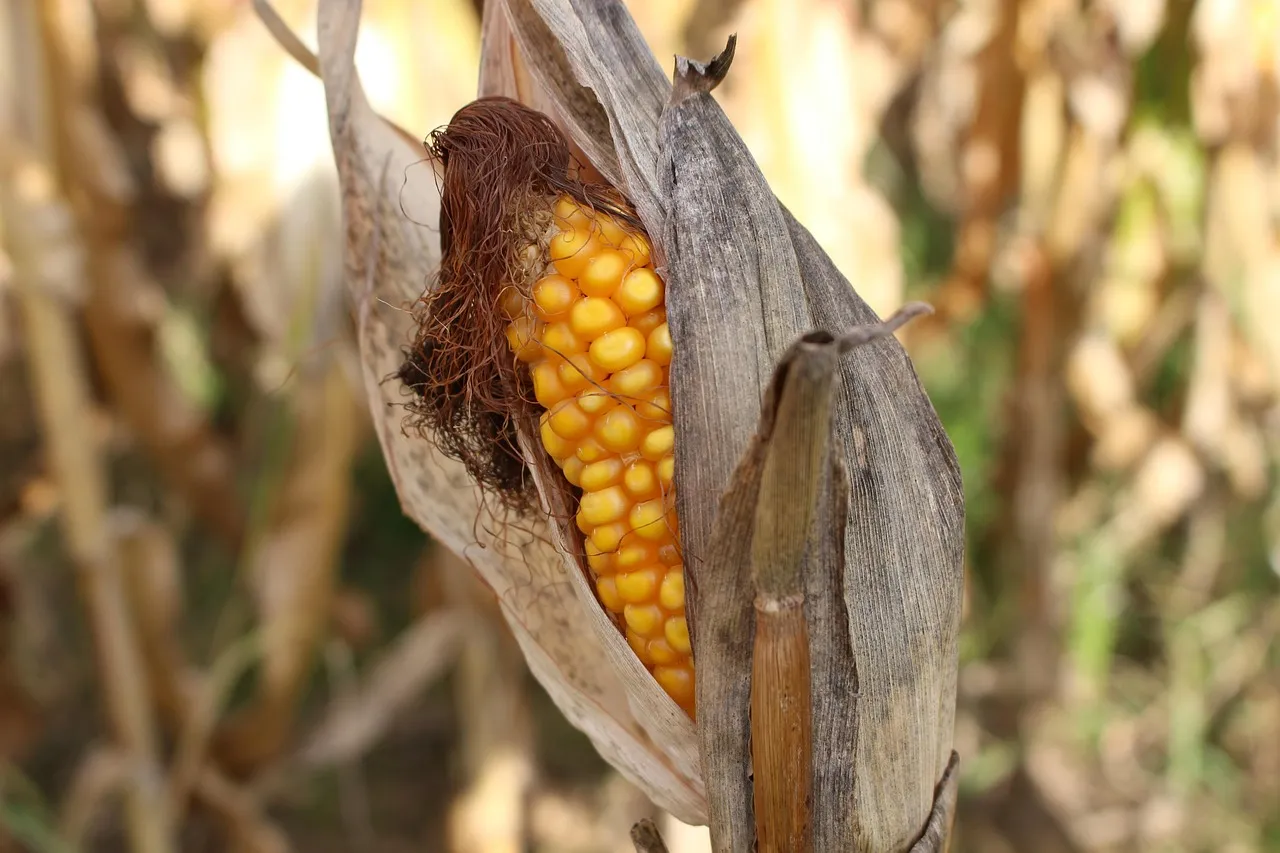
North Carolina’s corn yield plunged 41% from 2023 to 2024, the steepest one-year drop on record in the state, decimating hundreds of millions of dollars in farmer income and shifting national growing patterns. The culprit behind this collapse has been a trend of relentlessly increasing heat and drought. That kind of single-season shock sends ripples through supply chains and commodity markets far beyond the state lines. Scientists predict every additional degree Celsius of warming will deplete major crop harvests by between six and seven percent.
Climate models predict that by the end of this decade, nearly all counties in Iowa will see corn yields that are more than 5% lower than they would have been without climate change. More than half will see declines of 10% or greater. More than half of Minnesota counties will see soybean yields drop by more than 5% from what they would have been without climate change. These projections from the Environmental Defense Fund are grounded in ensemble modeling across multiple climate scenarios, not a single data point.
Adaptation Is Happening, Though Not Fast Enough for Everyone
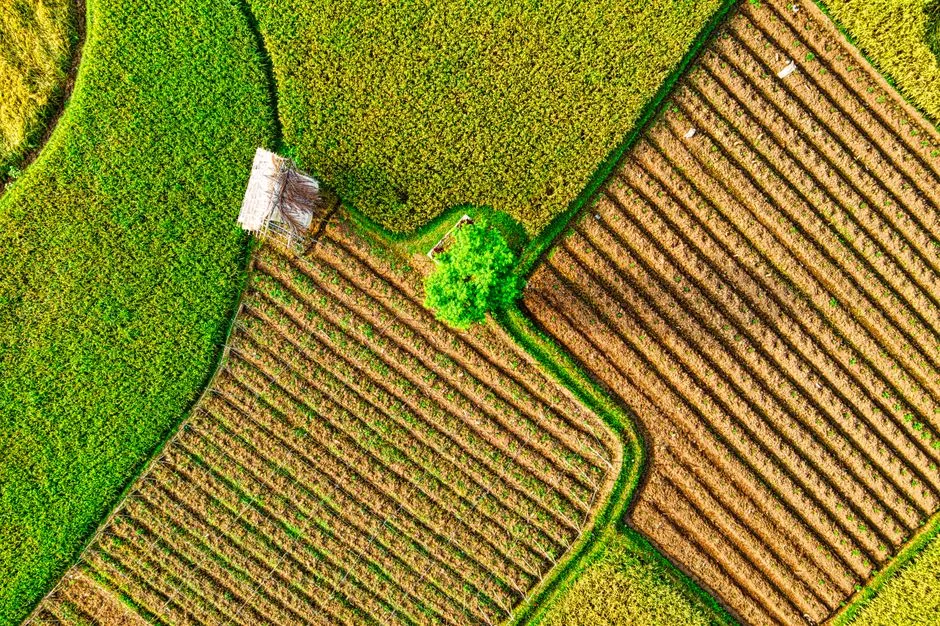
Growing degree-days for crops are shifting, creating opportunities to experiment with new crops, varieties, and markets. Some farmers are already responding, switching to heat-tolerant varieties, adjusting rotation schedules, or exploring crops that weren’t viable in their region a generation ago. In many regions, farmers switch crop varieties, shift planting and harvesting dates, or alter fertilizer use. Researchers estimate these adjustments offset about one-third of climate-related losses under a high-emissions scenario, but the rest remain.
Management practices that can ease the detrimental impacts of seasonal shifts include calculating workable field days for all agricultural regions and crops, understanding how crop and livestock production areas may shift to follow temperature and precipitation range changes, and experimenting with new markets and alternative crops. The USDA’s own Climate Hubs have been working to give producers region-specific tools to support those decisions. International agencies and governments are also pushing for climate-smart agriculture programs as practices that enhance yields, adapt farming to climate stress, and reduce emissions. These include using climate-resilient crop strains, precision farming, improved irrigation, crop rotation, and agroforestry.
Conclusion: The Farms Are Staying, but the Rules Are Changing
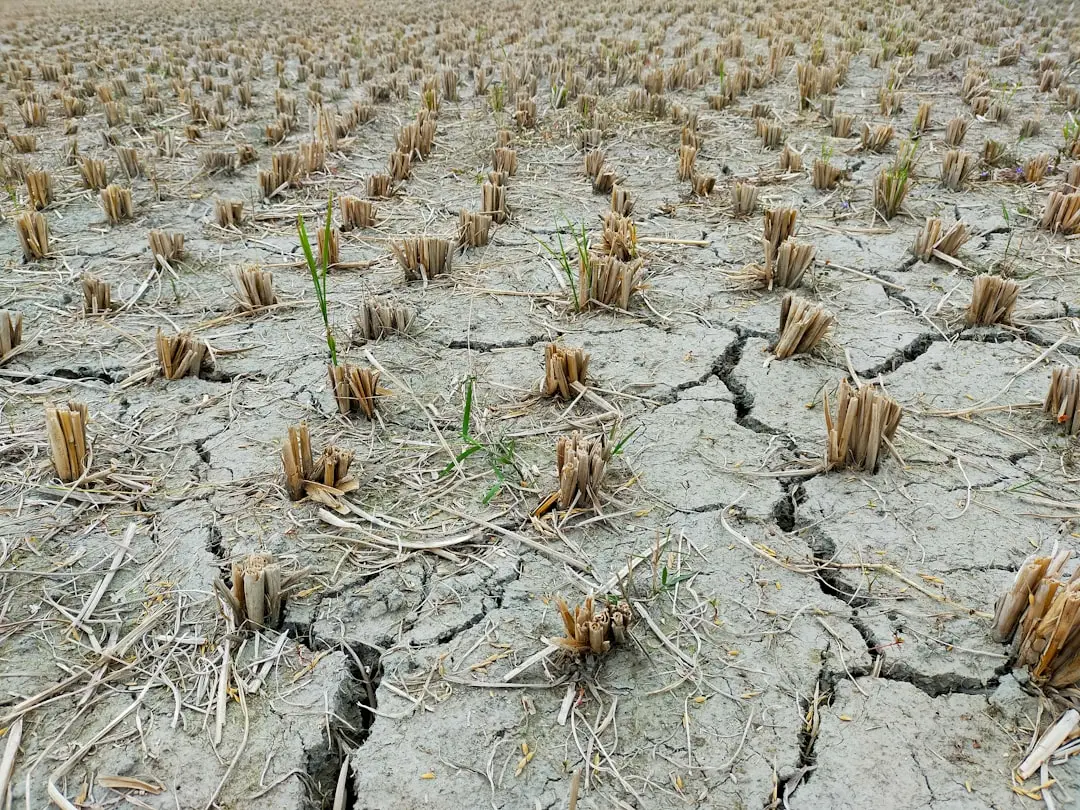
American agriculture has absorbed a lot of disruption over the past century and kept producing. The current shift in weather zones is different mainly in this respect: it isn’t a drought year or a bad harvest. It’s a structural change to the conditions under which farming happens at all.
On average, the coldest annual temperatures are projected to warm by more than five degrees Fahrenheit across analyzed US locations. Nearly 90% of those locations are projected to shift to warmer planting zones from the present to the middle of the century. That trajectory means the decisions farmers make today about land, crops, and infrastructure will look either prescient or costly within a single generation.
The land isn’t going anywhere. The question is which crops will still make sense on it, and which farming calendars will still hold. For now, the answer keeps changing each spring.
AI Disclaimer: This article was created with the assistance of AI tools and reviewed by a human editor.