
The Core Mistake: Rounding the Nail Instead of Cutting Straight
Many people believe they should be rounding their toenails when they clip them, but this can be harmful. It often leads to ingrown toenails, a painful condition that may require professional treatment. The instinct to follow the curve of your toe feels natural, but the nail does not respond well to it.
When trimming your toenails, always cut straight across rather than in a curved shape. Cutting nails in a curved shape can encourage the corners of the nail to grow into the skin, which leads to painful ingrown toenails. From there, things can escalate quickly.
If you’ve been rounding your toenails the way you do your fingernails, you’re not alone. It is one of the most common mistakes seen by podiatrists, and it’s the main reason people develop painful ingrown toenails. The natural instinct is to follow the curve of your toe, but this actually encourages the nail to grow into the surrounding skin as it grows out.
Why Cutting Too Short Makes Things Worse
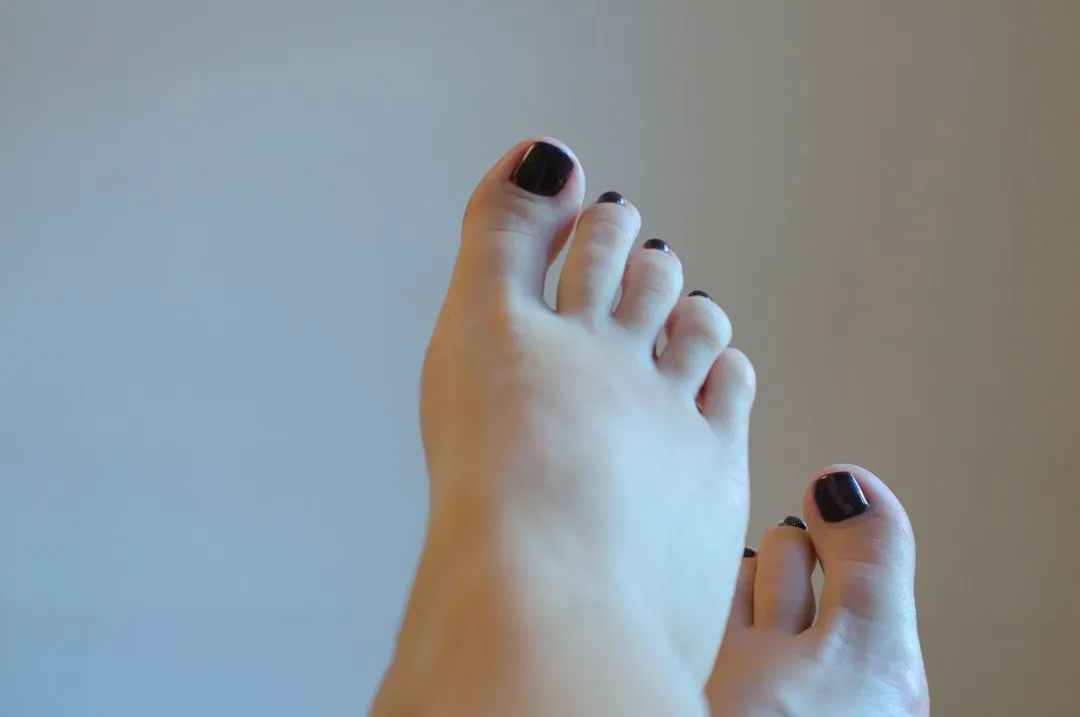
Trimming toenails too close to the flesh can create an opportunity for the edges to grow into the surrounding skin. Aim to leave a small margin of nail beyond the skin’s edge to avoid this.
Overzealous toenail clipping can be as damaging as leaving them too long. Cutting your toenails too short can expose the sensitive skin underneath, making it prone to infection. This is especially crucial if you have a condition that affects your nerves and blood vessels like diabetes.
Avoid cutting the nails too short. Doing so increases the pressure on the toes from shoes and can encourage the skin to fold over the nail, leading to an ingrown toenail. Ideally, you should leave a little bit of the white part of the nail visible – that’s the right length.
How Improper Trimming Compares to Other Risk Factors
In multivariate regression analyses, the presence of improper nail trimming showed an odds ratio of 7.063, making it one of the strongest predisposing factors linked to ingrown toenail development, alongside poor foot hygiene, foot or toe deformity, and increased nail curvature. That odds ratio is striking. It means improper trimming carries far more weight than most people assume.
The cause of ingrown toenails is multifactorial, including genetic predisposition with a too-wide nail plate, but also incorrect cutting of the nail and wearing of too-tight shoes. Still, genetics is not something you can control. Clipping technique is.
Improperly trimming your nails is the most prevalent cause of an ingrown toenail, though other common causes include toe trauma, improperly fitted shoes, heredity, fungal infections, and other nail conditions.
Who Is Most Vulnerable
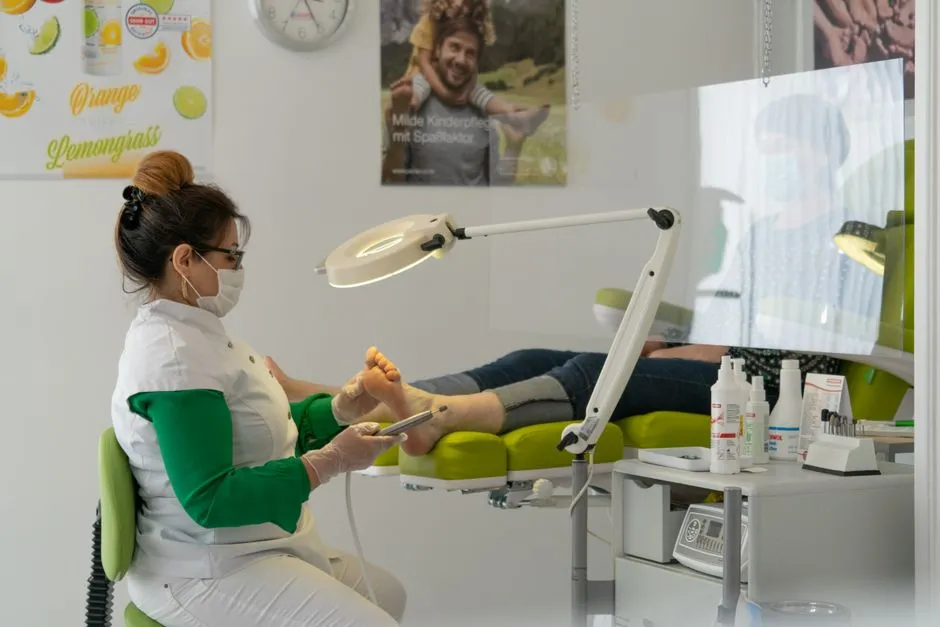
The hallux nail unit, meaning the big toe, is the most common anatomic site for ingrown toenails, accounting for approximately 80 percent of cases. This makes sense given the pressure the big toe absorbs with every step.
The incidence and prevalence of ingrown toenails have increased in recent years, likely due to enhanced health literacy and may also be related to lifestyle changes such as increased physical activity. The incidence peaks in adolescence and early adulthood, with a clear male predominance characterized by an approximate male-to-female ratio of 2 to 1.
Incidence shows bimodal peaks, among teenagers and among participants in their 50s. Two very different life stages, yet both groups are tripping over the same basic habit.
The Danger of Tearing or Ripping Instead of Clipping
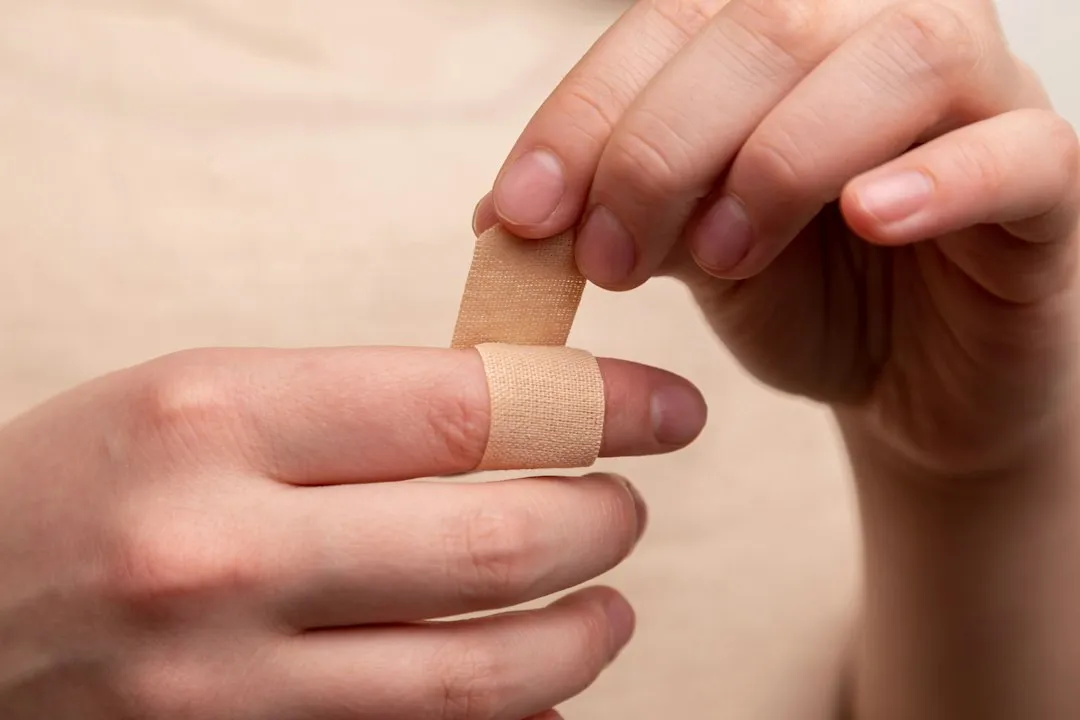
Some people tend to rip or tear their nails instead of using clippers, but that is not a good idea. Ripping the nails causes them to become jagged, and they often round the nail, which encourages an ingrown situation.
Dull clippers can tear the nail, leading to uneven edges that increase the risk of an ingrown toenail. A torn or jagged edge behaves similarly to a rounded cut, giving the nail an irregular path as it grows forward into soft tissue.
It’s a habit many people fall into, particularly when clippers aren’t nearby. A quick pull or bite at a snag seems harmless in the moment, but the irregular edge it leaves behind sets up the same problem a curved clip would.
Using the Wrong Clippers Adds to the Problem
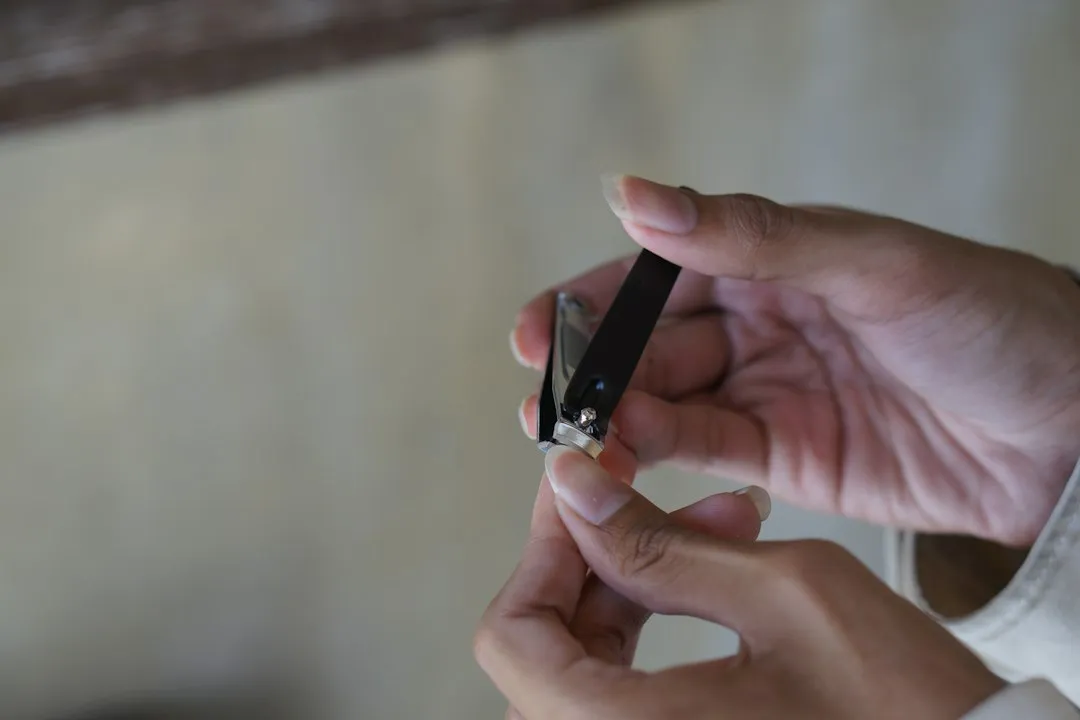
Using clippers designed for fingernails rather than toenails is a common error that can lead to ingrown toenails. Fingernail clippers are narrower, which may result in jagged edges on thicker toenails, increasing the chance of the nail growing into the skin.
Avoid using fingernail clippers on your toenails, as they may not be sturdy enough for thicker toenails. Doing so can lead to splitting or breaking rather than getting a clean cut, making you susceptible to infections.
Toenail clippers have a straight cutting edge and provide better leverage for thicker nails. Make sure they’re sharp because dull clippers crush and tear the nail rather than making a clean cut. That distinction matters more than most bathroom cabinets reflect.
What the Correct Cutting Technique Actually Looks Like
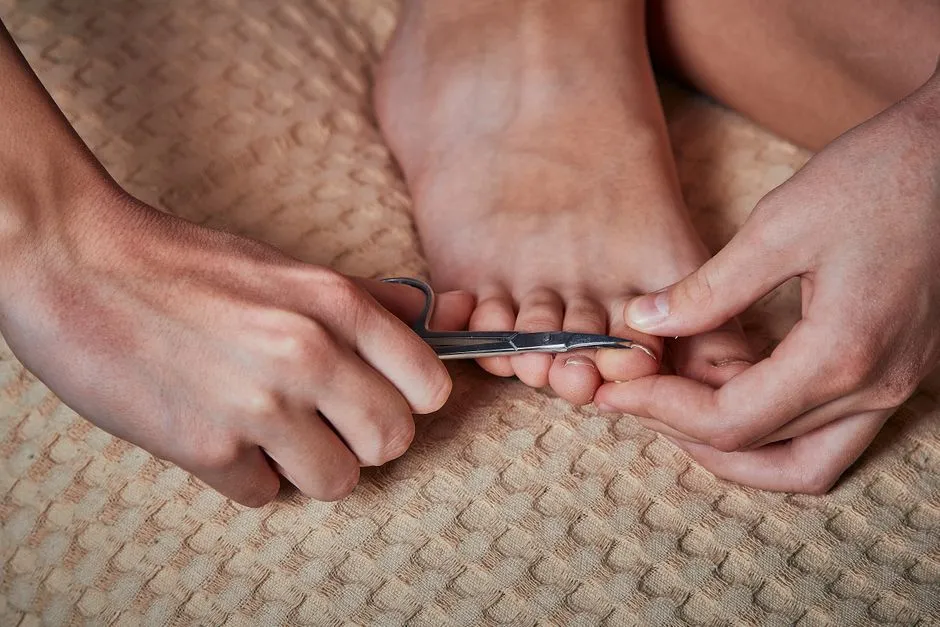
Position the clipper flat against the nail, parallel to the nail surface, and make a single clean cut straight across the nail. Do not curve the clipper to follow the shape of the toe tip. The cut should be straight, not rounded, not angled.
The finished nail should extend just slightly beyond the skin at the end of the toe, approximately 1 to 2 millimeters of white nail tip visible. This ensures the corners of the nail sit above the skin level at the nail groove, rather than pressing into it. Do not cut the nail down to or below the level of the skin.
After trimming, let your nails dry before picking up a nail file. Finish by rounding off the corners of each toenail with the file in order to reduce the sharpness that can potentially cause ingrown toenails. A gentle file at the corners is fine. The clipper is where you keep the line straight.
When an Ingrown Toenail Becomes a Medical Issue
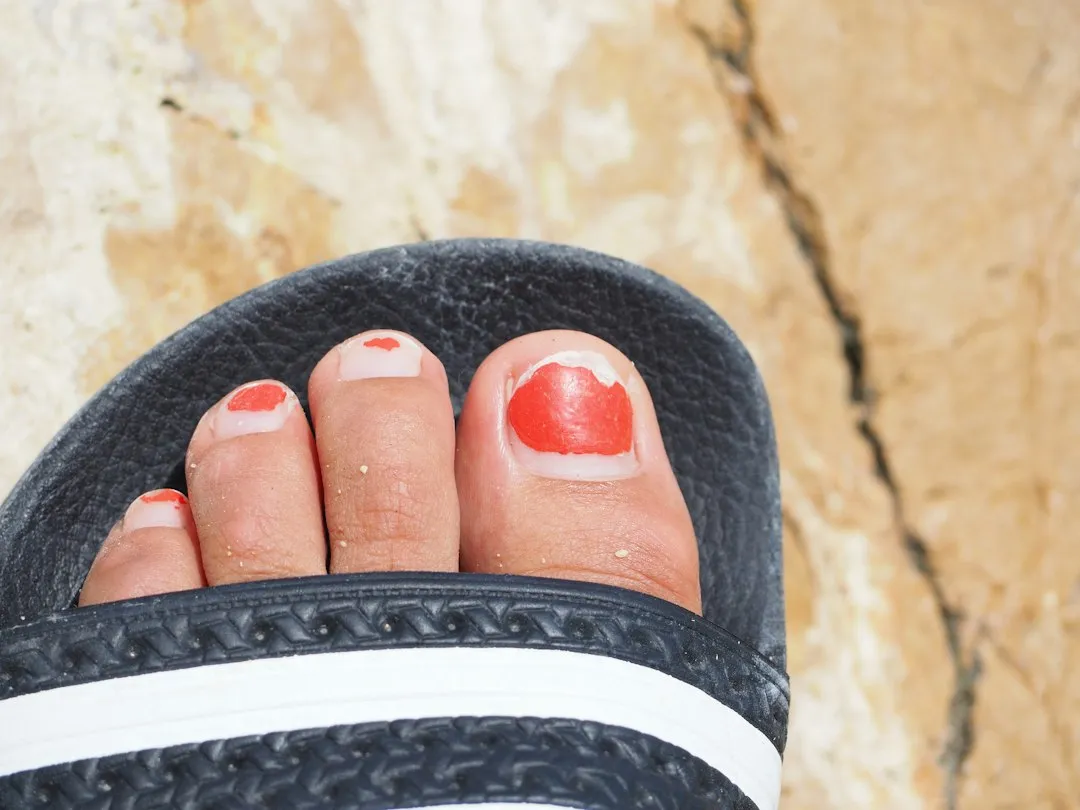
By the very nature of the condition, ingrown nails become easily infected unless special care is taken to treat the condition early on and keep the area clean. Signs of infection include redness and swelling of the area around the nail, drainage of fluid, and watery discharge tinged with blood.
Ignoring an ingrown toenail can have serious complications. Infections of the nail border can progress to a deeper soft-tissue infection, which can then turn into a bone infection. Ingrown toenails that are left untreated can eventually lead to osteomyelitis, an infection in the bone. This serious infection can be especially severe if you have diabetes or circulatory problems in your lower extremities.
Complications from an ingrown toenail can become especially severe if you have diabetes, which causes circulatory problems that lead to poor blood flow in the feet, as well as nerve damage resulting in the loss of sensation. A simple cut can lead to an infected ulcer.
The Role of Footwear and Other Overlooked Triggers

Another culprit is clipping your toenails too low toward the side of the toe. Instead, trim straight across using clippers with a straight, not curved, blade. Footwear compounds whatever trimming mistake you’ve already made.
Toenail thickening, often caused by fungal infections, can also increase the risk of ingrown nails by altering the shape of the nail and making it more likely to dig into the skin. A thickened nail is harder to cut cleanly, which raises the odds of an accidental curve or uneven edge.
Avoiding these risk factors is crucial for people with diabetes. For everyone else, though, the same caution applies. Tight shoes, athletic cleats, or anything that squeezes the toes will accelerate whatever growth pattern the nail is already following after a poor clip.
How Often You Should Trim, and When to See a Podiatrist
Regular toenail clipping is essential. Aim to trim your toenails every 6 to 8 weeks, or as needed. Individuals with thicker nails or specific foot conditions may require more frequent trimming.
Mild ingrown toenails may improve with at-home care such as warm water soaks, proper nail trimming, and wearing open-toed shoes. However, you should see a podiatrist if you experience severe or persistent pain, swelling or redness that worsens, drainage or pus, or recurrent ingrown toenails that keep coming back.
Ingrown toenails may improve with care like soaking and proper trimming, but severe cases require professional treatment. A podiatrist can safely remove part of the nail, treat any infection, and provide advice on proper nail care and footwear to prevent recurrence.
Final Thoughts
The gap between a healthy toenail and a painful, infected one often comes down to a single habit done slightly wrong for years. Rounding the nail instead of cutting straight across is the kind of mistake that rarely hurts immediately, which is exactly why so many people repeat it without connecting the dots.
The fix is genuinely simple: straight across, leave a thin margin of white, use proper clippers, and file the corners lightly afterward. None of that takes extra time. It just takes knowing what the right technique actually looks like, which is something most people were never specifically taught.
If the problem has already taken hold, a podiatrist can resolve it quickly and safely. But the real value of understanding this mistake is that it never has to get that far.
AI Disclaimer: This article was created with the assistance of AI tools and reviewed by a human editor.