
It arrives as a text, an email, or sometimes a letter in the mail. The message is friendly and professional, and the offer sounds almost too convenient: get paid to shop at stores you already visit. For a lot of people, especially those looking for flexible work, the pitch lands at exactly the right moment.
The problem is that the job isn’t real. What looks like a part-time income opportunity is actually one of the most consistently effective consumer scams in circulation, and it’s been growing. Here’s how it works, why it works, and what the warning signs actually look like in practice.
What Mystery Shopping Actually Is (When It’s Real)

To learn more about their customers’ experiences, some retailers and restaurants genuinely do hire people to visit their businesses, try products or services, and report back. These mystery shoppers, or secret shoppers, typically pay for products out of pocket and then get reimbursed by the retailer, sometimes with a small extra payment for their time.
Many professionals in the field think of mystery shopping assignments as part-time or occasional work, not something to replace a full-time job. That’s worth keeping in mind from the start. Legitimate mystery shopping is low-key and modest in pay. Unlike many scams, there actually are legitimate mystery shopper companies, but they never advertise or recruit through emails, text messages, or letters.
How the Scam Gets Started
Mystery shopper scams use fake job offers to trick people into depositing counterfeit checks and sending real money to fraudsters. The offer typically comes unsolicited through email, text, or physical mail, and it promises easy, flexible income just for visiting stores and giving feedback.
Scammers take advantage of these types of programs by sending fraudulent offers to become a mystery shopper via mail, text, or email. Often, these offers of employment are accompanied by a fake check made out for a large amount of money, or otherwise promise immediate employment with a good salary and minimal effort required.
If you’ve received unsolicited emails or seen ads claiming you can earn a living as a secret or mystery shopper by dining at elegant restaurants, shopping at pricey stores, or checking into luxurious hotels, be careful. The more glamorous the pitch, the more likely it’s fraudulent.
The Check That Changes Everything

The way the scam generally works is that when you respond to an advertisement or message to become a mystery shopper, you are sent a bank check. You’re told to deposit it into your own account, spend some of the money on purchases you get to keep, hold back some as your payment for services, and then return the remaining funds by wire transfer.
The mailing generally includes an authentic-looking cashier’s check for around $5,000. That check is supposed to cover the cost of completing the required mystery shopper tasks and provide consumers with training pay. It looks exactly like a real cashier’s check, sometimes down to the watermarks and bank logos.
In one documented Walmart-themed mystery shopper scam, the targeted victim was sent a legitimate-appearing but counterfeit check for $2,940 and told to keep $540 as payment, then go to the nearest Walmart and use the remainder to buy six $400 Kroger gift cards and provide the numbers to the scammer.
Why the Bank Balance Looks Real at First

These schemes exploit the gap between when your bank makes deposited funds available and when the check actually clears, creating a window where the money looks real but isn’t. This is the mechanical heart of the scam, and it’s remarkably effective because it’s grounded in how banking actually works.
Federal law requires banks to make deposited funds available within one to two business days, long before the check fully clears through the banking system. You see the money in your account, assume everything is legitimate, and send funds to the scammer.
It can take weeks for a bank to figure out that the check is fake. By that time, you’re stuck repaying the money to the bank. That’s the moment victims realize the money was never real to begin with.
Gift Cards: The Scammer’s Preferred Currency

Scammers pretend to hire you as a mystery shopper, then tell you that your first assignment is to evaluate a retailer that sells gift cards, money orders, or a wire transfer service like Western Union or MoneyGram. The “evaluation” framing makes the request feel like legitimate work rather than a transfer of funds.
The target is told to deposit a check, buy gift cards as part of the evaluation, then scratch the cards, photograph the numbers, and send the images back with a brief store report. The report is cover. The gift card numbers are the payment. Once the scammer receives the numbers, the value can be drained instantly.
No legitimate market research firm evaluates retailers by having you buy gift cards and read the codes to someone over the phone or by text. That instruction alone is a definitive red flag, full stop.
How Big Is This Problem?
US consumers lost $12.5 billion to scammers in 2024, according to data from the Federal Trade Commission. The figure marks a roughly one-quarter increase year-on-year, even as the total number of people who reported being scammed remained steady.
The number of fraud reports remained stable at 2.6 million, but the percentage of people who reported losing money to a fraud or scam increased from 27% in 2023 to 38% in 2024. That jump is significant. More people who encountered scams actually lost money, which suggests the schemes are getting more convincing.
The median loss for fake check scams exceeded $10,000 in 2025, and victims are almost always left personally liable for every dollar spent from the fraudulent deposit. This isn’t pocket change. For many households, that kind of loss is genuinely devastating.
The Red Flags That Are Easy to Miss
Warning signs include: the company sends you a check before you’ve worked, asks you to wire money, tells you to buy gift cards, asks for cryptocurrency, charges a registration fee, pressures you to act immediately, or promises hundreds of dollars for very little work.
Unlike many scams, there actually are legitimate mystery shopper companies, but they never recruit through emails, text messages, or letters. These scams continue to be effective and are increasing in number. The persistence of the scam is its own kind of warning: it keeps working because the warning signs aren’t always obvious in the moment.
Real mystery shopping work does not require sending money back, wiring funds, buying gift cards for someone else, or paying for a list of jobs. A company that hires immediately and sends a large check before any verified assignment is not testing customer service. It is testing whether the target will convert a fake deposit into real value.
Who Is Being Targeted

Fake checks are used in a variety of frauds such as mystery shopper or nanny “jobs,” as well as prize and sweepstakes scams. The mystery shopping version is particularly well-targeted because it appeals to people actively looking for work, and the setup feels plausible compared to other scams.
For the second consecutive year, email was the most common way that consumers reported being contacted by scammers, with phone calls the second most commonly reported contact method, followed by text messages. All three channels are used in mystery shopping scams depending on the victim profile.
Older adults, job seekers, and stay-at-home workers tend to be disproportionately targeted because the promise of flexible, at-home-friendly income resonates more strongly. There were nearly 850,000 imposter scam complaints in 2024, representing a significant share of all reports, bilking consumers out of close to $3 billion. Mystery shopping scams fall squarely within this imposter category.
What Happens When the Check Bounces

At first, your bank might show the money in your account. After a few days, the check bounces, and the bank takes the money back out of your account. You lose whatever money you sent, and the scammer is long gone.
The scammer gets the money you put on the gift card, and you’re left to pay back whatever you spent to the bank from cashing the fake check. There’s no grace period, no dispute resolution that recovers the funds quickly, and in many cases no realistic path to getting the money back.
The bank is not the villain here. It followed the law in making those funds available. The scammer built the entire scheme around that legal requirement. What these scams have in common is that victims have to send money to the fraudsters. After depositing the check, victims are asked to quickly wire money or buy gift cards that eventually make their way to the fraudsters before the checks bounce.
How to Protect Yourself Going Forward

Never agree to deposit a check to buy gift cards and send the numbers back as part of a mystery shopper job, or any job. Only scammers will say to do that. That single rule covers the vast majority of these cases.
Search online for the name of the company or person who’s hiring you, plus words like “review,” “complaint,” or “scam,” and see what comes up. Scam operations often have a trail, even if they use slightly different company names each time. If there’s nothing at all online about the company, that’s also a warning sign.
If you spot or lose money to a mystery shopping scam, report it to the FTC at ReportFraud.ftc.gov and to your state attorney general. Reporting helps authorities track patterns and warn other potential victims before they send money.
The Takeaway
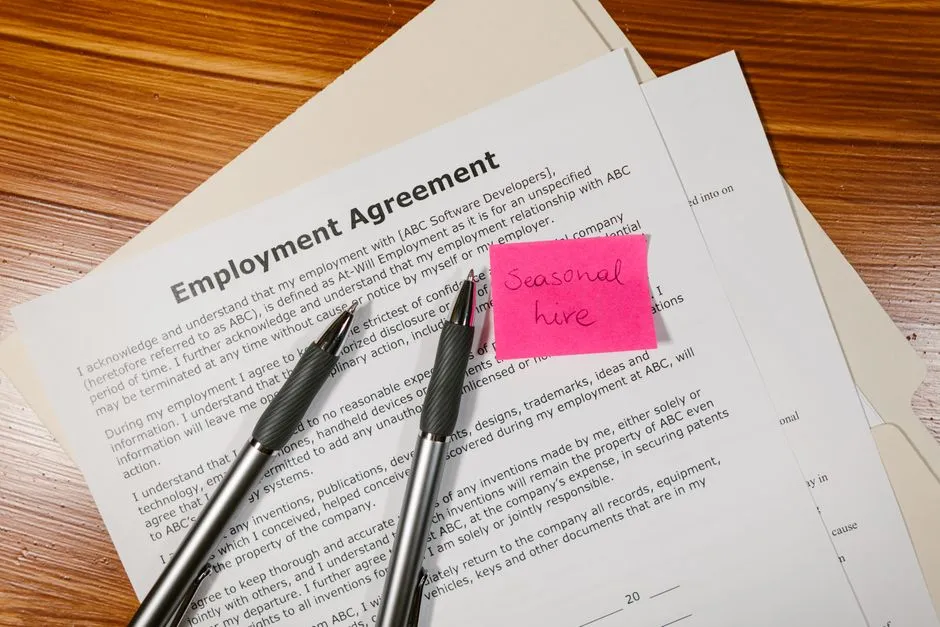
The mystery shopper scam has been around long enough that it should be well-known by now. Yet these scams continue to be effective and are increasing in number. That says something about how carefully they’re constructed, and how natural the offer can feel to someone who genuinely needs flexible income.
The moment a “job offer” involves depositing a check and sending money back in any form, the situation has already moved past a red flag. It has become a definitive answer. If someone sends you a check and asks you to send money back, it’s always a scam. Legitimate jobs never ask you to return part of your pay or compensation.
Protecting yourself doesn’t require paranoia. It mostly requires knowing this one pattern cold, and trusting it the moment you see it.
AI Disclaimer: This article was created with the assistance of AI tools and reviewed by a human editor.