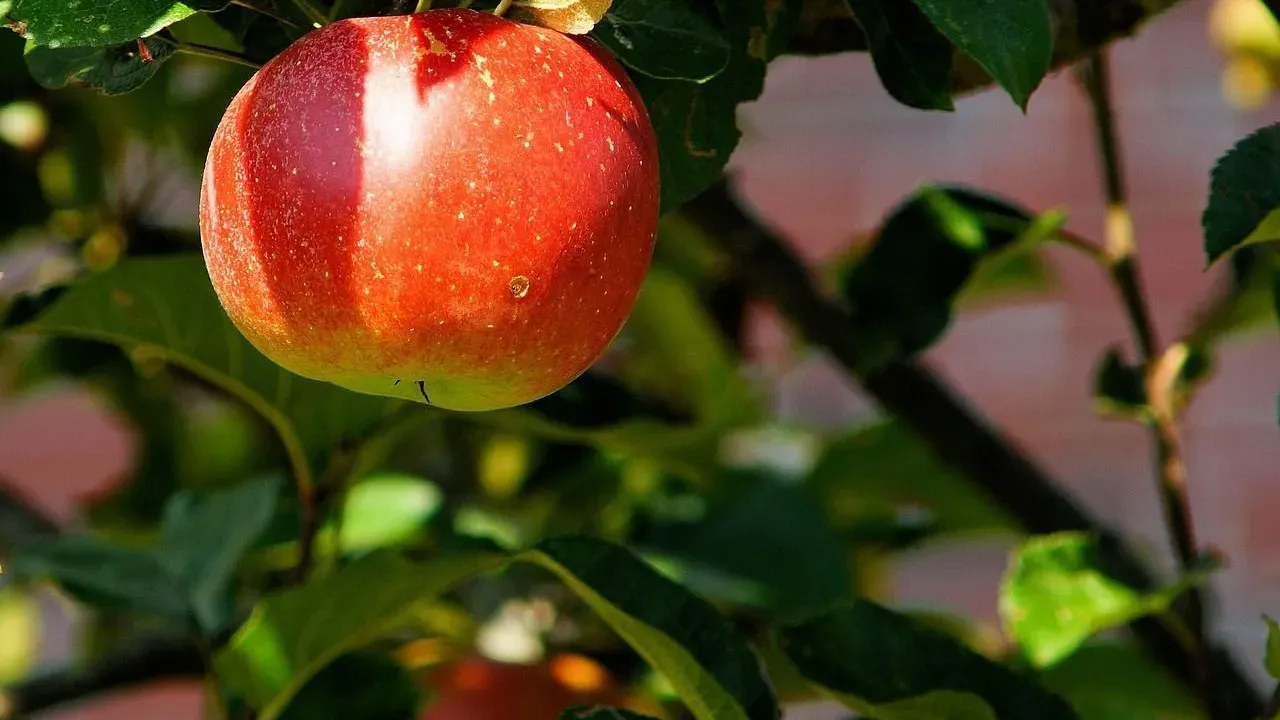

On the Swedish island of Gotland, an apple known locally as stenkyrke, or “stone church,” has been grown and enjoyed for generations. Its distinctive traits include firm texture, a balanced sweet flavor, late flowering, and relatively early fruiting that suits cold northern climates. Yet its original identity remains unknown, with possible introductions from Britain or Germany in the mid-1700s now obscured by time. The variety, formally labeled Malus ‘Stenkyrke,’ surfaced again as a point of discussion among fruit enthusiasts at Europom 2026.
A Centuries-Old Puzzle in Pomology
European records show that people have deliberately stored and consumed wild crabapples for at least four thousand years. Those early fruits came from Malus sylvestris, a species whose produce often improves after months in storage. Over later centuries, cultivated apples and pears were raised from seed, selected for quality, and passed along through local networks. The result is a web of named varieties that frequently stay tied to specific regions or even single orchards. Names once common in Britain and elsewhere, such as Slack-ma-Girdle or Leathercoat Russet, survive today only because successive growers continued to value them. At the same time, many sound trees in old plantings have lost their original labels, while entries in historic books no longer match surviving specimens. This mismatch creates ongoing work for pomologists who combine traditional observation with modern genetic sequencing to restore connections.
Europom 2026 Brings Experts Together
Europom 2026 convened fruit growers and researchers from across the United Kingdom and Europe at the Royal Horticultural Society’s Rosemoor garden in Devon. Displays featured hundreds of varieties, including a two-hundred-year-old apple shown by a grower from Luxembourg and a range of pears suited for both dessert and cooking uses. One exhibitor from Sweden demonstrated tasting flights that highlighted differences in texture and flavor among pear types. The event also showcased practical mapping tools developed by Dutch participants. Marcel Rutten, an assistant professor of cardiovascular biomechanics who studies apples in his spare time, created a banner linking five post-war Dutch royal-family varieties to roughly one hundred fifty related apples through geography and lineage. The visual approach helps both specialists and amateurs trace relationships that genetic data alone can obscure.
Science Meets Tradition in Identification Efforts
Genetic sequencing now offers a faster route to matching unnamed trees with documented specimens, provided reference material from correctly identified trees has already been submitted to databases. The process still depends on careful record-keeping and the willingness of growers to share samples. At Europom, conversations often turned to the practical limits of both old orchard surveys and new laboratory techniques. Delegates traveled considerable distances, with some vehicles carrying fruit displays more than one thousand miles. The gathering rotates among European locations; next year’s edition is scheduled for Prague. Hosting the event at a rural garden rather than an urban venue allowed extended discussions among participants who might otherwise have been separated by larger crowds.
Preserving Heirloom Fruit for Future Growers
Commercial apple production in southwest England declined over many decades as labor patterns shifted and imports became more competitive. Private gardens now hold much of the remaining diversity, yet many owners purchase most of their fruit rather than harvesting from their own trees. Events such as Europom highlight the value of maintaining these localized varieties for resilience, flavor, and historical continuity. The stenkyrke apple illustrates how a single unnamed tree can carry forward useful traits while also posing questions that link modern science to centuries of cultivation. Continued exchanges among pomologists help ensure that such varieties remain available for study and for planting in suitable climates.
AI Disclaimer: This article was created with the assistance of AI tools and reviewed by a human editor.