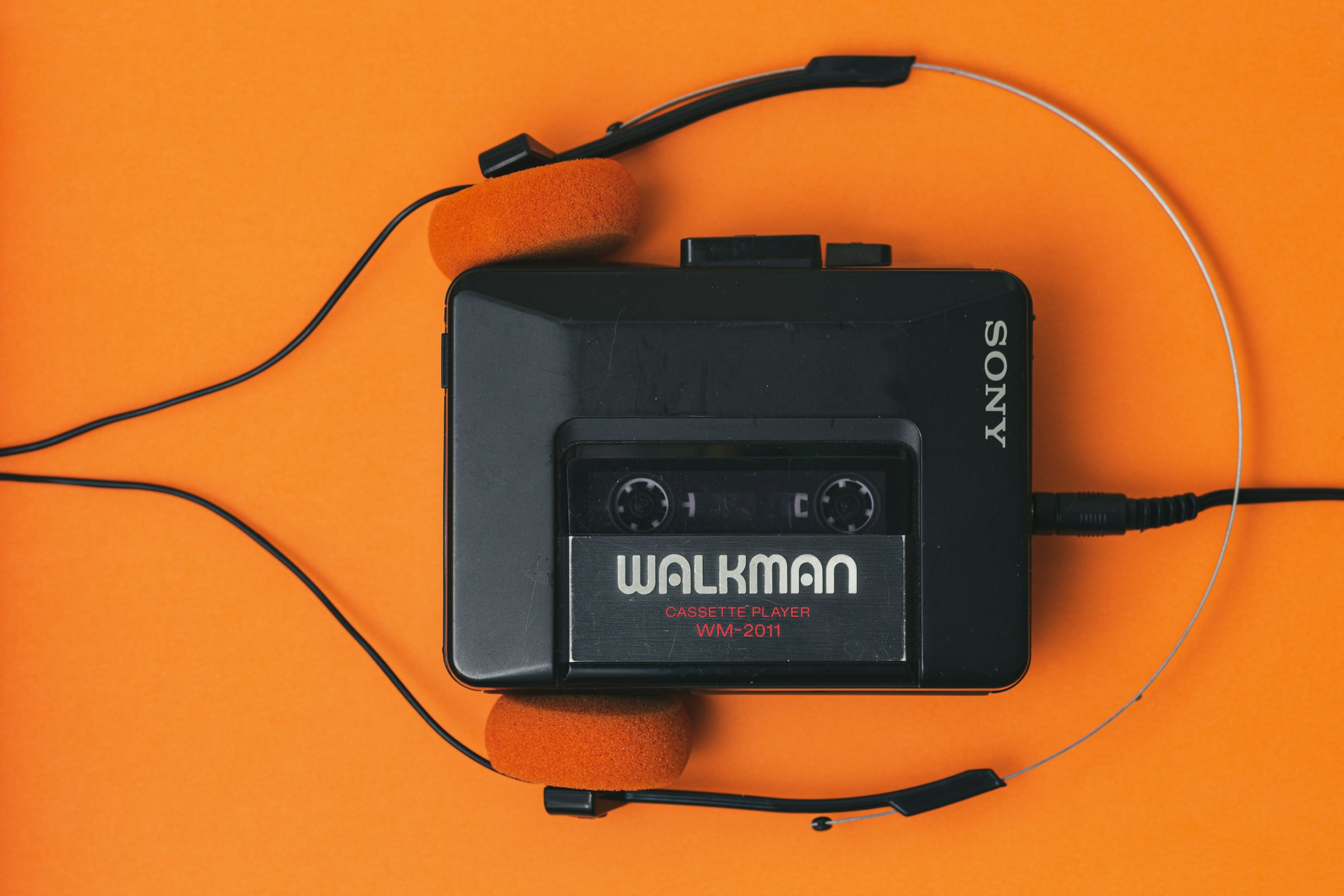

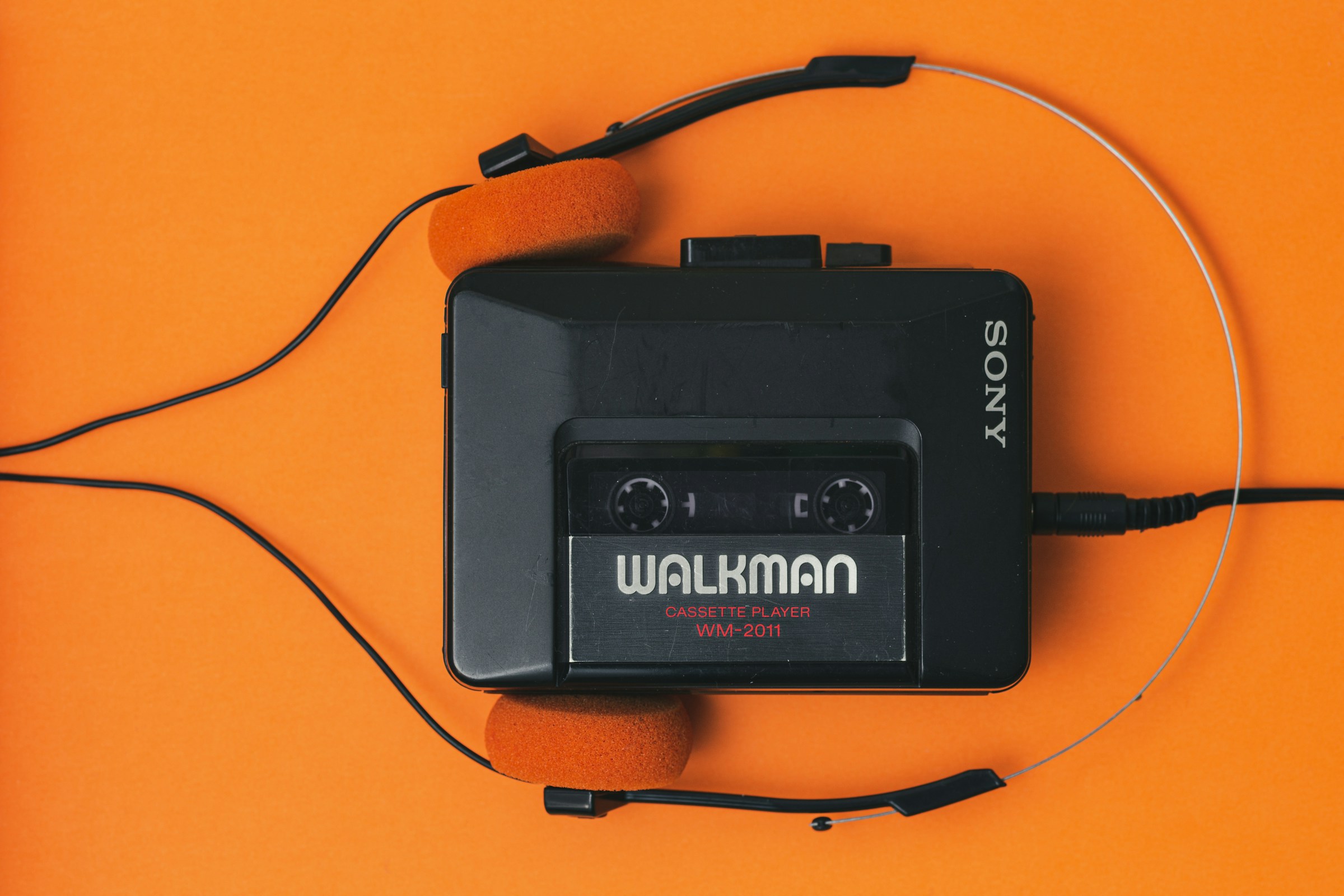
There was a time when a road trip started long before you turned the key. It started with a blank cassette, a biro, and a handwritten list of songs you hoped would carry you through unfamiliar highways, small-town gas stations, and long stretches of nothing at all. That ritual, unhurried and completely intentional, has quietly become one of the mourned cultural losses of the streaming era.
The mixtape was never just music. It was a letter written in song order, a small time capsule squeezed between two plastic spools. And now, with cassette sales surging again and a whole new generation discovering the format, people are asking a fair question: what exactly did we give up when we handed that job over to an algorithm?
The Cassette Was the Only Format That Let You Build Your Own World
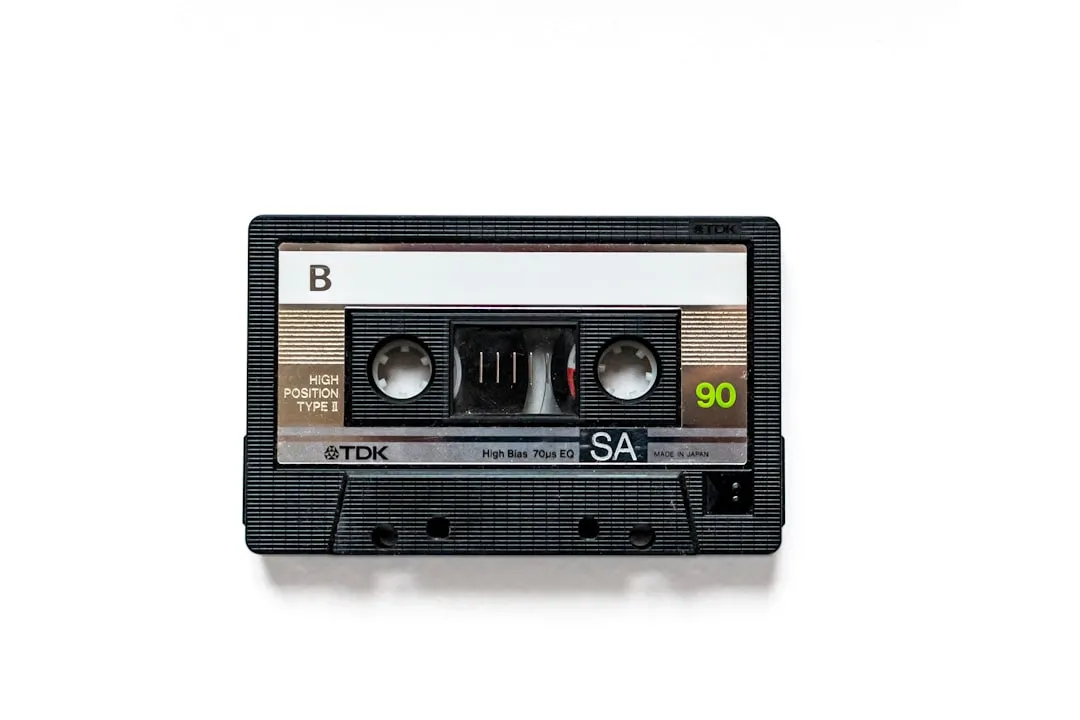
The cassette was the only format that let listeners record their own playlists from radio or LPs, and that single feature reshaped how music was consumed. Nothing before it had given an ordinary person that kind of editorial power over their own listening experience. You weren’t buying someone else’s curation; you were making your own.
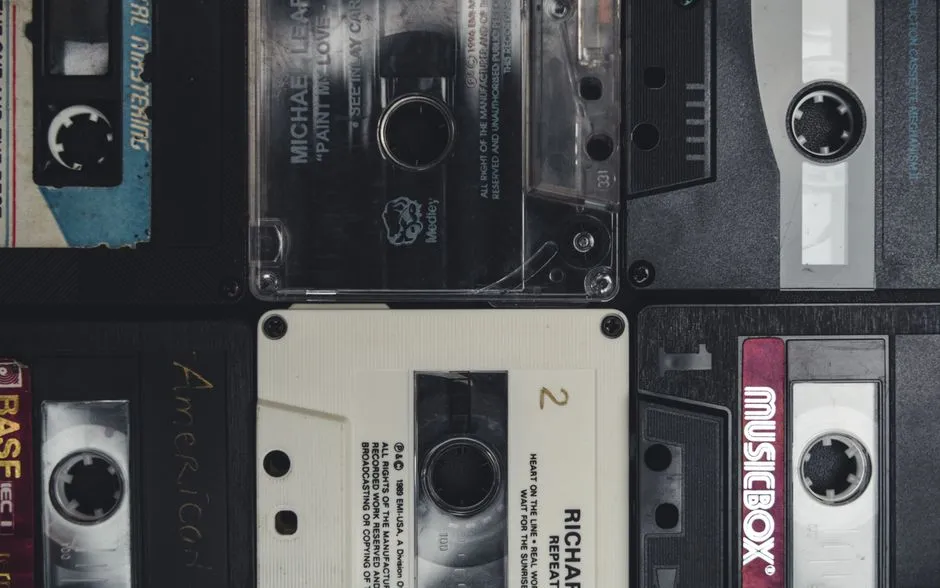
In the classic sense, a mixtape was a compilation of songs recorded from various sources, radio, vinyl records, CDs, or other tapes, onto a blank cassette. These physical artifacts featured hand-decorated covers, meticulously written track listings, and often included personal messages between songs. That handmade quality gave every tape a fingerprint. No two were quite alike, even if they shared every song.
The physical limitations of cassette tape technology shaped the mixtape experience. With typically 45 to 60 minutes per side, creators had to carefully select and sequence songs to fit the time constraints while maintaining narrative flow. That constraint was actually the point. Scarcity forced decisions, and decisions gave the tape meaning.
Making One Demanded Real Investment
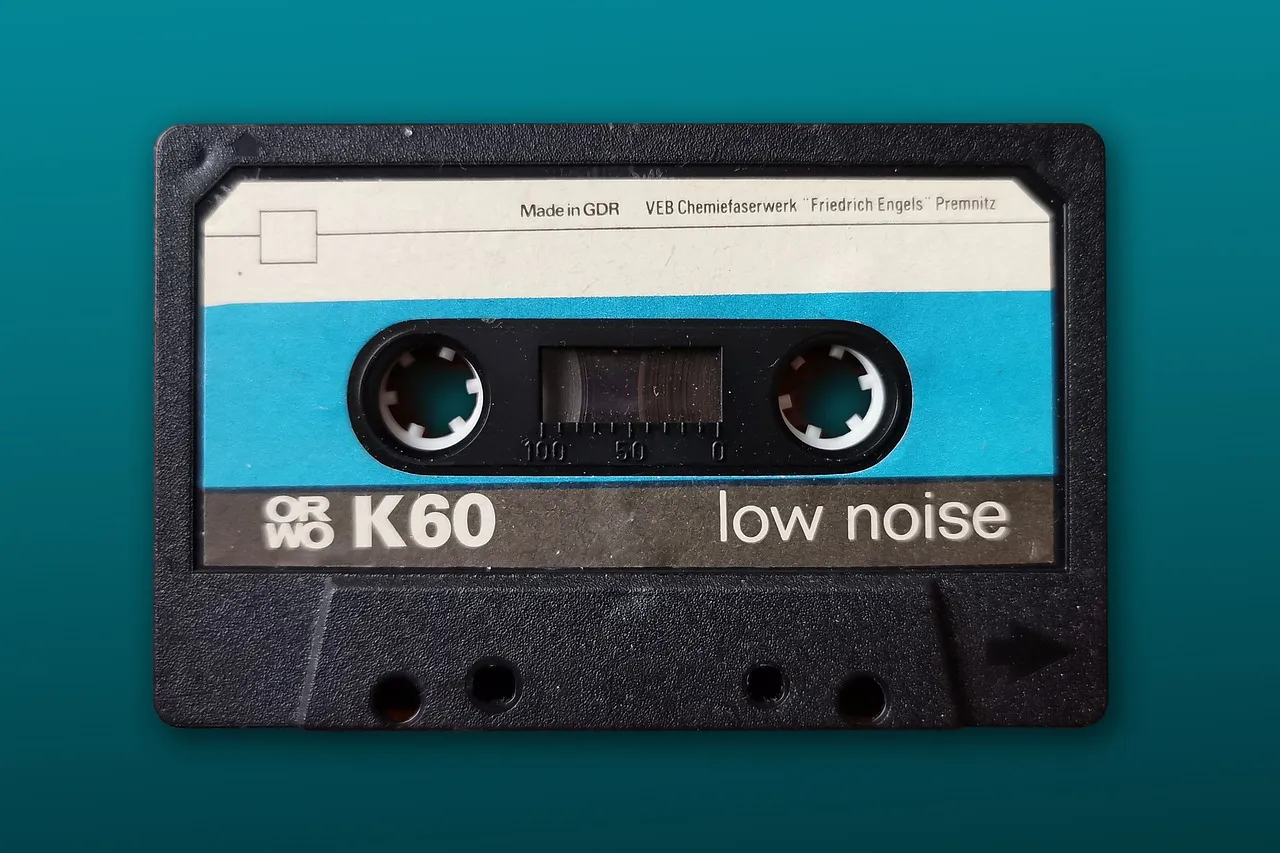
Mixtapes became a labor of love, with individuals spending hours meticulously selecting songs, often from vinyl records or the radio, and crafting seamless transitions between tracks. That time investment was what made a road trip tape feel like something worth pressing play on. You weren’t shuffling through someone else’s database. You were holding proof that someone had thought about you for an entire afternoon.
Curating a list of songs the giver wants to share, and taking the time and labor to carefully record them onto a tape, these are acts of intentionality and dedication almost alien to today’s fast-paced prefabricated culture. That’s the part streaming quietly erased. The effort itself was part of the gift.
Making a mixtape takes far more effort than building a streaming playlist. A cassette mixtape means choosing tracks carefully, fitting them across both sides, recording in real time, and often adding handwritten labels or artwork. This extra work is what gives the format emotional value. It’s not about inconvenience for its own sake. It’s about the weight that effort adds to the finished object.
The Road Trip Was the Perfect Listening Environment
There’s something about moving through landscape at speed that makes curated music feel more alive. Windows down, the same patch of highway repeating in the windshield, and a tape that someone made specifically for this. The music had a destination, and so did you.
The inconvenience and effort of using cassettes may even make for more focused listening, something the invisible, ethereal, and instantly-there flow of streaming doesn’t demand of us. In a car, that focus came naturally. There was nothing else to do but listen, talk, and watch the road change.
Music can transport the listener to past times and places of their life, as well as to the attached emotions. Listening to a piece of music that was played a lot during a significant life event many years ago can trigger a deeply nostalgic emotional experience. Anyone who has heard a song from an old road trip tape knows that feeling immediately. The song doesn’t just play; it reconstructs the whole afternoon.
The Brain Actually Responds Differently to Music Tied to Memory
When you hear a song from your youth, maybe a high school slow dance or a road trip anthem, you’re not just reminiscing. You’re lighting up key regions of your brain. A study led by Assal Habibi of the Brain and Creativity Institute at USC Dornsife found that nostalgic music engages both the brain’s default mode network, which is linked to memory and self-reflection, and its reward circuitry. That’s a measurably different kind of listening than scrolling through a Spotify playlist.
A large-scale analysis of 40,000 users’ streaming data over 15 years revealed that young listeners engage broadly with new and popular music, while adults settle into more personal and emotionally rooted tastes. With age, nostalgia becomes a dominant force, shaping listening habits around the music of one’s youth. This helps explain why road trip mixtapes from decades ago can still feel so vivid and immediate.
A growing body of research on music-evoked autobiographical memories has demonstrated that music can trigger vivid, emotionally salient, and temporally specific recollections of past events. These memories tend to be temporally aligned with the life period in which the music was originally experienced. A road trip tape, made at a particular moment in life, becomes a kind of memory archive that activates all at once when played back years later.
Streaming Replaced Convenience but Not Care
Algorithms optimize for engagement. They favor tracks that hook in the first 30 seconds, encouraging shorter attention spans and homogenized sounds. Playlists often feel disposable, easy to shuffle, skip, or abandon. The infinite library can paradoxically flatten taste. With no scarcity, individual tracks lose weight. A road trip playlist built by an algorithm carries none of the emotional architecture that a handmade tape does.
Although streaming replaced convenience, it never fully replaced the care, limitation, and intention built into a physical mixtape. That’s the honest summary. Streaming solved a logistics problem. It didn’t replace what the mixtape was actually doing socially and emotionally.
Streaming made music feel disposable. A Spotify playlist is a URL, the album art is a thumbnail, and the artist gets fractions of a cent per stream. A cassette is the opposite. It is a physical object you hold, label, store on a shelf, and trade with friends. That contrast is at the heart of what the road trip tape tradition actually meant.
Cassette Sales Are Climbing Again, and Younger Listeners Are Leading the Way
Spotify has 700 million users, AirPods cost more than a decent record player, and yet U.S. cassette sales hit 446,500 units in 2025, up roughly 17 and a half percent year over year. Those numbers are modest by pop culture standards, but the direction is striking given how thoroughly cassettes were declared dead just a decade ago.
2024 was the first year in two decades where physical sales, vinyl, CD, and cassette, saw year-over-year growth. That’s a meaningful turn. Globally, the cassette tapes market was valued at USD 302 million in 2024 and is projected to reach USD 422 million by 2033, according to AMRA and ELMA’s cassette tapes market data.
The cassette revival is being driven by two very different groups of buyers: older listeners who grew up in the 1980s and 1990s tie tapes to memory. They remember recording songs off the radio, making mixtapes, flipping albums to Side B, and carrying Walkmans everywhere. Buying cassettes again reconnects them to that period of their lives. The nostalgia is real, measurable, and clearly commercially viable.
Gen Z Is Discovering the Mixtape as Something Genuinely New
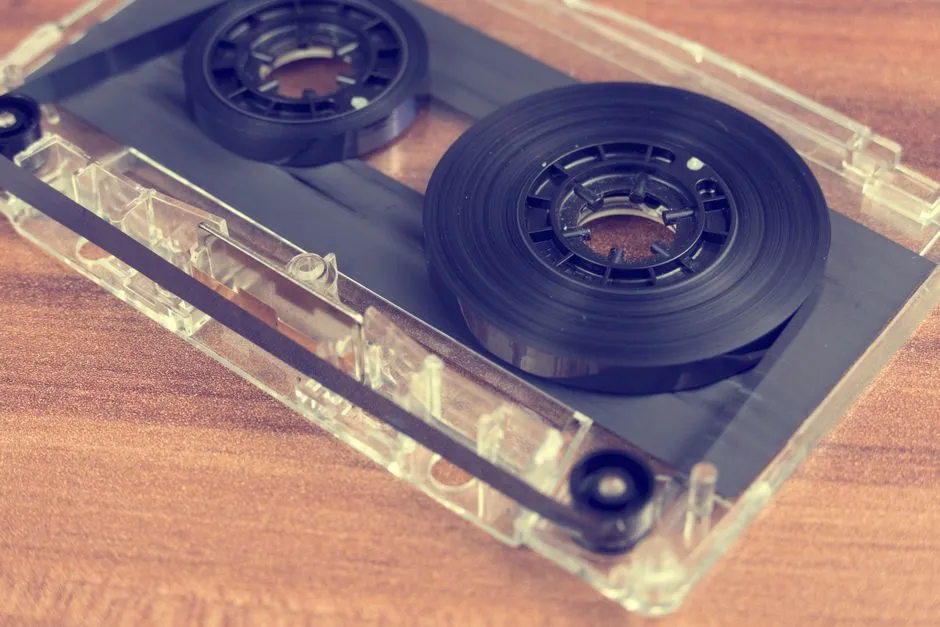
Gen Z approaches the format from the opposite direction. Luminate’s 2023 data showed 436,400 cassette albums sold in the U.S., with a significant share of buyers being younger listeners with no personal memory of the format. For younger buyers raised on streaming and touchscreens, tapes simply feel new. That’s a remarkable inversion. The format is simultaneously nostalgic and novel depending on who’s holding it.
This is the same instinct driving the Gen Z dumb phone paradox: a deliberate choice to add friction back into media consumption. Cassettes force you to listen to an album in order, side A then side B, with a manual flip in between. That linear listening pattern is alien to a generation raised on infinite scroll and skip buttons. For them, the limitations aren’t a flaw. They’re the feature.
The cassette resurgence is being driven in part by Gen Z listeners, especially young women, who see tapes as an intentional, tactile way to connect with music. Analog formats such as cassettes and vinyl are not prized for their sound, but for the tactility and sense of connection they provide. The road trip tape tradition, it turns out, was always about connection more than audio quality anyway.
The Mixtape Was a Cultural Art Form at Its Peak
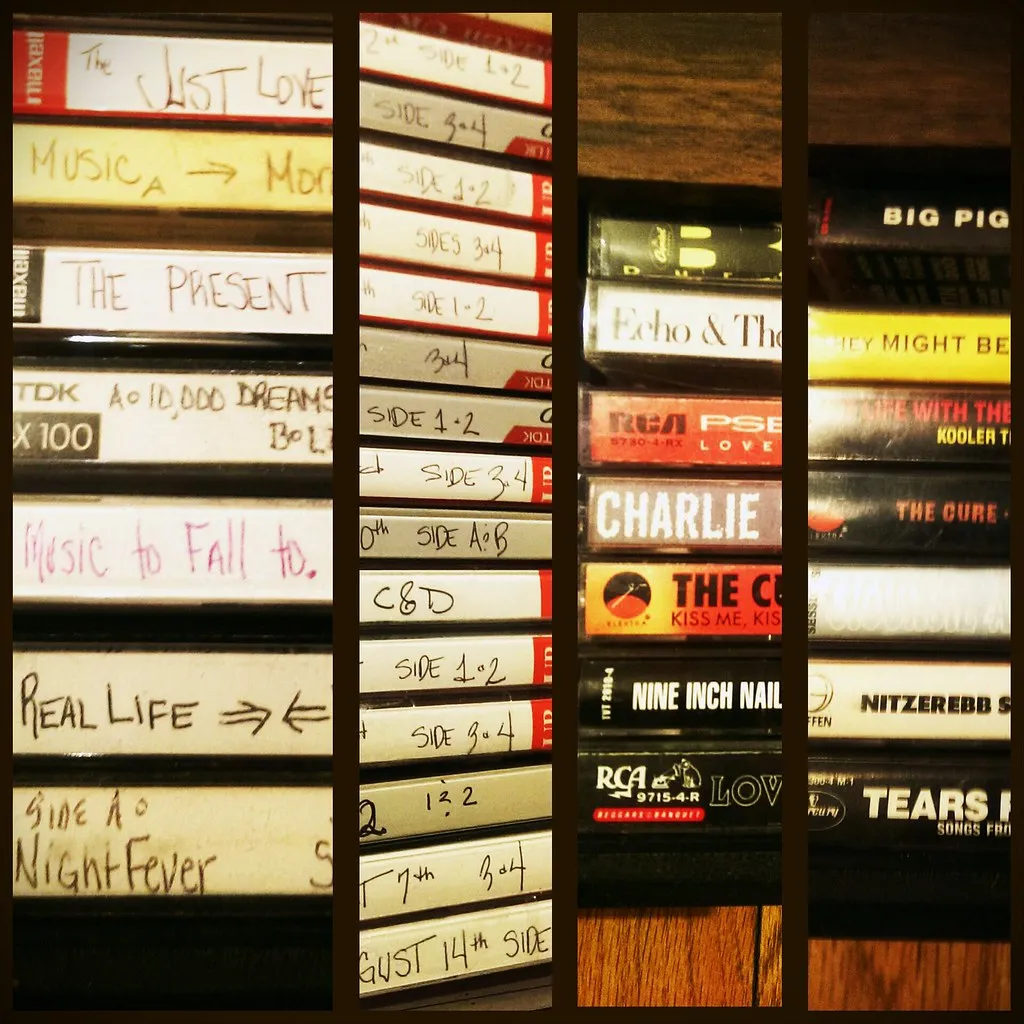
The popularization of the personal music system such as the Walkman and Boombox, capable of recording and playing tapes, made the mixtape a household commodity among the youth. Mixtape popularity grew to such an extent that at a point it was even considered an art form in America. That wasn’t an exaggeration. People developed genuine reputations for making great tapes, the way others were known for their cooking or their eye for photography.
As researcher Mike Glennon explains, cassettes give consumers the power to customize and “reconfigure recorded sound, thus inserting themselves into the production process.” From the 1970s, blank cassettes were a cheap way for anyone to record anything. They offered limitless combinations and juxtapositions of music and sounds. The mix tape became an art form, with carefully selected track sequences and handmade covers.
The mixtape, being a personal and individualized gift, inspires the use of music as a medium to express relatable life themes and individuals’ personal stories. As a cultural symbol of friendship, community, and generosity, the mixtape carries a specific kind of emotional weight. That weight is exactly what made a road trip tape feel different from any other kind of listening.
What the Algorithm Cannot Replicate
The act of choosing a song to represent a feeling is, in itself, a form of storytelling. This curation process is designed to evoke the nostalgia of the analog era, where the physical act of recording music onto a tape was a deliberate and intimate gesture. An algorithm does not make deliberate gestures. It makes predictions based on prior behavior, which is a fundamentally different thing.
People may also choose to buy cassettes for the nostalgia, for their “retro” cool aesthetic, to be able to own music instead of streaming it, and to make cheap and quick recordings. Still, what streaming never matched was the human chain of thought behind a well-sequenced road trip tape. Why this song after that one. Why this one just before the long bridge. Why the quiet closer that leaves everyone a little speechless.
While technology has changed, the essential spirit remains: mixtapes are personal, intentional collections of music created to achieve specific emotional, social, or artistic goals. The care and thought behind song selection and sequencing still defines the format. Algorithms can approximate taste. They cannot approximate the moment someone thought, “she needs to hear this one when the sun goes down.”
The Tradition Is Finding Its Way Back
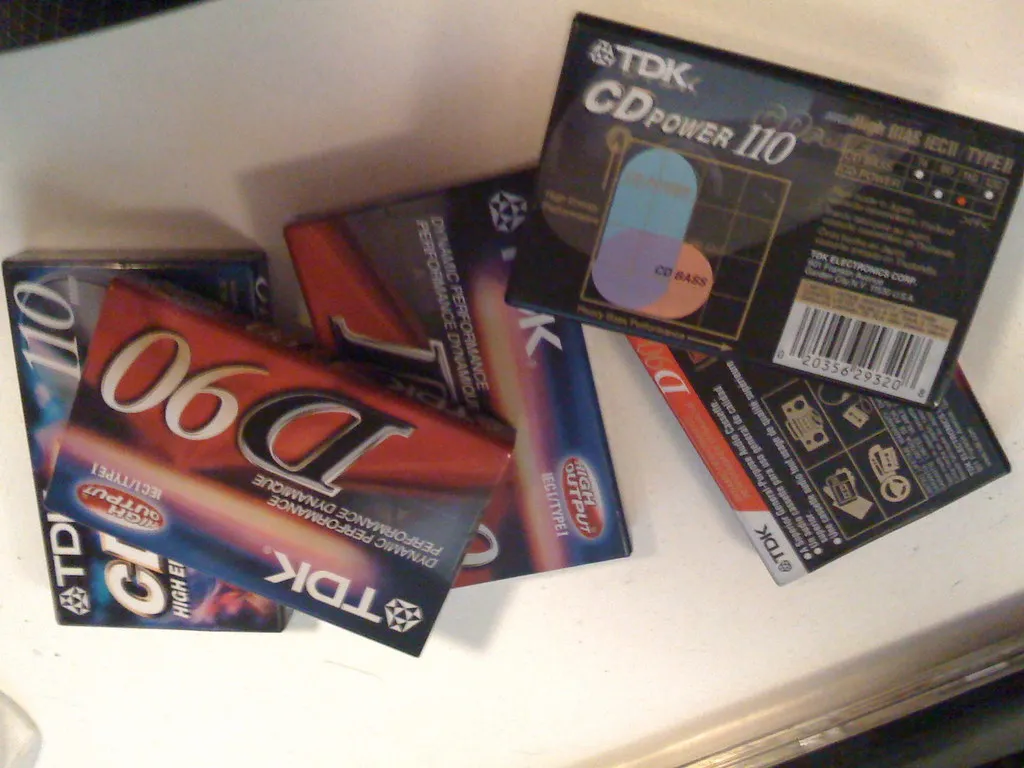
Bandcamp reports that cassette releases now account for 18% of all physical format sales on its platform, up from 9% in 2021, with median indie cassette runs of 150 units selling out in an average of 4.3 days, a velocity that outpaces both vinyl and CD on the same platform. Something is clearly happening. The market is not behaving like nostalgia tourism. It’s behaving like a genuine reappraisal.
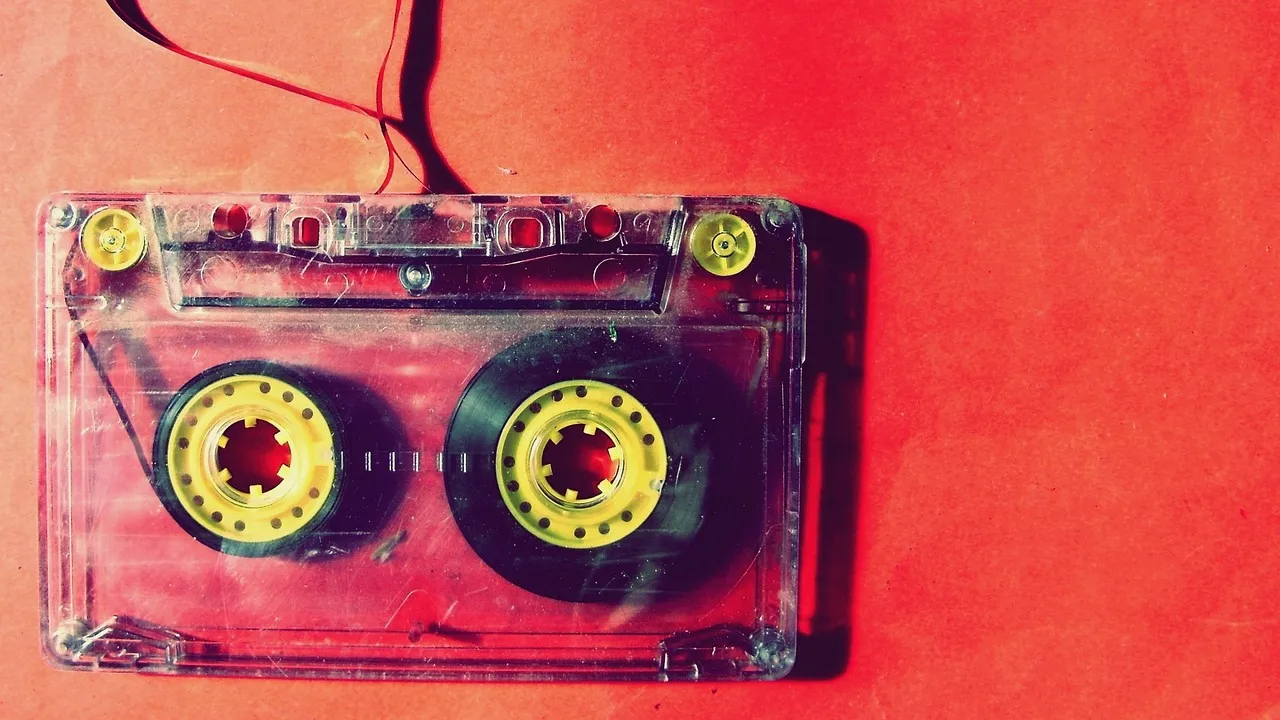
It’s fascinating to see how the nostalgia of cassette tapes is being embraced by a new generation of music fans who weren’t alive to experience them the first time around. Like vinyl records, cassettes offer an element of collectability and emotion that digital simply can’t match. The road trip mixtape tradition, then, isn’t truly gone. It’s dormant, waiting for someone to press record.
Tape trading, cassette swaps, and demo sharing also remain active in underground music scenes, especially among punk, metal, and experimental artists. Cassette Week also continues supporting that culture by bringing collectors, labels, and musicians together around tape releases. The infrastructure for the tradition survives. What’s returning now is the appetite for the ritual itself.
The Takeaway
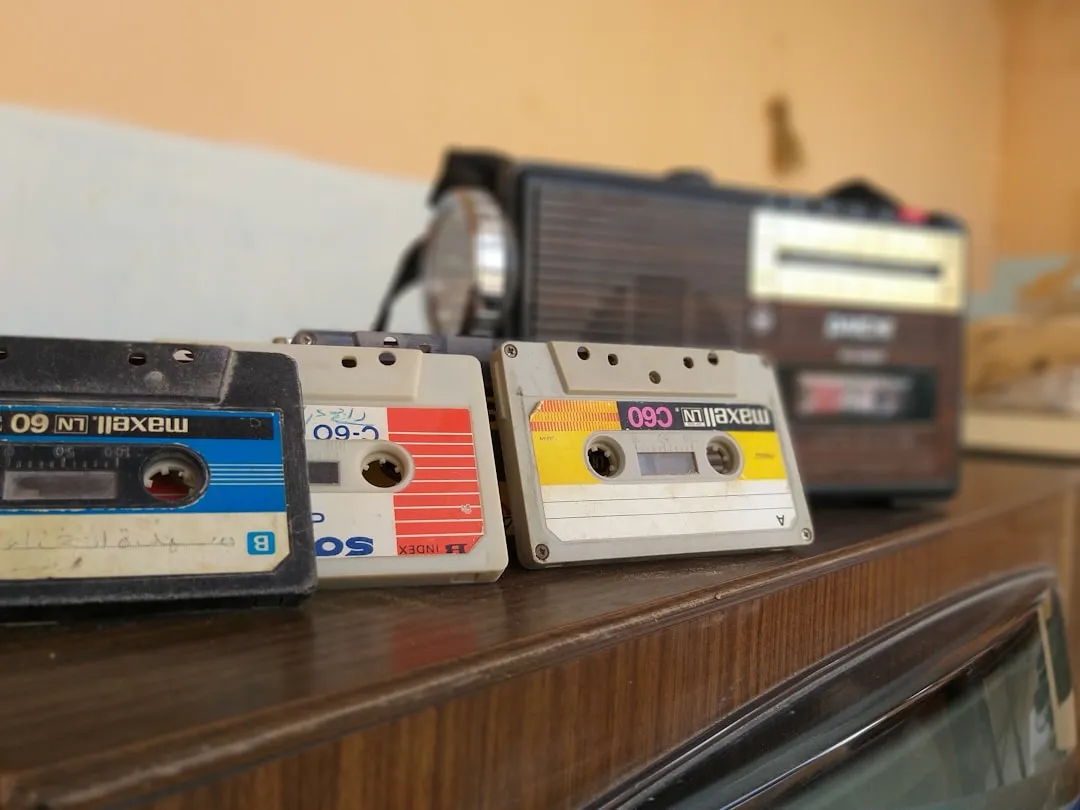
The road trip mixtape was never really about the tape. It was about the hours spent choosing what went on it, the deliberate ordering of songs that mapped out an emotional journey before the physical one even began. That kind of attention is rare now, and people feel its absence without always being able to name it.
What the numbers suggest, cassette sales climbing, Gen Z buying Walkmans, indie tapes selling out in under a week, is that the appetite for intentional listening never went anywhere. It was just waiting for someone to remind the world that a playlist a person made for you hits differently than one a machine calculated you might enjoy.
Road trips still happen. The question is whether the music riding along deserves the same thought and care the journey does. Based on what’s quietly happening in record stores, on Bandcamp, and on eBay listings around the world right now, more people are starting to think it does.
AI Disclaimer: This article was created with the assistance of AI tools and reviewed by a human editor.