

There’s something quietly satisfying about beating a stubborn garden problem with something already in your fridge. Powdery mildew is one of those frustrating fungal diseases that shows up reliably every season, spreading its pale, dusty coating across leaves and quietly sapping plants of their energy. Gardeners have reached for chemical fungicides for decades, but researchers have been building a case for something far simpler: diluted milk.
What started as a piece of fringe garden folklore has been backed up by legitimate scientific trials, with results that have surprised even professional plant pathologists. The story of milk as a fungicide is more interesting, and more credible, than it first appears.
The Scale of the Powdery Mildew Problem
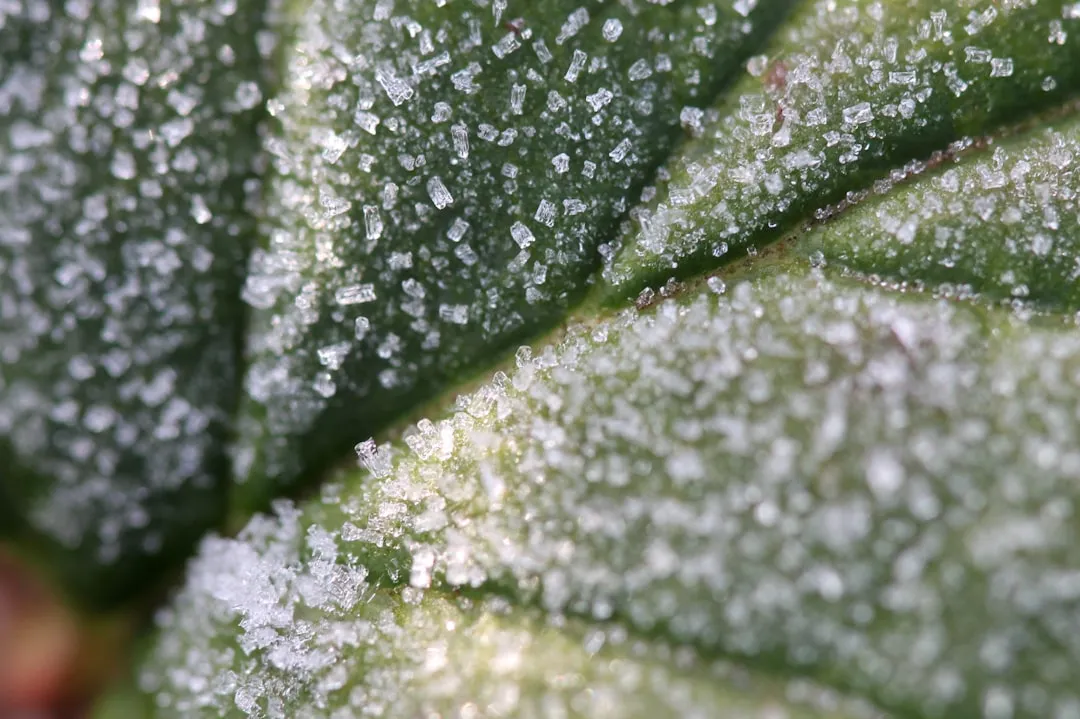
The worldwide agricultural sector is increasingly being challenged by the growing incidence of powdery mildew, estimated to impose economic losses worth 6.3 billion USD. That figure puts the disease well beyond a minor inconvenience for home gardeners.
It is estimated that farmers worldwide lose up to roughly one quarter of their crops to fungal diseases such as powdery mildew each year, with a further fifth then lost post-harvest. Those are losses that compound across entire supply chains.
Powdery mildew is a host-specific fungal disease of global occurrence, easily recognized by a powdery formation on plants, and it can affect virtually all kinds of plants, including grasses, fruits, vines, vegetables, and grain crops. The breadth of its reach is part of what makes it so difficult to manage with any single solution.
What Powdery Mildew Actually Does to a Plant

Powdery mildew disease manifests as whitish-to-gray powdery spots on various plant parts like leaves, stems, flowers, and fruits, and aside from these visible spots, the disease may bring about other signs, including curling or distortion of leaves, which hinders their proper growth and formation.
The powdery mildew also prevents the synthesis of chlorophyll, causing the yellowing or browning of leaves, and in advanced cases the disease causes early leaf drying and shedding, impairing photosynthesis and nutrient movement. In short, the plant slowly loses its ability to feed itself.
Powdery mildew might look harmless, but it weakens plants and can even attract pests. It shows up as a white powdered coating on leaves, buds, and stems, and it loves warm, dry weather, spreading faster even before you treat it.
The Brazilian Scientist Who Changed Everything

Wagner Bettiol, a scientist from Brazil, found that weekly sprays of milk controlled powdery mildew in zucchini just as effectively as synthetic fungicides such as fenarimol or benomyl. His 1999 study became the foundational reference that most subsequent research builds from.
Efficacy of fresh cow milk was tested in five greenhouse experiments against powdery mildew on zucchini squash. Plants were sprayed with milk at concentrations ranging from five to fifty percent, either once or twice a week, while additional treatments included fungicides applied once a week and water as a control treatment.
High concentrations of milk were more effective than the conventional fungicides tested, and this study demonstrated that milk is an effective alternative for the control of powdery mildew in organic agriculture. It was a result that few in the research community had expected.
What the Science Says About How It Works

Electron spin resonance experiments showed that various components of milk produced oxygen radicals in natural light, which may have contributed to the reduction of severity of powdery mildew on treated leaves, and milk and whey caused the hyphae of the powdery mildew fungus to collapse and damaged conidia within 24 hours of treatment.
When a diluted milk solution is sprayed on leaves and exposed to sunlight, certain proteins like lactoferrin act as catalysts, generating highly reactive oxygen compounds known as free radicals. Those free radicals are toxic to fungal structures on the leaf surface.
Some studies suggest that spraying milk on plants may stimulate the plant’s own defensive mechanisms, enhancing their ability to resist infections naturally. This induced resistance is similar to a vaccine effect, where the plant’s exposure to a mild agent like milk prepares it to better resist future attacks. That secondary benefit gives milk an edge that purely contact-based fungicides cannot match.
The Role of Lactoferrin
There are findings to suggest that it is the protein within milk that acts as the mildew-fighting component. Lactoferrin is believed to react with sunlight, forming antifungal compounds that limit mottled outbreaks before they take hold.
Lactoferrin has been demonstrated to have anti-inflammatory, anti-oxidant, and antimicrobial activity against a wide range of fungal, bacterial, viral, and parasitic pathogens. Its antifungal properties are therefore not unique to plants. They reflect a well-documented biological mechanism.
A study published in the journal Australasian Plant Pathology isolated different components of milk, such as lactoferrin, whey, and lactoperoxidase. The milk and whey were the fastest-acting and most wide-reaching, damaging both spores and hyphae within 24 hours, while other methods, including just hydrogen peroxide, took at least 48 hours to see any effect.
Field Trial Results Across Different Crops

A spray made of roughly forty percent milk and sixty percent water was as effective as chemical fungicides in managing powdery mildew of pumpkins and cucumbers grown in mildew-prone Connecticut. That was not a greenhouse result. It was measured across real growing seasons in the field.
In Australia, milk sprays have proven to be as effective as sulfur and synthetic chemicals in preventing powdery mildew on grapes. In New Zealand, milk did a top-rate job of suppressing powdery mildew in apples. The geographic range of positive results is notable.
Treatments based on milk were, on average, roughly fifty to seventy percent as effective in reducing foliar symptoms and post-harvest fruit rot compared to the chemical control. Skim milk was not as effective as whole milk, especially in rainy years. However, both milk treatments consistently outperformed baking soda, indicating that the mechanism of milk-based control of the fungus was not just based on its ability to buffer the pH of leaf surfaces.
The Right Dilution and Type of Milk to Use

There is no consensus on which dilution of milk to water is best, with the most concentrated recommended mixture being roughly forty percent milk and sixty percent water, and the most dilute being ten percent milk and ninety percent water. It does not matter if the milk you use is skim or whole, because it is the protein rather than the milkfat that is working on your behalf.
A milk fungicide solution can range from one part milk to nine parts water, to a strong, milk-only solution. A one-to-one dilution may work for a week, but a more dilute one-to-eight solution requires spraying every three or four days.
The antifungal and nutritional properties are in the milk’s proteins and calcium, not the fat. Lower fat content significantly reduces the risk of unpleasant sour odors as the spray breaks down. Any dairy milk, including whole, two percent, or even slightly soured milk, will work, and reconstituted powdered milk is also a practical choice.
When and How to Apply It

When milk is exposed to sunlight, it can produce free radicals and other reactive compounds that are toxic to the fungus. This is why it is often recommended to apply milk sprays in the morning, so the sunlight can activate these compounds during the day.
In general, it appears that milk applied before fungal inoculation is more effective than milk applied after infection is present. Timing is therefore one of the most important variables in whether this approach actually works for you.
Milk spray can be used as a preventative measure against powdery mildew. Spray plants at a frequency of every seven to fourteen days. Consistent application through the growing season matters far more than any single heavy dose.
Milk vs. Fungicides: The Honest Comparison

In most cases, milk performs as well as the leading nonorganic powdery-mildew fighters, sulfur and a synthetic chemical known as Topas. Similar success has also been achieved with diluted sprays of liquid whey, a waste byproduct of cheese production. Though more expensive than sulfur, milk and whey sprays cost less than synthetic fungicides.
Chemical fungicides usually control powdery mildew diseases, but this mode of control is continuously being challenged by the rapid development of resistance to the recommended fungicides. That resistance problem is one reason the milk approach deserves serious consideration, not just among organic gardeners.
Research has concluded that both greenhouse and field results indicate that milk provides control of powdery mildew similar to the control provided by a fungicide, and that organic and conventional growers could benefit from using milk in place of the fungicides typically sprayed to control powdery mildew. That is not the conclusion of a fringe study. It comes from peer-reviewed plant pathology research.
Where the Limitations Lie
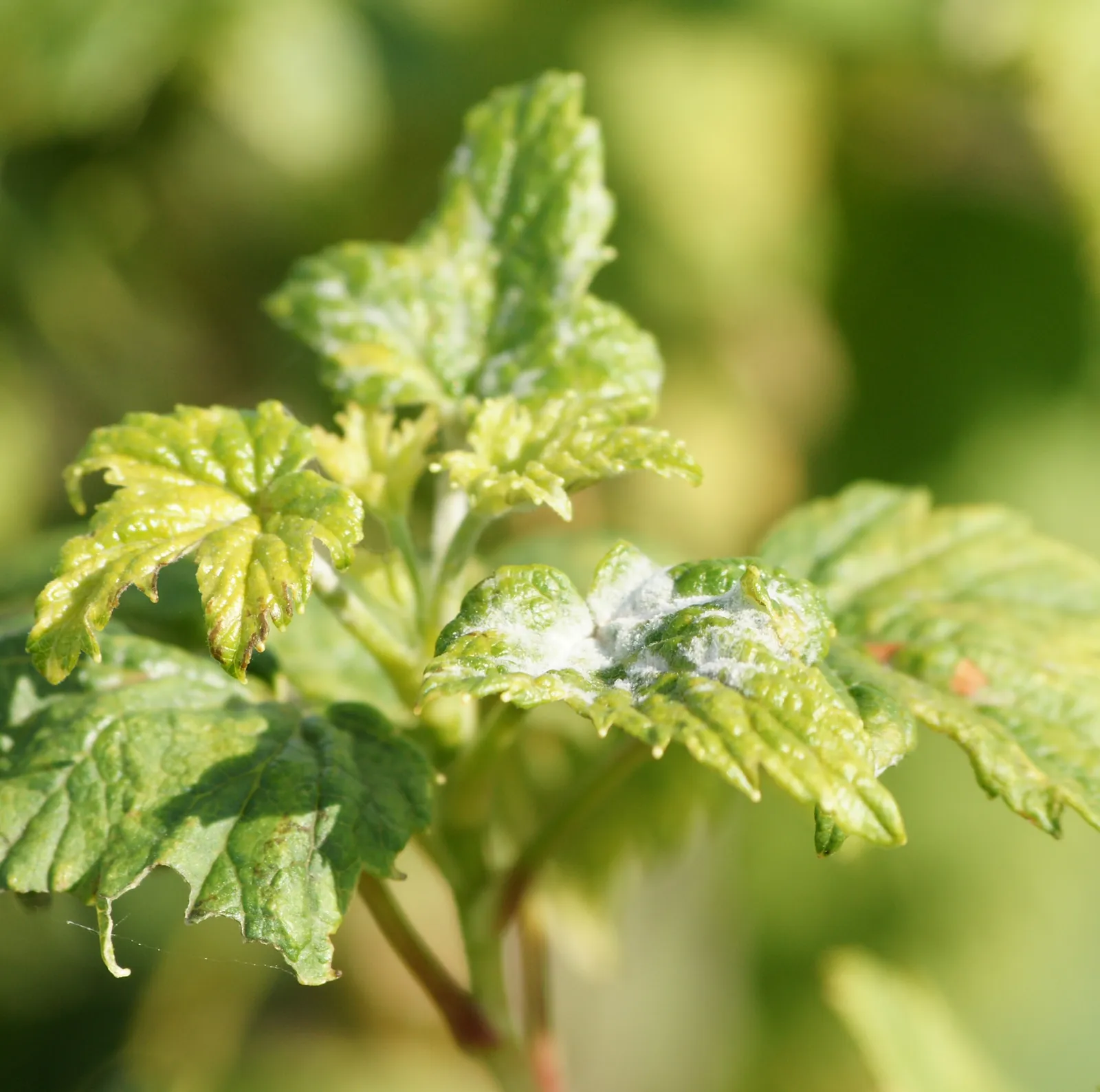
Several studies and decades of gardener experience indicate that diluted milk can suppress powdery mildew, sometimes comparably to certain conventional treatments in trials on crops like zucchini and grapes. The leading theory is that proteins and compounds in milk produce a reaction in sunlight that is hostile to the fungus, and that milk may also boost the plant’s natural defenses. That said, results vary with conditions, dilution, timing, and the plant involved.
It is possible that some biopesticides may be more effective in the controlled environment of a greenhouse than in the field. This is a fair caveat worth keeping in mind, particularly in cloudy or rainy climates where the sunlight-dependent mechanism cannot fully operate.
For severe outbreaks, you may need to combine milk spray with other measures or step up to a stronger horticultural fungicide. The most effective approach treats milk spray as one tool among several. It works best as part of a broader, thoughtful strategy rather than as a standalone cure.
A Low-Cost Option With Genuine Science Behind It
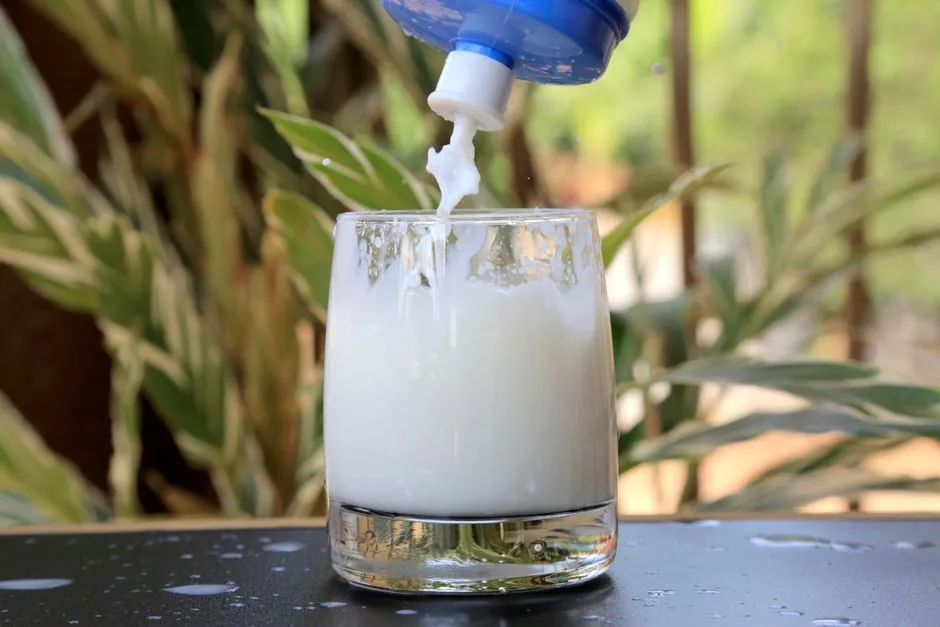
Most garden remedies that circulate online lack any peer-reviewed backing. Milk spray is a genuine exception. More than fifty years ago, researchers in Canada discovered that milk sprays could help prevent powdery mildew on tomato and barley. Then the age of fungicides began, with no further published research on the milk cure until 1999. Since then, numerous small studies from around the world have validated the use of milk sprays on powdery mildew on a wide range of plants.
Research has identified milk and whey as potential replacements for synthetic fungicides and sulfur in the control of powdery mildew. That’s a significant endorsement from the scientific literature, even if adoption at commercial scale has been slow.
Traditional methods of controlling powdery mildew often involve the use of chemical fungicides, but growing concerns about environmental impact and human health have led gardeners to seek out organic and sustainable alternatives. One such alternative, surprisingly effective and environmentally friendly, is the use of milk spray. This approach, which involves spraying a diluted milk solution on affected plants, has gained popularity among organic gardeners for its simplicity and low cost.
The evidence is not perfect, and no single remedy works in every situation. Still, for a solution that costs almost nothing and leaves no chemical residue, milk spray has earned its credibility. Sometimes the most useful tools are the ones that were sitting in the kitchen all along.
AI Disclaimer: This article was created with the assistance of AI tools and reviewed by a human editor.