
What Superheating Actually Means
Superheating takes place when a substance is heated above the temperature at which a change of state would ordinarily occur, without that change of state actually happening. In practical terms, that means liquid water heated past its boiling point, but still appearing as a calm, undisturbed liquid.
Unlike conventional stovetops, microwaves heat liquids using electromagnetic waves that excite water molecules, creating an uneven heating pattern where parts of the liquid can exceed 100°C without showing any visible signs of boiling. That invisibility is precisely what makes the situation so deceptive.
Without the normal cooling effect that bubbles provide, the temperature of the water rises far above 100°C. Scientists call this state superheated water. It is just waiting for some kind of trigger which will allow bubbles to form and boiling to commence.
Why Microwaves Create This Problem in the First Place
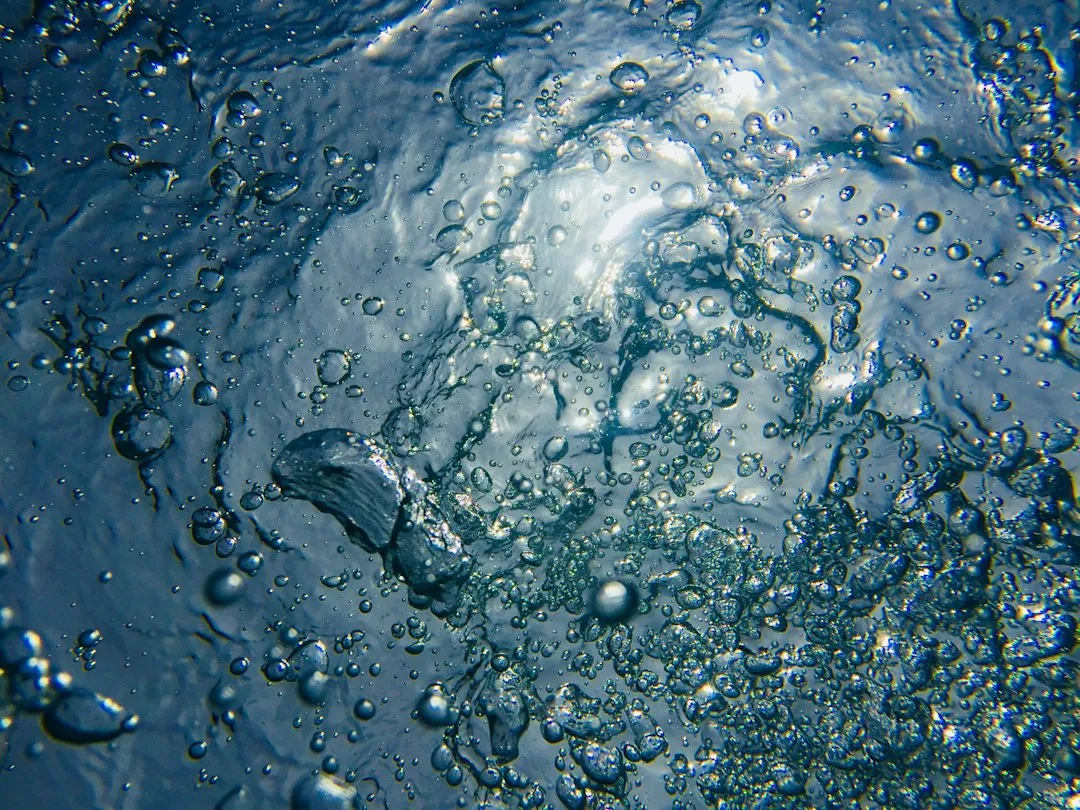
With no bubbles forming and rising to the top to break the surface and allow steam to escape, the water can continue heating past its boiling point into a superheated state. The surface of the water literally holds the heat in, like a lid.
What happens is that the water heats faster than vapor bubbles can form. If the cup is very new, it is unlikely to have small surface scratches that provide a place for the bubbles to form, which are called nucleation sites. Without bubbles, the water cannot release the heat that has built up, so it continues heating past its boiling point.
On a stove, the situation is completely different. The pot itself gets hot, the base of the liquid gets physically agitated by conduction, and bubbles form naturally from the bottom up. This dangerous phenomenon does not occur on a regular stove.
The Cup You Choose Matters More Than You Think
Glass containers are the most likely to superheat water because their surfaces are essentially perfect. Glass has the characteristics of a frozen liquid, and a glass surface is as smooth as its name implies. When you overheat water in a clean glass measuring cup, your chances of superheating it at least mildly are surprisingly high.
Superheating usually occurs when microwaving water in a very clean vessel, typically one just taken from a dishwasher, or when microwaving room temperature water. A squeaky clean mug, fresh from a dishwasher cycle, is actually one of the worst vessels to use for heating plain water.
Ceramic and glass containers are excellent insulators that maintain temperature differentials rather than distributing heat evenly. They also provide the smooth, imperfection-free surfaces that inhibit bubble formation – the perfect conditions for superheating to occur.
Scratched Mugs Are Secretly Safer
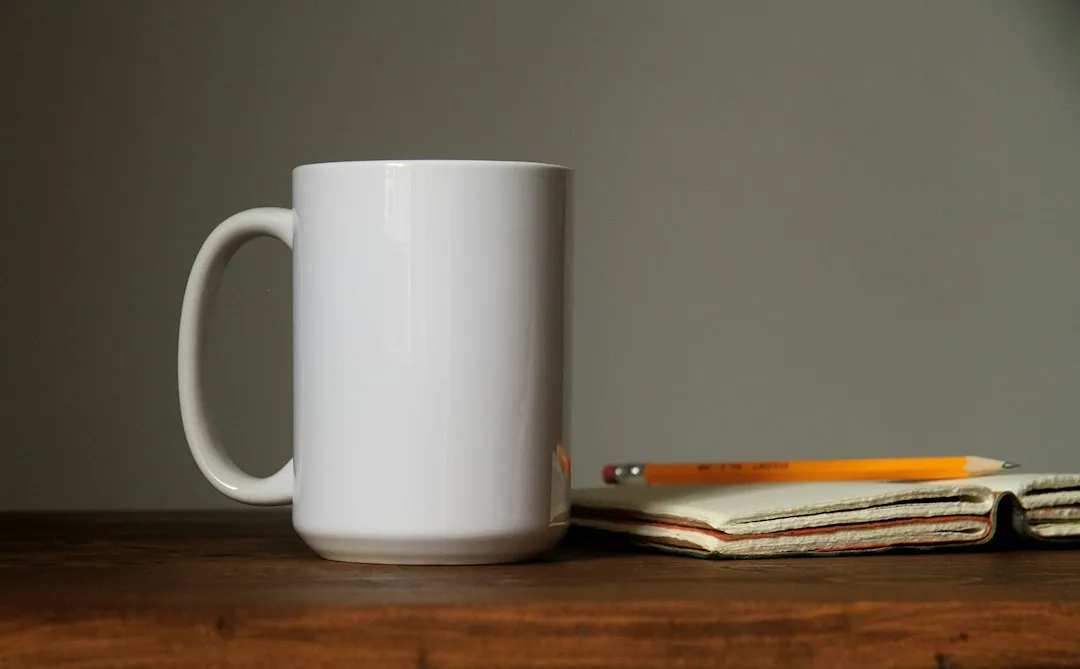
If you’ve always heated water in the microwave and never experienced an explosion, there may be a simple reason: mugs with scratches can help create tiny trapped air bubbles that break surface tension while the water heats. A scratched favorite mug is actually a benefit, since there’s a good chance you’ve never had to deal with superheated water.
If the cup is very new, it is unlikely to have the small surface scratches that provide a place for bubbles to form. Those microscopic imperfections are, in physical terms, doing you a real favor every time you heat something.
The irony is worth sitting with for a moment. The shiny new mug from a gift set is riskier than the worn, well-used one you’ve had for years. Imperfection, in this case, is a form of protection.
What Triggers the Explosion
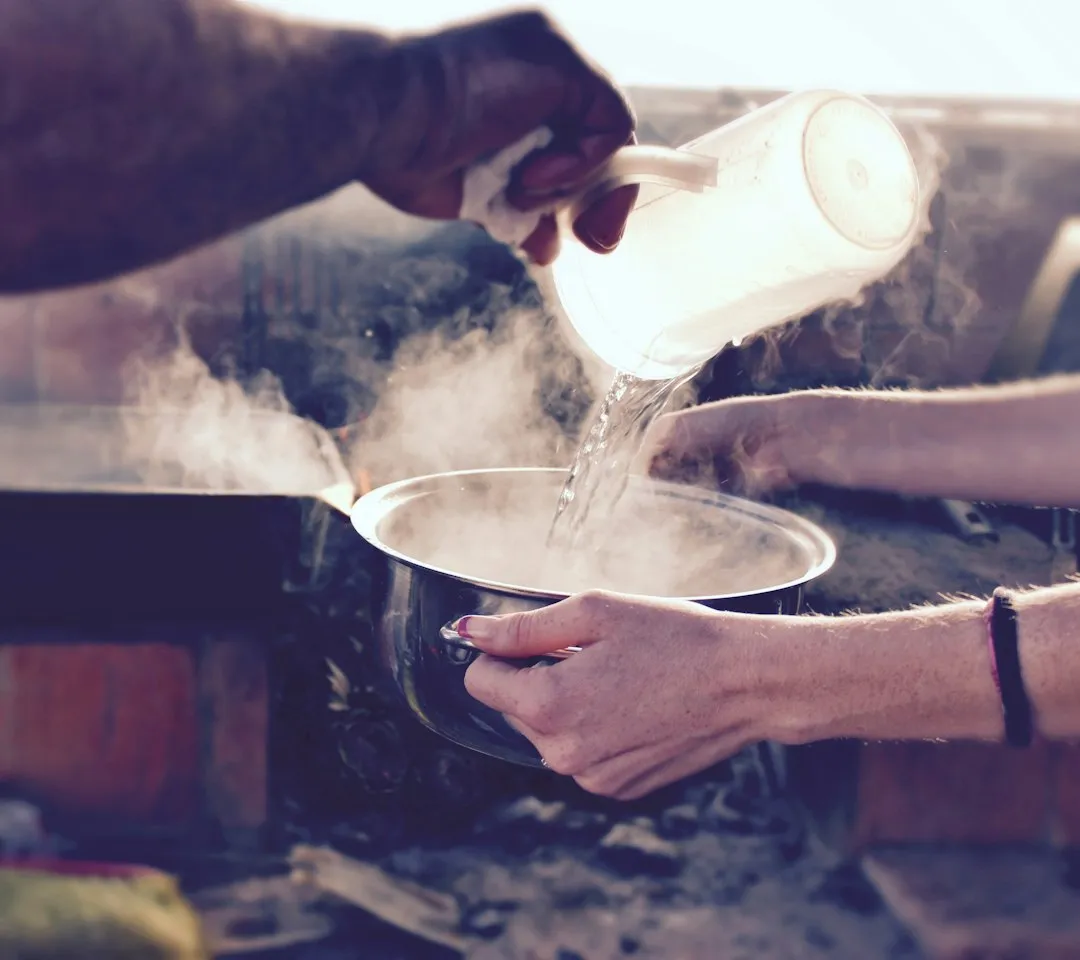
Superheated water is extremely dangerous – all it takes is some trigger to provide a nucleation site to create the first bubble. That trigger could be a spoon inserted into the water, a granule of coffee powder, a teabag, or even simply jarring the vessel. The instant the superheated water receives that nucleation trigger, an explosive eruption of the liquid can occur as the excess energy is rapidly converted to vapor.
When the water’s surface is finally disturbed by moving the cup or putting a tea bag in, the superheated water instantly and explosively comes to a boil, throwing steam and very hot water. This reaction is extremely fast and gives no warning.
When this superheated state is disturbed, a large amount of water can vaporize at once, causing the liquid to “explode” into the face of the person taking the cup or bowl out of the microwave, resulting in first and second degree burns.
The FDA Has Officially Documented the Danger
The Food and Drug Administration of the United States has received reports of serious burns or scalding injuries around people’s hands and faces as a result of extremely hot water erupting out of a cup after it has been superheated in a microwave.
The FDA has advised consumers that this type of phenomenon occurs if water is heated in a clean cup. If foreign materials such as instant coffee or sugar are added before heating, the risk is greatly reduced. If superheating has occurred, a slight disturbance such as picking up the cup or pouring in a spoonful of instant coffee may result in a violent eruption with boiling water exploding out of the cup.
Microwaves have no apparent indicators to warn a person that a liquid is in a superheated condition. While precautions exist, these precautions and the condition itself are not well known by the general public. That gap in awareness is what makes it a persistent hazard.
Reheating Old Water Raises the Risk Even Further
The act of heating water to boiling and then allowing it to cool makes superheating more likely upon reheating. This is because the initial boiling may remove some of the particles of lint, dust, or other catalysts that create seed bubbles for boiling to occur.
It is common for microwave users to begin heating a vessel of water only to forget they are doing so. Upon remembering, the user reheats the water, thereby increasing the relative likelihood of superheating that container of water. A small lapse in attention, in other words, compounds the physical risk.
Heating cycles releasing dissolved gases such as oxygen and nitrogen from the water also reduce the natural impurities that would otherwise help bubbles form safely. Each reheating cycle quietly strips away some of that natural protection.
Adding Something to the Water Before Heating Helps
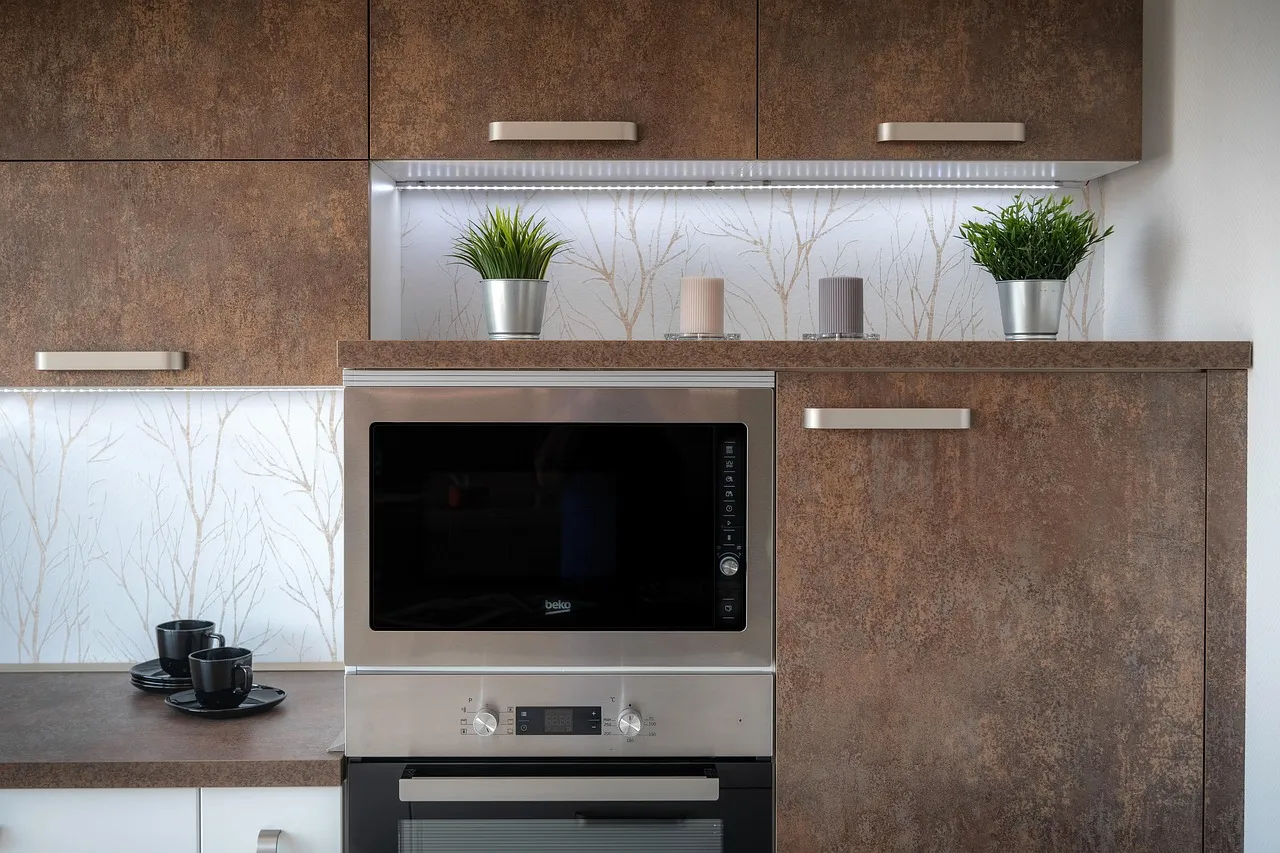
The FDA has received reports about injuries from superheated water that has been heated past the boiling point in a microwave and which then erupts when jostled or stirred. The risk of superheating is greatest with plain water in a clean cup; a teabag, instant coffee, or other materials added to the water before heating greatly reduce the risk.
The spontaneous bubbling that occurs when you add sugar, coffee powder, or a teabag to microwave-heated water is the result of such mild superheating. When you see that vigorous fizzing after adding something, that’s the water rapidly releasing energy it had built up silently.
The risk of burn injuries is greatly reduced if other items are added to the water before heating. Adding instant coffee, cocoa, sugar, and other items into the water greatly reduces the risk. It’s a simple habit shift with a real safety payoff.
Practical Steps to Prevent It
One solution is to place a wooden stir stick or something non-metallic in the water to help diffuse the energy as it is heating in the microwave. The wood provides enough surface texture for bubbles to form during heating, which prevents the dangerous energy buildup.
Superheating will only happen if the water is microwaved for an excessively long time, far longer than is actually needed. To protect yourself, you can put a wooden skewer or other non-metal utensil in the cup of water to help diffuse the heat and act as a surface for bubbles to form. You can also let the water cool down for a minute in the microwave before moving the cup or adding anything into it.
Be mindful of the time you microwave water. Heating it for too long increases the chances of superheating. Heat water in short intervals, checking it regularly. Short bursts are genuinely safer than one long, unattended cycle.
Why This Doesn’t Happen Every Time (and Why That’s Part of the Problem)
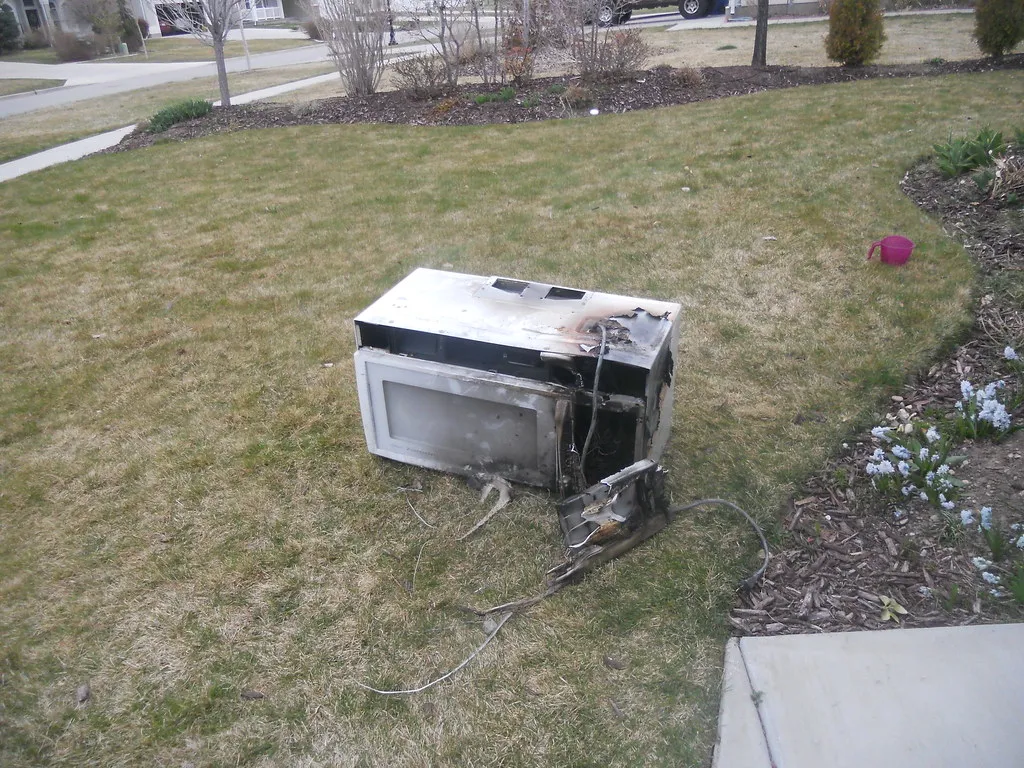
Severe superheating is much less common because defects, dirt, or other impurities usually help the water boil before it becomes truly dangerous. In most everyday conditions, some natural impurity or surface texture does the job of keeping things safe without anyone noticing.
Most of the injuries linked to microwave ovens are from heat-related burns. The rarity of severe superheating events is real, but it also means most people have no personal experience with the risk, which makes them less cautious when the conditions that enable it happen to align.
Most microwave manufacturers include warnings about this phenomenon in their user manuals, but these cautions are frequently overlooked or forgotten. The absence of public awareness campaigns means many users remain unaware until they experience the frightening eruption firsthand.
The Takeaway
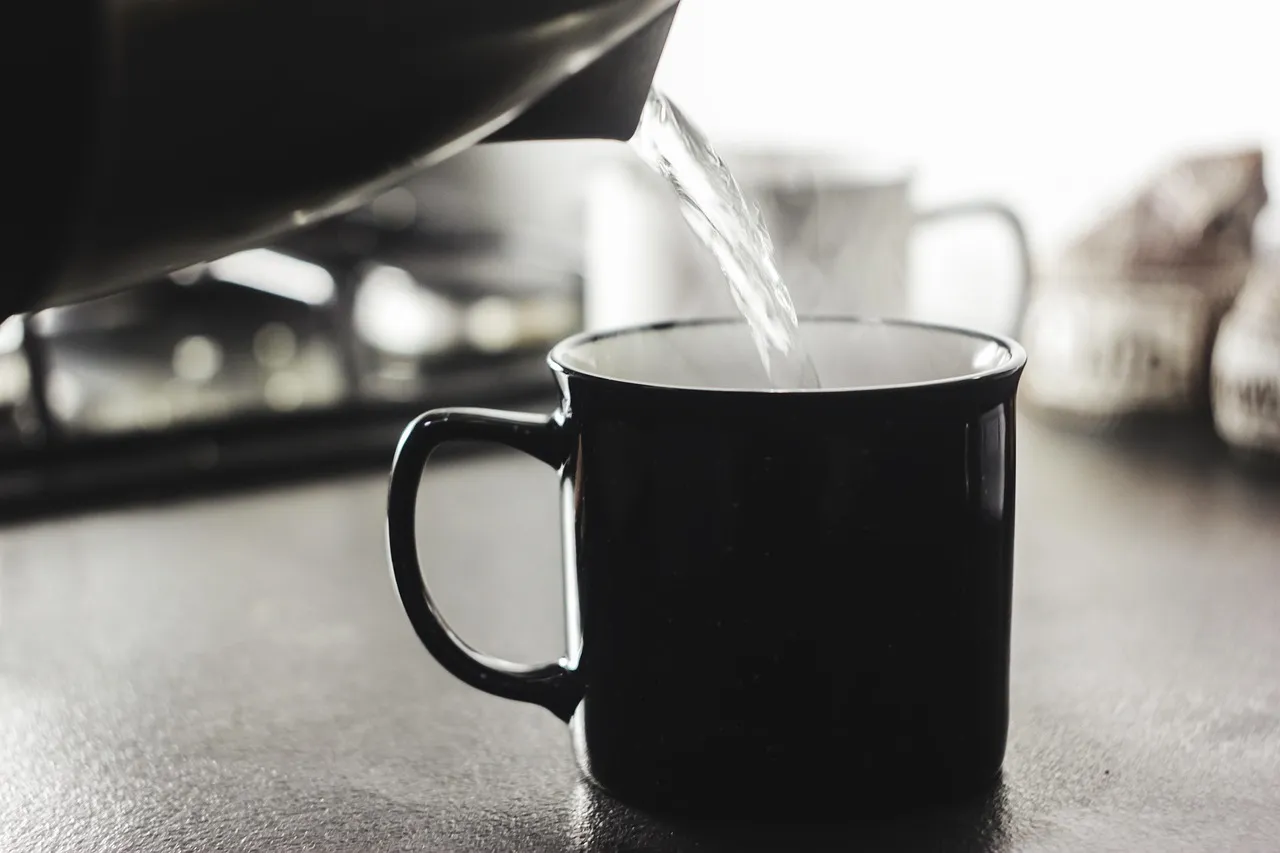
Superheated water is not a myth or an exaggeration. It’s a well-documented physical phenomenon backed by FDA reports, university warnings, and basic chemistry. The conditions that produce it – a clean cup, plain water, and a little too much time in the microwave – are easy to stumble into without knowing it.
The fixes are genuinely simple: add a wooden stick, drop in a teabag before heating, use shorter heating intervals, and let the cup sit for a moment before reaching in. None of these steps take real effort. They just require knowing the risk exists.
The water in your cup can look perfectly calm while holding enough pent-up energy to scald your face. That’s a strange and slightly unsettling fact about a machine sitting in nearly every kitchen. Knowing it, though, is more than enough to protect yourself.
AI Disclaimer: This article was created with the assistance of AI tools and reviewed by a human editor.