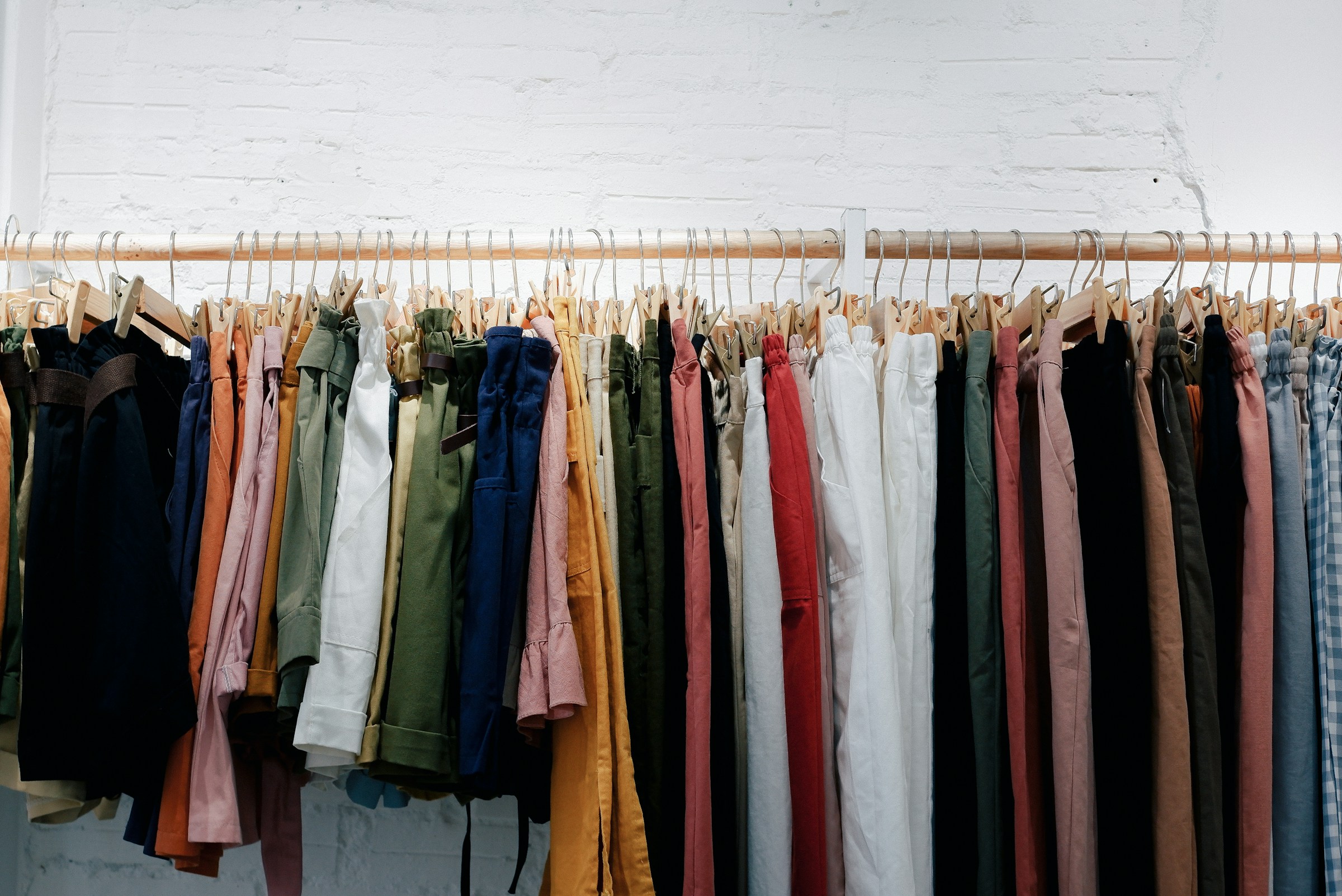

A World Drowning in Discarded Clothes
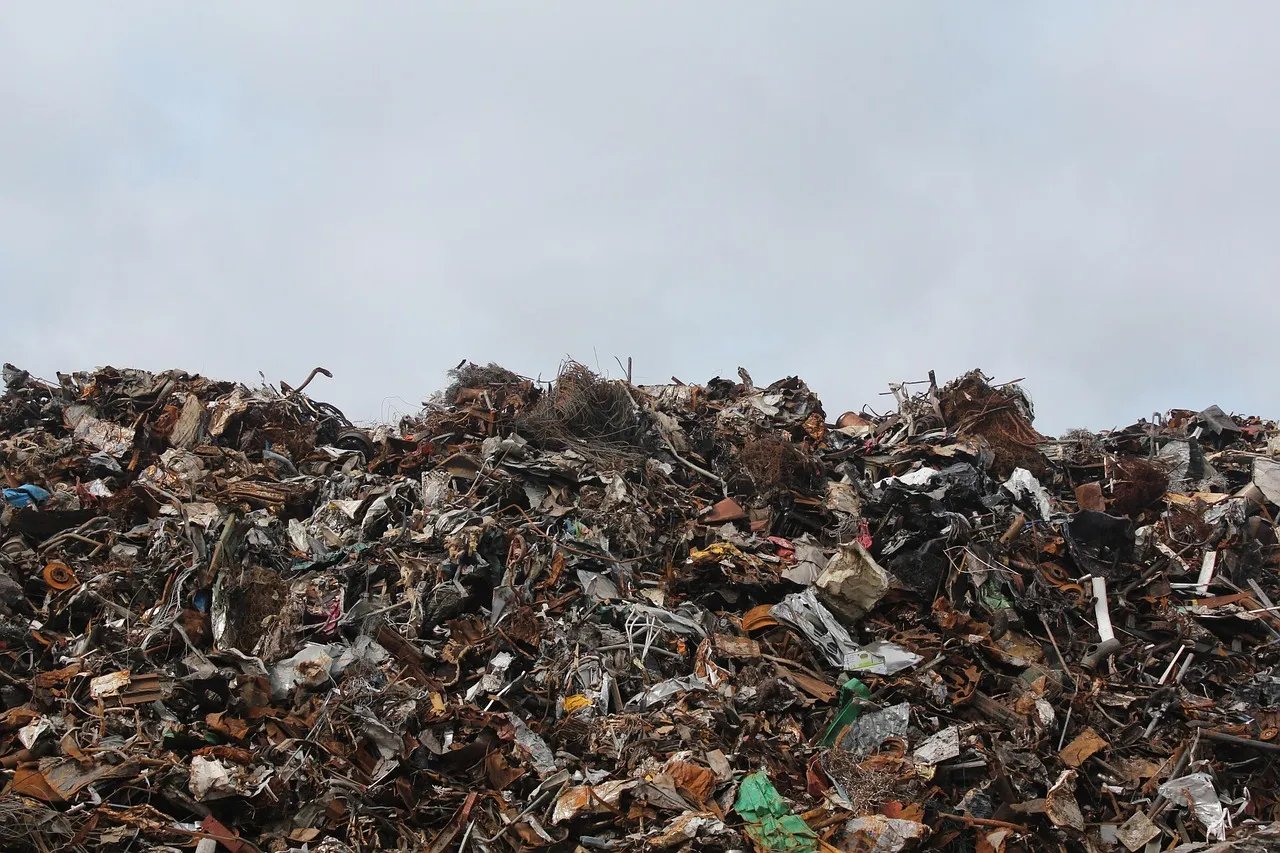
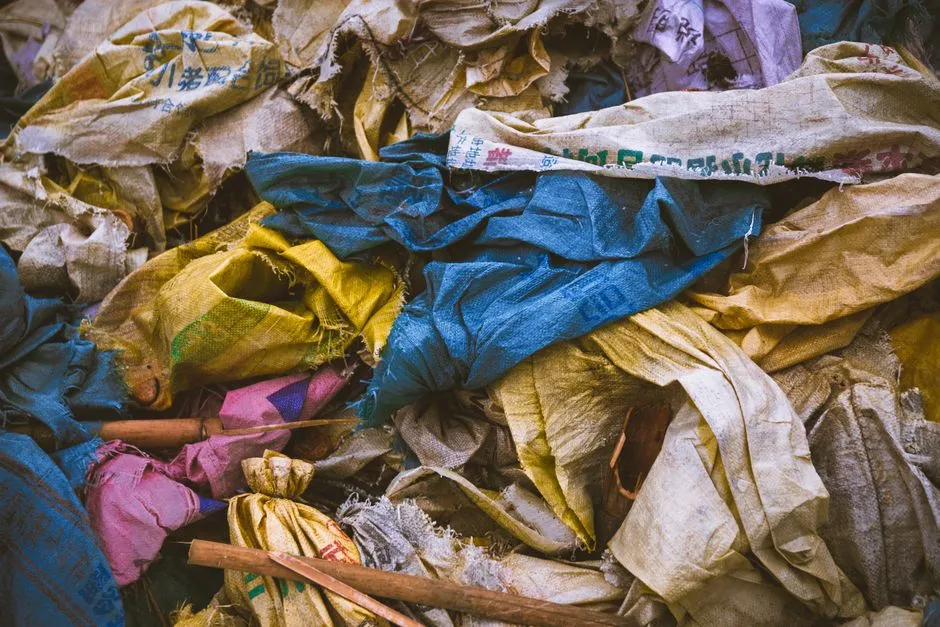
The scale of today’s textile waste problem is difficult to fully absorb. In 2024, global textile waste reached 120 million metric tons, with roughly four fifths ending up in landfills or incinerated. That figure is expected to keep climbing.
Global textile waste could exceed 150 million tons annually by 2030, up sharply from estimates made just a few years ago. Meanwhile, the fashion industry is responsible for roughly ten percent of the total annual global carbon footprint, surpassing the emissions from all international flights and maritime shipping combined.
Consumers are buying sixty percent more clothing yet holding onto it for half as long as they did fifteen years ago. The contrast with how previous generations treated their wardrobes could not be starker.
What Grandmothers Actually Did
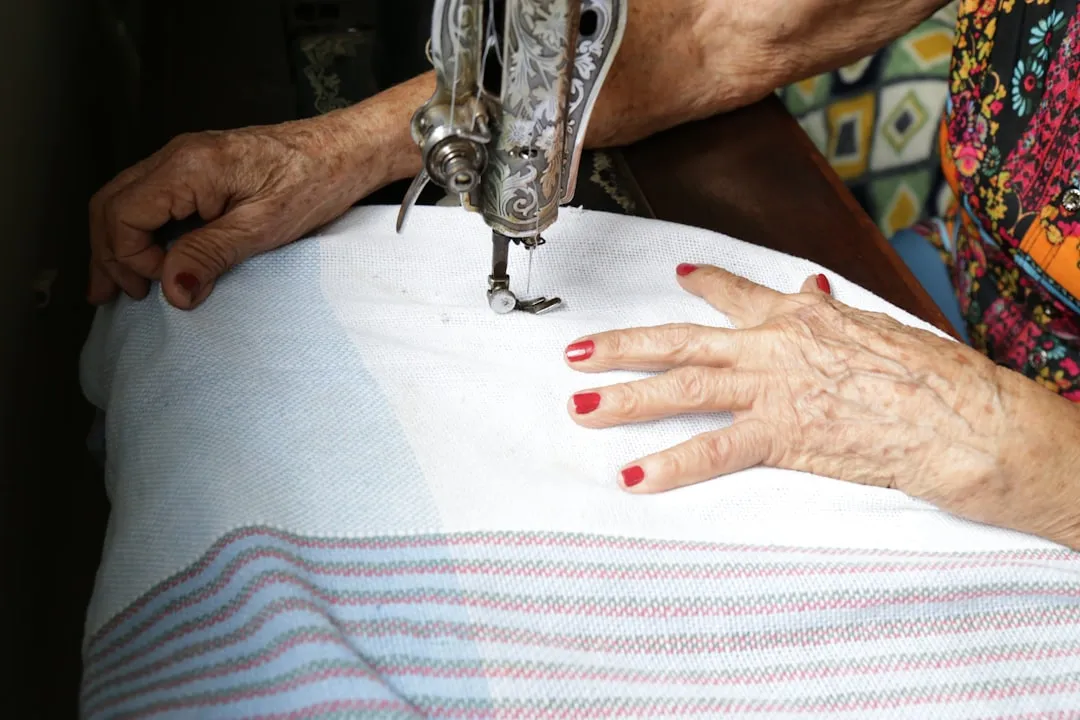
For most of the twentieth century and long before it, mending was not a hobby or a movement. It was simply maintenance. Women darned socks, reinforced elbows, re-stitched collars, and patched knees as a matter of course. Clothes were expensive relative to income, and throwing them away was not a realistic option.
In old Japan, fabric was expensive, and families repaired clothing repeatedly to extend its life. The same was true in Europe, the Americas, and across most of the world. Over time, those practical repairs became an art form.
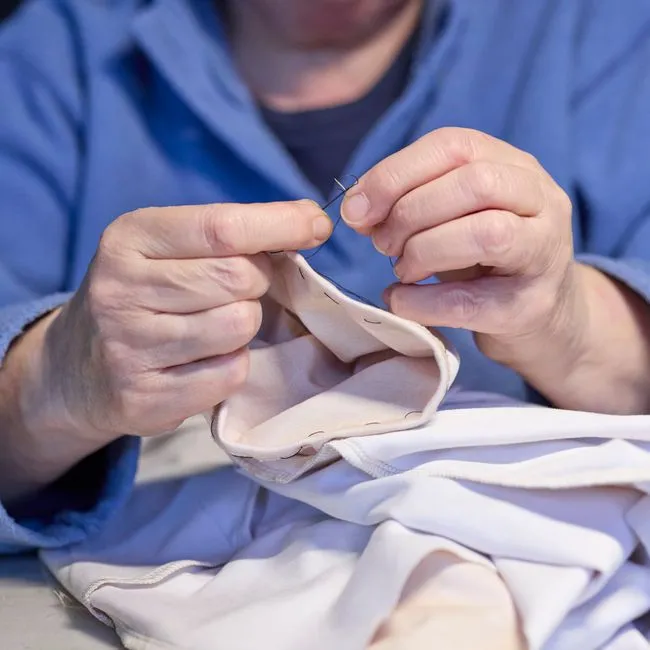
The habit was passed down quietly between generations. A grandmother at a table, pulling thread through worn denim, was not making a political statement. She was simply making something last.
The Rise and Fall of Mending in Modern Life

When clothes became so cheap, it became often easier to throw away rather than repair what you own. Fast fashion changed the calculus entirely. A new shirt could cost less than the thread to fix an old one, and that logic reshaped how entire generations thought about clothing.
Fast fashion drives the high turnover of clothing, leading to massive amounts of textile waste. This business model focuses on quick production cycles and low-cost items that are often worn only a few times before being discarded. The skill of mending, once universal, quietly disappeared from most households.
The average garment is worn thirty-six percent fewer times than it was fifteen years ago, and consumers in the EU discard roughly eleven kilograms of textiles per person each year. That gap between what previous generations expected from clothing and what we expect now is significant.
Sashiko: The Ancient Stitch That Sustainability Circles Now Celebrate
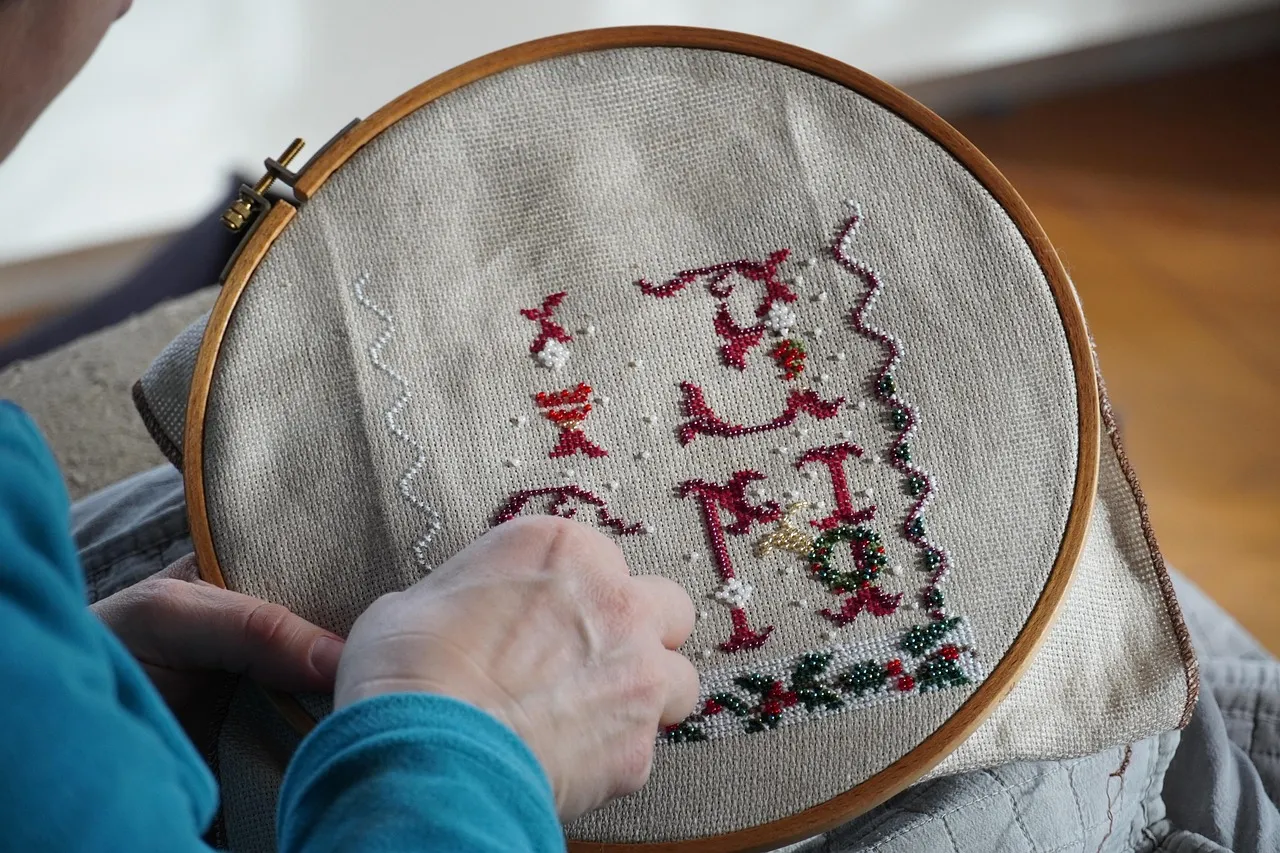
Hundreds of years ago, in Edo period Japan, sashiko developed from necessity. With cloth in short supply and the working class needing to stretch it as far as they could, the women of this period began mending with a simple running stitch. Over time, this evolved into the beautiful, more complex-looking patterns we recognize as sashiko today.
Visible mending has also been inspired by sashiko, a four-hundred-year-old Japanese folk embroidery. Its repeated running stitches were traditionally used to strengthen work clothing but are now used to add decorative geometric patterns to clothing and home textiles repairs. This adds beauty to something damaged.
The visible mending movement is a slow-fashion practice where clothing repairs are made intentionally visible using decorative stitches. By using Japanese techniques like sashiko and boro, sewists turn damaged garments into design features, signaling a commitment to sustainability, craftsmanship, and the “buy once, repair forever” philosophy.
Kintsugi and the Philosophy of Honoring Imperfection
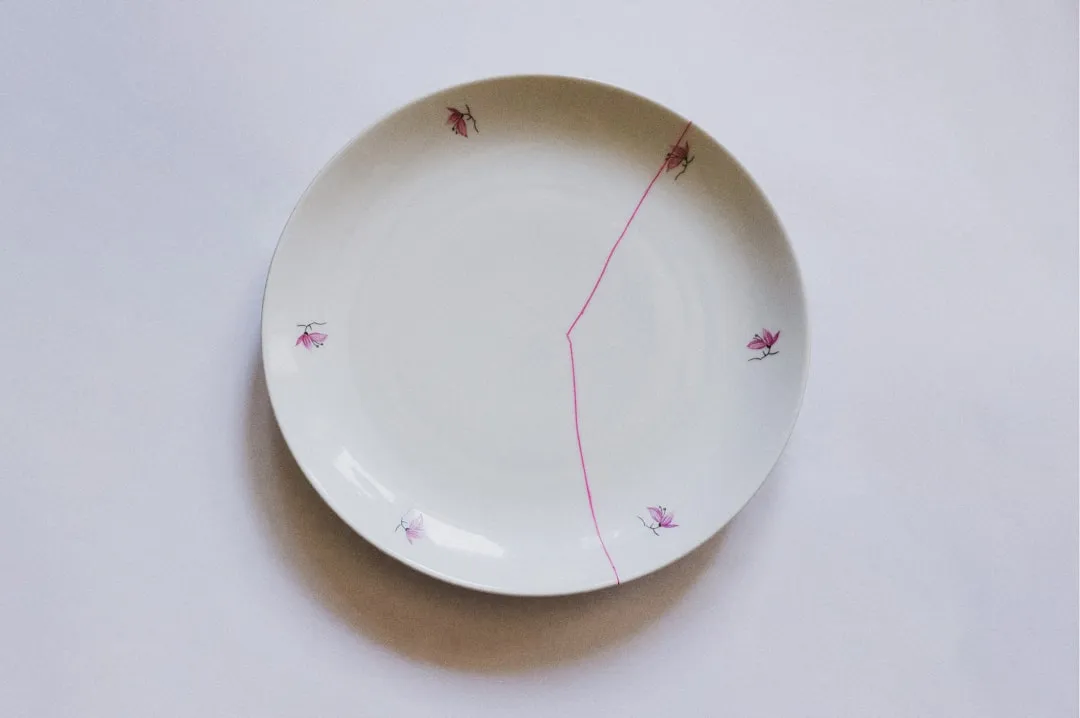
Visible repair has been linked to the centuries-old Japanese repair technique kintsugi, where broken pottery is fixed using a lacquered resin and decorated with gold. This emphasizes damage as an important part of an object’s history. The philosophy translates naturally to clothing.
Wabi-sabi, a Japanese worldview, treats imperfection as part of beauty. A mended sleeve is not a flawed garment. It is a garment with a record. That reframing is quietly radical in a culture built on novelty and newness.
Sashiko, a traditional Japanese textile repair method, turns mending into an art form. Visible repairs on clothing and fabrics become a statement of individuality and sustainability. It is a principle that grandmothers understood intuitively, long before anyone wrote it down.
The Social Media Moment Mending Didn’t Expect
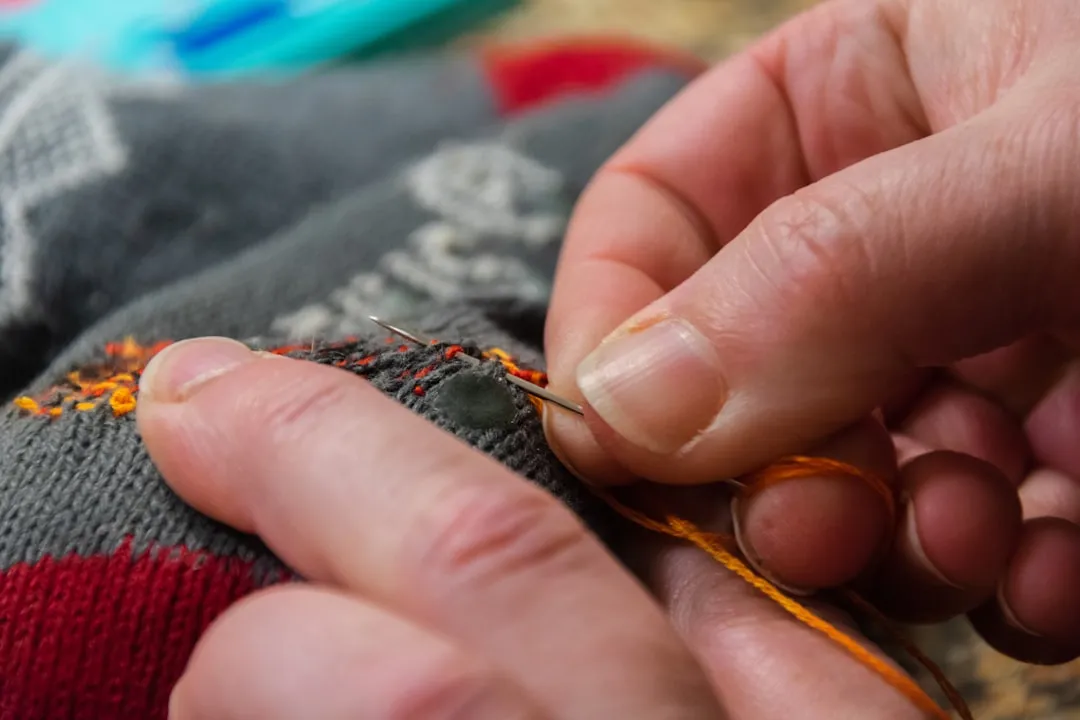
What happened next surprised many people. Mending went viral. The hashtag #visiblemending has crossed fifty-six million views on TikTok. Pinterest, Instagram, and Etsy all show similar patterns of growth.
Across TikTok, Instagram, and slow-fashion blogs, sewists are pulling out worn garments and stitching the damage into a design feature instead of hiding it. The audience skews younger than you might expect, which says something meaningful about generational attitudes toward consumption.
The interest is not just aesthetic. Sewists are sharing mends as a way of broadcasting how they think about their wardrobes, their values, and their time. There is a community forming around needles and thread, of all things.
The Market Responding to the Mending Revival
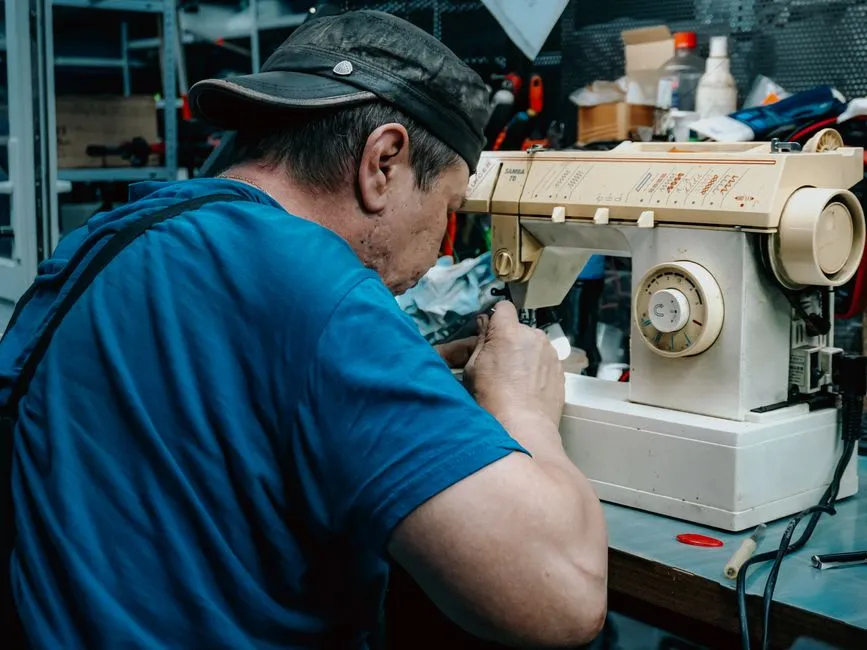
When culture shifts, commerce follows. The global sashiko repair kits market was valued at roughly forty-nine million dollars in 2025 and is projected to grow from approximately fifty-three million dollars in 2026 to nearly one hundred and twenty-nine million dollars by 2034, at a compound annual growth rate of around eleven percent.
Normalizing mending, or garment repair, as a thrifty, creative, and even radical act in an era of cookie-cutter mass production has become a guiding principle for a growing number of businesses. Repair cafes, community mending circles, and small-batch repair services have multiplied across Europe and North America.
The broader sustainable clothing market reflects this momentum too. The sustainable clothing market was estimated at over eight and a half billion dollars in 2025 and is expected to grow at roughly sixteen percent annually between 2026 and 2035, driven by rising consumer awareness and ethical consumption.
What Happens When You Simply Wear Clothes Longer
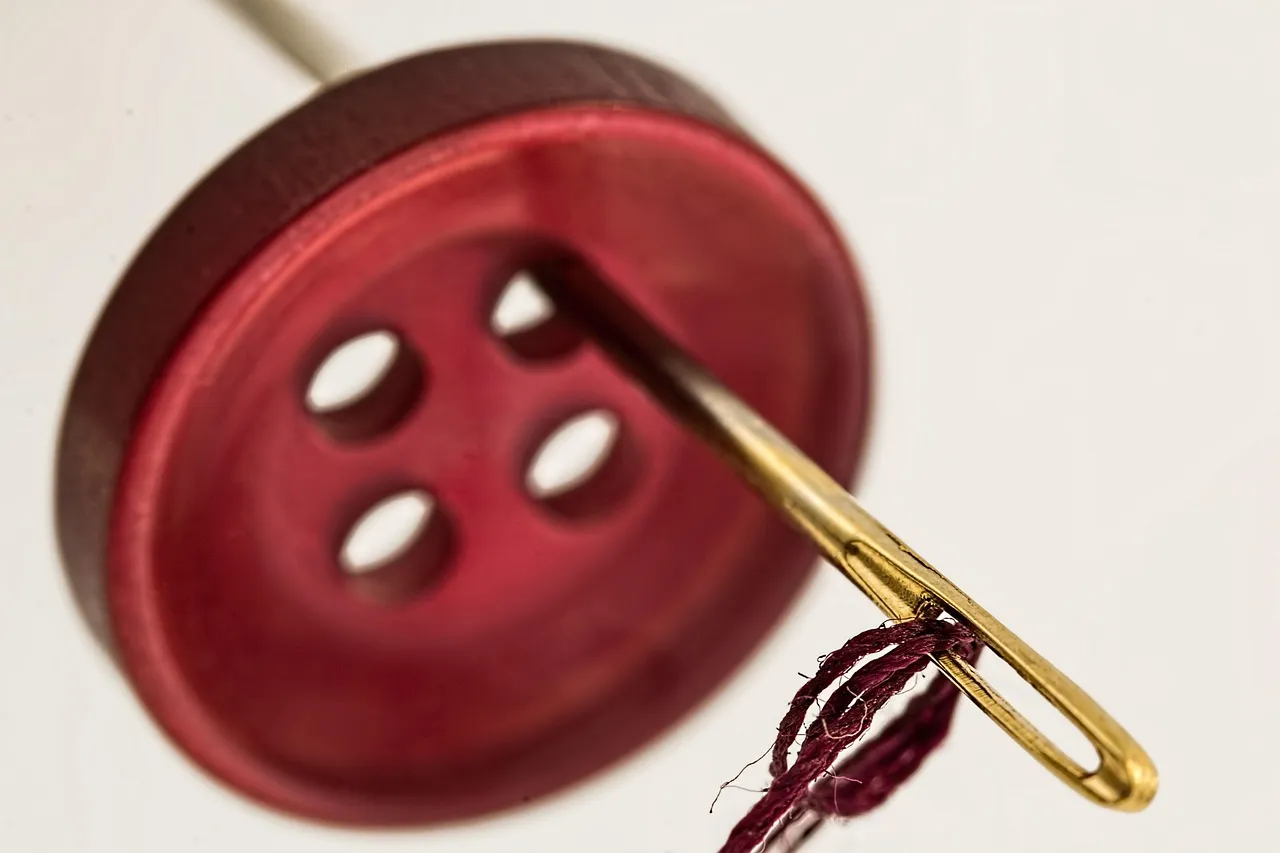
The environmental math behind mending is straightforward. Producing just one cotton t-shirt requires some two thousand seven hundred liters of fresh water by some low-end estimates. Every garment kept alive through repair avoids triggering that production chain.
Less than one percent of old clothes are turned into new ones, and the amount of recycled polyester used in clothing is shrinking. Recycling, despite the optimism around it, has its own serious limitations. Extending a garment’s life through repair sidesteps the recycling problem entirely.
A transition to a sustainable textiles industry could create eighteen million additional jobs globally by 2030. Solving the issues associated with fast fashion could provide a nearly two-hundred-billion-dollar boost to the global economy by 2030. Mending is only one piece of that transition, but it is an accessible one that anyone can start today.
Policy Starting to Catch Up
Governments are now taking the waste problem seriously in ways they weren’t even a few years ago. In September 2025, the European Parliament adopted amendments to the EU Waste Framework Directive, finalizing mandatory Extended Producer Responsibility for textiles. All producers placing textiles on the EU market must now cover the costs of collection, sorting, and recycling.
A 2024 report from the U.S. Government Accountability Office recommended that Congress step in to help agencies like the EPA coordinate and take action to reduce textile waste and advance textile recycling. Institutional momentum is building, even if slowly.
Still, regulation alone won’t fix a culture of disposability. The individual habit of holding on to a garment, of learning to repair a seam or reinforce a patch, remains one of the most direct acts a person can take. It requires no policy, no technology, and no new product.
The Skill Is Worth Relearning
Around two thirds of consumers now say they consider sustainability to be important when choosing which brands they want to buy from. The values are there. The gap is often in practical knowledge, specifically the basic skills that were once passed down through households without a second thought.
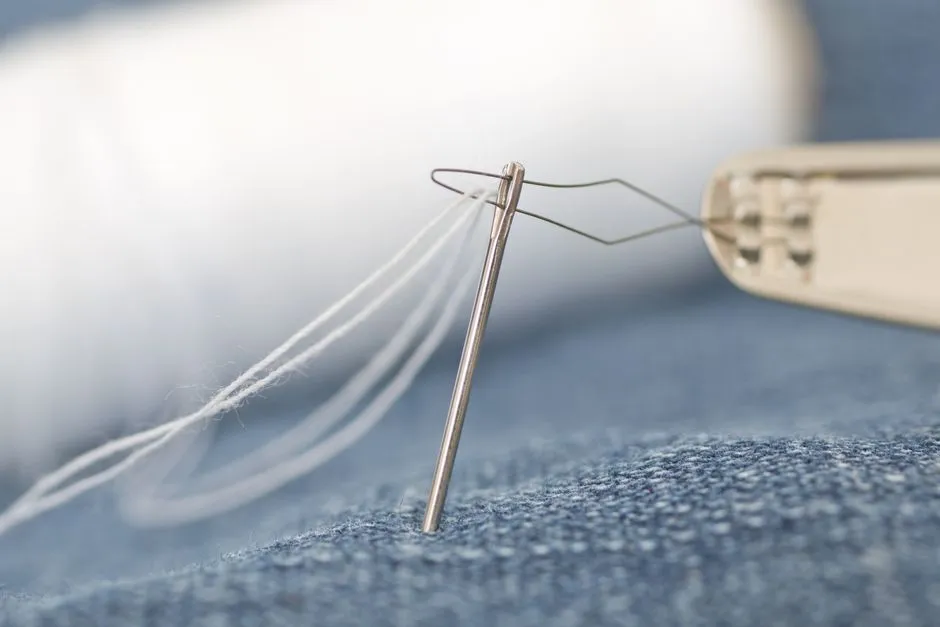
If you can already hand-stitch a button or a running stitch, you have the skills to start. Visible mending communities, online tutorials, and local repair cafes have made re-entry remarkably easy for beginners. The barrier is lower than most people assume.
Visible mending is growing because people want sustainable alternatives to fast fashion. Instead of throwing away torn jeans, ripped jackets, or worn shirts, people repair them beautifully. What was once a quiet domestic skill is becoming, with some irony, something worth showing off.
The Takeaway
There is something quietly reassuring about the fact that one of the most effective responses to a modern environmental crisis turns out to be something our grandmothers already knew. No new technology required. No certification, no supply chain, no startup. Just a needle, some thread, and the willingness to slow down.
Japanese visible mending supports the slow fashion movement by extending garment life. It’s a principle that crosses cultures and centuries, from the boro-patched jackets of Edo-era Japan to the darned woolen socks of mid-century kitchens everywhere.
The habit never disappeared entirely. It just waited. And as the numbers make plain, the world has good reason to pick it back up again.
AI Disclaimer: This article was created with the assistance of AI tools and reviewed by a human editor.