

Antidepressants
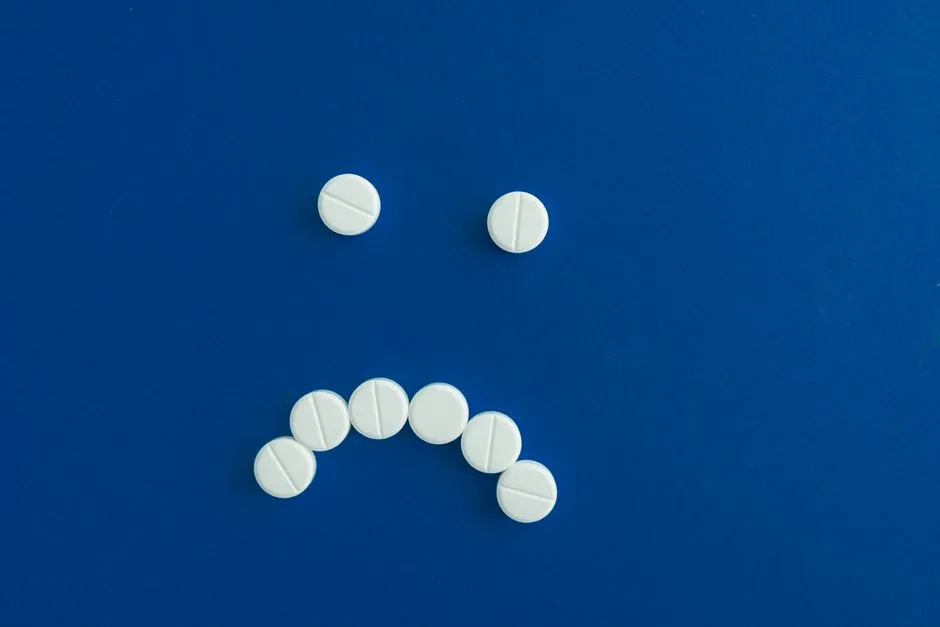
Antidepressants are used to treat mental health conditions such as depression and anxiety, and they work by increasing certain chemicals in the brain called neurotransmitters to help regulate mood. Antidepressant discontinuation syndrome is reported to occur in almost 30 to 50 percent of patients who take antidepressants for a duration of at least four to six weeks and then suddenly discontinue the drug.
Abruptly stopping SSRIs like Paxil or Zoloft can lead to disturbing side effects such as anxiety, dizziness, upset stomach, or fatigue – a condition known as antidepressant discontinuation syndrome. Research published in The Lancet Psychiatry found that roughly one in three patients discontinuing antidepressants will experience discontinuation symptoms of some kind.
A key research finding was that abrupt or rapid discontinuation of clinically effective antidepressant treatment was associated with a significantly shorter time to a first new episode of major depression or panic. Studies show that between 30 and 68 percent of patients prematurely discontinue their antidepressant treatment, posing significant risks to patient safety and healthcare outcomes.
Benzodiazepines

When benzodiazepines are used regularly, abrupt discontinuation or precipitous dose decreases can lead to serious and potentially life-threatening withdrawal symptoms. Following the abrupt cessation of benzodiazepine therapy, patients can present with an acute withdrawal syndrome that may include anxiety, tremors, insomnia, agitation, hypertension, tachycardia, altered sensation, and seizures.
Benzodiazepine withdrawal mirrors alcohol withdrawal and is a serious syndrome that can include seizures and even death. Abrupt discontinuation in long-term users is strongly associated with higher risk of severe withdrawal, seizures, and treatment failure.
Clinical evidence shows that tapering provides a meaningful benefit over abrupt cessation in reducing withdrawal symptoms and in the incidence of delirium, with two out of seventy participants in one study experiencing delirium, both following abrupt cessation. The 2025 joint clinical practice guidelines from professional addiction medicine organizations specifically reinforce the need for gradual tapering rather than stopping cold turkey.
Beta Blockers

Beta blockers, used for high blood pressure, heart disease, or anxiety, can cause rebound hypertension, rapid heart rate, and even heart attacks if stopped suddenly. Stopping a beta blocker like metoprolol suddenly can spike your heart rate and blood pressure in a dangerous and unpredictable way.
Beta blockers stopped abruptly can trigger a rebound surge in heart rate and blood pressure. This rebound effect is particularly concerning for patients who have underlying coronary artery disease, as the sudden increase in cardiac demand can trigger angina or a heart attack. The body essentially overcorrects once the medication is removed without time to adjust.
Stopping a beta blocker suddenly may lead to withdrawal, causing several cardiovascular symptoms. Doctors typically recommend reducing the dose incrementally over one to two weeks, and sometimes longer, depending on how high the original dose was.
Corticosteroids

Corticosteroids are not just used in bodybuilding contexts. This type of medication is commonly used to treat a wide array of conditions, and abrupt discontinuation of corticosteroids like prednisone can lead to withdrawal symptoms. Corticosteroids stopped abruptly after extended use can cause adrenal insufficiency.
When you take corticosteroids for weeks or months, your adrenal glands essentially scale back their own production of cortisol. If the drug is removed suddenly, your body may not have enough cortisol to maintain normal function, causing fatigue, nausea, low blood pressure, and in serious cases, an adrenal crisis. This is a medical emergency.
The longer and higher the corticosteroid dose, the more carefully it needs to be tapered. Patients who have been on steroids for a matter of months often need a very gradual reduction plan, coordinated closely with their prescriber. Feeling well is not a signal that stopping is safe.
Opioid Pain Medications

When people use opioids for longer periods of time, such as weeks or months, they can go into withdrawal, making it dangerous to stop taking them suddenly. Abrupt discontinuation of opioids can rapidly cause withdrawal, and even after a year or more, patients cut off from a long-term prescription face an increased chance of death.
Stopping prescription opioids is associated with a nearly threefold risk of fatal overdose, largely because patients who go through withdrawal may seek opioids elsewhere, with no tolerance protection and no knowledge of street drug potency. This is one of the most sobering statistics in the field of medication safety.
Opioid withdrawal feels intensely uncomfortable, with symptoms like runny nose, vomiting, and diarrhea, and while it is rarely life-threatening on its own, it is associated with increased emergency department utilization. Safe discontinuation always requires a structured taper and ideally medical supervision.
Blood Pressure Medications
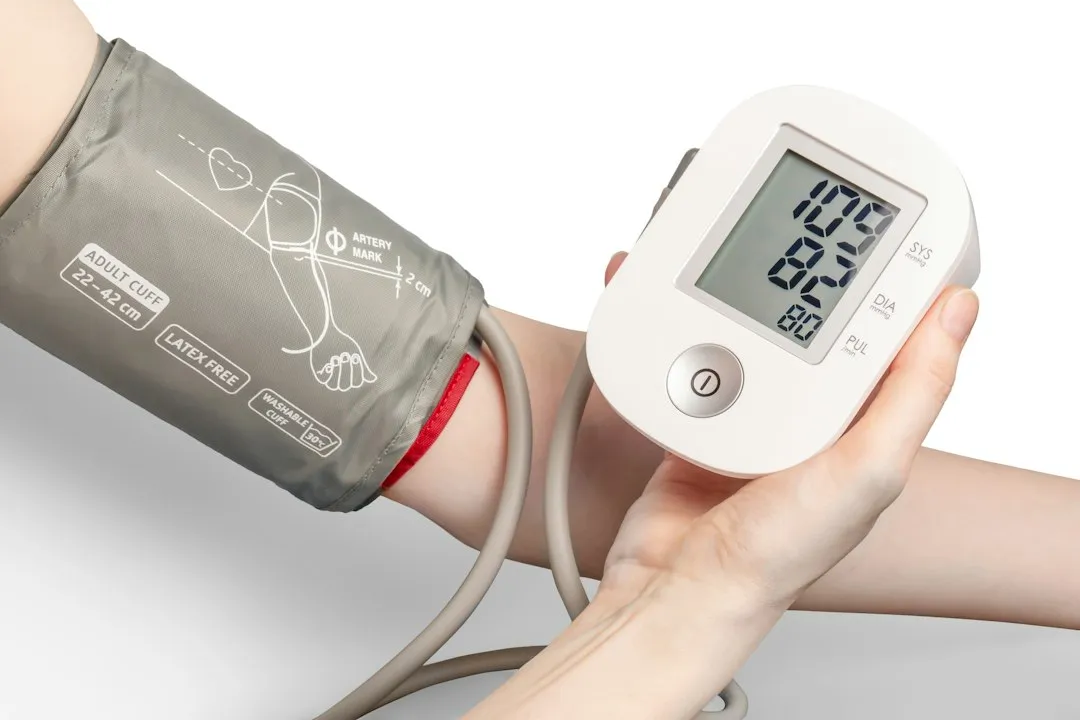
Stopping blood pressure medications suddenly can cause serious issues like a sudden increase in blood pressure which can lead to a heart attack or stroke. This is sometimes called “rebound hypertension,” where blood pressure suddenly increases to dangerous levels.
Clonidine in particular can cause a dangerous spike in blood pressure if stopped abruptly, sometimes climbing above 200/120. That level of blood pressure elevation constitutes a hypertensive emergency and requires urgent medical attention. It is a vivid example of how a drug taken for safety can become a risk the moment it is removed without care.
Even in situations such as a 2025 drug recall affecting valsartan and losartan products, patients were urged not to stop their medication abruptly, but to contact their pharmacist or healthcare provider to confirm whether their prescription was affected and discuss safe alternatives. The underlying principle is consistent: the disease risk of stopping is often greater than the short-term risk of continuing.
Anti-Seizure Medications

High-risk medications that should never be stopped abruptly include antidepressants, benzodiazepines, opioids, beta blockers, corticosteroids, and anti-seizure drugs. For people with epilepsy or other seizure disorders, the stakes of abrupt discontinuation are especially high. Stopping an anticonvulsant without a taper can provoke breakthrough seizures even in patients who have been seizure-free for years.
Stopping anti-seizure medications suddenly can trigger seizures. This applies to drugs like valproate, carbamazepine, and lamotrigine, all of which work by steadily modulating electrical activity in the brain. Remove that regulation abruptly, and the nervous system can swing into uncontrolled activity.
The risk is not theoretical. Status epilepticus, a prolonged seizure state, can be life-threatening and is a recognized complication of abrupt anticonvulsant withdrawal. Any adjustment to these medications should be done slowly, over weeks or months, under a neurologist’s guidance.
Proton Pump Inhibitors

Proton pump inhibitors are another example of medications that should be stopped gradually. Coming off them too quickly can cause rebound symptoms, including a sudden increase in stomach acid production, with effects similar to acid reflux such as nausea, burping, pain when swallowing, and a burning sensation in the throat or chest.
PPIs work best when taken as needed or for short-term use, but some people need them for longer periods of time, which can increase the risk of rebound symptoms upon stopping. This rebound effect can actually be more intense than the original symptoms that led to starting the medication, which sometimes traps patients in a cycle of continued use.
The practical advice from pharmacists is to step down gradually, ideally using a lower dose for several weeks before stopping entirely. Lifestyle changes, like dietary adjustments and avoiding late meals, can also ease the transition off long-term PPI use.
Lithium

Stopping lithium abruptly is associated with mood instability and manic relapse. Lithium is one of the most effective treatments for bipolar disorder, and its discontinuation carries a well-documented risk of triggering a severe manic episode, often within weeks of stopping. The speed of relapse after abrupt withdrawal tends to be faster than what patients experienced before ever starting the medication.
Research has long shown that the period immediately following lithium discontinuation is a time of heightened vulnerability, particularly for patients with bipolar I disorder. This is partly why some clinicians are reluctant to ever recommend stopping lithium, even for patients who have been stable for many years. The benefit of continued use often outweighs the risks when the alternative is an unmanaged relapse.
Gradual tapering over several months is the standard recommendation for anyone who must come off lithium. Even then, close psychiatric follow-up is essential during and after the taper period to catch early warning signs of mood destabilization.
Gabapentin

You should not stop taking gabapentin suddenly. Key pharmacological concepts relevant here include distinguishing withdrawal symptoms from rebound symptoms and considering the drug’s receptor occupancy rather than dosage alone, principles that apply directly to gabapentinoids like gabapentin. Withdrawal from gabapentin can produce anxiety, insomnia, nausea, and in some cases, seizures.
Gabapentin is prescribed for a wide range of conditions, including nerve pain, epilepsy, and sometimes anxiety or sleep disturbances. Its widespread use has led to growing awareness among pharmacists about the risks patients face when they simply stop without guidance. The drug alters calcium channel activity in the nervous system, and abrupt removal disrupts those pathways sharply.
Any medications being used to treat a current condition are potentially dangerous to stop taking without first discussing it with a healthcare provider. Gabapentin is a clear example of this principle. The taper approach varies by dose and duration of use, but it should always be a deliberate, supervised process rather than an independent decision made between prescription refills.
The Takeaway

The common thread running through every medication on this list is that the body adapts. It recalibrates itself around the drug, and removing that drug abruptly forces a correction that the body is simply not ready to make. Several medications should not be stopped abruptly because they can cause dangerous withdrawal symptoms, and blood pressure medications, antidepressants, and opioid medications are just some examples of drugs that need to be carefully tapered rather than stopped suddenly.
The safest approach, without exception, is to talk to your pharmacist or prescriber before making any change. Research suggests that roughly four in ten patients stop medications because of side effects without talking to anyone, a pattern that puts a significant number of people at preventable risk. A quick conversation can make the difference between a safe transition and a serious medical event.
Your pharmacist is often the most accessible resource for this kind of guidance. They can review your full medication list, flag potential risks, and help you map out a tapering plan that fits your specific situation. When in doubt, always ask before you stop.
AI Disclaimer: This article was created with the assistance of AI tools and reviewed by a human editor.