

Most people assume that once they’ve paid a medical bill, the transaction is final. The money is gone, the account is closed, and life moves on. What very few patients realize is that a quiet credit balance may be sitting in a provider’s system with their name on it, unclaimed and unannounced.
Most patients assume that once they pay a medical bill, the money is gone. That is simply not true. Billing overpayments are far more common than the healthcare industry tends to publicize, and the path to recovering that money is more straightforward than most would expect.
The Scale of the Problem Is Staggering

Approximately 80% of U.S. medical bills contain at least one error, including incorrect codes, duplicate charges, or missing information. That figure is not a fringe estimate – it’s cited consistently across billing research and practitioner advocacy.
One survey found that the average hospital bill over $10,000 has errors amounting to around $1,300 in overcharges. For families already stretched thin by healthcare costs, that’s not a rounding error. It’s a utility bill, a week of groceries, or a car payment.
In 2024, roughly a third of U.S. households carried medical debt, affecting families across all income levels. The link between billing errors and lasting financial harm is direct and well-documented.
What Counts as an Overpayment
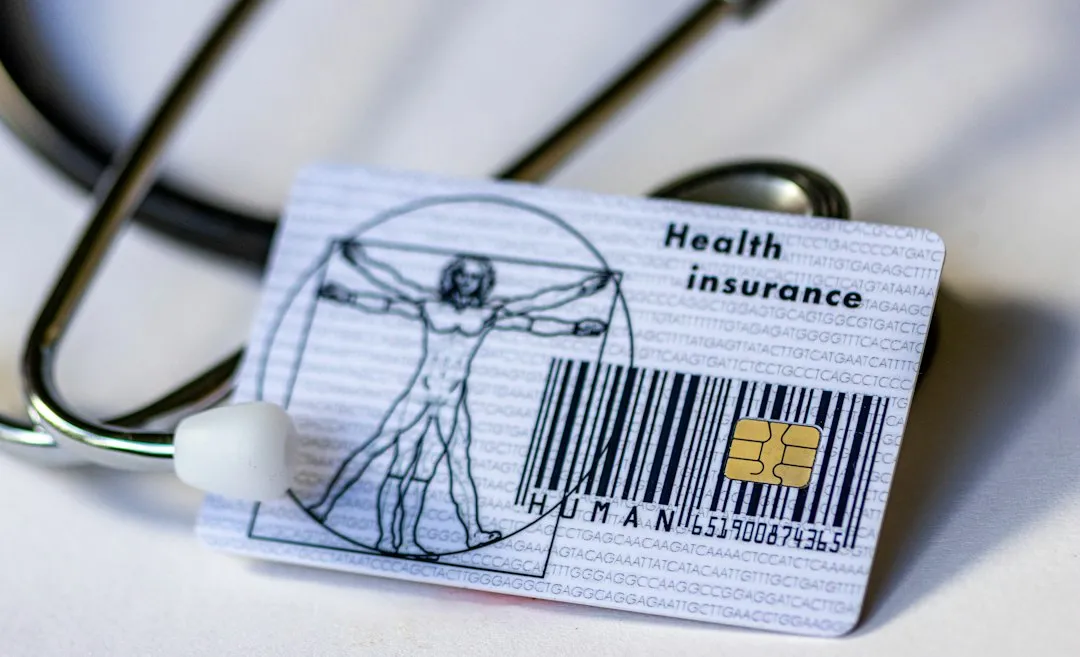
An overpayment occurs when a patient pays more than the allowable or final billed amount after adjustments, insurer reimbursements, or negotiated discounts. Common triggers include duplicate charges, insurer retroactive adjustments, and prepayments larger than the final balance.
Duplicate payments, insurer post-payment adjustments that reduce the patient responsibility, incorrect copay calculations, and deposits that exceed the finalized bill all qualify as overpayments. If an insurer later reduces a billed amount and the patient already paid the original figure, the provider owes the patient the difference.
If you paid a bill out of pocket that should have been covered fully or partially by your health insurance, you can request that your insurer reprocess the claim. Once the insurer pays its share, the provider owes you a refund for the difference.
The Most Common Billing Errors That Lead to Overpayment

Upcoding – where a basic service is billed as a more expensive one, such as a 15-minute visit coded as a comprehensive exam – is a frequent culprit. Duplicate charges occur when the same test, medication, or procedure appears twice on a bill. Unbundling happens when services that should be billed together at a lower rate are split into separate, higher charges.
Wrong patient information is another source of errors: a different patient’s charges can end up on your bill, or your insurance details may have been entered incorrectly. These mistakes aren’t always intentional, but the financial result for patients is the same regardless of the cause.
The American Medical Association estimates up to 12% of medical claims are submitted with inaccurate codes. That’s a substantial share of total billing volume, processed daily across thousands of facilities nationwide.
Providers Are Not Always Required to Tell You

Under current law in most states, health care providers are not required to notify or return overpayments made by a patient, and there is no general timeline for returning overpayments. As a result, patients may be unaware of these overpayments or of their right to a refund or credit.
As one former billing manager acknowledged, credits owed to patients are not always issued. Sometimes they are not even identified unless the patient specifically asks. That’s a quiet but important detail about how billing departments often operate.
The burden, in most cases, falls on you. Providers hold the financial records. Patients hold the right to ask for them. Knowing that right exists is the essential first step.
New State Laws Are Starting to Change That

Florida passed new laws in 2025 making it unlawful for licensed healthcare facilities and practitioners to hold on to money that a patient paid but did not owe. Beginning January 1, 2026, Florida healthcare facility licensees – including hospitals, nursing homes, assisted living facilities, and laboratories – must refund any overpayment to the patient no later than 30 days after determining the overpayment was made.
Under the new Florida statute, licensees can be subject to a fine of up to $500 per violation. That’s a meaningful financial penalty designed to motivate compliance rather than passive inaction.
Two states, California and Texas, currently require practitioners to refund patients for overpayments as well, meaning protections vary significantly depending on where you live. Patients in other states still hold the legal right to request a refund, but the enforcement mechanism is weaker without specific legislation backing it.
Medicare and Medicaid Improper Payments Run Into the Billions

In Fiscal Year 2024, the Medicare Fee-for-Service program had an estimated improper payment rate of 7.66%, representing $31.70 billion in improper payments. That figure alone illustrates that billing inaccuracies are a systemic issue, not an occasional fluke.
The Medicaid improper payment rate for FY 2024 was 5.09%, translating into $31.10 billion in federal funds. Together, these numbers reflect a healthcare billing ecosystem where errors are the norm, not the exception.
Medical billing errors don’t just hurt providers. They directly affect patients, increasing the burden of medical debt on individuals and families. The scale of improper government program payments gives some sense of how widespread the underlying problem truly is.
How to Request a Refund After You’ve Already Paid

The summary statement hospitals send is not a detailed bill – it’s a total without context. The itemized bill shows every charge by CPT code, which is the only way to identify errors, duplicates, and overcharges. Federal law requires hospitals to provide this within 30 days at no cost.
At any suspicion or proof of overpayment, ask for a refund in writing. Add any evidence such as an Explanation of Benefits from your insurer. Set the appropriate legal deadline for the refund to be issued by indicating the specific date it is due.
If you were overcharged, billed incorrectly, or missed out on a discount or financial assistance program, you have the legal right to get that money back. Putting the request in writing creates a paper trail and shows the provider you understand your rights.
How Much Can You Actually Recover

The average successful refund recovery falls between $200 and $1,500, depending on the type of error and the original bill amount. In cases involving retroactive charity care or major insurance reprocessing, refunds can reach $5,000 or more.
These are not rare outcomes. They happen every day at hospitals and clinics across the country. The amounts aren’t always dramatic, but they add up significantly for anyone who has had multiple medical encounters in a given year.
Many patients recover hundreds or even thousands of dollars in overpayments they never knew about. The only reason most of that money stays on the provider’s books is that patients don’t know to ask.
When Insurance Is Involved, It Gets More Complicated

If a provider submitted a claim with an incorrect diagnosis code or procedure code, causing your insurer to deny it or pay less than it should have, once the coding is corrected and the claim resubmitted, the insurer pays and you get refunded. The process takes patience, but it works.
Among insured Americans who experienced coverage denials, about 60% reported delays in care, with nearly half indicating that their health conditions deteriorated as a result. While that data speaks to denials broadly, it reflects how much rides on billing accuracy for actual patient outcomes.
Insurers reject one in seven claims across private plans, yet only a fraction of a percent of denied ACA claims are ever appealed. That gap between errors and action is exactly where unclaimed overpayments live.
What to Do If a Provider Won’t Cooperate

If you get a call or letter from a debt collector, don’t automatically pay it. A provider may threaten to send your account to collections, or a debt collector may actually contact you. If you believe the charge is erroneous, ask for written documentation – this is your right under the Fair Debt Collections Practices Act, which also gives you 30 days to dispute an alleged debt after you receive documentation in writing.
Patient credits should be reviewed and refunded routinely, as many state regulations require overpayments to be returned within 30 to 60 days. Citing this timeline in your written request puts the provider on notice that you know what the rules require.
If you hit a wall, a nonprofit patient advocate can be a useful resource. Organizations like Dollar For, based in Oregon, help consumers with paperwork and appeal denials at no charge. Escalating to your state’s licensing board or insurance commissioner is also a legitimate option when a provider refuses to respond.
The Broader Financial Picture for American Patients

Americans owe $220 billion in medical debt nationwide. That figure sits alongside the reality that billions more in overpayments rest unclaimed in provider accounts, quietly untouched because patients don’t know they exist.
Americans borrowed $74 billion in 2024 to cover healthcare expenses. Some portion of those borrowed dollars went toward bills that contained errors the patient never caught, compounding debt that was never legitimately owed in the first place.
Among those with medical bill problems, roughly 62% struggle to pay other bills. Recovering even a modest overpayment can meaningfully ease that pressure, and the process costs nothing but time and a written request.
Final Thoughts

The healthcare billing system is complex by design and difficult to navigate by default. That complexity tends to favor the provider, not the patient. Most people pay what they’re told, file the paperwork away, and move on, never realizing that a credit balance may be waiting for them.
The good news is that patients hold more leverage than they typically use. Request the itemized bill. Review your Explanation of Benefits. Compare the two. If something doesn’t match, put a written refund request in the mail. The right to that money doesn’t expire the moment you swipe your card.
Hospitals and providers are legally required to refund overpayments, and patients recover hundreds, sometimes thousands, every day. The question is simply whether you’re one of the people who asks.
AI Disclaimer: This article was created with the assistance of AI tools and reviewed by a human editor.