

Most people spend more time choosing a mattress than they ever spend caring for one. You read the reviews, compare firmness levels, maybe even visit a showroom. Then it goes on the bed frame, gets dressed with sheets, and from that point on it’s largely forgotten. That neglect, it turns out, is exactly what shortens a mattress’s life well before its time.
There’s one habit in particular that does more damage than almost anything else: sleeping in the exact same spot, night after night, without ever rotating the mattress. It sounds harmless enough. It’s comfortable. It’s familiar. Slowly, though, it grinds the materials down in ways that are difficult to reverse.
The Problem Starts Right Where You Sleep

When you sleep in the same spot every night, your body eventually leaves a lasting impression. That’s not a metaphor. The foam and comfort layers directly beneath your shoulders and hips absorb concentrated pressure every single night, breaking down faster than the rest of the surface.
Old mattresses can become lumpy, bumpy, and saggy as a result of regular use and sleeping in the same spot, in the same position, for many years. The problem builds quietly and gradually, which is exactly why so many people don’t notice until the damage is already done.
A heavier person who sleeps in the same spot every night will wear out a mattress faster than a lighter person who rotates their sleep position regularly. Weight concentration is one of the primary forces at work, but even average-weight sleepers apply enough nightly pressure to create measurable impressions over months.
Rotation: The Simple Fix Most People Skip
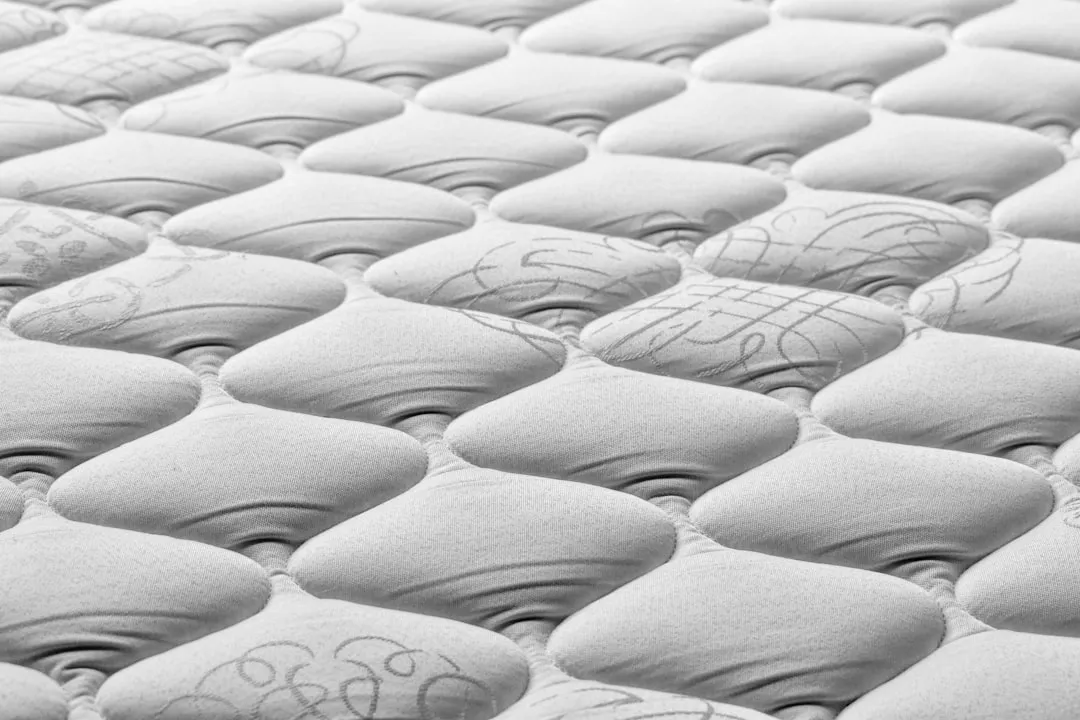
Flipping or rotating a mattress helps distribute weight evenly, preventing indentations and extending its lifespan. It’s one of the lowest-effort maintenance tasks available, yet it remains widely ignored. Many people aren’t even sure they’re supposed to do it.
A regularly rotated mattress will outlast a non-rotated mattress somewhat, potentially by a year or more. Over the typical life of a mattress, that can represent a meaningful extension of the investment you already made.
Rotating head-to-foot every three to six months ensures even wear. Forgetting to rotate a mattress can shorten the lifespan of your mattress or even void the warranty in some cases. That second part often surprises people: the warranty consequence is real, and worth checking in the fine print before assuming you’re covered.
Flipping Versus Rotating: Most People Get This Wrong

Generally speaking, most mattresses should be rotated regularly, but should not be flipped. Most mattresses should not be flipped. Unless the manufacturer specifically recommends otherwise, you should not flip your mattress.
Most modern mattresses, especially memory foam, hybrid, and pillow-top styles, are designed as one-sided, so flipping them can damage their structure. This is a significant shift from older mattress designs, and the advice your parents followed may actively harm a contemporary mattress.
Flipping the wrong mattress can damage it, void your warranty, and actually shorten its lifespan. The fix here is simple: check your owner’s manual before doing anything. Rotation is almost always safe; flipping is model-specific.
What Happens Inside the Foam When You Don’t Rotate

One of the major causes of mattress failure is a degradation of the sheet cushioning materials. This is a direct result of fatigue softening that is particularly dominant in sheet foam cushioning materials subjected to shear loads consistent with sleeper forces. Over time and successive loading, the foam starts to lose its ability to resist compression.
The part that usually gives out first is the comfort system. Softer upper layers tend to compress, soften, and hold impressions before the support core fully breaks down. By the time you feel the problem clearly, the internal structure has often already shifted beyond easy repair.
Waking up with aches and pains may be due to the comfort layers in your mattress breaking down, causing pressure points when you sink onto the firmer support core. This is the stage where sleep quality drops noticeably, and most people start blaming their posture or their pillow instead of the mattress itself.
Moisture Is a Slow, Silent Destroyer
Temperature, humidity, and sunlight exposure can cause mattress materials to degrade more quickly. If your sleep environment is particularly humid, it may be easier for the mattress to trap moisture and attract dust mites and other allergens, which may cause irreversible damage.
Every time you sleep on memory foam, the material is actively warming itself around your body. The foam’s dense structure prevents adequate air circulation, which means heat and moisture have nowhere to escape. Over months and years, that trapped moisture quietly degrades the internal foam layers from within.
If your mattress has developed a persistent musty, mildew, or chemical odor that lingers, you might have moisture buildup inside the mattress, which leads to mold or mildew growth. This is especially common if you do not use a mattress protector or if you live in a humid climate. A mattress with this kind of odor is not just unpleasant, it is a potential health hazard.
Sleeping With Pets and Kids Accelerates the Damage
Heavier use, like working from bed or sleeping with pets and kids, shortens a mattress’s lifespan. This is one of the more underappreciated factors, because the extra weight and irregular pressure patterns add up faster than most people expect.
If you don’t take proper care of your mattress, you greatly reduce its lifespan. For example, if you allow your children to jump on your mattress or you frequently eat in bed and expose it to crumbs and moisture, it won’t last as long, regardless of the type.
Pets bring additional moisture, hair, and oils into the sleep surface on a nightly basis. Without a mattress protector in place, those contaminants work their way into the comfort layers and begin breaking down the materials over time. The mattress absorbs all of it.
The Right Foundation Matters More Than Most People Realize

Heavier body weight, concentrated side-sleeping pressure, nightly use, weak bases, moisture, and poor care all shorten lifespan. A weak or incompatible bed frame is one of the least discussed contributors to premature mattress failure.
Placing a memory foam mattress on a box spring with wide slat gaps, for example, causes the foam to sink unevenly between the slats over time. That creates pressure ridges and irregular wear patterns that no amount of rotation will fully correct.
While all mattresses eventually degrade, a mattress constructed with high-quality materials tends to hold out for longer before developing sagging or permanent body indentations. Once these problems occur, your mattress is no longer able to provide adequate spinal support and pressure relief.
How Long Should a Mattress Actually Last?
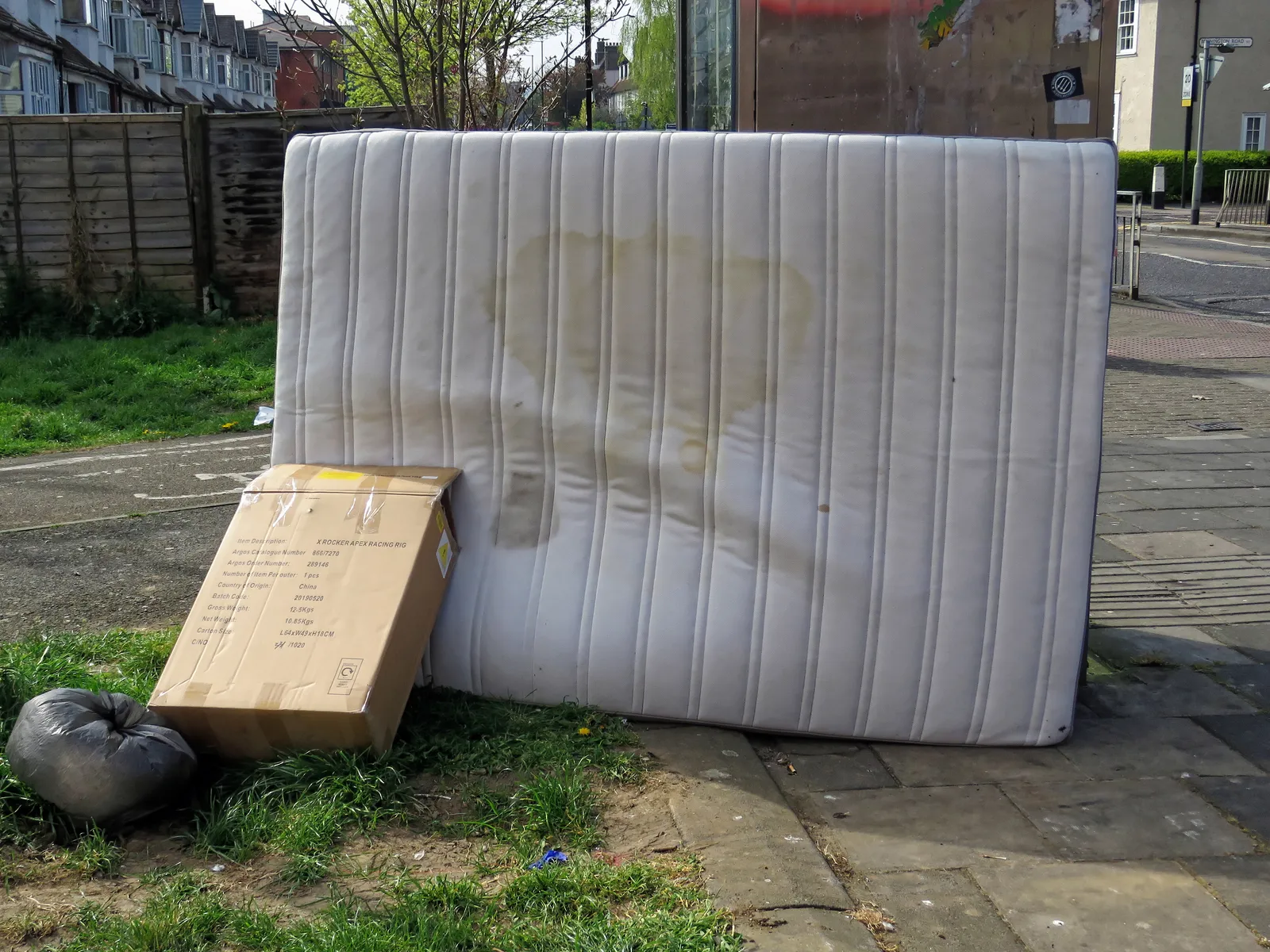
The Mattress Recycling Council found the average age of a disposed mattress is 13.9 years. That’s a useful data point because it reflects what consumers actually do in practice, not what marketing guidelines recommend.
The National Sleep Foundation notes that most mattresses should last between seven and ten years. Latex mattresses can endure ten to fifteen years with proper care, memory foam typically maintains structural integrity for eight to ten years, and innerspring mattresses generally last five to seven years before significant degradation.
A mattress is functionally worn out once it no longer holds the body evenly, pressure relief changes, or sleep quality clearly drops. The calendar is a rough guide. The mattress itself will tell you more directly, if you’re paying attention.
Signs Your Mattress Is Already Past the Point of Recovery
Your body gradually adapts to your own mattress’s decline, adjusting how you position yourself and what counts as “normal” stiffness. Research on mattress habituation shows it takes about four consecutive nights on a new surface to reset that adaptation. If morning stiffness drops noticeably by night three or four, the mattress is likely involved.
Visible sagging, especially in the middle third where you sleep, suggests that the structural components are failing. Sagging of more than an inch or two is typically a clear signal that rotation and cleaning won’t bring things back. The damage at that point is structural.
Sleeping on an old mattress can cause back, neck, shoulder, and hip pain because it can no longer support your body. A good mattress keeps your body in proper alignment, giving you support where you need it based on your preferred sleeping position. When that alignment is consistently disrupted, the body pays the price in pain and disrupted sleep.
What You Can Actually Do to Protect Your Mattress
Rotating your mattress 180 degrees every three to six months distributes wear more evenly. This prevents the body impressions that form when you sleep in the same spot every night. Most modern mattresses are one-sided, so no flipping is needed, but rotation still makes a meaningful difference.
Mattress protection is key to warding off the everyday wear and tear that can shorten a mattress’s useful life. Using a high-quality mattress protector offers invaluable defense against spills and stains. A breathable waterproof protector adds almost nothing to the feel of the bed but significantly extends what the mattress underneath can endure.
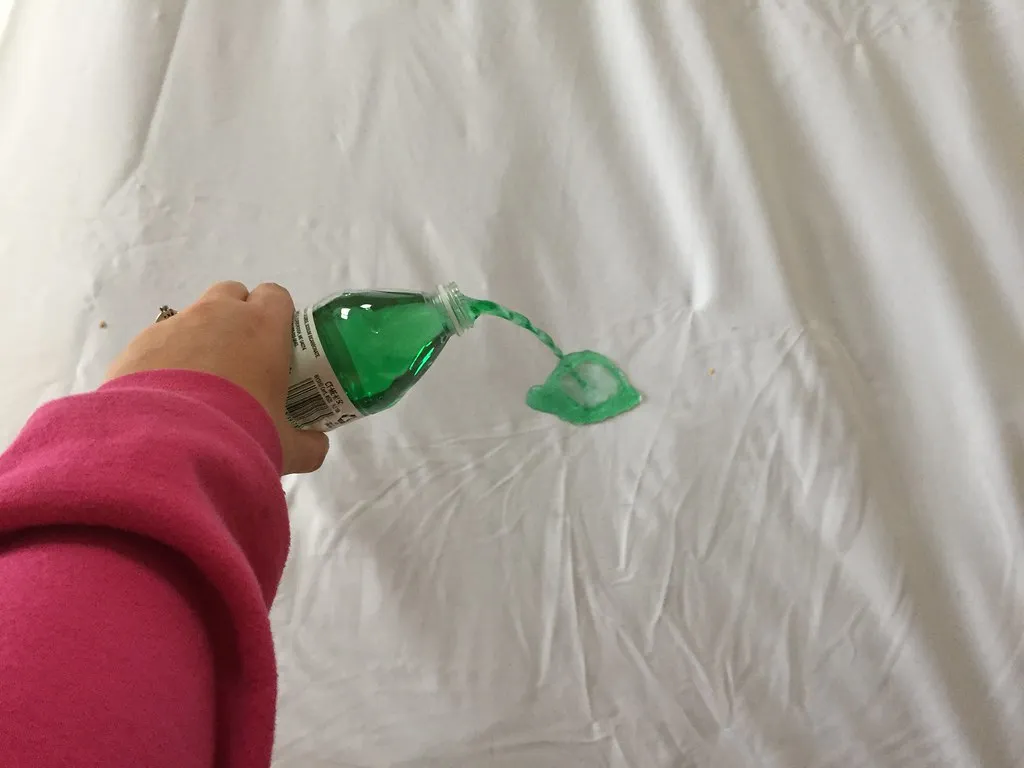
Vacuum your mattress surface every few months to remove dust, skin cells, and debris. If you spill something, blot it immediately and let the area dry completely before remaking the bed. In humid regions, running a dehumidifier in the bedroom can help keep moisture levels in check and reduce the risk of mold growth.
The Takeaway
The mattress habit quietly cutting its life in half isn’t some dramatic misuse. It’s the ordinary, invisible routine of climbing into the same side, the same spot, night after night, without ever redistributing that pressure. The fix is genuinely simple and costs nothing.
Rotate every three to six months. Use a protector. Keep moisture out. Check that your bed frame offers proper support. None of this requires effort comparable to buying a new mattress, which is exactly what skipping it will eventually cost you.
The materials inside your mattress are absorbing years of wear you can’t see. The habits you build around it, however small they seem, determine how many of those years you actually get to use.
AI Disclaimer: This article was created with the assistance of AI tools and reviewed by a human editor.