
The “7-Year Rule” and Where It Comes From
It’s typically recommended that you replace your mattress every six to eight years. This guideline comes from a confluence of sources including the National Sleep Foundation and the Better Sleep Council, both of which have tracked consumer sleep habits and mattress performance over time.
Most mattress types should be replaced every seven to ten years based on durability research and clinical outcomes data. Sleeping on a mattress over nine years old correlates with measurably worse back pain, stress, and sleep quality.
Eight years is a checkpoint, not a failure date. The industry lifespan range is seven to ten years, and eight sits early enough in that range to catch a bed while it is declining rather than a year after it started costing you sleep.
How Long Different Mattress Types Actually Last
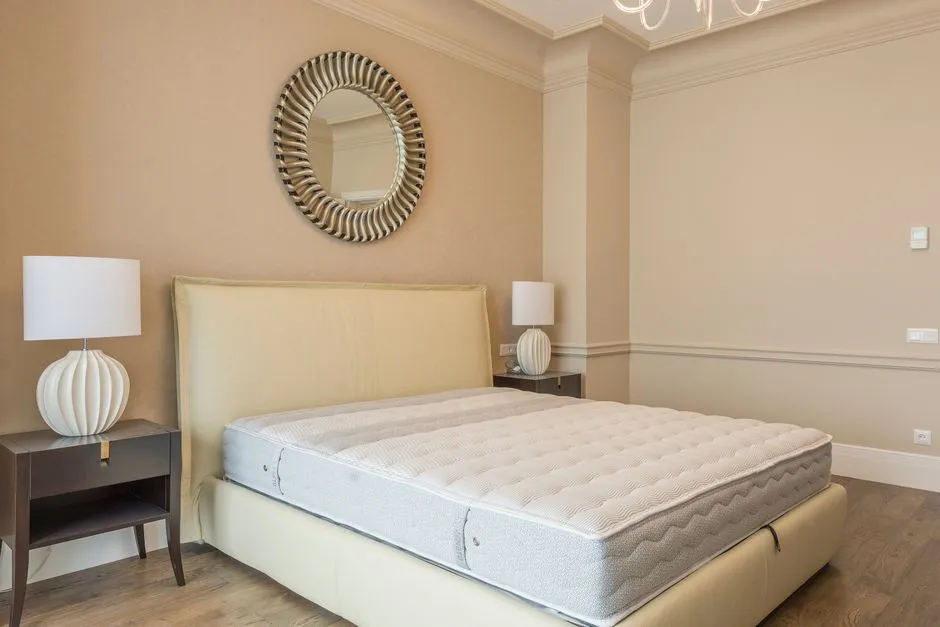
Not all mattresses age the same way, and the material inside makes a significant difference to when yours crosses the threshold. Innerspring beds are usually finished around five to seven years, memory foam and hybrid beds around seven to ten, and latex can run well past ten with good care.
A budget memory foam mattress at low foam density will sag in three to five years regardless of marketing claims, while a high-density latex hybrid routinely lasts twelve to eighteen years. So the sticker price and the material quality really do matter when you’re evaluating how much time you have left.
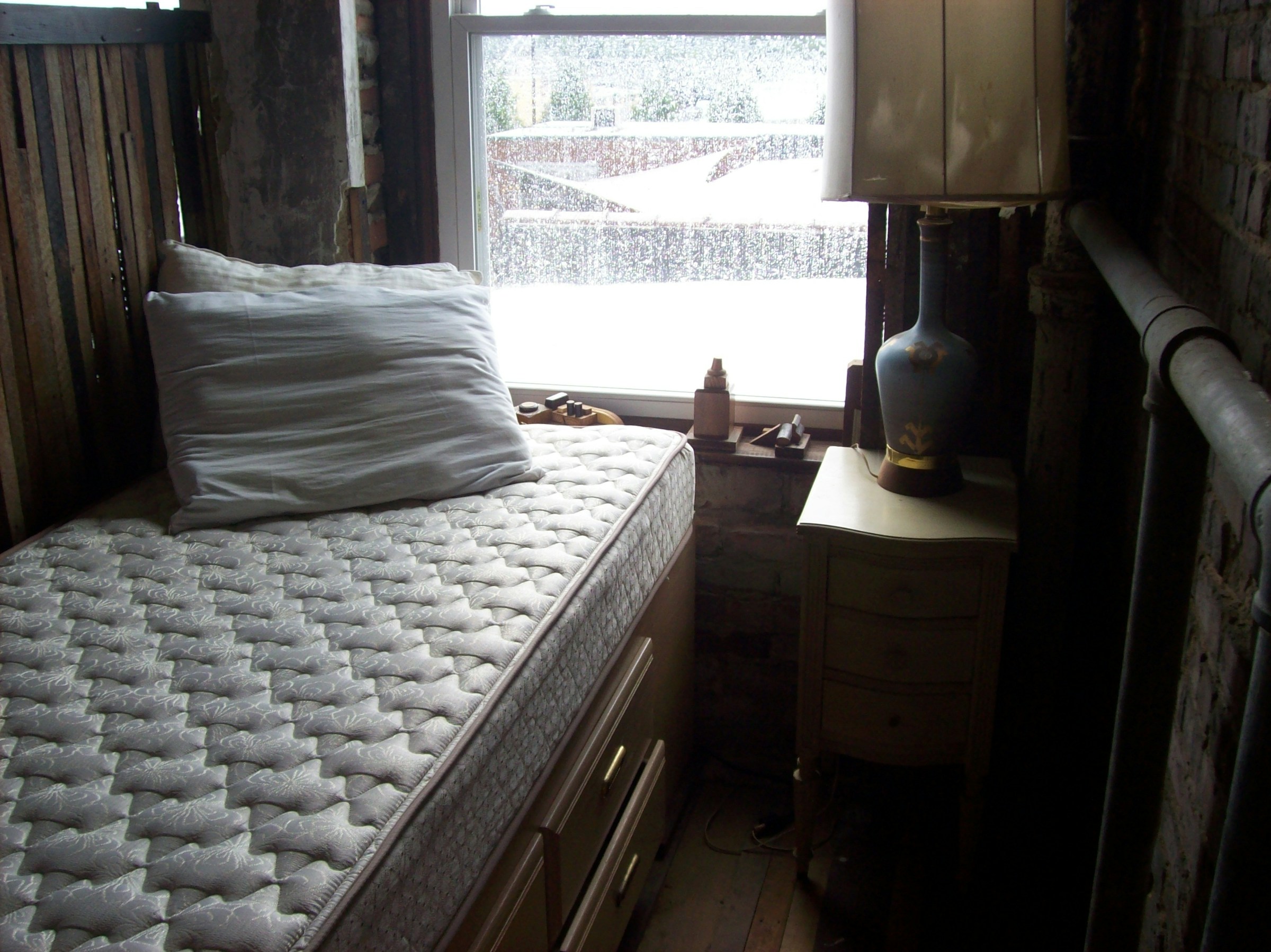
Traditional innerspring mattresses have the shortest lifespan of all mattress types, generally expected to last anywhere from five and a half to six and a half years. If you’re sleeping on a basic innerspring that’s pushing seven years, the replacement window isn’t approaching. It may already be here.
What the Real-World Data Shows About Consumer Behavior
The Better Sleep Council found that people routinely keep a mattress for a decade before they replace it. In fact, roughly three quarters wait until their mattress is actually deteriorating, while about seven in ten say their health and comfort eventually trigger a replacement.
The Mattress Recycling Council found the average age of a disposed mattress is 13.9 years. People hold on far longer than experts recommend, often through years of degraded sleep. That gap between what’s advised and what actually happens is telling.
The average length of time consumers expected to keep their mattresses rose slightly in 2023, up to 9.6 years. Consumers predominantly expect a mattress to last between eight to ten years, yet nearly half report that they replaced their mattress within seven. Expectation and reality don’t always line up.
The Back Pain Connection

One of the clearest signs that a mattress has worn out its welcome is what happens when you wake up. When your mattress no longer supports you well, your spine has to work harder to stay in a neutral position, and this often shows up as recurring back pain.
In one study, 59 healthy participants who used the same mattresses for an average of 9.5 years reported mild sleep-related pain and compromised sleep quality. After switching to a new medium-firm mattress for four weeks, they experienced a 48 percent reduction in back pain, a 55 percent improvement in sleep quality, and an approximately 20 percent decrease in stress.
A Journal of Chiropractic Medicine study found patients who replaced their mattresses after five to seven years reported a significant decrease in back and neck pain. The improvement is not subtle, and it can happen faster than most people expect.
Sagging, Impressions, and Structural Failure
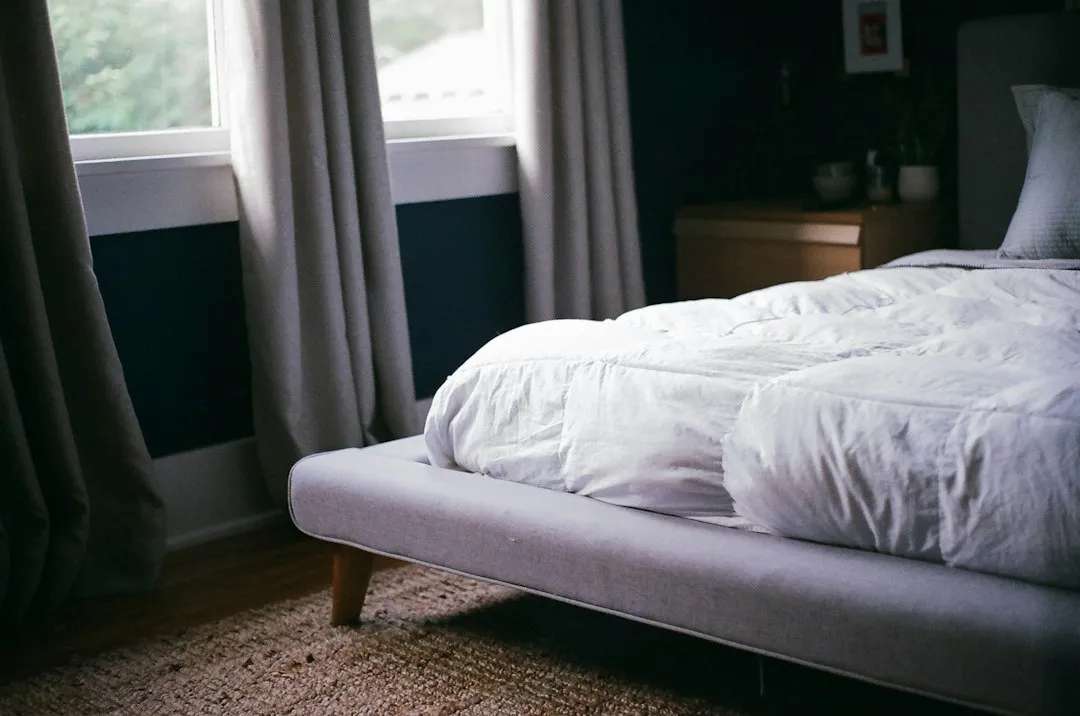
As mattresses age, they start to sag, particularly where your body puts the most pressure. A sagging mattress doesn’t properly support your spine and can result in poor alignment. This could mean chronic back pain, stiffness, and worsening sciatica.
Signs of an aging mattress can include body impressions, squeaking, discomfort, or waking up with aches and pains. The body impressions are worth paying attention to specifically because they form gradually and can be easy to normalize over time.
If you keep your mattress after ten years, visible signs of wear will become more apparent, such as sagging foam or creaky coils. At that stage, the mattress is no longer just uncomfortable. It’s working against you.
Dust Mites, Allergens, and What’s Living in Your Mattress

Research from Ohio State University shows that old mattresses can harbor anywhere from 100,000 to ten million dust mites. These microscopic organisms thrive on the dead skin cells and body oils that inevitably accumulate in any mattress over time.
A study conducted on mattresses in a dormitory found that after nine months of regular use, the average dust mite allergen level increased substantially. After twelve months, that level had doubled. The buildup is ongoing and progressive.
The Asthma and Allergy Foundation of America recommends replacing a mattress every ten years for allergy sufferers because of allergen buildup. For people with asthma, eczema, or dust sensitivities, the age of a mattress isn’t just a comfort question. It’s a health consideration.
Sleep Quality Decline You Might Not Notice Right Away

Materials break down slowly, so even if a mattress looks fine, your body may start to notice the difference before your eyes do. This is part of what makes aging mattresses so easy to overlook. The decline happens in small increments.
On average, adults rate their primary mattress at 4.1 stars out of five. The average rating for a mattress less than six years old is 4.2 stars, compared to just 3.6 stars for mattresses older than six years old. The satisfaction drop is real, even if people don’t always connect it to the mattress itself.
Poor sleep quality each night can lead to higher stress levels and a noticeable shift in mood, making you feel more drained and less focused during the day. When you factor in how many hours are spent on a mattress, even marginal improvements in sleep quality compound significantly over time.
Age vs. Condition: Which Should You Trust More?
The seven-to-ten-year guideline is a useful starting point, but it’s not the whole story. It’s best to start looking for a new mattress as soon as you’re no longer comfortable. As you get older and your body changes, you’ll need a different support system. If you’re not sleeping well, you may find that you need a new mattress before your current one reaches the eight-year mark.
Experts recommend replacing a mattress after seven to ten years, but material and usage matter more than a calendar date. A mattress that sees heavy daily use, carries extra weight, or shows visible wear will often need replacing well before that window.
If your mattress is at ten years and still feels supportive with no dip and no morning soreness, you have some time left. The age is a signal worth heeding, not a strict expiry date. Let condition be your final judge.
How to Extend Your Mattress’s Useful Life
Using a protector, rotating as recommended, and avoiding jumping or standing on the bed can extend usable life by several years, depending on the mattress quality. These aren’t dramatic interventions, but they make a real difference over time.
Mattress lifespan can vary depending on materials, construction quality, and how well the mattress is maintained. A well-protected, routinely rotated quality mattress will outlast an equal or better mattress that receives no care at all.
Regular vacuuming helps reduce dust mite populations and allergen buildup, especially in older mattresses. Using allergen-proof covers and washing bedding regularly can help mitigate the accumulation of dust mites and the health issues they cause. These habits won’t reverse structural wear, but they do slow the biological side of aging.
Final Thoughts
Seven years is the number that keeps coming up, and for good reason. It reflects the point at which most mattresses begin losing their structural integrity in ways that genuinely affect your body and your rest. Not every mattress crosses that line at seven years, but the odds start shifting against you from that point on.
The deeper takeaway is that a mattress is not a static object. It changes over years of use, and so does your body. Your body changes over time, and your need for comfort and support increases as you age. Your body may be ready for a new mattress before the seven-year mark, so listen to what it’s telling you.
If you’re waking up stiff, sleeping better in other beds, or simply can’t remember the last time you actually felt rested, the mattress deserves a closer look. The number on the calendar matters, but the signal from your back matters more.
AI Disclaimer: This article was created with the assistance of AI tools and reviewed by a human editor.