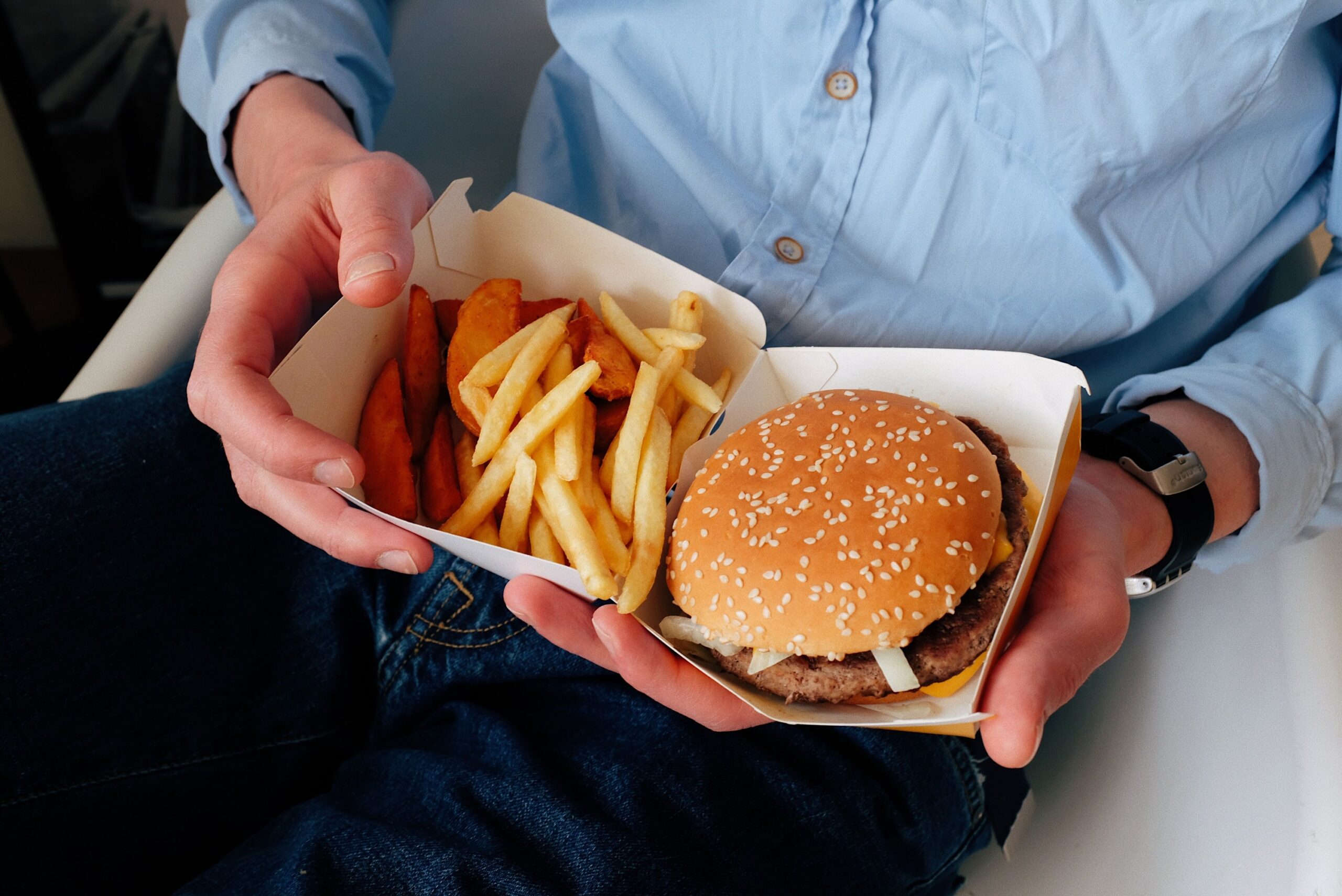

The Classic Combo: Burger, Fries, and Soda
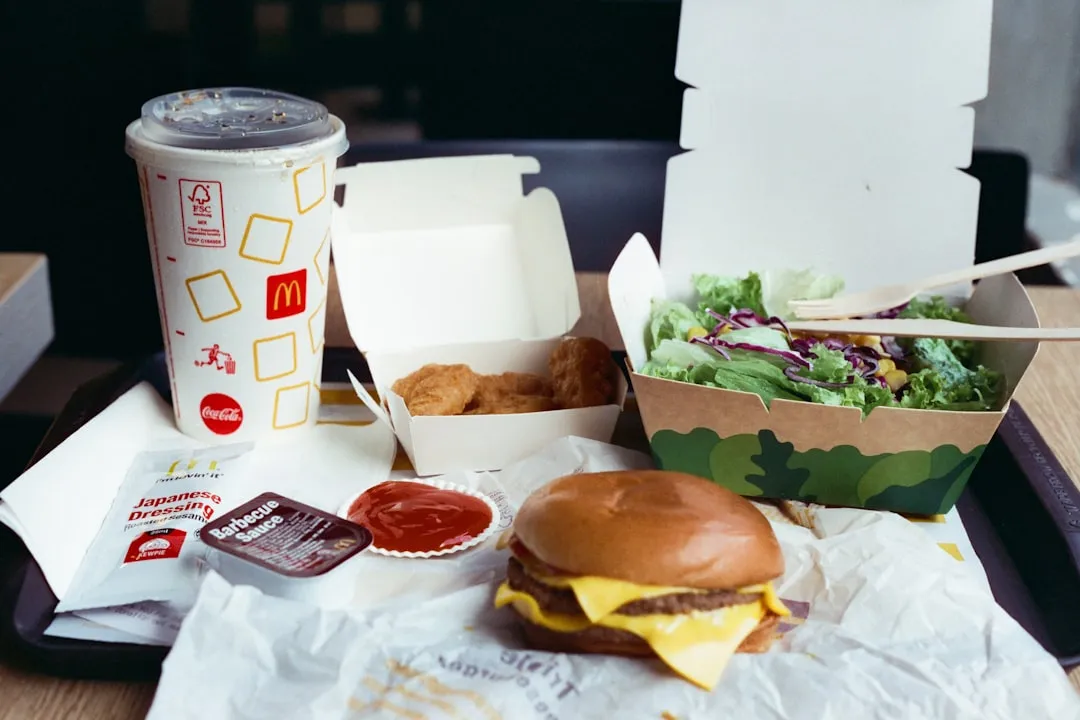
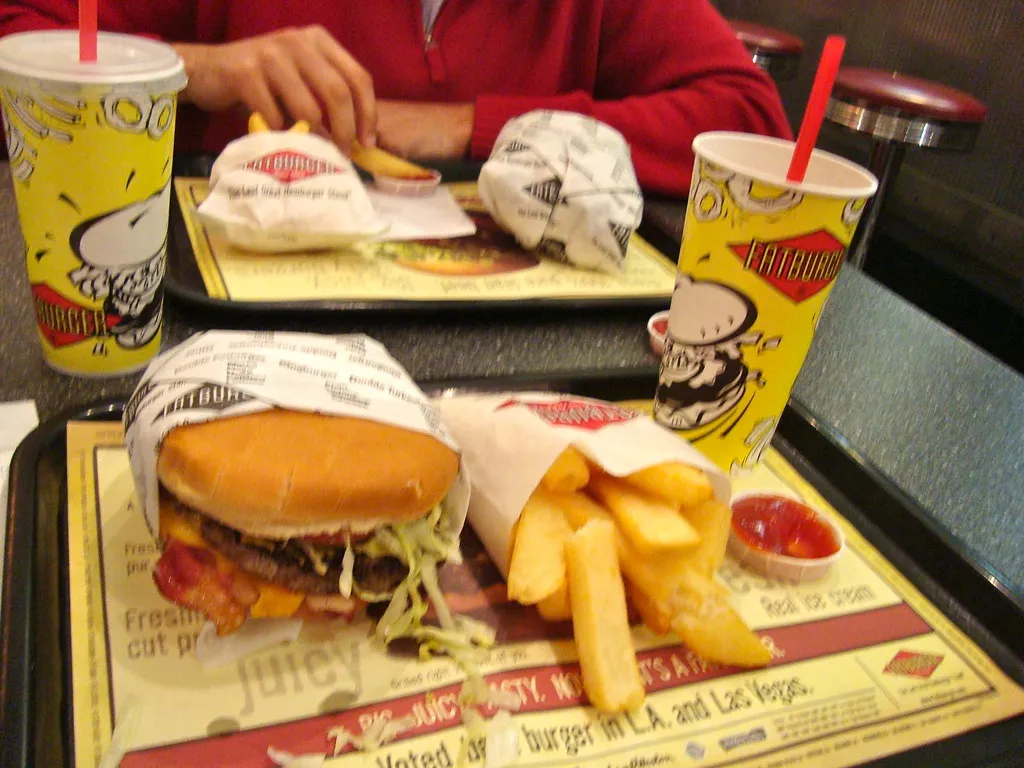
The paradigmatic meal of a cheeseburger with French fries and a soda still contains components whose consumption is associated with increased risk of adverse health outcomes. That’s not hyperbole – it’s a conclusion backed by measurable nutritional data. When you pile all three together, the cumulative load of sodium, saturated fat, and sugar becomes the real story.
The energy content of a large-sized bundled meal – cheeseburger, French fries, and regular cola – represented 65% to 80% of a 2,000-calorie-per-day diet, and sodium content represented 63% to 91% of the 2,300-milligram-per-day recommendation. In other words, lunch alone can consume the bulk of an entire day’s nutritional budget.
Why the Bun and Fries Form a Dangerous Carb Double-Down
Burgers and sandwiches from fast food restaurants come on buns made of enriched wheat flour and sugar, both of which spike glucose. French fries are made entirely of starchy potatoes and often fried in low-quality oils. When you order both, you’re stacking two high-glycemic carbohydrate sources in a single sitting.
Fast food breaks down quickly, causing a rapid spike in blood sugar because of the refined carbohydrates and added sugar. In turn, this causes a large insulin surge, resulting in a drop in blood sugar, which may cause people to feel tired. Insulin promotes further hunger within a short time after the meal. That post-lunch slump most people blame on a busy morning? Often, it’s this.
The Soda Problem Is Worse Than Most People Realize
A large soda from a fast food restaurant contains about 86 grams of sugar – already more than double the American Heart Association’s daily limit of 38 grams for men and 25 grams for women. And most people drink it almost automatically, as if it’s simply part of the package.
The average large soda packs around 300 calories, mainly from added sugar, which can quickly consume a significant chunk of your daily calorie intake. Those are calories with no fiber, no protein, and no lasting satiety. The result is a blood sugar swing that leaves you craving more food well before dinner.
The Sodium Load That Adds Up Without You Noticing

Burgers, processed meats, cheese, bread, fries, and condiments may all add sodium to the same meal. High sodium intake is particularly relevant for people with hypertension, heart disease, kidney disease, or fluid-retention problems. Each individual item seems manageable in isolation. Together, they compound.
A typical double cheeseburger and large fries provides about 1,200 calories and up to 1,700 milligrams of sodium. Add a soda and any condiments, and that number climbs even higher. Nutritionists are especially wary of sodium at lunch because most people go on to consume more in the evening, making it easy to far exceed daily recommended limits.
Saturated Fat at Lunch Sets a Difficult Tone for the Rest of the Day

Meals built around larger burgers, fried sides, processed meats, sweetened beverages, and rich sauces often provide high amounts of sodium, saturated fat, and total calories in a small volume of food. Eating these foods frequently may make it harder to maintain a healthy body weight and may contribute to cardiometabolic risk factors over time.
A meal like this easily hits your daily 20-gram limit of saturated fat. Reaching that ceiling at noon leaves no healthy margin for the rest of the day. Nutritionists tend to treat saturated fat as a daily bank account, and spending it all in one restaurant visit is a pattern they consistently avoid.
The Ultra-Processed Food Factor
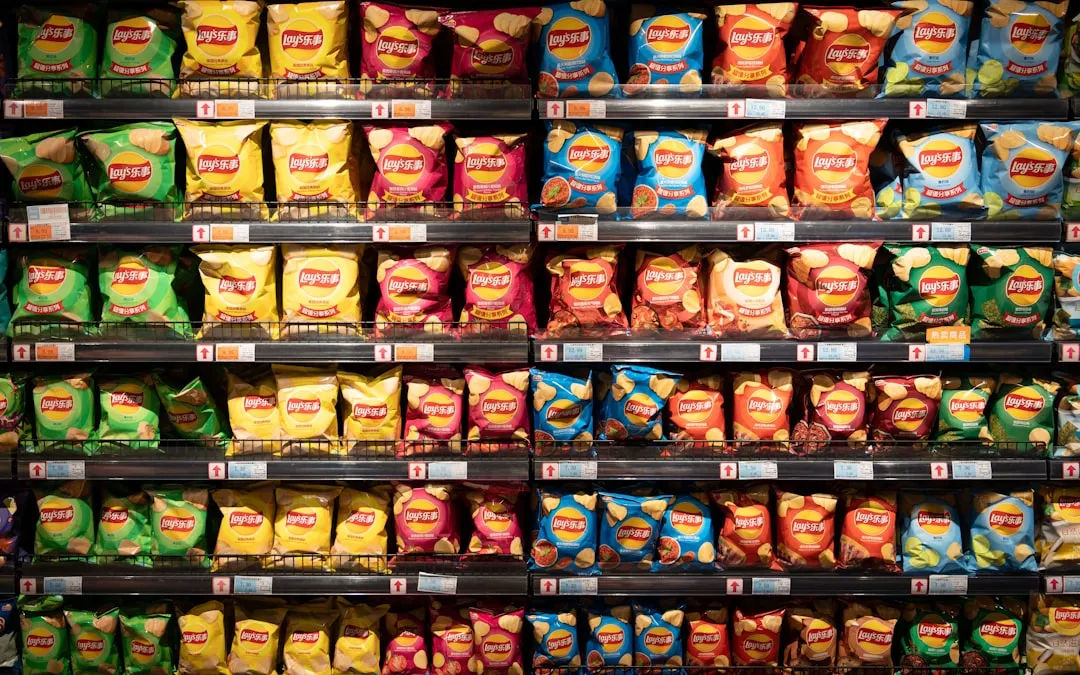
Much of fast food falls under the broader category of ultra-processed foods – foods made with industrial formulations, additives, flavor enhancers, refined starches, isolated fats, sugars, and other ingredients that do not resemble the original whole food. The burger-fries-soda combo is a textbook example of this category.
A 2024 umbrella review in The BMJ found consistent evidence linking higher exposure to ultra-processed foods with increased risks of several adverse health outcomes, especially cardiometabolic, mental health, and mortality outcomes. This doesn’t mean a single meal is catastrophic. A single burger doesn’t ruin your health. It means the pattern matters.
Blood Pressure Risks Tied to This Combination

According to a 2024 study, high consumption of ultra-processed foods, which can include fast food, is associated with a higher incidence of high blood pressure compared with eating fewer or unprocessed foods. The burger-fries-soda combo sits squarely at the intersection of all the key risk factors in that research: sodium, refined carbohydrates, and sugar.
The purchasing and consumption of foods high in energy, saturated fat, free sugars, and salt is associated with an increased risk of obesity and diet-related non-communicable diseases. Globally, approximately 40% of cardiovascular disease mortality between 1990 and 2019 was attributable to dietary risk factors. Lunch choices, repeated daily, become dietary patterns.
Why “Just Removing the Bun” Isn’t Quite Enough
A popular workaround is to skip the bread and keep the rest. It helps somewhat, but only partially addresses the problem. The fries remain a high-glycemic, high-sodium side, and the soda still delivers a large dose of added sugar with no nutritional value. The combination effect is still present, just slightly reduced.
The worst combinations for weight loss pair naked carbohydrates with inflammatory fats, such as a burger with fries. These high-fat and high-starch meals lead to prolonged glucose elevations and poor metabolic recovery. Removing the bun while keeping fried potatoes and a sweetened drink still leaves much of that metabolic challenge intact.
What Nutritionists Order Instead
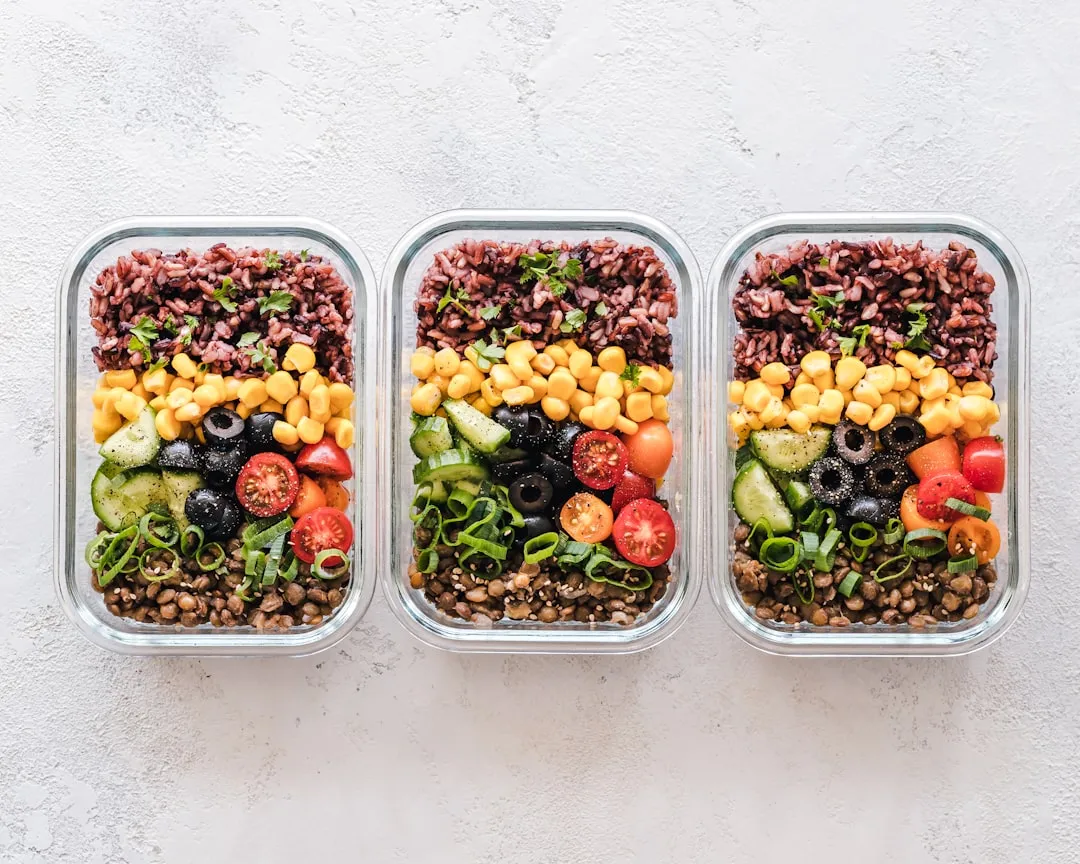
The consistent theme among nutrition professionals is substitution rather than deprivation. Swap the soda for water or unsweetened tea. Choose grilled over fried. Opt for a side salad or vegetable instead of fries. Choosing water instead of soda, skipping extra cheese or mayonnaise-based sauces, selecting a smaller sandwich, or sharing fries can meaningfully reduce calorie and sodium intake.
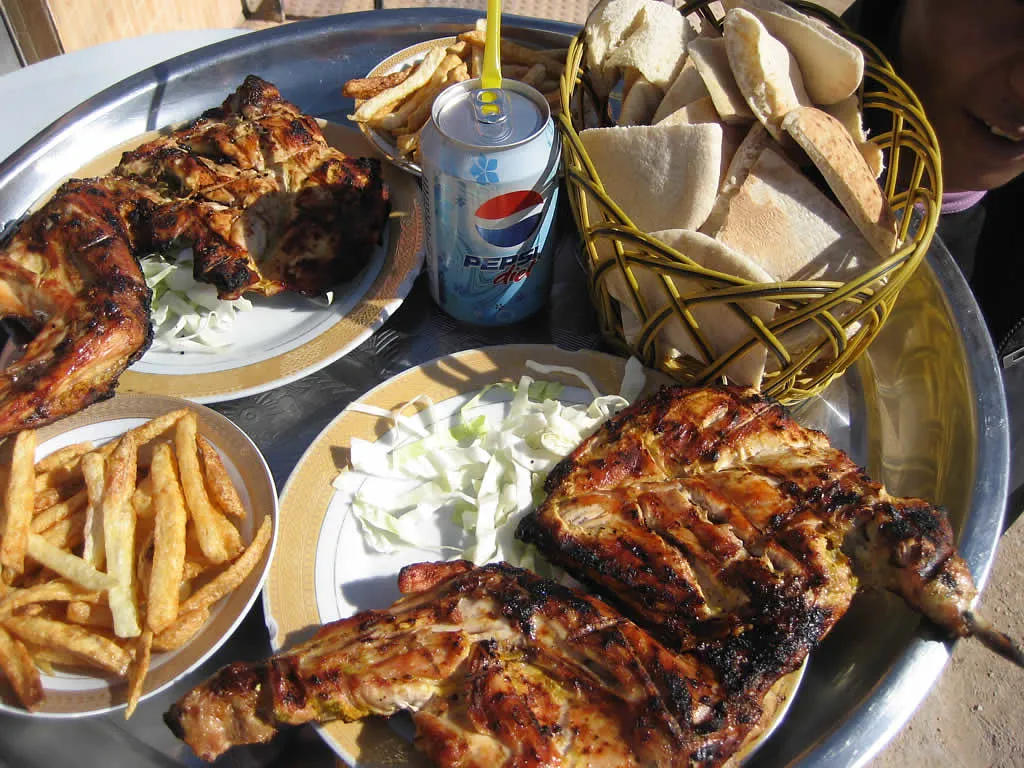
Grilled chicken and baked sweet potato fries – a great source of vitamin A – are often recommended as a considered alternative. It’s not about finding a perfect meal; it’s about not stacking every problematic element into one sitting. A few deliberate swaps change the nutritional picture considerably.
The Pattern Is the Real Problem
Efforts to promote reductions in energy, sodium, saturated fat, and trans fat intakes need to be shifted from emphasizing portion-size labels to additional factors such as total calories, frequency of eating, number of items ordered, menu choices, and energy-containing beverages. In other words, the labels alone don’t change behavior. Understanding the combination does.
Fast food is typically high in sugar, salt, and saturated or trans fats. The Dietary Guidelines for Americans 2025–2030 suggests that overconsumption of these food components in ultra-processed foods is contributing to a health emergency. Nutritionists don’t avoid this combination because they’re rigid. They avoid it because they understand clearly what it adds up to, across a week, a month, and a year of lunches.
The Takeaway
No single lunch is going to define your health. That’s worth saying plainly. The burger-fries-soda combo becomes a concern not because it exists, but because it’s often the default, eaten without much thought, several times a week.
What nutritionists understand intuitively is that these three items reinforce each other’s worst qualities. The refined carbs spike blood sugar, the sodium strains cardiovascular health, and the sugar in the drink adds calories without satiety. The combination is greater than the sum of its parts, and not in a good way.
Awareness is a meaningful starting point. Knowing why this specific trio draws concern makes it easier to make a different call – not as a sacrifice, but as an informed choice.
AI Disclaimer: This article was created with the assistance of AI tools and reviewed by a human editor.