

Lipomas: The Classic Fatty Lump

The most common lump on an older dog is a lipoma, a benign fatty mass that poses no cancer risk and, in most cases, requires nothing more than routine monitoring. Fatty lumps tend to be soft, movable under the skin, slow-growing, and painless.
Increased age is strongly associated with increasing odds of lipoma. Compared with dogs aged three to six years, dogs aged nine to twelve years had 17.52 times the odds of developing a lipoma. That’s a striking jump, and it underscores why senior dogs seem to collect these lumps almost year by year.
Breeds with the highest lipoma prevalence include Weimaraner, Dobermann Pinscher, German Pointer, Springer Spaniel, and Labrador Retriever. Dogs with an adult bodyweight equal to or higher than their breed or sex average had nearly double the odds of lipoma compared with lighter dogs, and the odds increased as adult bodyweight rose.
Mast Cell Tumors: The Lump That Pretends to Be Nothing
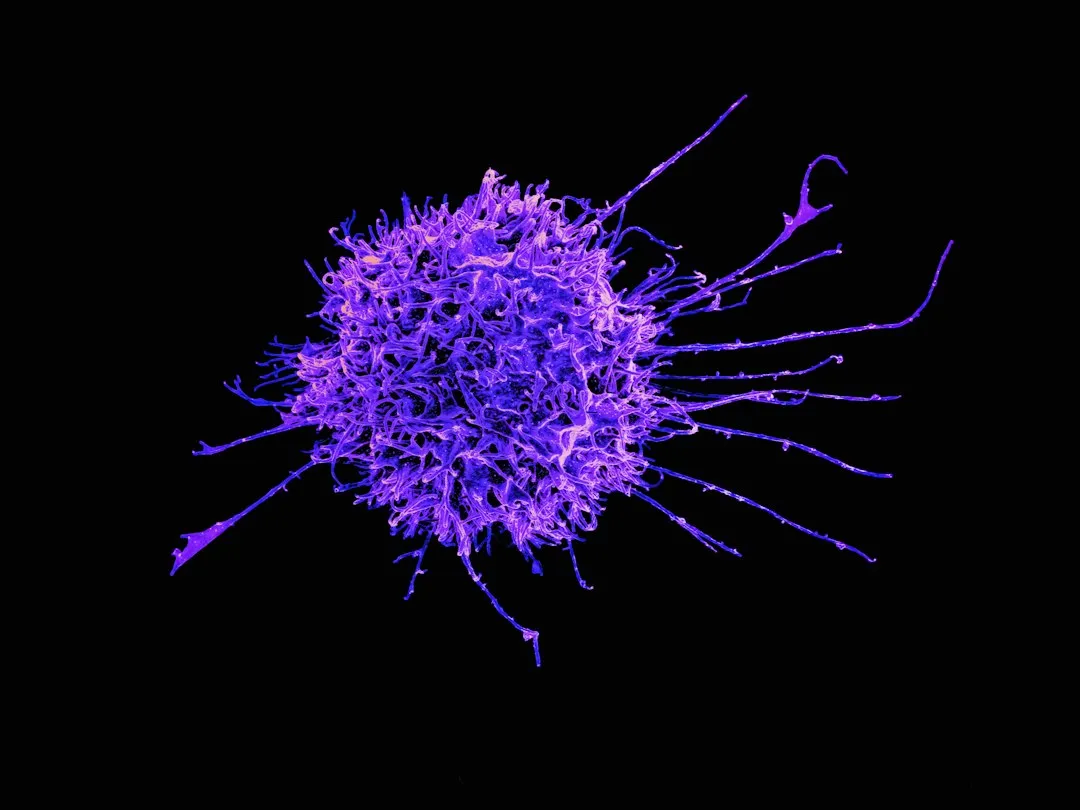
A mast cell tumor is the most common malignant skin tumor in dogs, and it is a shape-shifter: it can look like a red raised bump, a soft lump, or even mimic a lipoma. This is what makes them particularly dangerous to dismiss without a vet’s input.
Mast cell tumors account for approximately twenty to twenty-five percent of all skin neoplasms in dogs. Small mast cell tumors may remain quiet and seem inactive for long periods before spreading, and all mast cell tumors are normally treated as at least potential malignancies.
Mast cell tumors contain histamine-filled granules, so they can visibly swell after being bumped or handled and then settle again, a pattern no benign wart or skin tag shows. If a lump on your dog seems to change size from day to day, that is a reason for a prompt vet visit.
Sebaceous Cysts: Blocked Pores That Build Up
A sebaceous cyst forms when a pore or hair follicle in your dog’s skin becomes blocked or clogged. Sebaceous cysts are common in dogs of all ages and can occur singly, or your dog could have several of them.
Originating in the skin glands that produce oil, these small lumps are common in older dogs and can ooze a greasy white substance. They’re usually round and firm but rarely dangerous on their own.
Sebaceous cysts are benign and generally do not need urgent treatment. Still, any cyst that grows rapidly, becomes inflamed, or begins to rupture repeatedly deserves a closer look from your vet, since chronic irritation can occasionally lead to complications.
Sebaceous Gland Adenomas: Those Wart-Like Growths That Aren’t Warts

Many pet owners notice new bumps popping up on a senior dog’s skin and assume they are harmless viral warts, but in older dogs, they are often something different: benign sebaceous gland tumors. The two look similar but have different origins.
Sebaceous gland adenomas are common in older dogs. These tumors frequently are clinically indistinguishable from sebaceous hyperplasias, but they tend to be larger, typically over one centimeter.
Only about two percent of sebaceous tumors are malignant. That’s genuinely reassuring odds, though it still doesn’t mean you should skip the vet visit. Getting a confirmed diagnosis rules out the small chance of a more serious growth hiding in plain sight.
Skin Tags: Common, Harmless, and Easy to Misread
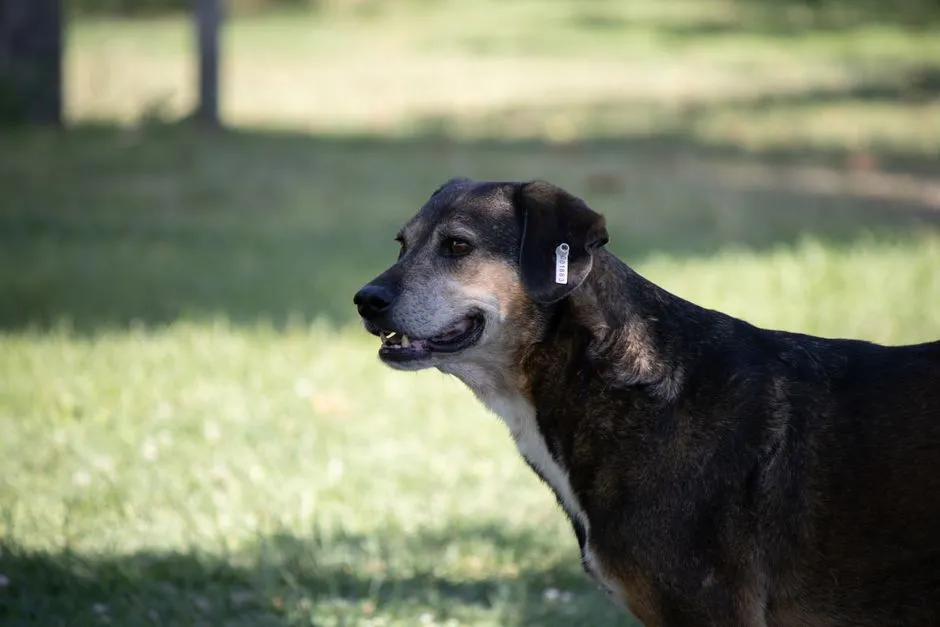
Skin tags are distinctive, benign skin lumps on older dogs. Most commonly, they look like extended stalk-like growths, often covered by a wart-like surface. They tend to show up on areas of frequent friction like the neck, chest, or armpits.
Skin tags are benign, common in older dogs, and usually only a problem when they catch on collars, harnesses, or grooming tools. Large and giant breeds develop skin tags at higher rates overall, and middle-aged to senior dogs across all breeds are most at risk.
The real issue with skin tags isn’t the tag itself. Skin tags are soft, stalked, slow-growing, and skin-colored, but mast cell tumors can share all of those features. More critically, mast cell tumors can look identical to skin tags, and disturbing one can cause a serious systemic reaction. When in doubt, let your vet take a look before you assume it’s harmless.
Abscesses: The Lump That Arrives Fast and Hurts

An abscess is an infection under the skin that can be caused by a bite, cut, or other damage to your pet’s skin. Unlike lipomas or cysts, abscesses tend to appear quickly, sometimes within a day or two.
If the spot is hot to touch and your pet is experiencing pain, fever, loss of appetite, or lethargy, get them to a vet as soon as possible. These signs, together, point to an active infection that needs treatment rather than monitoring.
Abscesses are among the more straightforward lumps to identify because of how they behave. They’re warm, they’re tender, and your dog will usually let you know something is wrong. Speed matters here: untreated abscesses can spread or rupture internally.
Warts (Papillomas): Not Just a Younger Dog Problem
The second clinical presentation of canine papillomavirus infection is cutaneous papillomas, which are indistinguishable from warts that develop on or around mucous membranes. They are more frequently solitary and develop on older dogs.
Senior dogs often have warts, which appear as single or clustered lumps resembling cauliflower florets. They’re usually harmless but can become irritated if located in a spot that gets regular contact or friction.
A definitive viral etiology has not always been established, and lesions may be confused with cutaneous tags. That overlap is exactly why a hands-on monthly check paired with an annual vet exam matters so much in older dogs.
Soft Tissue Sarcomas: The Slower-Moving Threat
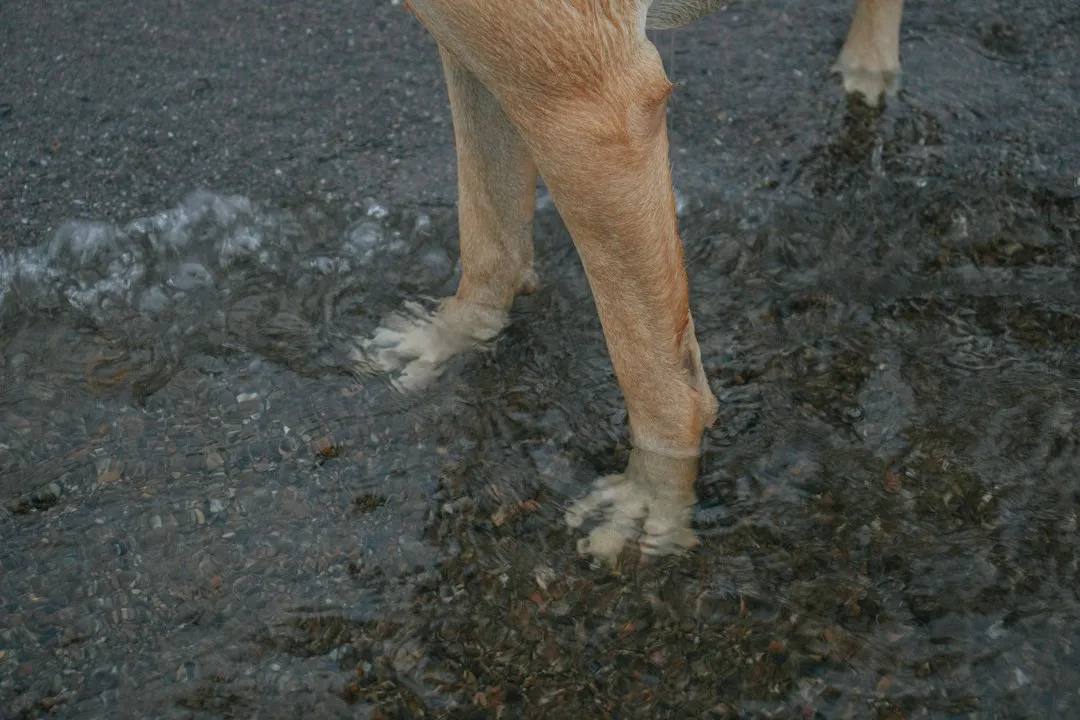
Soft tissue sarcomas are an aggressive cancer in dogs that grows into surrounding tissue. They can feel deceptively similar to a lipoma at first, which makes them one of the trickier lumps to identify without testing.
Legs are a common site for mast cell tumors and soft tissue sarcomas, and lumps here matter more surgically because there is little spare skin for wide removal. Location, in other words, affects both urgency and treatment options considerably.
If a lump on a leg or joint area feels firm, is rooted deeply, or is growing steadily over a few weeks, those are reasons not to wait. Early detection dramatically changes what surgical options are available and how much healthy tissue can be preserved.
Melanomas: Pay Special Attention to the Mouth and Nails
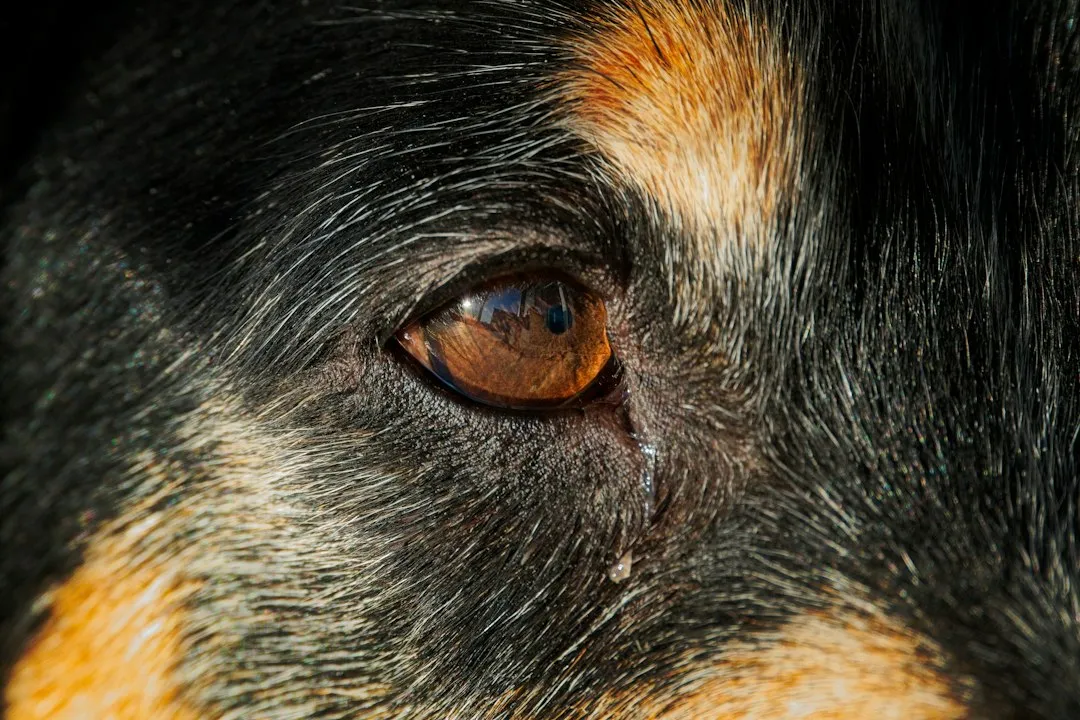
Melanomas are raised, ulcerated lumps typically found in the mouth or nail beds of older dogs and are prone to spreading. They’re less likely to be spotted during a routine body check, which is exactly why monthly exams should include the mouth, lips, and paws.
Patients with malignant oral tumors were significantly older than those with benign tumors, with a mean age of approximately eleven and a half years versus under nine years for benign cases. Age, in this context, is a meaningful risk signal worth taking seriously.
Dark-pigmented growths anywhere near the gumline or under a nail should always be evaluated promptly. Oral melanomas in dogs tend to metastasize early, so the window for effective treatment is narrower than with many other tumor types.
How Vets Diagnose Lumps and What to Do When You Find One
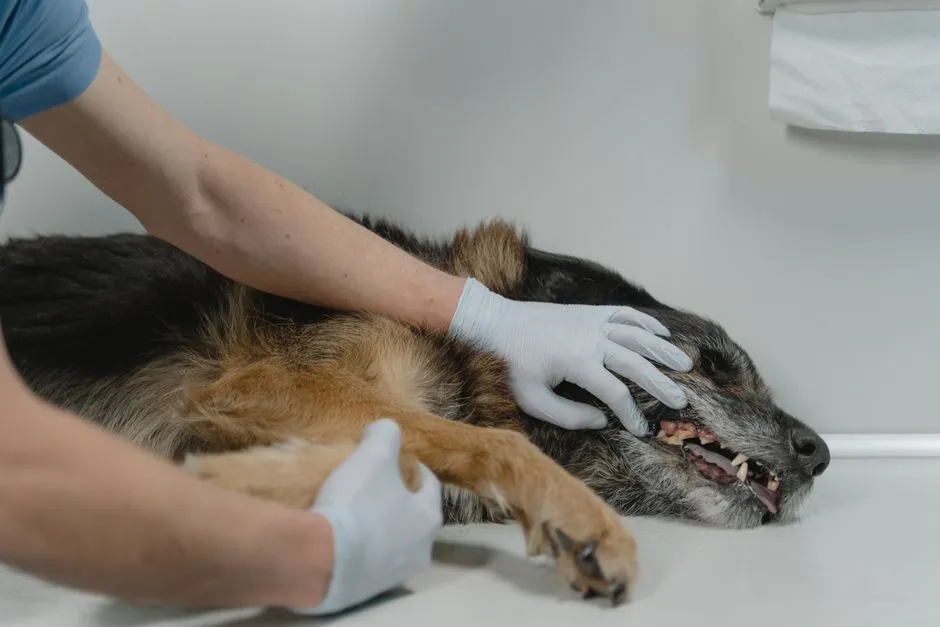
About ninety-five percent of masses can be diagnosed using fine needle aspiration (FNA). If the cause is unknown based on the physical exam, vets typically recommend doing a fine needle aspiration, where they insert a needle, collect cells from the mass, and examine them under a microscope.
Your veterinarian will perform a thorough physical exam and examine the lesion closely. You should be prepared to provide information such as when you first noticed the lump, whether the lesion’s shape, color, or size has changed, and if your dog’s appetite or energy level has decreased. These details genuinely help narrow the diagnosis.
You should call your veterinarian if you notice a new lump or bump that wasn’t there before, changes in an existing mass such as growing, changing color, firming up, ulcerating, or bleeding, a lump that seems painful or warm to the touch, or any swelling that causes your pet to lick, chew, or favor an area. When it comes to lumps on older dogs, a timely check is always the right call.
The Takeaway

Giving your dog a once-over once a week to check for new lumps is a vital part of caring for a senior pet. Similarly, monitoring existing lumps helps you see any changes and allows you to see your vet quickly if you are concerned.
Complete removal of benign lumps is usually curative, and even if a lump turns out to be more concerning, early action dramatically improves outcomes. The math here is simple: the earlier something is found, the more options there are.
Most lumps on older dogs turn out to be harmless. The ones that aren’t are far more manageable when caught early. A quiet moment each month, hands running over your dog’s body from nose to tail, is a small habit that can make a real difference.
AI Disclaimer: This article was created with the assistance of AI tools and reviewed by a human editor.