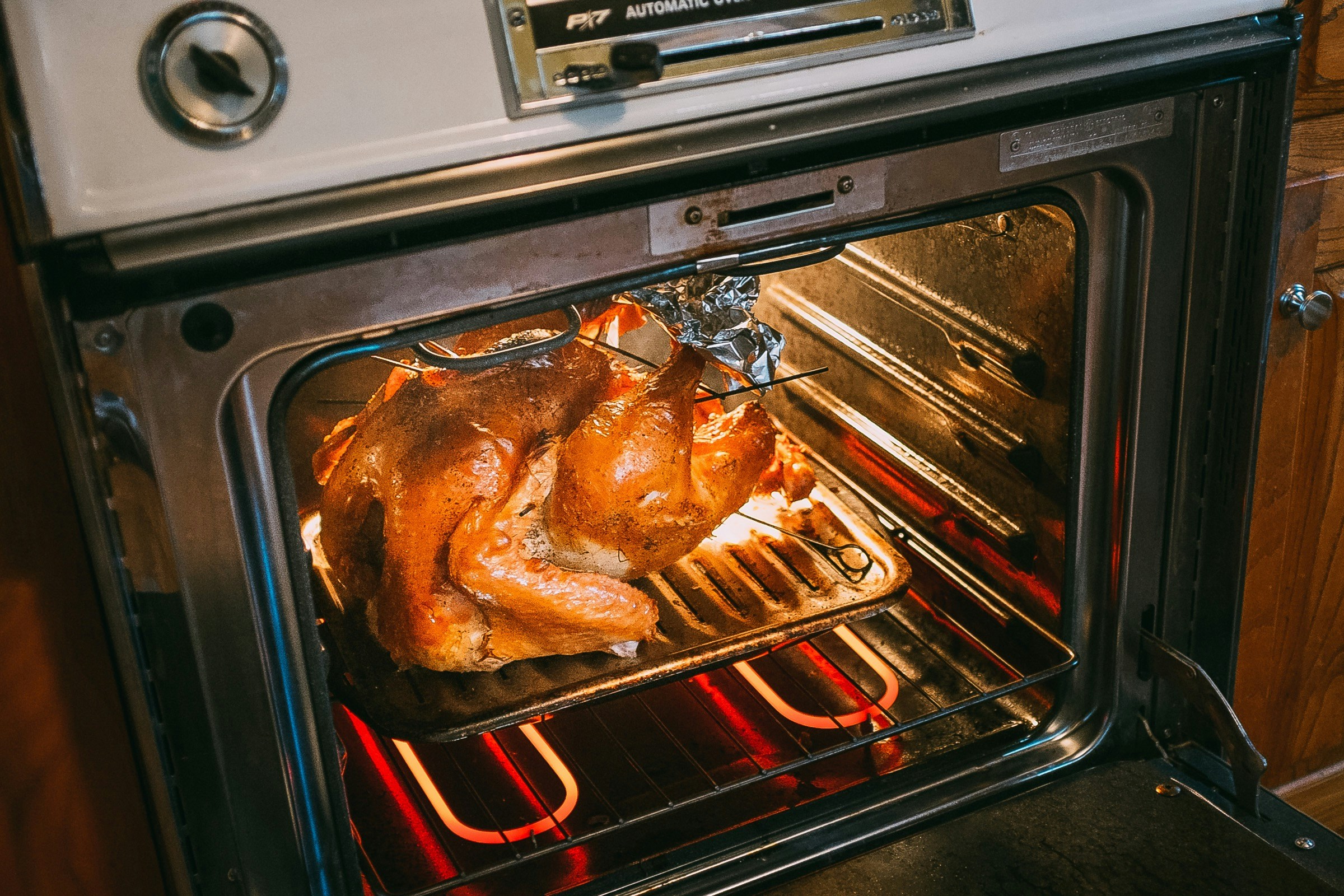

There’s a particular smell that used to drift through British homes every Sunday afternoon, roasting meat, crisping potatoes, gravy simmering on the stove. It wasn’t just about lunch. It was the one hour of the week when everyone sat down together, no phones, no rush, just food and conversation.
That ritual hasn’t vanished entirely, but it’s changed shape, and in some households it’s disappeared altogether. Understanding why, and what’s actually at stake when a family skips it, says more about modern life than most people realize.
Where the Sunday Roast Actually Came From
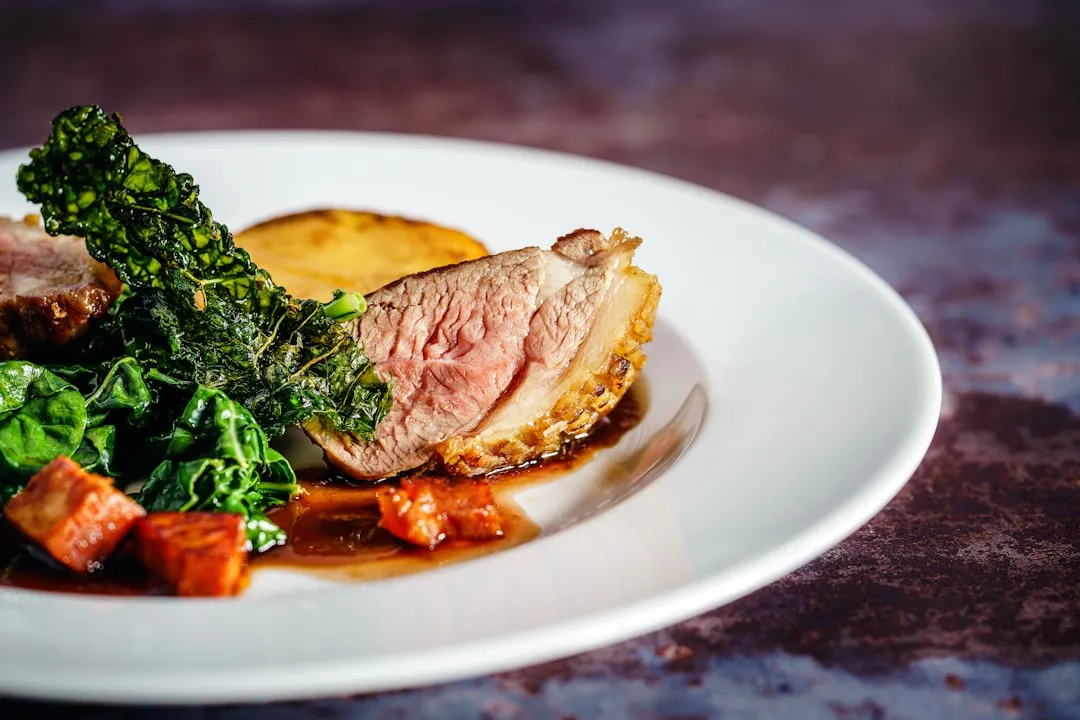
The tradition stretches back further than most people assume. The Sunday Roast dinner has a history that can be traced back to the 15th century in the British Isles, during the time of King Henry VII, when royal guards had a tradition of consuming roast meats after attending Sunday church service, eventually earning them the nickname beefeaters.
A second theory places its roots even earlier, in medieval times. This second opinion holds that the Sunday roast dates back to medieval times, when village serfs served the squire for six days a week. Either way, the meal was never just about eating. It was a marker of the week’s end, a small celebration built around whatever meat a family could afford.
How the Industrial Revolution Shaped the Ritual

The version most people recognize today owes a lot to the 1700s. In the late 1700s, during the Industrial Revolution in Britain, families would place a cut of meat into the oven as they got ready for church, adding vegetables such as potatoes, turnips and parsnips before heading out, so that when they returned the dinner was all but ready, with the meat juices used to make a stock or gravy. It was practical as much as sentimental.
A single oven, timed to the length of a church service, fed an entire household without anyone needing to hover over the stove all morning. That efficiency is part of why the tradition stuck around for so long, it solved a real problem for busy families.
Why the Habit Started Slipping
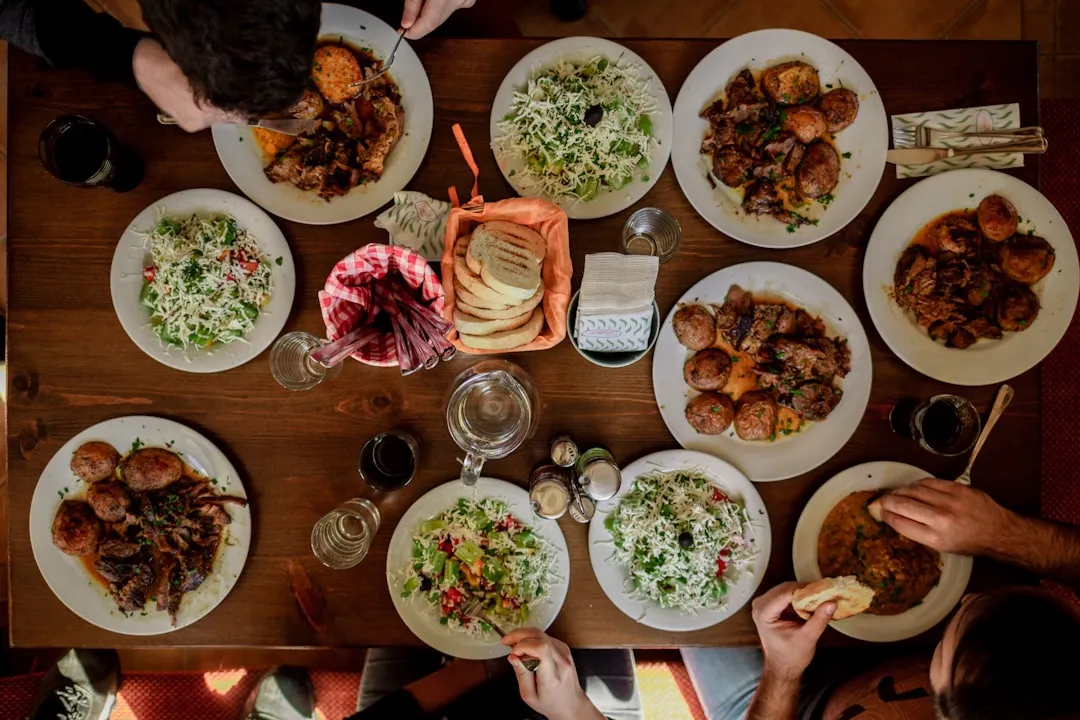
Fast forward to today, and the picture is more complicated than a simple decline. Research from the Institute for Family Studies actually complicates the popular narrative that family meals are dying out entirely. A comprehensive look at more than 40 years of data shows that the share of American families eating dinner together has held remarkably constant, after a decline during the 1980s and early 1990s.
Even so, that stability hides real strain underneath. Putnam found that eating family dinners continued to decline among families headed by parents with no more than a high school education, and since the decline stopped for parents with a college degree, the gap between the two widened from the early 1990s through 2005.
The Cost of Living Squeeze on the Roast
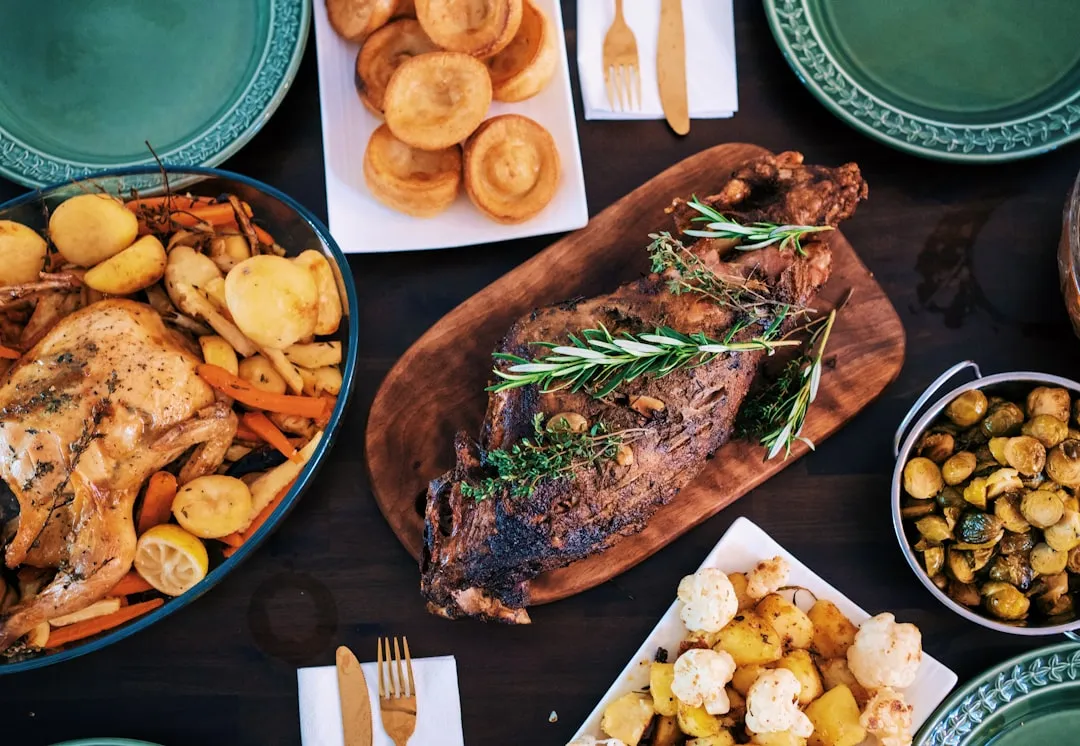
Money has become one of the sharpest pressures on the tradition in Britain specifically. Rising food prices are threatening to consign one of Britain’s most cherished culinary traditions to history, according to new research where a survey of 2,000 people by Iceland Foods revealed that nearly half intend to prepare fewer roast dinners over the coming year as grocery costs continue to climb.
The numbers behind that anxiety are specific. With the typical cost per person now standing at £14.49, a household of four faces a bill approaching £58 simply for ingredients to put together the beloved weekend meal. Younger households feel it hardest. Gen Z is spending up to £18 per head on roast ingredients, pushing a meal for four to as much as £72, and 57 per cent of Gen Z respondents said they would be cutting back on the traditional dish in the months ahead.
It’s Not Just the Money
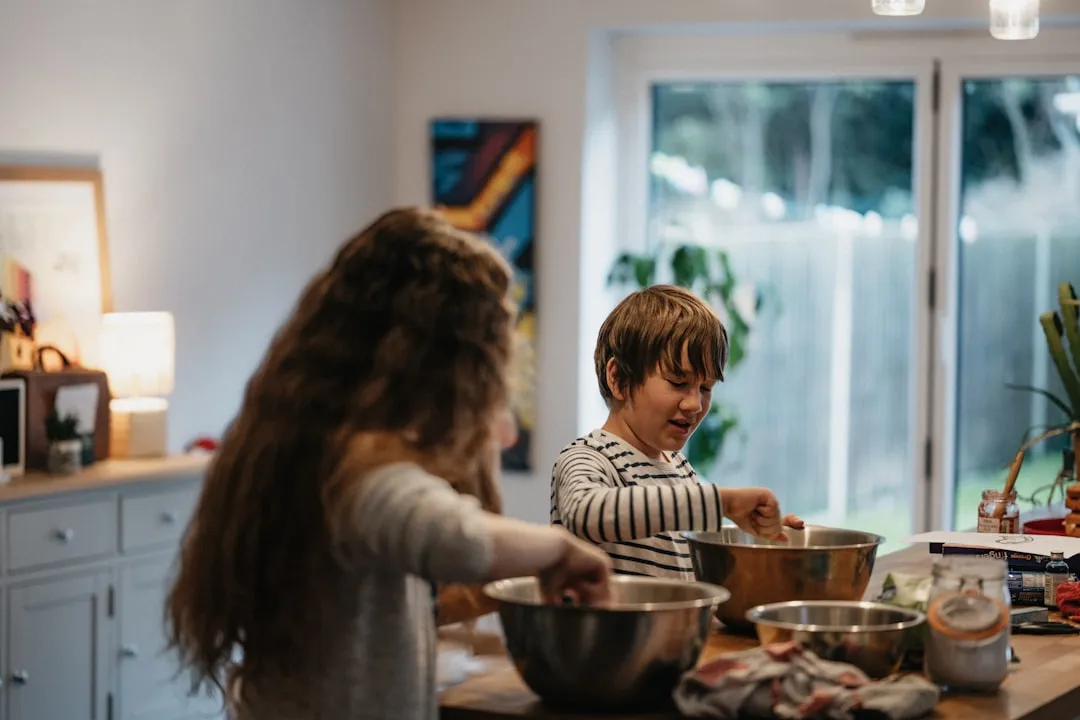
Cost isn’t the only reason people are stepping away from the stove. Stress plays a bigger role than many would admit. Beyond the supermarket checkout, other factors are driving families away from the kitchen, with a third of those surveyed describing gathering all the necessary ingredients as too stressful, while 42 per cent cited rising energy bills as a reason to cook less.
Energy bills, in particular, make a slow roast feel like a luxury rather than a routine. When an oven running for hours becomes a line item to worry about, it’s easy to see why families reach for something quicker instead.
The Roast Isn’t Actually Disappearing Everywhere
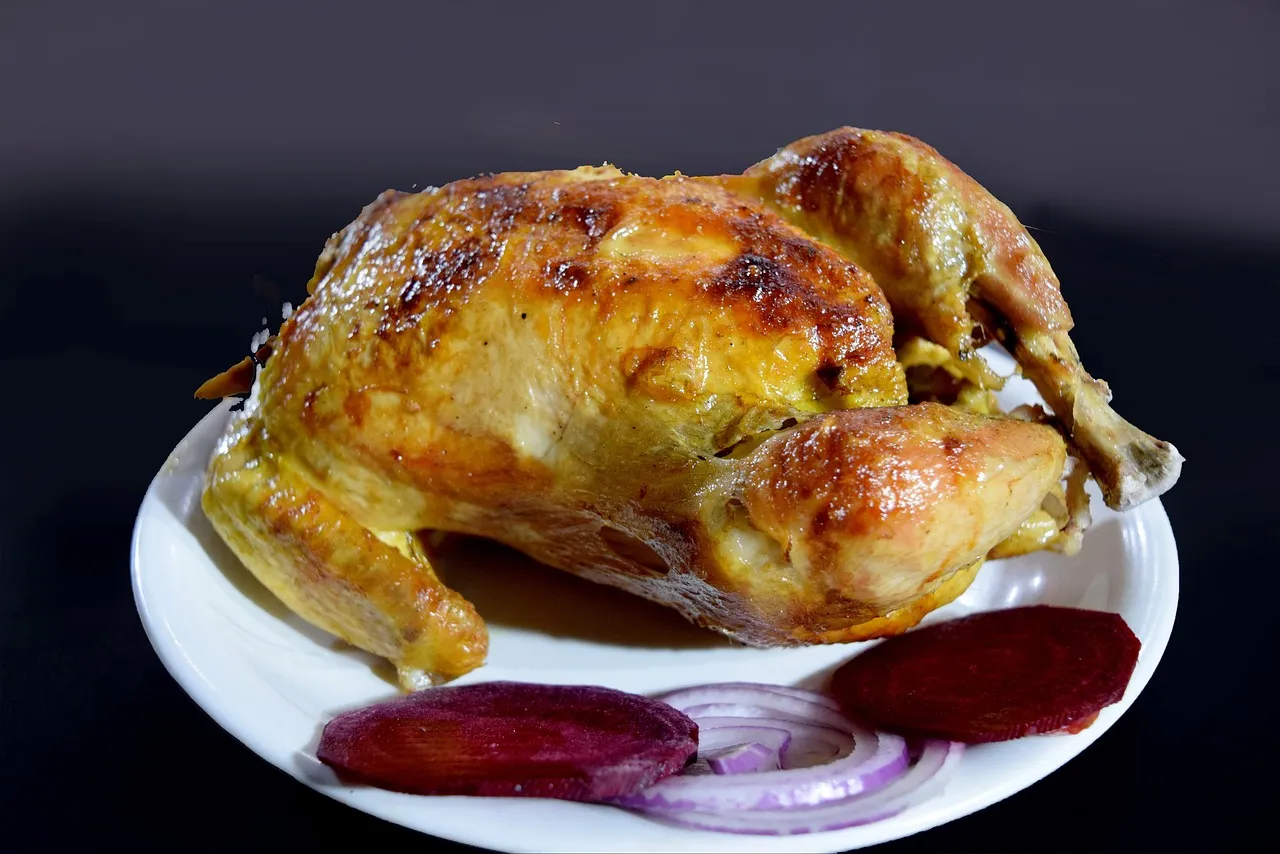
Despite the warnings, the tradition still has real staying power in parts of the population. Over 60% of Britons eating it every Sunday according to research on the tradition’s current popularity. Interestingly, the people keeping it alive aren’t always who you’d expect.
Occasions are rising most amongst empty nesters and families with older children, up 14.2% and 12.2%, while a significant increase is coming from millennials without children, who have eaten 9.5% more roasts in the past year. Meanwhile it’s families with children under the age of 9, who used to be the core audience, that have pulled back the most, which suggests the tradition is shifting generations rather than disappearing entirely.
What Families Actually Lose When They Skip It
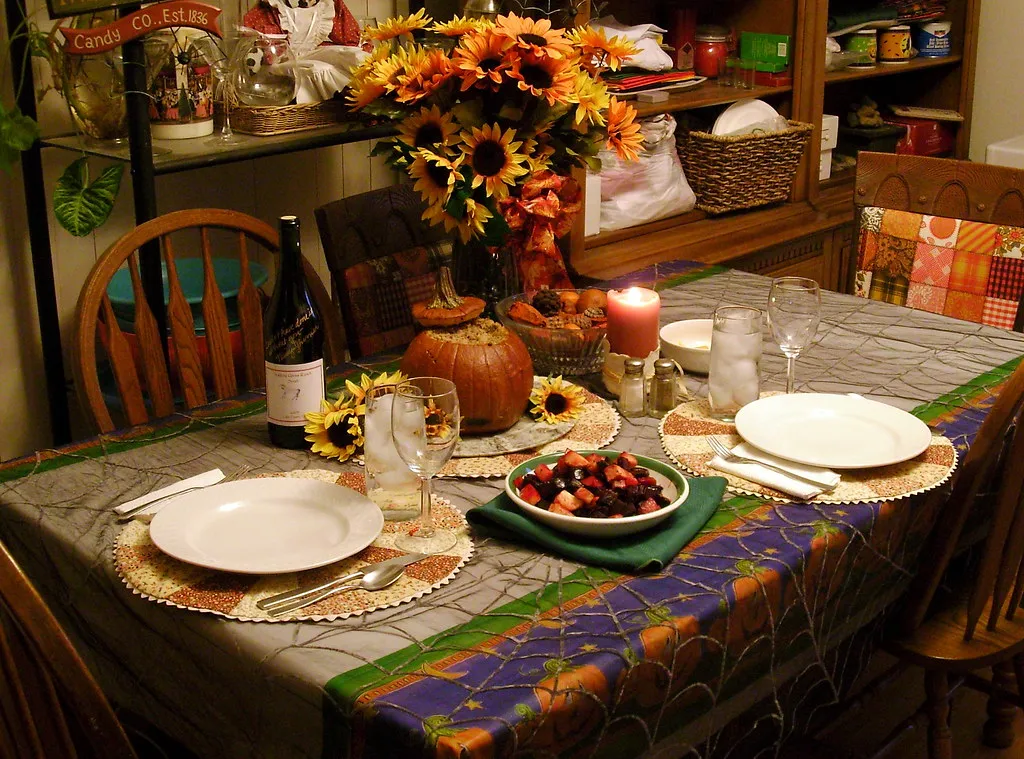
The benefits of a shared meal go well beyond nostalgia. Dinners offer an especially valuable chance for family members to come together to share the day’s highs and lows, discuss personal issues, current events, and big questions of the day, and generally enjoy each other’s company.
The research on adolescents specifically backs this up. Eating dinner with family members is associated with improved dietary intake, lower prevalence of disordered eating behaviors, lower levels of substance abuse, and improved academic outcomes among adolescents. A weekly roast, precisely because it’s slower and less rushed than a weeknight dinner, tends to stretch that conversation time even further.
American Families Are Quietly Holding On Too
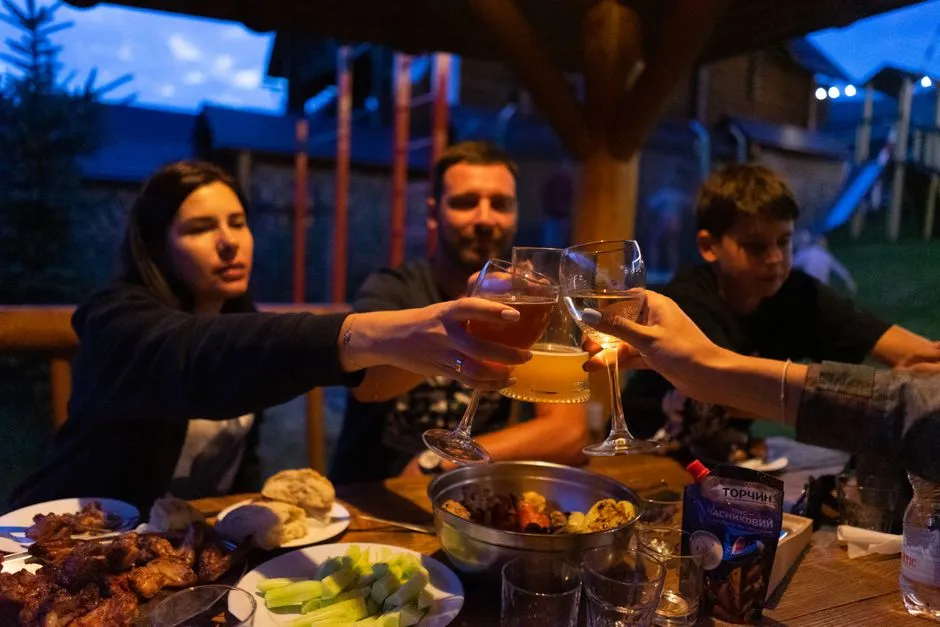
It’s not only a British story. Data from the FMI Foundation paints a more encouraging picture than the doom-and-gloom headlines suggest. More than 80% of Americans are consuming the same or more family meals in the past year, according to new data released by the FMI Foundation, and more than 90% expect they will continue doing so in the future.
Government data on children specifically tells a similar story. In 2020, many children had meals with their families 4 to 6 days a week (29.4%) or every day (45.4%). The habit of eating together, in other words, hasn’t collapsed, it’s just competing with more distractions than it used to.
The Menu Is Changing, and That’s Fine

Bringing the tradition back doesn’t mean recreating it exactly as grandparents did. Tastes have shifted noticeably even among people who still cook a weekly roast. Consumption of roast beef is on the decline, eaten 7.8% less than the year before, while roast chicken and roast turkey are seeing the biggest growth, up 14.1% and 11.1% respectively, and the number of roasts that included peppers grew 27% over the year. There’s also room for it outside its country of origin entirely.
The tradition of a Sunday roast lunch or dinner has been a major influence on food cultures in the English-speaking world, particularly in Australia, Ireland, Canada, South Africa, and New Zealand. Vegetarian versions have found a foothold too, swapping the meat for something like a nut roast or lentil pie while keeping the potatoes, gravy, and Yorkshire pudding intact.
Bringing It Back Without the Stress

The good news is that reviving the tradition doesn’t require a full Victorian production. Retailers have noticed the appetite for convenience and responded with kits designed to cut the prep time down. Dinner in a box options now take away the stress of shopping for each ingredient and give families everything they need to enjoy a proper roast together. Starting small works just as well. One roast a month, a single vegetable side instead of five, a rotisserie chicken instead of a whole joint, all of it counts, because the point was never really about culinary perfection. It was always about the hour spent at the table.
The Sunday roast was never just a recipe. It was a weekly appointment with the people closest to you, built into the rhythm of the week long before anyone worried about screen time or scheduling conflicts. Bringing it back doesn’t require nailing the gravy or finding the perfect cut of beef, it just requires clearing an hour and showing up. The rest, as families have proven for centuries, tends to take care of itself.
AI Disclaimer: This article was created with the assistance of AI tools and reviewed by a human editor.