
There’s something almost strange about holding a handwritten letter in 2026. The paper has weight. The ink has personality. You can see where the writer paused, pressed harder, or crossed something out. In a world where most communication arrives as a notification, disappears into a feed, or gets buried under hundreds of unread emails, a physical letter does something rare – it demands your full attention.
Letter writing didn’t disappear overnight. It faded slowly, replaced by convenience. Yet there are signs, backed by real data and lived experience, that people are starting to miss something they can’t quite name. The question isn’t whether letters are practical. It’s whether they’re worth it anyway.
A Tradition That Built Civilizations
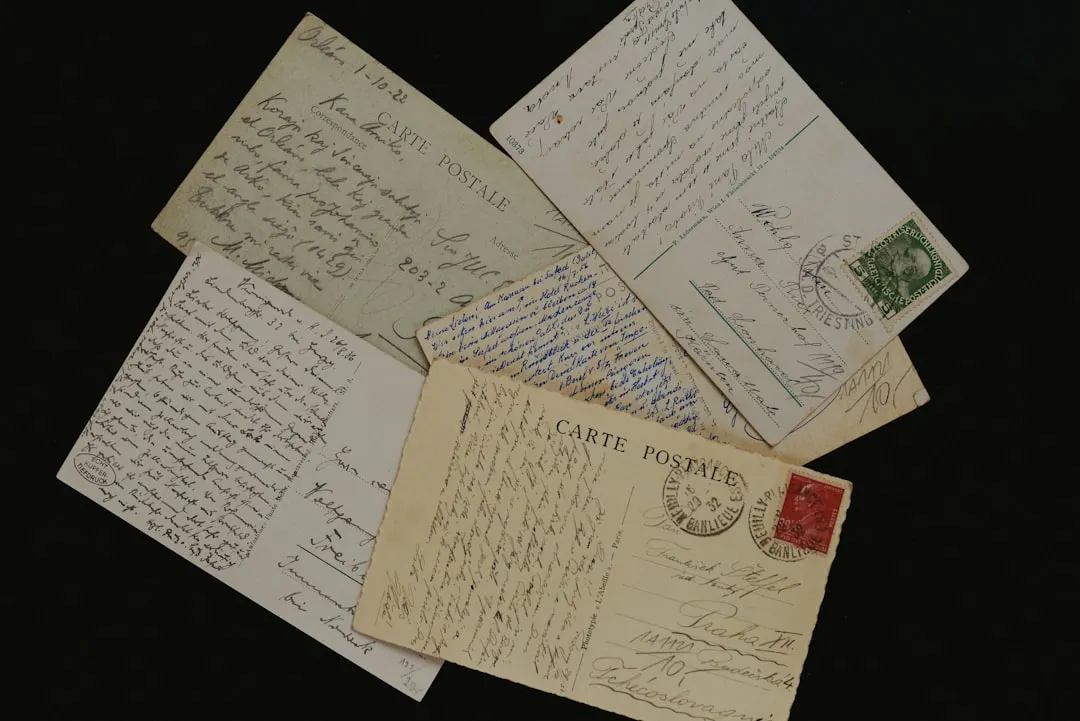
Letter writing has deep historical roots, dating back to ancient civilizations like the Egyptians, Greeks, and Romans. Through the centuries, it became a vital tool for communication, from philosophical musings in the Middle Ages to personal letters during the 18th and 19th centuries. Wars were coordinated through correspondence. Lovers kept relationships alive across oceans. Governments functioned through dispatches written by hand.
Letter writing was an essential form of communication in earlier times. It was used for simple contact and was also an important way to communicate during wars. Many of history’s most significant literary and political exchanges survive only because someone took time to write them down, seal them, and send them. That archive of human thought exists precisely because letters were preserved as objects worth keeping.
How Digital Communication Changed Everything
At one point in time, letter writing was an important skill that every child in school had to learn. People corresponded with one another, wrote business letters, and sent letters to their politicians. That culture didn’t collapse; it was simply outpaced.
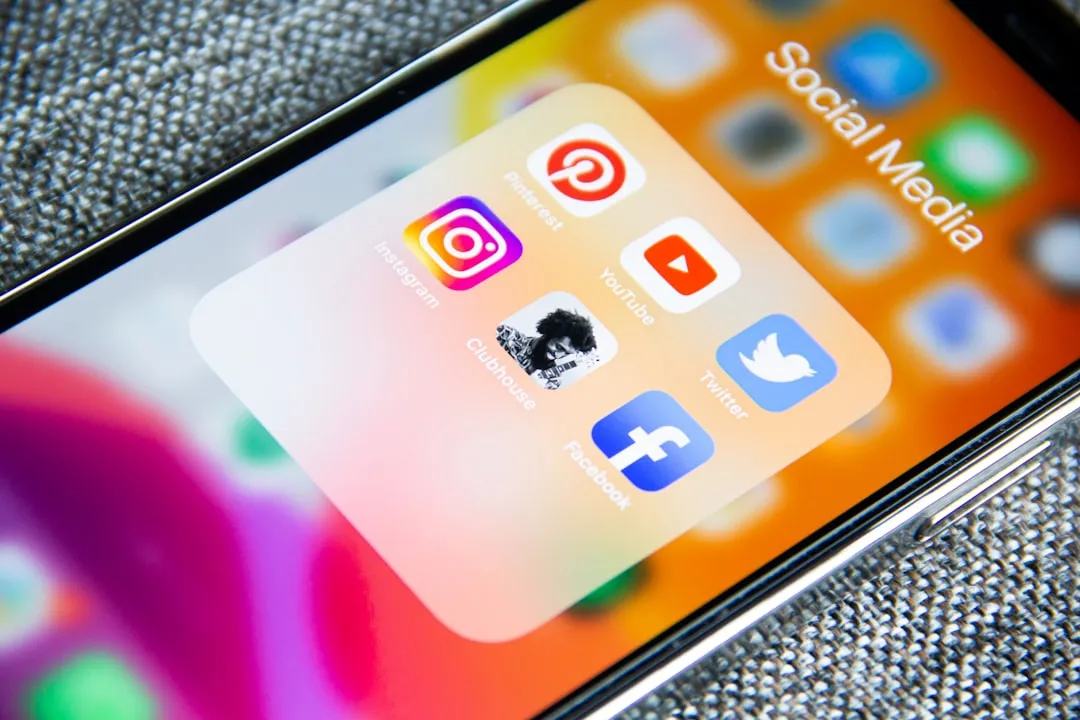
This all began to change when computers, the internet, and mobile phones made it possible for people to communicate with one another without having to write a physical letter. Now, many of these tasks can be handled by phone, email, text message, or even through social media. Speed won the argument, at least for a while. The costs of that trade-off are only becoming visible now.
The Statistics Tell a Sobering Story
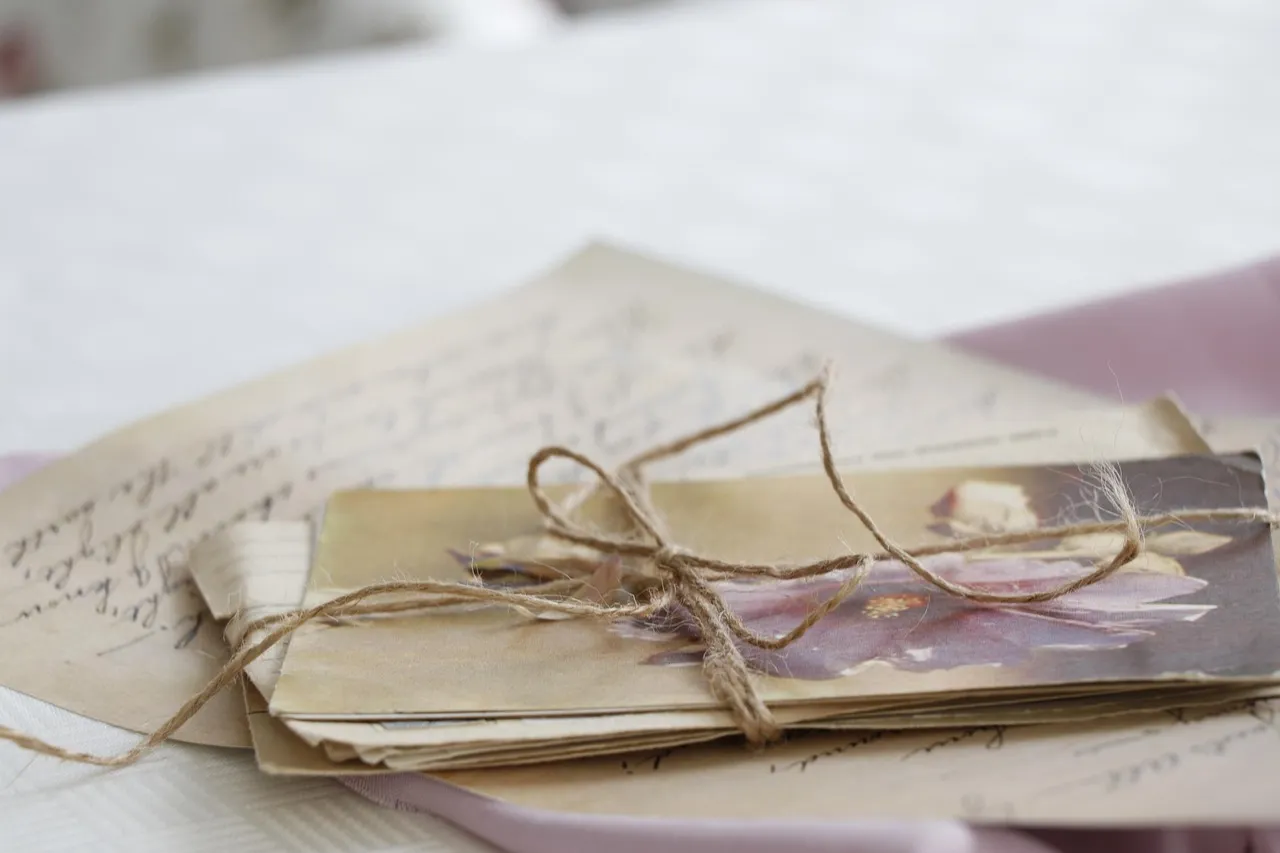
According to a CBS News survey, roughly a third of adults polled in the U.S. said it’s been over five years since they’ve written and sent a personal letter through the mail, and just under a third said they’ve written one within the past 12 months. Another fifteen percent of the adults surveyed have never written and sent a personal letter – ever.
When asked about receiving personal letters, half of the respondents said they haven’t received one in the past five years, and fourteen percent haven’t ever received one. Among younger generations, the gap is even wider. Research from Nationwide Building Society and The Diana Award revealed that nearly a third of children have never written a letter, with a similar amount having never received one either.
Yet the Desire Is Clearly Still There
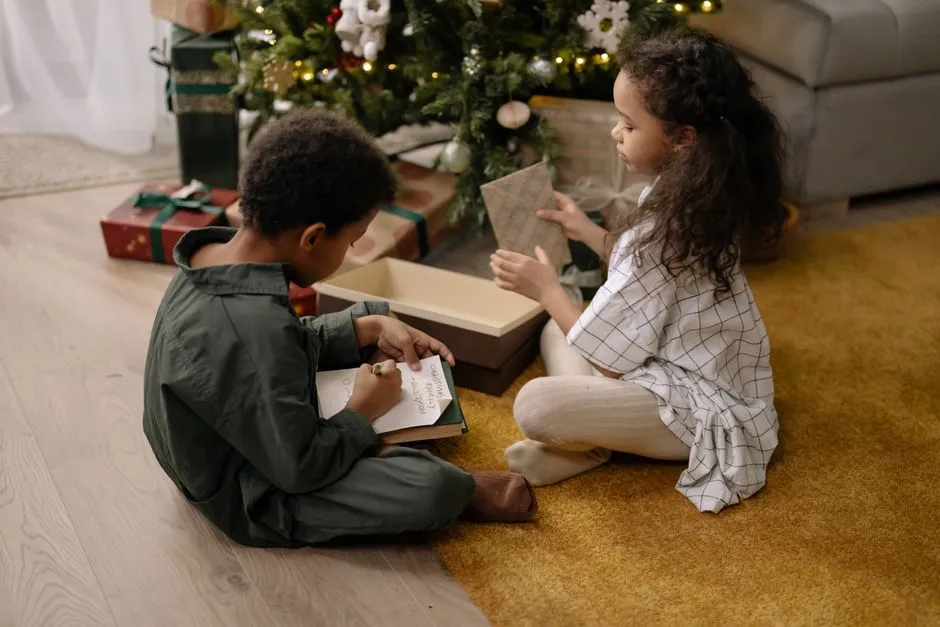
Despite the bleak numbers, the same survey concluded that four in five children of all ages would be excited to receive a letter. That contrast is striking. Children who’ve never held a personal letter in their hands still feel the pull of one arriving for them.
New data from Denmark suggests physical correspondence is experiencing a revival among younger people who are embracing pen-and-paper communication. Danes sent roughly half again as many letters in December 2024 compared to an average month, with eighteen to thirty-four year olds sending two to three times as many as other age groups. It’s a small signal, but it’s a real one.
The Brain on Handwriting
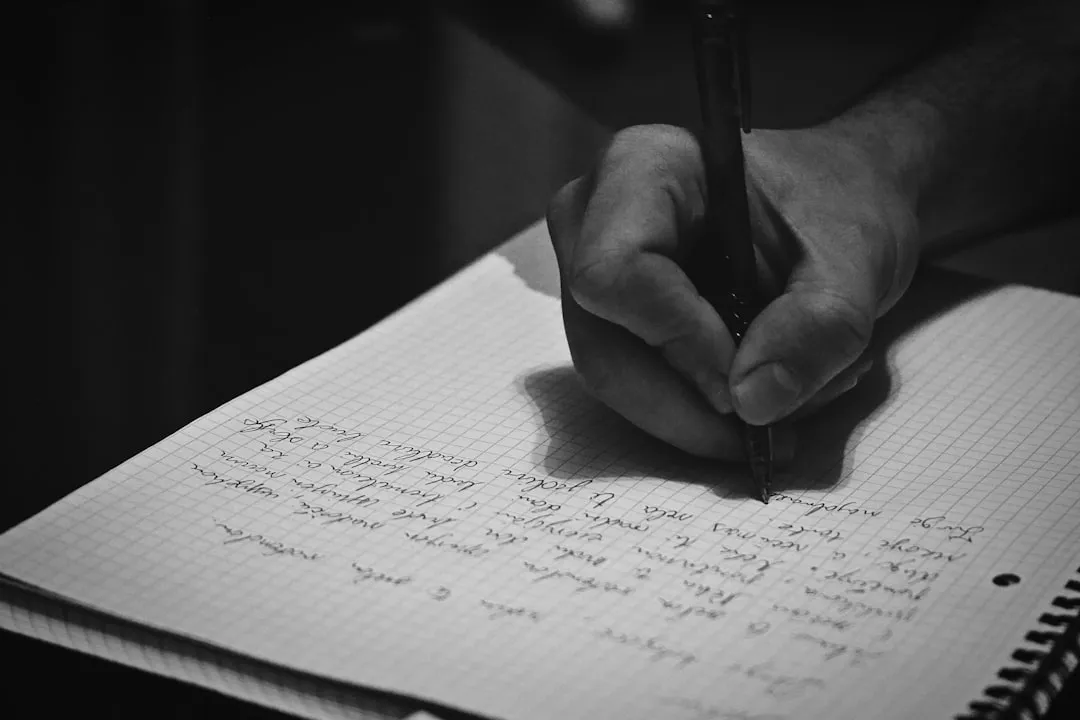
A landmark study from the Norwegian University of Science and Technology claimed that, unlike typing, handwriting generates brain connectivity patterns that promote learning. The research drew widespread scientific and public attention, reported across hundreds of media outlets.
Brain electrical activity was recorded in university students as they were handwriting visually presented words using a digital pen and typewriting the words on a keyboard. Connectivity analyses were performed on EEG data recorded with a 256-channel sensor array. When writing by hand, brain connectivity patterns were far more elaborate than when typewriting on a keyboard. Typing did not activate neural networks as extensively, suggesting that it is less effective for certain neural connections related to memory and learning compared to handwriting. Researchers do note that more work is needed before drawing firm causal conclusions, but the signal is consistent enough to warrant attention.
Letter Writing and Mental Health
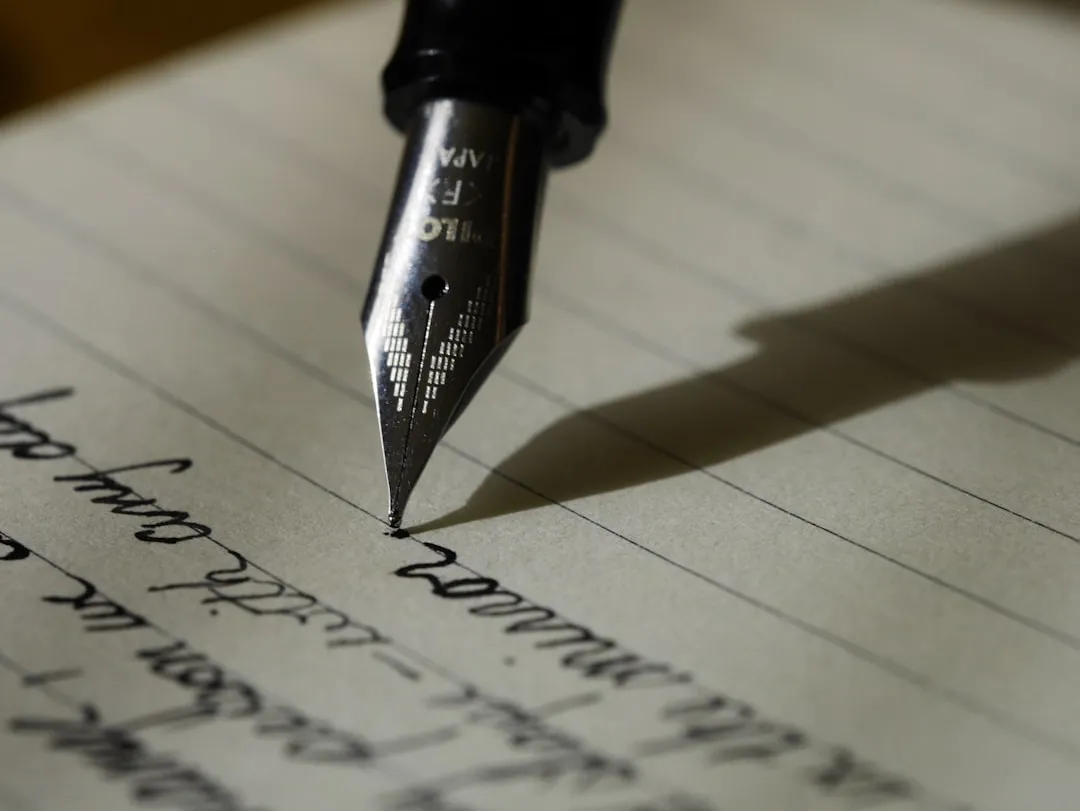
The act of writing by hand reduces stress, anxiety, and depression symptoms, and increases overall mental health. Research has shown that being grateful is good for your health, and expressing your gratitude through written letters, specifically, has mood-enhancing effects.
According to a 2020 study released by the United States Postal Service, when digital communication was thriving, roughly two thirds of individuals acknowledged that receiving a handwritten letter boosted their morale, while approximately the same proportion indicated that they have sent or are willing to send mail to their family and friends. A Royal Mail study found that nearly three quarters of people felt writing letters had positive mental health benefits. These aren’t niche findings. They point to something broadly felt.
The Therapeutic Power of Writing to Others – and Yourself
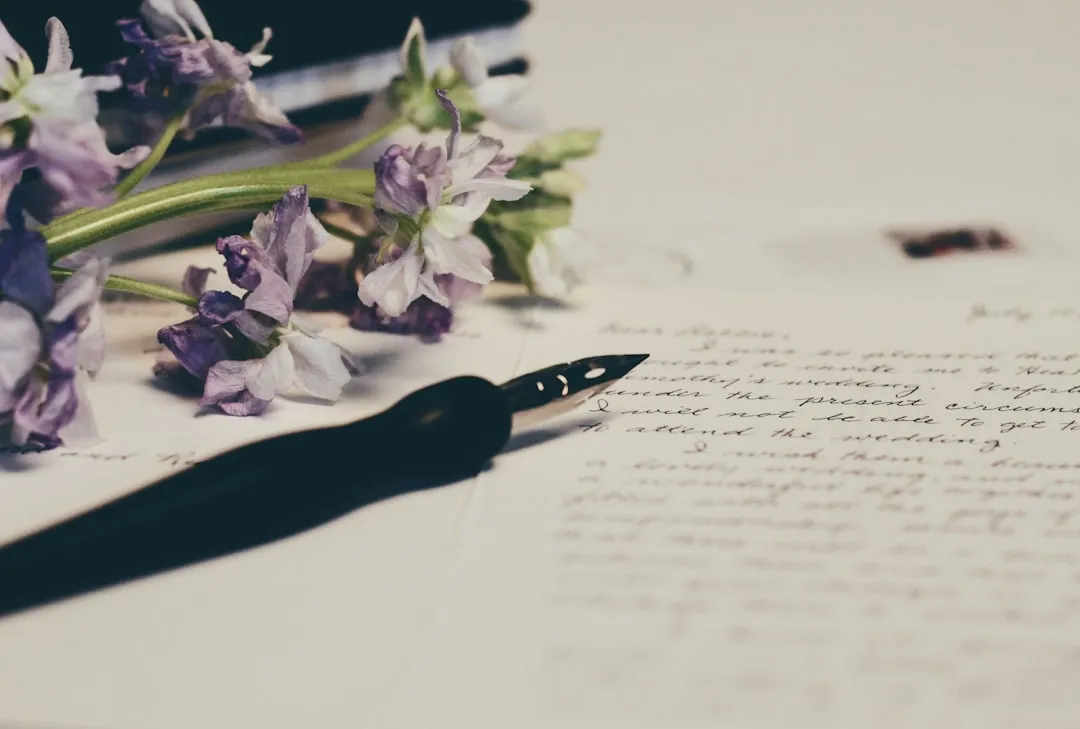
The psychology behind letter writing lies in its ability to externalize internal experiences, giving the brain a chance to process them more logically. Research in cognitive behavioral therapy and expressive writing shows that this form of structured self-expression reduces emotional suppression and improves mental clarity. It engages both emotional and rational parts of the brain, making healing more accessible.
A study published in the Journal of Health Psychology found that writing about stressful or traumatic experiences can improve emotional and physical health. A letter provides a private space, enabling individuals to express thoughts that may be too uncomfortable or awkward to convey in person or on social media. The exchange of handwritten letters is not merely a transaction but rather a shared experience. That distinction matters more than it might seem.
The Stationery Market Signals a Quiet Comeback
Fountain pens and letter writing sets are experiencing a resurgence, appealing to those who value traditional writing methods. This isn’t just nostalgia driving spending. Millennials and Gen Z are driving demand for premium products like brush pens, watercolor sets, and decorative planners.
The rise in letter writing has also revived interest in fancy pens, ink, paper, wax seals, and even calligraphy. For many, writing a letter is now a mini art project. They invest in good quality paper, decorate envelopes, and even include small drawings or dried flowers. This tactile, creative process makes the act even more rewarding. The market data backs this up. The stationery products market was valued at 147.5 billion dollars in 2024 and is projected to reach 213.7 billion dollars by 2034.
Community Is Growing Around the Practice
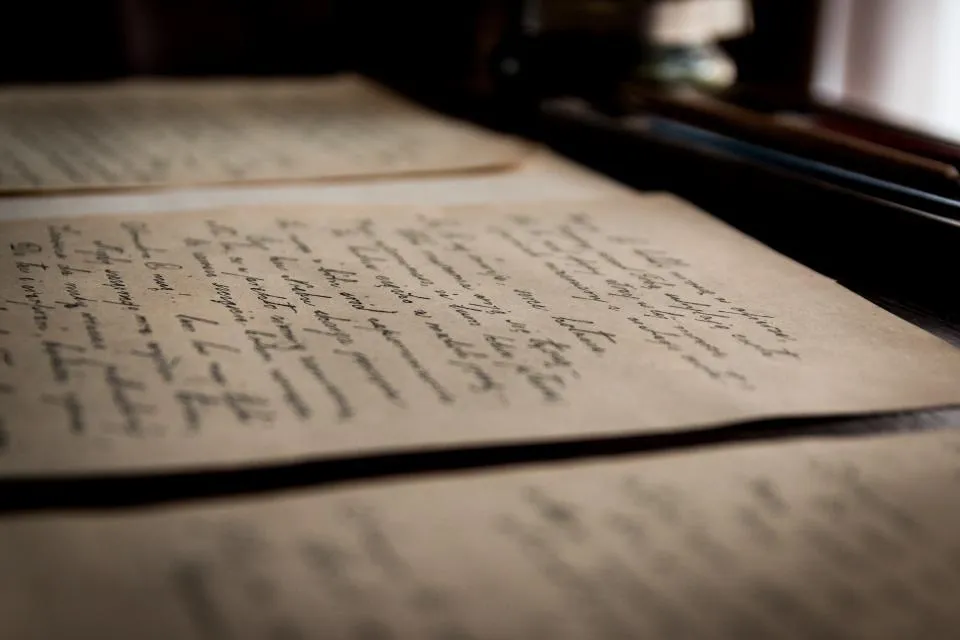
Letter writing clubs have popped up in cities and on college campuses. Some bookstores and stationery brands now host events that encourage people to sit down and write letters, often to strangers. These sessions aren’t just creative – they’re therapeutic.
Ironically, the very digital tools that threatened letter writing are now being used to bring it back. Social media campaigns and online pen pal platforms are encouraging people to write and exchange handwritten letters, creating a global community of letter writers and reigniting interest in this old-fashioned form of communication. One example: in October 2024, a mail club was launched as a subscription-based monthly service sending participants handwritten art and messages, with membership growing to more than 1,000 people across 36 countries.
What a Letter Says That a Text Cannot
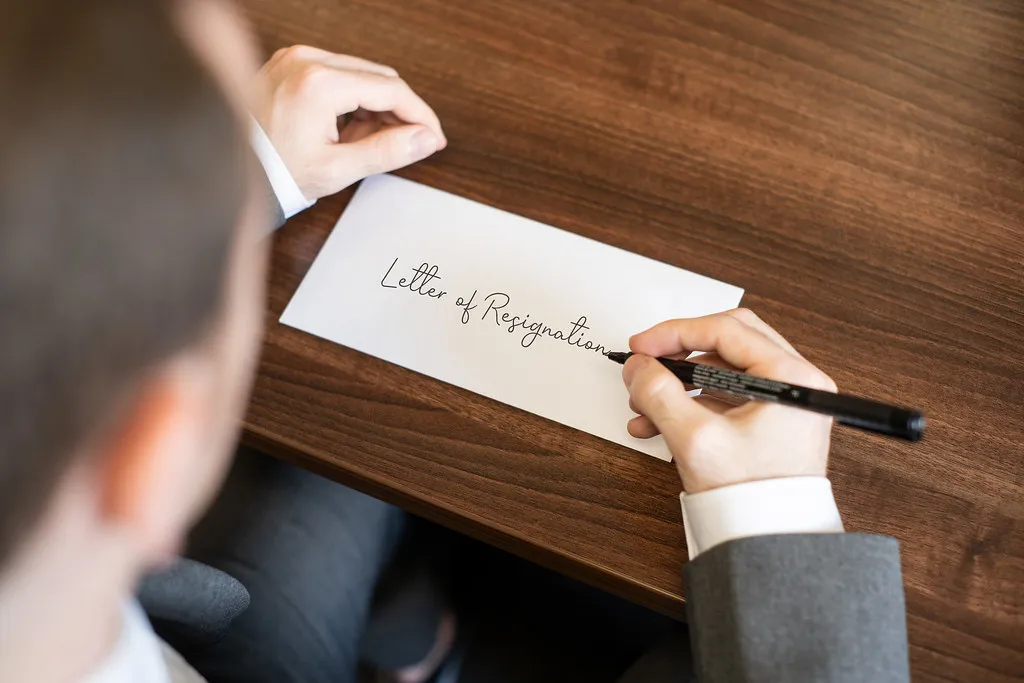
Although text messaging might be efficient, the true value of a message is held in the effort and craft of it. With letter writing, you can personally design the message to encapsulate the true depth of your thoughts in unlimited ways; text messaging, on the other hand, is limited to just wording. Text messaging doesn’t allow you to incorporate artistic elements, restricting messages to bland text bubbles and minimal animations.
When someone takes the time to write a letter, it shows commitment. The act itself becomes the message: you mattered enough for me to pause, reflect, and write to you by hand. While digital emails and messages can easily get lost in the daily barrage of information, a physical letter stands out as something tangible that you can hold, cherish, and revisit. It serves as a reassuring reminder that you and your relationships truly matter.
Final Thoughts
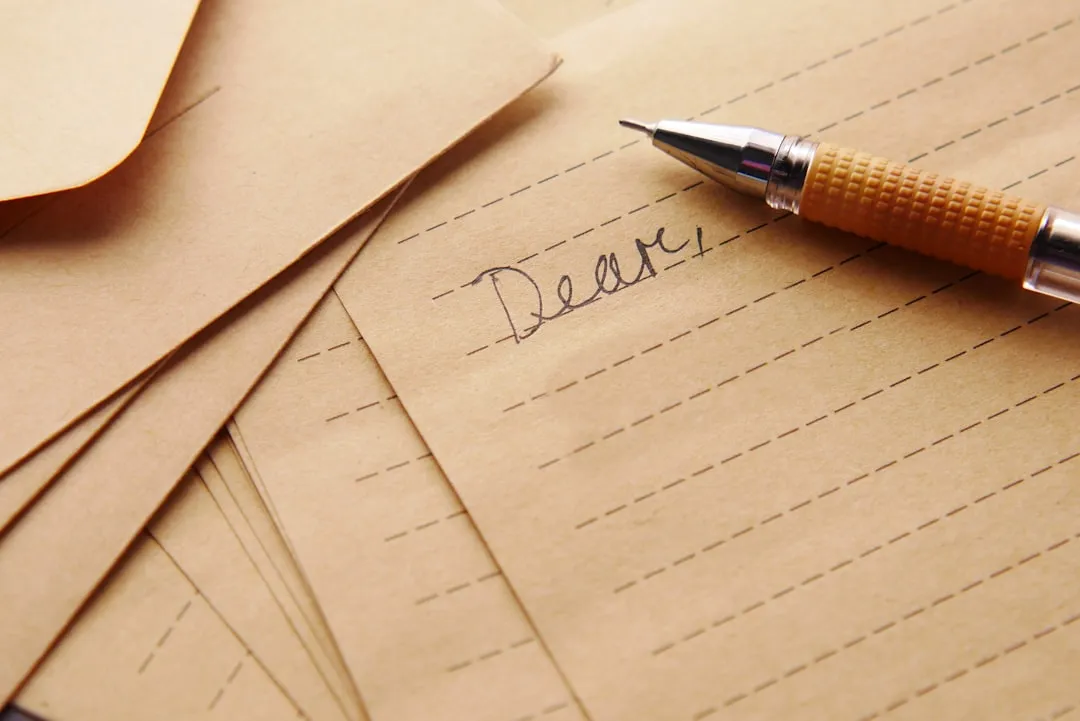
This revival isn’t about replacing one form of communication with another – it’s about reclaiming something we lost in our rush to be efficient. Writing a letter is not about speed. It’s about depth, emotion, and care.
Nobody is suggesting we abandon the conveniences of modern communication. Emails work. Texts are fast. Still, there are things a screen simply cannot replicate: the particular weight of someone’s handwriting, the deliberate choice of paper, the knowledge that another person sat quietly and thought carefully about you. Research published in Psychological Science found that writing a handwritten thank-you doesn’t just cheer up the recipient – it’s a mood booster for the sender too, and people consistently underestimate how powerful their words of appreciation can be.
The case for reviving letter writing isn’t sentimental. It’s grounded in what we now understand about connection, cognition, and wellbeing. The envelope on the doormat, the ink that doesn’t autocorrect, the time someone gave you – these things still count for something. Perhaps more now than ever.
AI Disclaimer: This article was created with the assistance of AI tools and reviewed by a human editor.