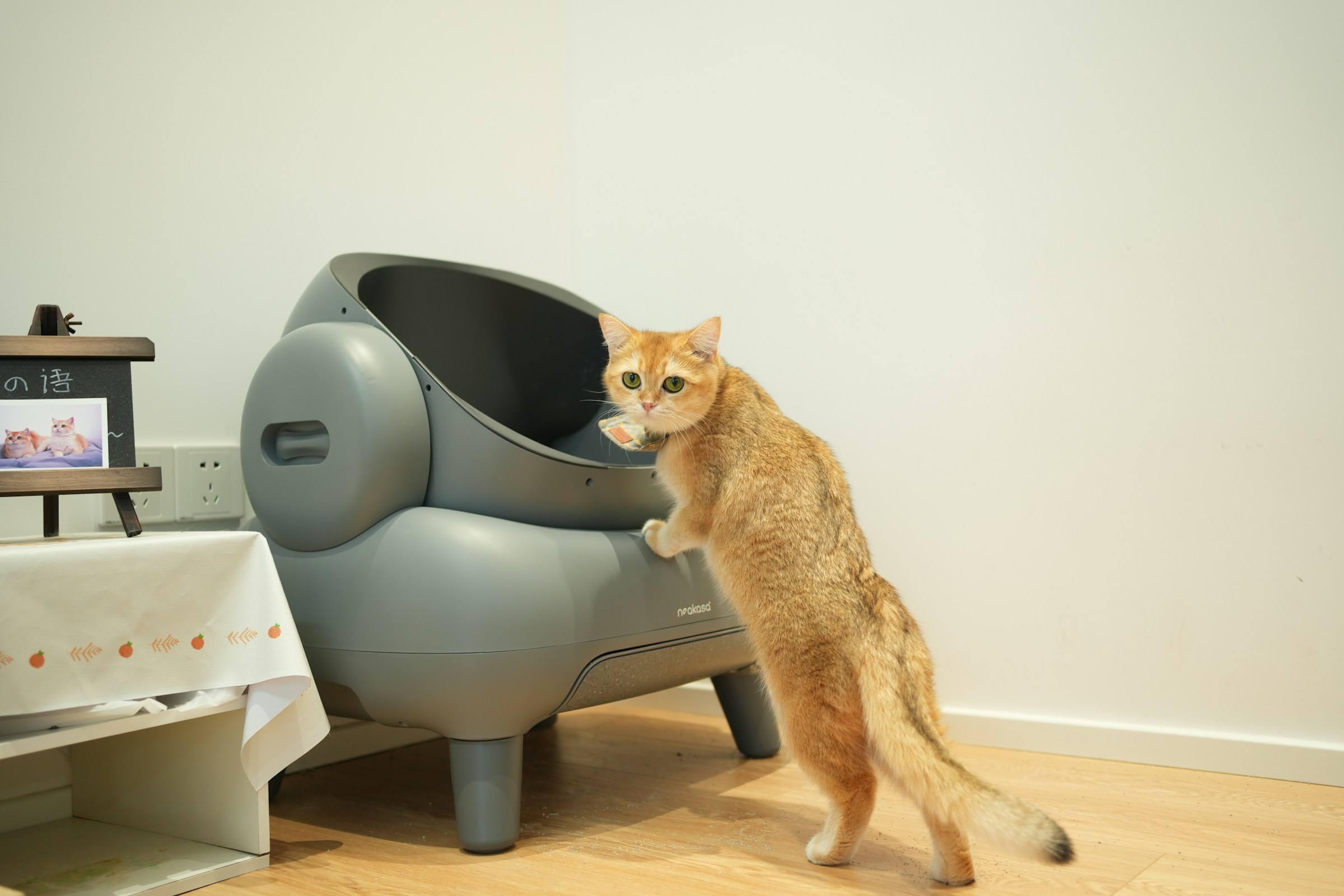

Rushing In and Out: The Anxious Exit
A cat that repeatedly runs quickly in and out of the box may be expressing discomfort or anxiety about the environment surrounding the box, rather than a medical issue. This kind of hurried behavior is easy to dismiss as quirky, but it’s worth paying attention to. It often means the cat feels exposed or unsafe in that particular location.
Stress and anxiety may manifest through hesitant entry, excessive pawing at surfaces, longer inspection times, or extended periods of sniffing before or after using the box. When these patterns appear together, they form a clear picture of a cat under pressure. The box itself may be perfectly clean, but the problem lives in the surrounding environment.
Elimination Just Outside the Box
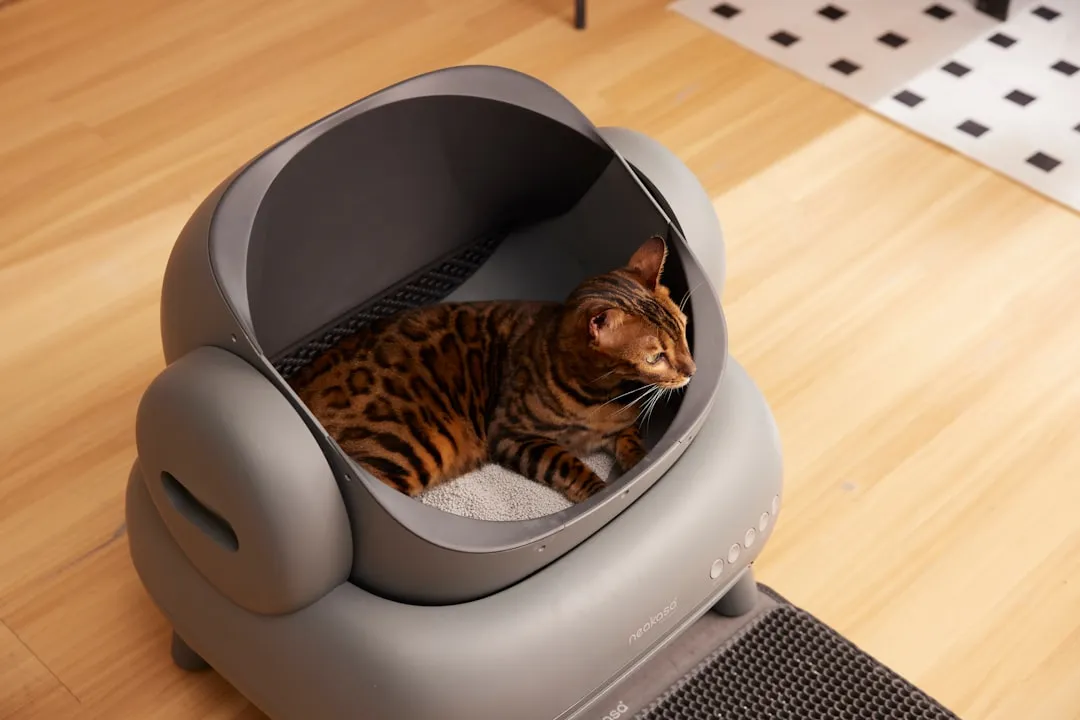
Eliminating just outside or near the box can indicate a conflict between a cat’s instinct to use the litter and unease with the box’s condition or placement. This is one of the most misunderstood behaviors in cat ownership. Many people assume it’s a hygiene protest, when in reality it points to something more nuanced.
Despite popular perception that cats will immediately turn to out-of-box elimination if they are dissatisfied with their litter box environment, research has found that cats will continue to use a box and not eliminate outside the box even when their behavior is indicative of frustration. In other words, the problem is often deeper than the location suggests, and a cat may be tolerating something uncomfortable for longer than owners realize.
Prolonged Digging and Excessive Pawing
Prolonged digging can signify frustration or a cat’s effort to mask its elimination due to stress. In the wild, covering waste is tied to vulnerability. When a cat digs far beyond what is functionally necessary, it can be an outward expression of inner unease.
Inferior litter that disintegrates or retains strong scents can encourage a cat to hover, scratch repeatedly, or leave the box prematurely. This response is not random; it represents an attempt to control an uncomfortable setting. The takeaway is that substrate matters far more than many owners assume, and the wrong litter can quietly elevate a cat’s stress every single day.
Urine Spraying as a Territorial Stress Signal
Urination outside the litter box is a very frequent problem seen by veterinary behaviourists and is a common reason for the relinquishment of cats. Veterinary behavior literature describes two forms of this behavior, including the observation that spraying is more closely associated with stress. This distinction matters because the two behaviors require very different interventions.
Marking behavior on new or previously used spots is another indicator of territorial anxiety, often triggered by insufficient privacy or competition in multi-cat households. Spraying in particular tends to escalate when a cat’s sense of territory feels threatened. It’s less about the litter box and more about what’s happening in the rest of the home.
Fearfulness and Personality’s Role
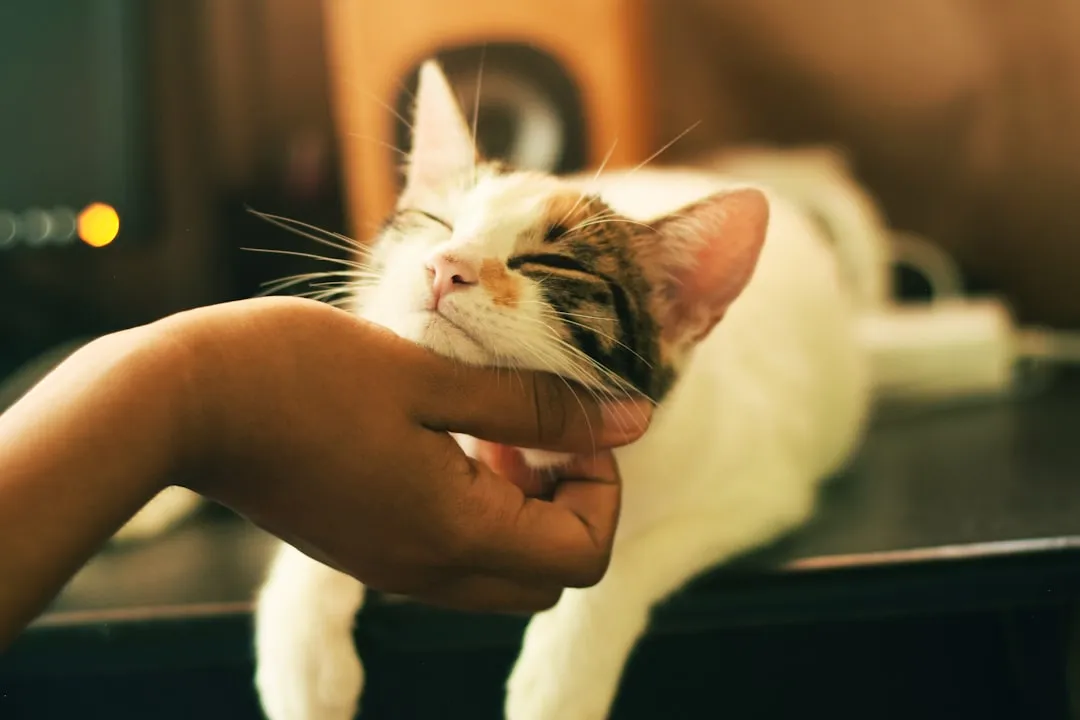
According to researchers, feline stress is a significant risk factor for litter box issues, and it can be caused by other pets in the household, the absence of stimuli, or recurring changes in the environment. What’s interesting is that not every cat responds to the same stressors in the same way. Personality plays a substantial role.
A study utilizing a survey dataset encompassing more than 4,000 cats identified two behavioral traits associated with litter box use: soiling outside the litter box and avoiding the litter box due to uncleanliness or quality. The fewest litter box problems occurred in cats sterilized under four months of age, while the highest number occurred in unsterilized and male cats. These findings, published in the Journal of the American Veterinary Medical Association, underscore just how individual cat stress responses can be.
Children, Household Dynamics, and Fussiness
Of the studied environmental variables, only living in a family with children had a statistically significant association with litter box issues. Cats living in a family with children had a higher mean score in litter box fussiness than cats living in homes without children. This finding surprised some researchers, since simple headcount of other cats in the home was not the primary driver.
Studies have noted that children can be stressors for cats, as they may pursue the cat and the home may lack places where the cat can avoid meeting children. Older cats and cats living in families with children were also found to be fussier about the cleanliness of their litter boxes. Providing quiet, child-free zones near the litter box can make a meaningful difference for a cat navigating this kind of environment.
Stress and the Bladder: Feline Idiopathic Cystitis
Some of the most compelling evidence connecting stress to litter box behavior comes from research into feline idiopathic cystitis. The root cause of cystitis signs in cats is stress. While humans with chronic stress may suffer from gastrointestinal symptoms or headaches, the cat’s main “stress organ” is its bladder. This is a striking parallel to how human bodies express emotional load through physical symptoms.
Feline idiopathic cystitis accounts for approximately two thirds of cats that present with lower urinary tract signs. This condition results from complex interactions between the nervous system, bladder, adrenal glands, husbandry, and environmental factors, and stressors including physical, chemical, and emotional factors have been implicated as having important roles. Affected cats also have smaller adrenal glands and a reduced ability to deal with stress compared to normal cats, producing less cortisone than normal.
Frequency Changes: Visiting Too Often or Not Enough
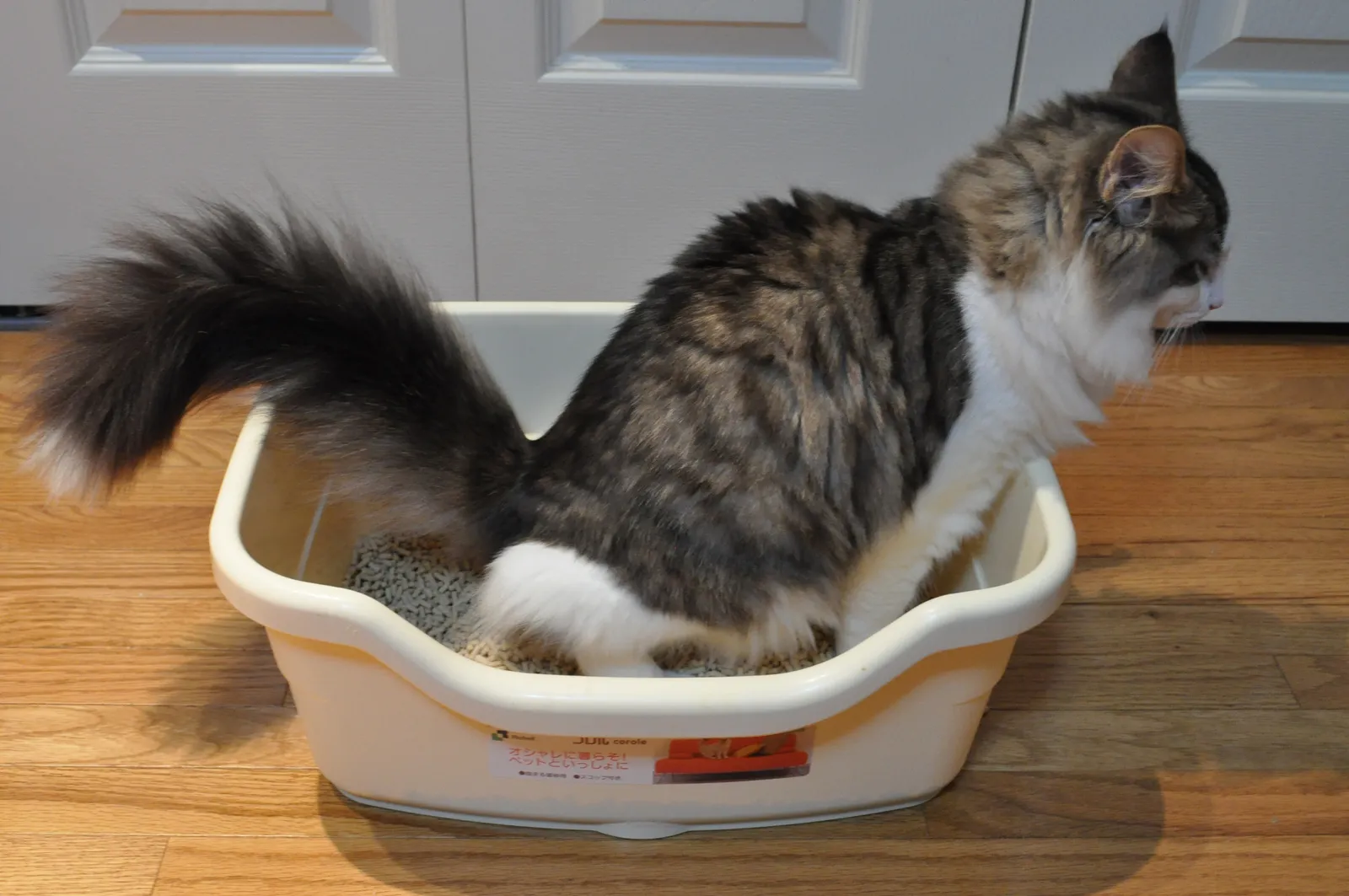
Litter box issues are a key indicator of developing health problems in cats. Urinating more or less often, peeing outside the litter box, or experiencing difficult or painful urination are all signs that something might be seriously wrong. A significant shift in how often a cat visits the box is worth noting even if no other symptoms are visible.
Cats with feline idiopathic cystitis tend to visit the litter box more frequently than normal. This increased frequency, known as pollakiuria, often results in the production of small amounts of urine each time. The pain flares up as the cat uses the litter box, and the cat then begins associating that feeling with the box itself, causing avoidance. It becomes a cycle that reinforces itself unless the underlying stress is addressed.
Odor, Cleanliness, and the Cat’s Mental State
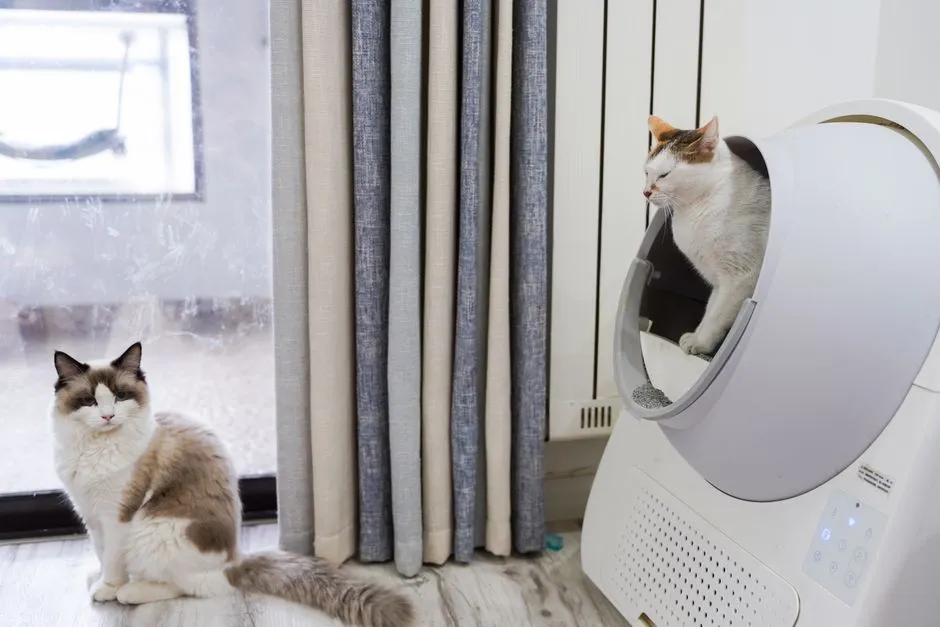
Some research suggests that cats experiencing persistent odor issues begin associating the box with discomfort. This negative link can lead to avoidance or long inspection periods. The sensitivity of a cat’s nose is vastly greater than a human’s, which means a box that smells acceptable to its owner may be genuinely overwhelming to the cat inside it.
Irregular and unpredictable cleaning of litter boxes is listed in the American Association of Feline Practitioners’ Feline Behavior Guidelines as a direct stressor for cats. By choosing a high-quality product that reduces odor and sticking to a consistent cleaning routine, owners can help the cat trust its environment, and that trust encourages swift completion of elimination, reducing the overall stress load on the animal. Routine, it turns out, is not just convenient. It’s therapeutic.
What Litter Box Monitoring Can Reveal Over Time
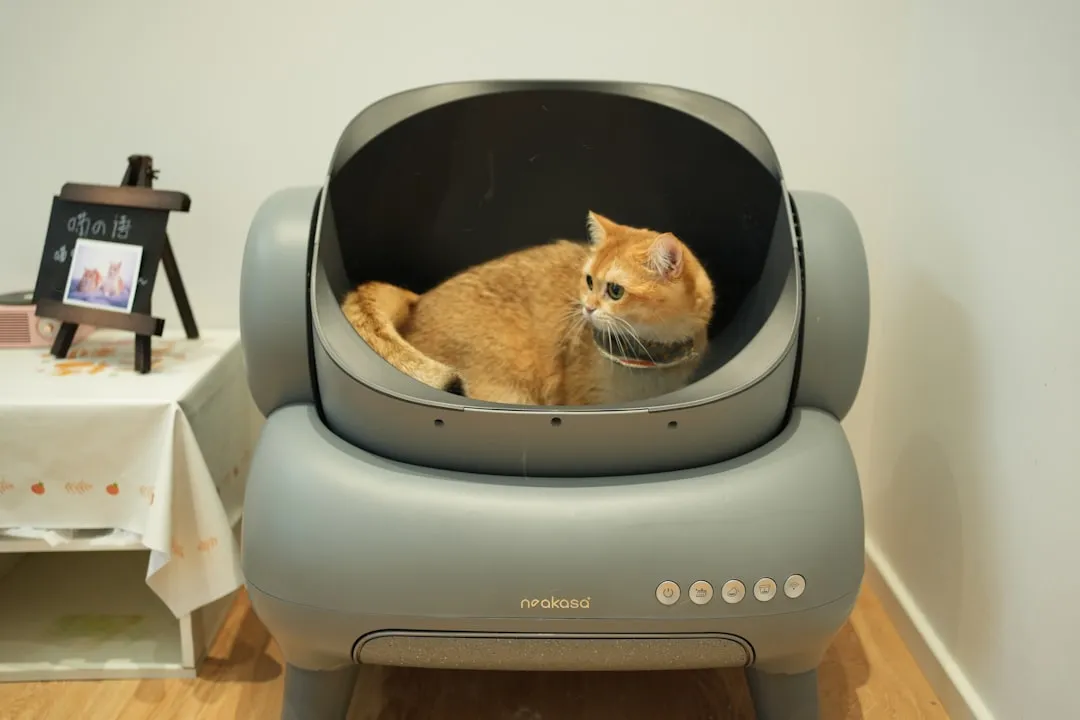
Visual indicators related to litter box use may provide information about a cat’s health, including the onset of physical, behavioral, or mental health issues. Unfortunately, these symptoms may only occur in mid- to late-stages of a disease or health issue and often do not provide enough information for correct intervention. Moreover, pet owners often lack the animal behavioral knowledge to associate litter box use with health issues.
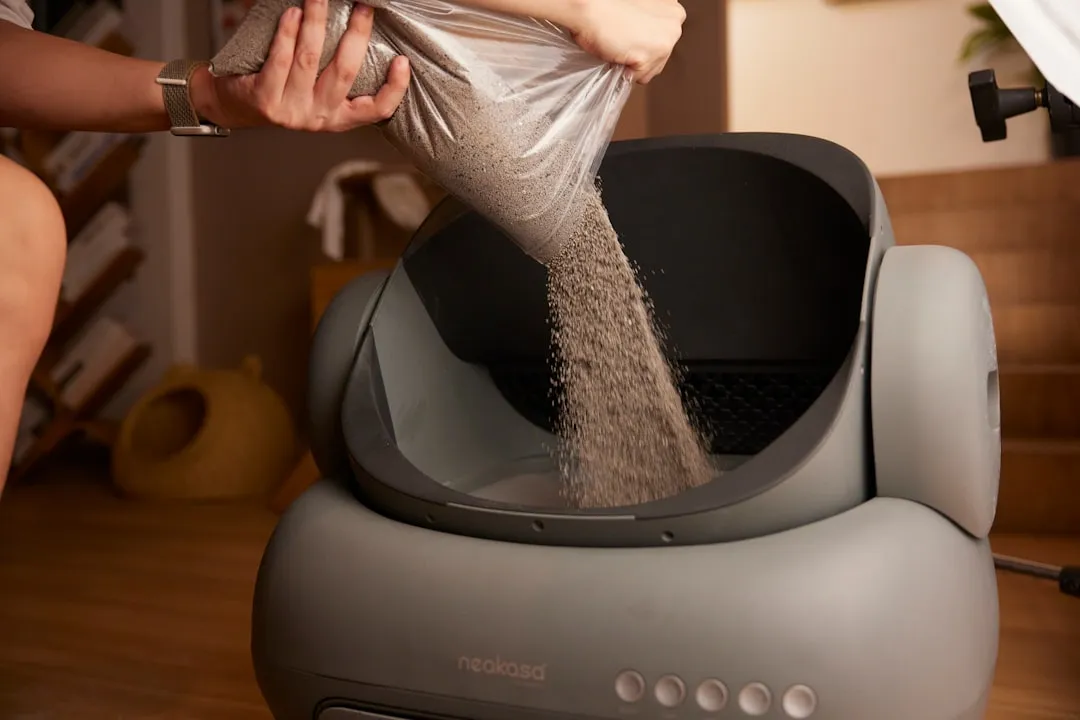
Research has established reference intervals of elimination behavior parameters, including frequency and duration, in healthy cats, and this work may help guardians and veterinarians detect changes in elimination behaviors in diseased cats at an early stage. Sensor-based smart litter boxes are beginning to make this kind of tracking practical for everyday pet owners, which is a genuine development in preventive feline care.
What to Actually Do About It
Environmental enrichment helps to decrease stress in cats, which is suspected to be a major factor involved in causing feline idiopathic cystitis. Managing FIC requires a comprehensive, multi-modal approach that includes targeted dietary changes, environmental stress reduction, and when necessary, appropriate veterinary-prescribed medications. Encouraging increased water intake and maintaining a calm, enriched environment are crucial steps in minimizing the frequency and severity of flare-ups.
In multi-cat households, there needs to be at least one litter tray for every cat in the home and one extra, with ideally more than this for cats with urinary problems. Beyond box count, location, substrate, and cleaning schedule all contribute to how safe a cat feels in its most vulnerable moments. Small, consistent changes to the litter box environment can yield measurable improvements in a cat’s stress levels over time.
The Quiet Signal Worth Listening To
AI Disclaimer: This article was created with the assistance of AI tools and reviewed by a human editor.