

The Eight-Week Line Doctors Actually Care About

A chronic cough is medically defined as one that lasts longer than eight weeks, and doctors commonly categorize coughs by how long they last to help guide diagnosis. Roughly one quarter of coughs linger for three to eight weeks as a post-viral cough, while any cough lasting more than eight weeks is considered chronic and warrants medical evaluation.
Clinically speaking, the threshold sits around three weeks. Anything under that is typically tied to a cold, flu, or respiratory infection and resolves on its own. A cough lasting more than three weeks moves into what doctors call subacute territory, and one that stretches past eight weeks is classified as chronic.
That does not mean you should wait three weeks before picking up the phone. Duration is just one piece of the picture. What matters equally is whether things are improving and what else is going on alongside it. A two-week cough that is getting worse alongside a fever deserves more attention than a six-week one that is clearly fading.
How Common Is Chronic Cough, Really?

According to a 2025 analysis by Xiaoxuan Hu and colleagues, the global prevalence of chronic cough is estimated at approximately nine to ten percent among adults worldwide. A multinational cross-sectional BOLD study published in 2024 placed global prevalence at nearly twelve percent, though it also found that rates varied enormously among study sites, from three percent in rural India to twenty-four percent in the United States.
Regional variation ranges from three to eighteen percent, reflecting differences in environmental exposure, smoking prevalence, and respiratory disease burden. Incidence ranges from about 1.2 to 5.7 new cases per 100 person-years, particularly among adults aged 45 and older.
Age plays a notable role: adults aged 65 and older experience more than twice the risk of chronic cough compared with younger age groups. Those numbers signal that this is far from a rare inconvenience.
Post-Viral Cough: When the Cold Is Gone but the Cough Isn’t

Respiratory virus infections represent the most frequent cause of cough globally. Although cough is often regarded as a nonspecific and self-limited symptom, marked variation exists in its severity and duration. In a subset of patients, cough persists beyond the period of acute illness, resulting in what is clinically defined as a subacute cough lasting three to eight weeks following infection.
After a respiratory infection, the airways stay reactive and sensitive for a period, even after the virus is gone. For most people, this fades within a few weeks. For some, the irritation hangs on longer, especially if the original illness was significant.
In a large prospective study of adults with a persistent post-COVID cough lasting over three weeks, the median cough duration was eight weeks. Nine out of ten people from that study saw relief by thirty-two weeks, though a smaller group still had symptoms beyond that point.
The Five Most Common Drivers of a Chronic Cough

Dozens of conditions can cause a recurring cough, but the vast majority of cases are caused by just five: postnasal drip, asthma, gastroesophageal reflux disease, chronic bronchitis, and treatment with ACE inhibitors used for high blood pressure and heart failure. In nonsmokers, the first three, singly or in combination, account for nearly all chronic coughs.
Asthma, gastroesophageal reflux, and especially mucus dripping from the nose and sinuses account for up to ninety percent of chronic cough cases, making the upper airway the first place clinicians typically look.
One of the most important concepts in chronic cough evaluation is that multiple causes frequently coexist. Studies have found that a significant proportion of patients have two or even three contributing conditions simultaneously. That overlap is part of what makes diagnosis genuinely complicated.
GERD: The Reflux Connection Most People Miss

Gastroesophageal reflux disease is increasingly recognized as a potential contributor to chronic respiratory symptoms, yet its role in the pathogenesis and management of such conditions remains underexplored. Stomach acid refluxing into the esophagus and larynx is a well-established cause of chronic cough, and up to seventy-five percent of GERD-related cough may occur without heartburn, making it a frequently missed diagnosis.
Heartburn is the typical symptom of GERD, but acid also irritates nerves in the esophagus, and these nerves can trigger the cough reflex even without any distress signal of pain. Someone can spend months treating a cough with lozenges and never realize their stomach is the source.
A systematic review searching studies published between January 2020 and April 2025 found a consistent relationship between GERD and respiratory symptoms, with acid-suppressive therapies leading to symptomatic improvement in several patient populations.
When Your Blood Pressure Medication Is the Culprit

One common and often overlooked cause of chronic cough is a class of medication called ACE inhibitors, widely prescribed for high blood pressure and heart failure. Between ten and fifteen percent of patients who take them develop a dry, persistent cough as a side effect.
The mechanism involves the accumulation of a substance called bradykinin in the airways, which sensitizes cough receptors. The cough typically develops within weeks of starting the medication but can sometimes appear after months of use, and it resolves within a few weeks of stopping the drug.
If the cough resolves within two to four weeks after stopping an ACE inhibitor, the link is confirmed without requiring further investigation. Switching to an alternative medication class is usually all that’s needed, which makes early identification genuinely worthwhile.
Warning Signs That Call for Urgent Attention
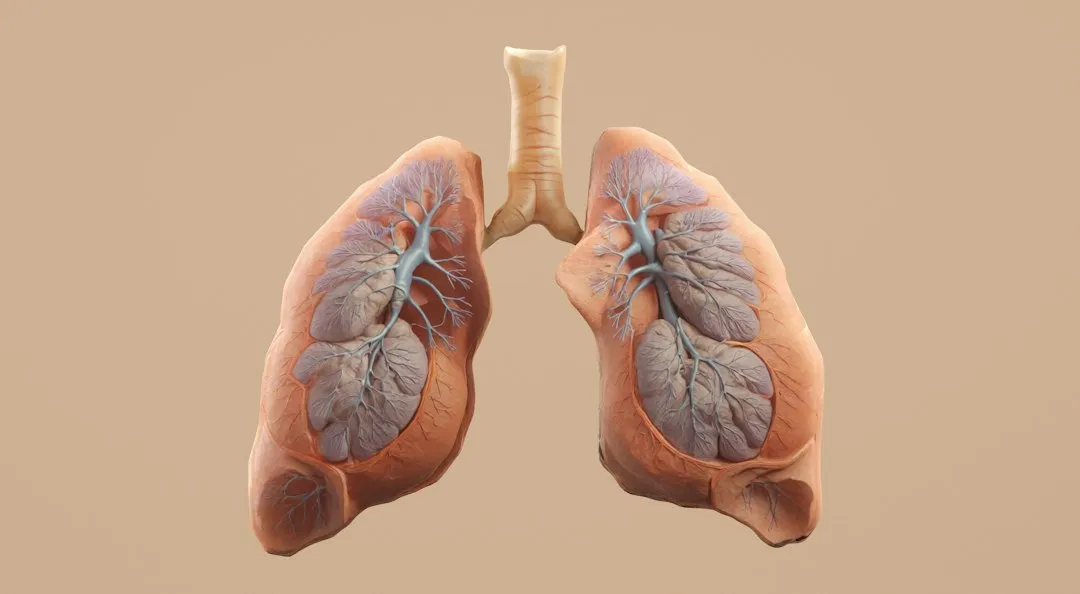
A provider should be consulted immediately if a cough is accompanied by a fever over 100.4°F, coughing up blood, night sweats, wheezing, or swelling in the legs. These signs point toward something more serious than airway irritation.
A new persistent cough, a change in the character of a chronic cough, coughing up blood, hoarseness, and weight loss in a smoker or older adult are warning signs that require urgent evaluation. For smokers, a lingering cough can be an early warning sign of lung cancer, and smokers should get any persistent cough checked sooner than non-smokers.
While many chronic coughs are benign, chronic bronchitis, COPD, interstitial lung disease, and even lung cancer can all present with prolonged coughing. A thorough evaluation, including imaging or pulmonary testing when appropriate, is essential to rule out more serious conditions.
Cough Hypersensitivity: A Shifting Understanding

Chronic cough, typically defined as a cough lasting eight weeks or longer, is alarmingly common, particularly in the United States. A 2025 paper in the Journal of Allergy and Clinical Immunology proposed redefining chronic cough as a distinct disease entity in which cough hypersensitivity is a common feature and a key therapeutic target.
A pathoneurophysiological basis for chronic cough is beginning to emerge, and in some cases this may be underpinned by genetic variation, with one studied example being cough associated with specific repeat expansion sequences within a DNA polymerase-regulating gene.
Diagnostic heterogeneity persists across the field: some studies still use an outdated definition that can underestimate prevalence by excluding protracted or subacute cases. The science is genuinely catching up, and research from 2024 and 2025 suggests that treatment approaches may shift considerably in the years ahead.
How the Cough’s Timing and Pattern Can Guide Diagnosis

A clinician will want to know how long the cough has been present, what it sounds like, whether it produces mucus, and what makes it better or worse. Timing matters: a cough that is worst at night may suggest asthma or GERD, while one that is worse in the morning may point toward COPD or bronchiectasis.
Wheezing, shortness of breath, and exercise-induced cough may be indicative of asthma. Upper airway cough syndrome often presents with postnasal drip and nasal congestion, whereas GERD may cause heartburn and voice changes, particularly after meals or when lying down.
The estimate prevalence of chronic cough in sleep-disordered breathing ranges from roughly a third to nearly half of those affected. The mechanisms linking these conditions include GERD, upper airway inflammation, and the mechanical impact of airway obstruction during sleep, which can worsen cough reflex sensitivity. Tracking when symptoms peak during the day is often the simplest starting point.
The Real-World Impact Chronic Cough Has on Daily Life

Chronic cough affects approximately ten percent of the population and leads to significant impairment in psychological, social, and physical quality of life. The disruption is rarely talked about as seriously as it deserves, given how pervasive it actually is.
Recent data from the Canadian Longitudinal Study of Aging demonstrated that higher psychological distress and depressive symptoms can independently increase the risk of developing chronic cough by about twenty percent, suggesting a complex interplay where mental and respiratory health influence each other.
The impact ranges from physical issues such as stress incontinence and sleep disturbance to psychological effects including depressive states and social isolation, and decreased quality of life overall. Those consequences alone make early evaluation worth the effort.
Final Thoughts

A cough that persists longer than expected is usually the body’s way of signaling that something in the airway or digestive system has not yet resolved. The encouraging part is that most chronic coughs have identifiable, treatable causes once a thorough evaluation takes place.
The threshold most doctors stand by is eight weeks for a chronic cough, but three weeks is already reason enough to pick up the phone, particularly when symptoms are worsening or showing up alongside fever, weight loss, or blood. Waiting it out has its limits.
The research from 2024 and 2025 points toward a future where cough is increasingly understood as a condition in its own right, not merely a footnote to other diagnoses. For now, the most practical takeaway is simple: if a cough is consistently disrupting your sleep, your daily routine, or your sense of wellbeing, that is signal enough to take it seriously.
AI Disclaimer: This article was created with the assistance of AI tools and reviewed by a human editor.