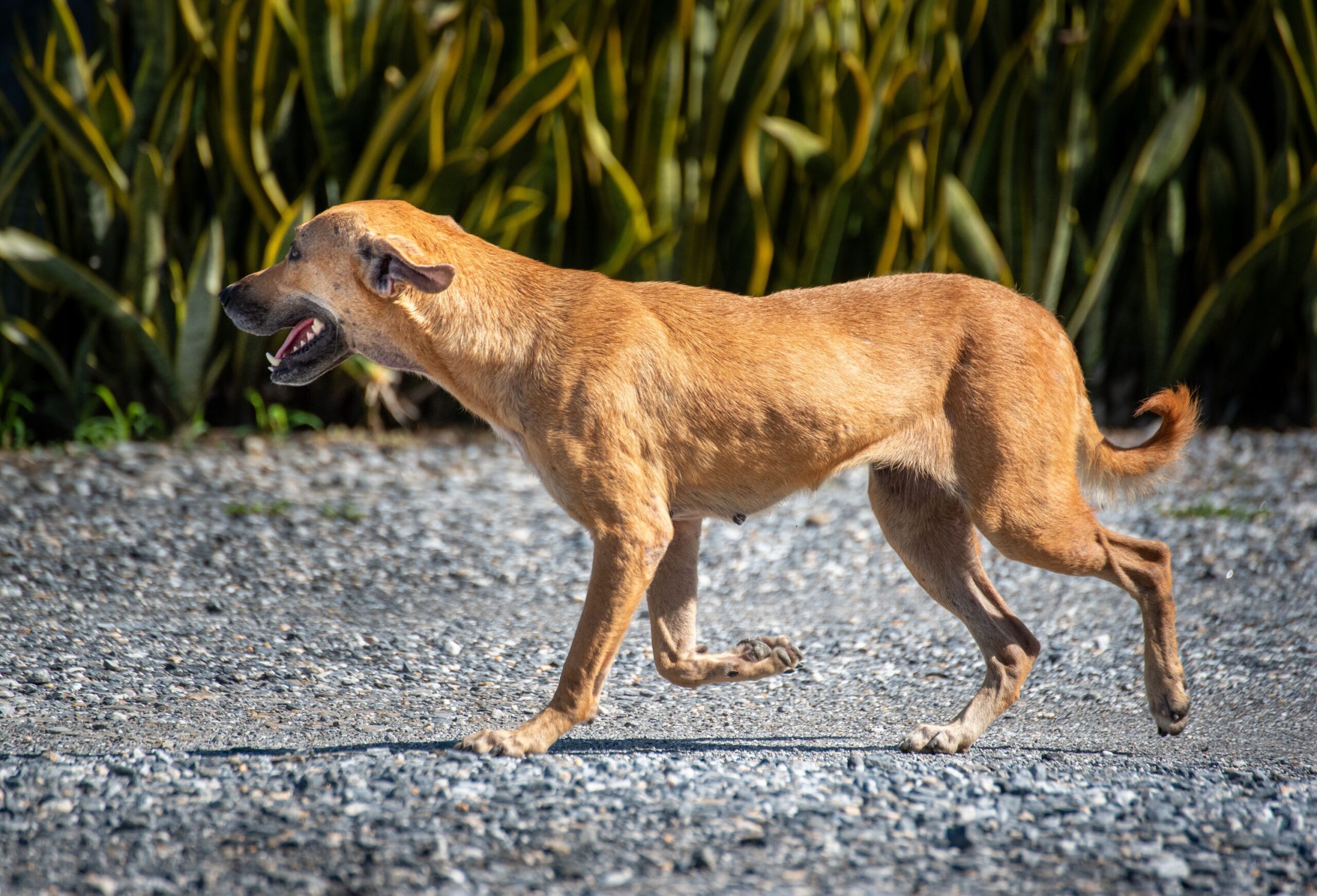

There’s something almost easy to dismiss about a dog that limps for a day, then walks fine the next morning. It looks like a minor stumble, maybe a rough landing off the couch, and then it’s gone. Life moves on.
The trouble is that intermittent limping is one of the most misread signals in canine health. It doesn’t come and go because the problem disappears. More often, it comes and goes because the underlying condition is slowly worsening, just not fast enough yet to stay constant. Vets across specialties consistently flag this pattern as something owners should take seriously, not wait out.
A Limp Is a Symptom, Not a Diagnosis

When it comes to lameness in dogs, the limping itself is not the diagnosis but merely a symptom – it is always the result of an underlying condition that causes it. That distinction matters more than most owners realize. Watching a dog limp without understanding what drives it is like treating a fever without knowing the infection behind it.
Chronic or intermittent lameness may result from many conditions, including osteoarthritis, limb or spinal deformities, neurologic disorders, chronic soft tissue injury, or cancer. The list is genuinely long, which is exactly why a vet visit matters even when the limp seems mild.
The Quiet Illusion of Early Arthritis

Arthritis begins subtly, with inflammation flaring during certain activities or weather conditions. A dog might limp after extended play sessions or first thing in the morning when joints have stiffened overnight. As the day progresses and they move around, the joints warm up and pain subsides. This creates the illusion that the problem comes and goes, when actually the underlying cartilage damage persists continuously.
This is one of the most common misreads in pet ownership. The dog seems fine by afternoon, so the owner assumes recovery. In reality, the window of visible limping is just narrowing as the dog compensates. Research suggests that approximately one in five dogs over the age of one year are affected by osteoarthritis, and in dogs over seven years old, the incidence can be as high as the vast majority.
Partial Cruciate Tears: The Classic On-and-Off Culprit
In some cases, dogs may experience a partial tear of the cruciate ligament, which can cause intermittent limping or favoring of one leg. These tears can worsen over time, so monitor your dog and seek veterinary care if you notice persistent limping. This is particularly deceptive because a partial tear allows the dog to still use the leg, which can lead owners to believe healing is happening on its own.
Cranial Cruciate Ligament ruptures and tears are the most common leg injuries in dogs and are typically caused by overexertion in exercises such as running and jumping. Certain dog breeds are at higher risk, including German Shepherds, Labrador Retrievers, Golden Retrievers, Rottweilers, and Newfoundlands. Without treatment, a partial tear frequently progresses to a complete rupture.
Luxating Patella: The Kneecap That Slips In and Out
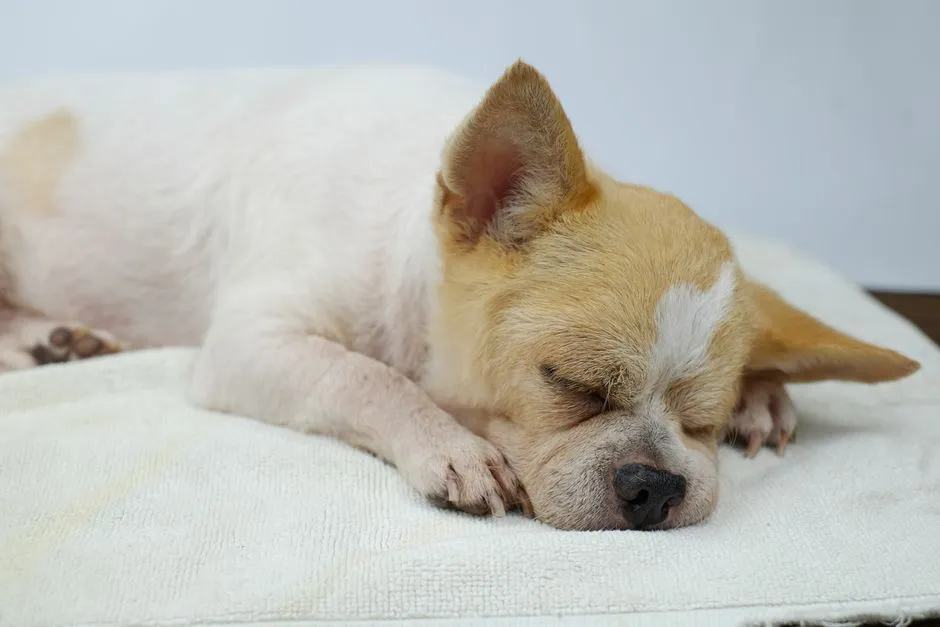
Luxating patella, or “floating kneecap,” is often seen in small breeds and causes intermittent back leg limping. The kneecap slips out of its groove, causes a skip or a hop, then often pops back in. That brief abnormal gait is easy to miss if you’re not watching closely.
Intermittent limping happens occasionally and then seems to resolve on its own. It’s commonly associated with joint instability, such as a luxating patella. It’s most often diagnosed in small breed dogs like Chihuahuas, Pomeranians, and Yorkshire Terriers. Grades of severity range from mild to surgical, and early diagnosis can help owners manage the condition before it escalates.
Panosteitis: Growing Pains That Shift From Leg to Leg
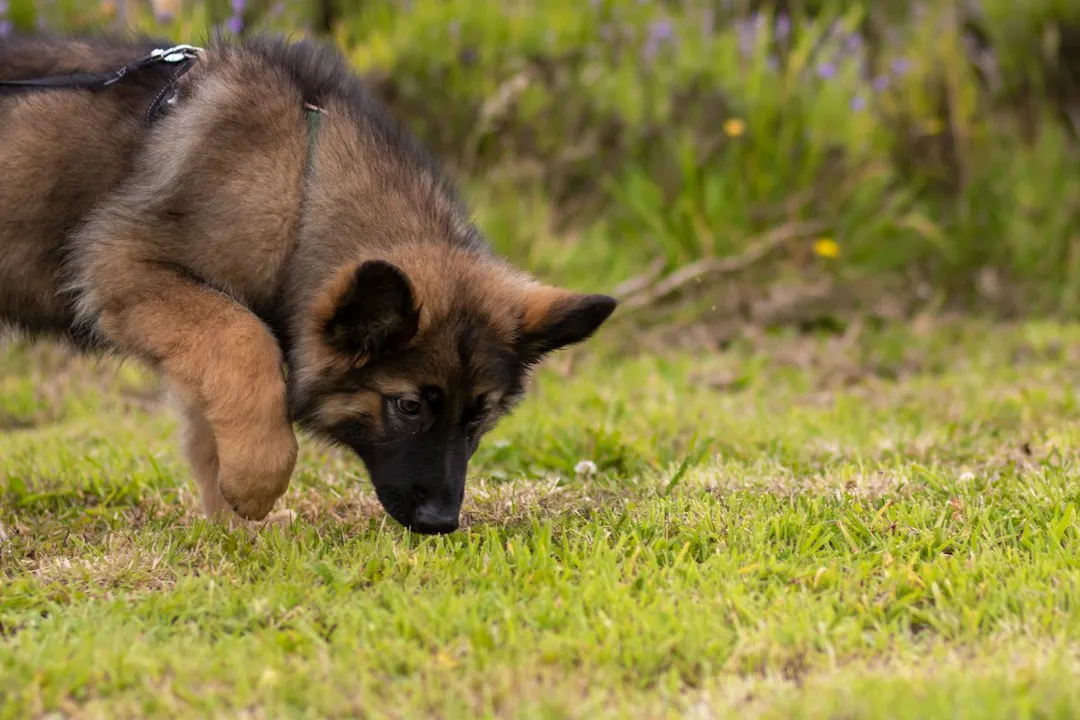
Panosteitis is a painful bone condition sometimes called “growing pains,” most often seen in rapidly growing large-breed puppies typically between 5 and 18 months old. It causes sudden, intermittent lameness that may shift from leg to leg, often without swelling or trauma. This shifting quality tends to confuse owners who assume a new injury each time.
Panosteitis is characterised by limping that changes from leg to leg, comes and goes, and responds to anti-inflammatories. Its cause is poorly understood, but it usually disappears by 18 months of age. Even so, veterinary confirmation is important to rule out more serious conditions that can mimic the same pattern.
Lyme Disease and Tick-Borne Joint Pain
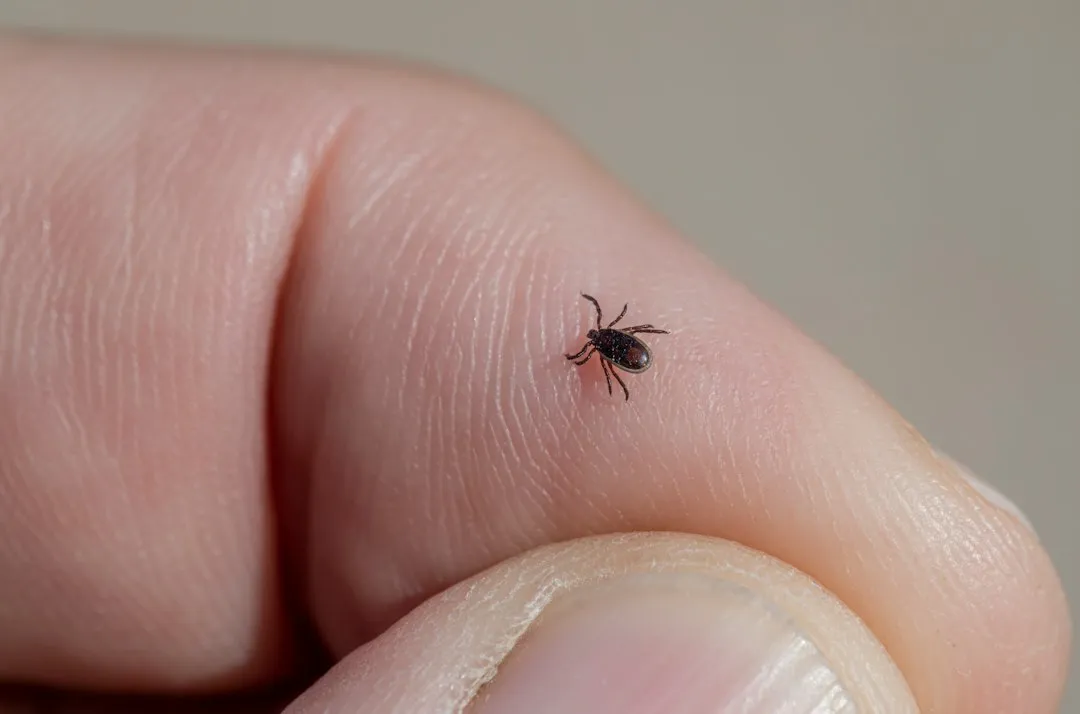
Ticks can transmit serious diseases like Lyme disease, which often causes limping due to joint inflammation. Dogs may show signs of shifting leg lameness, lethargy, fever, and swollen joints weeks after a tick bite. Because symptoms emerge well after the tick exposure itself, owners rarely connect the two events.
The shifting lameness pattern of Lyme disease closely resembles other intermittent causes, which is why testing matters. A dog that limps irregularly and has spent time in tick-prone areas deserves a full tick panel, not just rest at home. Early antibiotic treatment changes outcomes significantly.
Hip Dysplasia: More Breeds Than You’d Expect
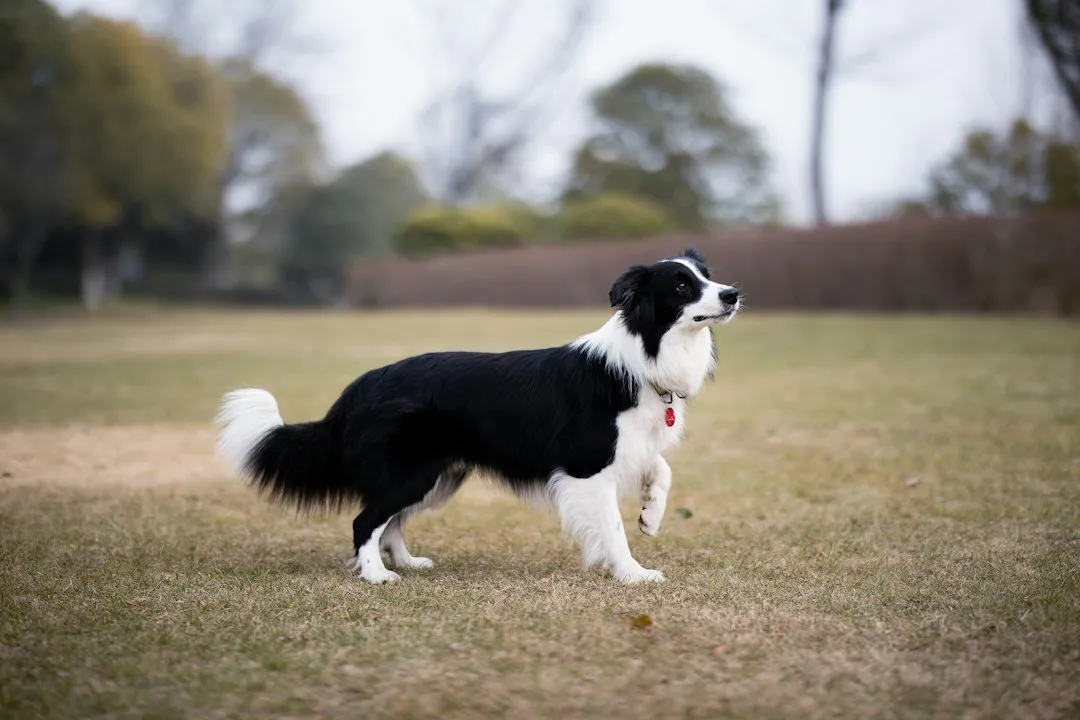
Hip dysplasia is a genetic condition, often seen in larger dog breeds, that results in abnormal hip joint formation, causing pain and limping. The Merck Veterinary Manual explains that hip dysplasia in dogs may cause lameness that worsens after exercise, reduced range of motion, stiffness, pain, and a “bunny-hopping” gait.
What makes hip dysplasia easy to overlook in early stages is its gradual presentation. A young dog might only show discomfort after a long run or an active day, then appear perfectly normal the next morning. Hip dysplasia and elbow dysplasia occur when the hip or elbow joints don’t develop properly, leading to wear and tear and subsequent limping. Elbow dysplasia affects the front legs, while hip dysplasia affects the rear legs.
Dogs Hide Pain Better Than We Think
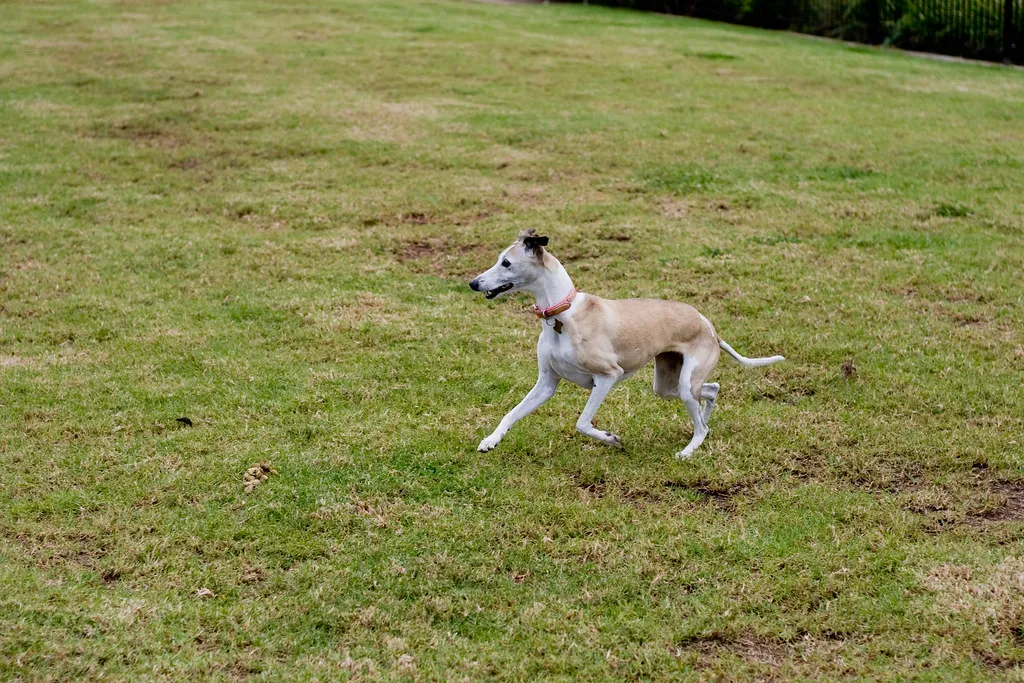
Gradual or intermittent pain from conditions like osteoarthritis can become the “new normal” for a dog, fooling owners into thinking all is well. Dogs are instinctively wired to mask discomfort, a survival trait that works against their owners noticing a problem in time.
Many owners presume their dog is slowing down due to age. This can be the case, but it’s always a good idea to have them checked by a vet to make sure it’s not because of an underlying condition that would benefit from treatment. Behavioral changes, like reluctance to climb stairs or less enthusiasm for walks, often precede visible limping by weeks or even months.
Weight and Joint Health: A Direct Connection
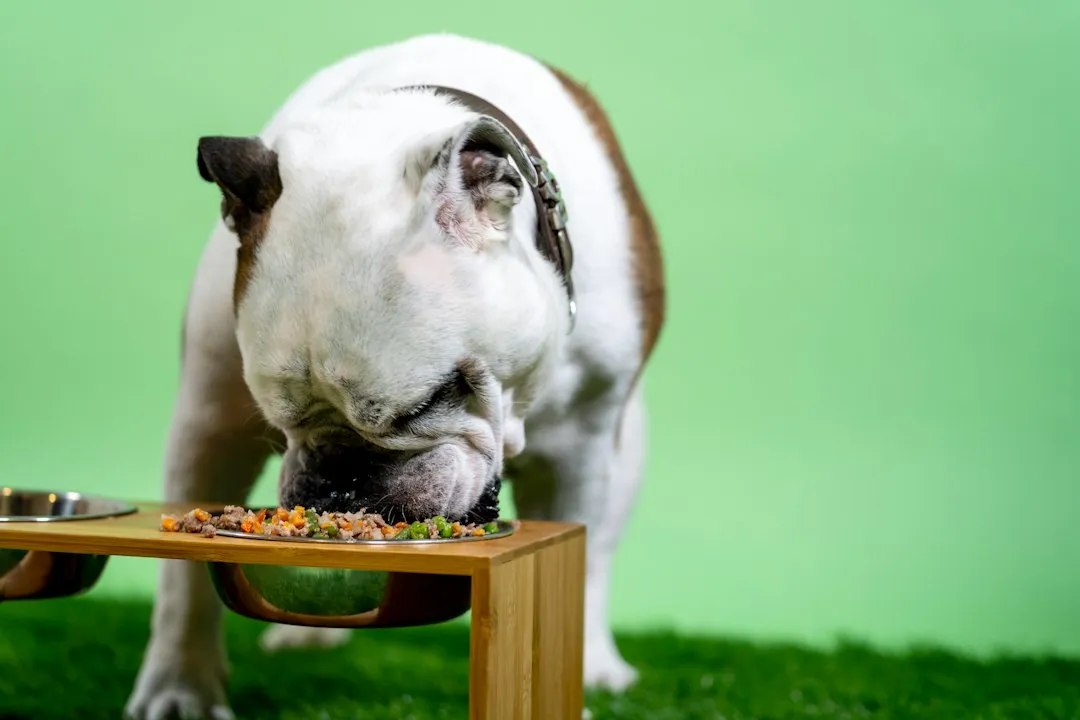
Osteoarthritis affects at least one in four dogs and develops when cartilage breaks down over time. Obesity significantly accelerates joint damage because extra weight puts additional stress on vulnerable joints. For a dog already dealing with early joint disease, excess body weight can be the difference between a manageable limp and a chronic, painful condition.
Osteoarthritis represents at least the vast majority of lameness and joint disease cases in companion animals, and the condition is affecting a growing number of animals worldwide due to an increase in obesity rates and life expectancy. Keeping a dog lean is genuinely one of the most effective preventive measures an owner can take, not just for limping but for overall joint longevity.
When to Call the Vet, Not Tomorrow but Now

An intermittent limp might indicate a minor issue or early stages of a condition such as arthritis, while constant limping suggests a more severe problem. The catch is that waiting for limping to become constant often means waiting for significant damage to accumulate. Intermittent is not the same as insignificant.
A chronic limp lasting more than two weeks may indicate underlying conditions such as arthritis and requires veterinary evaluation. It’s important to keep up with regular wellness checks with your vet and discuss options for flea and tick prevention, diet and weight management, as well as joint support supplements. The earlier a cause is identified, the more treatment options remain available, and the better the long-term outcome for the dog.
The Takeaway
An on-again, off-again limp is easy to rationalize away. It disappears, the dog seems happy, and nothing feels urgent. That’s precisely what makes it so easy to miss until the window for early intervention has closed.
Vets don’t flag intermittent limping to alarm owners. They flag it because the conditions behind it tend to be progressive, and most of them respond far better to early care than late care. A quick examination costs far less, in time and money and the dog’s comfort, than managing a condition that was given months to worsen undetected.
If your dog limps and then walks it off, that’s worth a conversation with your vet. Not urgently, perhaps, but not indefinitely either.
AI Disclaimer: This article was created with the assistance of AI tools and reviewed by a human editor.