
The Biology Behind the Problem
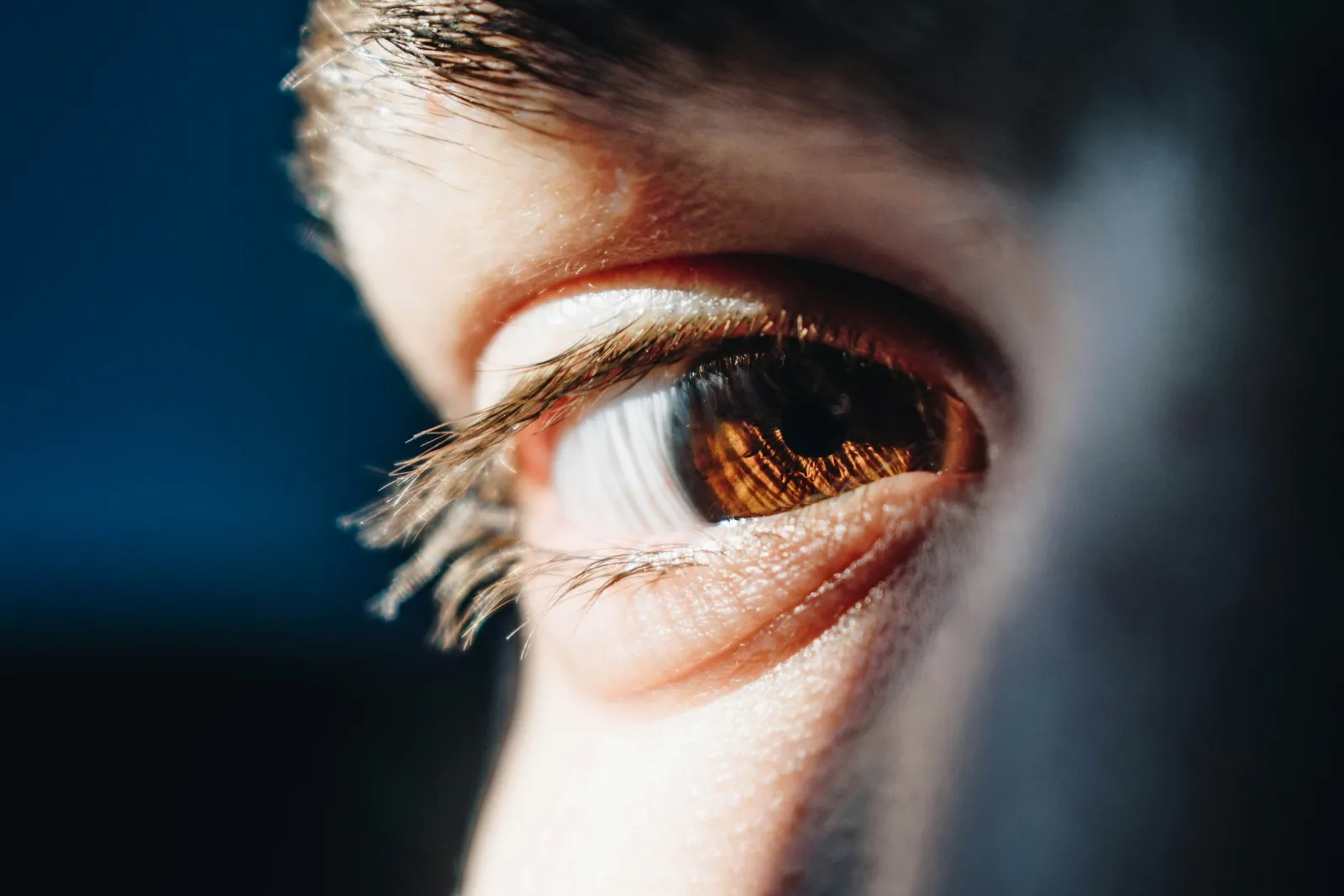
By age 60, the average person needs two to three times more light than they did at age 20 to see with the same clarity. This isn’t a matter of preference. As people age, the eye’s lens yellows and thickens, reducing light transmission, pupils become smaller and react more slowly to changes in light, contrast sensitivity declines, glare becomes harder to tolerate, and adaptation between light and dark slows significantly.
There is also an age-related clouding and yellowing of the natural crystalline lens, an increase in lens absorption, and a reduction in pupil size and lens transmittance, as well as a reduction in the number of photoreceptors and cells within the retina and the visual cortex. Consequently, there may be a reduction in visual acuity, contrast sensitivity, and visual processing speed.
Dim Lighting and the Real Fall Risk
According to the National Institute on Aging, nearly 28% of those aged 65 and older experience at least one fall each year. Many of these accidents occur right at home, in areas where poor lighting obscures potential hazards.
Fewer home falls were found with better lighting, but not with fewer home hazards. Lighting improvements at home may reduce fall rates in older adults. That finding from published research in ScienceDirect is striking: it wasn’t clutter or loose rugs that predicted falls most reliably. It was light levels.
Researchers found that with each ten-fold increase in room lighting, there were 35% fewer falls in that specific home region, rising to 48% in those with mild or no visual field loss. Those are substantial reductions that come from one variable alone.
The Bedroom and Bathroom Blind Spot
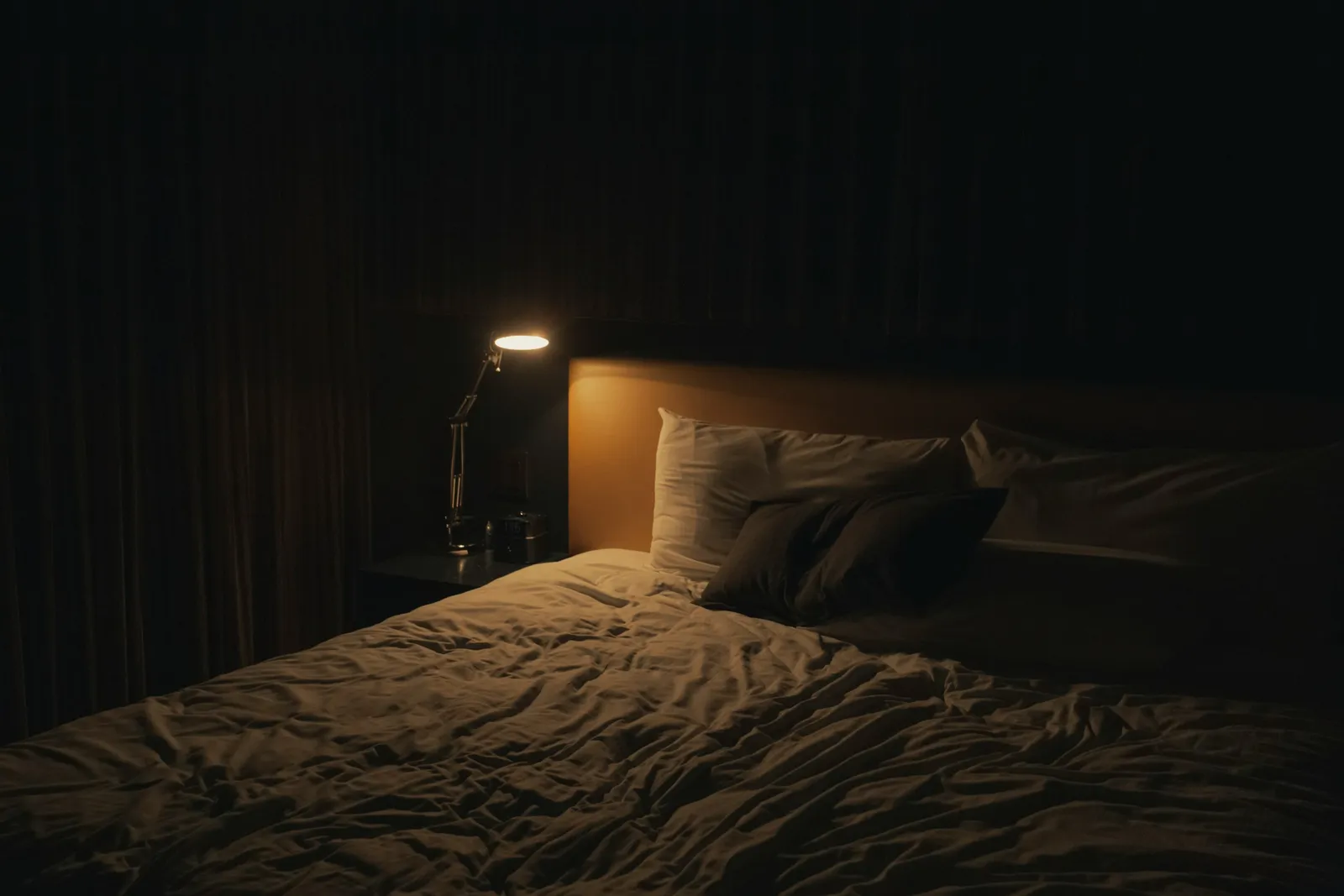
Research published in the Journal of Applied Gerontology provides evidence that lighting in long-term care facilities for older people is commonly below recommended levels and independently predicts falls. Though median levels of light exceeded the local recommendation for general activities, almost a quarter of bedrooms and over four in ten bathrooms didn’t meet this standard. Most bedrooms and bathrooms failed to attain the brighter recommendation for focused activities.
Among study participants, most home falls occurred on indoor stairs and in the bedroom. The recommended minimum lighting levels set by the Illuminating Engineering Society of North America is generally around 30 footcandles, which equals roughly 323 lux. Home regions least likely to meet this level of lighting included the hallway, bedroom, and stairs.
The Single Overhead Fixture Mistake
Overhead-only lighting creates shadows that aging eyes struggle to interpret. It’s one of the most common setups in older homes, and it’s also one of the most problematic. A single ceiling bulb may look bright when you glance up at it, but it leaves corners, stairs, and floor surfaces in relative shadow.
Ambient illumination should be three to four times higher, around 30 foot-candles for general room lighting, than is typical for younger people. Light uniformity is also essential. Patchy or directional lighting creates zones of brightness and shadow that slow down and confuse the aging visual system.
More light helps, but the wrong light creates new problems. A bare bulb, shiny fixture, or bright reflection off tile can cause glare. Older residents usually benefit most from steady, well-placed light that supports the task at hand.
Glare: The Underappreciated Hazard
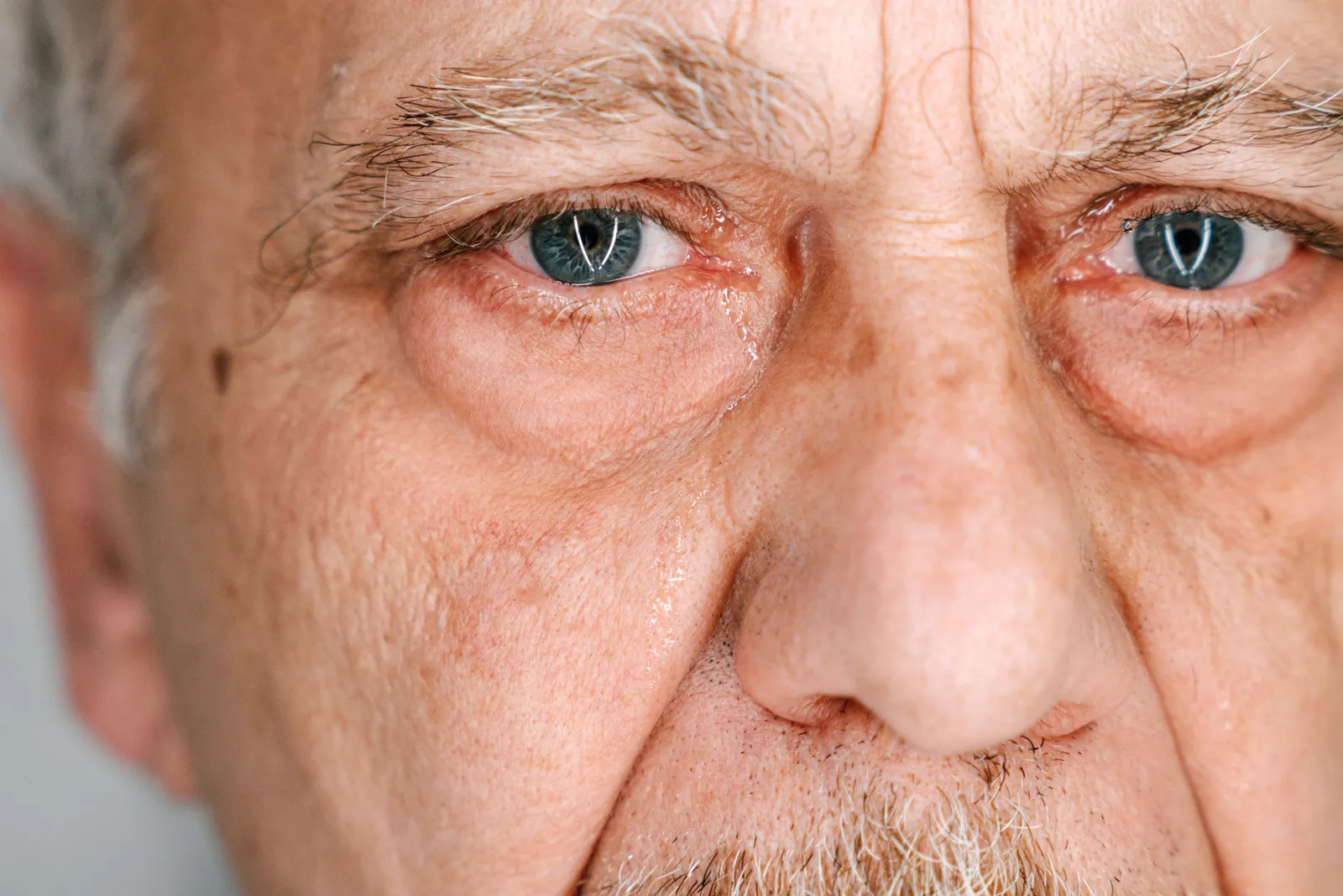
Glare causes discomfort when light reflects off glossy surfaces, such as glass tables, mirrors, television screens, or polished floors. For younger eyes, this is a minor annoyance. For older eyes, it can temporarily wash out vision entirely.
Avoiding glare is a critical consideration for aging eyes. Older people are much more sensitive to glare, which means no bright fixtures on the ceiling and no excessively bright windows. Controls that manage light from various angles are beneficial.
Night lights that are too bright cause glare, a real hazard for seniors with cataracts or macular degeneration. The instinct to simply add brighter bulbs everywhere can backfire if diffusion and placement aren’t also considered.
The Lens Yellowing Effect on Color and Safety
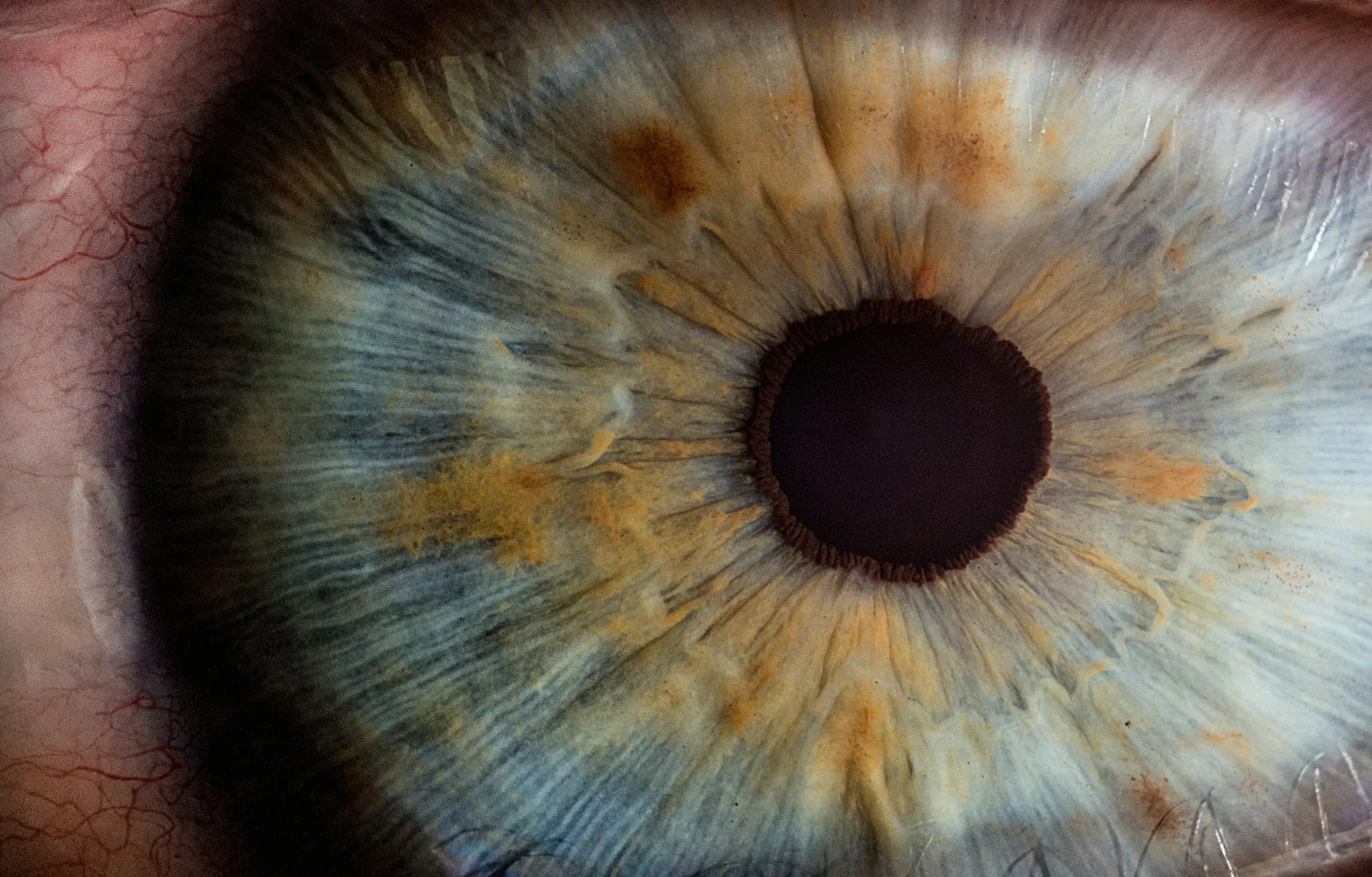
As people age, the lens inside the eye gradually yellows and absorbs more short-wavelength light, which can make similar colors harder to discriminate. This matters practically. A person may not clearly distinguish the edge of a step from the floor, or a pill from its surroundings, because the colors appear too similar.
Nearly half of research subjects in their mid-70s and two-thirds in their mid-90s confused pale colors in the blue-green region of the spectrum with other pale colors. Blue and green become more difficult to tell apart than red, yellow, and orange, which is largely attributable to the yellowing of the lens.
Researchers have developed a new computational model that accounts for the effects of aging on the eyes’ ability to discriminate color. It could help guide lighting designs that make it easier for older adults to perceive colors while preserving the expected appearance for people with typical color vision. That research, published in October 2026 in Optics Express, represents one of the more promising practical advances in this area.
How the Wrong Bulb Color Temperature Makes Things Worse
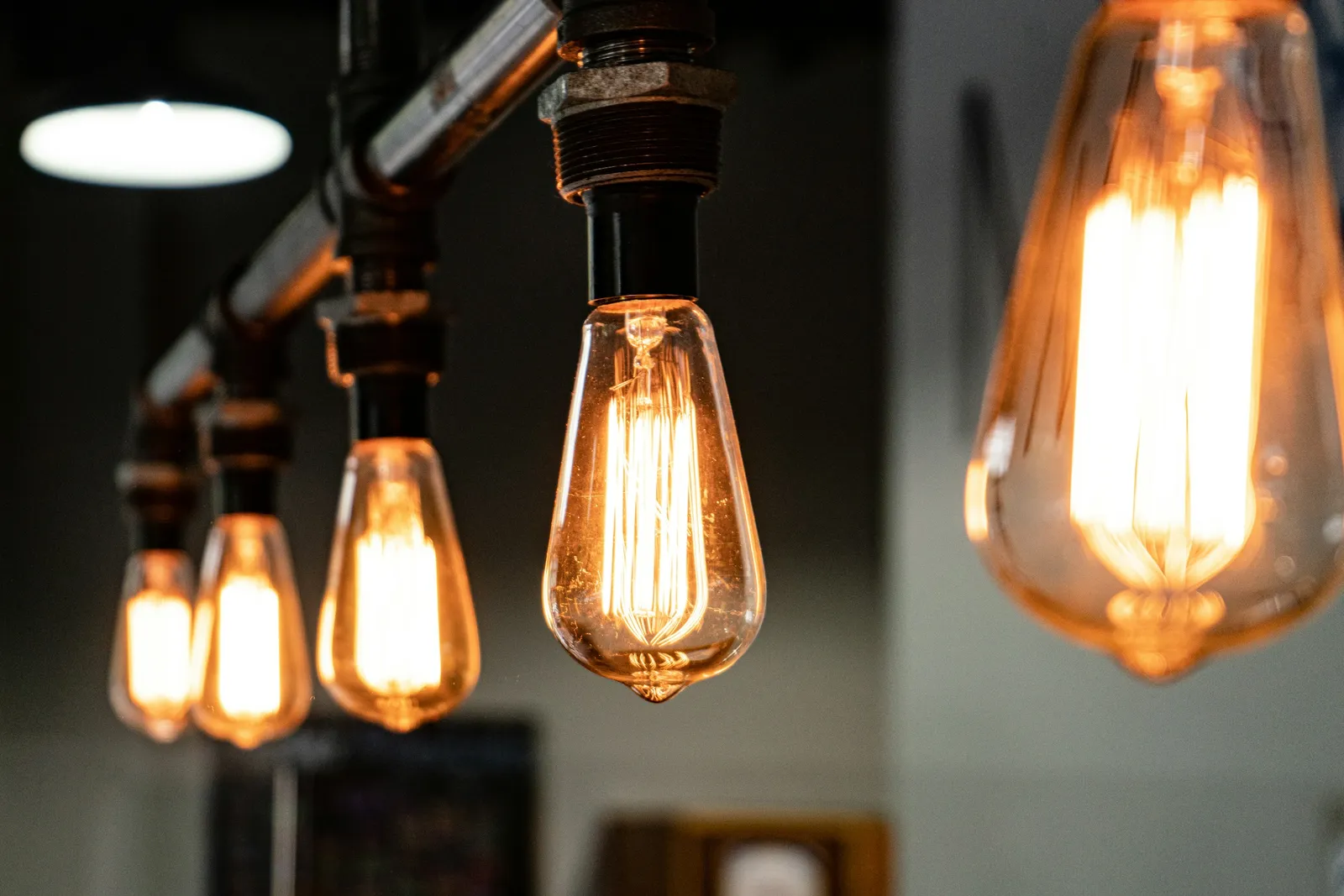
High color temperature increases glare and discomfort for aging eyes. Cool, bright white LEDs with a color temperature above 4000K are increasingly common in modern homes, but they’re poorly suited for older adults who already struggle with glare sensitivity.
For optimal lighting in homes occupied by seniors, it is generally recommended to use brightness levels of at least 300 to 500 lux for task areas and a color temperature of around 3000K to 4000K, which provides a warm yet vibrant light. That recommendation sits in a middle range that balances adequate brightness with reduced glare.
Flicker deserves attention as well. Some older bulbs or low-quality LEDs may flicker enough to bother sensitive eyes. Better bulbs, compatible dimmer switches, and updated fixtures can create steadier light.
The Circadian Rhythm Consequence Nobody Talks About

Research shows that a subtle consequence of aging may be responsible for insomnia in older adults: the eye’s lenses turn yellow. The yellowing can take decades, like a page slowly turning color in an old book. The yellowed lens allows less blue light into the retina.
As an individual ages, they begin to lose retinal neurons, which not only compromises the ability to see but also to register a robust daily pattern of light and dark that is needed to maintain biological rhythms. The 24-hour light-dark cycle is the most important external stimulus for regulating the timing of the circadian cycle.
A chronic lack of daylight in combination with excessive light in the evening is increasingly being considered as a risk factor in the aging society’s rising incidence of cardiovascular, metabolic, and psychological disorders. Home lighting habits, not just outdoor activity, directly shape this exposure.
The Nighttime Hazard Most Families Overlook
According to the CDC, the fall death rate among adults aged 65 and older increased 21% between 2018 and 2024. Night hours are a particularly vulnerable window for older adults moving around their homes.
Research published by the National Institutes of Health confirms that most falls happen during nighttime hours on the short walk from bed to bathroom, a path that takes less than 30 seconds but carries enormous risk in darkness. That’s a sobering framing for what seems like an ordinary moment.
Fall prevention is an important consideration in designing homes for the elderly, and one of the most critical parts of that design process is supplying strong and effective lighting. When switched on, lights should react instantaneously, so the user is not surprised by a hidden obstacle as they move into a kitchen or bathroom.
Practical Fixes That Actually Make a Difference
Simple upgrades include higher-lumen LED bulbs within fixture limits, adding floor and table lamps, installing under-cabinet lights, switching to diffused fixtures, and using dimmers for adaptability. Small changes can dramatically reduce fall risk and eye strain.
Window shades, curtains, matte finishes, and softer lamp shades can help control brightness. A reading lamp usually works best beside or slightly behind the person using it. A light that shines directly into the eyes may cause strain.
Proper lighting helps maintain independence and can reduce fall risks caused by poor visibility. For those with conditions like age-related macular degeneration, which affects millions worldwide, good lighting is even more critical. Using brighter bulbs and layered lighting helps older adults adapt and feel more secure.
Final Thoughts
Lighting is one of those things that gets evaluated once, usually when a home is first furnished, and then rarely revisited. For younger occupants, that’s fine. For older adults, the same setup that worked at 45 can become a genuine safety problem at 70.
The research is consistent on this: it’s not just about adding more watts. It’s about eliminating glare, ensuring uniformity, paying attention to the bedroom and hallway, and understanding how the aging eye actually processes light differently. The good news is that none of this requires a renovation. It mostly requires awareness. A few strategic bulb changes, some diffusing shades, and a plug-in night light along the bed-to-bathroom path can shift the risk picture considerably. The mistake isn’t ignorance so much as assumption, and that’s the kind of thing that’s easy to correct once you know to look for it.
AI Disclaimer: This article was created with the assistance of AI tools and reviewed by a human editor.