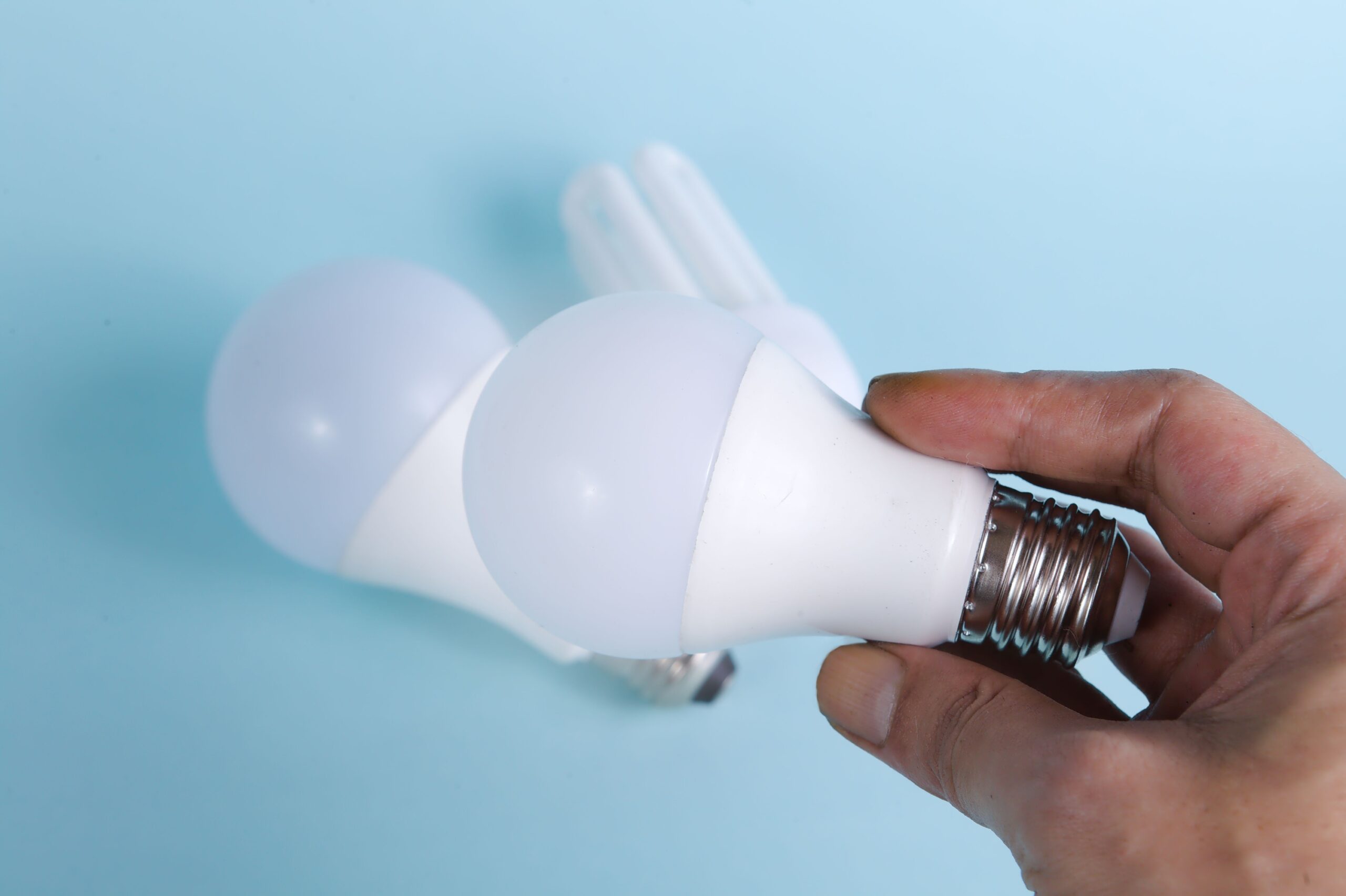

Most people flip a light switch without giving it a second thought. It’s one of those automatic gestures, done dozens of times a day, that barely registers as an action at all. Yet depending on the type of bulb in the socket, how you use that switch can matter more than you’d expect.
The relationship between switching habits and bulb longevity is more nuanced than a simple yes-or-no answer. It depends heavily on the technology inside the bulb, the quality of the fixture, and a few other factors that rarely appear on the packaging. Here’s what the evidence actually says.
The Old Rule That Started It All
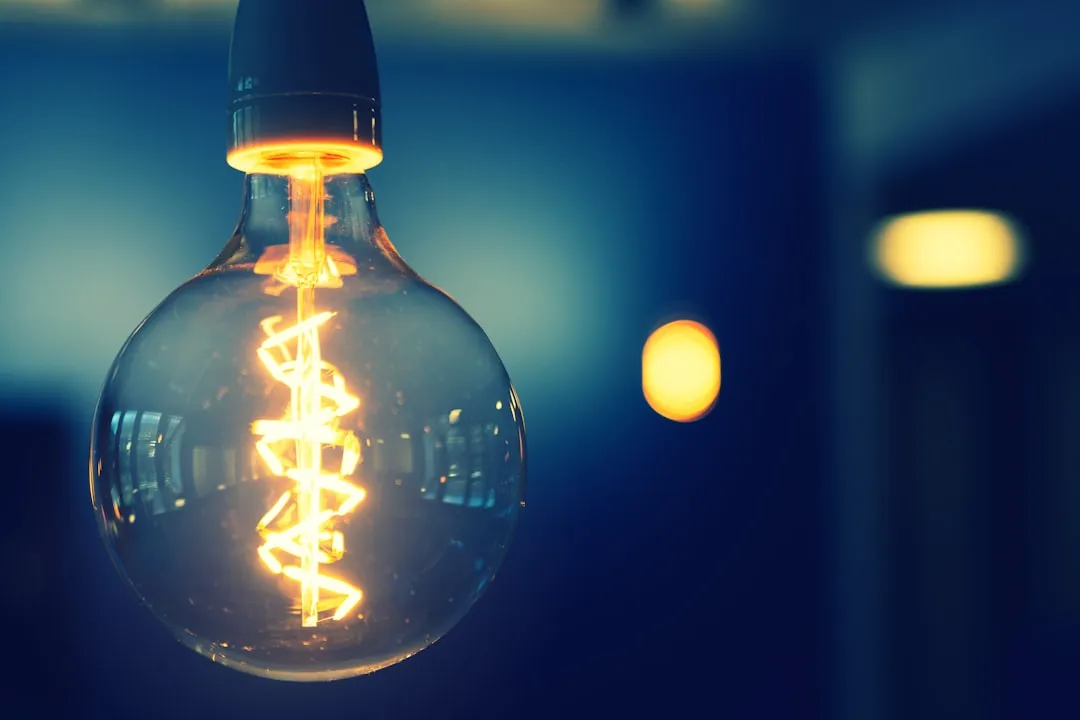
For decades, people were told not to switch lights off if they were only leaving the room for a few minutes. This advice wasn’t invented out of thin air. Traditional fluorescent and incandescent lights are stressed by on/off switching, often burning out faster with frequent toggling.
Every time you flip the light switch on, it sends a surge of electricity to the filaments in the light bulb. This surge takes its toll on the filament and causes it to wear out and break sooner than if the light were left on for longer periods of time. That physical stress was very real, and the advice to leave lights on longer made genuine sense for that era of technology.
The belief that turning lights on and off shortens their lifespan was rooted in the limitations of mid-20th-century lighting technology. For incandescent and early CFL bulbs, it contained a grain of truth. The problem is that most homes today run on a completely different type of bulb, and the old rule hasn’t fully caught up.
What Happens Inside an Incandescent Bulb When You Switch It
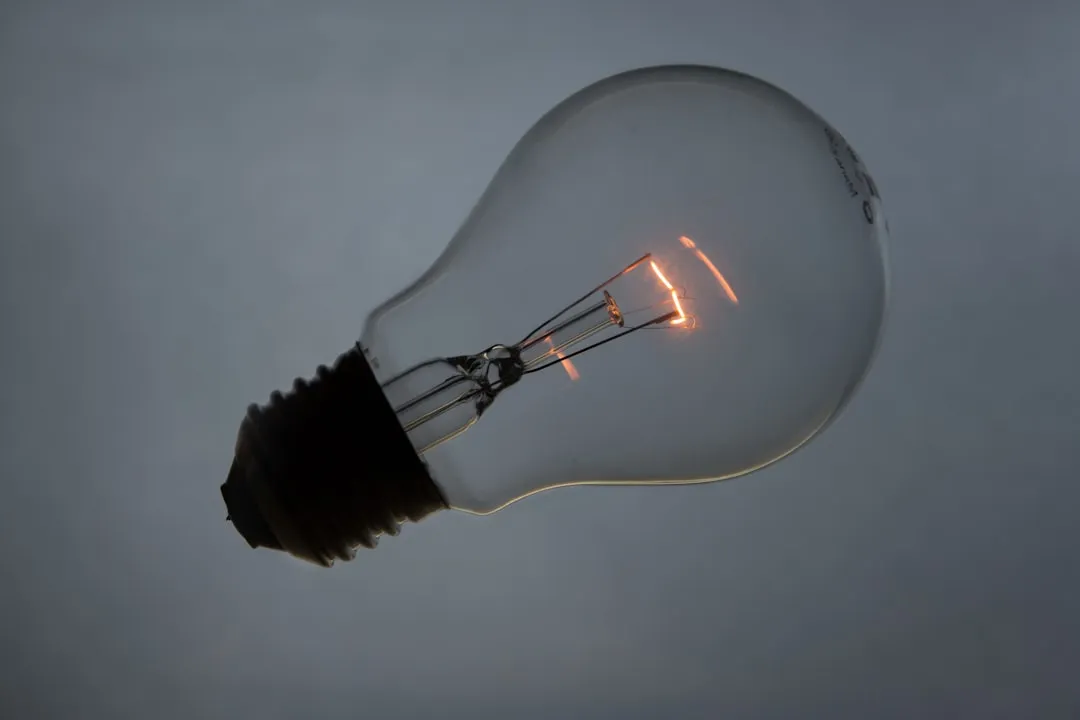
This is particularly true for incandescent and halogen bulbs, where the filament expands and contracts with temperature changes. Frequent on-off cycling accelerates wear and tear, leading to earlier failure. The filament inside these bulbs is extraordinarily thin, and it was never designed for high-frequency stress.
Mechanical switches can cause a sudden surge of current when turned on, especially with incandescent or halogen bulbs. This inrush current can stress the filament or internal components of the bulb, potentially shortening its lifespan. In practical terms, a bulb in a frequently used hallway may fail noticeably sooner than one in a room that runs for longer, uninterrupted stretches.
It’s worth noting that U.S. federal regulations effectively phased out general-service incandescent bulbs in 2023, so this particular failure mode is becoming less relevant for most households. Still, halogen variants remain in circulation, and the same physics applies to them.
CFLs: The Bulb Most Damaged by Switching
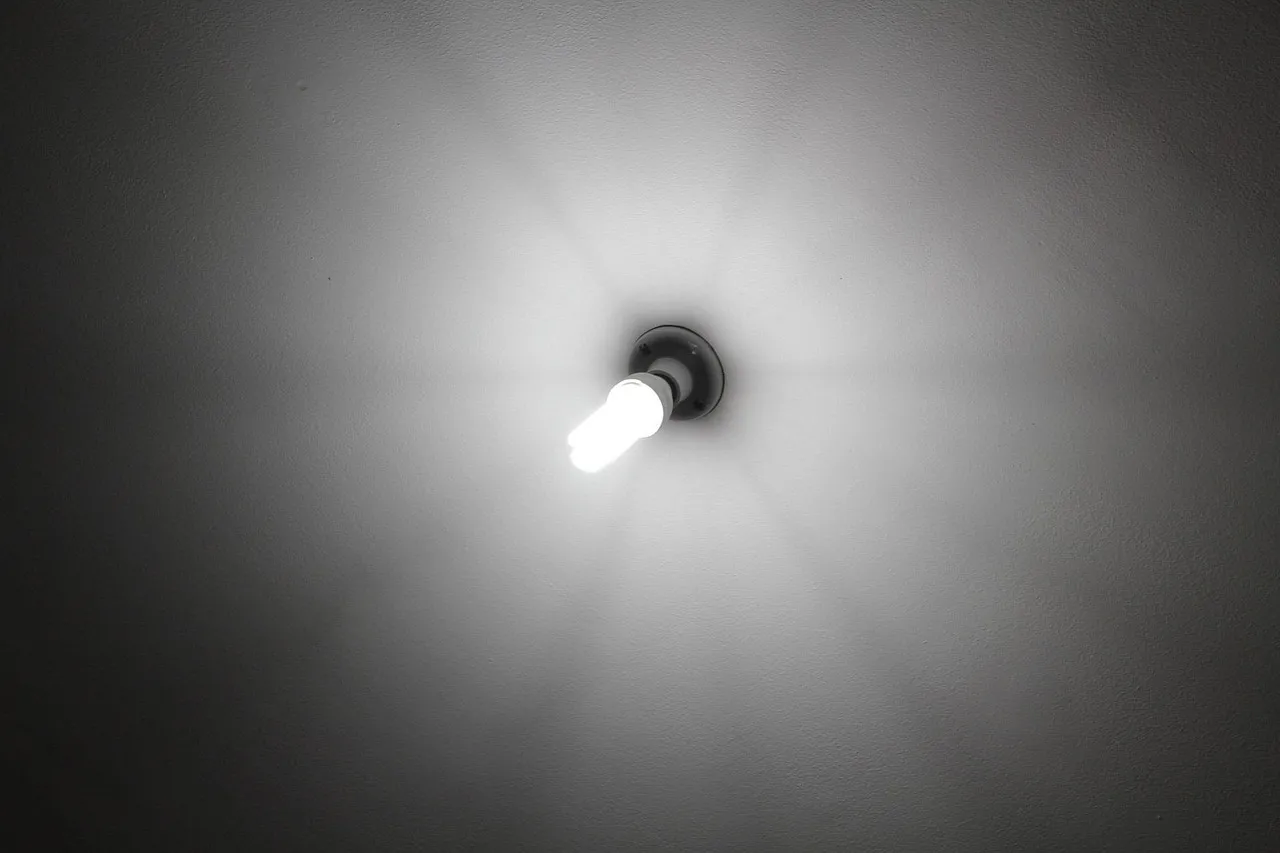
Compact fluorescent lamps (CFLs) are especially sensitive to switching cycles; their electronic ballasts and gas discharge tubes degrade faster with repeated starts. This is the bulb type where the old advice carried the most weight, and where ignoring it actually cost people money in replacement bulbs.
That rule is real, but it’s CFL-specific. Compact fluorescents lose a meaningful chunk of life every time they start, so there’s a break-even point where the lifespan cost outweighs the energy saved. The commonly cited guidance of leaving a CFL on if you’re returning within fifteen minutes came directly from this reality.
Flicking CFL bulbs on and off means more energy being used, and those constant surges can cause the bulb to pop. The higher start-up voltage erodes the electrodes at the base of the bulb every time you use them, so you gradually wear them out faster. CFLs also contain mercury, which adds a disposal consideration on top of the shorter lifespan from heavy switching.
LEDs and the Switching Question: What Research Shows
A study by the Lighting Research Center at Rensselaer Polytechnic Institute found no statistically significant reduction in LED performance after 50,000 cycles under standard conditions. That’s a meaningful finding. It suggests the LED chip itself is remarkably resilient to the kind of switching that happens in a normal home.
The LED’s solid-state technology isn’t harmed by the inrush of current the way a filament is, so in theory you can flick an LED lamp on and off regularly without shortening the LED diode’s lifespan. However, LED bulbs are still rated for a maximum number of switching cycles, often around 10,000 to 50,000 cycles for modern products.
To earn an ENERGY STAR rating, a lamp had to survive at least 100,000 on/off cycles at 60°C ambient. That’s the equivalent of switching the bulb on and off every 15 minutes for 28 years – and the lamp is expected to keep working afterward. That’s a standard designed to address exactly this kind of concern.
The Driver Circuit: The Actual Weak Link
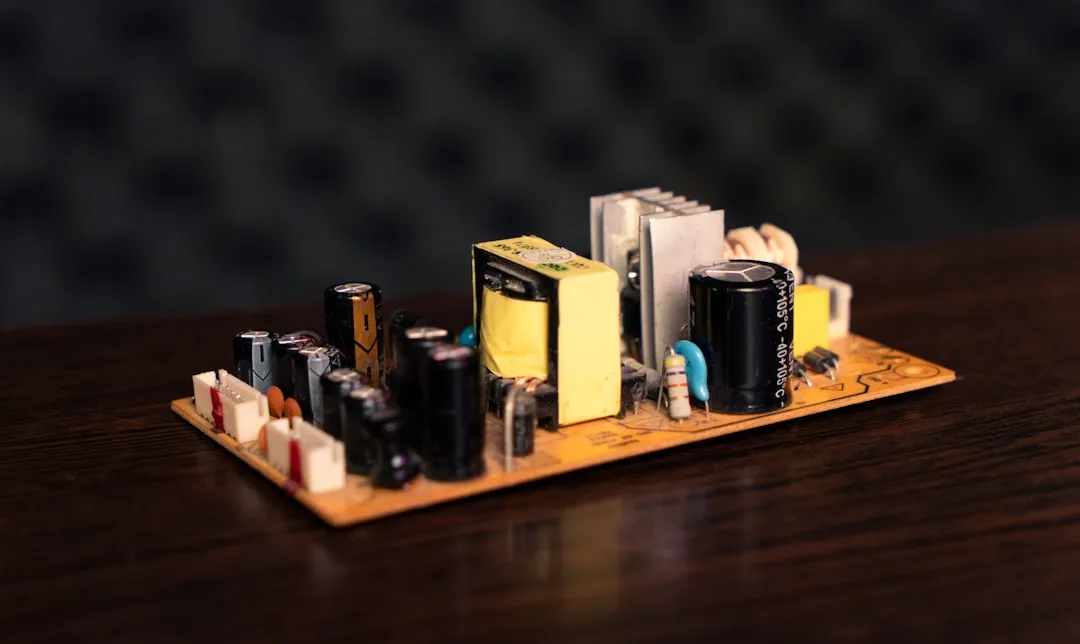
An LED bulb has two main electrical parts: the LED chip itself, and the driver circuit that converts mains AC into the low-voltage DC the chip needs. Neither is meaningfully degraded by household switching frequency. So the chip is fine, and the driver is generally fine too, with one important exception.
In an integrated LED bulb, the driver almost always gives up before the LED chip does. Electrolytic capacitors in the driver are the usual weak link, and their lifespan roughly halves for every 10°C increase in operating temperature. Heat is the real enemy here, not the act of switching.
The pattern with failed LED bulbs is often that while the LEDs themselves were still fine, it were things like the soldering joints and singular components on the LED driver PCB that had failed. This is why a burned-out LED bulb that you open often reveals perfectly intact light-emitting components sitting next to failed electronics.
Heat Buildup in Enclosed Fixtures: A Bigger Threat Than Switching
Heat trapped in enclosed fixtures is a major cause of early LED failure. This is one of the most commonly overlooked factors in home lighting, and it’s responsible for a surprisingly large portion of premature burnouts that get mistakenly blamed on switching habits.
A standard LED bulb should not fail after only a few months of normal use. If bulbs repeatedly fail in globe pendants, enclosed ceiling fixtures, bathroom vanity globes, or sealed outdoor lanterns, heat is often the primary cause. In particular, any LED that fails in under six months in a globe pendant or recessed can is almost certainly a heat issue, not a defective bulb.
With no airflow to dissipate heat, the internal temperature of the driver can reach far beyond the bulb’s rated maximum operating temperature in a matter of minutes. This is the single most common cause of rapid LED failure, and using a bulb specifically rated for enclosed fixtures is the correct solution. Checking that one label before purchase could save multiple replacement trips.
Incompatible Dimmers: A Surprisingly Common Culprit
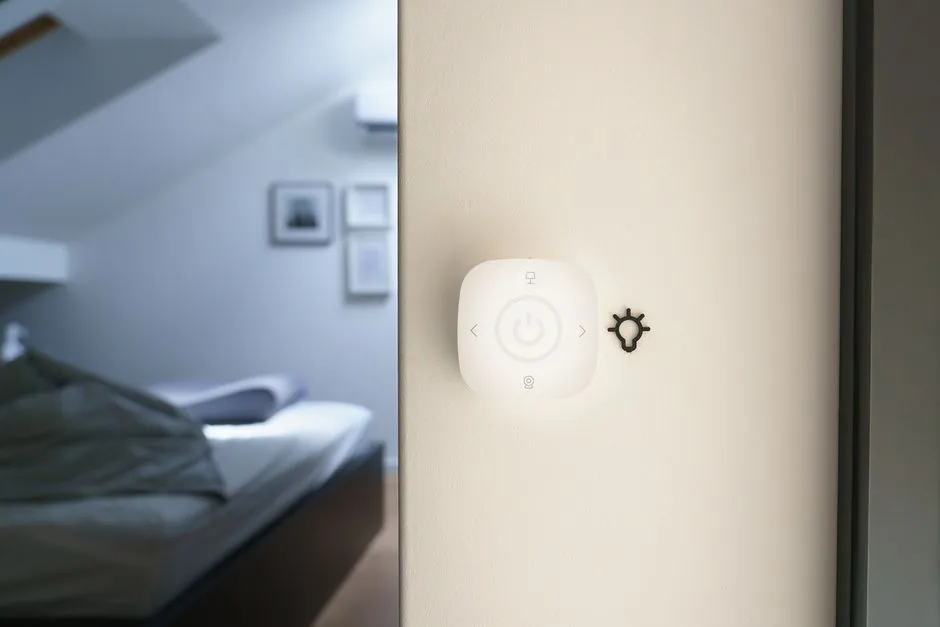
Not all dimming components are created equal, especially when it comes to LEDs. Traditional dimmers, often designed for incandescent bulbs, may not be fully compatible with LED technology, leading to issues like flickering, reduced lifespan, and even complete failure.
Old leading-edge dimmers designed for incandescent loads often don’t play nicely with LED drivers. The result can be flicker, buzz, or, over time, premature driver failure. This is a failure mode that masquerades as a switching problem. People switch the light, it flickers or dies early, and they assume frequent switching is to blame. The dimmer is the real issue.
This is a real, documented cause of shortened LED life and gets blamed on switching far more often than it deserves. If you have dimmable fixtures, the fix is straightforward: replace the old dimmer with one rated for LED loads and confirm compatibility with your specific bulb model.
Voltage Fluctuations and Electrical Quality
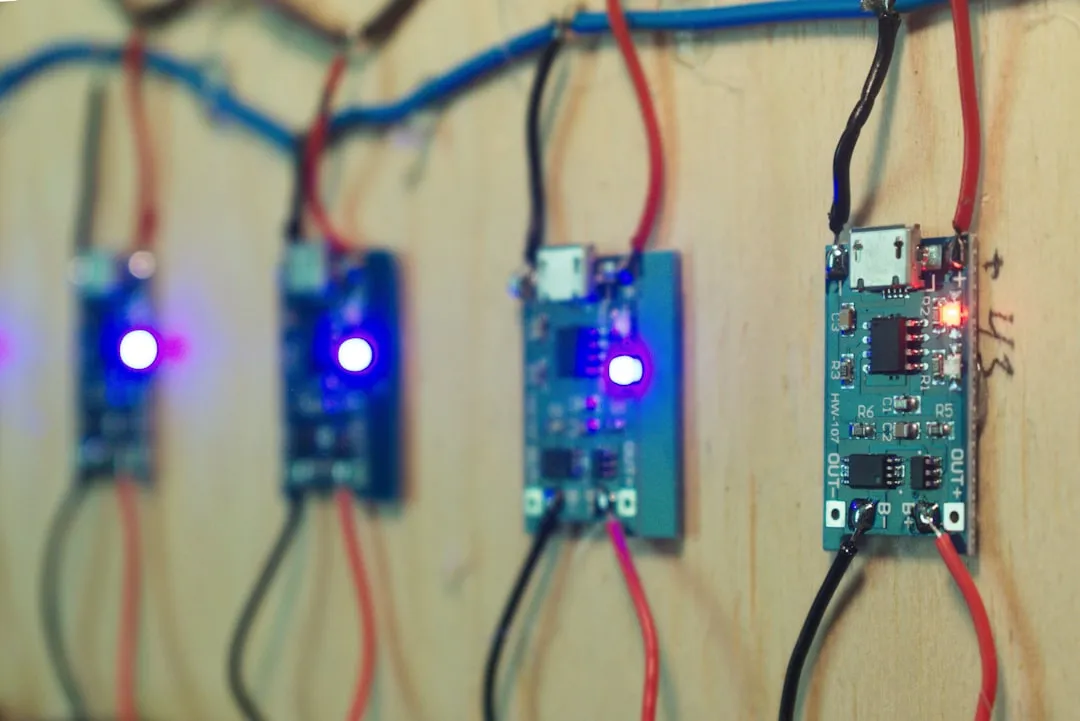
LEDs are sensitive to voltage fluctuations. Exposure to high voltage, even for short periods, can significantly reduce an LED’s lifespan by causing overheating and damage to the internal components. Protecting LED systems from over-voltage with proper electrical safeguards can prevent premature failures and extend the life of the lighting fixtures.
Wrong dimmers, loose socket contacts, overvoltage, and surges shorten bulb life. These electrical stressors often go unnoticed because they don’t produce obvious symptoms until a bulb starts dying earlier than expected. If bulbs are failing across multiple fixtures in a home, line voltage is worth checking.
The practical takeaway here is to treat bulb failures as diagnostic signals, not just inconveniences. A single burnout might just be a dud bulb. Repeated failures in the same fixture almost always point to a specific, fixable cause in the environment around the bulb.
The CFL 15-Minute Rule: Still Misapplied Today
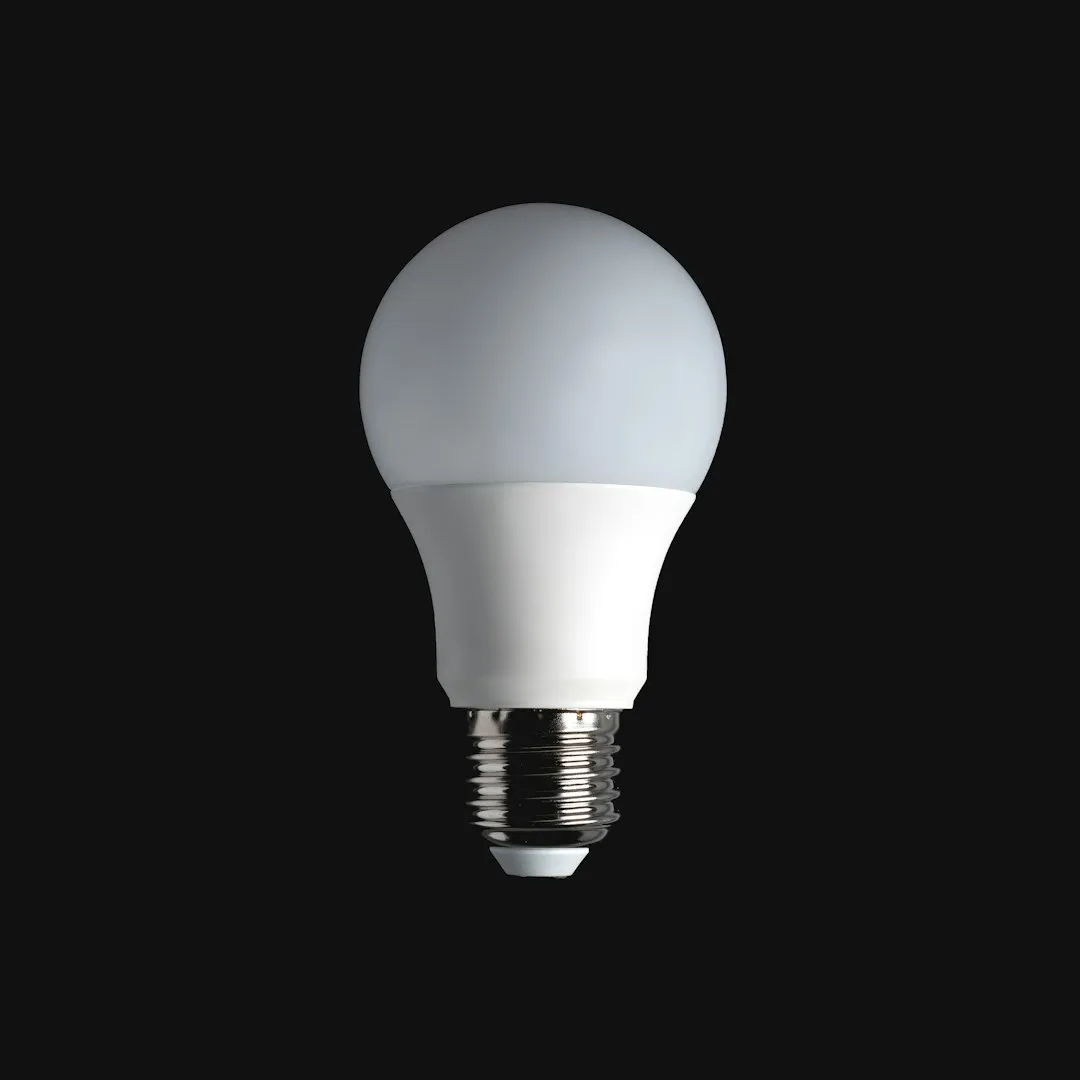
LEDs have no such tradeoff as CFLs. The DOE explicitly notes the 15-minute guidance applies to CFLs and not to LEDs. Yet this rule continues to circulate in households and online forums as though it applies universally. It doesn’t, and applying it to LEDs costs you energy savings for no real benefit.
Turning LED bulbs on and off does not meaningfully shorten their lifespan. Unlike CFLs and incandescents, LED life is unaffected by switching frequency, which is why the U.S. Department of Energy specifically recommends LEDs for occupancy sensors. That recommendation is hard to square with the idea that switching LEDs off frequently harms them.
The energy savings from switching off lights, even briefly, far outweigh any negligible wear on modern bulbs. For LED households, the old caution about switching has become the opposite of good advice. Turn them off when you leave. There’s no penalty.
What Actually Extends Bulb Life Today
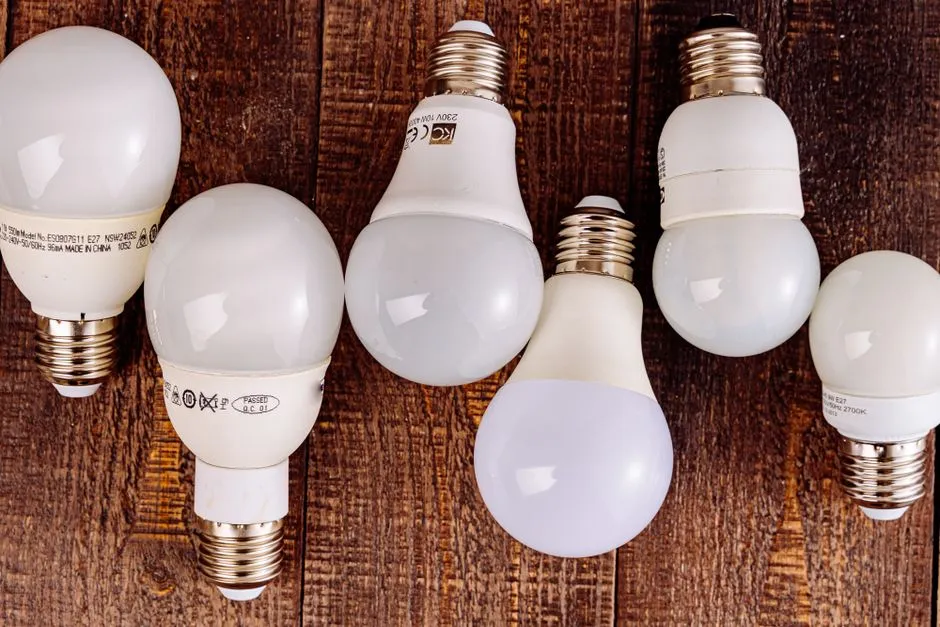
The life of the LED lamp is also affected by many factors such as ambient temperature, voltage stability, and product quality. These three variables are well within a homeowner’s control, and addressing them will do far more for bulb longevity than changing any switching habit.
Use the correct bulb for the fixture, especially LED, and make sure it is rated for enclosed fixtures, outdoor use, and dimming if those conditions apply. That simple matching process, bulb specs to fixture requirements, is one of the most effective and underused tools for getting full value from a bulb’s rated lifespan.
LED bulbs may fail early due to poor-quality drivers, incompatible dimmer switches, heat buildup in enclosed fixtures, or frequent on/off cycles. Choosing higher-quality, well-ventilated LEDs helps prevent this. Spending slightly more on a reputable brand and checking fixture compatibility genuinely makes a measurable difference.
The Takeaway
The light switch habit that’s “quietly shortening bulb life” turns out to be more of a myth than a fact, at least for most modern LED homes. The evidence points clearly in one direction: switching is rarely the problem. Heat, incompatible dimmers, voltage issues, and wrong-bulb-for-fixture mismatches are the real culprits behind early failures.
For anyone still running incandescent or CFL bulbs, the switching concern holds some validity. For LED households, which now represent the vast majority of new installations, the more productive habit is checking the fixture rating, replacing old dimmers, and making sure bulbs have room to breathe.
The switch on the wall isn’t the villain. More often than not, it’s what happens between the switch and the socket that quietly wears a bulb down before its time.
AI Disclaimer: This article was created with the assistance of AI tools and reviewed by a human editor.