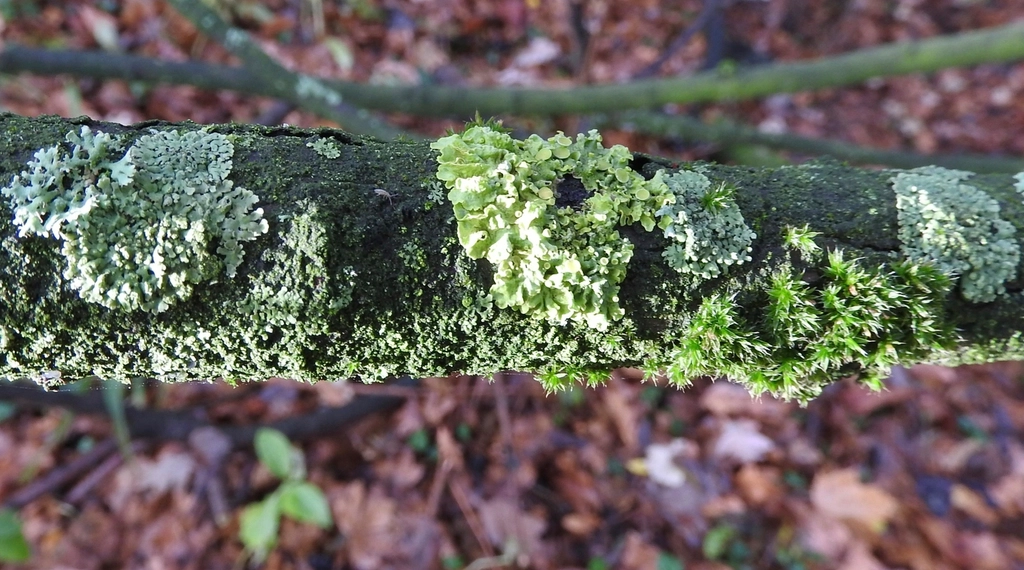

Walk past almost any mature tree and you’ll likely spot it: those powdery, greenish-gray patches clinging to the bark, sometimes rust-orange, sometimes pale silver. Most people walk right by without a second thought. Others panic, convinced their trees are sick and something needs to be done immediately.
The reality is more nuanced than either reaction suggests. Lichen is one of nature’s most fascinating organisms, and what it’s doing on your tree tells a more layered story than most gardening guides let on. Understanding that story is actually useful, because the answer changes depending on how much lichen you’re seeing, where it’s growing, and what the tree looked like last season.
What Lichen Actually Is
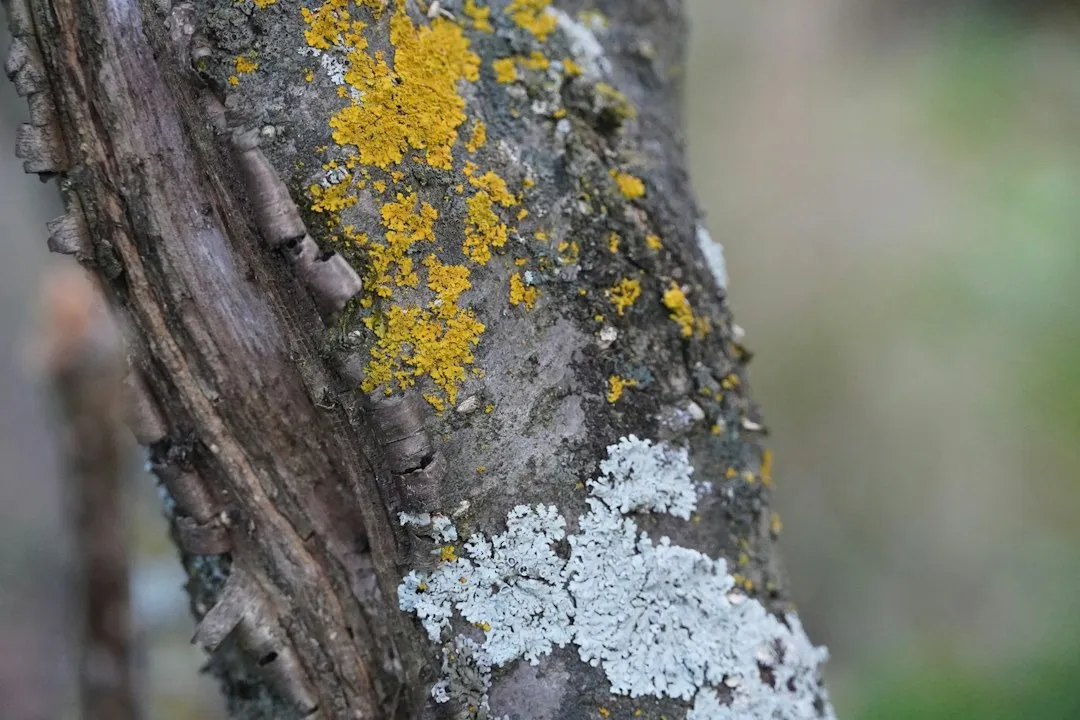
Tree lichen is not a single organism but a partnership between a fungus and an algae, or sometimes a photosynthetic bacteria called cyanobacteria, living together as one structure on bark. The major partner, making up roughly four-fifths of the structure, is a fungus, which determines its classification. The secondary partner is either an alga or cyanobacteria.
Because each partner benefits from the arrangement, the specific symbiotic term is mutualism. In the case of lichens, the relationship is obligate, meaning neither the fungus nor the alga could survive without the other. It’s essentially a living partnership that has no parallel in the plant kingdom. Think of it less as a plant growing on your tree and more as a miniature, self-sustaining ecosystem that simply uses the bark as an address.
The Three Main Types You’ll See on Bark
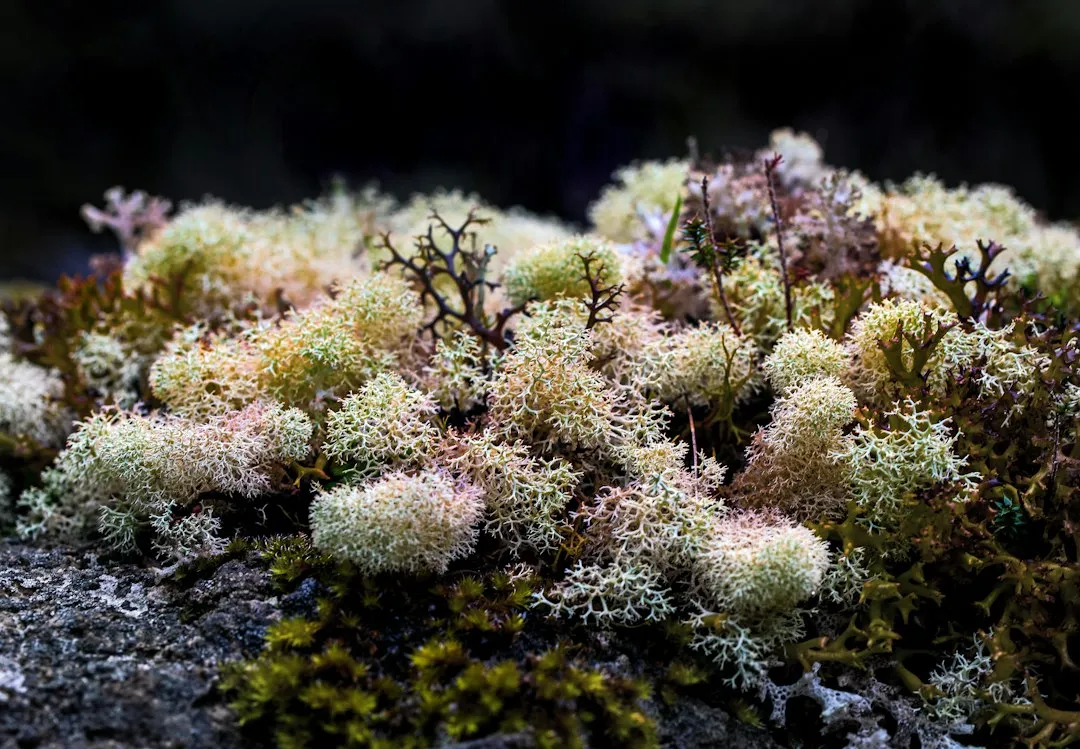
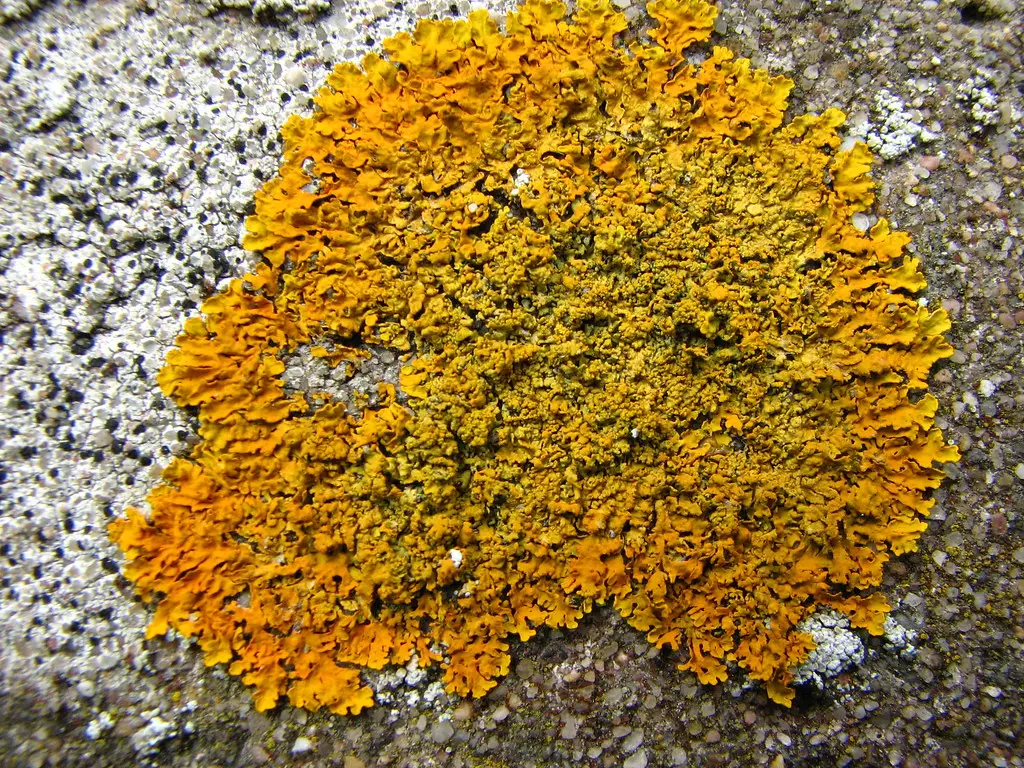
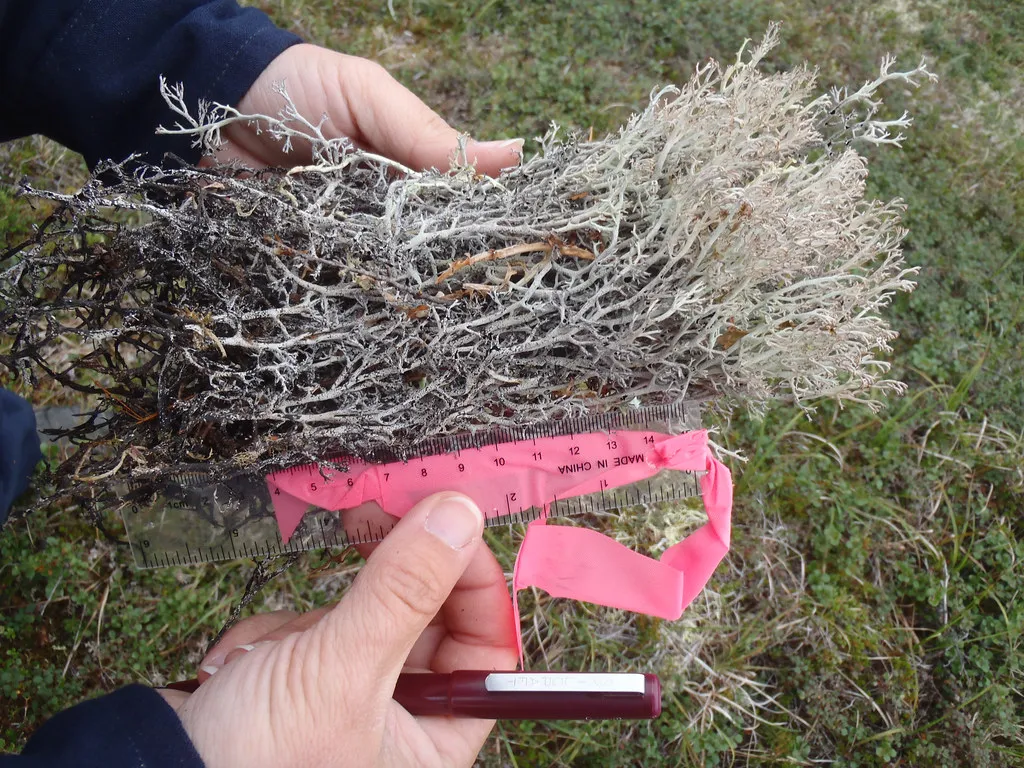
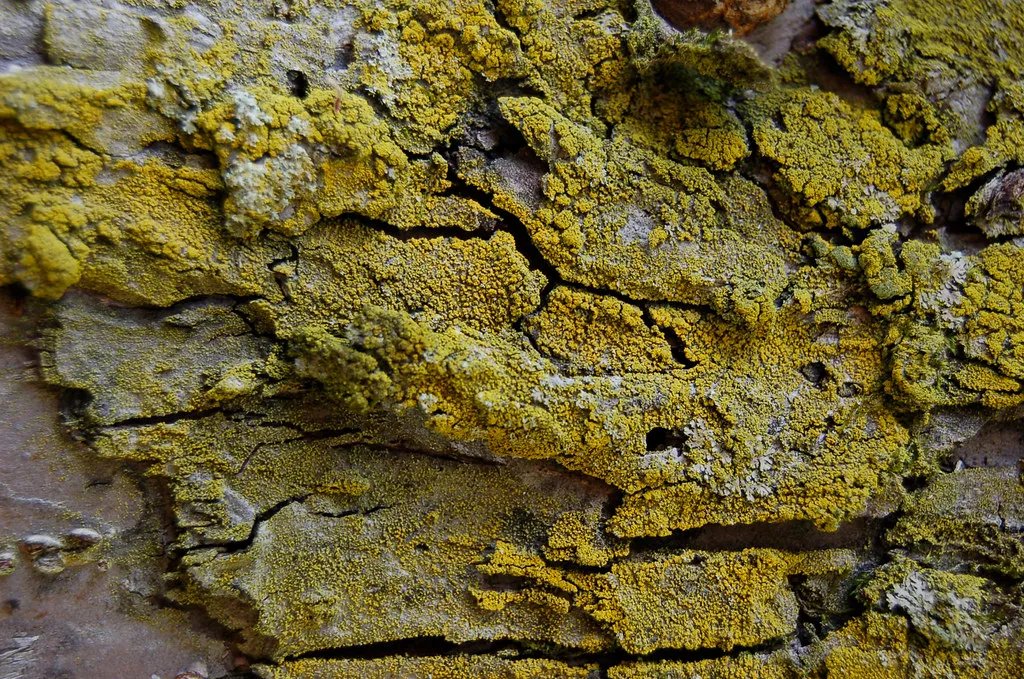
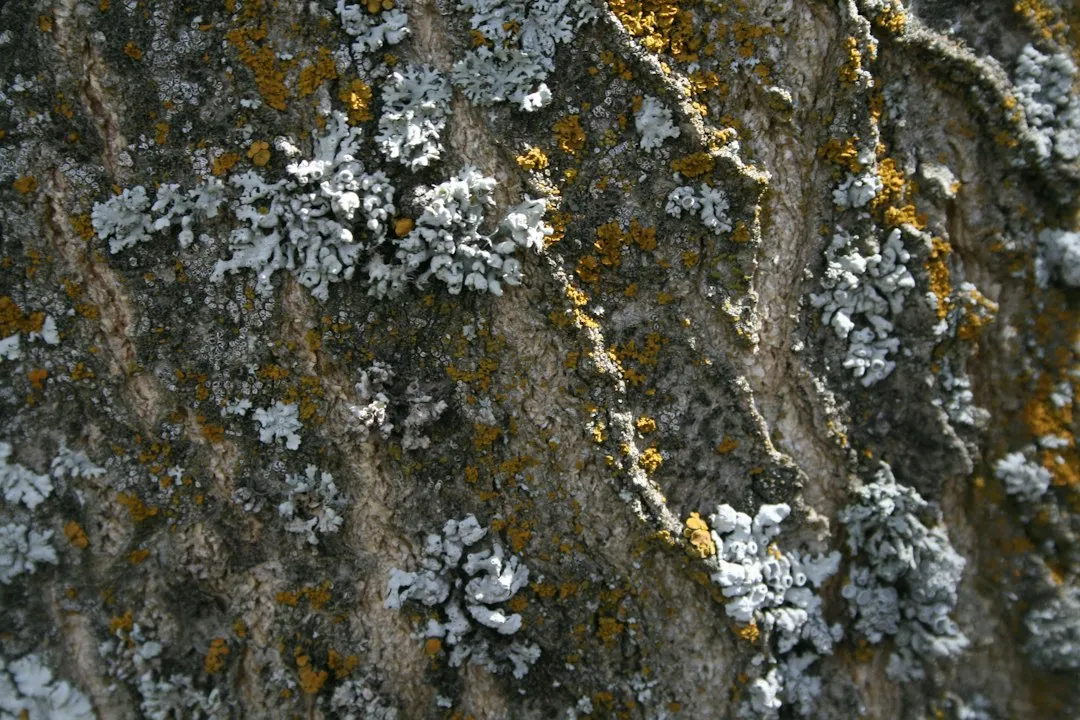
Lichen grows in many interesting forms. Those with a flattened and crusty appearance are called crustose lichen. Foliose lichen have raised, leaf-like lobes. Fruticose lichen have branched growths with finger or thread-like projections. Each type has a distinct texture and look, and spotting which kind you have is the first step toward understanding what’s going on.
Almost half of all existing lichens known to science are described as crustose lichens. These are the ones that look spray-painted onto the bark and are nearly impossible to peel off without damaging the surface beneath them. Fruticose lichens, on the other hand, constitute larger and more visually striking growths that stand out from the branches of trees and rocks. Species like old man’s beard, or Usnea, are a good example of this type, dangling from branches in forest settings.
Does Lichen Actually Hurt the Tree?
Despite what many homeowners fear, lichen does not harm trees. It uses the bark purely as a surface to cling to, drawing no water or nutrients from the tree itself. This is the mainstream scientific position, backed by decades of arboricultural research and extension guidance from institutions including NC State University.
However, the picture isn’t quite that simple. More recent studies have examined the chemical and ecological effects of epiphytic lichens such as Evernia spp. and Usnea spp. and found that they and many other lichen species produce acids, namely evernic and usnic acids, which are known to have detrimental effects on trees, especially oaks. Findings specifically indicate that the lichen Evernia prunastri releases evernic acid into the xylem of Spanish oaks, which inhibits both respiration and the appearance of foliar buds, as well as slowing leaf formation. So while the broad consensus holds that most lichen is harmless, certain species under specific conditions may not be entirely neutral.
Lichen as a Stress Signal
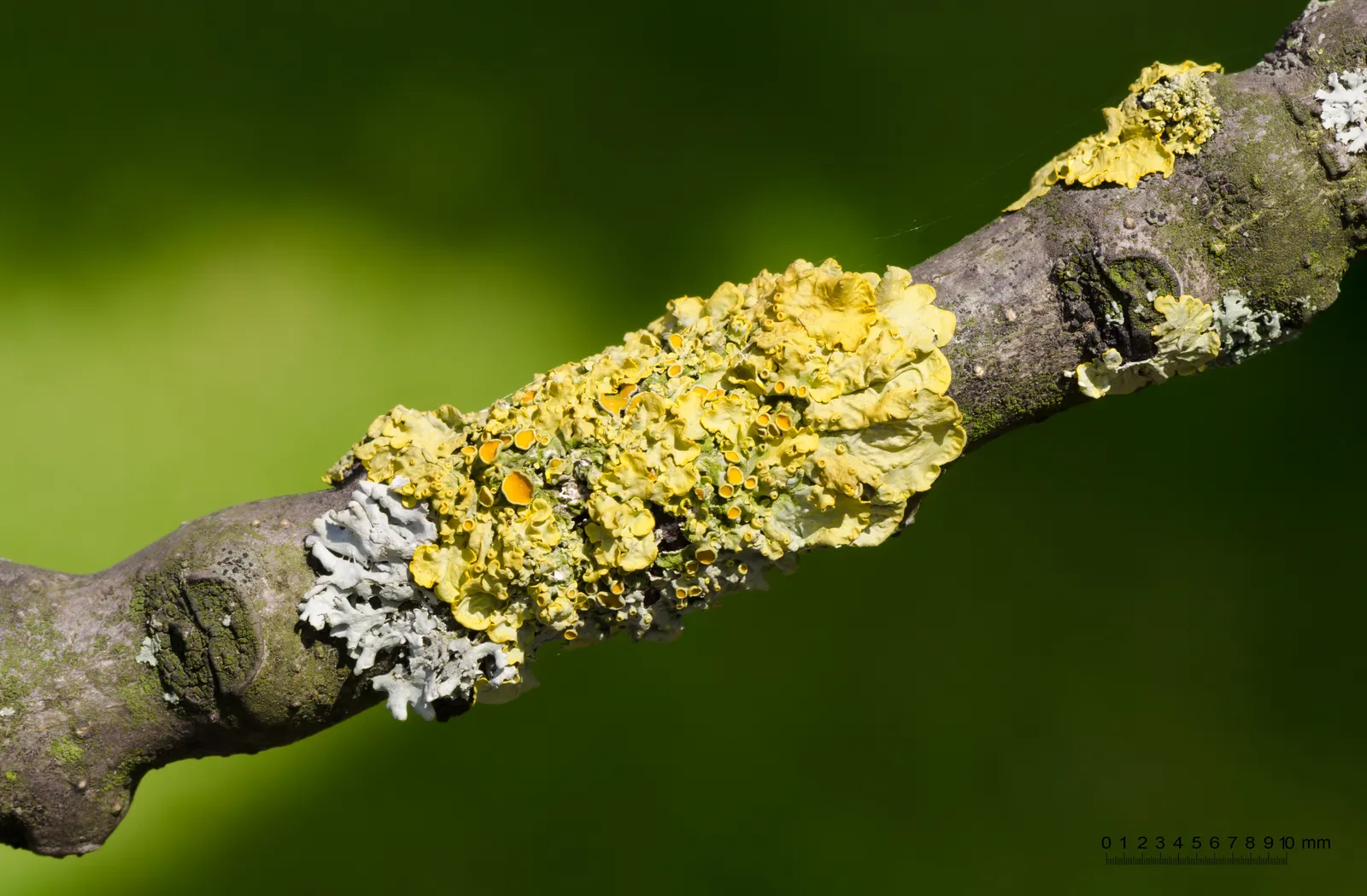
Lichen is rarely found on healthy, vigorous trees, not because lichen causes problems, but because healthy trees create conditions that aren’t ideal for lichen establishment and growth. This is one of the more important distinctions to absorb. Lichen will grow on plants that are not growing. Growing plants shed bark as the stems get larger in diameter, much like we shed skin cells constantly. Trees and shrubs that are not growing are a sign of unhealthy plants.
A great deal of lichens may be a sign of a declining plant caused by other factors, but not as a result of the presence of the lichens themselves. In other words, the lichen didn’t cause the slowdown. It moved in because the slowdown had already begun. Lichens are a sign of weakness in the plant, not a cause. That distinction matters enormously if you’re trying to figure out what to do next.
Lichen and Air Quality: Nature’s Own Monitor
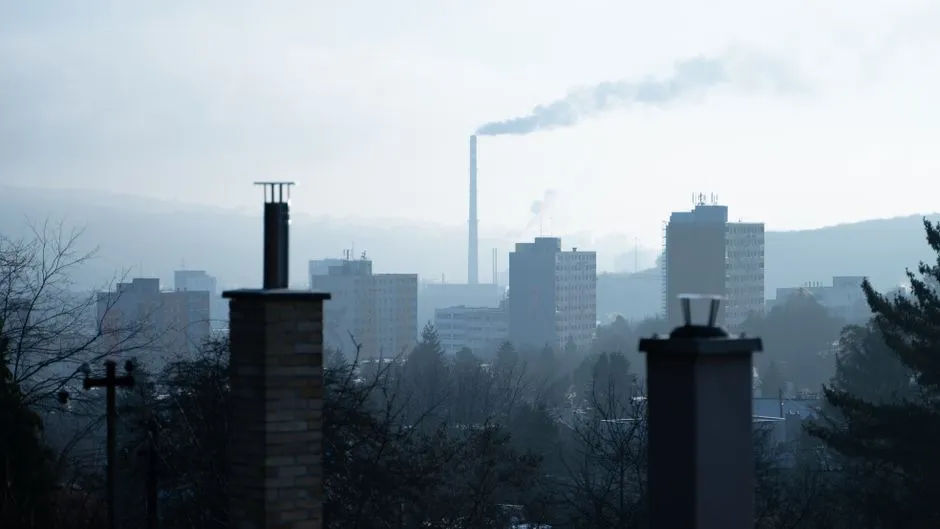
Like canaries in the coal mine, various lichen species have been used to monitor air quality. Because lichens have no protective epidermis, they absorb both beneficial and detrimental airborne elements. Their deterioration can indicate sulfur dioxide emissions from industrial operations and drifting ammonia and nitrates from agricultural activities. Lichens also accumulate mercury from power plant emissions, lead and zinc from mining ore smelters, and radioactive metals.
A national study of nearly 9,000 forest sites across the U.S. and coastal Alaska found that lichen communities begin shifting from pollution-sensitive species to pollution-tolerant ones at very low levels of contamination, just 1.5 kilograms of nitrogen per hectare per year and 2.7 kilograms of sulfur per hectare per year. That sensitivity is remarkable. The composition of lichen communities provides early warning signs of improving or deteriorating air quality conditions, often detecting changes before other monitoring methods.
What a Healthy Lichen Presence Actually Tells You
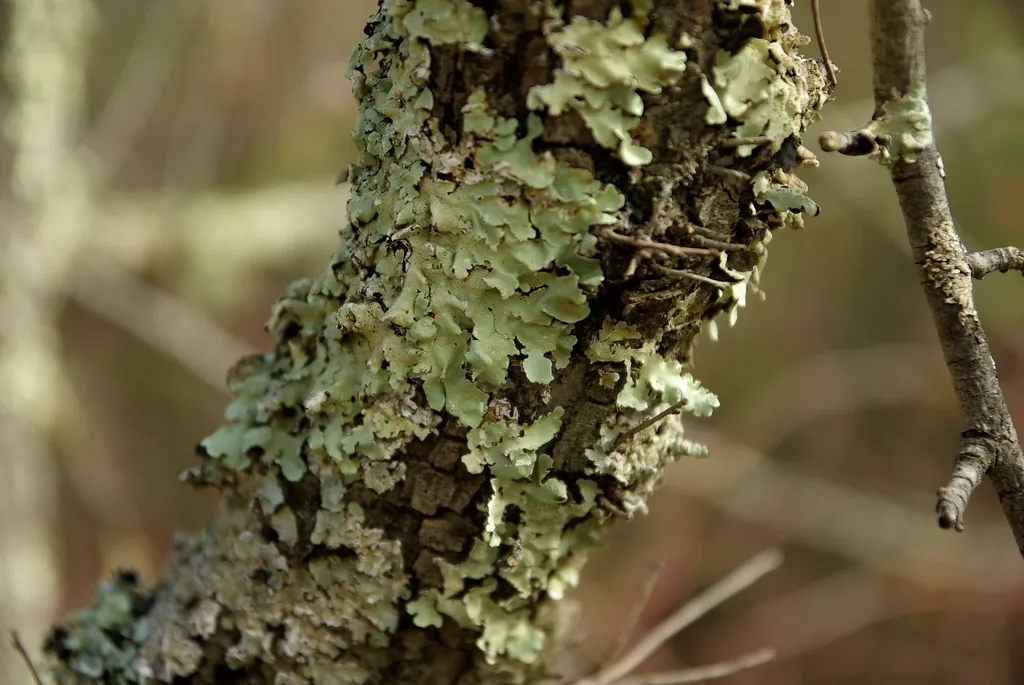
The presence of lichen on trees is somewhat paradoxical: the good news is that you have excellent air quality in your area; the less straightforward news is that new patches of lichen growing on a tree where none existed before indicates that your tree is already experiencing some form of decline or stress. Seeing lichen for the first time on a tree that was previously clean is the signal worth paying attention to.
What has been described as a lichen zone pattern occurs in urban areas and near industrial complexes. Where there are no lichens, there is poor air quality. Since the enactment of the Clean Air Act, sulfur dioxide levels fell from the 1970s to the 1990s, and lichens have reestablished in areas where they had perished. The return of lichen to urban trees is, in a real sense, a quiet environmental success story.
The Role of Lichen in Forest Ecosystems
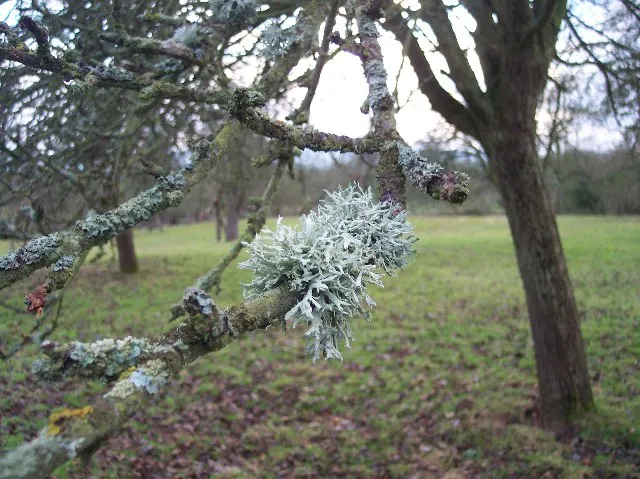
There are various beneficial roles that mosses and lichens serve in forest ecosystems. Their sponge-like bodies hold an abundance of moisture that, upon evaporation, acts to cool the forest atmosphere. They also provide habitat for arboreal fauna such as salamanders and tree frogs, as well as offering nesting materials for birds and forage for deer. These aren’t trivial contributions. In old-growth forests especially, lichen biomass represents a significant portion of the habitat structure that small creatures depend on.
Lichens contribute to the nitrogen cycle by converting the nitrogen in the air into nitrates that help in their growth and development. Their ability to fix atmospheric nitrogen is beneficial to other plant life as well. When it rains, nitrogen is leached from both living and dead lichens and is available to plant life in the immediate area. That slow, steady nitrogen release quietly enriches the soil around the base of the very trees the lichen grows on.
The Scale of Scientific Monitoring
More than 10,000 standardized surveys of epiphytic lichen communities have been conducted as part of the National Lichen Indicator program, making it the single most extensive lichen community monitoring program in the world. These surveys provide valuable information on air quality, climate, biodiversity, and lichen floristics in U.S. forests. The breadth of that data gives researchers a long-term baseline that other environmental metrics often lack.
Researchers examining data from 58 studies using the European standard on more than 9,000 trees at nearly 3,000 sites across 15 countries identified a core subset of 43 lichen species exhibiting consistent responses to sulfur dioxide, ammonia, nitrogen oxides, and mean air temperature. That level of cross-continental analysis is turning lichen from a curious bark ornament into a precision scientific instrument. Epiphytic lichens, which live on trees, are increasingly recognized as key markers of air quality and environmental health, with new monitoring methods now involving time-lapse cameras to gather images of lichen populations.
Should You Try to Remove It?
Removing lichen damages bark and creates disease entry points, so a better treatment approach is to monitor and maintain overall tree health. Scraping lichen off is rarely a good idea, and in most cases it’s completely unnecessary. While lichens on trees are generally harmless, their presence can serve as an indicator of environmental health. Implementing proper orchard or garden management practices, including improving air circulation, maintaining proper nutrition, and monitoring soil moisture, can help control lichen growth indirectly.
Fertilizer will get the plants growing, their stems will increase in diameter, and the lichens will eventually fall off as bark is shed. That approach treats the actual cause rather than the visible symptom. If you remove new growth year after year by pruning or shearing in early summer, the plant never has the energy to grow wood in the older parts of the plant, which is how lichens get established more broadly. Pruning habits, in other words, can quietly set the stage for heavier lichen coverage over time.
When to Actually Be Concerned
While lichen is not harmful to the tree itself, the presence of it does indicate tree stress from other causes like drought, pests, or disease. So the lichen isn’t your problem, but it’s pointing you toward one. If lichen has appeared suddenly across large sections of a tree that previously had none, that’s worth investigating further with a certified arborist, particularly if you also notice thin leaf canopy, branch dieback, or unusual bark discoloration.
Lichen presence can suggest increased light from canopy thinning, slower bark growth allowing colonization, and good air quality in the area. All three of those clues together, especially the canopy thinning and bark growth slowdown, point to a tree that may be under real stress from something else entirely. Catching that stress early is what makes the difference between a tree that recovers and one that doesn’t.
The Takeaway
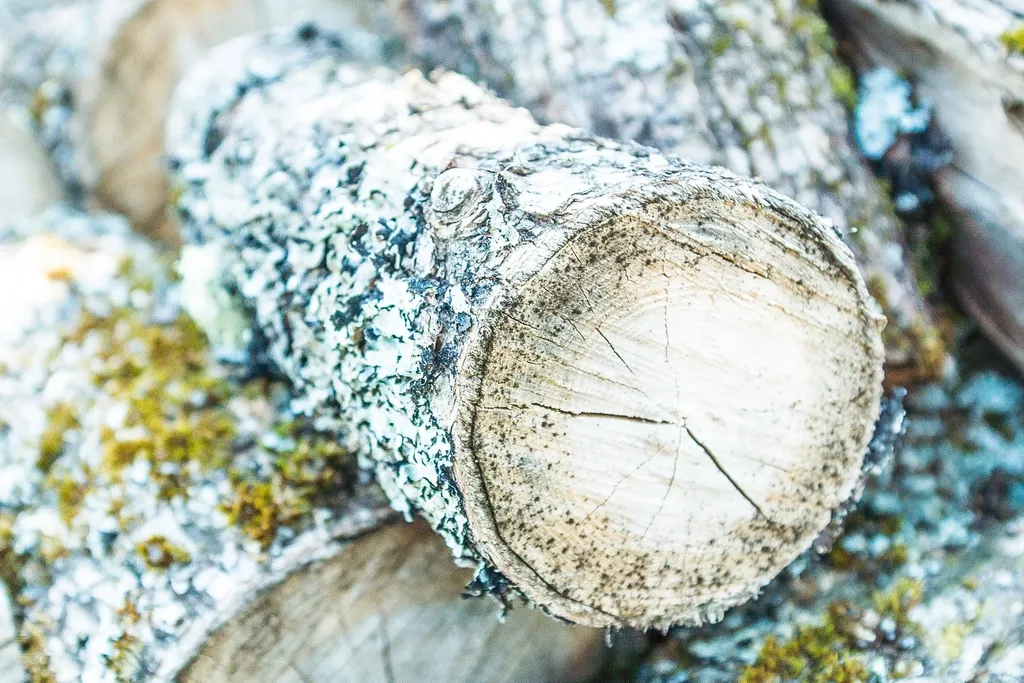
Lichen on a tree is neither a death sentence nor something to scrub away on a Sunday afternoon. Lichen is often blamed for killing a tree or shrub, but this is not true. It does, however, grow on slow-growing and sometimes declining trees and shrubs. That’s the line worth holding onto.
What lichen is genuinely good at is telling you things: about your local air quality, about how vigorously your tree is still growing, and sometimes about broader environmental shifts happening in your neighborhood. Treat it less like a problem and more like a message. There are more than 3,600 known species of lichen in North America alone, and there is still much to be discovered in this diverse world of lichens. That quiet gray-green crust on the bark of your old oak is, in its own understated way, one of nature’s more sophisticated instruments.
AI Disclaimer: This article was created with the assistance of AI tools and reviewed by a human editor.