

What Is Actually Happening Inside the Artery
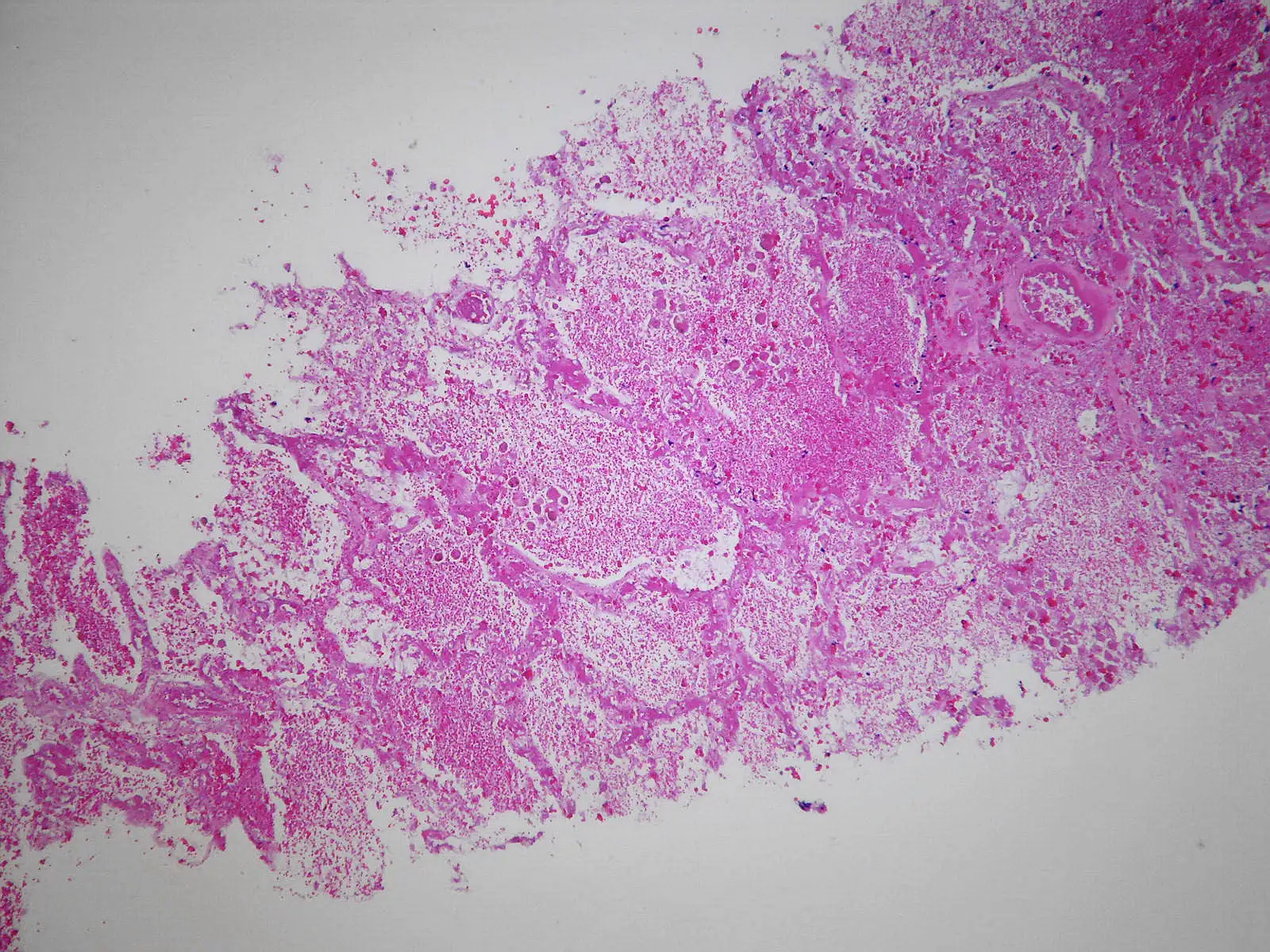
PAD develops when fatty plaque builds up inside the walls of the arteries carrying blood from the heart to the legs, a process called atherosclerosis. Over time, plaque narrows the artery the way mineral buildup narrows a pipe, and the legs run short on oxygen, especially during activity.
Peripheral artery disease occurs when the arteries that carry blood to the limbs, most commonly the legs, become narrowed or blocked. The muscles downstream from those blockages simply cannot get the fuel they need when you demand more from them, like during a walk to the mailbox or up a flight of stairs.
How Common This Condition Really Is

PAD affects more than 200 million people around the world and around 12 million adults age 40 or older in the United States. Those numbers are striking for a condition that most people have never heard of.
A 2024 survey found that almost 70% of respondents weren’t familiar with PAD, and nearly 8 in 10 Black and Hispanic adults hadn’t heard about it from a doctor or healthcare provider. The condition is not rare. It is simply underrecognized.
The Classic Warning Sign: Claudication

The hallmark symptom is claudication: cramping, aching, or heaviness in the calf, thigh, hip, or buttock that shows up reliably after walking a certain distance and fades within about ten minutes of rest. The pattern is remarkably consistent, and that consistency is itself a clue.
The classic symptom is intermittent claudication, which is reproducible pain in the lower extremities consistently induced by exercise and relieved with rest. However, only about 10% of patients with PAD actually present with these classic symptoms. That means the overwhelming majority experience something less obvious, or nothing at all.
When There Is No Pain at All

The 2024 ACC/AHA guideline reports that approximately 20% to 59% of people with objectively confirmed peripheral artery disease may report no leg symptoms, depending on the population and how symptoms are assessed. This is one of the most important facts about PAD, and one of the most dangerous for patients who assume they’d know if something was wrong.
An April 2025 peer-reviewed report in JAMA highlighted an important point: PAD can affect walking ability even when people do not describe the textbook symptom pattern. During a six-minute walk test, 42% of patients who reported no exertional leg symptoms developed those symptoms during the test, and 22% had to stop and rest. Some people appeared less limited when asked about symptoms than they did when their walking was actually measured.
Who Is Most at Risk

Risk factors for PAD include smoking; having Type 1 or Type 2 diabetes, high blood pressure, high cholesterol, chronic kidney disease, atherosclerosis in other parts of the body such as coronary artery disease; and being age 75 years or older.
Indicators that point to elevated risk include age older than 65 years; patients 50 to 64 years of age with risk factors for atherosclerosis such as diabetes, history of smoking, dyslipidemia, hypertension, or chronic kidney disease; or patients younger than 50 years with diabetes and additional signs of atherosclerosis.
Anyone can develop peripheral artery disease, but risk goes up with age. Black people face a higher risk compared to non-Hispanic white people, especially after age 50 in males and age 60 in females. These disparities in both risk and diagnosis make community awareness all the more important.
Why Doctors Often Miss It

Lower extremity PAD is frequently underdiagnosed, in part because of the wide variety of leg symptoms manifested by patients, and in part because of the high prevalence of asymptomatic PAD. When symptoms do not follow a classic pattern, neither the patient nor the physician may think to look further.
Early symptoms of peripheral arterial disease include aching in the legs when walking, which may not be recognized by healthcare professionals. Some patients with PAD have an atypical presentation without intermittent claudication or clear limb symptoms, and may attempt to alleviate those symptoms by reducing physical activity, which can eventually cause a worse prognosis.
The Link to Heart Attack and Stroke
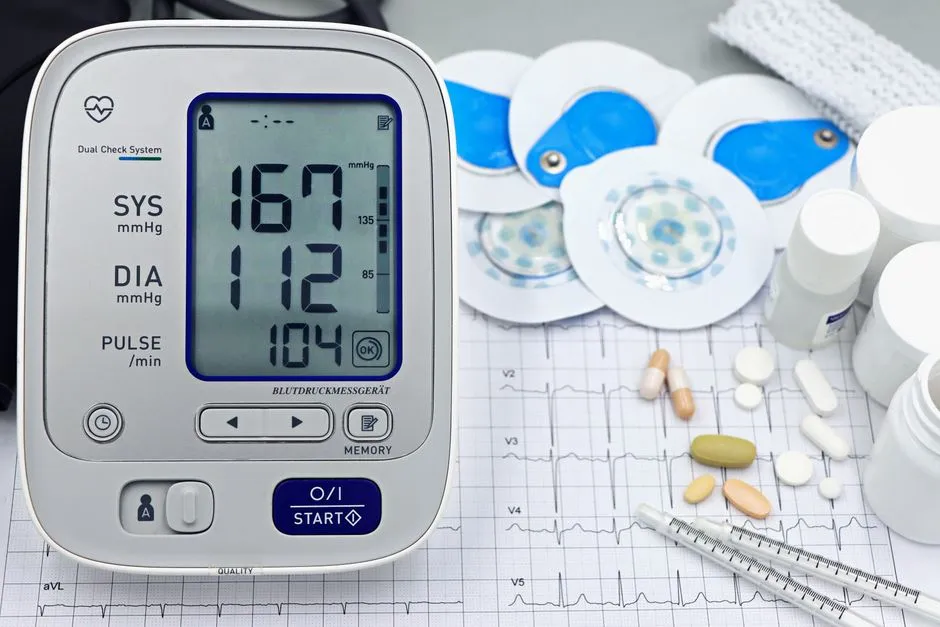
Millions in the United States have undiagnosed PAD, and it is a harbinger for cardiovascular disease. Compromised blood flow in the legs likely means it is present in the heart too. This is not just a leg problem.
PAD affects 1 in 5 people aged over 60 and puts them at risk of losing their leg, developing a heart attack or stroke, or dying early. Black people diagnosed with the disease experience more complications, ranging from cardiovascular diseases affecting the heart and brain to limb amputations and even higher rates of depression.
How PAD Is Diagnosed
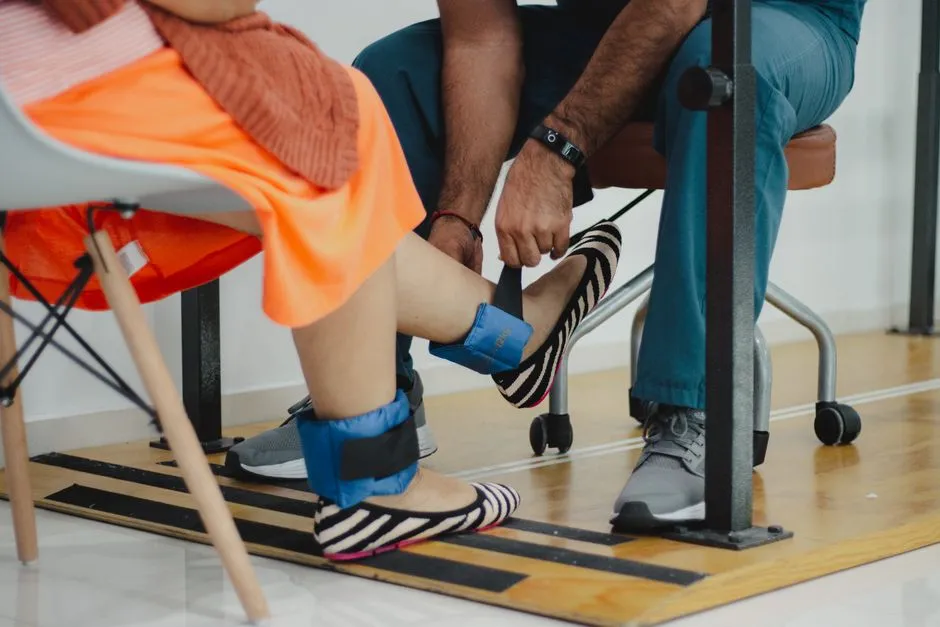
Detection of PAD in most patients is accomplished through a thorough medical history, physical examination, and resting ankle-brachial index, or ABI, which measures the ratio of the systolic blood pressure at the ankle to the upper arm. The test is simple, noninvasive, and can be done in a standard clinic.
In patients with a history or physical exam findings suggestive of PAD, a resting ankle-brachial index is recommended to establish the diagnosis. In patients at increased risk of PAD, screening with a resting ABI is considered reasonable under the 2024 ACC/AHA guidelines. When evaluating patients, clinicians should assess for PAD risk amplifiers including race and ethnicity, structural racism, social determinants of health, age, diabetes, tobacco use, chronic kidney disease, and depression.
Treatment: Exercise Is More Powerful Than People Think

The most important treatment may surprise many people: supervised walking exercise is first-line therapy and can improve walking for many people as much as a stent. That is not a small claim. It reflects years of clinical trial data.
Supervised exercise therapy involves short walking intervals, paced with rest, gradually building distance over weeks. A review of 25 clinical trials found supervised walking programs improved peak walking distance by an average of 180 meters compared with no exercise.
Rivaroxaban at 2.5 mg twice daily combined with low-dose aspirin is effective to prevent major adverse cardiovascular events and major adverse limb events in patients with PAD who are not at increased risk of bleeding, according to the 2024 ACC/AHA guideline. All patients with PAD should also be treated with high-intensity statin therapy.
The Stages of PAD and What Comes Next

There are four main stages of PAD, beginning with asymptomatic PAD where there are no symptoms in daily life. From there, the disease can progress through symptomatic stages and into more serious territory.
In some cases, the reduction in blood flow is so severe that it causes pain at rest, ulceration, or gangrene, which is known as chronic limb-threatening ischemia. Untreated PAD can lead to decreased mobility, ulcers, gangrene, and may ultimately require amputation of the affected extremity. Early detection genuinely changes those outcomes.
The Takeaway

Leg pain during a walk is easy to dismiss. It feels like aging, like deconditioning, like nothing worth calling the doctor about. For millions of people, though, that discomfort is the body’s first attempt to communicate something urgent about the state of its arteries.
The condition can affect people differently, and PAD symptoms may range from noticeable leg discomfort during activity to more subtle changes in walking ability. The absence of dramatic pain is not a guarantee that the arteries are clear. Early detection is critical for slowing PAD’s progression, and ankle-brachial index testing is recommended as an affordable and effective screening tool.
If you notice that your walking has quietly gotten shorter, slower, or more uncomfortable over the past year, that change is worth a conversation with your doctor. It may be nothing. It may also be the most important appointment you make this year.
AI Disclaimer: This article was created with the assistance of AI tools and reviewed by a human editor.