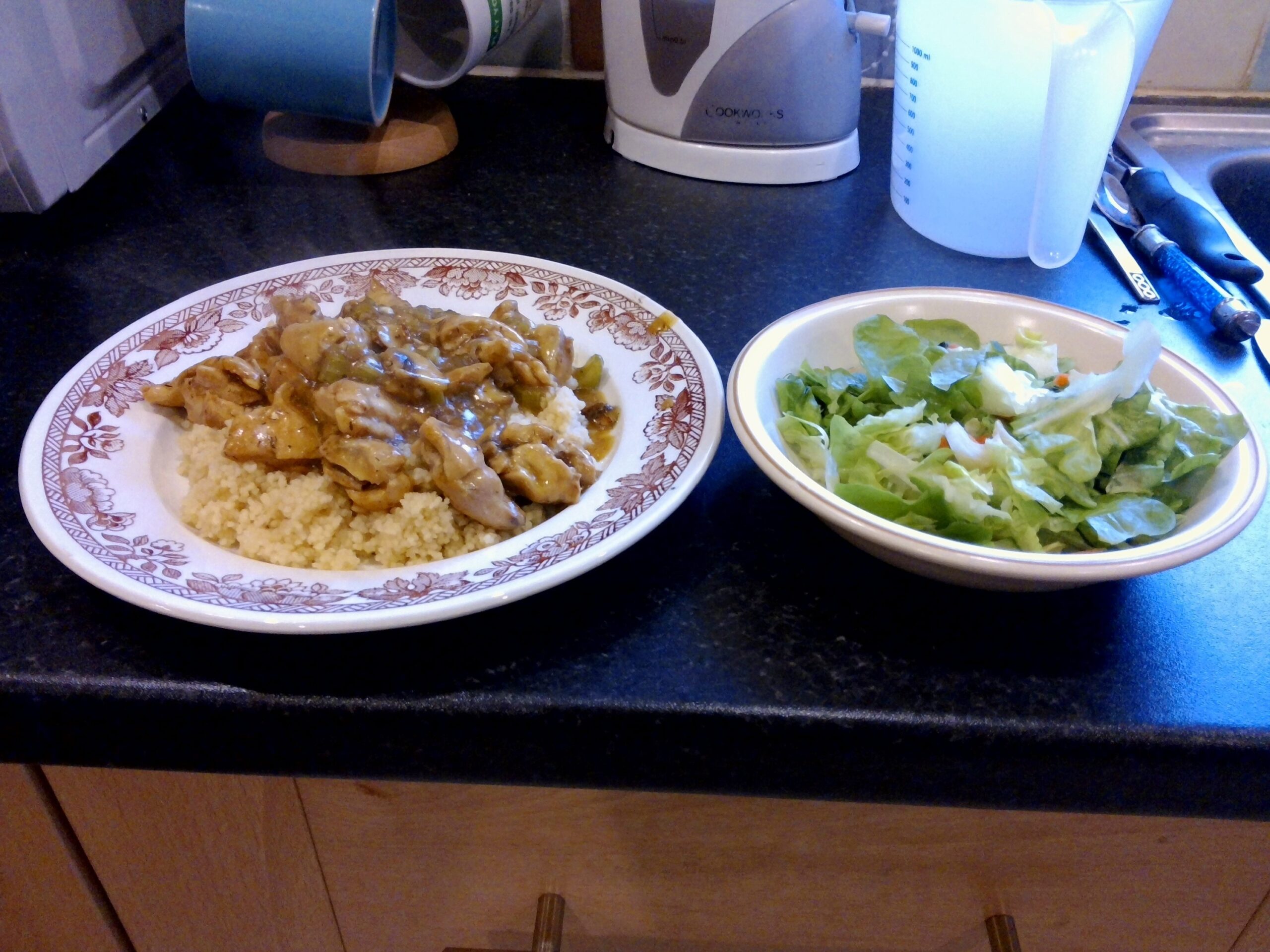

Most people feel pretty confident about handling leftovers. You cover the pot, set it on the counter, and figure you’ll deal with it later. It seems harmless enough. The problem is that in just a few hours of sitting out, what was a perfectly safe dinner can quietly become something that sends you to the doctor.
The CDC estimates that roughly 48 million people get sick from a foodborne illness every year in the United States, with about 128,000 hospitalized and 3,000 dying as a result. A significant portion of those cases trace back not to restaurant kitchens or contaminated produce, but to the way ordinary home cooks handle their food after the meal is over.
The Two-Hour Rule Most People Ignore
This is the rule that food safety experts repeat most often, yet it remains one of the most commonly broken habits in home kitchens. Bacteria grow rapidly between 40°F and 140°F, and within two hours of cooking, leftovers must be refrigerated. Any perishable food left at room temperature for more than two hours should be thrown away.
In that temperature range, bacteria can double in number in as little as 20 minutes. Do the math: if your pot of chicken curry sits on the stove for three hours while you watch television, the bacterial load can multiply to dangerous levels several times over. It’s not a slow, gradual risk. It’s genuinely fast.
Food that is sitting out for a party or picnic should be chilled after two hours at typical room temperature. If it’s above 90 degrees Fahrenheit, food should not sit out for more than one hour. Summer barbecues, in particular, are a setup for exactly this kind of risk.
Why the “Danger Zone” Is Exactly the Right Name
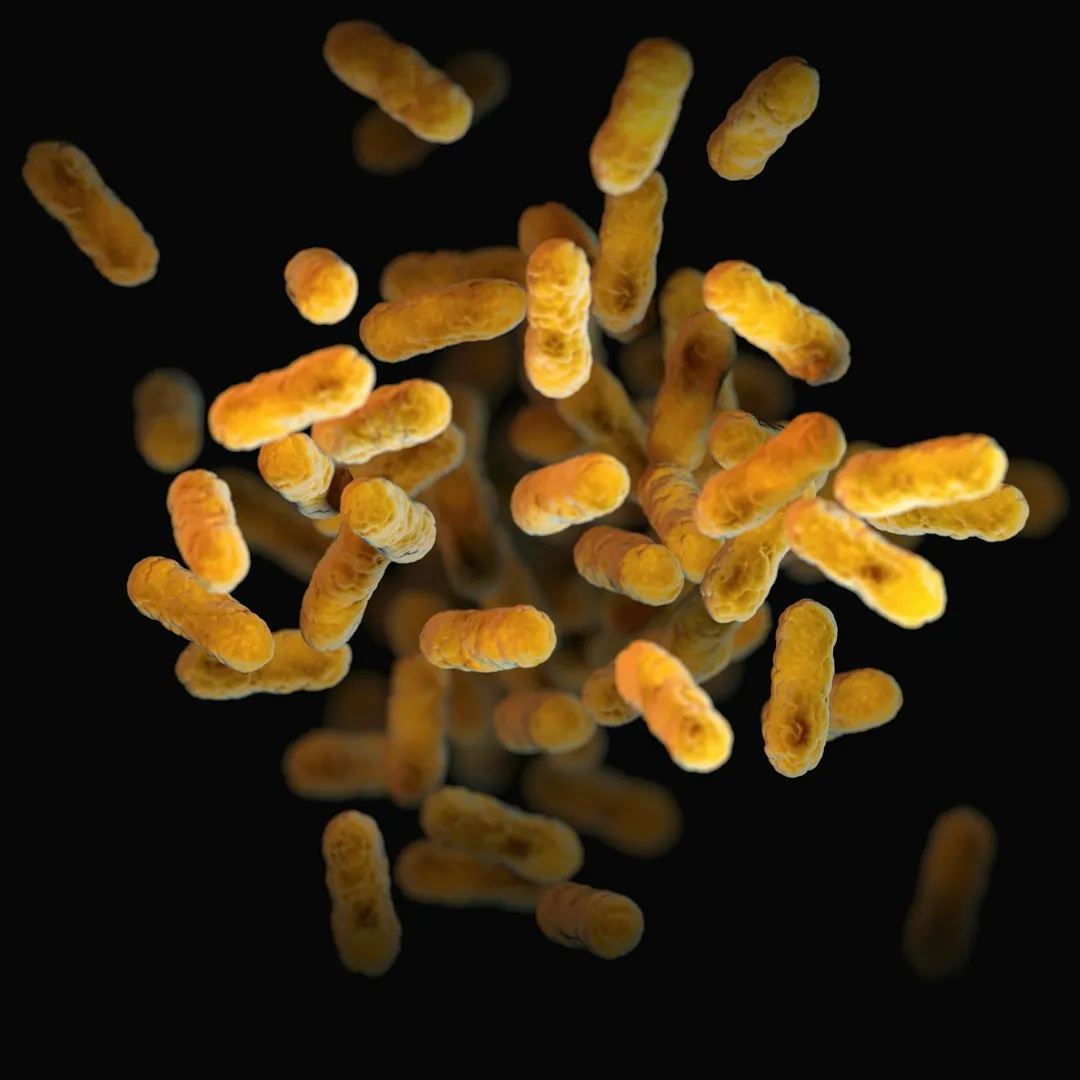
The danger zone refers to the temperature range in which food-borne bacteria can grow. Food safety agencies such as the USDA’s Food Safety and Inspection Service define it as roughly 40 to 140°F (4 to 60°C).
Foodborne microorganisms actually grow much faster in the middle of that zone, at temperatures between 70 and 117°F. That middle range, incidentally, is exactly where a bowl of rice or a pot of stew tends to sit as it cools naturally on a kitchen counter. Room temperature is not a safe holding temperature. It’s effectively the ideal bacterial incubator.
There are two different families of bacteria to understand: pathogenic bacteria, which cause foodborne illness, and spoilage bacteria, which cause food to develop unpleasant odors and textures. Pathogenic bacteria can grow rapidly in the danger zone but do not generally affect the taste, smell, or appearance of a food. That last detail matters a lot, and we’ll come back to it.
The Big Pot Problem Nobody Talks About
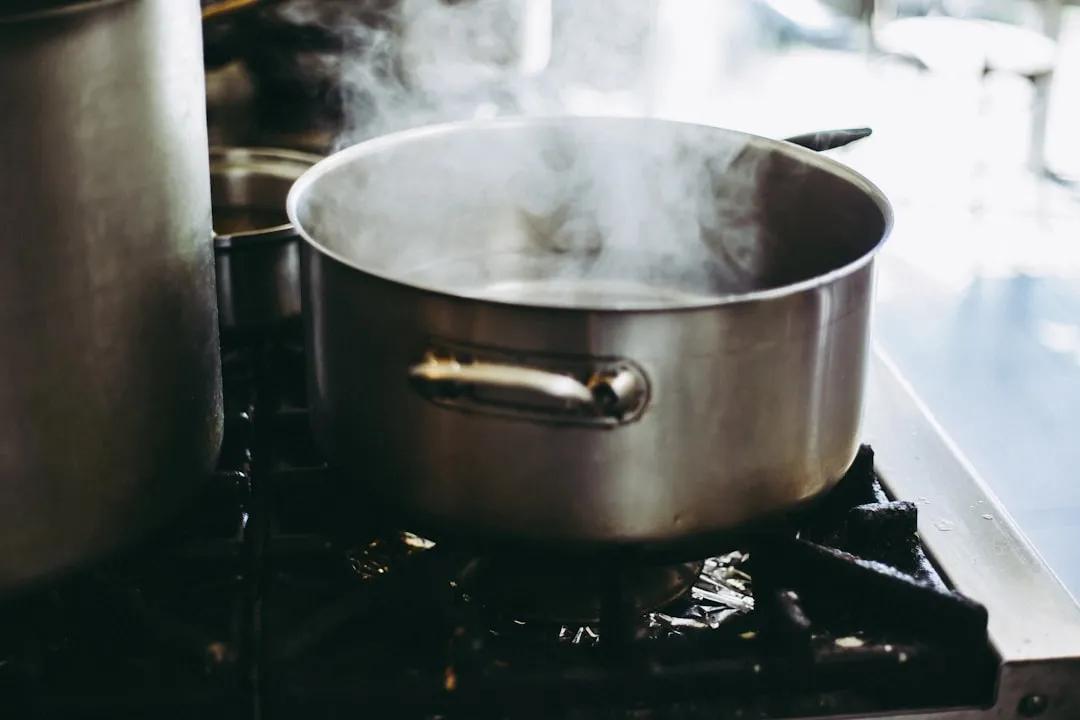
One of the most common causes of foodborne illness is improper cooling of cooked foods. People tend to assume that if food is eventually refrigerated, it’s fine. The issue is how long it takes to get there, especially in large volumes.
Dividing large amounts of food into shallow containers is essential. A big pot of soup, for example, will take a long time to cool, inviting bacteria to multiply. Instead, divide the pot into smaller containers so it cools quickly.
If you have a huge portion of food left over, putting it all in one giant container could be putting your food at risk. The USDA advises that the safest way to cool food is to do so rapidly, and the larger the portion, the longer it will take to get below the danger zone temperature. A dense mass of food in a big pot could take four or more hours to cool through completely in the refrigerator, all while sitting in a prime bacterial growth range.
Your Nose Cannot Protect You
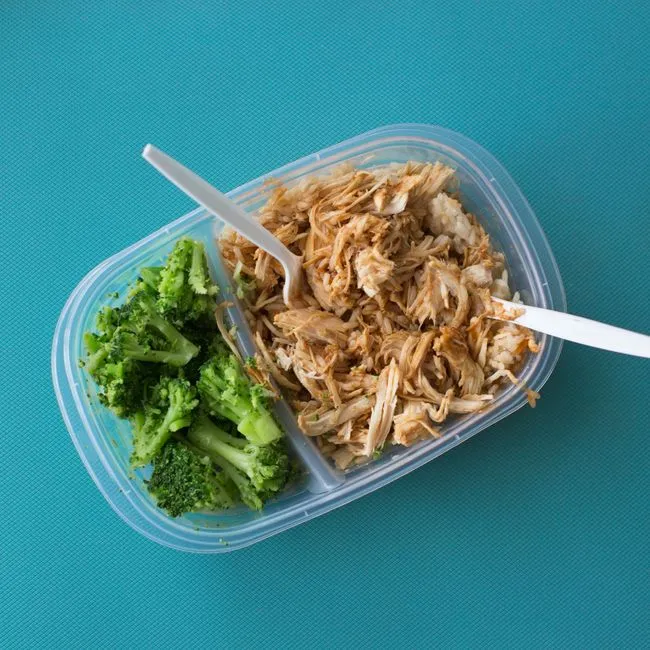
This is one of the most dangerous myths in food safety. People smell their leftovers, decide they smell fine, and eat them. That judgment call fails frequently.
Most pathogenic microbes do not change the taste, smell, or texture of the foods they contaminate. Leftovers can look, smell, and taste perfectly fine, yet still contain enough pathogens to make you sick.
Food that has been left too long on the counter may be dangerous to eat, but could look completely fine. The microbes responsible for making you sick are invisible, odorless, and in many cases produce no perceptible change in the food at all. The safer approach is to trust the clock, not your nose. If you can’t remember how old the leftovers are, when in doubt, throw them out.
Rice and Pasta Carry a Special Risk
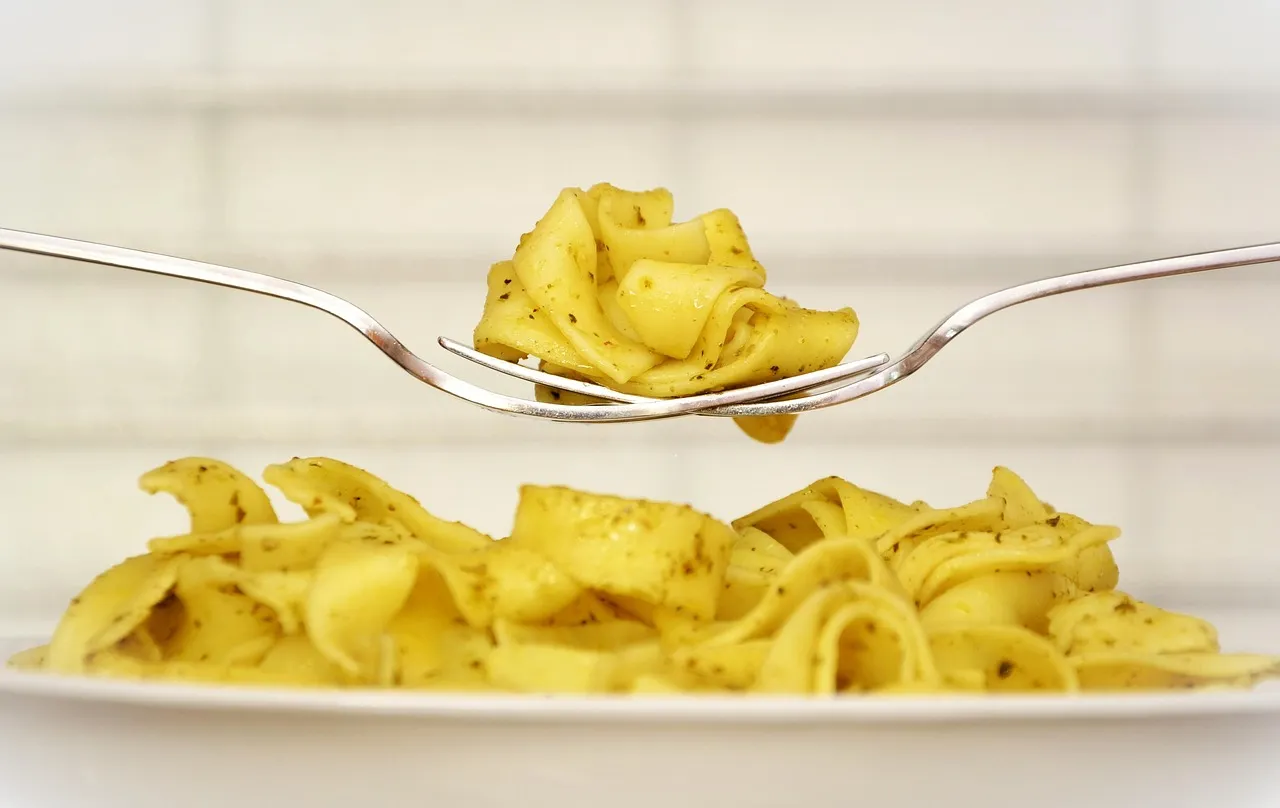
Starchy foods deserve their own warning, because they behave differently than most people expect. The danger with rice, in particular, is not just about leaving it out overnight. It’s about a specific organism that thrives in it.
Starchy foods can harbor bacterial spores that survive cooking, making them more dangerous than most people realize. The riskiest foods are typically moist, protein-rich, and slow to cool. Cooked rice and pasta, in particular, can grow Bacillus cereus if left out too long or cooled improperly.
Avoid leaving rice cookers on warm for too long. Cool rice and pasta quickly in shallow containers, refrigerate within two hours, and discard uneaten rice after 24 hours. Bacillus cereus produces toxins that can cause vomiting within a short time of consumption, and reheating does not reliably neutralize those toxins once they’ve formed.
Reheating Doesn’t Always Save You
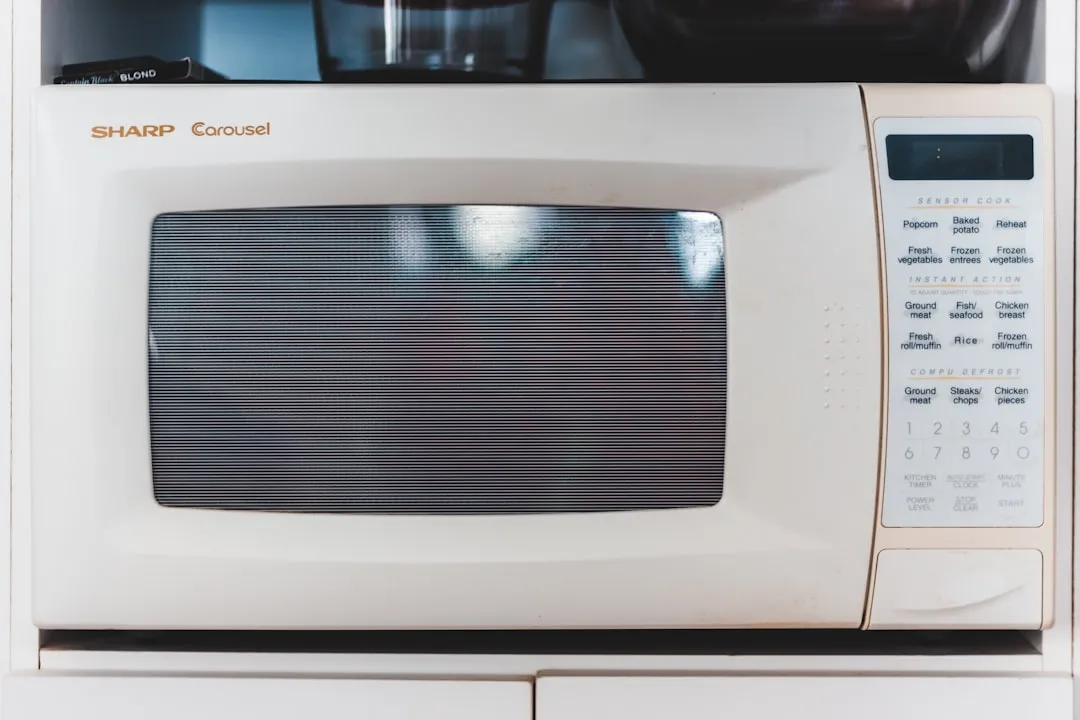
A lot of people believe that a thorough reheat is a clean slate. It kills the bacteria, so everything is fine, right? Not necessarily.
Every time you heat and cool food, it goes through temperature changes that can allow bacteria to grow in between. Reheating can kill bacteria and some molds, but it does not always eliminate toxins already produced.
Bacteria left in the danger zone too long may grow and produce toxins that are heat resistant and not destroyed by cooking. Therefore, even after proper preparation, food mishandled in the raw or cooked state may not be safe to eat. The USDA recommends reheating leftovers to an internal temperature of 165°F, but that temperature is protective only when the food was properly stored in the first place.
Refrigerators That Are Too Warm
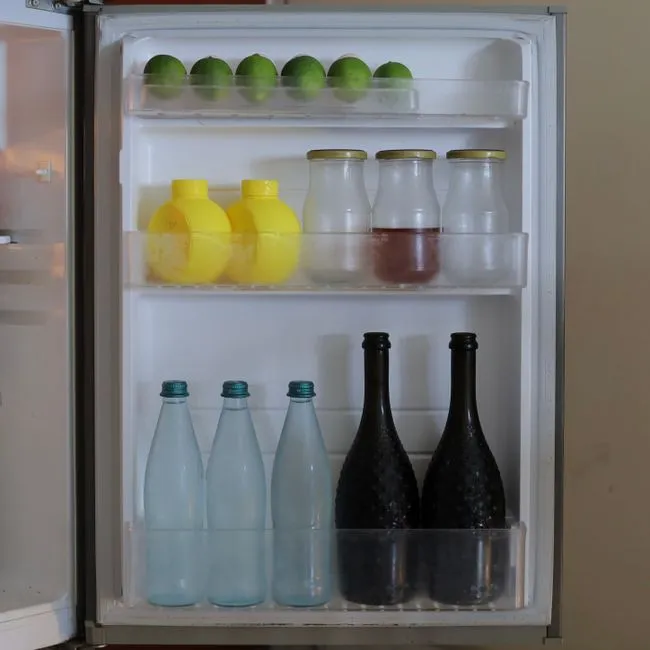
Even when people do refrigerate their leftovers promptly, the refrigerator itself can undermine their efforts. Many households run their refrigerators warmer than recommended, sometimes without knowing it.
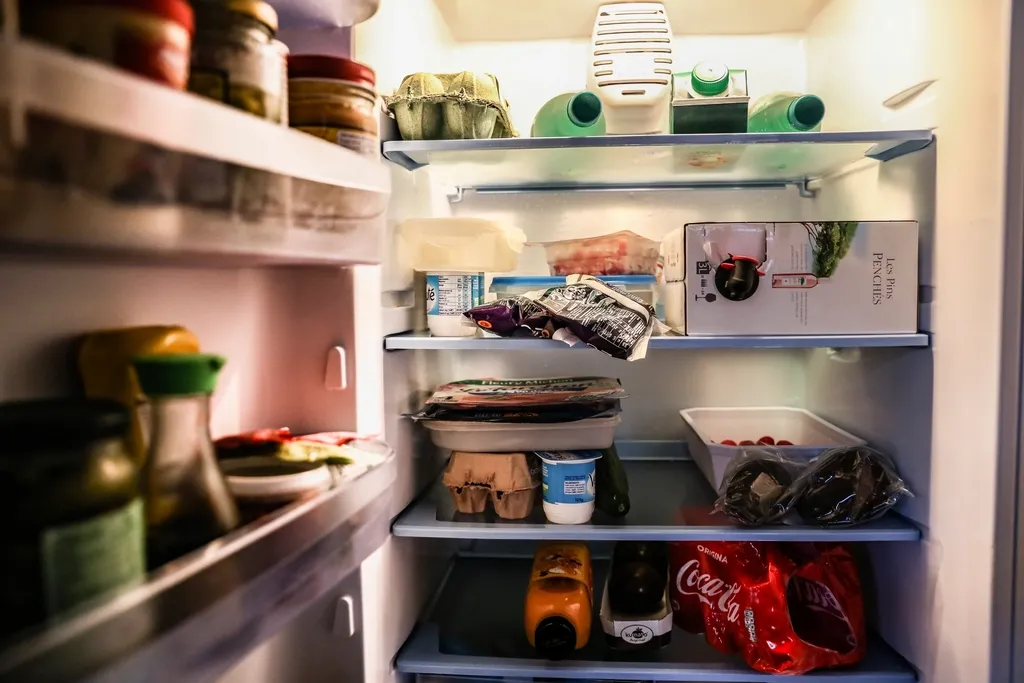
Bacteria grow most rapidly between 40 and 140°F, and a refrigerator set at 40°F or below will protect most foods. However, if the fridge temperature is at around 8°C (roughly 46°F), Listeria can still grow, doubling approximately every day and a half.
Some refrigerators have built-in thermometers to measure their internal temperature. For those without this feature, keeping an appliance thermometer in the refrigerator to monitor the temperature is a practical solution. It’s a small investment that gives you actual information instead of assumptions.
Uncovered Food Is an Open Invitation
Leaving food uncovered while it cools is a mistake that compounds quickly. It seems like a minor detail, but the effects are more significant than most people assume.
Uncovered food cooling on the counter for hours carries a specific risk: bacteria from air, hands, and utensils can reseed the food, and slow cooling allows spores to activate.
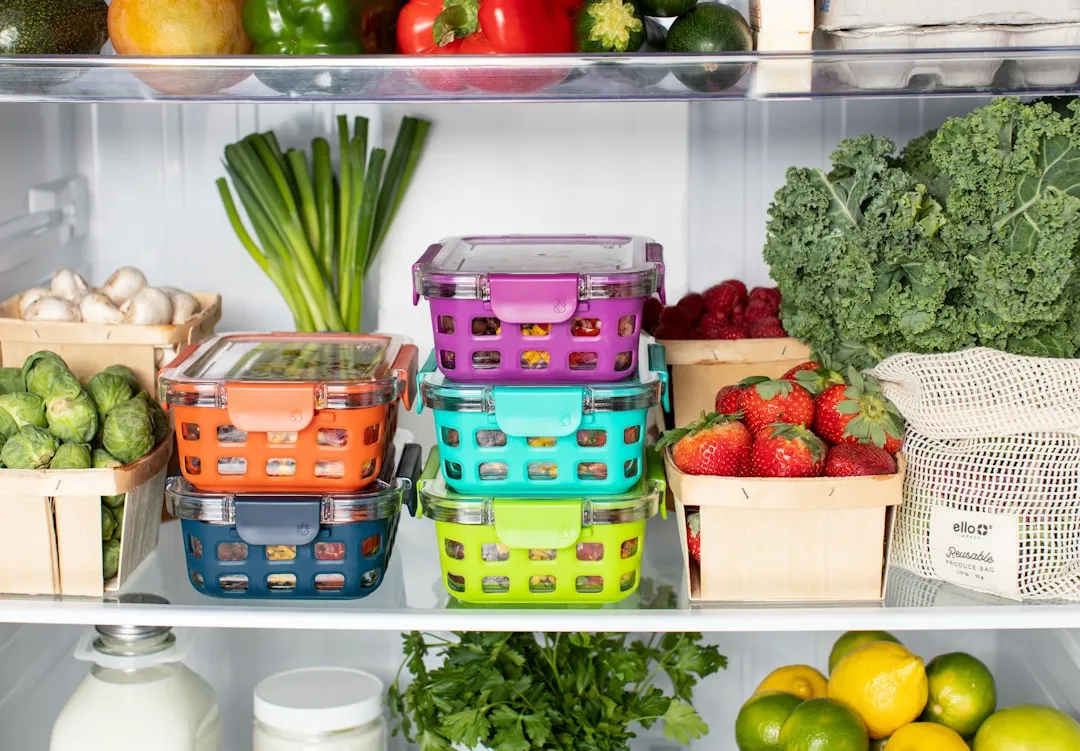
Using glass or plastic storage containers with seals helps keep fridge bacteria out of your food. Covering food immediately and cooling it quickly using ice packs or shallow containers is the recommended approach. The container isn’t just about keeping odors in. It’s a genuine barrier against recontamination.
How Long Refrigerated Leftovers Are Actually Safe
Even correctly stored leftovers have an expiration on their safety. The fridge slows bacterial growth considerably, but it does not stop it entirely.
After three to four days, bacteria may begin to grow in refrigerated leftovers. This growth increases the risk of foodborne illness. Bacteria typically don’t change the taste, smell, or look of food.
Leftovers are safest when consumed within three to four days. The longer leftovers are stored, the higher the risk of bacterial growth. Writing or labeling dates on containers helps you keep track of time. If you can’t eat leftovers within three to four days, discard or freeze them. It’s a straightforward system, and it works.
The Scale of the Problem in Recent Years
These risks are not abstract. The scale of foodborne illness in the United States reflects how seriously bacteria in food should be taken, even at the household level.
Foodborne illness in the U.S. is a serious and continuing problem. A CDC study estimates that roughly 10 million cases of foodborne illness each year are caused by six pathogens including Salmonella, Listeria monocytogenes, Campylobacter, Clostridium perfringens, E. coli, and norovirus. These illnesses result in roughly 53,300 hospitalizations and over 900 deaths annually.
According to the Food for Thought 2025 report, 1,392 Americans in 2024 became ill after consuming a contaminated food item, and the number of hospitalizations more than doubled, rising from 230 to 487, with deaths climbing from 8 to 19. According to the CDC, only a small proportion of all foodborne illnesses are ever diagnosed and reported to public health authorities. The actual number of people affected is considerably higher.
Keeping It Simple: What Actually Works
The good news is that none of this requires special equipment or expertise. A few consistent habits close most of the gaps between a safe dinner and a risky one.
Refrigerate within two hours, always. Divide large batches into shallow containers before cooling. Use sealed containers every time. Label food with the date. And don’t trust your senses alone to determine whether something is still safe.
If you are unsure about a food’s safety for any reason, discard it. Although there is wastefulness to this approach, your health and that of your family comes first. That’s the clearest guidance available, and it holds across every scenario. The overnight bacteria problem is almost always preventable. The variable is almost always habit.
AI Disclaimer: This article was created with the assistance of AI tools and reviewed by a human editor.