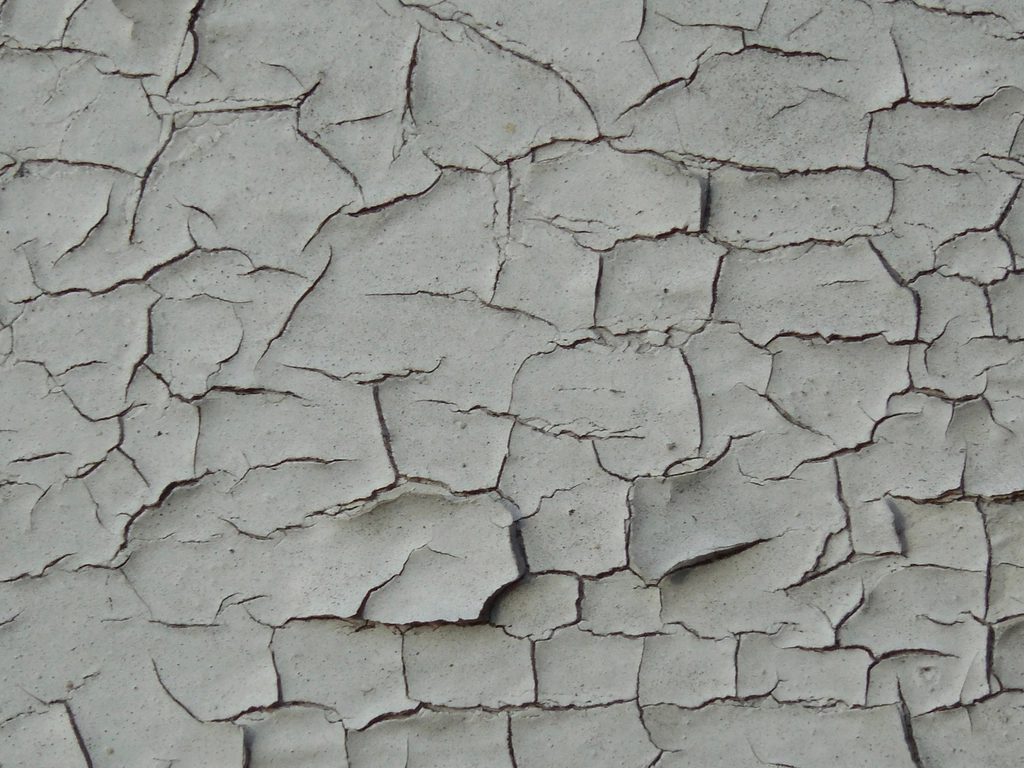

Most homeowners who live in older properties think of lead paint as a problem they’d recognize right away: some peeling in the corner, a few flakes by the windowsill, maybe something obvious enough to act on. The reality is more complicated, and more common, than that assumption suggests.
Although lead paint was banned in the U.S. 47 years ago, around 40 percent of American homes still have traces of it. That’s a staggering number, and it means millions of families are living alongside a hazard they may not fully understand or even know how to spot. The warning signs aren’t always dramatic. Sometimes they’re subtle enough to walk past every day.
The Age of Your Home Is the First Clue
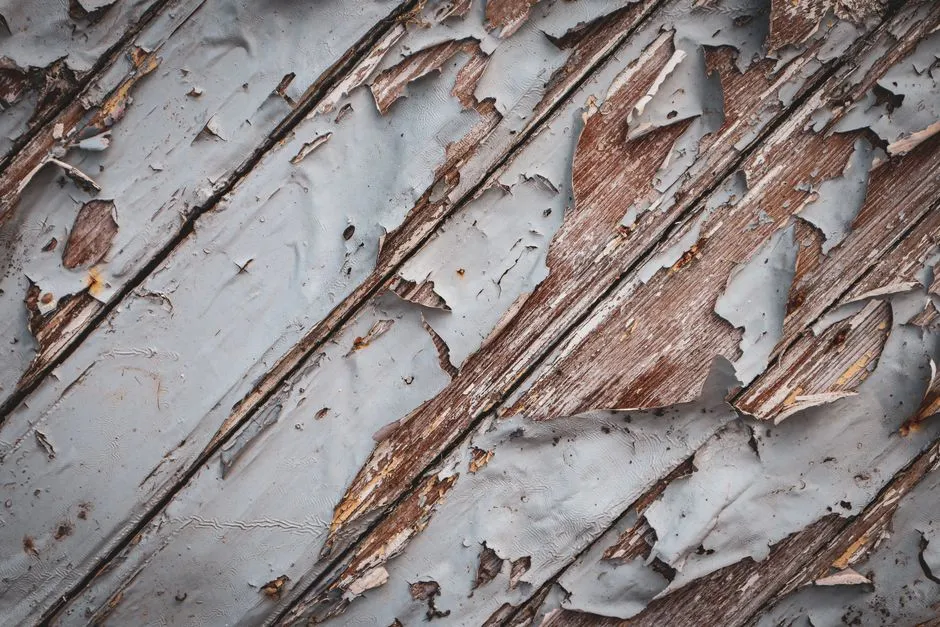
Many homes built before 1978 have lead-based paint. In general, the older your home, the more likely it has lead-based paint. That much is broadly known. What surprises many owners is just how sharply the probability scales with age.
For example, the vast majority of homes built before 1940 have some lead-based paint, while roughly one in four homes built between 1960 and 1978 have some lead-based paint. For homes built between 1940 and 1959, the EPA places the figure at roughly seven in ten. In practical terms, it’s safer to assume that any home built before 1978 contains some lead.
The “Alligator Skin” Pattern Most People Overlook
Lead-based paint has a unique way of aging that differs from modern latex formulas. A pattern known as “alligatoring” develops, where the paint cracks into small, rectangular scales resembling reptile skin. This happens because lead paint is less flexible and becomes brittle over time.
Older lead-based paints frequently develop this characteristic cracking pattern of raised, irregular scales or deep fissures, especially on surfaces exposed to repeated friction or moisture, such as windows, doors, stairs, and trim. Most homeowners see this and dismiss it as old paint doing what old paint does. It’s actually one of the clearest visual indicators worth taking seriously.
It’s important to differentiate between lead-based paint and other types of deteriorating paint, because alligatoring and chalking can also occur in non-lead paints due to age and environmental factors. Visual clues alone can’t confirm lead – but they can absolutely prompt you to test.
Chalky Residue on Window Sills and Baseboards

One of the most dangerous forms of lead exposure is the fine, invisible dust created as paint breaks down. Checking your window sills and baseboards for a chalky or powdery residue is worth doing regularly. This “chalking” occurs when environmental factors cause the paint film to degrade.
Damaged lead-based paint typically leaves behind a white, powdery residue. Most people wipe this away without a second thought. You should not touch or breathe in particles from deteriorated paint – have a professional assess your property before reentering that area of your house.
Friction Surfaces: The Warning Sign Hidden in Plain Sight
The primary lead-exposure pathway in pre-1978 homes is not paint chips. It is lead dust – fine particles generated as paint wears, especially on friction surfaces like window sashes against painted jambs. Lead dust settles on floors, windowsills, and horizontal surfaces.
Friction surfaces are the ones people forget: window sashes sliding in their channels, doors rubbing their jambs, and stair treads. Every open and close of an old sash mills a little lead dust onto the sill, which is exactly where small hands end up. This is arguably the most commonly missed warning sign in the entire conversation about lead paint – not the dramatic flaking, but the quiet daily grinding.
Multiple Layers of Paint as a Red Flag
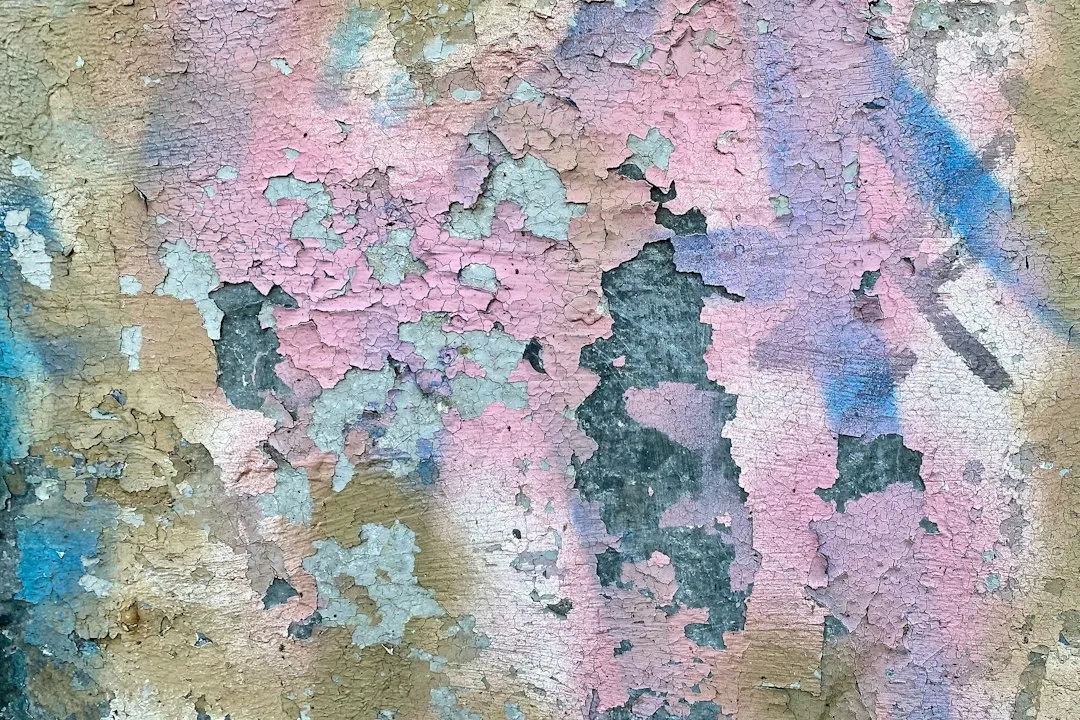
Painters usually prefer to paint over old or deteriorating layers instead of stripping them before applying a new coat, creating layers that resemble the rings of a tree. As a result, lead-based paint in older homes might be hiding under coats of non-leaded paint.
Homes built before 1978 are presumed to contain lead-based paint somewhere, unless testing has cleared specific surfaces. The deeper the layer cake of paint on an old window casing, the more likely the lower strata are lead-bearing. This is why surfaces that look perfectly fine on the surface can still be a risk – especially when they’re sanded, scraped, or disturbed during a renovation project.
Deterioration Near Moisture Sources
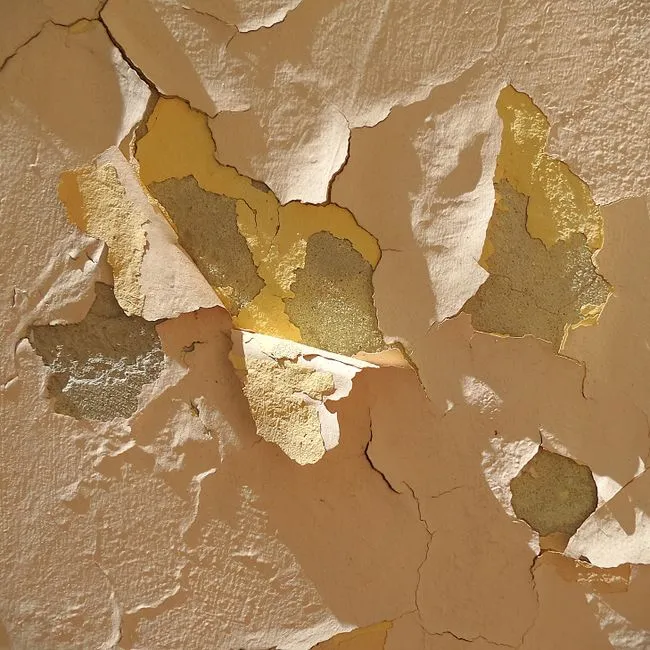
People who live in or spend time in pre-1978 homes and buildings, particularly where paint is peeling or chipping, are at risk of exposure to lead dust. Painted surfaces can deteriorate, peel, chip, or crack, becoming a hazard.
Bathrooms, kitchens, and areas near plumbing fixtures are especially prone to moisture-driven paint failure. Deteriorated lead-based paint – peeling, chipping, chalking, cracking, or damaged paint – is a hazard and needs immediate attention. Any moisture-related paint failure in a pre-1978 home should be treated with suspicion until proven otherwise.
Renovation Work: When Dormant Lead Becomes Active Danger

Renovation or repair activities that disturb painted surfaces in older homes, buildings, and structures may create large amounts of lead dust. Projects that create even a small amount of dust can pose health risks to your family.
According to the Centers for Disease Control and Prevention, remodeling old homes can create large quantities of lead dust that may be accidentally inhaled or ingested, especially by children. The trap here is that a perfectly intact paint surface poses very little risk until someone starts sanding it. Many owners unknowingly trigger the hazard themselves during well-intentioned home improvements.
Where Children Are Most at Risk

Lead-based paint may also be a hazard when found on surfaces that children can chew or that get a lot of wear and tear, such as on windows and window sills, doors and door frames, stairs, railings, banisters, and porches.
Even children who seem healthy may have dangerous levels of lead in their bodies. That’s a sobering point. Lead poisoning in children can occur without any symptoms, so if you think your house contains lead-based paint, you should have it tested by an environmental remediation team to avoid lead-induced developmental problems.
The Health Consequences Are Serious and Lasting

Exposure to lead-based paint can damage the brain, nerves, kidneys, and blood supply, causing behavioral issues, learning disabilities, seizures, or, in extreme cases, death. These aren’t rare edge cases – they are the documented range of outcomes associated with ongoing lead exposure.
Adults exposed to too much lead can suffer from high blood pressure, kidney damage, and fertility problems. It’s tempting to frame lead paint as primarily a children’s issue, but adults in affected homes are also accumulating exposure over time. The good news is that lead poisoning is preventable.
Testing and What the Regulations Require

EPA-recognized test kits, such as 3M LeadCheck or D-Lead, are widely available and simple to use – just follow the product instructions, swab the suspect area, and observe the resulting color change. These kits are a reasonable first step, though they have limits.
DIY kits may miss deeply buried layers – if you have multiple coats, call a licensed lead risk assessor. On the legal side, Congress passed the Residential Lead-Based Paint Hazard Reduction Act of 1992, which requires sellers and landlords to provide an EPA-approved informational pamphlet and disclose any known lead-based hazards when selling or leasing housing built before 1978. That disclosure requirement exists precisely because the risk is real and widespread.
The Takeaway
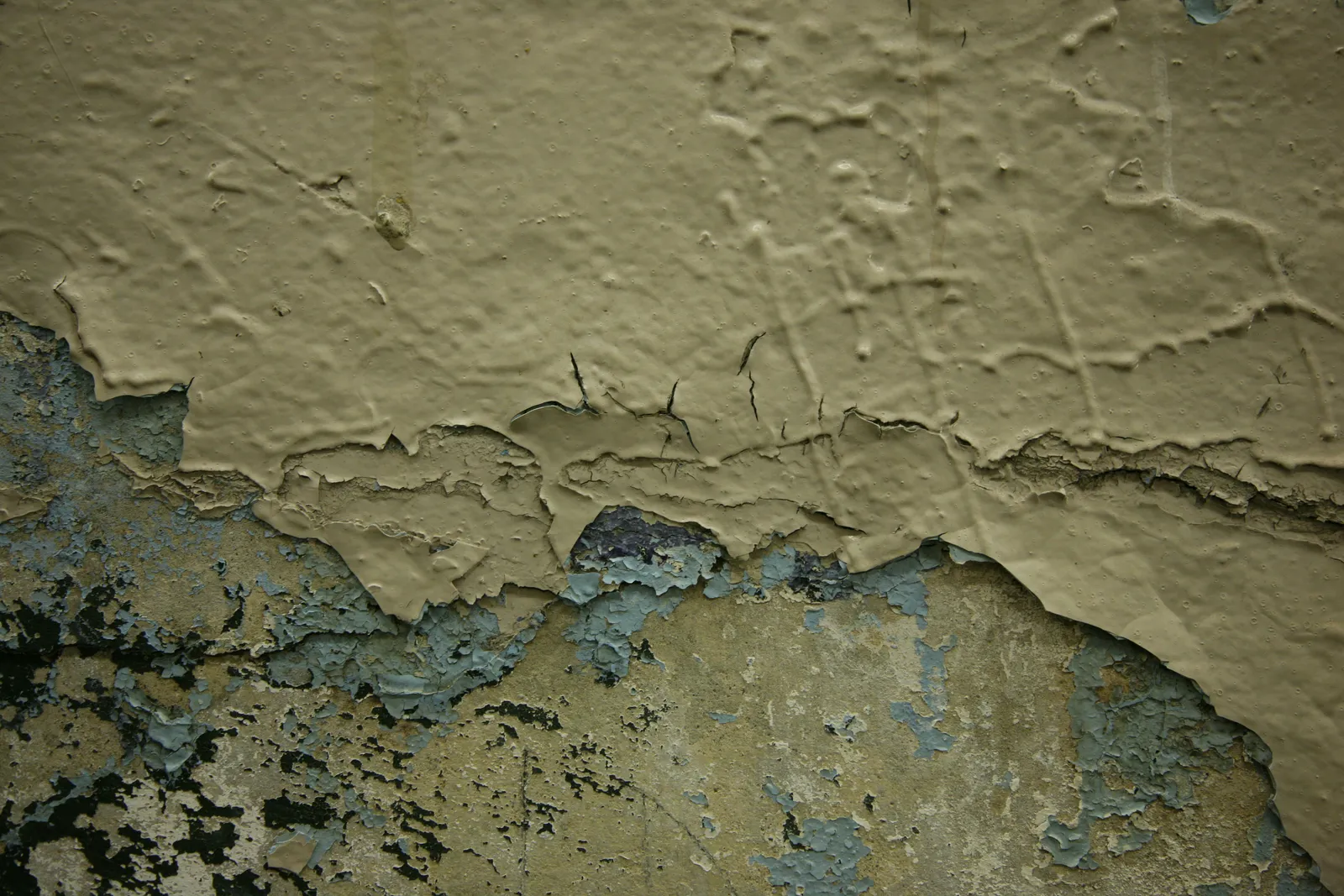
Lead paint is one of those hazards that hides behind familiarity. Millions of people live in pre-1978 homes and never encounter the dramatic peeling walls that signal danger in their minds. If the lead-based paint is in good shape, it is usually not a problem. The risk comes from deterioration – and from the quiet, daily friction that most owners never think twice about.
If you spot alligatoring, chalking, or peeling in a pre-1978 home, treat it as a prompt to act carefully. Keep the paint from deteriorating further, avoid sanding or dry-scraping that creates dust, and clean using wet methods. Knowing what to look for is half the work. The other half is taking it seriously before a renovation project, a seasonal window repair, or a child’s daily routine turns a dormant risk into an active one.
AI Disclaimer: This article was created with the assistance of AI tools and reviewed by a human editor.