
Watch the Temperature, Not the Calendar
Knowing when to give your lawn its last mow of the season is all about watching local weather patterns rather than looking at a specific calendar date. This is one of the more common mistakes homeowners make, assuming that the first week of November is always the right time to put the mower away regardless of conditions.
According to the University of Minnesota Extension, the cue to wrap up mowing depends entirely on whether the grass has stopped actively growing, which typically coincides with consistent air temperatures dropping into the upper 40s and low 50s.
Stop mowing when temperatures consistently drop below 50 degrees for cool-season grasses or below 60 degrees for warm-season grasses. Those thresholds are worth keeping in mind because they apply regardless of where you live.
The Sweet Spot: Aim for 2 to 3 Inches
The ideal cutting height for grass before winter generally falls between 2 to 3 inches, which strikes a balance between protecting the grass roots and preventing common winter problems like snow mold or pests nesting in the lawn.
According to Iowa University Extension and Outreach, a perfect height for grass in the fall is 2.5 inches to 3 inches. That guidance aligns closely with what most turf specialists recommend across the northern United States.
The exact ideal cutting height before winter is about 2 to 2.5 inches for most lawns. Cut to this range for the final mow, then adjust by type: cut cool-season grass a half-inch shorter and warm-season grass a half-inch taller.
Cool-Season Grasses Need a Slightly Shorter Final Cut
Kevin Frank, Turf Extension Specialist at Michigan State University, recommends lowering the mowing height no more than one notch on the mower, typically one-half inch, to help clean up any leftover leaf mulch or debris and give the turf a trim before winter sets in.
For most cool-season lawns, the target for the last cut of the season is around 2 to 2.5 inches, noticeably lower than the 3 to 3.5 inches recommended during the growing season, but not scalped.
For cool-season grasses like Kentucky bluegrass or fescue, sticking closer to the 2.5 to 3 inch range is advisable. These grasses thrive in cooler temperatures and are more resilient to winter stresses at slightly taller heights.
Warm-Season Grasses Are a Different Story
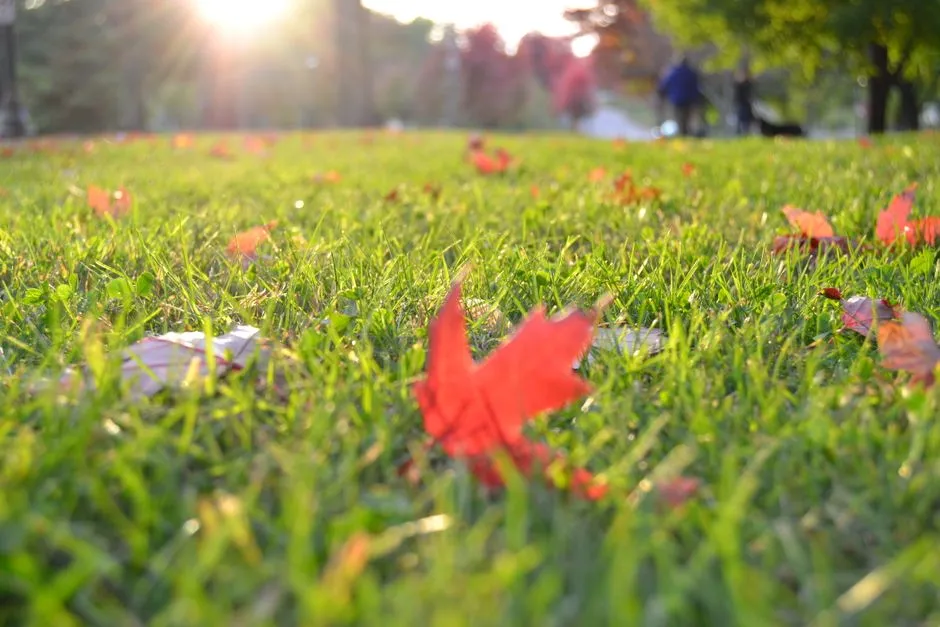
For warm-season lawns, cutting too short means losing the insulation that helps them survive the cold. This is a real distinction that often gets overlooked when people apply a single blanket rule to every lawn.
Warm-season grasses like Bermuda, Zoysia, and St. Augustine should be cut to between 2 and 4 inches depending on variety, slightly taller than cool-season types in order to protect the crowns. The crown is the most vulnerable part of a warm-season grass plant once temperatures drop significantly.
Cool-season lawns tolerate a slightly lower cut, while warm-season lawns need extra height for insulation against winterkill. Confusing the two can mean spending a good portion of spring nursing a lawn back rather than enjoying it.
Why Tall Grass Going Into Winter Is a Problem
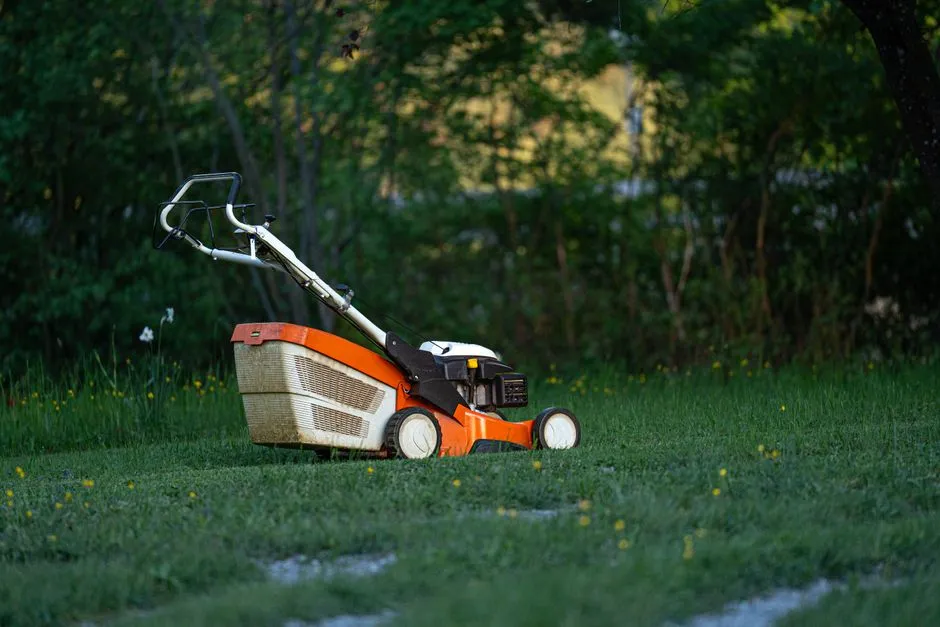
When grass is left too tall going into winter, it bends under the weight of snow, traps moisture, and creates a breeding ground for snow mold and disease. That sequence of events is predictable enough that lawn professionals specifically manage against it at the end of every season.
Skipping the final mow leads to serious lawn health issues. Tall grass mats down under snow, trapping moisture and creating ideal conditions for snow mold.
Mowing the lawn well into the fall, after the growing season, and making certain the last mowing cuts grass especially short is important because long grass compacted under snow gives the fungus a perfect place to incubate.
The Snow Mold Threat Is Real
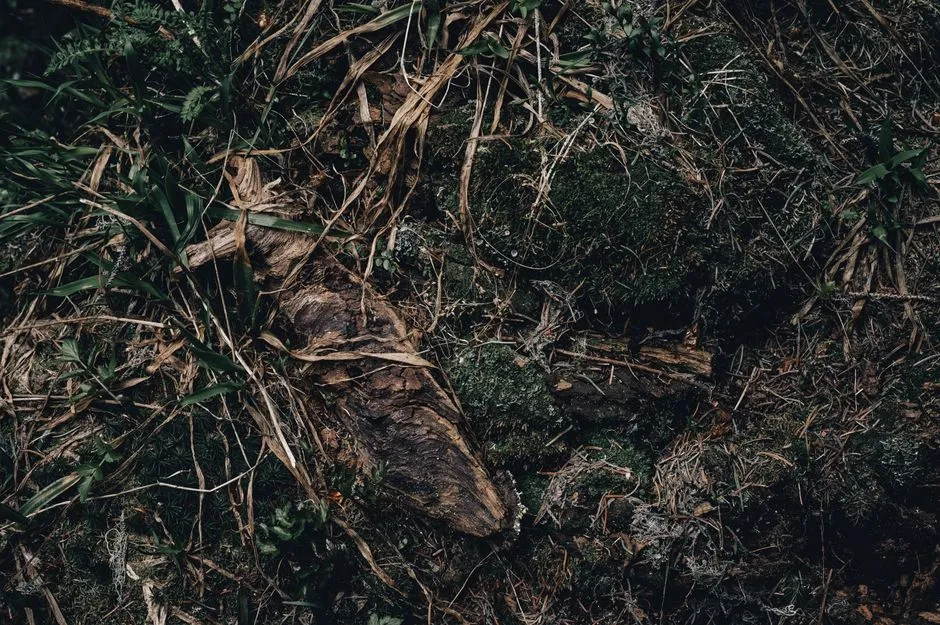
Snow mold is a type of fungus and a turf disease that damages or kills grass after snow melts, typically in late winter. Its damage is usually concentrated in circles three to twelve inches in diameter, although yards may have many of these circles, sometimes to the point where it becomes hard to differentiate between different patches.
This fungal disease affects cool-season grasses such as tall fescue, Kentucky bluegrass, and perennial ryegrass, and grows under snow during wet, snowy winters. The fungi penetrate grass blades and rot the tissue from the inside.
Pink snow mold, known as Microdochium nivale or Fusarium patch, attacks crowns and roots and can kill grass outright. Gray snow mold is generally less destructive, but neither is something a homeowner wants to wake up to in March.
The One-Third Rule Still Applies at the End of Season
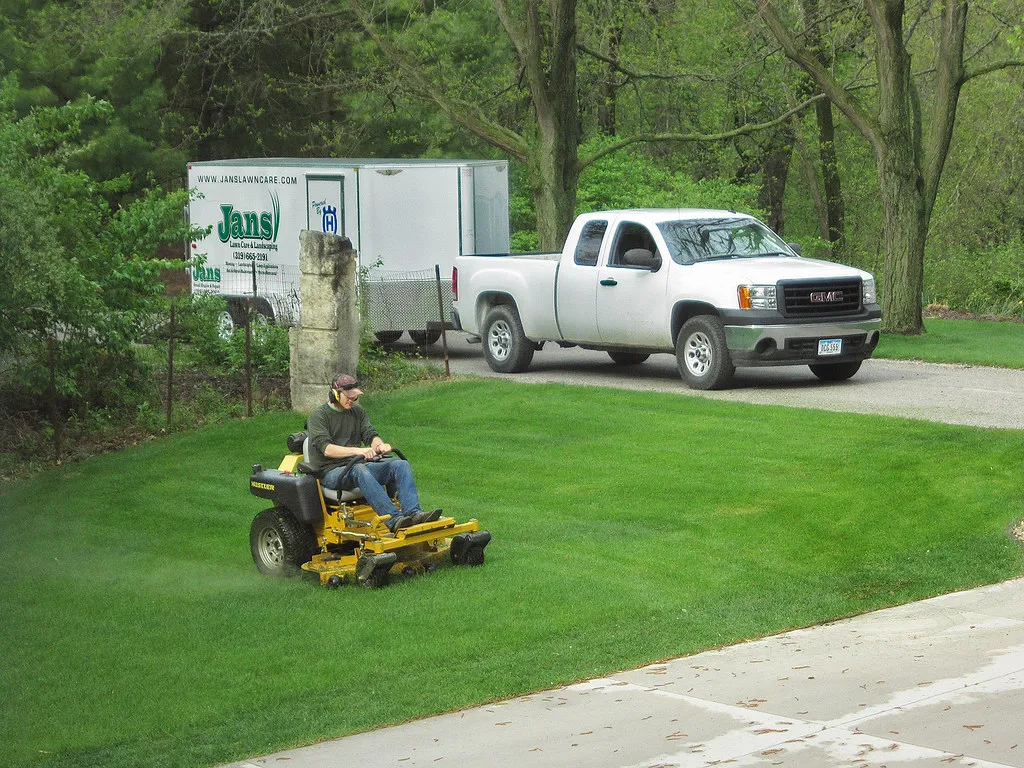
The rule of one-third means never remove more than one-third of the grass leaf in any one cutting. It’s a principle that holds for the last mow of the year just as much as it does in May or July.
Whatever target height you land on, get there gradually. Never remove more than one-third of the blade length in a single mow. If your grass is currently 4 inches and your target is 2 inches, that’s two separate mows at least a few days apart, not one aggressive cut.
Never cut off more than one-third of your grass height in one mow, as doing so will put it under too much stress. If your lawn is taller than three to four inches, it may take a couple of mows before the lawn is at the desired height.
Step Down Gradually Over Several Mows
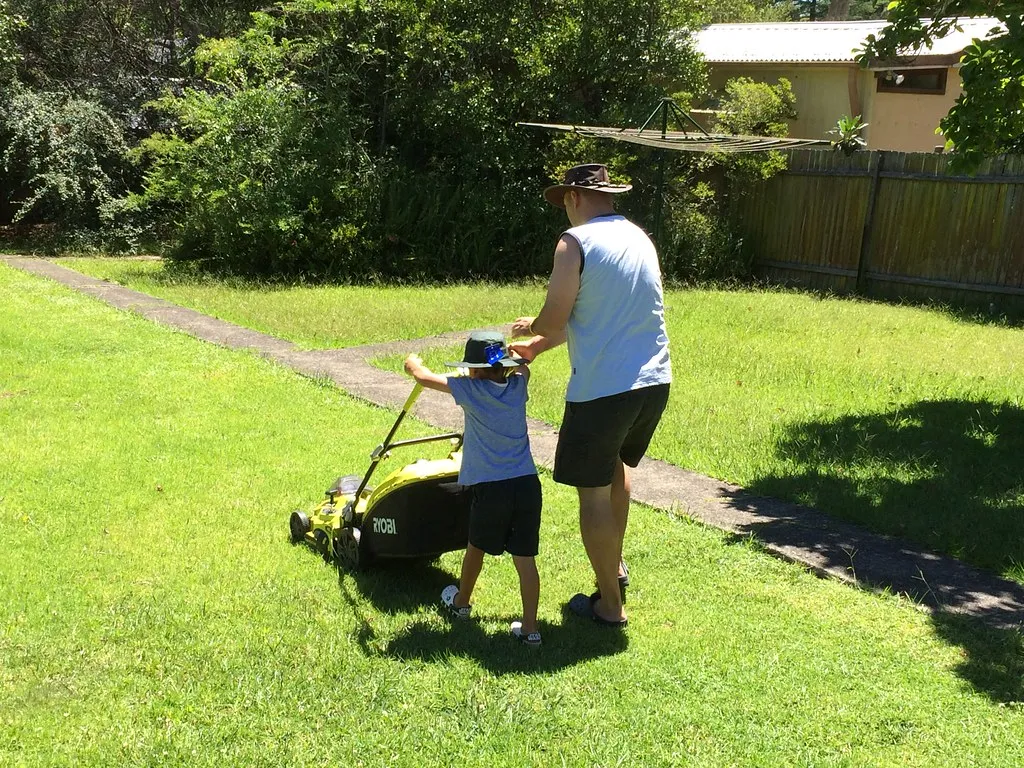
Chris Taylor of Chris Taylor Gardening advises adjusting the lawn height down gradually over your final few mows rather than taking off too much at once. This staged approach prevents the kind of abrupt stress that can weaken turf right before the harshest conditions arrive.
If you plan to lower the mowing height, be sure to mow several times at this height, not just the final mow. The goal is to condition the grass to this new height with several mowings prior to winter.
Lowering mowing height over several final cuts before temperatures drop below 55 degrees, and never stripping more than one-third at once, prevents late-season shock. Think of it as a gradual wind-down rather than a sudden stop.
Don’t Mow Frosted or Frozen Grass
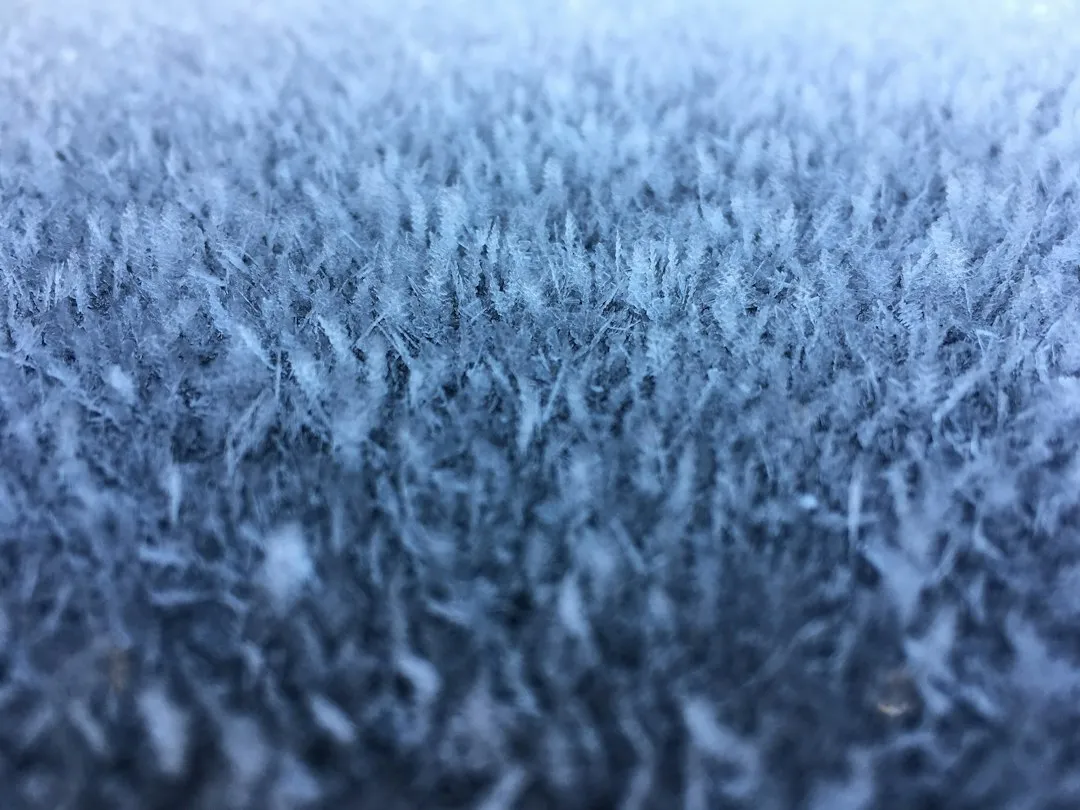
Cutting grass when it’s frosty or frozen makes the blades brittle, causing splits and ragged tips that invite disease and winterkill. If you’ve already had a solid frost, it’s too late and the mower goes back in the garage.
Beat the first frost by mowing at least one week before the first predicted frost, and avoid mowing frosted grass altogether. That one-week buffer gives the grass time to recover from the mechanical stress of mowing before dormancy fully sets in.
A dull mower blade tears the leaf instead of making a clean, sharp cut, and a torn leaf blade is more susceptible to invasion by disease. This is especially worth noting for that final cut, when the grass has the least capacity to recover quickly.
Voles and Pests Use Long Grass as Winter Cover
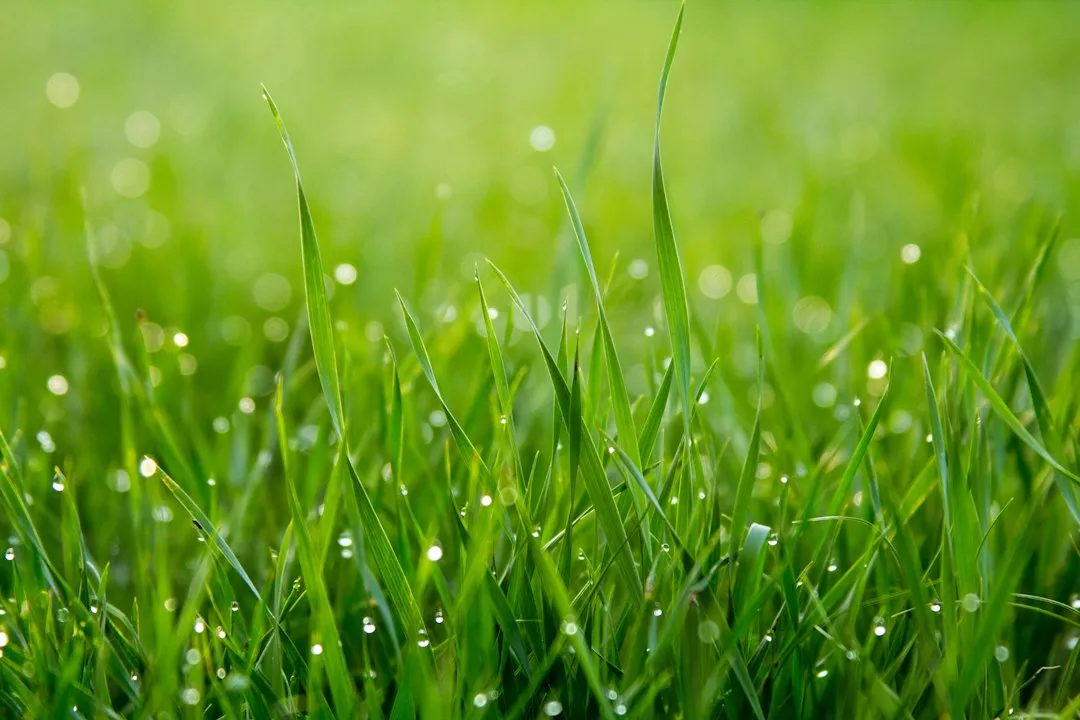
Pests like mice and voles often nest in overly long grass during winter. Maintaining a moderate height during winter eliminates their preferred habitat. This isn’t a minor concern in many regions, particularly where snow sits on the ground for extended stretches.
Shorter grass also discourages voles from nesting in the cover of long grass, and lets more sunlight reach the soil for an earlier spring green-up. It’s a modest but real benefit that compounds positively into the following season.
If your lawn has a documented snow mold or vole history, or if it’s grown noticeably taller than your usual height going into fall, a gradual reduction to 2 to 2.5 inches is reasonable. History is genuinely a useful guide here.
The Takeaway
AI Disclaimer: This article was created with the assistance of AI tools and reviewed by a human editor.