

Alcohol Before Bed Feels Like a Sleep Aid – It Isn’t
Alcohol consumption before sleep decreases sleep latency, which is the time it takes to fall asleep, and this is the primary reason so many people reach for a nightcap. The sensation of drifting off faster creates a convincing illusion that the drink is helping. It isn’t, at least not once the first few hours pass.
Across multiple study designs, evidence consistently shows that although alcohol may reduce sleep onset latency, it disrupts sleep architecture, suppresses REM sleep, increases sleep fragmentation, and impairs breathing during sleep, particularly in the second half of the night.
These sedative properties have contributed to a widespread but false belief that alcohol is an effective sleep aid. Previous studies have found that alcohol adversely disrupts normative sleep patterns.
What REM Sleep Actually Does – and Why Losing It Hurts
REM sleep takes up roughly one fifth of a typical night’s sleep. Though scientists have not yet fully determined its purpose, people who do not get enough can experience emotional problems, mental acuity difficulties, and memory issues.
REM sleep is the stage where most dreaming occurs and is considered critical for memory consolidation and emotional regulation. Missing it consistently is not a small inconvenience. It accumulates.
Inadequate sleep is estimated to affect about one in five adults. Insomnia symptoms, including short sleep and disturbed sleep, are associated with an increased risk of a range of chronic health conditions, such as diabetes, hypertension, and all-cause mortality.
Even One Drink Changes Your Brain’s Sleep Architecture
A team of neuroscientists and sleep researchers at E.P. Bradley Hospital Sleep Research Laboratory, working with colleagues from Brown University and Providence VA Medical Center, found that rather than improving sleep, consuming an alcoholic beverage before bed can cause a reduction in REM sleep. Their findings were published in the journal Sleep in early 2024.
The researchers also noted that drinking an alcoholic beverage on consecutive nights did not change the amount of REM sleep impacted – the body did not adapt to overcome the effects. Even a small amount of alcohol before bed can adversely affect sleep quality.
There Is a Clear Dose-Response Relationship

A systematic review and meta-analysis published in 2024 investigated the impact of alcohol on nighttime sleep across 27 studies. Changes in sleep architecture were observed, including a delay in the onset of REM sleep and a reduction in its overall duration.
A significant reduction of just over 11 minutes was observed in the total duration of REM sleep. The reduction was dependent on the dose consumed, with larger doses resulting in less REM sleep. Specifically, a significant reduction was identified at a dose equivalent to approximately two standard drinks.
There is a dose-dependent relationship between alcohol and sleep, especially for REM sleep onset latency and REM sleep duration. In plain terms: the more you drink, the worse the night gets, not just in how you feel the next morning, but in how your brain actually processed the hours of sleep.
The Second Half of the Night Is Where the Damage Shows
The largest disruption to sleep typically occurs in the second half of the night, when alcohol has been metabolized and concentrations of its byproducts increase. Given that this latter period of sleep is typically REM-dominant, the reduction in alcohol’s sedative effects and the accumulation of metabolites can increase arousal with a subsequent reduction in REM sleep.
This explains the familiar experience of waking up feeling unrested even after a seemingly full night in bed. The first half felt fine. The second half, the restorative portion, was quietly disrupted.
A large real-world study of over 85,000 people found that on nights when people drank alcohol, they had roughly 1.71 percent less REM sleep and nearly 4 percent more wakefulness after sleep onset. Scaled across a week, a month, or a year, those numbers start to matter.
How Far Before Bed Should You Stop Drinking Alcohol?
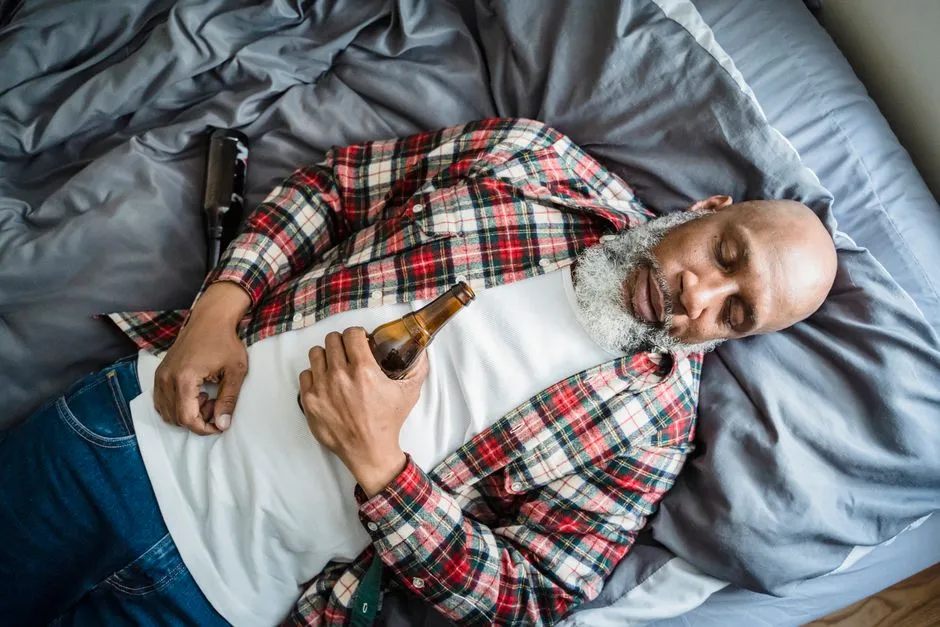
Drinking alcohol at night can disrupt your sleep cycle, leaving you tired the next day. Most sleep specialists advise avoiding alcohol at least three hours before bedtime. That is a conservative minimum, not a guarantee of perfect sleep.
Habitual alcohol consumption is associated with poorer subjective sleep quality, insomnia symptoms, and increased risk of sleep-disordered breathing. The three-hour window helps reduce the acute disruption but does not eliminate the cumulative effects of drinking regularly before sleep.
Caffeine Is the Other Last Drink People Underestimate
Caffeine works by blocking the body’s receptors for adenosine, a sleep-promoting chemical. The problem is that the blockade does not lift cleanly at any obvious hour. Caffeine’s half-life in the human body is roughly five to six hours, meaning a mid-afternoon coffee is still partially active well into the night.
From the findings of a 2025 randomized clinical trial published in the journal Sleep, it is recommended that a 100 mg dose of caffeine can be consumed up to 4 hours prior to bedtime without a negative impact on subsequent sleep. That covers one standard cup of coffee. Higher doses require considerably more lead time.
A 400 mg dose of caffeine may negatively impact sleep when consumed as one dose within 12 hours of bedtime, with the adverse influence on sleep increasing the closer consumption occurs to bedtime. That is the kind of dose found in some energy drinks or a large specialty coffee beverage.
Caffeine Also Steals Sleep Time You Don’t Notice You’re Losing
Caffeine consumption prolongs the onset of sleep. It was also linked to a roughly 45-minute decrease in total sleep time over the subsequent evening. Most people who drink coffee in the late afternoon don’t feel wide awake at bedtime. That is the tricky part: caffeine doesn’t prevent sleep the way an alarm clock does. It subtly degrades it.
The discrepancy between objective and subjective sleep quality suggests that individuals may have difficulty accurately perceiving the influence of caffeine on sleep quality. You can feel like you slept fine while a wearable tells a different story.
Roughly 20 to 45 percent of the population is estimated to be sleep deprived, failing to achieve the recommended 7 to 9 hours of sleep each night. Late caffeine intake is one of the more correctable contributors to that number.
What About Water, Herbal Tea, or Other Bedtime Drinks?

Eating or drinking less than one hour before bedtime was associated with increased risk of waking after sleep onset, a key symptom of chronic insomnia that significantly correlates with poor sleep quality. This applies even to neutral liquids, largely because of the pressure they can place on the bladder during the night.
Eating or drinking less than one hour before bedtime may significantly increase the risk of inefficient sleep, according to findings published in the British Journal of Nutrition. Finishing all beverages at least an hour before bed is a practical and evidence-supported habit.
Herbal teas without caffeine, such as chamomile or valerian-based blends, are generally considered neutral or mildly beneficial by sleep clinicians, though the evidence on their effectiveness remains modest. The key principle still holds: the closer to sleep, the more any drink can interfere.
The Practical Bottom Line Sleep Doctors Agree On
The Dietary Guidelines for Americans, 2020 to 2025, recommend that daily consumption of alcoholic beverages not exceed one drink a day for women or two drinks a day for men. Even within those limits, timing matters enormously when sleep quality is the goal.
An optimal caffeine cutoff time of just over 8 hours before bed has been identified for a single cup of coffee to avoid sleep disruption, with earlier cutoff times necessary with higher amounts of caffeine consumption. For a 10 p.m. bedtime, that puts your last real coffee somewhere around early afternoon.
Sleep hygiene recommendations typically advise against consuming alcohol and caffeinated beverages before bed. That advice is not new, but the research behind it has grown sharper and more specific in recent years, leaving less room to dismiss it.
The Takeaway
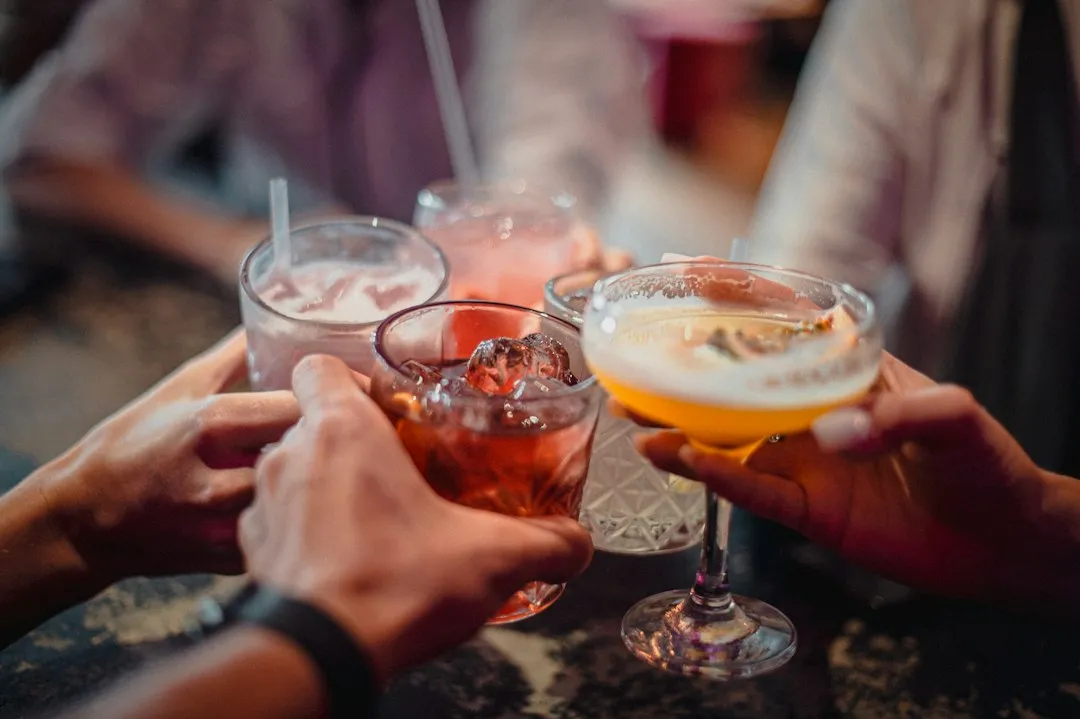
What you drink in the hours before bed is not a minor lifestyle detail. The research from 2024 through 2026 has made that point with unusual consistency. Alcohol disrupts the architecture of sleep even in small doses. Caffeine shortens and fragments it even when you can’t feel it happening. Neither adapts to repeated exposure the way people tend to assume.
The last drink of the day is a small decision that compounds quietly over hundreds of nights. Getting it right doesn’t require dramatic sacrifice. It mostly requires moving the clock back by a few hours, which turns out to be one of the simplest, most underused improvements available to anyone who wants to actually feel rested.
AI Disclaimer: This article was created with the assistance of AI tools and reviewed by a human editor.