

What “Overlamping” Actually Means
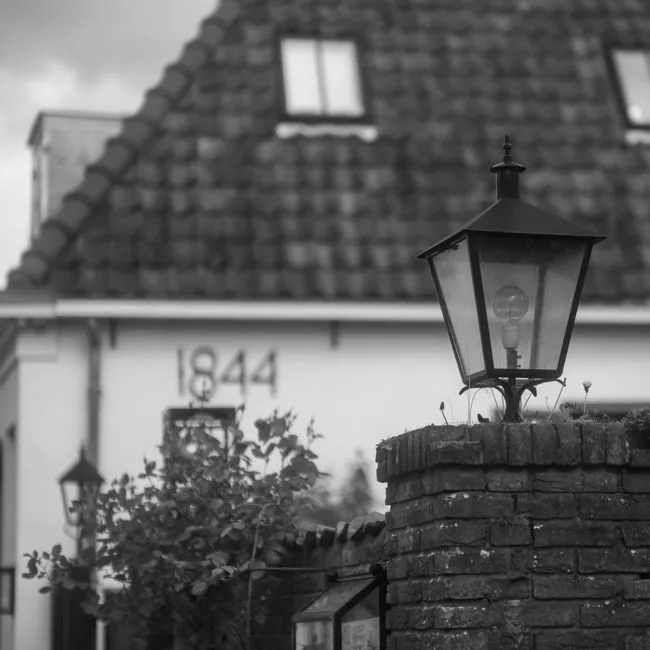
Wattage is a measure of how much energy a light bulb uses, and every light fixture is designed to handle a maximum wattage. Exceeding this limit, a practice known as “overlamping,” can lead to overheating and other dangerous problems. The term sounds technical, but the problem is remarkably common in ordinary homes.
Wattage measures the electrical power a light bulb consumes, which is distinct from brightness, measured in lumens. Every lighting fixture is engineered to handle a specific maximum electrical load, and this maximum capacity is a safety rating, often stamped directly onto the socket or the fixture housing itself. Many people miss that label entirely.
The Heat Problem Nobody Sees Coming
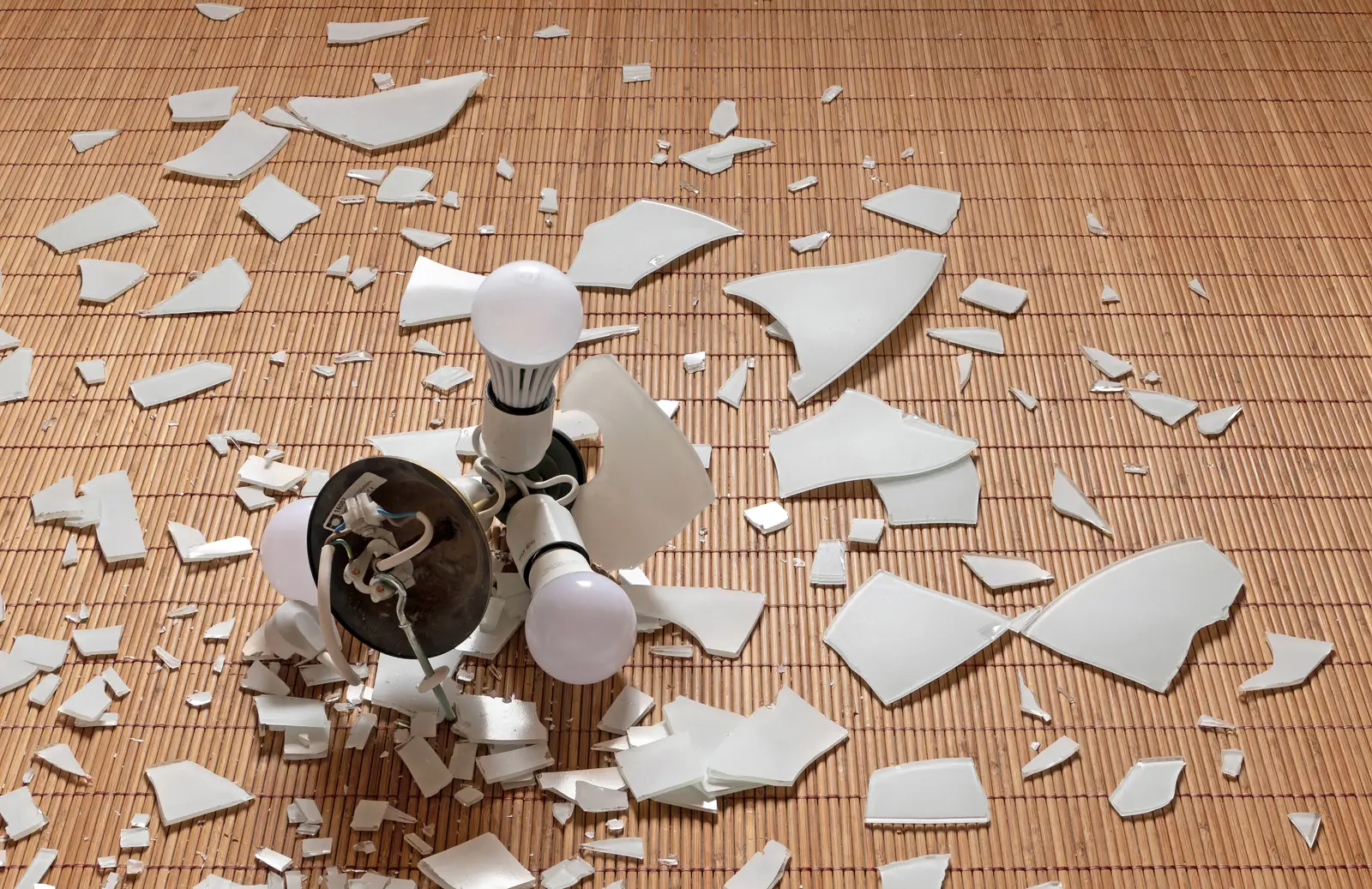
The elevated temperatures pose a serious fire hazard, especially in fixtures that are enclosed or recessed into a ceiling cavity. The heat can easily transfer to combustible materials in the immediate vicinity, such as older cloth-covered wiring, mounting brackets, or nearby building insulation.
When a larger wattage lamp is used, the heat generated in the fixture is not dissipated quickly enough and the fixture temperature increases to a level that is higher than intended by the fixture designer. If the fixture is operated with the larger lamp, the resulting fixture temperature will rise to a point where charring of plastic parts and wire insulation within and about the fixture can occur. Eventually, deterioration of the fixture components may result in a fire.
The Scale of the Problem by the Numbers
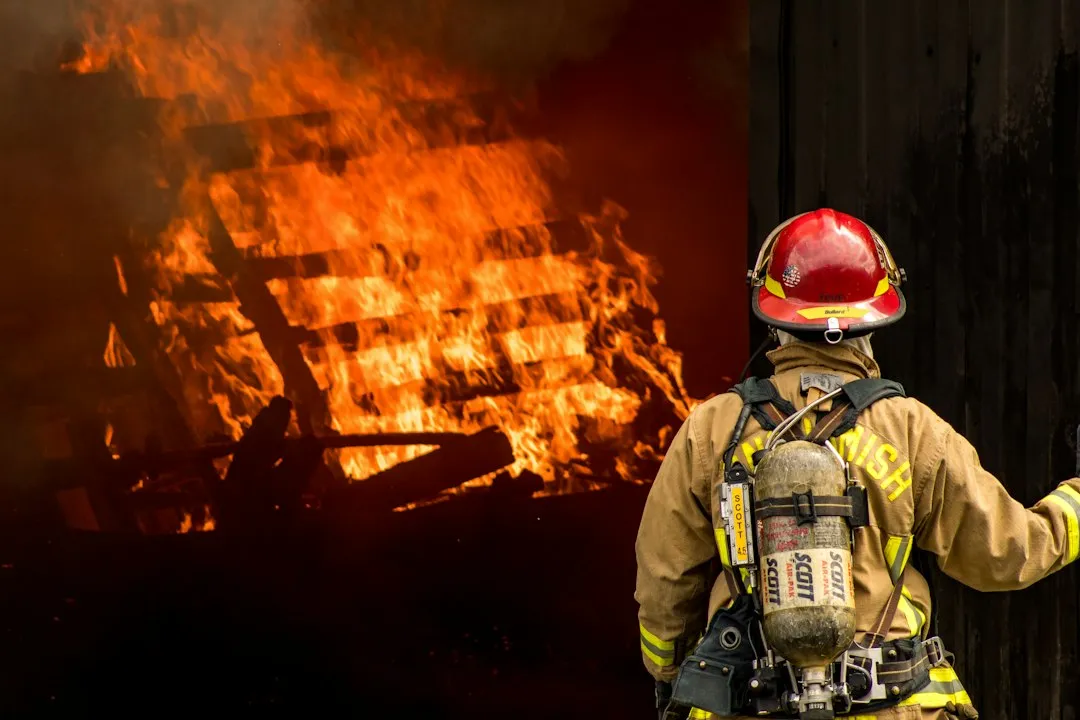
According to the NFPA, electrical distribution or lighting equipment is the leading cause of home fire property damage. An average of roughly 31,650 such fires caused 430 deaths, 1,300 injuries, and $1.6 billion in direct property damage annually. Those are not fringe cases.
The NFPA estimated that from 2016 to 2020, electrical distribution and lighting equipment caused an average of 30,740 fires annually, leading to 390 deaths, 1,090 injuries, and $1.4 billion in losses per year. Lighting equipment, including lamps and fixtures, consistently appears as one of the leading contributors within that category.
Why Enclosed Fixtures Are Especially Dangerous
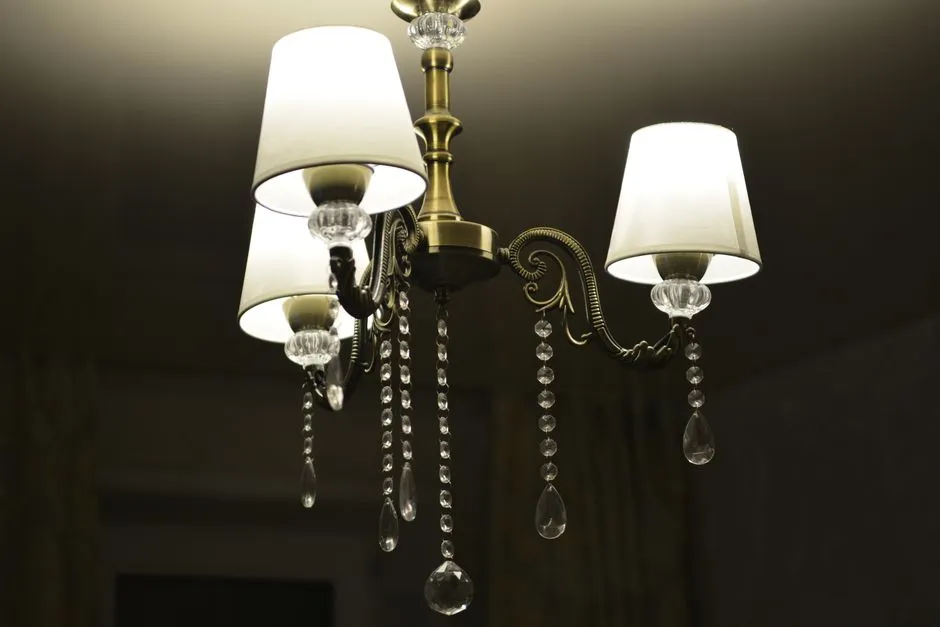
A standard fixture rated for a 60-watt incandescent bulb is designed to safely handle only the heat generated by that specific power load. Installing a 100-watt incandescent bulb will generate a substantial amount of heat that the fixture cannot safely dissipate. This excess heat can lead to smoldering and eventual ignition.
Non-IC recessed fixtures generate significant heat inside their housing. The housing contains a thermal protector that cycles the lamp off when the fixture overheats. When insulation is placed in direct contact with a non-IC housing, the insulation acts as a blanket, trapping heat inside the fixture. The result is a slow-building thermal event that most homeowners would never notice.
Closets and Storage Areas Are High-Risk Spots
Closets and storage areas are especially dangerous for light bulbs. Light bulbs could easily start a fire when clothing, boxes, and other stored goods are in contact with them. Experts recommend keeping everything at least 12 inches away from surface-mounted lighting and 6 inches from other types of lighting.
A bulb generating excess heat in an enclosed closet, surrounded by fabric and cardboard, creates near-ideal conditions for ignition. The irony is that closet fixtures tend to be small and overlooked, precisely the spots where people are most likely to grab whatever bulb happens to be available.
The Tricky LED Loophole That Confuses Homeowners
The actual power draw of an LED bulb is the figure that matters most when checking against a fixture’s maximum rating for safety purposes. A bulb might be labeled as “60W Equivalent” but only consume 9 watts of electricity. The fixture’s safety limit is based entirely on managing the heat produced by the actual electrical power being consumed, not the visible light being generated.
Using an LED bulb with a higher wattage equivalent is safe as long as its actual wattage is within the fixture’s limits. The key word there is “actual.” A bulb marketed as “100W equivalent” that draws only 12 real watts is generally fine in a 60-watt fixture. The wiring only cares about the actual current, not the lumen equivalency. So while a 9-watt LED might have the same light output as a 60-watt incandescent, from a wiring point of view, the 9-watt LED is equivalent in current draw to a 9-watt incandescent.
LED Bulbs in Fluorescent Fixtures: A Newer Risk
A 2025 alert from the U.S. Department of Energy flagged the potential fire risk associated with fluorescent light fixtures equipped with incompatible LED bulbs, recommending inspection, mitigation, and eventual risk-prioritized replacement for fixtures showing evidence of overheating.
Industry operating experience has found LED tubes on average start to deform at around 125 degrees Fahrenheit. Fire can start at as low as around 140 degrees Fahrenheit, while fluorescent ballast temperatures routinely exceed both of those thresholds. Using LED tubes outside of their operational specifications while exposed to high-temperature ballasts presents a confirmed fire hazard. This is a concern that has grown as more buildings retrofit older fluorescent systems with LED replacements without fully updating the fixture infrastructure.
Where Fires Start and How Fast They Spread
Home fires involving electrical distribution and lighting equipment most often originate in a bedroom, attic or ceiling, or wall assembly and concealed space. Roughly one quarter of these fires occur between midnight and 8 a.m., yet they account for just over half of the resulting deaths. Fires that start while people sleep are the most deadly, and lighting equipment is disproportionately represented in those nighttime incidents.
While nearly two thirds of non-electrical fires are limited to the object of origin, only about 17 percent of electrical fires stay contained to the object of origin. Of the electrical fires that spread beyond the object of origin, 43 percent are limited to the room of origin, and 27 percent spread throughout the entire building. That’s a stark contrast, and it speaks to how insidious electrical heat sources can be.
Halogen Bulbs Deserve Special Attention
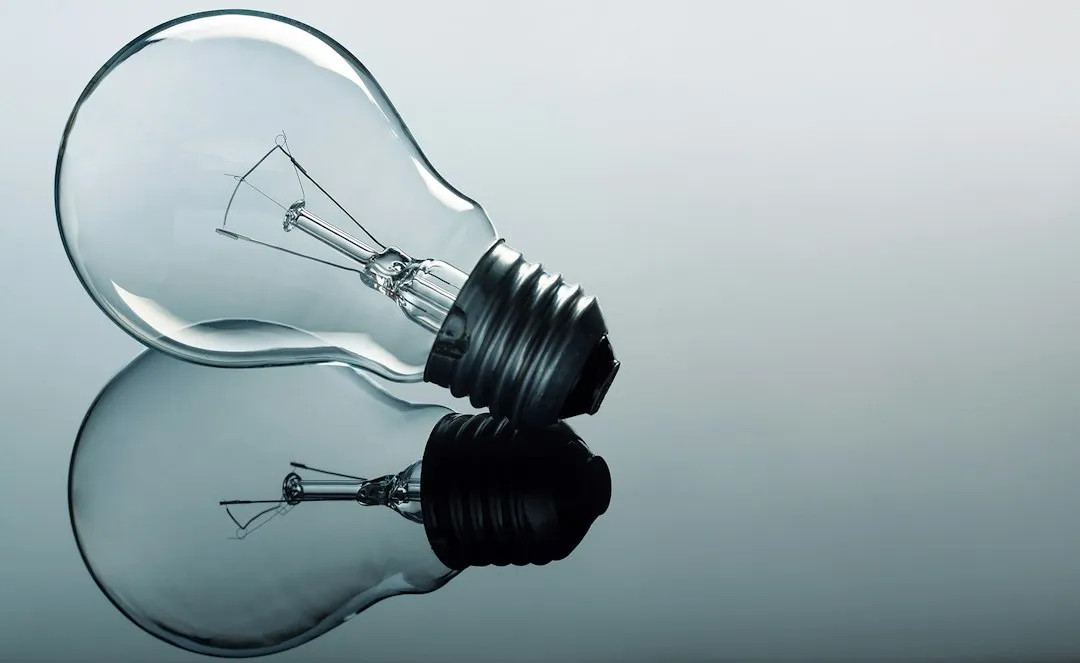
Halogen light bulbs warrant particular caution. They run hotter than any other type of light bulb. A halogen bulb installed in a fixture not rated for its output can reach dangerous temperatures within minutes, and unlike incandescent bulbs, they can do so silently and without any visible warning signs.
Never use a light bulb that exceeds the recommended wattage for your light fixture. A lamp that calls for a 60-watt bulb cannot handle a 120-watt bulb, which is twice the recommended wattage. It’s a major fire hazard. With halogen technology, that principle becomes even more critical, because the margin between safe operating temperature and ignition is considerably narrower.
Simple Habits That Reduce the Risk Significantly
When choosing a replacement bulb, always check the fixture’s label. Most fixtures list the maximum wattage they can handle. That label is there for a reason, and it takes about three seconds to read. It’s the easiest safety check most homeowners skip entirely.
Switching to LEDs or CFLs is a practical step. They do not give off as much heat and last much longer than incandescent bulbs, reducing how often they need to be replaced. For enclosed fixtures, make sure the packaging specifically states the bulb is rated for enclosed use, since not all LED bulbs are. Do not use a bulb that is not rated for enclosed fixtures in any enclosed fixture, whether indoors or outdoors, as it can pose a safety hazard.
The Quiet Takeaway
The bulb is rarely the thing people blame when a fire starts inside a wall or above a ceiling. By the time anyone finds the cause, the evidence is already gone. That invisibility is exactly what makes this particular hazard worth taking seriously.
The fix requires no special skills and no tools. Check the wattage rating on your fixtures, match your bulbs to that rating, and treat enclosed or recessed fittings with extra care. It takes less than a minute, and it’s one of the few home safety measures where the cost of getting it right is essentially zero.
AI Disclaimer: This article was created with the assistance of AI tools and reviewed by a human editor.