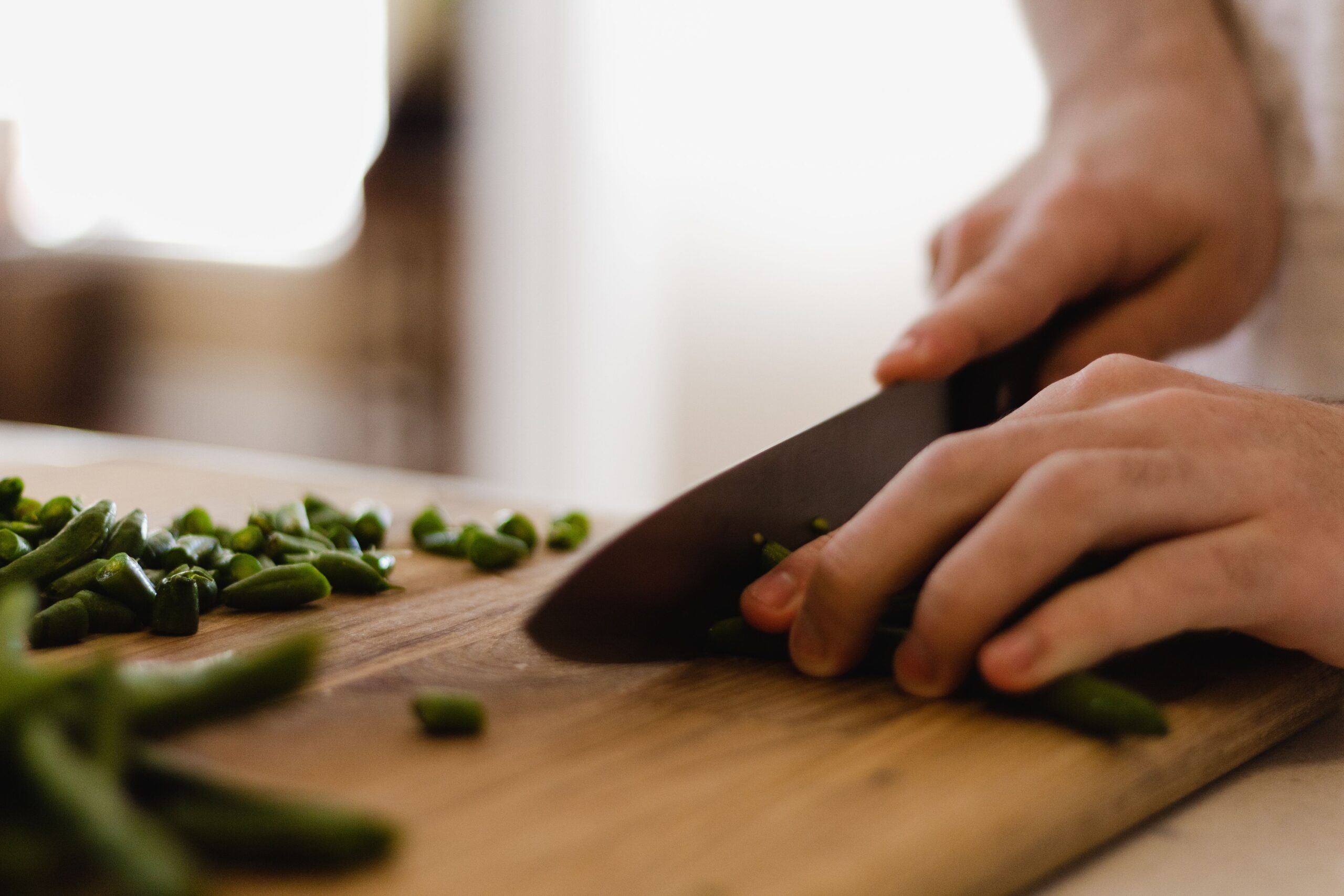

Most people pick up a knife the same way they picked up a crayon as a kid: instinct, comfort, whatever feels natural. Nobody corrects it, nobody questions it, and years go by. Then you watch a professional cook prep a pile of vegetables in three minutes flat, and suddenly you realize something is genuinely different about how they’re doing it.
That difference isn’t a secret trick or an expensive blade. It’s a cluster of small, learnable habits that chefs absorb early in their training and home cooks almost never encounter. Here’s what those habits actually are.
The Pinch Grip: The One Thing That Changes Everything
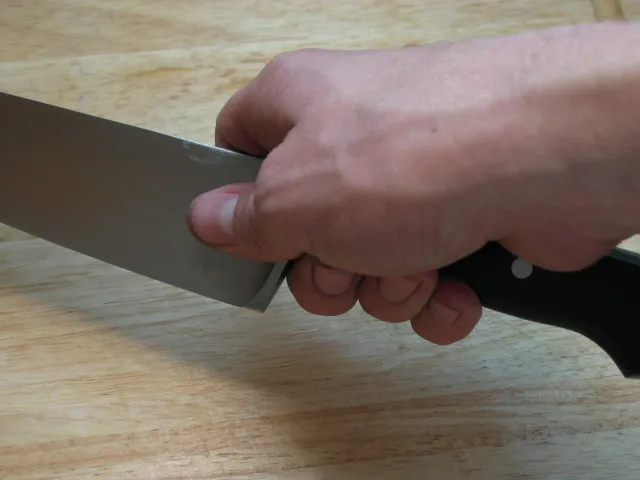
Most home cooks instinctively wrap their whole hand around a knife handle, the way you’d grip a hammer. Professional kitchens favor something different: the pinch grip. To use it, you pinch the blade itself just above the handle, near the bolster, between your thumb and the side of your index finger, and wrap your remaining three fingers around the handle.
This keeps your hand closer to the cutting surface, reducing wrist strain and improving precision. It feels strange at first, but within a week of regular use, it starts to feel like the only natural way to hold a knife. Chefs at professional restaurants recommend the pinch grip because it is sturdier, more stable, and therefore safer, especially as cutting speed increases.
The Claw Hand: What Your Other Hand Should Be Doing
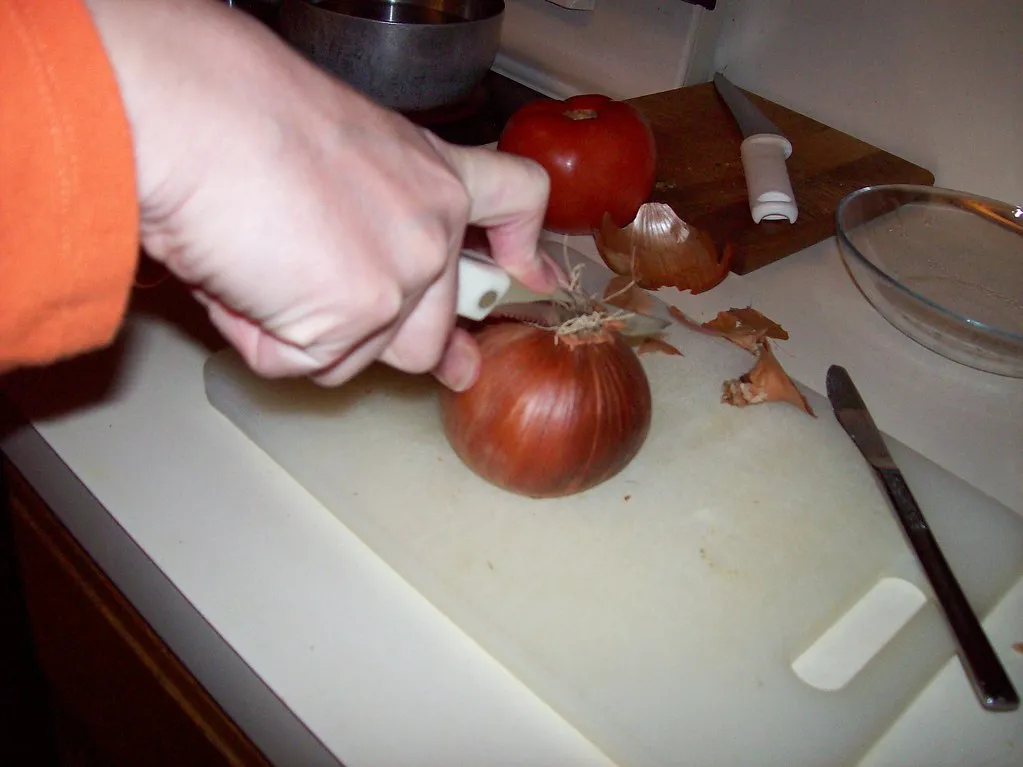
Curl your fingers under so your knuckles, not your fingertips, face the blade, and use your thumb and pinky to anchor the sides of the food. As you cut, your knuckles act as a guide rail for the blade, and you slowly walk your hand backward as you work through the ingredient.
This is widely considered one of the first habits taught in culinary school, and for good reason: it’s the single biggest factor separating a clean afternoon of prep from a trip to urgent care. The opposite hand is used for holding and guiding the food, and the second joint of the fingers acts as a guide for the knife blade, helping to control the thickness of each cut.
According to data compiled by the Consumer Product Safety Commission, more than 340,000 people landed in emergency rooms in 2024 with a cut or laceration from a kitchen knife or other cutlery. Proper claw technique directly addresses that risk, and it’s something most home cooks have never been shown.
Sharp Is Safer: The Counterintuitive Truth About Blade Maintenance
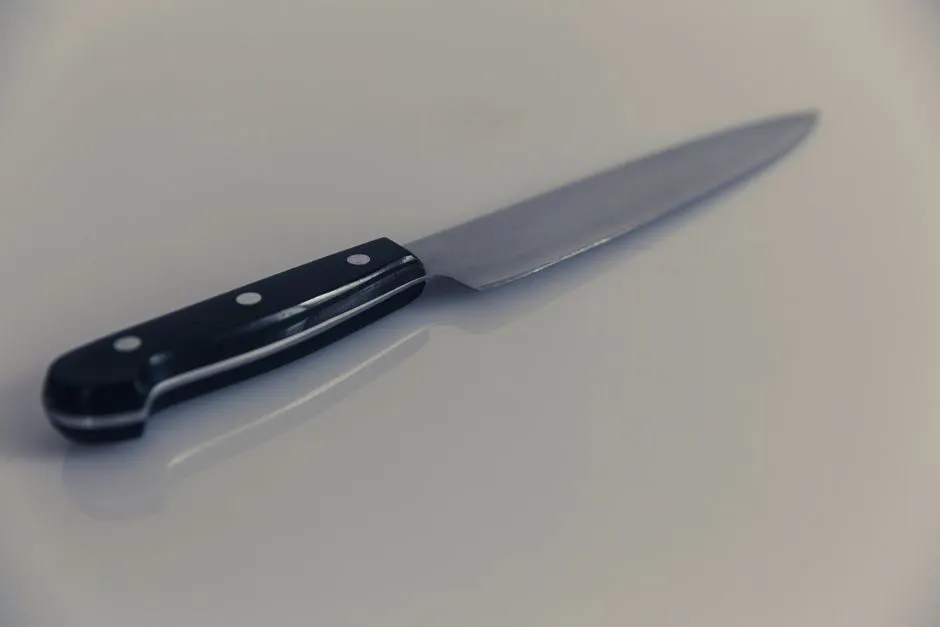
It may sound counterintuitive, but dull knives are far more dangerous than sharp ones. A dull blade requires more force, making it more likely to slip and cut you. Dull knives crush and bruise ingredients instead of making clean cuts, resulting in a loss of flavor and compromised food texture.
Sharp blades create precise cuts that maintain cell walls, preventing unnecessary bruising and oxidation that can diminish flavor preservation and visual appeal. A few passes on a honing rod before or after cooking sessions realigns the edge. This takes seconds and keeps your blade responsive.
Uniform Cuts: Why Size Actually Matters for Flavor and Texture
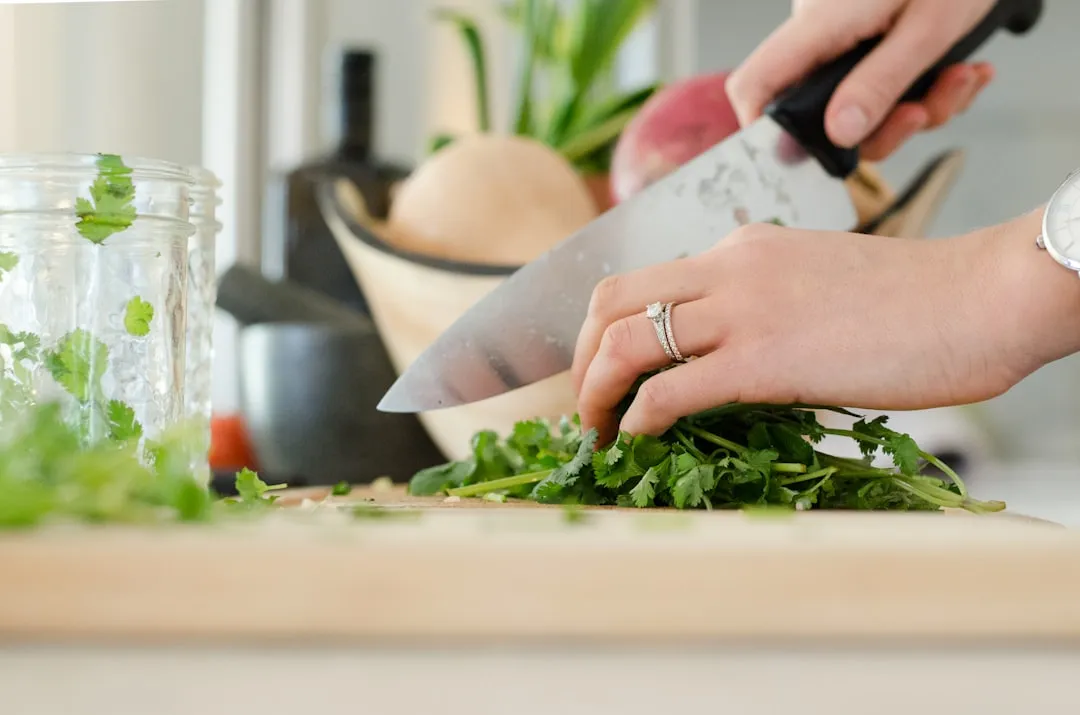
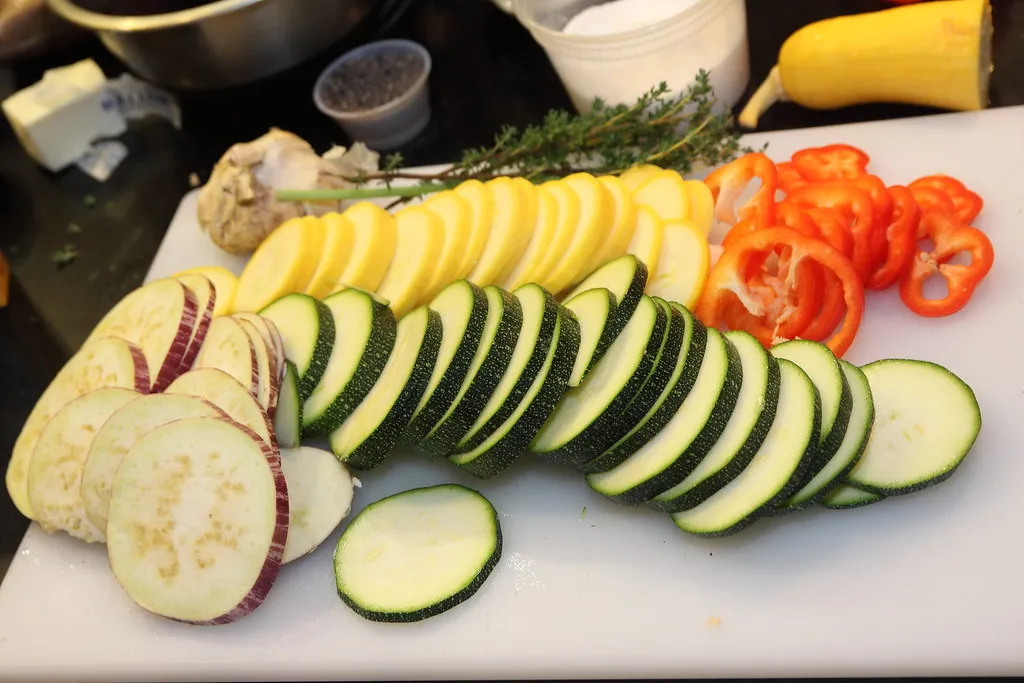
The foundational principle is that uniform cuts ensure even cooking, reducing the risk of undercooked or overcooked pieces. When ingredients are chopped into similar sizes, they absorb heat at the same rate, maintaining the balance of flavors and textures within a dish.
Uniform cuts ensure even cooking of ingredients, better texture, and more consistent flavor in dishes from weeknight stir fries to slow braises. Evenly diced vegetables cook at the same rate, which means fewer burnt edges and fewer raw centers. The goal with precision cuts is consistency. As the Culinary Institute of America puts it: “If it looks the same, it cooks the same.”
The Rock Chop: The Motion Behind That Satisfying Chef’s Rhythm
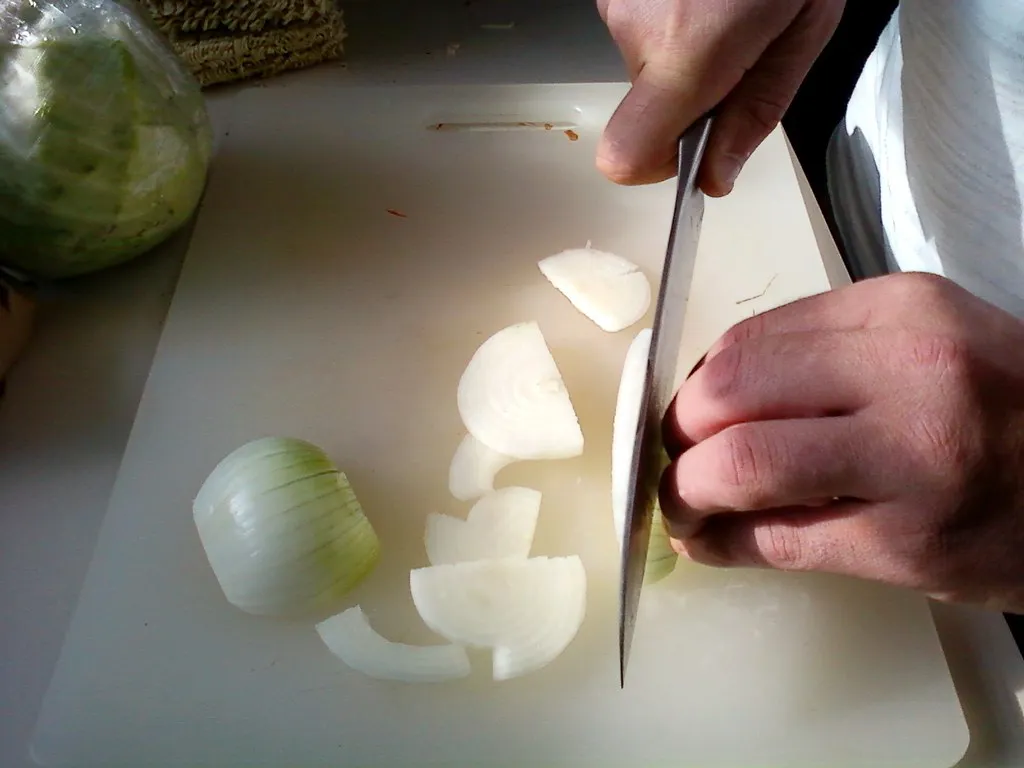
The rock chop is the motion most people picture when they think of “chopping like a chef,” that fast, rhythmic rocking of the blade tip against the board. The rock chop involves a rocking motion of the knife, is ideal for chopping herbs, garlic, and other small items, and allows for quick and efficient chopping with minimal strain.
The chopping technique keeps the tip of the knife on the cutting board while moving the blade down and forward. It’s a motion that feels awkward to learn but becomes automatic quickly. Once it clicks, prep time visibly shortens, which is probably why chefs rarely skip it.
Stabilizing Your Cutting Board: The Setup Step Almost Everyone Ignores
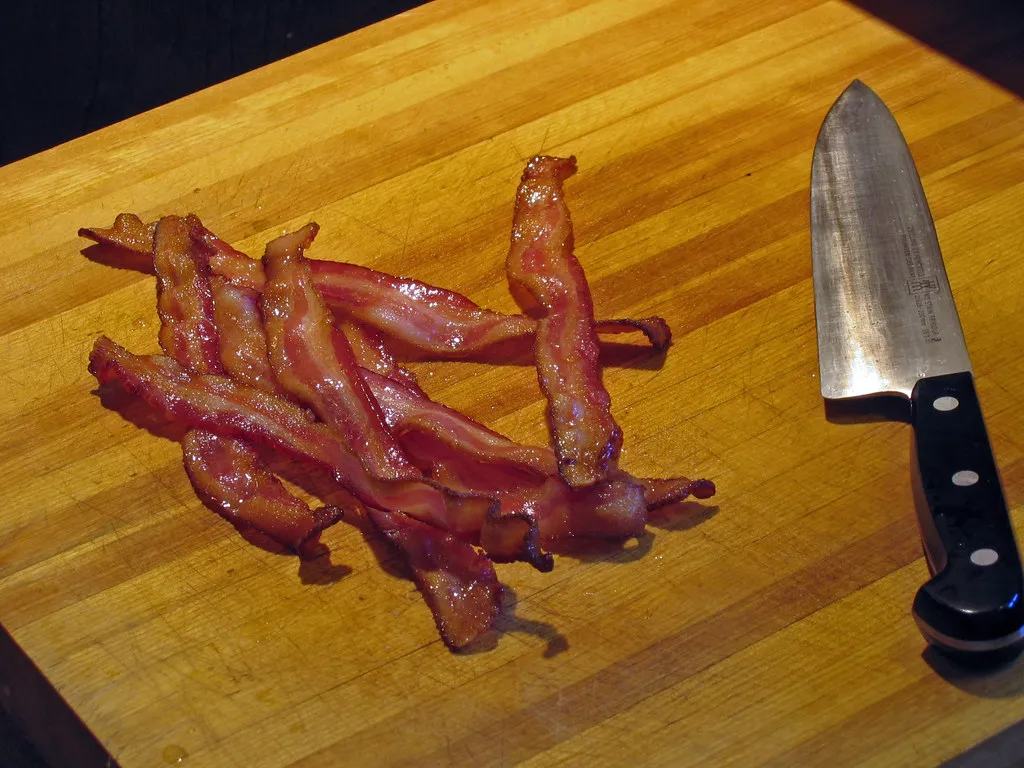
Never cut on a flimsy or unstable cutting board. A slipping surface is one of the leading causes of kitchen accidents. Place a damp towel or paper towel underneath the board to keep it from shifting.
Before you start cutting, it’s crucial to create a stable work environment. Place a damp paper towel or non-slip mat under your cutting board to prevent it from sliding around. This simple step can greatly reduce the risk of accidents and injuries. It takes about five seconds to set up and is the kind of thing a chef does automatically without even thinking about it.
How Knife Cuts Affect Flavor, Not Just Looks
A clean, deliberate cut through fresh herbs releases aromatic oils efficiently, while a rough, crushing cut bruises the leaves and can introduce bitterness. The same principle applies to onions, garlic, and many vegetables: the way you cut genuinely affects the way a dish tastes and cooks.
Consider what happens when you crush delicate herbs with a dull knife versus when you make clean cuts with a sharp one. The difference in food texture is remarkable. Knife skills are important because they allow for precise and efficient cutting of ingredients, which can impact the texture, flavor, and presentation of the final dish. This is not a marginal difference. It’s the kind of thing you taste.
Mise en Place and the Knife Connection
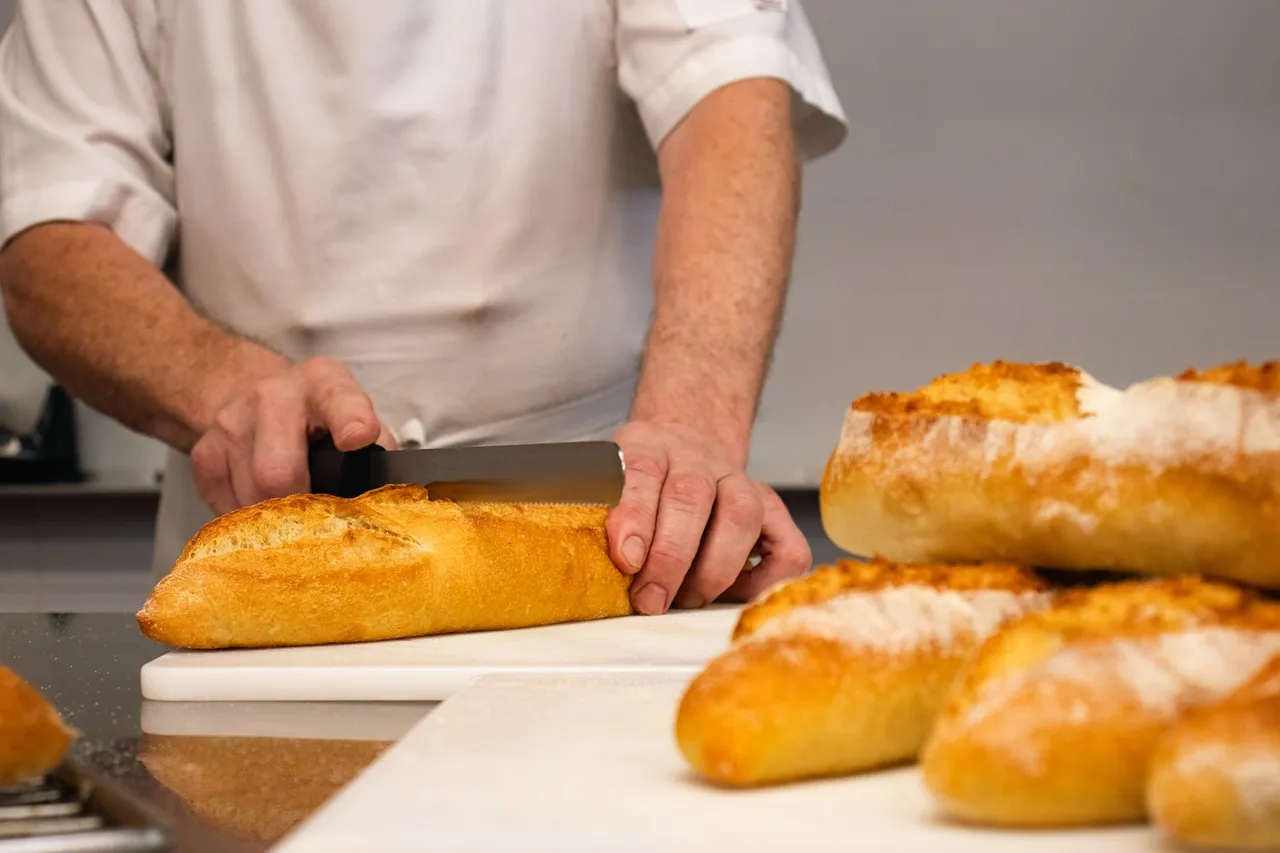
The concept of mise en place, which involves prepping all ingredients before cooking, thrives with well-honed knife skills. With everything neatly sliced and diced, cooks can focus on the actual cooking process without the distraction of hurried chopping.
Stellar prep work comes from simple habits: setting up a clear cutting board, grouping ingredients, keeping a damp towel and waste bowl nearby. These reduce frustration and clean-up time, making cooking easier and turning everyday cooking into a practiced craft rather than a scramble. Knife skill and kitchen organization are more connected than most home cooks realize.
Efficiency Gains Are Real and Measurable
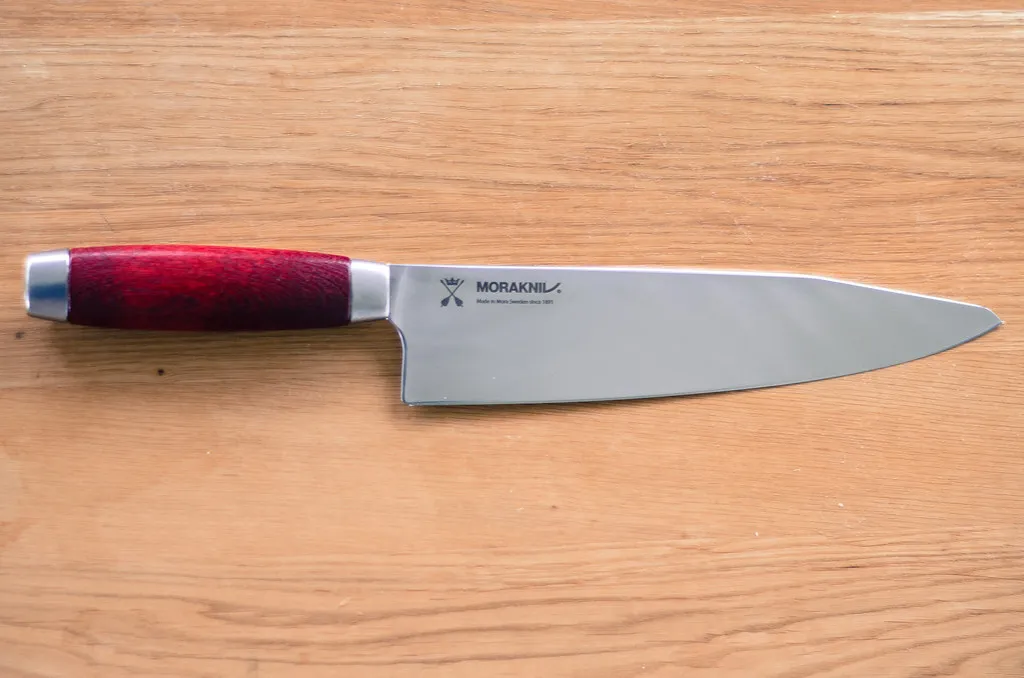
Mastering knife skills allows you to work more efficiently in the kitchen, reducing the time and effort required for meal preparation. When you can chop, slice, and dice ingredients quickly and accurately, you can focus on other aspects of cooking, such as seasoning and cooking techniques.
According to a study by the Journal of Culinary Science & Technology, experienced chefs can save up to 30 minutes per day by using proper knife skills compared to those with less developed techniques. Thirty minutes per cooking session adds up fast over the course of a week, especially for anyone doing serious meal prep.
The Right Knife for the Right Job
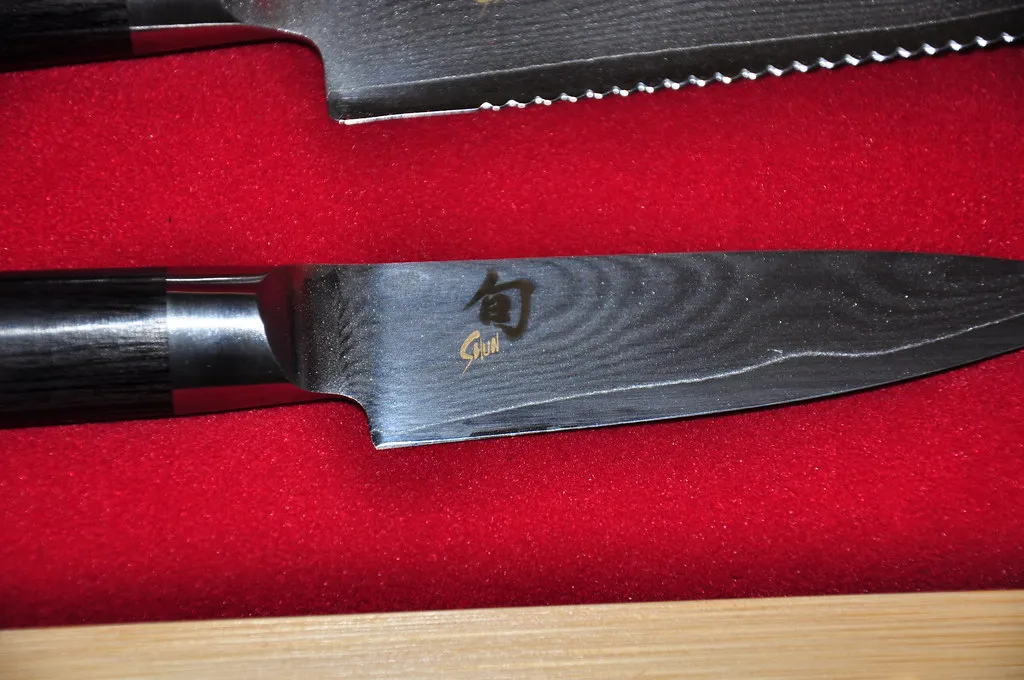
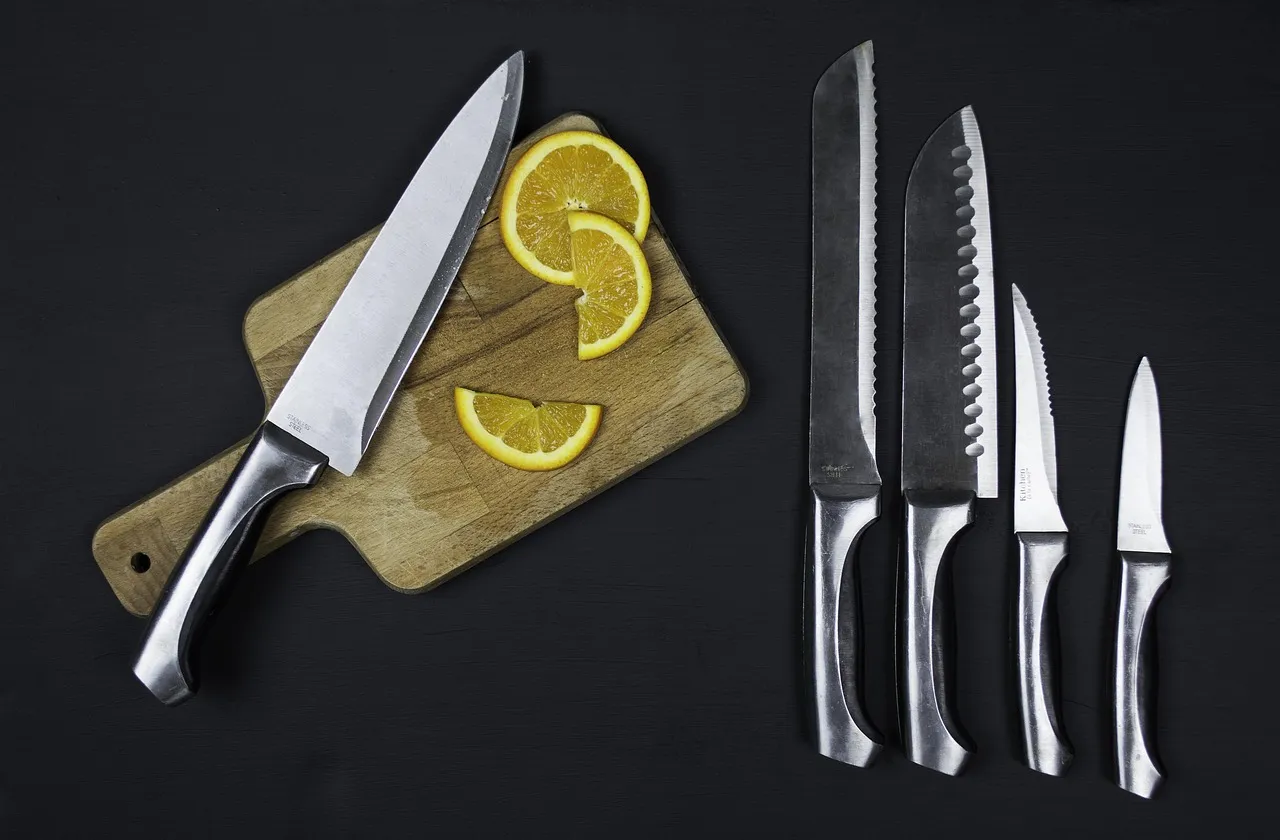
A chef’s knife is versatile and used for a wide range of tasks, from chopping vegetables to slicing meat. A paring knife is ideal for peeling and intricate work, such as deveining shrimp or cutting small garnishes. A boning knife is designed for removing bones from meat, poultry, and fish, with a flexible and narrow blade.
A chef’s knife is ideal for chopping vegetables, while a paring knife excels at small cuts. Trying to use one knife for everything increases the risk of slips and injuries. A sharp knife is actually safer than a dull one, as it requires less force to cut through food. Getting the right tool for each job is a small investment with a noticeable payoff.
The Takeaway
None of this requires expensive equipment or years of formal training. The pinch grip, the claw hand, a stable board, a honed blade, and consistent cuts are all learnable in an afternoon. What separates a confident cook from a frustrated one in the kitchen is rarely talent. It’s usually a handful of foundational habits that simply never got passed along.
A solid foundation in knife techniques can dramatically change how you approach cooking, transforming a mundane task into an enjoyable and creative expression of culinary mastery. The knife is the most-used tool in any kitchen. It makes sense to learn how to actually use it.
AI Disclaimer: This article was created with the assistance of AI tools and reviewed by a human editor.