
Long before food science had the language to explain it, grandmothers were already doing it right. They soaked, they simmered, they fermented, they saved every scrap. It looked like habit. Turns out, it was wisdom.
Modern nutrition research has spent decades catching up to what older generations practiced instinctively. With food prices climbing and home cooking surging again, old-school kitchen habits are proving more valuable than ever. What follows are ten of those time-tested tricks, now backed by science.
1. Soaking Legumes Overnight Before Cooking
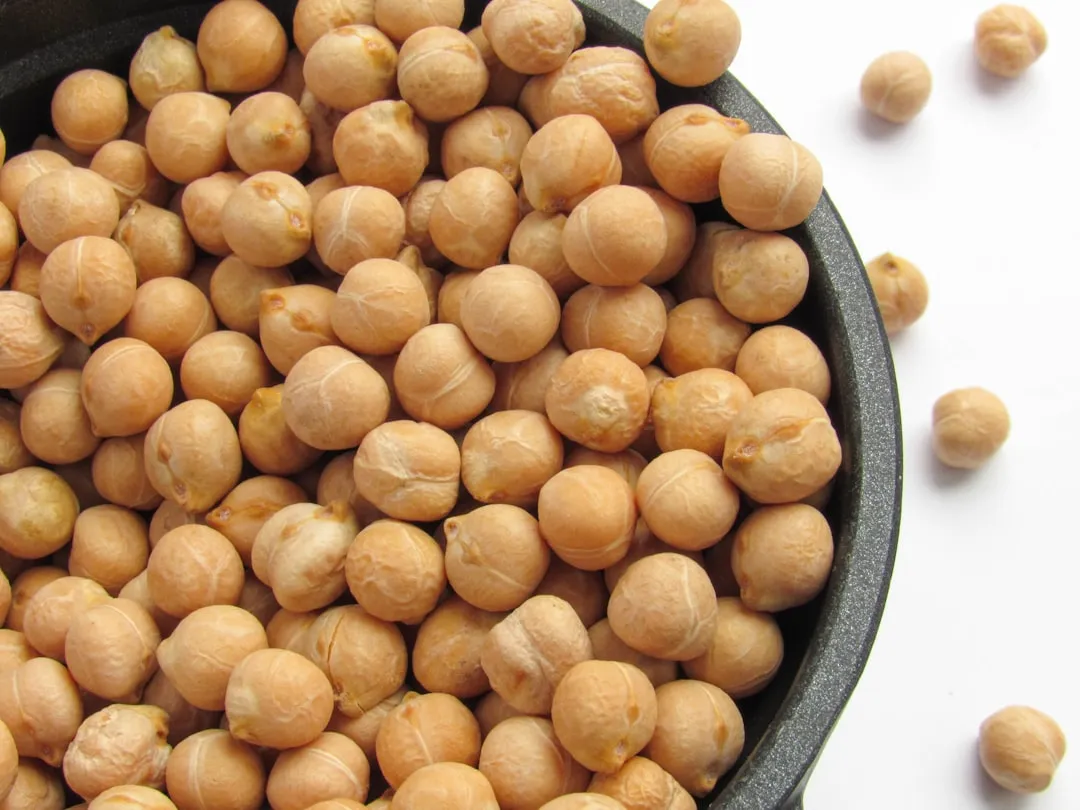
Every grandmother worth her salt soaked her dried beans the night before. It seemed like pure practicality, cutting down on cooking time and softening stubborn chickpeas. The science behind it, though, goes much deeper.
Soaking and sprouting activate enzymes that break down phytates and lectins. Soaking legumes or nuts for eight to twelve hours can reduce phytic acid by thirty to fifty percent, while sprouting grains like quinoa may decrease it by up to ninety percent. Phytic acid is an antinutrient that blocks mineral absorption, so reducing it meaningfully improves how much iron, zinc, and calcium your body actually gets from a meal.
Soaking legumes overnight in water, followed by boiling or stewing, effectively reduces a substantial amount of these compounds. What Grandma called preparation, nutritionists now call antinutrient mitigation.
2. Fermenting Foods at Home
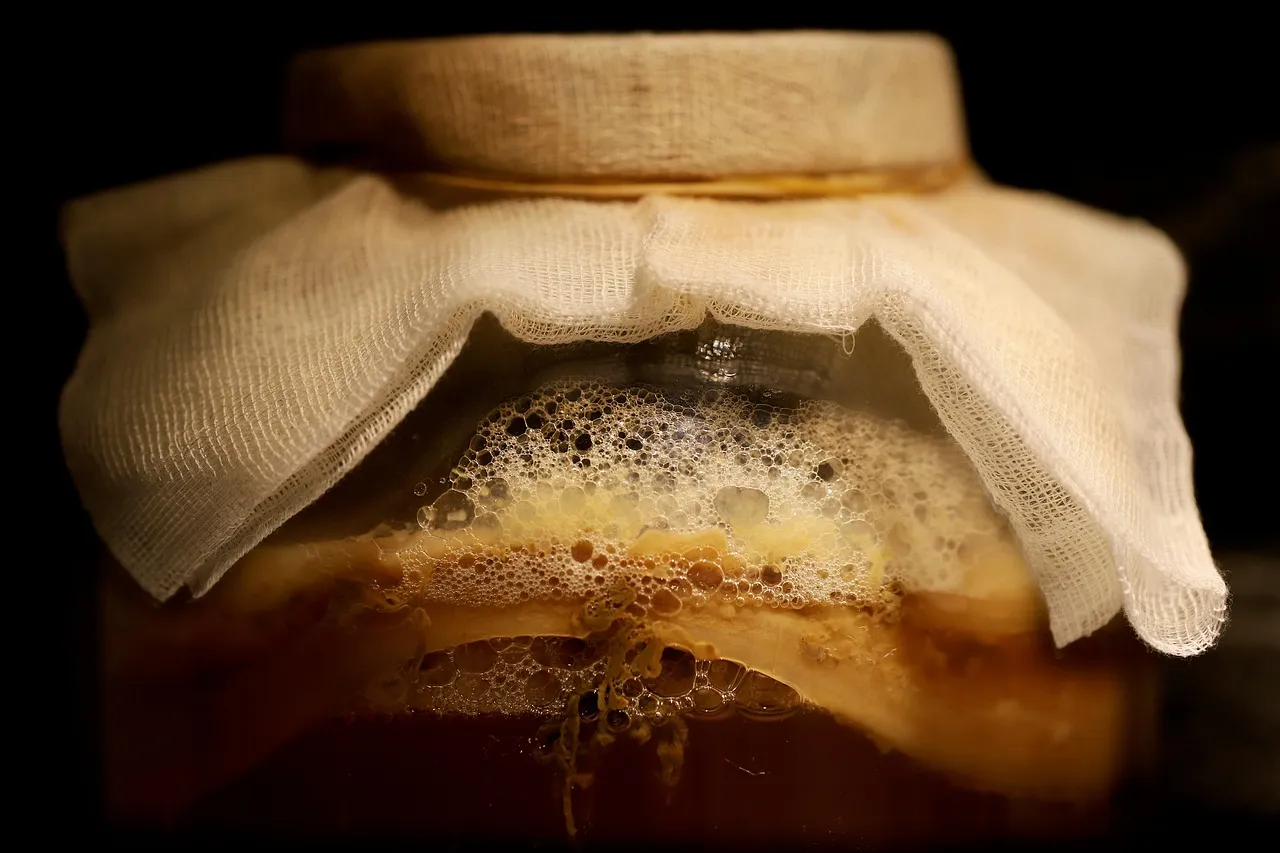
Sauerkraut in a crock on the counter, yogurt left to culture overnight, pickles in a brine jar. Fermentation was a preservation method born of necessity, not trend-chasing. Today it’s one of the most studied areas in nutrition science.
Beneficial microbes in fermented foods such as sauerkraut or miso degrade antinutrients naturally. Research shows fermented legumes have lower lectin and phytate content, improving gut tolerance and mineral absorption. The gut microbiome connection is now central to research on immunity, mental health, and metabolic function.
Fermentation markedly diminishes phytates, tannins, and saponins by more than sixty percent while facilitating the production of bioactive peptides. That crockery on the shelf wasn’t just old-fashioned. It was a functional bioreactor.
3. Steaming Vegetables Instead of Boiling Them
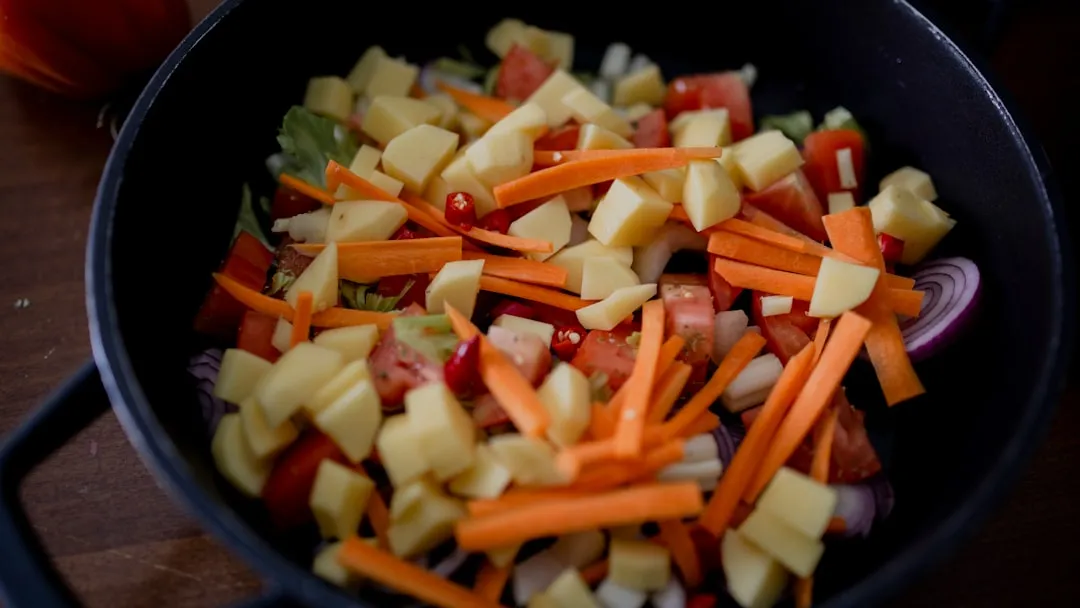
Grandmothers who steamed their greens over a pot of simmering water were preserving something most people didn’t think about then: the nutrients. Boiling vegetables in large volumes of water leaches out water-soluble vitamins and minerals into the liquid, which usually gets poured down the drain.
Steamed vegetables maintain a better texture quality than boiled ones, whereas boiled vegetables show limited discoloration. The texture difference is noticeable, but the nutritional difference matters more. Boiling causes particular losses of B vitamins and vitamin C, which are sensitive to heat and water exposure together.
Steaming keeps the vegetable out of direct water contact, so more of those heat-sensitive compounds survive to your plate. It’s a small change with a real cumulative impact over time.
4. Using Cooking Liquid and Vegetable Scraps for Broth
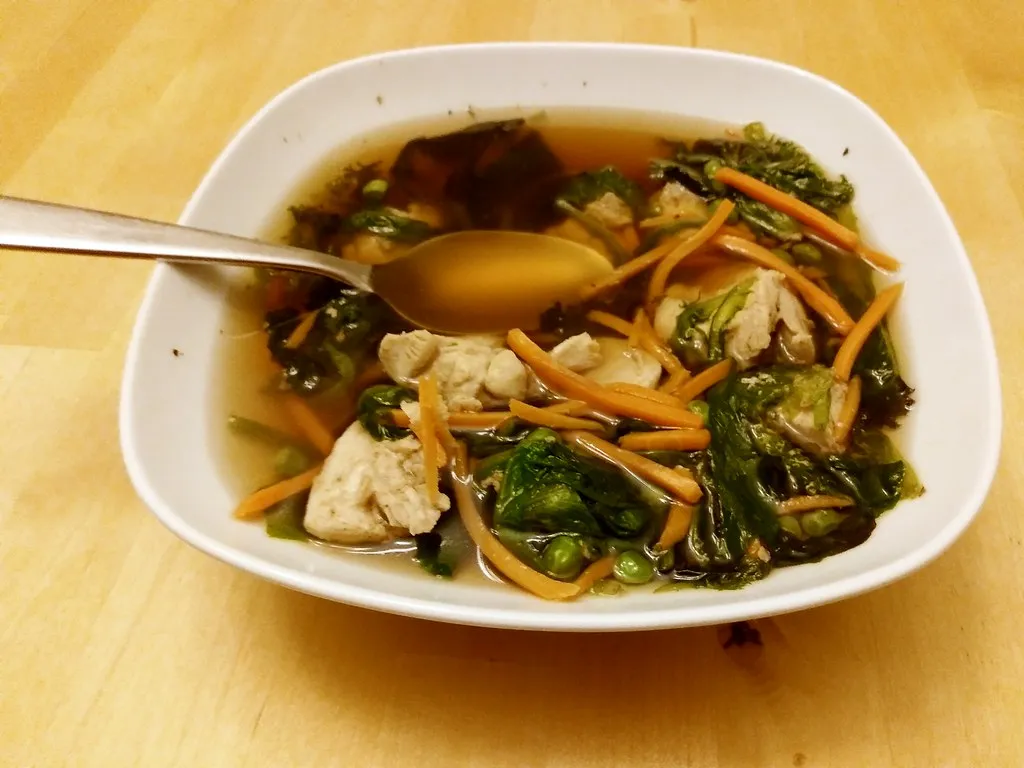
It all comes down to shopping smart, cooking often, and making use of everything, even the scraps. Grandmothers saved flavorful odds and ends like Parmesan cheese rinds, corncobs, and onion trimmings for use in soups and stews. This wasn’t frugality for its own sake. It was nutritional efficiency.
Vegetable cooking water contains leached minerals and polyphenols. Bone broth made from simmered carcasses and vegetable scraps concentrates collagen, glycine, and minerals that modern diets frequently lack. Nutritionists and food scientists now recognize broth-making as a way to capture nutrients that would otherwise be discarded.
The role of diet in the prevention of chronic non-communicable diseases has been demonstrated in numerous studies and attributed to various nutrients and bioactive compounds naturally present in foods. A slow-simmered bone broth is one of the oldest delivery systems for those compounds.
5. Cooking with Simple Whole Ingredients, No Long Ingredient Lists
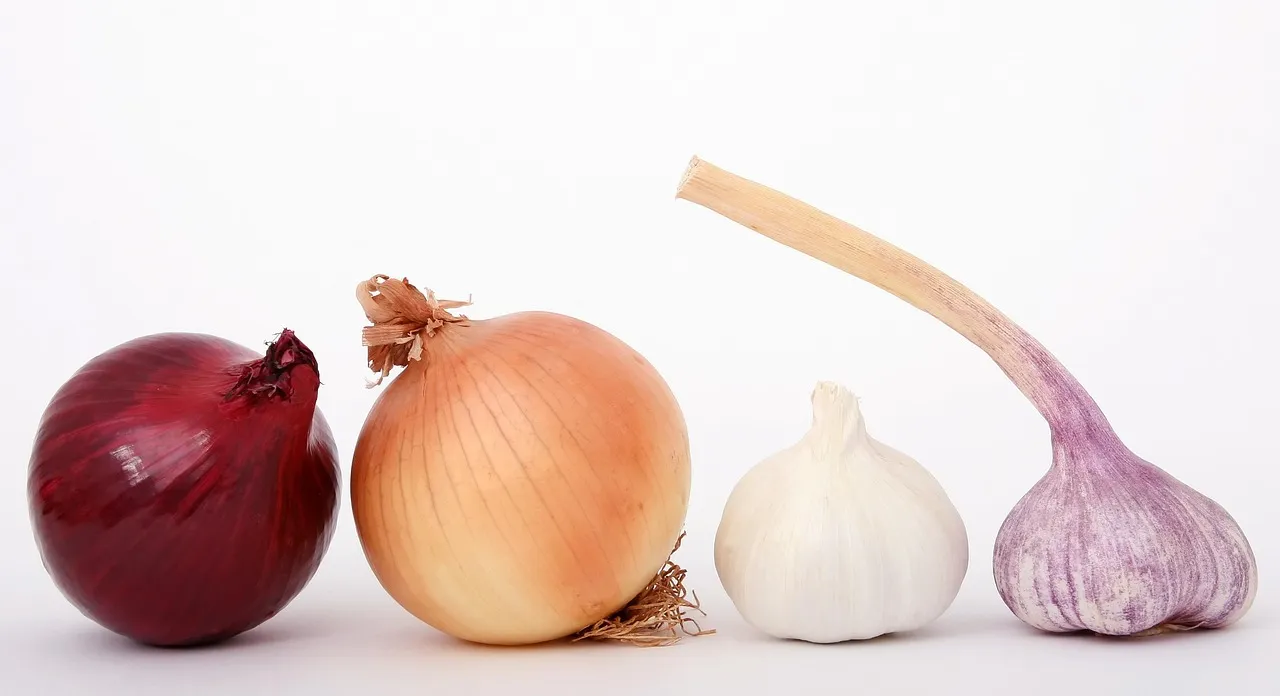
Look at a handwritten recipe from three generations back. Flour, butter, salt, eggs. Chicken, onion, garlic, herbs. The ingredient list is short because there was nothing else available. That constraint turned out to be a nutritional advantage.
Ultra-processed foods contain long lists of additives such as E-numbers, stabilizers, preservatives, and thickeners. None of these things are contained in fresh foods, and they make processed foods far less nutritious and potentially harmful to the gut microbiome. Grandmothers avoided ultra-processed food by default. We now have to choose to do it deliberately.
Grandma’s menu was simple, predictable, and brilliant: protein plus vegetable plus starch. Contemporary nutritionists essentially recommend the same balanced plate structure, just with more supporting data.
6. Cooking Beans Until Fully Tender, Never Half-Done
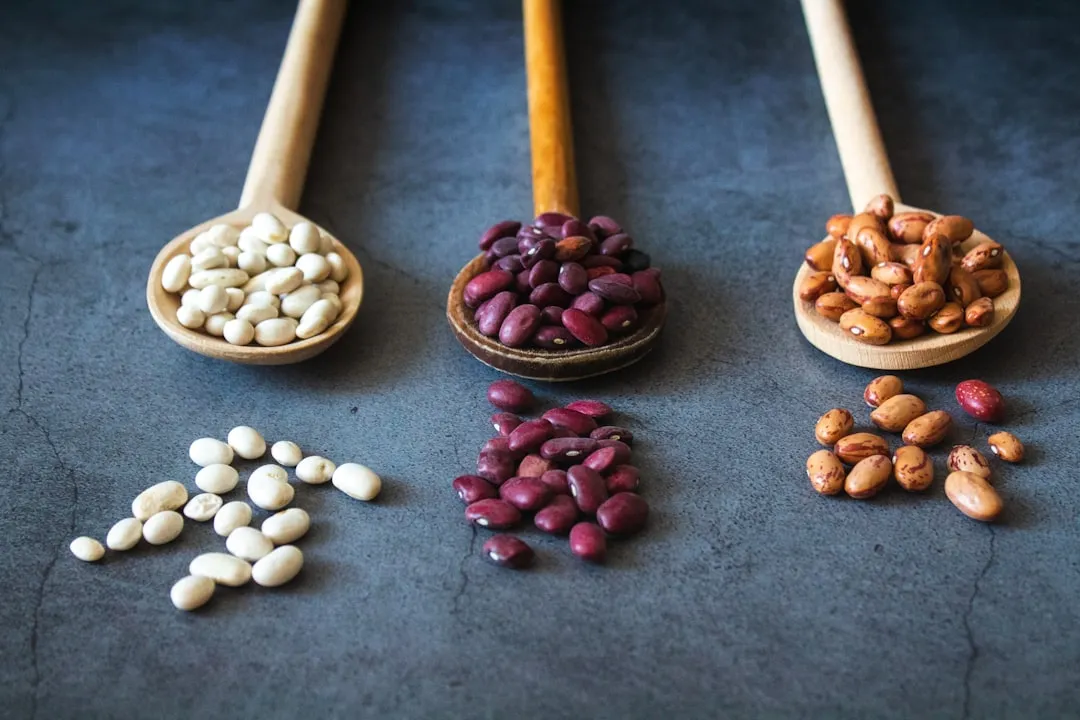
There was no halfway with Grandma’s beans. They cooked until properly soft, full stop. Impatience wasn’t an option, and it turns out that thoroughness served an important biological purpose.
Cooking and heat treatment, including blanching, boiling, steaming, or pressure cooking, neutralizes many antinutrient compounds. Cooking beans reduces lectins by ninety-nine percent, and heat also diminishes goitrogens in vegetables. Lectins in undercooked beans can cause digestive distress, and in sufficient quantities, more serious issues. Fully cooking them eliminates that risk entirely.
Traditional methods like dehulling, soaking, boiling, pressure cooking, sprouting, and fermentation help in the reduction of antinutrients such as phytic acid, enzyme inhibitors, lectins, saponins, and tannins. The full cook time your grandmother insisted on wasn’t overcaution. It was necessary.
7. Eating Seasonally and Varying the Diet Throughout the Year
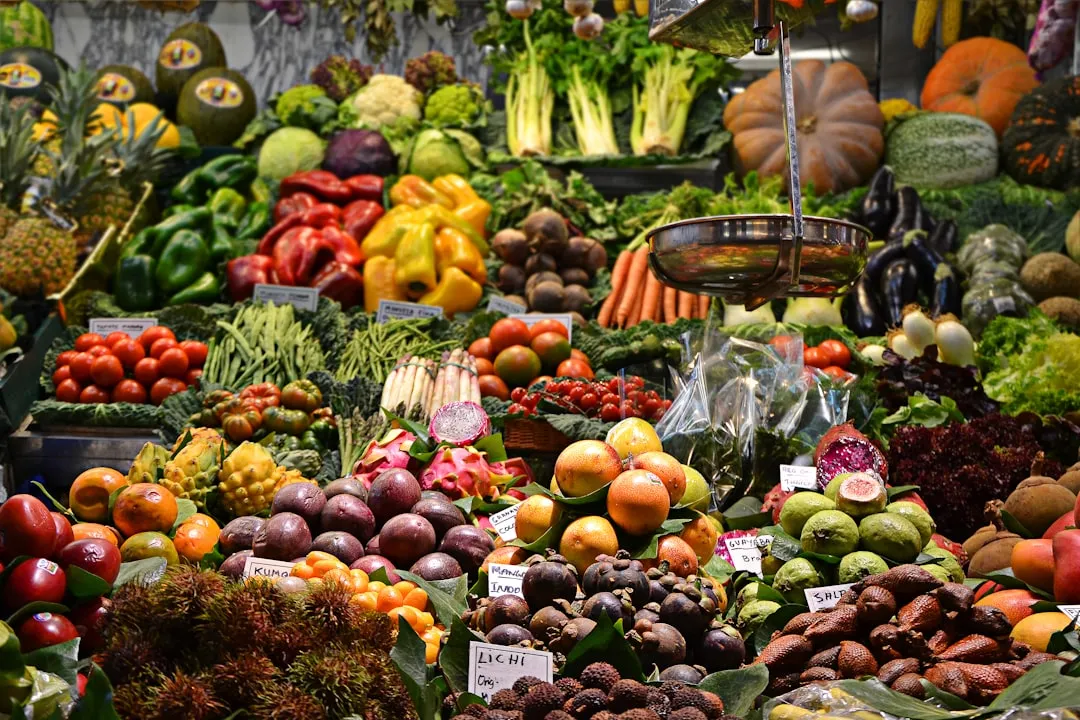
Grandmothers didn’t eat strawberries in December. They ate what was available, which meant a rotating cast of fruits and vegetables across the seasons. It wasn’t a philosophy. It was just how grocery stores and gardens worked.
Year-round access to every imaginable fresh fruit and vegetable was not available back then. In winter, there were canned, fermented, and dried fruits and vegetables to eat. That rotation across seasons naturally produced dietary variety, which supports a more diverse gut microbiome and broader intake of phytonutrients.
Modern nutrition consistently links dietary diversity with better long-term health outcomes. Eating with the seasons was the original version of that advice, arrived at through circumstance rather than a research paper.
8. Building Meals Around Whole Grains and Legumes as the Base
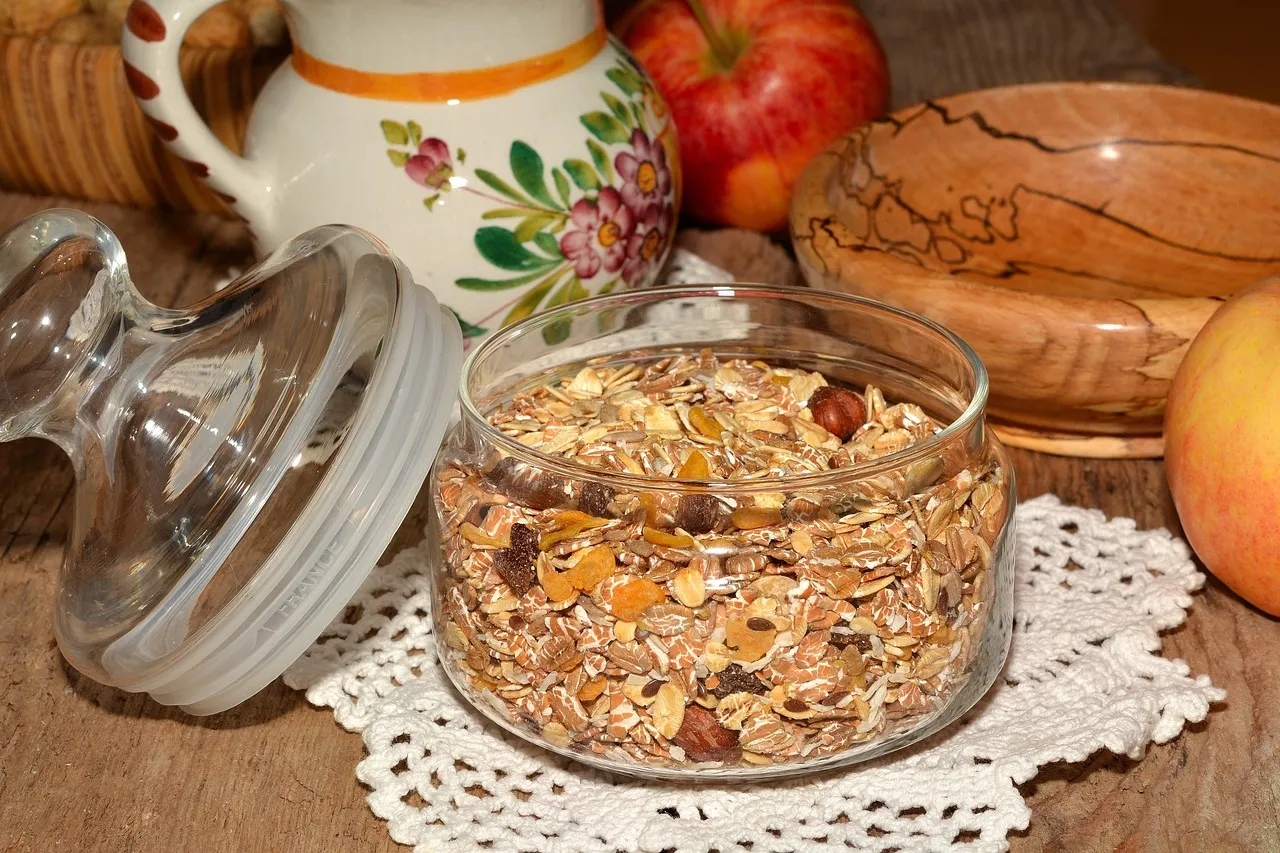
Oatmeal keeps you full, stabilizes blood sugar, and even lowers cholesterol, and it was a grandmother staple long before oat marketing turned it into a superfood. Whole grain porridges, lentil soups, and bean stews formed the everyday foundation of traditional cooking across many cultures.
Traditional cooking paid attention to the balance between staple food and side dishes. Rice or noodles were usually eaten alongside a variety of dishes to ensure comprehensive intake of carbohydrates, proteins, fats, and micronutrients. That structural thinking about meals, combining grains with protein and vegetables, is now a central pillar of evidence-based dietary guidance.
The specifics vary by culture, but the principle holds everywhere. Grandmothers built plates for satiety, balance, and cost. Nutritionists now describe essentially the same structure for metabolic health.
9. Slow Cooking to Develop Flavor and Break Down Tough Fibers
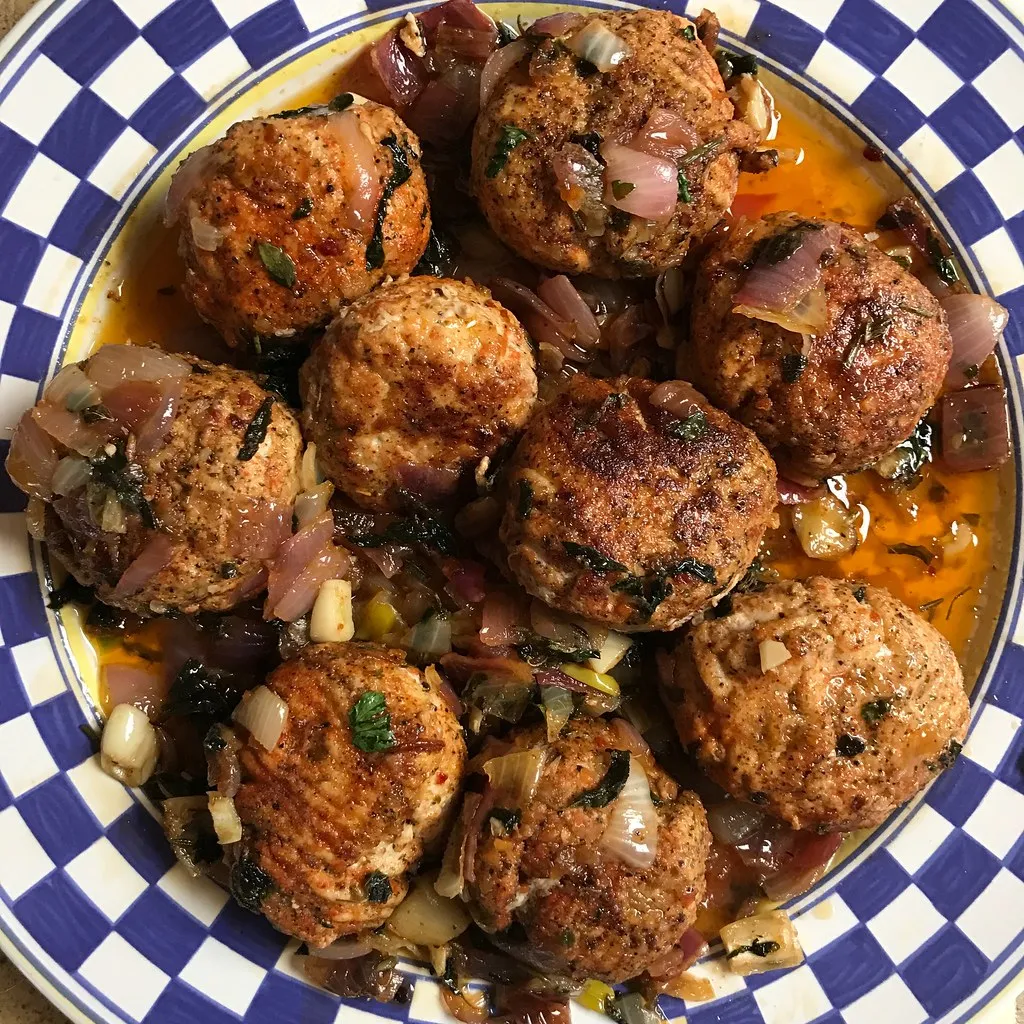
A pot on low heat for three hours was not laziness. It was deliberate. Collagen-rich cuts, tough root vegetables, and dried legumes all require extended heat to transform into something digestible, flavorful, and nutritionally accessible.
Research has assessed the effect of different cooking techniques, including traditional procedures versus lighter methods, on the quantitative nutritional components of dishes in order to control nutrient loss. Slow, gentle cooking, especially of protein-rich foods, preserves more structural nutrients than high-heat methods while making proteins easier to digest.
The long braise also allows fat-soluble nutrients to move into the cooking liquid, making the whole dish, not just the meat, nutritionally dense. That is something flash cooking simply cannot replicate.
10. Cooking at Home Rather Than Relying on Prepared Foods
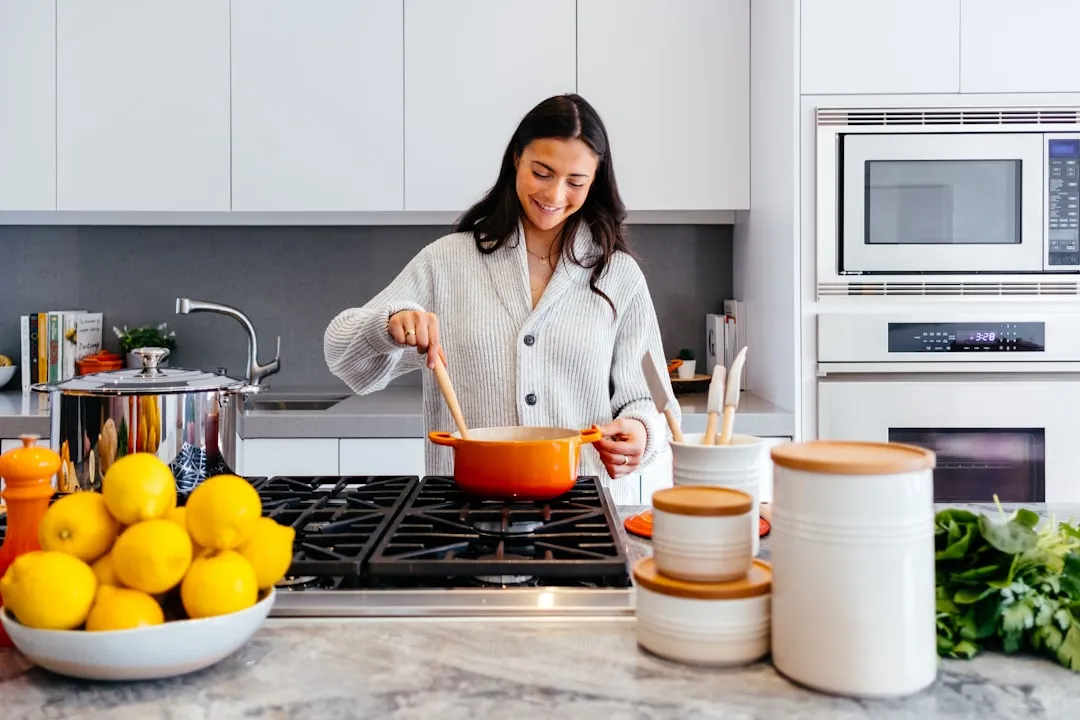
Today, when it comes to buying and preparing food, we enjoy many more conveniences than our grandmothers ever did. Things we take for granted, like twenty-four-hour supermarkets, did not exist back then. Grandmothers cooked from scratch not because they had a wellness philosophy, but because prepared alternatives barely existed. The result was that nearly every meal was made from real, whole ingredients.
When it comes to diet, the focus should be on incorporating more of the foods often missing from the diet, such as fiber-rich fruits, healthy vegetables, and whole grains, rather than removing things. Home cooking is the most reliable way to do exactly that, because you control what goes in and what stays out.
Grandmother- and chef-approved cooking tips prove that some of the best advice is passed down through generations and never goes out of style. Home cooking is still the single most consistent predictor of a healthier dietary pattern, across nearly every population studied.
The Quiet Wisdom in the Old Kitchen
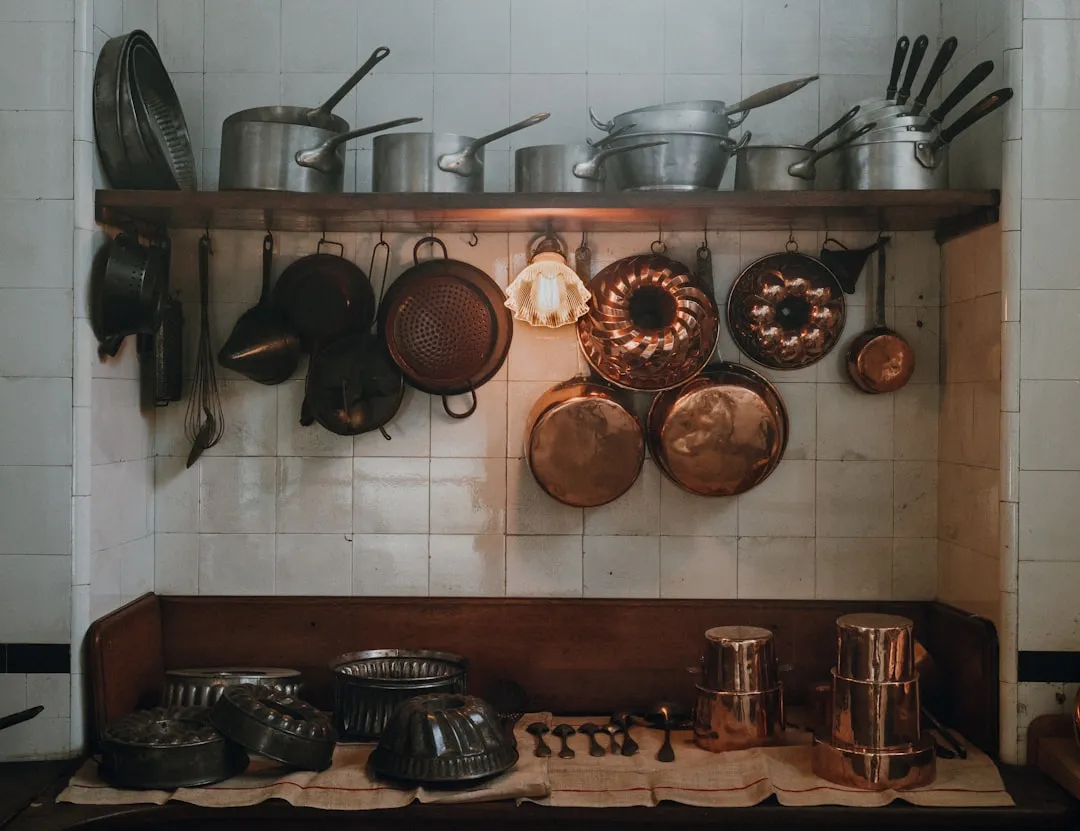
None of these techniques required a nutrition degree. They were learned by watching, by repetition, by the practical logic of stretching limited ingredients as far as they could go. The fact that science has since confirmed so many of them shouldn’t be surprising, because food traditions that endured across generations tended to endure for good reason.
What’s changed is that we now have the language to explain the mechanism. The phytic acid reductions, the lectin deactivation, the microbiome support. But the technique itself, the overnight soak, the long simmer, the seasonal rotation, was already there.
The most useful thing modern nutrition may have done is simply point back at what grandmothers were already doing and say: yes, that works.
AI Disclaimer: This article was created with the assistance of AI tools and reviewed by a human editor.