

The Science Behind Referred Pain
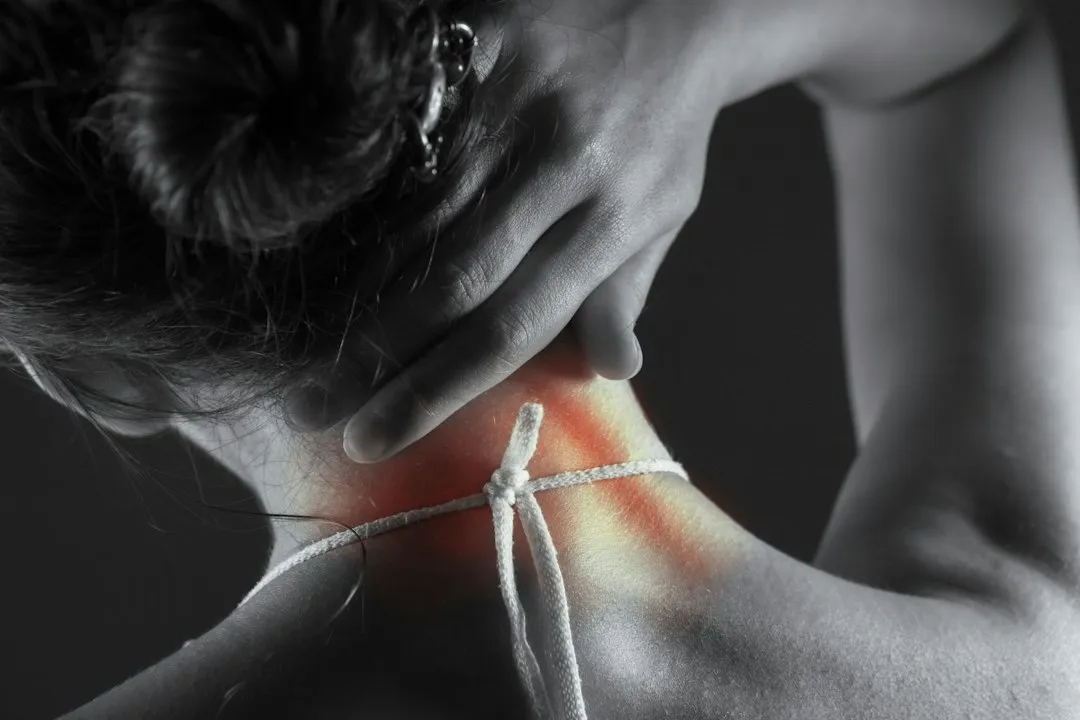
Referred pain occurs because the vagus nerve carries signals from both the heart and jaw to the same area of the brain, causing cardiac events to manifest as jaw discomfort rather than chest pain. The brain, in other words, cannot always tell which organ is sending the distress signal.
Connections between thoracic and cervical dermatomes (from C2 to T1 roots) and between the cervical dermatomes and the trigeminal nerve are considered the cause of referred jaw pain of cardiac origin. This shared wiring is well-documented in medical literature, even if it remains little-known to the general public.
The heart and the lower jaw share common nerve pathways leading back to the spinal cord. When the heart muscle is short on oxygen, the brain can confuse where the pain signal is coming from, interpreting heart distress as discomfort in the lower jaw, teeth, or neck. This is known as referred pain.
How Common Is Cardiac Jaw Pain, Really?

It has been reported that approximately 40% of patients with myocardial ischemia experience some form of oral and facial pain, such as jaw or throat pain, and about 4% of myocardial infarction patients present with oral and facial pain as their only symptom. Those numbers deserve a second read.
Craniofacial pain symptoms mixed with classic cardiac symptoms are found in about 40% of female patients. In about 6% of cardiac patients, craniofacial pain symptoms are the sole complaints. That second group – those with jaw pain as their only signal – face the greatest risk of being misdiagnosed.
The findings of a systematic review indicate that craniofacial pain does occasionally present as the sole symptom of cardiac insufficiency, with an estimated incidence of approximately 6% reported by two studies of moderate and strong methodological quality.
Women Experience This Differently

According to a study on heart attack symptom presentation published in the American Heart Journal, 9.2% of women reported jaw pain during a heart attack. In contrast, only 5.5% of men said they experienced the same. That gap is meaningful in a clinical setting.
Women are 50% more likely than men to experience atypical heart attack symptoms like jaw pain, while adults over 65 and diabetics may have silent heart attacks with only jaw or neck discomfort.
According to the American Heart Association, women are more likely than men to experience heart attack symptoms that do not include prominent chest pressure, and may instead notice jaw or neck aching, unusual fatigue, nausea, or shortness of breath. For women especially, jaw pain should never be dismissed without consideration of the heart.
What Cardiac Jaw Pain Actually Feels Like
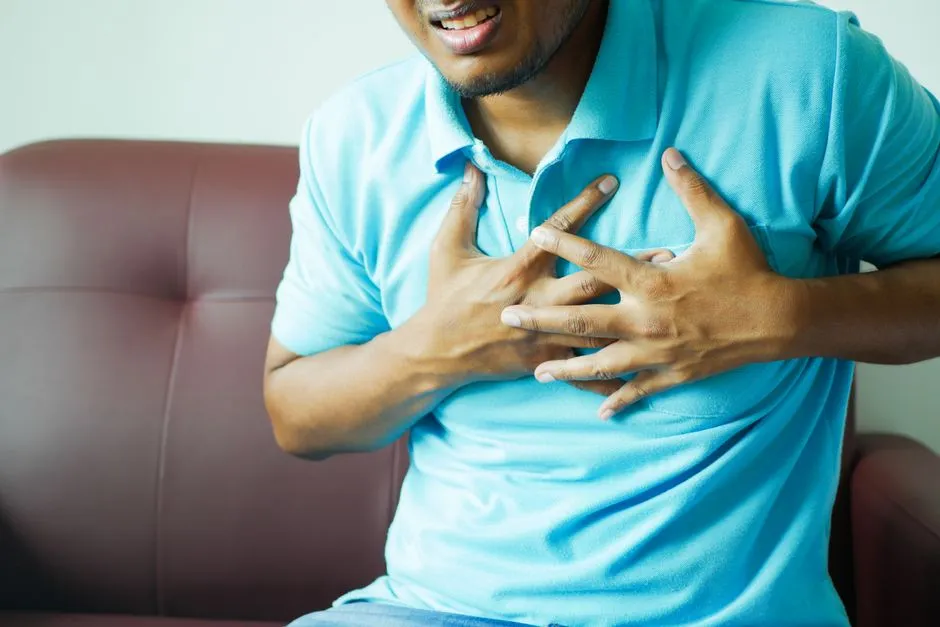
Pain of cardiac origin is pressure-like and burning in nature, while odontogenic pain is described as pulsatile and sharp, with no sex differences. That distinction in texture matters when someone is trying to understand what they’re experiencing.
Cardiac jaw pain is diffuse, hard to pinpoint, often described as a deep ache or pressure, and usually appears alongside other symptoms like chest pressure, shortness of breath, nausea, or sweating. Trying to locate the exact tooth that hurts? That specificity tends to point away from the heart.
The study with the strongest methodology reported that 6% of patients with pain of cardiac origin had jaw or face pain as their only symptom, but all of these patients except one described the pain as “pressure” or “burning.” The quality of the pain, not just its location, carries important diagnostic information.
How It Differs From a Toothache or TMJ

Dental pain worsens with chewing, biting, or hot and cold temperatures, while cardiac jaw pain ignores all three. A toothache travels alone, while cardiac jaw pain often arrives with shortness of breath, a cold sweat, or nausea. Dental pain stays fairly constant once it starts, while cardiac jaw pain can ease with rest and escalate with activity.
TMJ pain is usually sharp, highly localized to the joint itself, and almost always triggered by the mechanical action of chewing or wide yawning. Cardiac jaw pain, by contrast, tends to be unresponsive to jaw movement entirely.
Pain triggered by chewing or local pressure is more likely to be dental or musculoskeletal, whereas pain linked to exertion or stress is more likely to require cardiac assessment. That single distinction – does it worsen with physical effort? – can be a practical starting question.
When Jaw Pain Is the Only Symptom

While jaw pain more commonly accompanies chest discomfort, diaphoresis, or arm pain, it can occasionally be the only or predominant symptom, especially in women, diabetic patients, and older adults.
Isolated craniofacial pain of cardiac origin may lead patients to seek dental care or visit orofacial pain clinics. Orofacial pain as referred pain caused by acute coronary syndrome is usually related to decreased blood flow to the heart muscle, which can radiate to the neck, jaw, and face.
A documented case involved a 60-year-old male patient with unexplained isolated bilateral jaw pain that had persisted for five years, referred initially to a dentist who suspected temporomandibular joint disorder. He was eventually referred to a cardiologist because his pain was induced by physical activity. Five years is a long time to mistake a heart problem for a jaw problem.
The Awareness Gap Is Significant
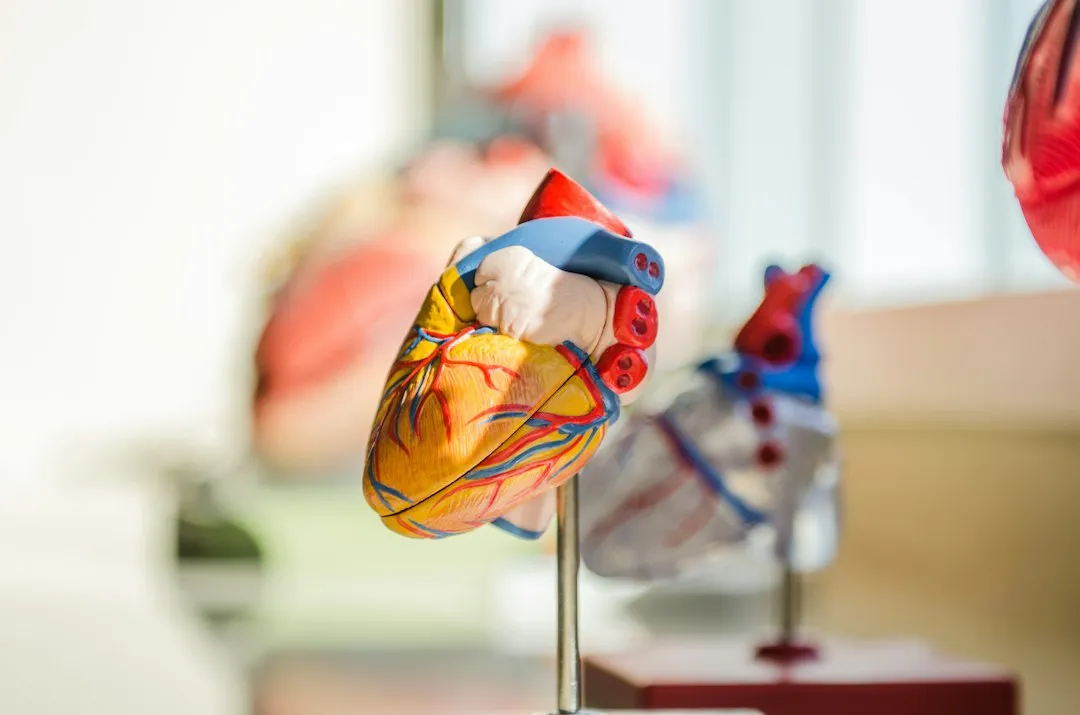
Jaw pain, along with neck and back pain, is among the least recognized heart attack symptoms, with only about 26% to 72% of people correctly identifying it as a cardiac warning sign. That range alone reflects how inconsistently this information reaches people.
Slightly more than one-fourth of respondents in one study were aware of heart attack symptoms like pain and discomfort in the jaw, neck, or back, while 71.65% showed awareness only of chest pain or discomfort as symptoms.
Less than half of the patients in another study described atypical symptoms, such as heartburn and jaw pain. Only 60% of people across all surveyed cities recognized chest pain or discomfort as a sign of acute myocardial infarction. If awareness of the classic symptom is that incomplete, atypical symptoms like jaw pain are even more likely to be missed.
The Role of Exertion in Identifying Cardiac Pain
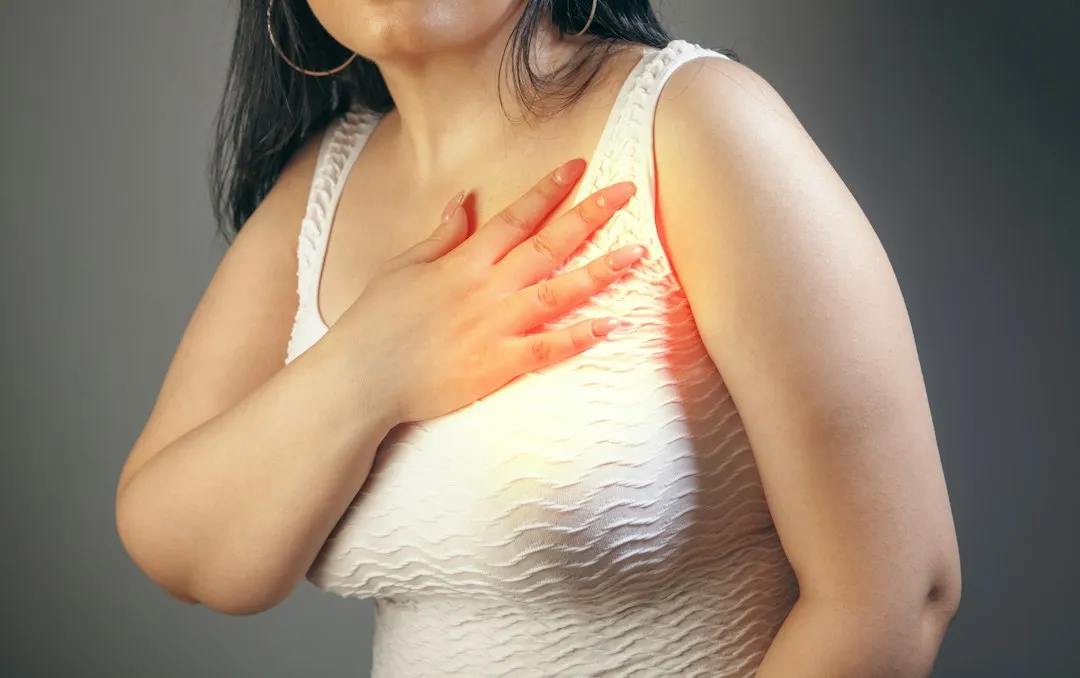
Jaw pain combined with exertional breathlessness is more likely to be cardiac than isolated jaw discomfort, because it reflects the heart struggling to meet increased demand. This pattern, pain that wakes up during activity and settles with rest, is one of the more reliable signals.
Dental pain stays fairly constant once it starts, while cardiac jaw pain can ease with rest and escalate with activity. Noticing that pattern during a brisk walk or while climbing stairs is not something to push aside.
The pain generated in cardiac-related cases is of short duration and is alleviated by rest, likely the result of cardiac ischemia. That brief, exertion-linked pattern is clinically meaningful, and worth mentioning to a physician.
How Emergency Rooms Evaluate It

Emergency room evaluation uses troponin blood tests, which become elevated within 3 to 6 hours, along with 12-lead EKGs and echocardiograms to distinguish a heart attack from TMJ disorders or dental problems. These are straightforward tools – but only if someone comes through the door in the first place.
Patients should go to the ER for jaw pain that accompanies any cardiac symptoms such as chest pressure, shortness of breath, sweating, or nausea, jaw pain that started with exertion, or jaw pain in someone with significant cardiac risk factors.
Recent dental work makes muscle and inflammatory pain very likely, but it does not rule out a separate cardiac event. If pain comes with chest pressure, shortness of breath, sweating, or other cardiac symptoms, a person should get evaluated regardless of recent dental procedures.
Why Dentists Are Often the First to Encounter This
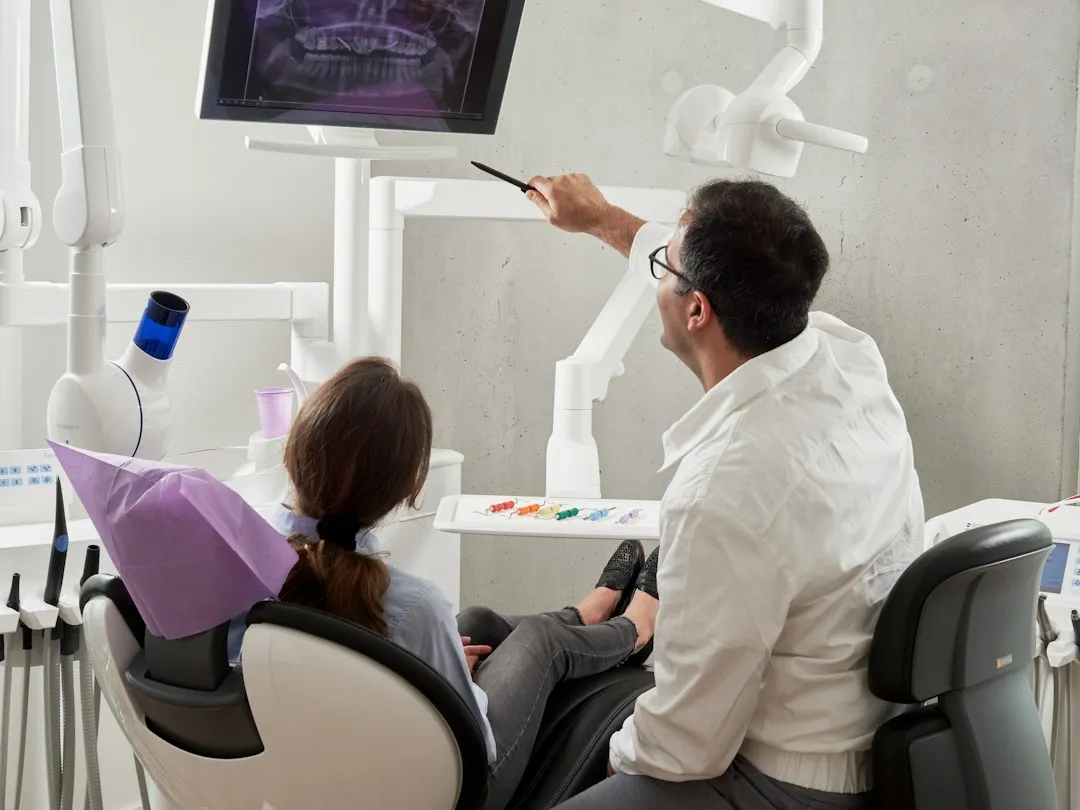
Patients with orofacial pain referred from cardiac ischemia are likely to seek dental or otolaryngological treatment. The suspicion or diagnosis of orofacial pain of cardiac origin by dentists has been uncommonly reported. However, cardiac diseases can cause referred pain in the orofacial region via the vagus nerve, and if not accurately diagnosed, may result in worsening the patient’s pain condition.
In one documented case, a dentist diagnosed a temporomandibular joint problem but wisely referred the patient for a cardiac evaluation since the patient’s pain started first in the chest, and there was a past medical history of surgical management for coronary artery disease. That kind of clinical intuition can be lifesaving.
Persistent jaw pain despite treatment for TMJ should prompt reconsideration of the diagnosis rather than an assumption that the jaw joint is necessarily responsible. Dental and medical professionals who keep this in mind provide a genuine safety net for their patients.
The Takeaway
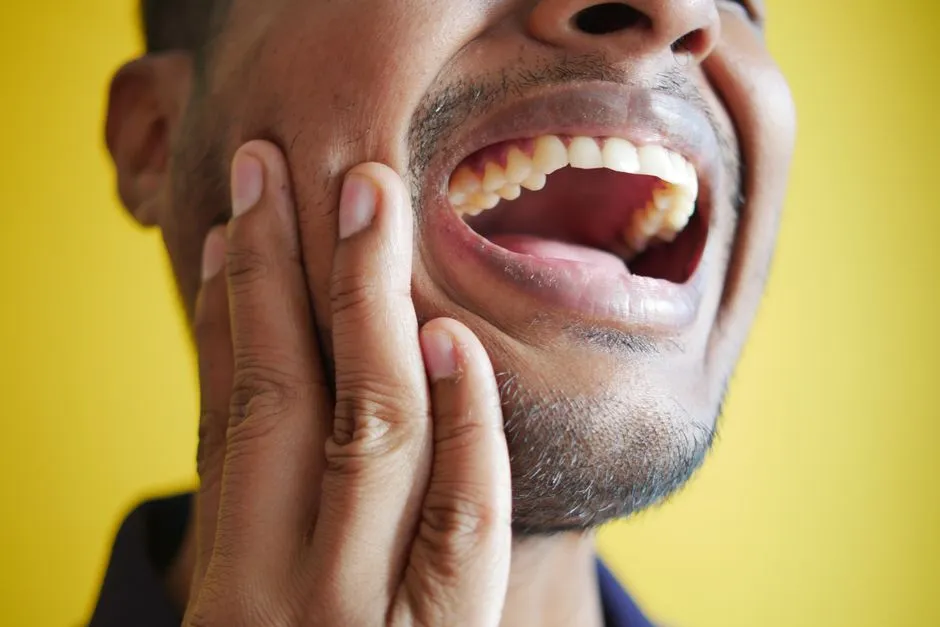
Jaw pain is common, and the vast majority of the time it does trace back to a dental or muscular cause. That’s important to keep in perspective. Not all jaw pain is related to the heart. Dental problems, temporomandibular joint disorders, sinus issues, and muscle strain are much more common causes.
Still, the overlap between cardiac and dental pain is real, documented, and too frequently missed. Up to 1 in 5 heart attack patients experience pain in unusual places, most commonly the jaw, neck, throat, or upper back, without feeling heavy pressure in the chest. That is not a negligible number.
The practical lesson is this: if jaw pain arrives suddenly, feels like pressure rather than a throb, doesn’t respond to chewing or temperature, eases with rest, or travels alongside shortness of breath or nausea, a new, unexplained ache in the jaw paired with any of those symptoms is a medical emergency. When in doubt, err toward the ER – not the dental chair.
AI Disclaimer: This article was created with the assistance of AI tools and reviewed by a human editor.