
Prescription Medications and Insulin
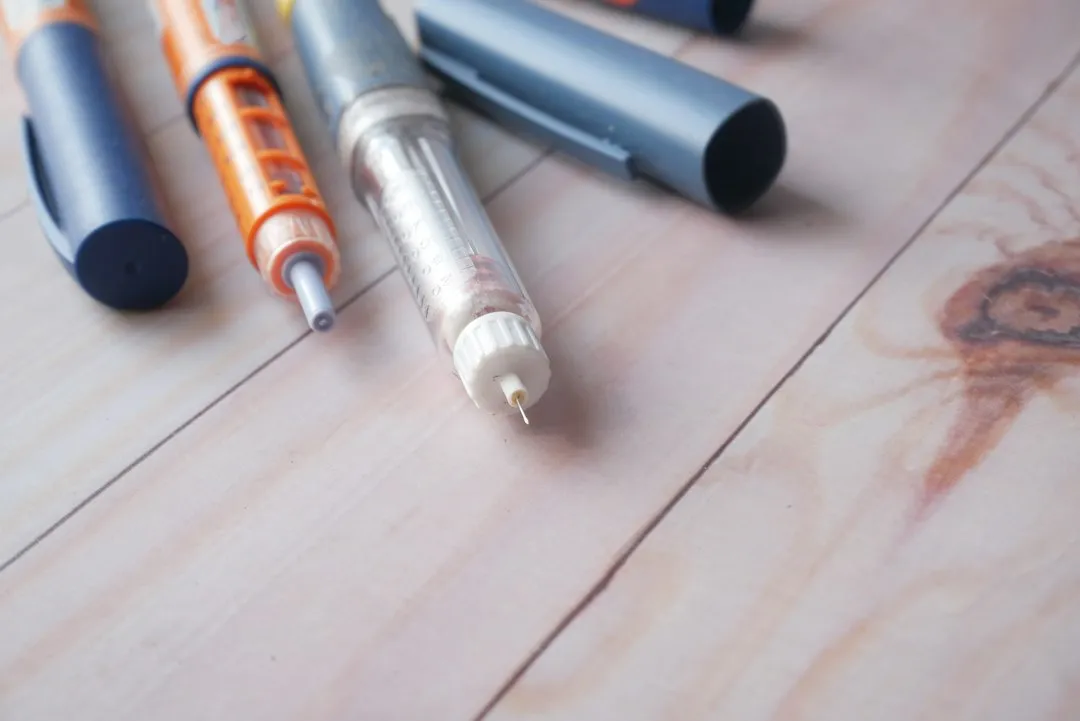
This one carries real stakes. Some medications are genuinely sensitive to temperature changes, and freezing can change the texture, stability, or effectiveness of certain medicines. Liquid drugs are particularly risky. Liquid medications like insulin or children’s antibiotics can crystallize or separate, which renders them useless or even dangerous.
Baystate Health states that most medicines should be stored at room temperature between 59 and 77 degrees Fahrenheit. When some medicines are left in a cold car they can freeze, which can make them unstable. Experts add there is no way to know if frozen medication is still good when it thaws out, so it’s best to get it replaced.
Many medications including insulin, thyroid medications, and some antibiotics can lose potency if frozen. For anyone who depends on these drugs daily, that’s not a risk worth taking for the sake of a cold walk back to the car.
Smartphones, Laptops, and Tablets
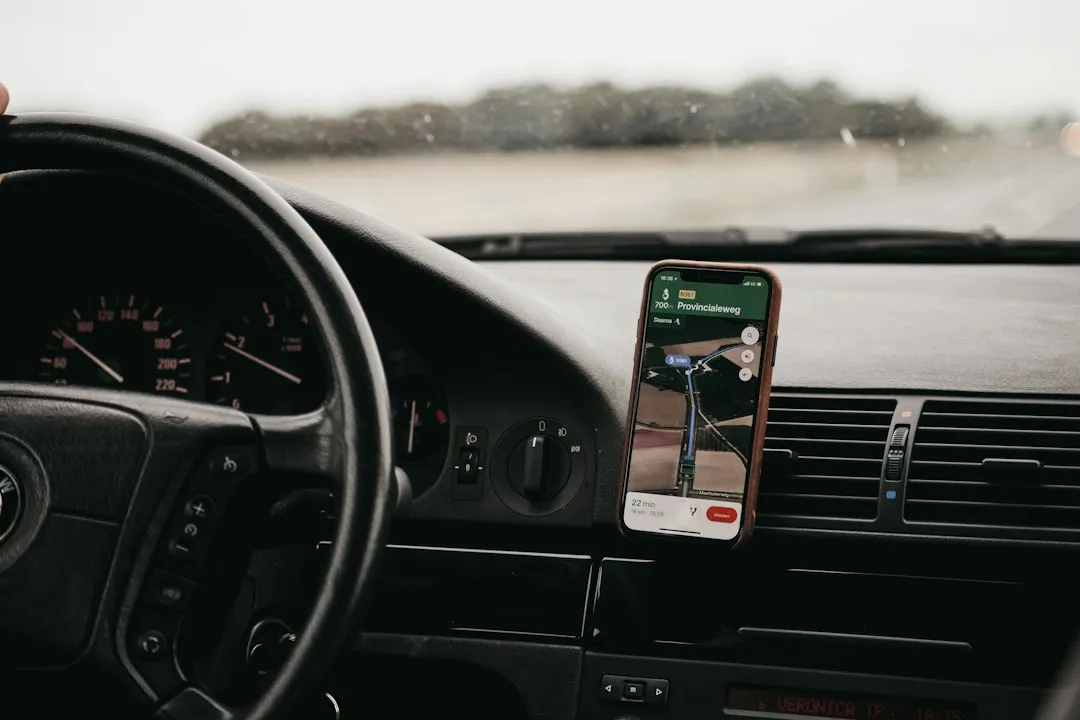
Consumer electronics including phones, laptops, and tablets are especially vulnerable. Lithium-ion batteries can lose capacity, shut down, or become permanently damaged when left in extreme cold. The damage isn’t always immediately visible, which makes it easy to underestimate.
Apple, for example, recommends ideal operating temperatures between 32 and 95 degrees Fahrenheit. Temperatures near 20 degrees can cause the device to power off or the screen to crack more easily. That’s a narrow margin when overnight winter lows often dip well below that threshold in much of the country.
Repeated freezing and thawing can cause condensation inside the unit, shortening its lifespan and potentially voiding your warranty. Bring your devices inside. The few seconds it takes is well worth it.
Canned Sodas, Beer, and Bottled Beverages
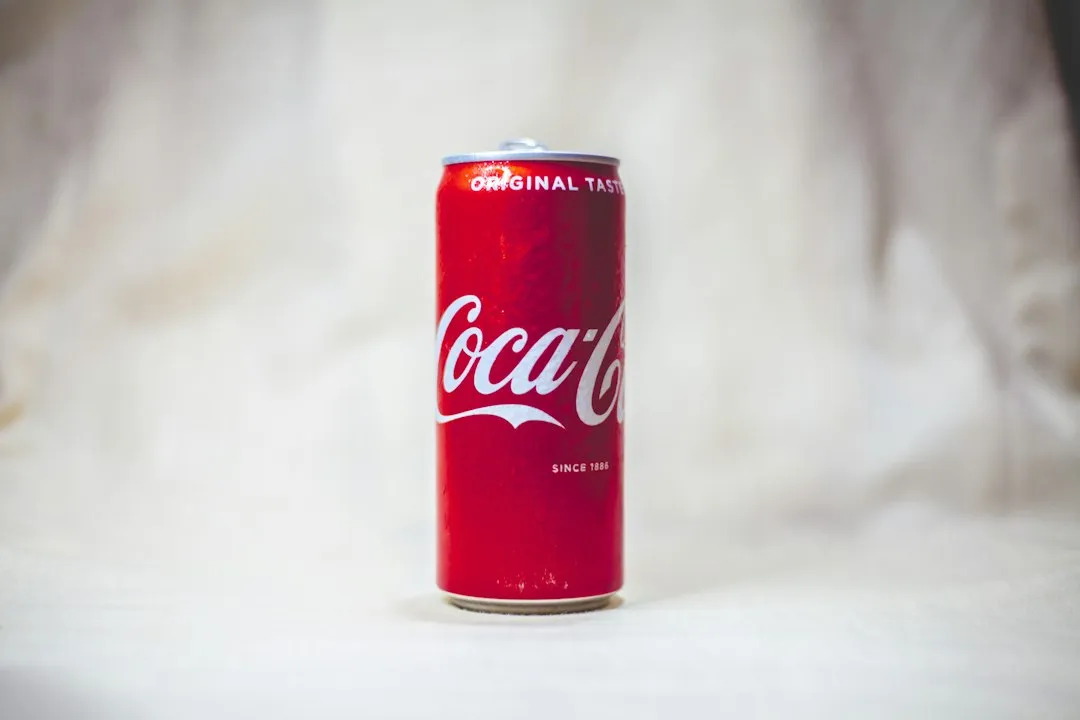
Water and diet soda freeze at 32 degrees Fahrenheit. Regular sodas with sugar freeze at about 30 degrees Fahrenheit. That’s a threshold many winter nights cross without much drama on the thermometer. The expansion that follows is the problem.
Such expansion puts pressure on the pockets of carbon dioxide in the can, which can reach extreme levels that can make it pop at any moment. When the cans can no longer handle the internal pressure of their frozen contents, they can literally explode. Aside from creating a messy explosion that may stain the seats, upholstery, and the trunk, there is the danger of the can’s sharp edges causing injuries.
Bottled drinks left inside cars may not only freeze solid but can also shatter if the liquid expands. Glass bottles of wine or kombucha are especially prone to this. A shattered bottle in a car interior is a genuinely unpleasant morning discovery.
Canned Goods and Glass Jars

Nearly all canned vegetables and fruits are packed in water, which makes it just as risky to leave canned corn in a cold car as bottled water. Even if the can remains intact, the seals could break, allowing bacteria to get into the can and spoil the food.
Nonliquid canned goods are less prone to explosion, but be careful of any food that freezes in a car. The USDA advises thawing it in a refrigerator and throwing it away if it looks or smells in any way abnormal. If a canned good has burst, wrap it in a plastic bag and immediately discard it where no one, including animals, can get it.
Glass jars with pickles, salsa, or salad dressing are just as vulnerable. A broken seal allows bacteria to enter, spoiling the food and creating a risk of foodborne illness. Even if the can doesn’t burst, freezing can alter the food’s texture, turning crisp vegetables into mush.
Musical Instruments

Wooden instruments like violins, guitars, and cellos are especially prone to damage when exposed to freezing temperatures. The wood expands and contracts as the temperature shifts, which results in cracks or warped necks. Even brass and wind instruments suffer from cold air condensing inside.
Instruments can be damaged or destroyed if left in cold vehicles, Yamaha Music USA warns. Wooden instruments in particular are likely to crack or warp, while parts of string instruments can shrink, crack, or shift position.
Once an instrument has been damaged by freezing weather, it can be costly and sometimes impossible to repair. For anyone who plays seriously, even a single night in a below-freezing car can cause permanent, irreversible harm to an instrument worth hundreds or thousands of dollars.
Aerosol Cans

Many people think of aerosol cans as fairly indestructible, but these containers for hairspray, spray paint, antiperspirant, lubricants, and other household products all come with temperature recommendations. Exposure to freezing temperatures can cause aerosol cans to crack and possibly explode, causing damage to the interior of your car, and possibly breaking windows. Aerosol cans are ideally stored at temperatures between 45 and 65 degrees Fahrenheit.
Aerosol cans such as deodorant, hairspray, and tire inflators are particularly risky. While they are more likely to rupture in extreme heat, some formulations can still be damaged or lose pressure when frozen. Either way, leaving them overnight is a gamble that has no real upside.
Water-Based and Latex Paint
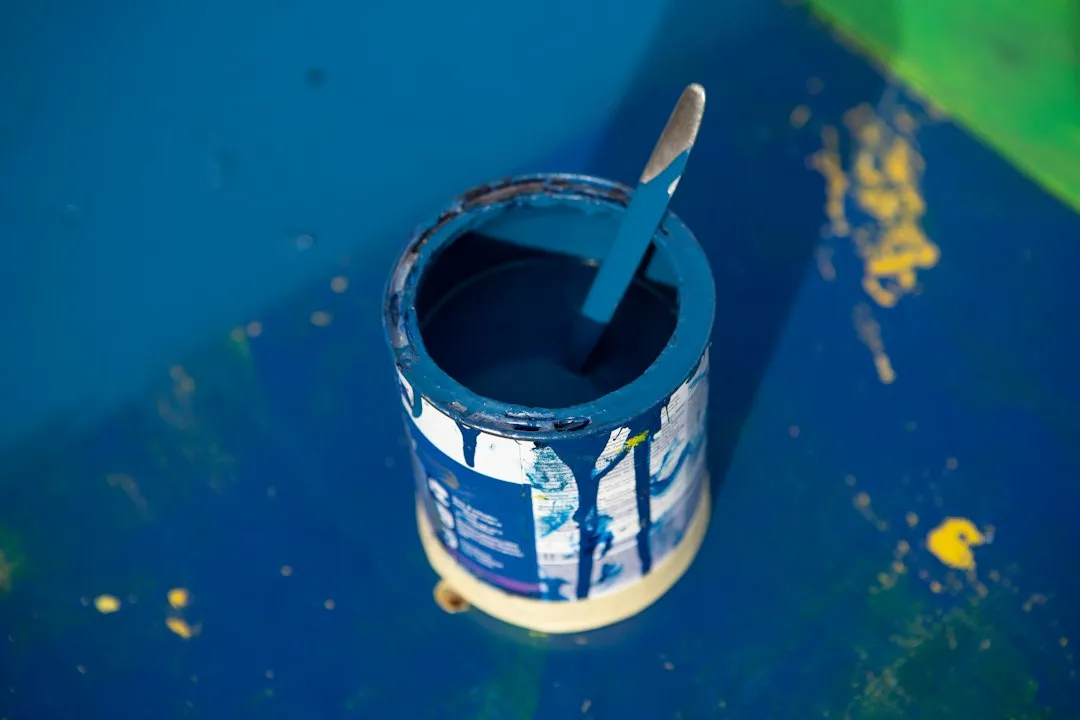
Water-based and latex paints should never be left in freezing temperatures because the ingredients in the paint can freeze, expand, separate, and clump, rendering the paint virtually unusable for your next decorating project. Once paint has frozen and thawed, it often can’t be restored to its original consistency, no matter how much you stir it.
Household liquids, from makeup to cleaning sprays, often have water-based formulas that expand when frozen. That can cause containers to burst, leak, or separate. The same principle applies to paint, just on a larger and messier scale. A forgotten can of wall paint left overnight in January is almost certainly ruined by morning.
Eyeglasses

Metal frames can contract, which causes misalignment, while plastic ones may become brittle and prone to cracking. Lens coatings like anti-glare or UV protection can also degrade in freezing conditions, leaving you squinting or scratching your lenses the next time you clean them.
Eyeglasses can be an expensive and important investment for those who need them. It’s important to keep glasses in a protected, appropriate space during extreme cold. Leaving eyeglasses in a cold car can cause the lenses to crack or become brittle, according to Web Eye Care. For prescription wearers, that’s not just a financial inconvenience – it’s a real problem the next morning.
Wireless Headphones and Earbuds

The lithium-ion batteries in wireless headphones will drain a lot faster in the cold, so don’t expect them to fire up if you’ve left them in the car overnight. With wired headphones, cold temperatures can cause plastic insulation and rubber cables to become brittle and fragile. Solder points inside headphone jacks or USB connectors can break.
As with other electronics, moisture condensation is a problem for headphones, too. Cold weather can cause audio quality issues as well. Premium earbuds and noise-canceling headphones represent a real investment, and the cold is not kind to any part of their construction, from the battery to the cable to the driver housing.
Pets
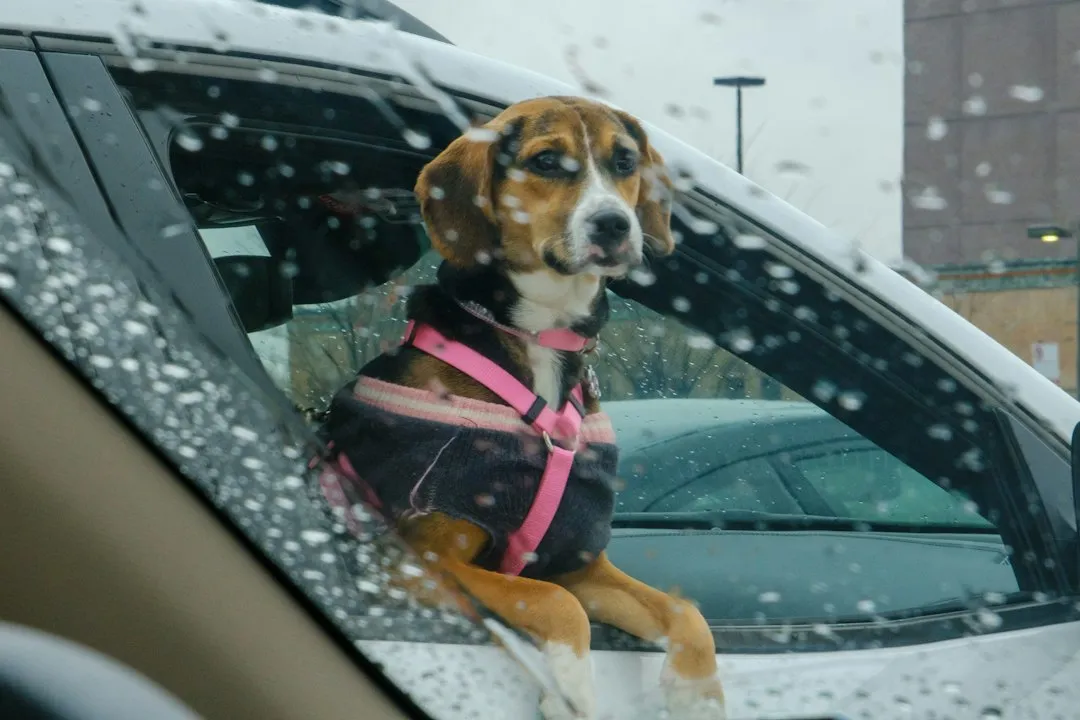
The American Kennel Club (AKC) says it’s dangerous to assume that your pet’s fur will be enough to protect them from extreme cold. If pets are left alone in a cold car for too long, they can develop hypothermia. This applies to dogs, cats, and any other animal that someone might think is temporarily “fine” while they run a quick errand.
No pet should be left in a vehicle during freezing weather. Hypothermia can set in within minutes. Smaller animals and short-haired breeds are especially vulnerable, though no pet is truly safe in a car that’s functioning as a cold trap on a winter night. This is one item on this list where the consequences aren’t a mess or a broken device – they’re far more serious.
A Habit Worth Building This Winter
AI Disclaimer: This article was created with the assistance of AI tools and reviewed by a human editor.