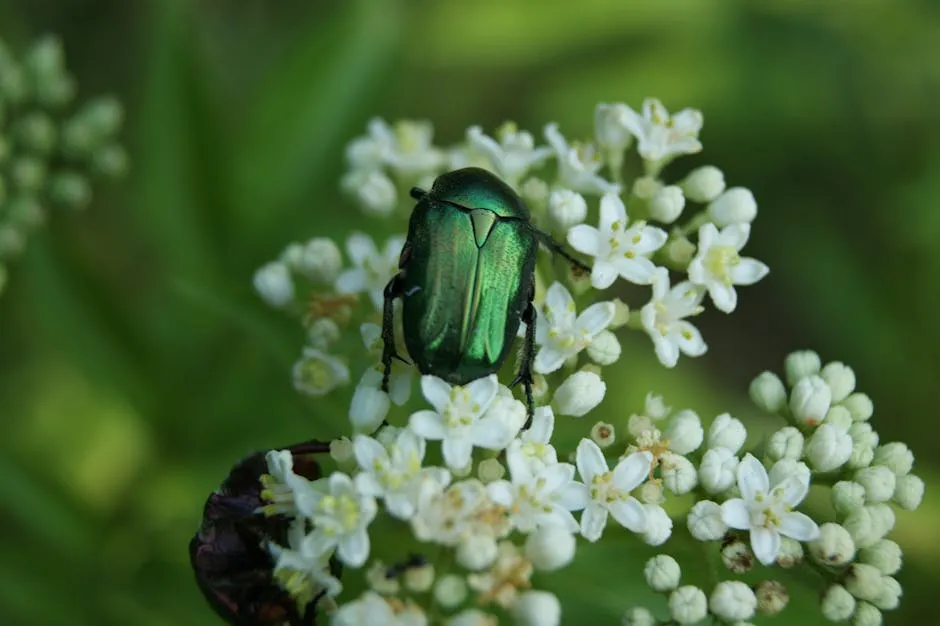

Something is quietly killing the Midwest’s ash trees. The culprit is small enough to fit on a fingernail, brilliant green in color, and so stealthy that most infested trees don’t show obvious symptoms for years. By the time homeowners notice something is wrong, the damage beneath the bark has often been going on for a very long time.
The emerald ash borer has reshaped forests, city streets, and riparian corridors across the country since it was first identified in 2002. Understanding what it is, how it spreads, and what to look for could make the difference between saving a tree and losing it entirely.
What Exactly Is the Emerald Ash Borer?
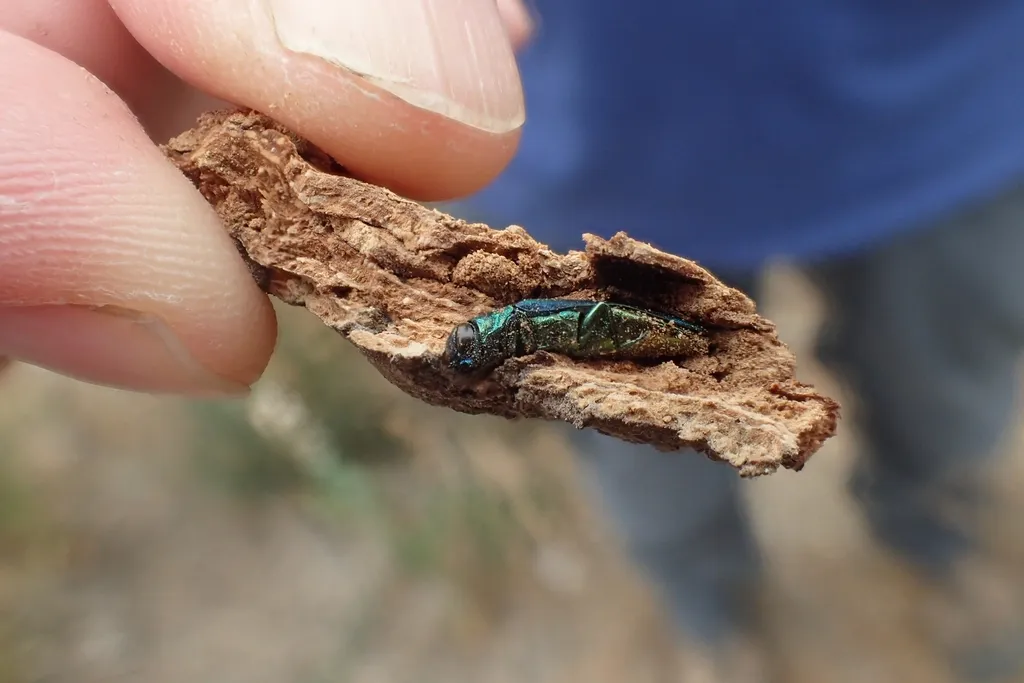
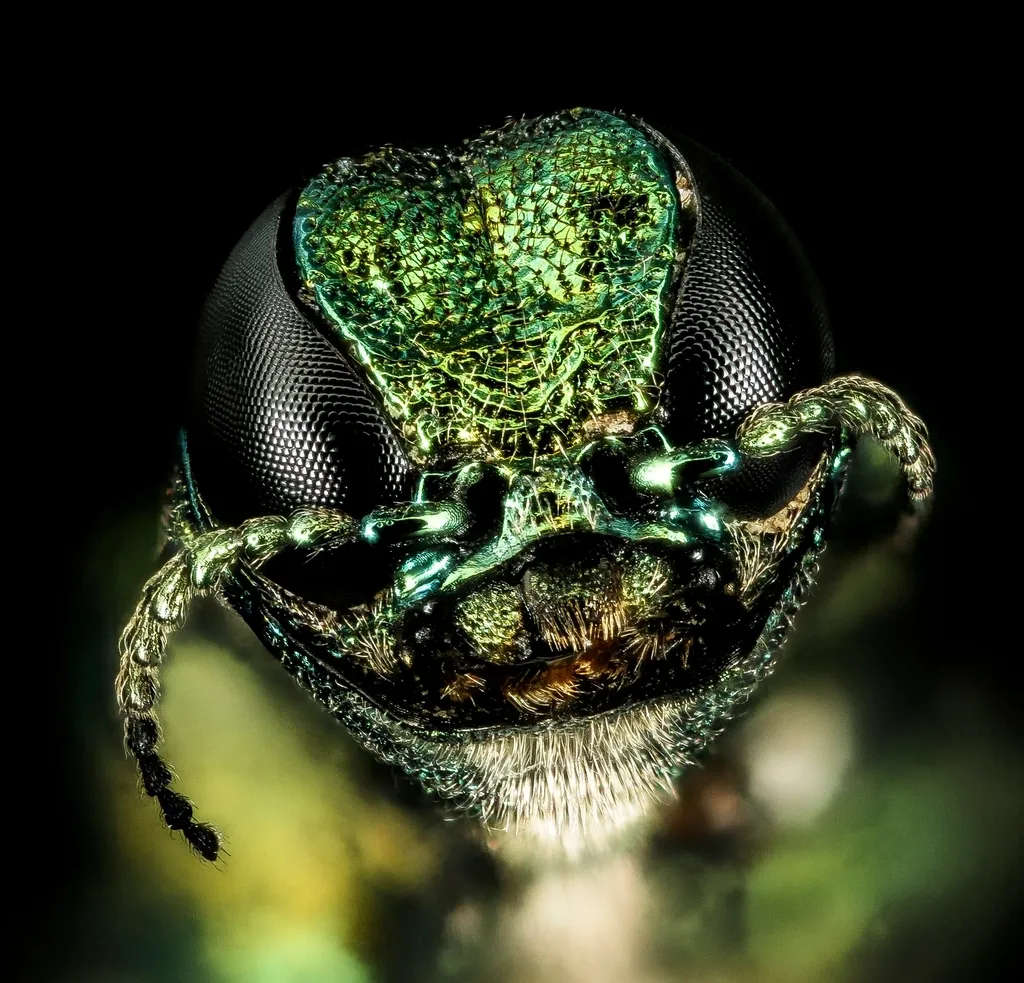
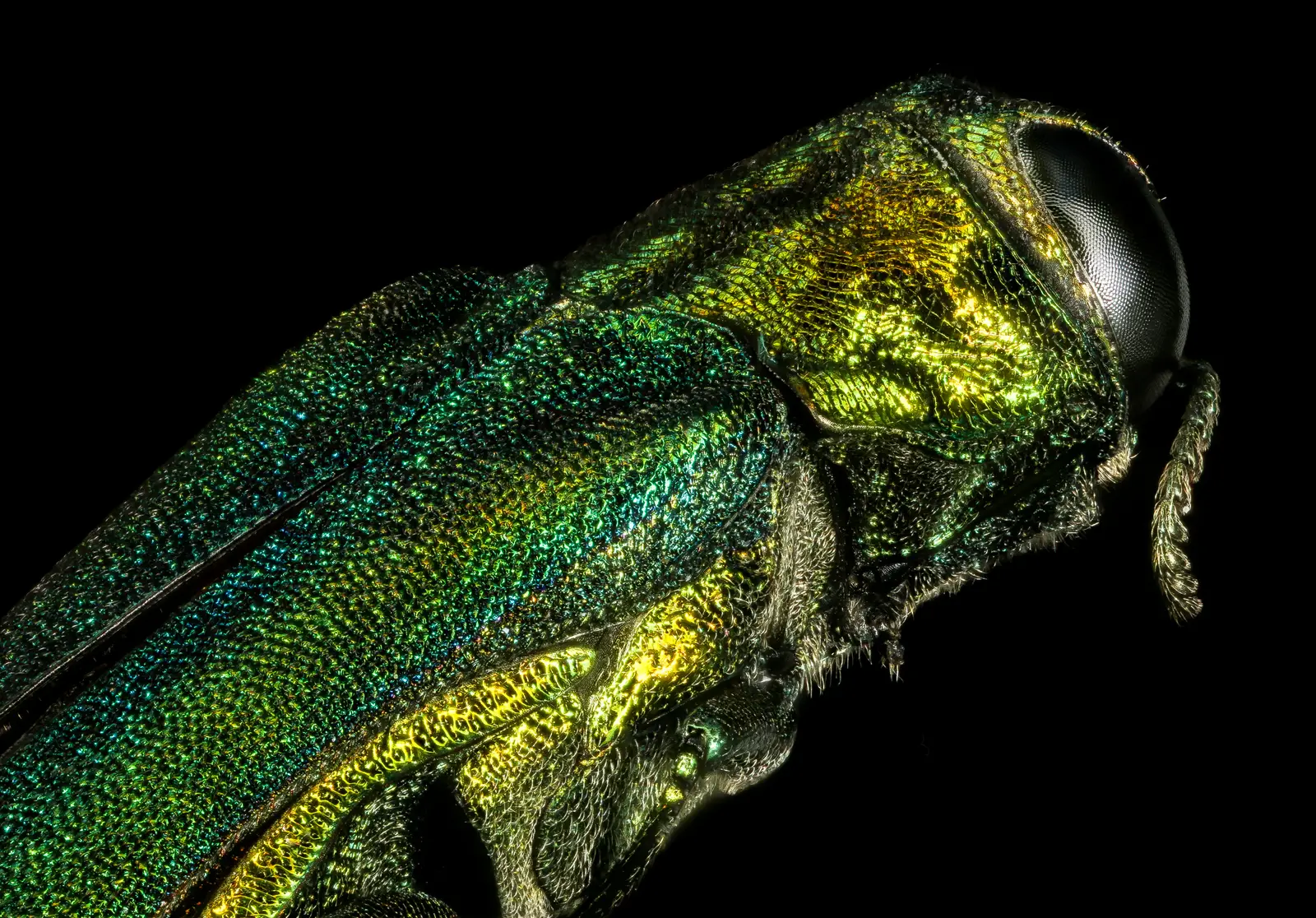
Native to Asia, the emerald ash borer is an exotic beetle that was unknown in North America until June 2002, when it was discovered as the cause for the decline of many ash trees in southeast Michigan and neighboring Windsor, Ontario, Canada. The emerald ash borer (Agrilus planipennis) is a deceptively attractive metallic-green adult beetle with a red abdomen. Adult beetles are metallic green and about the size of one grain of cooked rice, roughly three-eighths to one-half inch long and one-sixteenth inch wide.
Researchers believe the emerald ash borer likely arrived in the U.S. on imported wood packaging material from Asia sometime in the 1990s. Scientists believe the insect had been present in Michigan since the early to mid-1990s. That means it was already established and spreading for nearly a decade before anyone in North America even knew it existed.
How Far Has It Spread?
As of the most recent confirmed data from USDA APHIS, EAB infestations have been detected in 38 states and the District of Columbia. In the two decades following its discovery, the emerald ash borer spread rapidly in all directions, infesting much of the Midwest and East Coast. The invasive beetle has spread south to Georgia and west to Colorado and Oregon.
The first detection of EAB in North Dakota and British Columbia came in 2024, with outbreaks emerging hundreds of miles from the nearest known location. These long-distance jumps indicate that infested wood continues to be moved despite state regulations, international regulations, and extensive outreach campaigns. In Minnesota alone, EAB has spread to 59 of the state’s 87 counties, including six new ones confirmed in 2025.
The Scale of Destruction
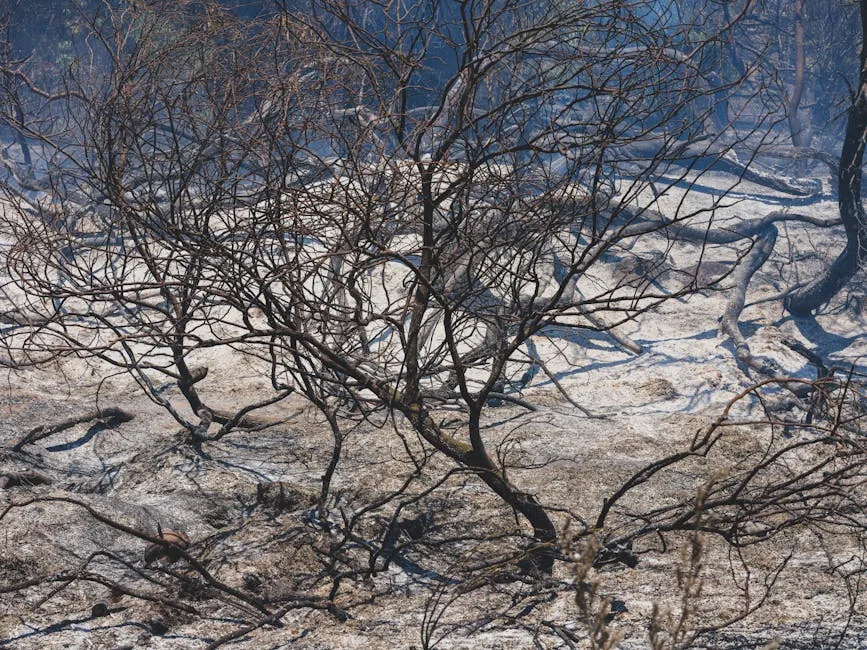
The emerald ash borer has killed hundreds of millions of ash trees in the Midwestern and Eastern United States since 2002. All of North America’s more than 8 billion ash trees are considered at risk from EAB. That number is staggering and puts the scale of the threat in sharp relief.
Before this invasive pest appeared on the scene, ash trees were particularly popular for residential developments, representing between roughly a fifth and two-fifths of planted trees in some Midwestern communities. The emerald ash borer has killed tens of millions of U.S. trees, with an estimated replacement cost of between $10 billion and $25 billion. Ash wood is also popular for lumber used in furniture, sports equipment, and paper, among many other products.
How the Beetle Kills a Tree
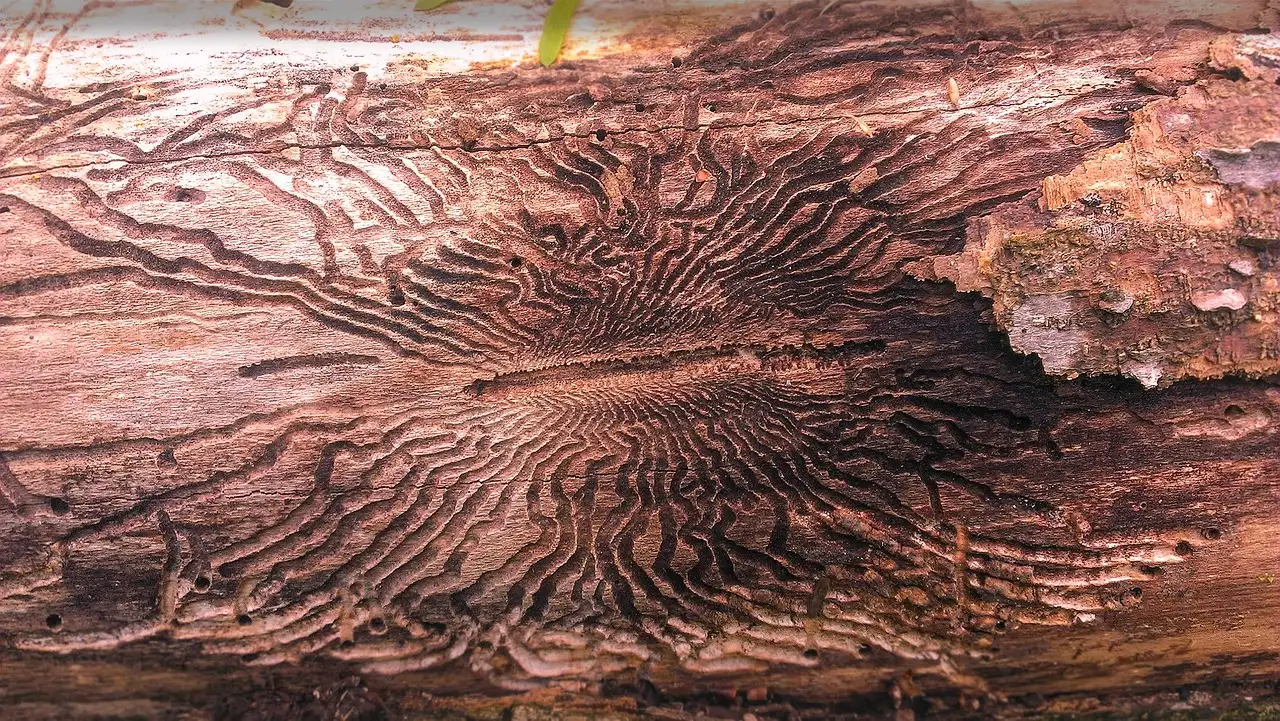
The insects lay eggs in the bark crevices of ash trees. When larvae hatch, they tunnel through the bark and feed on the inner layer of the tree. Their impact becomes apparent when the bark is peeled back, revealing dramatic feeding tracks. These channels damage the trees’ vascular tissue – the internal networks that transport water and nutrients – and ultimately kill the tree.
The timeline from initial infestation to death ranges from a single year in smaller trees to three to four years in large trees. EAB is difficult to detect early when pest populations are small because damage to the trees is hidden under the bark and tree decline is gradual. The beetle is also well-suited to the climate and is a good flyer.
Spotting the Warning Signs
Crown dieback is a result of larval feeding, which disrupts the flow of nutrients and water to the upper canopy. Trees typically show thinning of leaves at the top of the tree within one to three years of infestation, followed by individual branch and tree death. Other symptoms of an infestation may include dead branches near the top of ash trees, excessive branching on tree trunks, and vertical cracks in tree bark.
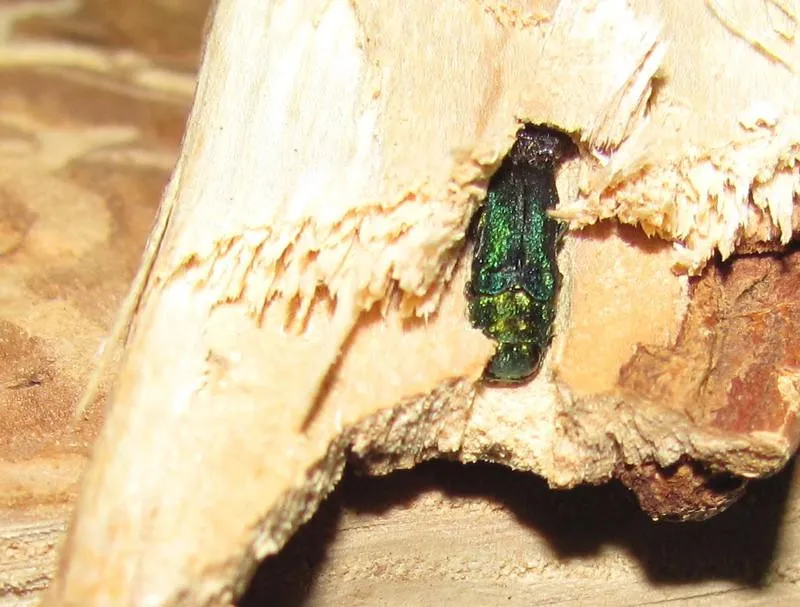
As adult emerald ash borers emerge from ash trees in June and July, they leave behind distinct D-shaped exit holes. These holes are approximately one-eighth of an inch wide and can be oriented in any direction. These D-shaped holes are a strong indicator of EAB. When trees are stressed or sick, they will also try to grow new branches and leaves wherever they still can. Trees may have new growth at the base of the tree and on the trunk, often just below where the larvae are feeding – a symptom known as epicormic sprouting.
The Woodpecker Clue
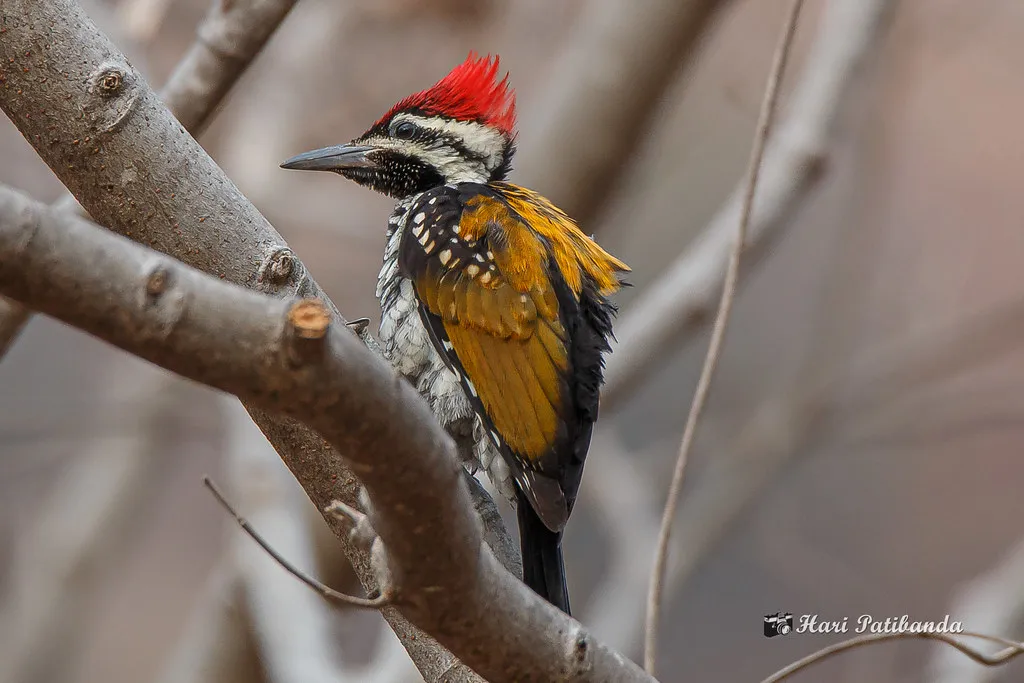
Woodpeckers pick away at the outer bark of infested trees in search of nutritious larvae beneath. This activity, sometimes called flecking, usually begins higher in the tree where EAB tends to attack first. Once a tree becomes heavily infested, flecking may be seen all the way down its trunk and branches.
The most telltale sign of significant infestation is sometimes called “blonding” – the clearly visible signs of woodpecker foraging activity on the bark of infected trees. Woodpeckers will attack just about any tree full of insect larvae, so while woodpecker activity can be an indicator of EAB, it does not by itself specifically confirm an EAB infestation. Always look for at least two signs together before drawing conclusions.
How EAB Spreads So Quickly
Female emerald ash borers can fly up to 12 miles per day for as long as six weeks after mating. The beetles are also difficult to trap and typically are not detected until they have been present for three to five years – too late for quarantines to work. Natural spread is significant, but human activity remains the bigger problem.
Within North America, the continued geographic spread of EAB has historically been aided by the movement of both nursery stock and firewood. Firewood has been implicated as the source of dozens of infestations and remains an ongoing problem. Infestations assumed or shown to be caused by firewood are often found in or near campgrounds and homes heated with wood. The practical takeaway is simple: never transport firewood from one region to another.
The Ecological Ripple Effects
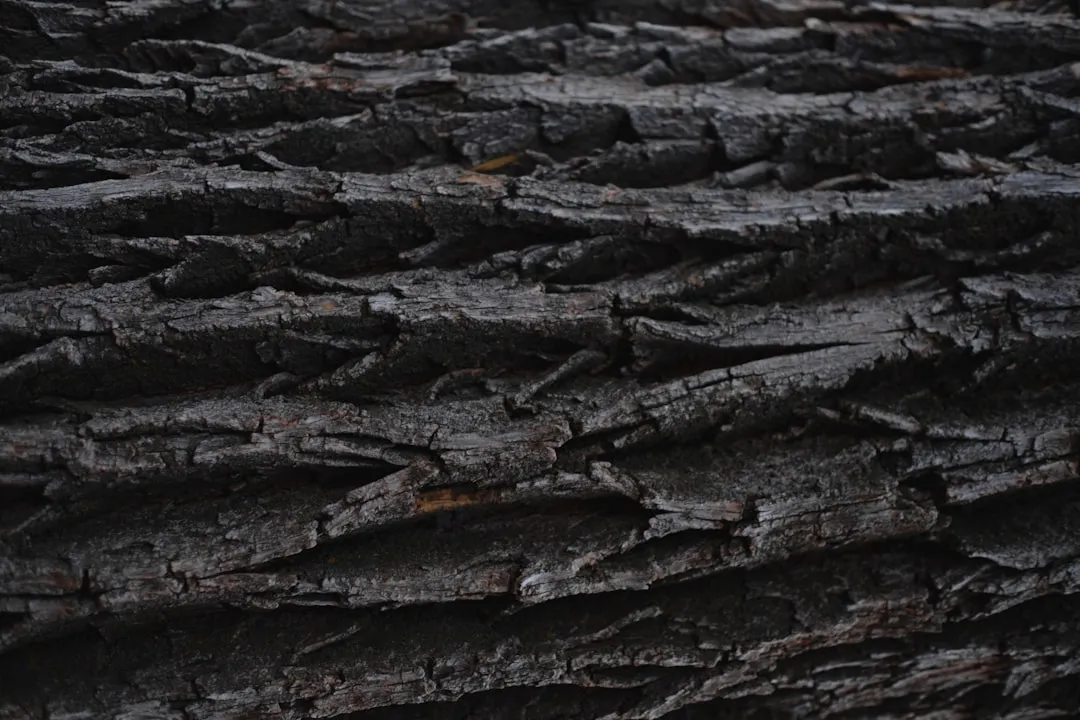
The creation of discrete canopy gaps due to overstory ash mortality may cause shifts in forest tree communities, increases in invasive plants, and changes in soil-dwelling arthropods. Native American tribes use ash, especially black ash, to make baskets because the wood splits easily into thin strips along the growth rings. Black ash is an important part of the history, culture, and tradition of numerous eastern and Midwestern tribes.
Ash provides important food and habitat resources along creeks and rivers where seasonally high water tables can exclude nearly all other tree species. Standing and fallen dead ash biomass can alter soil chemistry and affect rates of decomposition, nutrient, and water cycling. Gaps in tree canopy can also increase soil erosion, storm water runoff, and elevated stream temperatures. The loss of these trees is not just a forestry problem – it touches entire ecosystems.
What Treatments Are Available?
According to a Bartlett Tree Experts lab report directed by Dr. Kelby Fite, the best treatment when dealing with the borer is early application of insecticides. Treatments should ideally begin when EAB is found within 10 to 15 miles of an ash tree’s location. The most common treatment is a systemic application of the insecticide emamectin benzoate, which needs to be re-applied every few years to keep the insect at bay.
Trees with greater than 50 percent dieback should be scheduled for removal as soon as practical to prevent hazardous conditions due to the brittle nature of dead ash wood. Minneapolis finished removing its dead and dying street ash in 2022 and St. Paul in 2024, a 15-year project costing $36 million. That figure alone shows what a delayed response can cost a single city.
The Hope: Biological Control with Parasitic Wasps
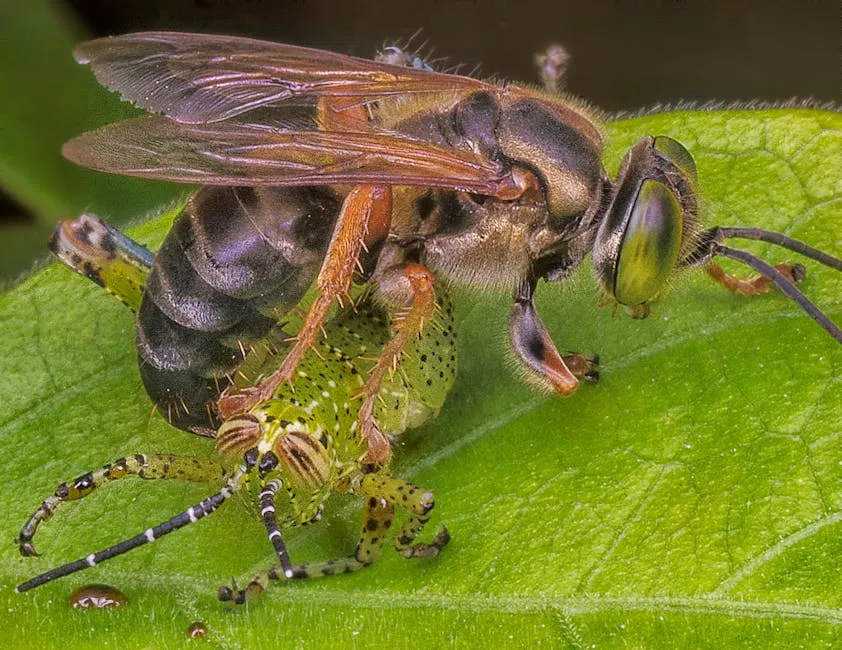
Scientists think that tiny parasitic wasps, which prey on emerald ash borers in their native range, hold the key to curbing this invasive species and returning ash trees to North American forests. APHIS first released wasps in Michigan in 2007. Since then, working with biological control partners, they have released more than eight million wasps in 30 states and the District of Columbia.
More than 30 emerald ash borer-confirmed states have released the wasps as of 2024, and some are reporting healthy ash tree groves. The wasps parasitize only emerald ash borers or other species of Agrilus beetles, do not sting or harm other insects or animals, can survive cold weather by overwintering in EAB eggs or larvae, and undergo multiple life cycles per season, establishing permanent populations where EAB is present. It is a long-term bet, but the science so far is cautiously encouraging.
The emerald ash borer is not a problem that will be solved quickly or completely. What researchers, foresters, and homeowners can do right now is stay alert, learn the signs, and act early when those signs appear. A tree that is caught at the first stages of infestation has a fighting chance. One that goes unnoticed for several years almost certainly does not. The ash tree’s future in North America depends in large part on how well people pay attention to what’s happening in the canopy above their heads.
AI Disclaimer: This article was created with the assistance of AI tools and reviewed by a human editor.