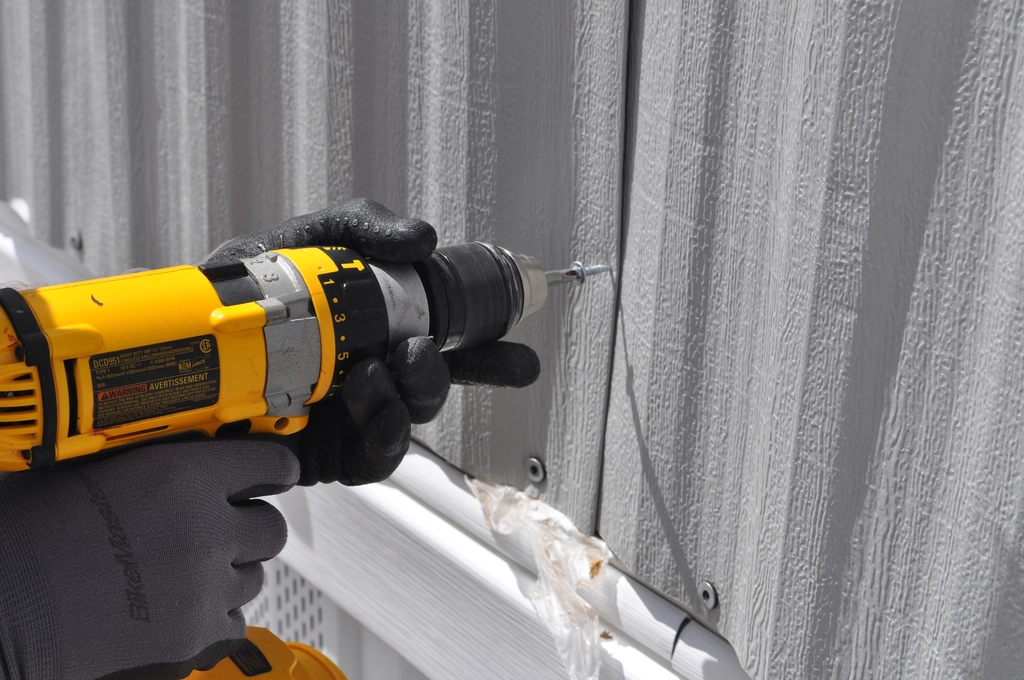

Most homeowners think about insulation once, when the house is built, and never again. That turns out to be a surprisingly expensive habit. Energy bills keep rising, comfort stays elusive, and the culprit is often sitting right above the ceiling or beneath the floor.
More than nine out of ten single-family homes in the U.S. are under-insulated. That stat alone should give pause. What follows are ten of the most common insulation mistakes that quietly drain wallets year after year.
Ignoring the Attic Entirely
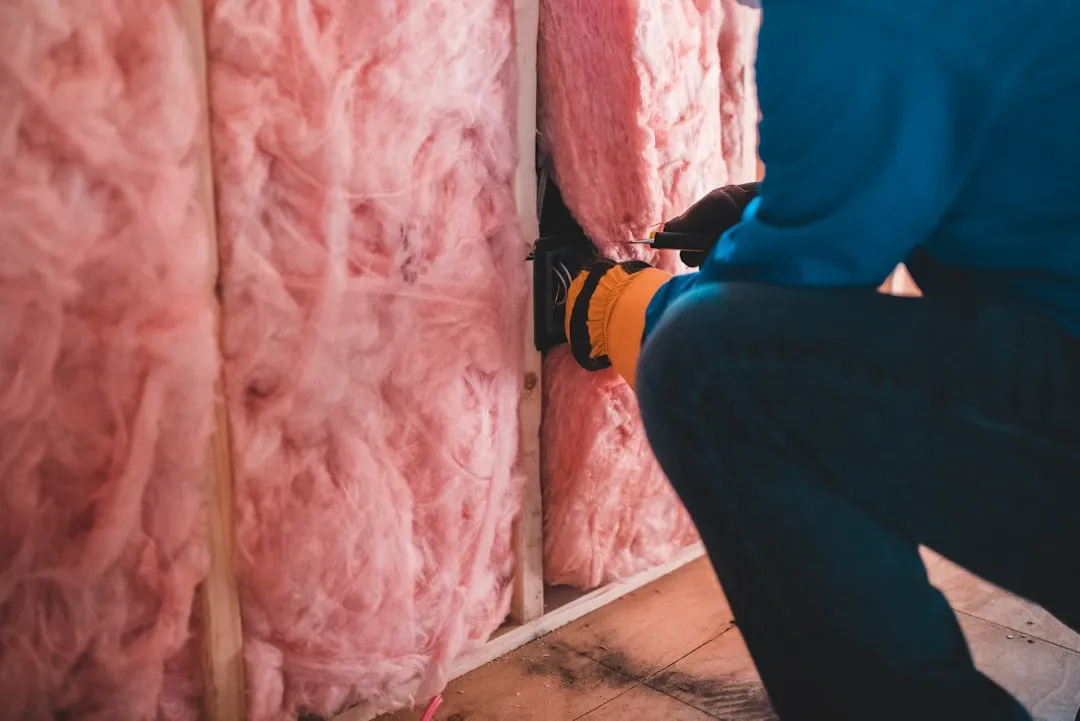
The attic is, without question, the most impactful place to start with insulation. One of the most common mistakes homeowners make is neglecting attic insulation. Since heat rises, an improperly insulated attic leads to significant heat loss in winter and excessive heat gain in summer.
According to the U.S. Department of Energy’s 2024 Residential Energy Consumption Survey, roughly 90% of U.S. homes are under-insulated. The average existing home in many climate zones has attic insulation levels well below current DOE recommendations.
The DOE estimates that proper attic insulation can reduce heating and cooling costs by anywhere from 10% to 50%, depending on the starting condition of the home. That is a wide range, but even landing in the lower end represents real money each month.
Skipping Air Sealing Before Adding Insulation
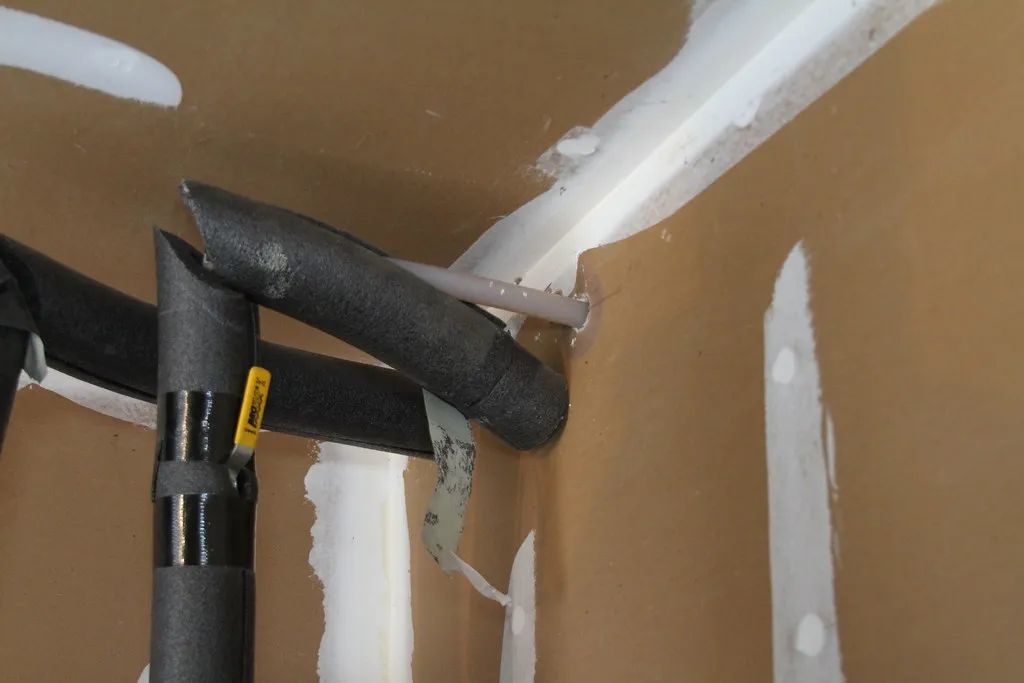
A common and costly mistake is spending heavily on insulation before sealing major leaks. When results fall short, homeowners assume insulation “doesn’t work,” when in reality the house was still leaking air.
Air that leaks through a home’s envelope, including the outer walls, windows, doors, and other openings, wastes a great deal of energy and drives up utility costs. A well-sealed envelope, paired with the right amount of insulation, makes a real difference on utility bills.
The correct approach is simple: seal first, insulate second, and you avoid burying air leaks under new material. Getting that order wrong is one of the most underappreciated insulation errors in residential homes.
Choosing the Wrong R-Value for the Climate Zone
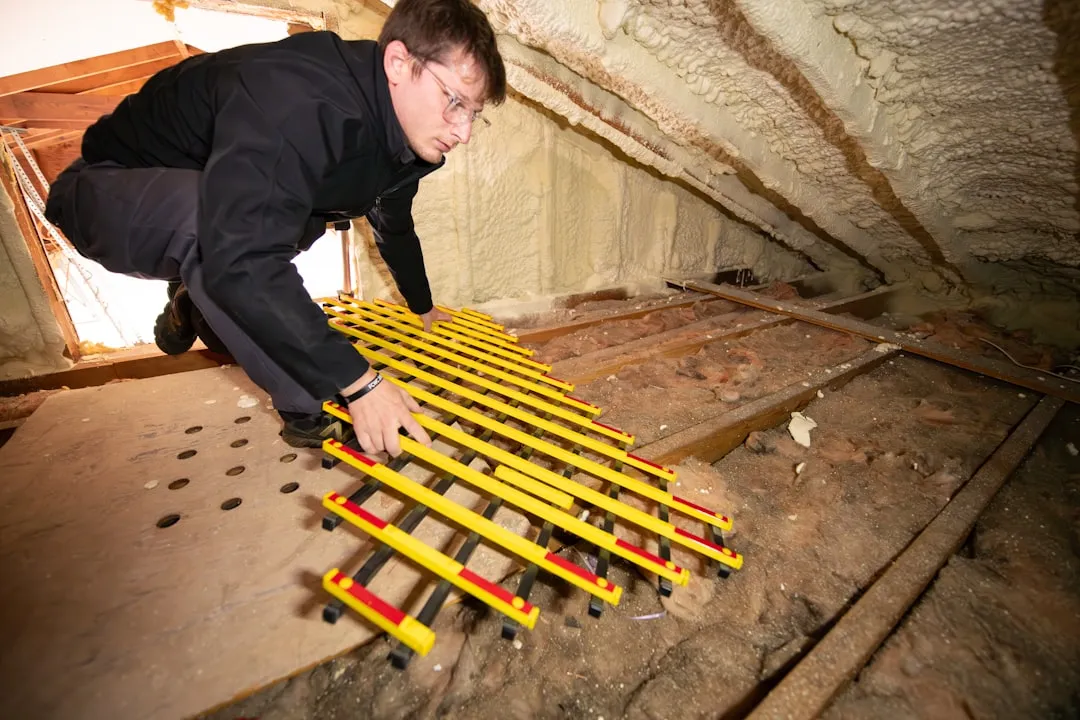
Colder northern climate zones require higher R-values like R-49 to R-60 for attics, while warmer southern zones need R-30 to R-49 to achieve optimal energy efficiency and comfort. Many homeowners simply buy whatever is available at their local home improvement store without checking what their region actually needs.
R-value measures how well insulation resists heat flow. The higher the R-value, the better the insulation performance. If the R-value is too low, heat escapes in winter and enters in summer, forcing the HVAC system to work overtime.
Once you reach the recommended R-value for your climate zone, additional insulation yields diminishing returns. The first few inches of insulation over an uninsulated attic deliver far more savings per dollar than the last few inches. Matching product to climate zone is a straightforward step that too many skip.
Leaving the Crawl Space Uninsulated
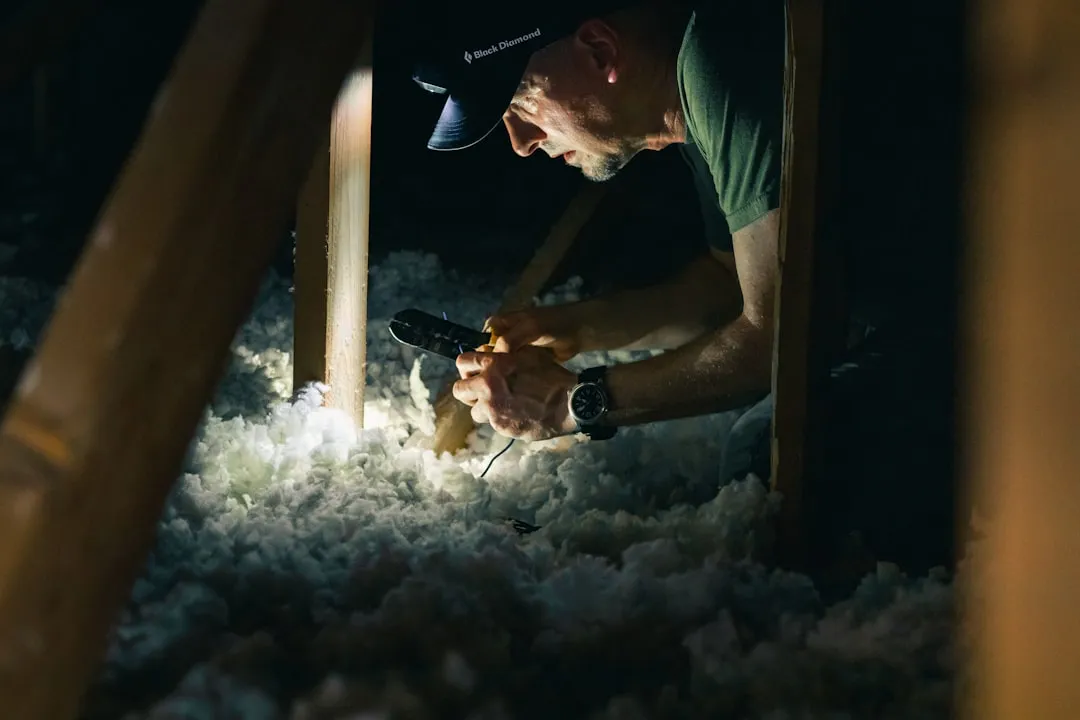
The crawl space tends to be out of sight and, unfortunately, out of mind for most homeowners. An uninsulated or poorly insulated crawl space can be a major source of energy loss and a host of other problems. Addressing it is a foundational step toward a more efficient, healthier, and more comfortable home.
Uninsulated crawl spaces account for up to 15% of a home’s total heat loss. That is a notable share of energy disappearing through the floor every single month of the year.
Some homeowners report a 15% difference in their heating bills after sealing their crawlspaces alone. For a straightforward project, that payoff is hard to ignore.
Insulating Over Moisture Problems
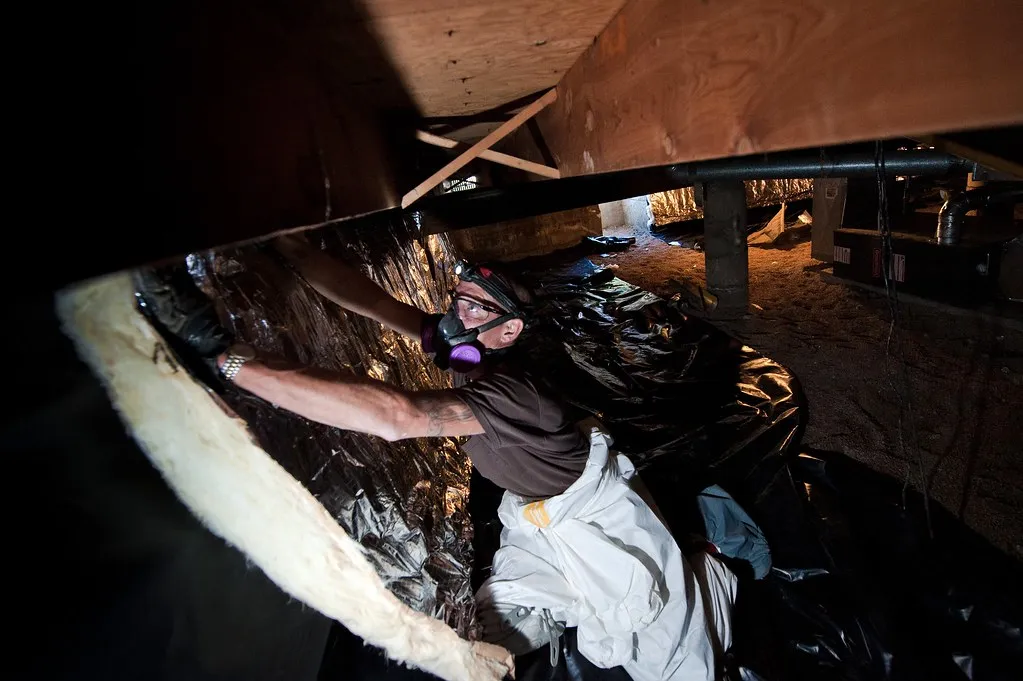
Installing insulation without first fixing a moisture issue is like putting a bandage over a structural crack. The biggest mistake in crawl space insulation is insulating without addressing moisture. Putting insulation over a damp or wet area only traps moisture, leading to mold and rot. Water problems must always be solved first.
Sealing a home too tightly without balanced ventilation can also lead to moisture and indoor air quality problems. It is a reminder that insulation decisions are never made in isolation from the rest of the home system.
Too much insulation in the wrong places can cause moisture issues and lack of ventilation, which can lead to mold growth and reduce indoor air quality. The goal is always an informed balance, not maximum coverage at all costs.
Compressing Insulation During Installation
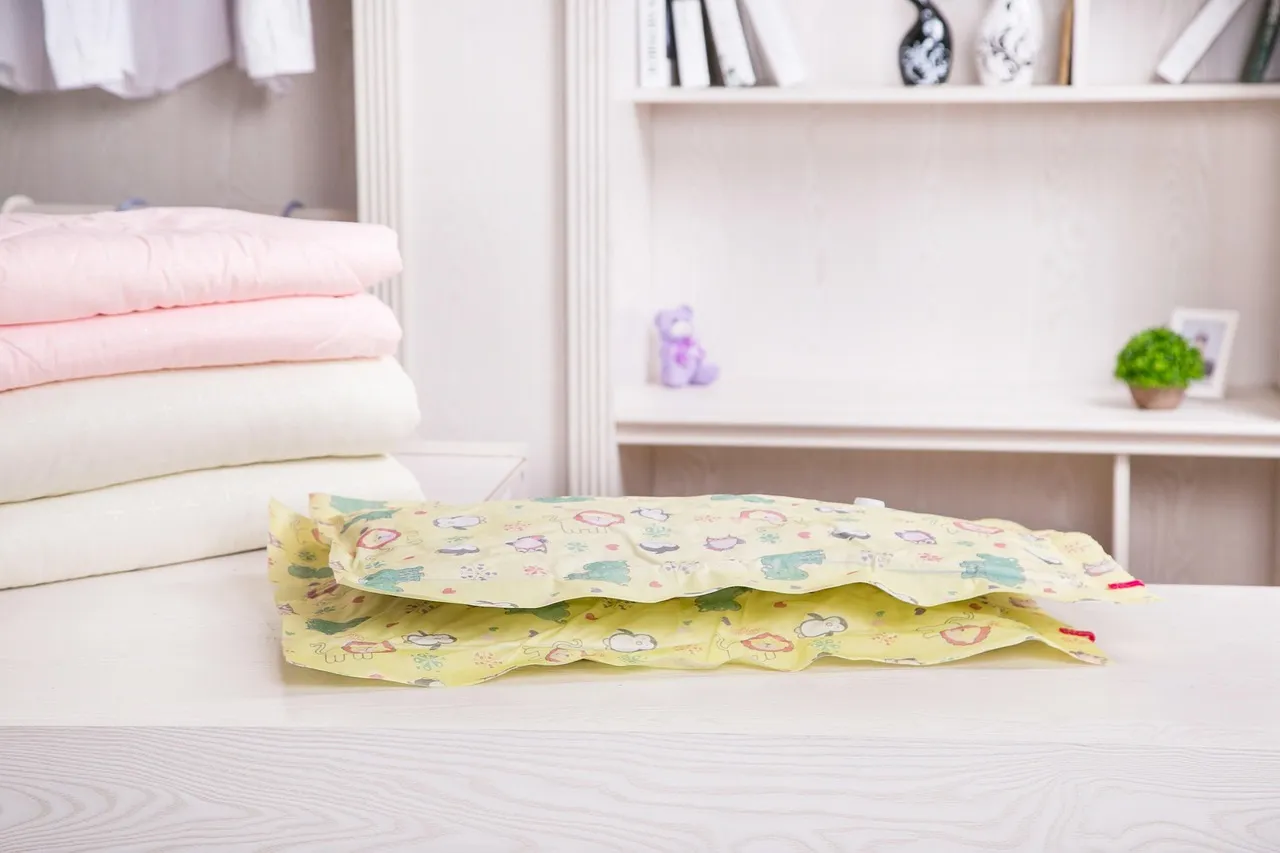
This mistake is easy to make and expensive to overlook. A frequent error during installation is compressing the insulation. When insulation is compressed, its R-value is significantly reduced, which compromises its ability to insulate effectively and leads to energy loss and decreased efficiency.
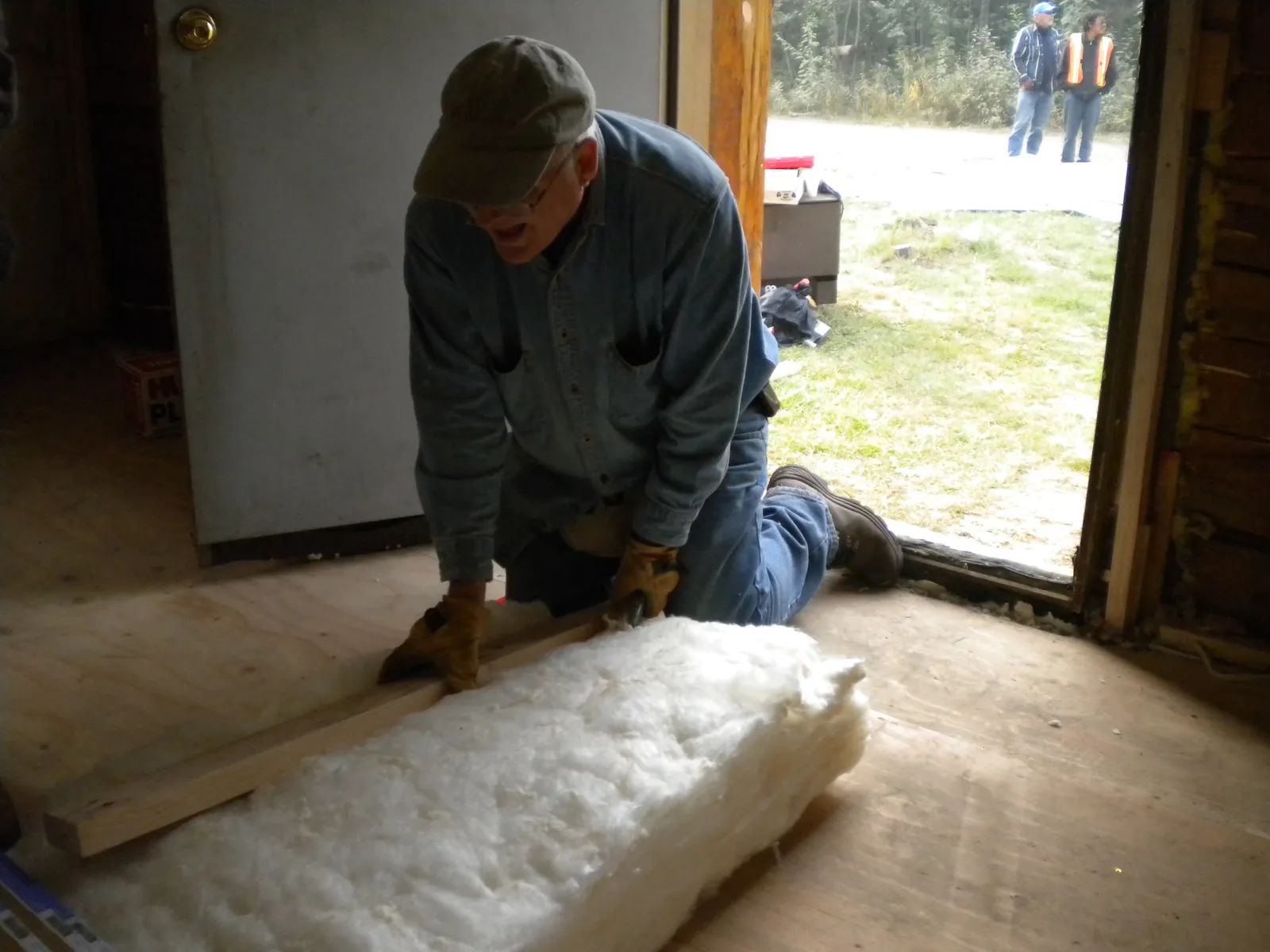
To avoid this, the insulation should be wrapped snugly but not too tightly, allowing it to maintain its full thickness and provide optimal performance. Fiberglass batts in particular need room to loft fully in order to work properly.
The irony is that doing more, pressing insulation down harder to make it fit, actually produces worse results. A bit of care during installation preserves the performance you paid for.
Using the Wrong Insulation Type for the Application
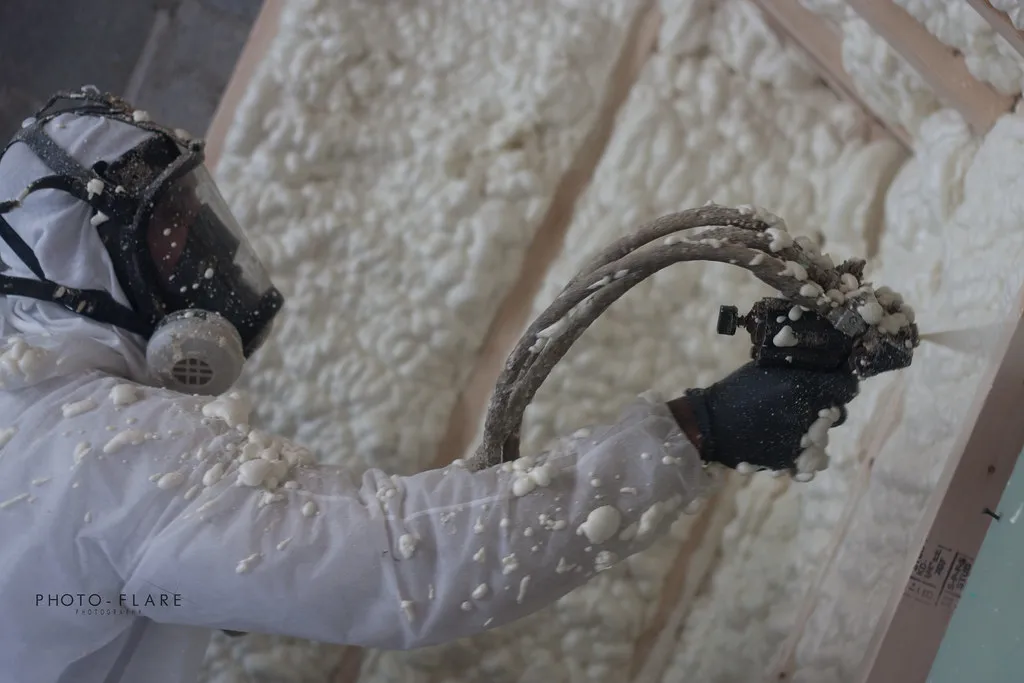
Using fiberglass batts in a damp crawl space or on foundation walls is asking for trouble. The material must be appropriate for the application. Not all insulation performs the same way in all environments, and the wrong choice can fail fast.
Rigid foam board insulation works best in crawl spaces because it resists moisture and provides high thermal resistance. Fiberglass should be avoided in these areas, as it can absorb moisture and lose its effectiveness over time.
Closed-cell spray foam offers the highest R-value per inch at approximately R-6.5 and doubles as an air barrier, making it ideal for tight or hard-to-reach spaces. Matching the material to the location is just as important as the R-value itself.
Neglecting the Rim Joist
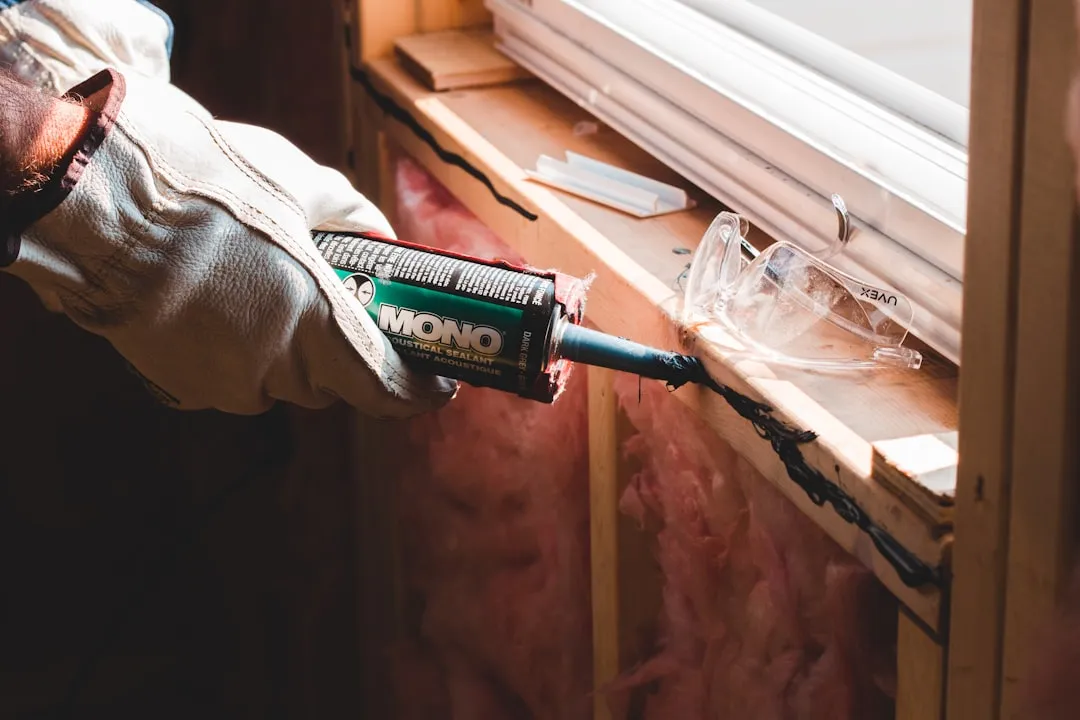
The rim joist, the band of wood that sits on top of the foundation and supports the floor above, is one of the most frequently overlooked air leakage points in a home. It is especially important to seal the top and bottom of the inside of the rim joist cavity, particularly at areas such as bay windows that hang off the foundation.
Insulation slows heat transfer but does not always stop air movement. Forgetting to air seal the rim joist and other gaps before insulating will compromise the entire system.
For gaps or cracks a quarter inch or smaller, caulk works best. For anything larger, spray foam is the right tool. It is also important to seal any holes for wires, pipes, or other service areas that lead to other floors of the home.
Poor Insulation Driving Up Energy Costs on Already Rising Utility Bills
The financial stakes of getting insulation wrong have grown sharper in recent years. The average household paid 9.6% more on utility bills in 2025 than in 2024, a trend that is projected to continue. That means every unit of energy wasted through bad insulation costs more than it did just a year ago.
Homes with drafts and poor insulation can spend anywhere from 5% to 30% more on energy costs, a wide band that reflects how much severity varies from home to home. Poor insulation and air leakage forces HVAC systems to work harder. Sealing and properly insulating a home can save an average of 11% on total energy costs.
About a quarter of American families have trouble paying their energy bills. Many of these expenses stem from poor home performance, including inefficiencies and undiagnosed issues that are invisible during a typical walk-through. In that light, insulation is not just a comfort issue.
Failing to Check Insulation Levels Regularly
Insulation is not install-it-and-forget-it. Only 18% of properties have insulation from 2002 or newer, a modest increase from 8% in 2022. This slow progression suggests significant inertia in making homes more energy-efficient.
Only 20% of homeowners have made updates to improve energy efficiency since 2022. This low figure is surprising, especially given the ongoing energy crisis and the rising cost of living. Insulation degrades, settles, and can be disturbed by renovation work, pests, or moisture over time.
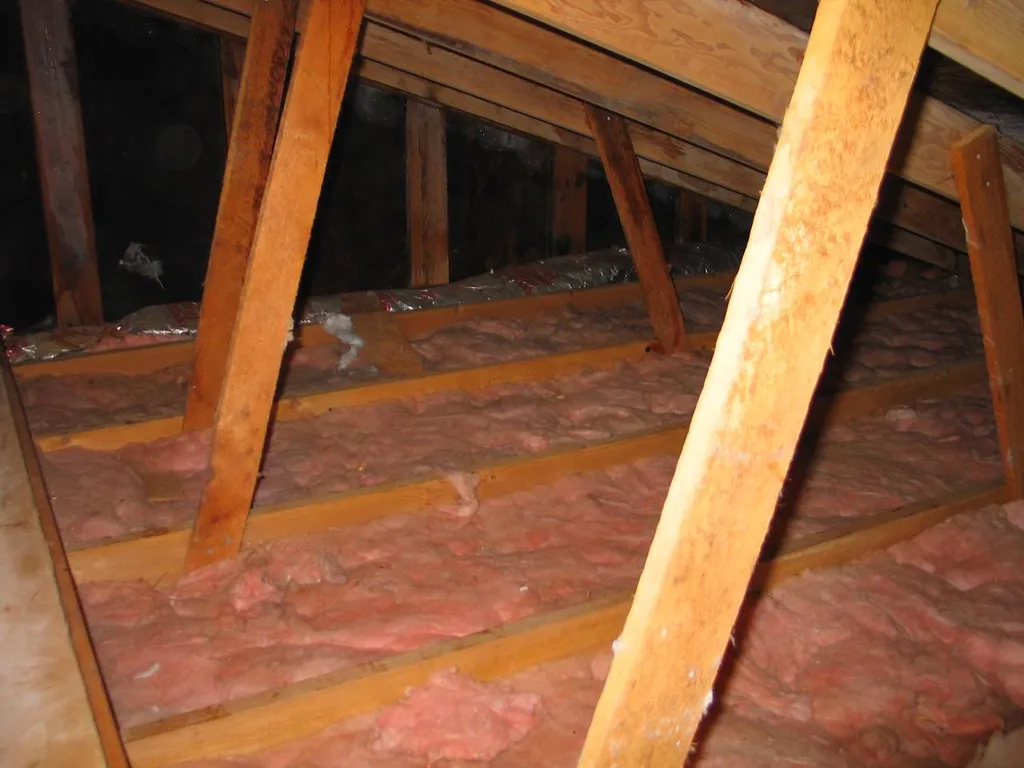
Checking attic insulation levels is straightforward: if the insulation in an uncovered attic floor is at or below the level of the floor joists, more insulation is likely needed. A simple visual check every few years can prevent years of unnecessary energy waste.
The Real Cost of Doing Nothing
Taken together, these ten mistakes represent a pattern of unintentional neglect that compounds quietly over time. The Department of Energy reports average savings of $200 to $500 per year on heating and cooling from proper weatherization, with savings in older, drafty homes sometimes exceeding 30%.
The EPA estimates that homeowners can save an average of 15% on heating and cooling costs, or roughly 11% on total energy costs, by air sealing their homes and adding insulation in attics, floors over crawl spaces, and basements. Those numbers add up to real money across a decade of ownership.
Insulation rarely makes headlines, but it sits quietly at the center of home comfort and energy spending. The good news is that most of these mistakes are correctable without a full renovation. A proper assessment, the right materials, and attention to the details that are easy to skip can turn a money-losing home envelope into one that actually works in your favor.
AI Disclaimer: This article was created with the assistance of AI tools and reviewed by a human editor.