
The Overlooked Problem Beneath the Feeder
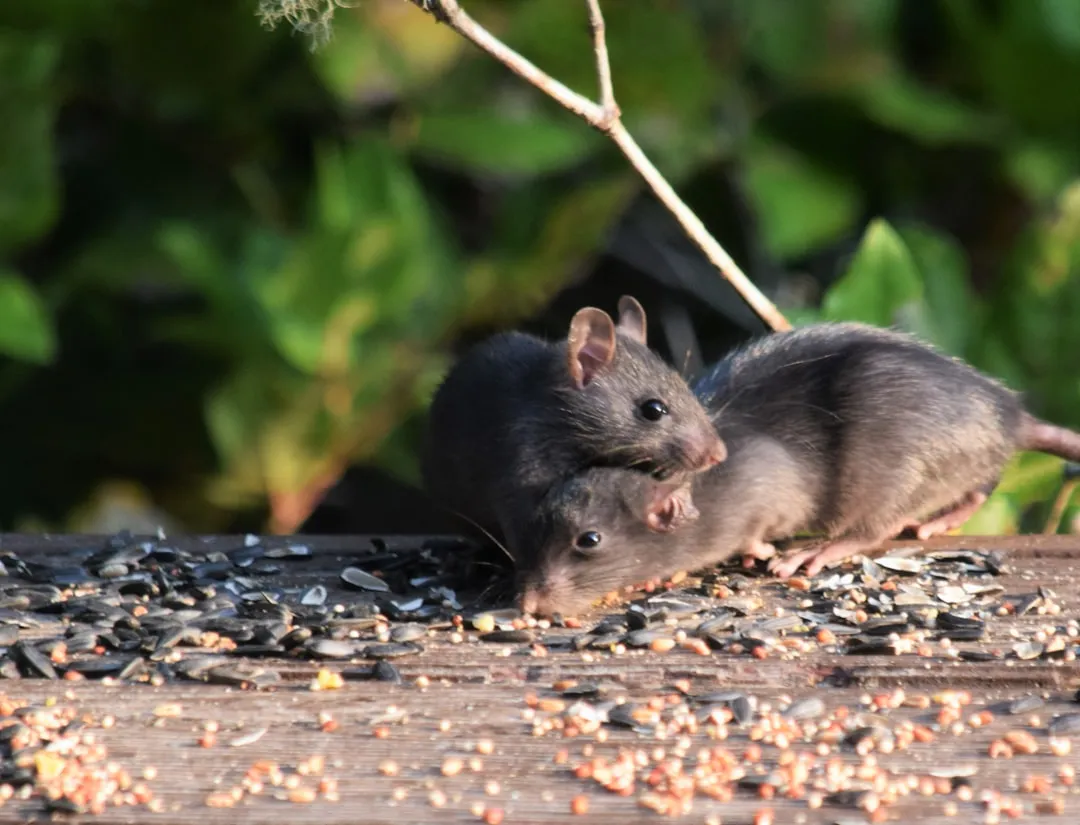
The real issue rarely sits inside the feeder itself. It’s what falls out of it. Bird feeders can become a magnet for rodents primarily due to the spilt birdseed that often accumulates beneath them, providing an easy and consistent food source for rats. Rats are scavengers that will happily snack on any seeds, nuts, or suet that drops to the ground, since food on the ground is much safer and easier for them than climbing. That pile building up on the lawn week after week is the actual invitation, not the feeder hanging above it.
Why Filler Heavy Seed Mixes Make It Worse
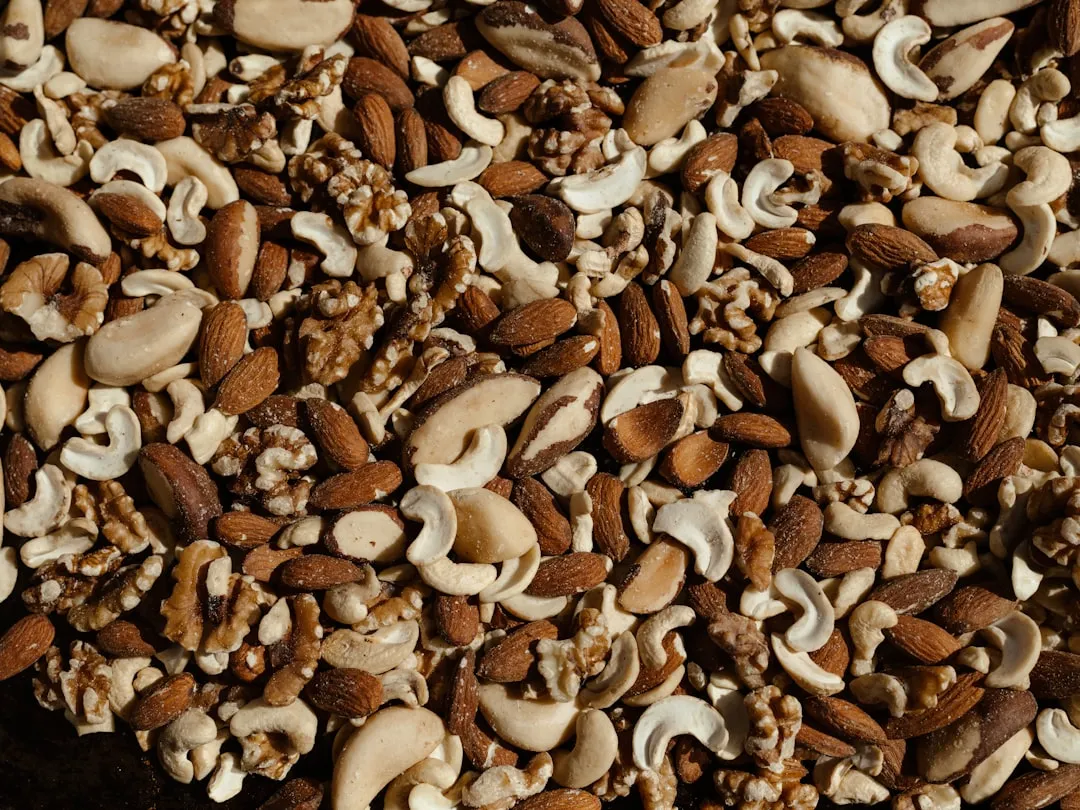
Not all birdseed is created equal, and cheap mixes are often the culprit. Filler-filled wild bird mixes contain items backyard birds don’t eat, like milo, wheat, oats, and red millet, so birds scratch them out of the feeder and onto the ground in search of the sunflower seeds, peanuts, and safflower they actually enjoy. Once on the ground, those discarded grains attract a variety of unwanted visitors including rats and mice. Buying a slightly pricier, no-filler blend can quietly solve a problem before it starts.
The Feeder Style That Practically Invites Rats
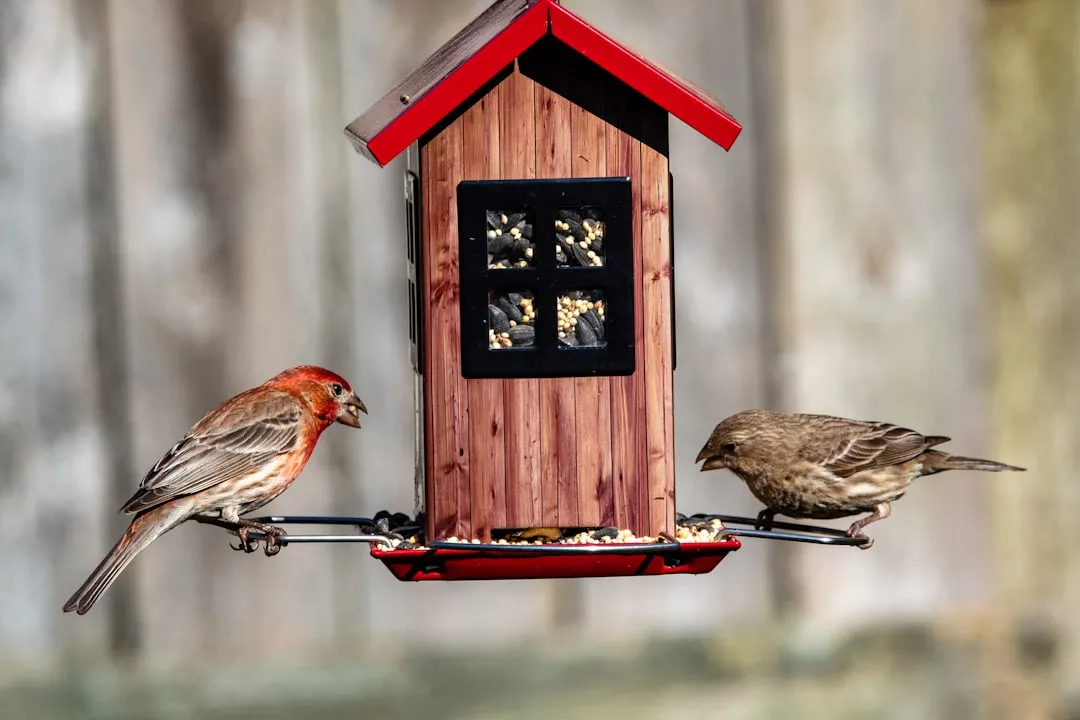
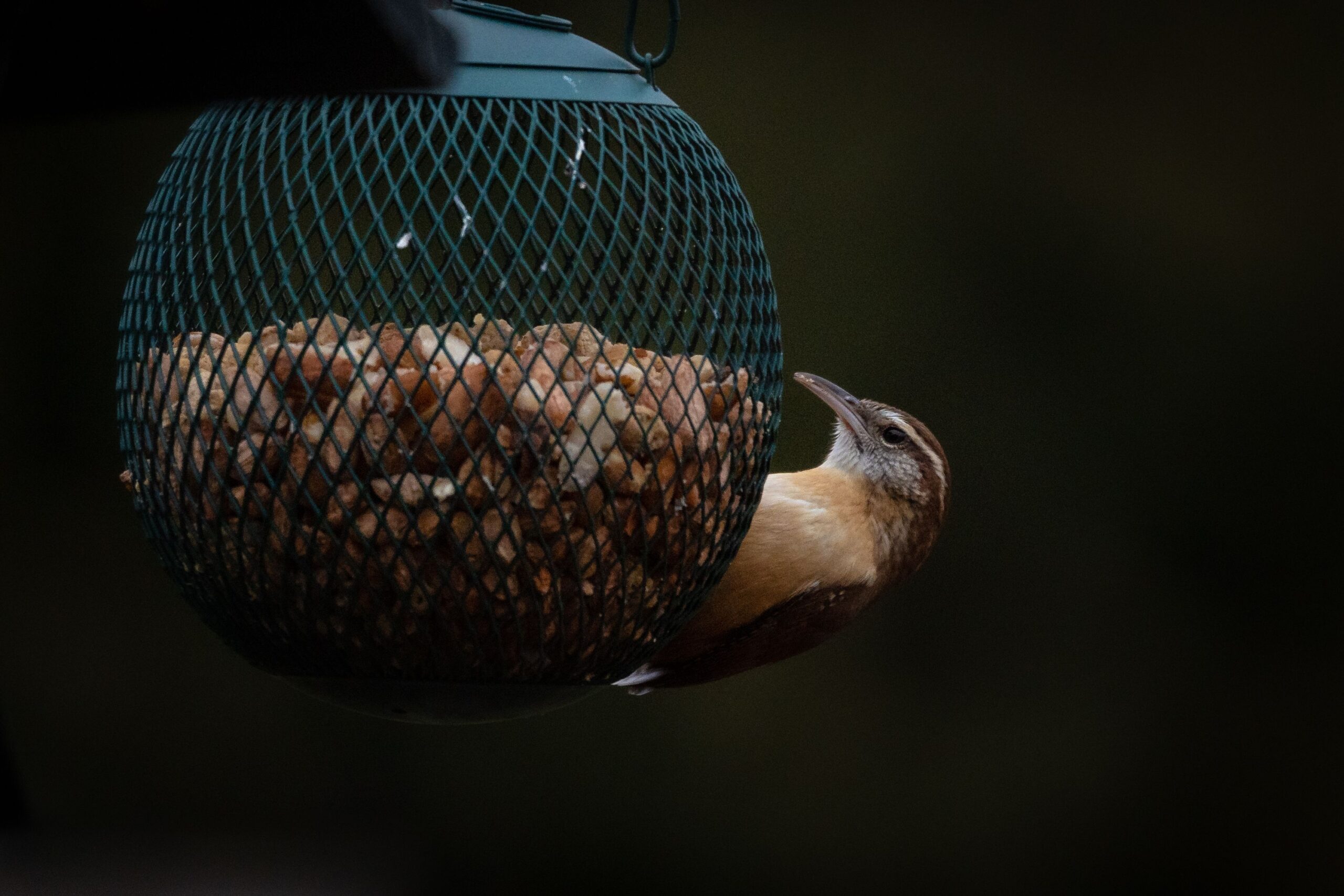
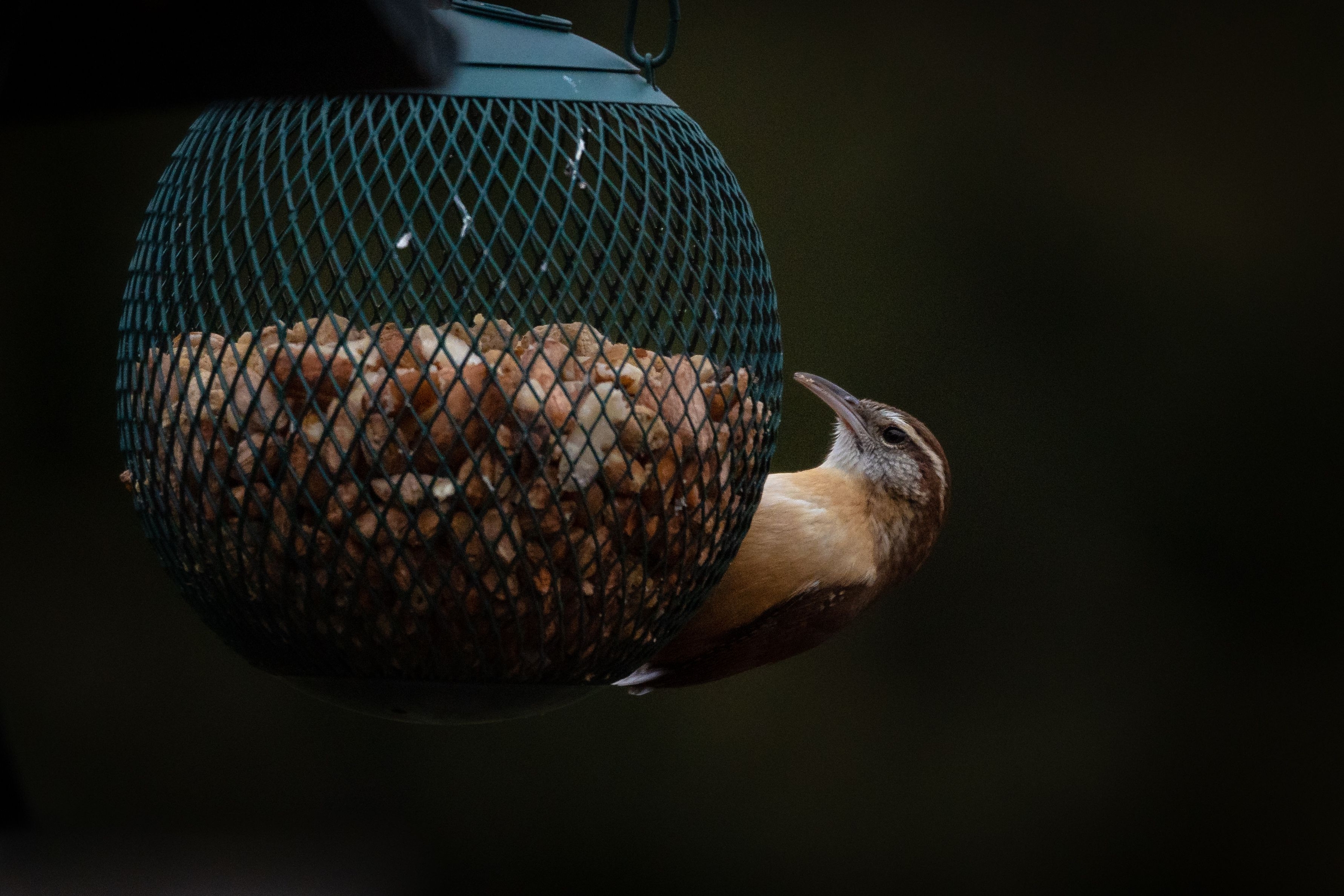
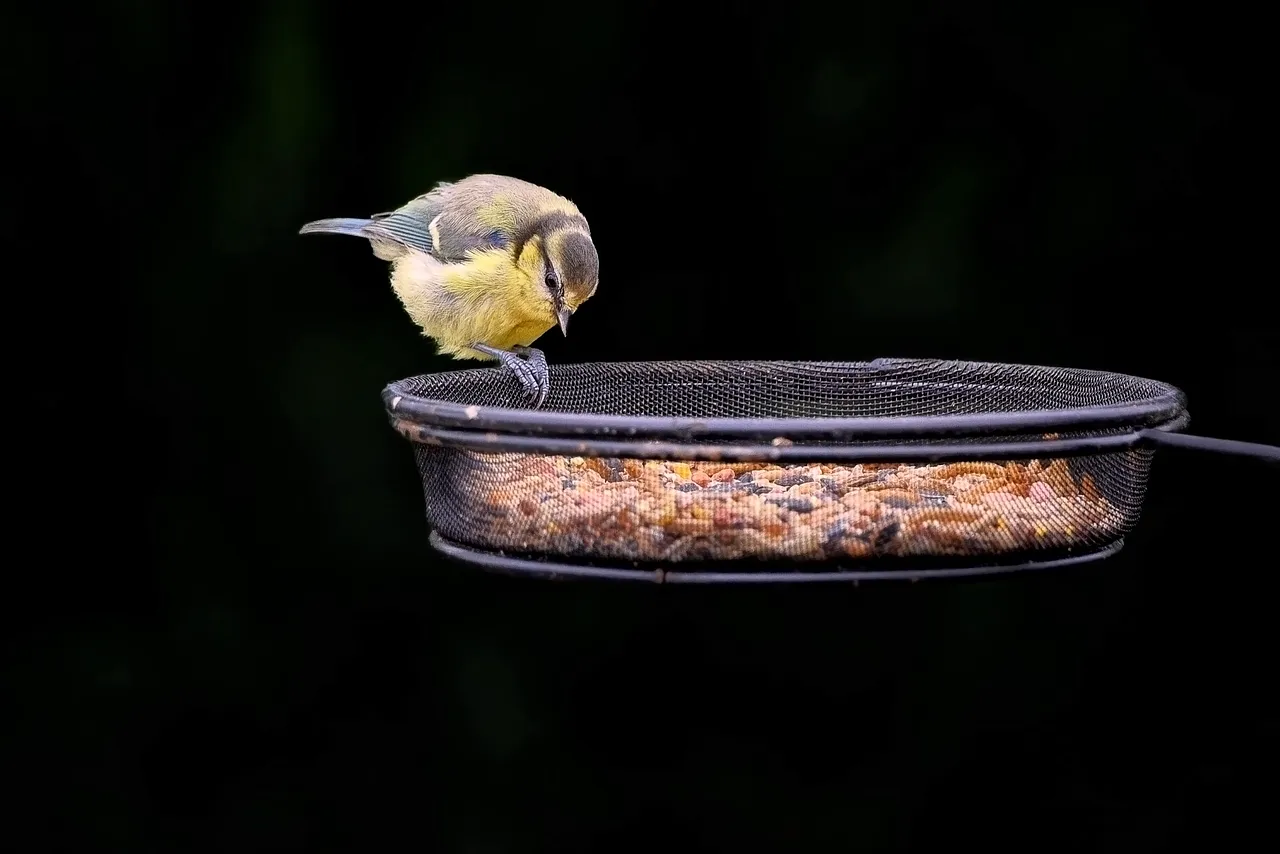
Design matters just as much as content. Platform feeders, which are open trays that let birds feed on a flat surface, often expose seeds to squirrels and rodents. Platform feeders in particular often spill seeds, creating ground litter that rodents love. Tube feeders and enclosed hopper styles tend to keep far more seed contained, which makes them a smarter pick for anyone worried about uninvited guests.
Location Matters More Than You Think
Where a feeder sits can be just as important as what hangs inside it. Feeders placed near woodpiles, sheds, or dense shrubs provide cover for rats to forage undetected. Experts generally recommend keeping bird feeders eight to ten feet away from trees, shrubs, and structures to prevent rats and other rodents from jumping onto the feeder. A feeder placed out in the open, away from convenient hiding spots, gives rodents far less confidence to linger.
What the Research Actually Shows
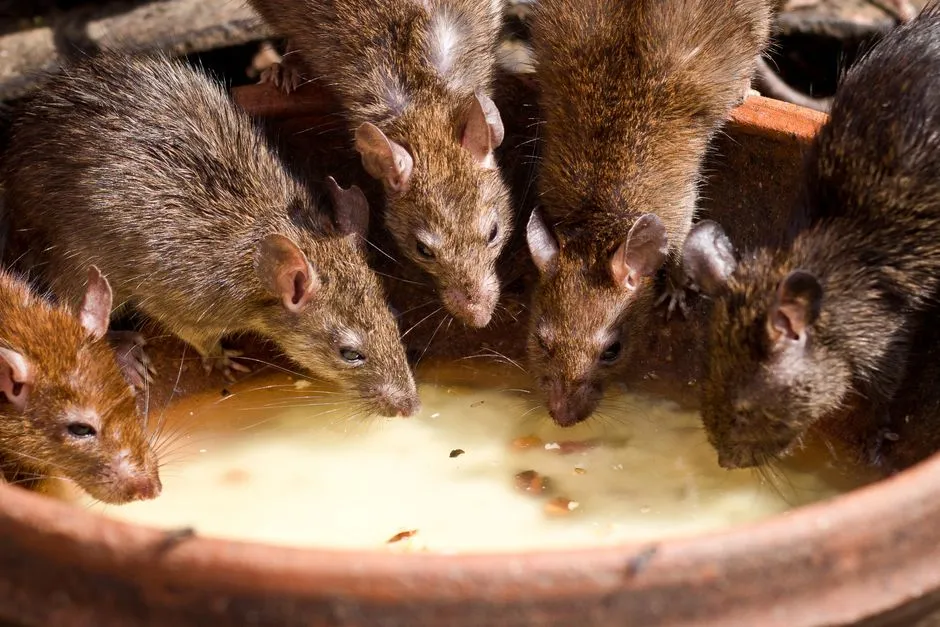
This isn’t just anecdotal grumbling from frustrated homeowners. Bird feeders may be a direct contributing factor to increasing rat populations, and one study out of Oregon found that households with bird feeders had more than double the rate of rodents on their property compared to those without feeders. In almost all cases, rodents seen feeding on birdfood are already present in the area, so hanging up a feeder will not make rats suddenly materialize, but it can make the local residents far more visible. That distinction matters. The feeder often isn’t creating a rat population out of nowhere, it’s just making an existing one easier to notice and easier to feed.
Suet and High Calorie Foods Add Fuel
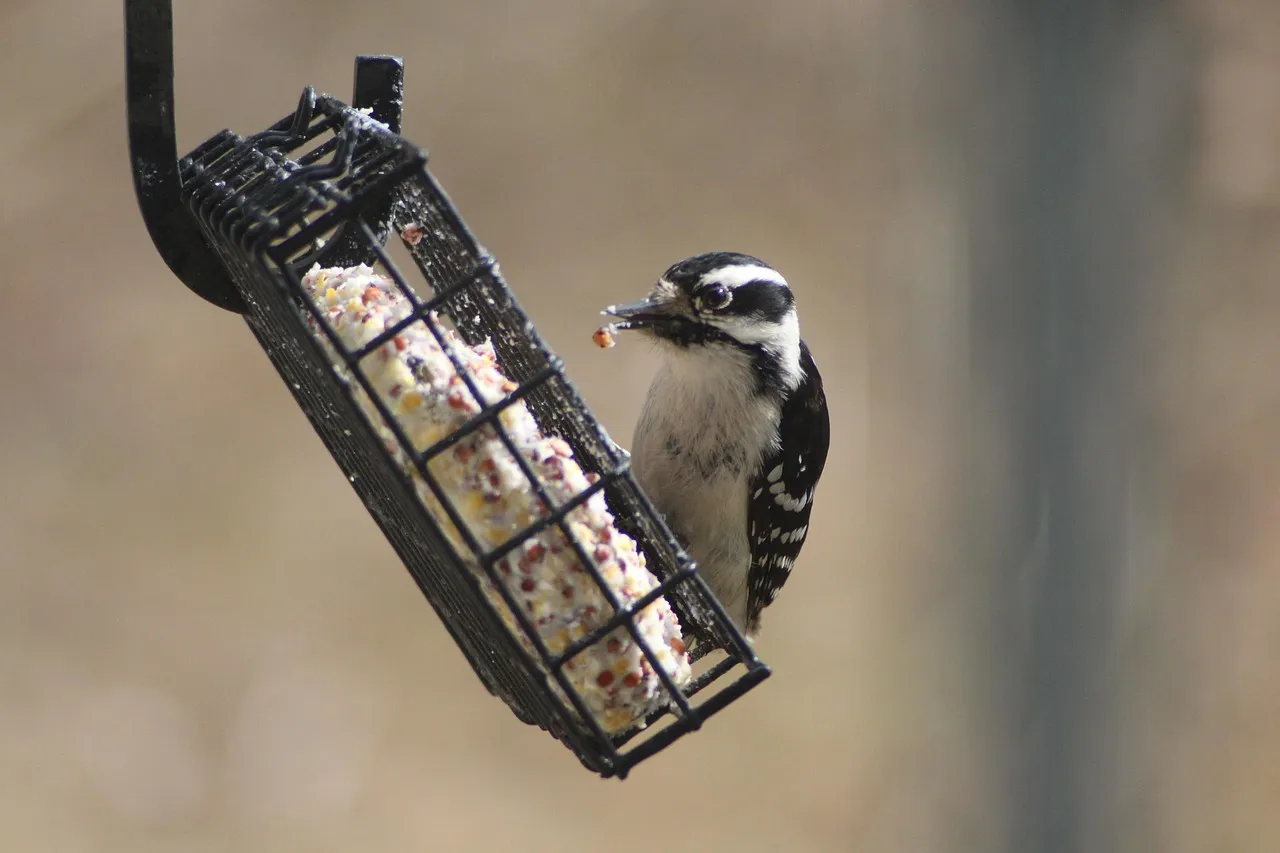
Seed isn’t the only offender hanging in backyards. Suet, a hard visceral fat that comes from cows or sheep, is a calorie packed food source that is highly attractive to rats, mice, and invasive squirrels. Seeds like sunflower, millet, peanuts, and corn are also highly nutrient dense foods that rats crave. Rich, energy dense foods that birds love in winter tend to be exactly what rodents are searching for too, especially when natural food sources are scarce in the colder months.
Rats Are Better Climbers Than You’d Guess
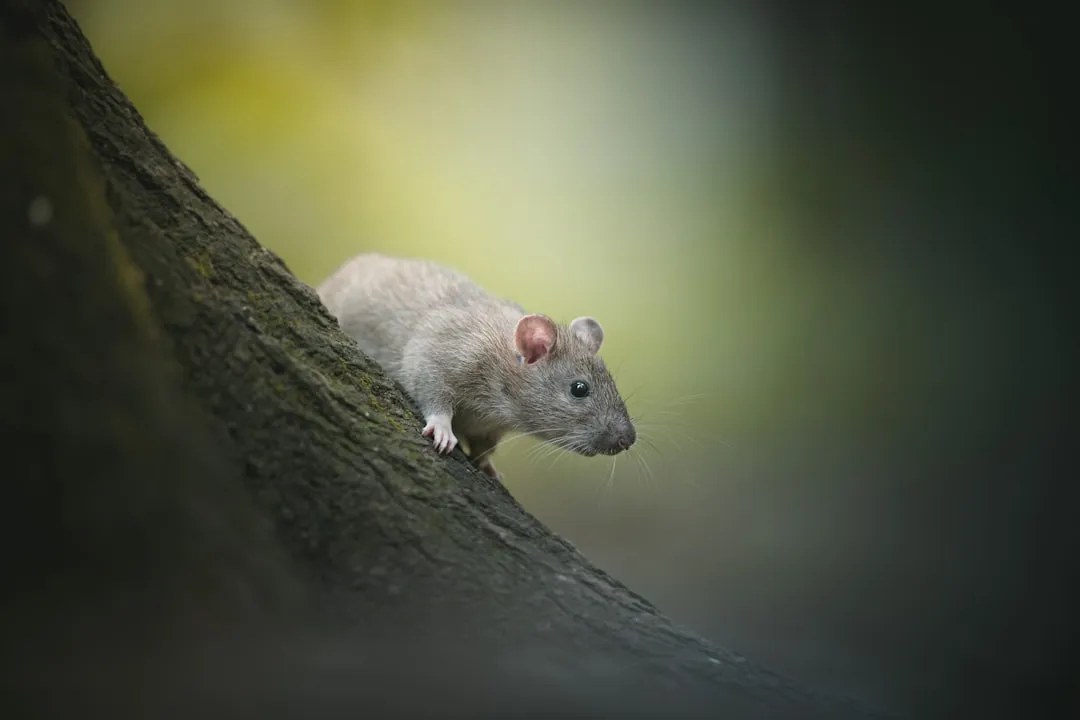
Many people assume a hanging feeder is automatically out of reach for a rat. That’s a common misconception. Rats are excellent climbers and can easily scale trees or poles to reach feeders. Mounting a feeder five to six feet high on a smooth metal pole helps, since a wooden pole essentially works like a ladder to a rat, while a slick metal pole is much harder for them to grip. Height alone won’t solve the problem if the pole itself is easy to grip.
The Fix Starts With What You Feed
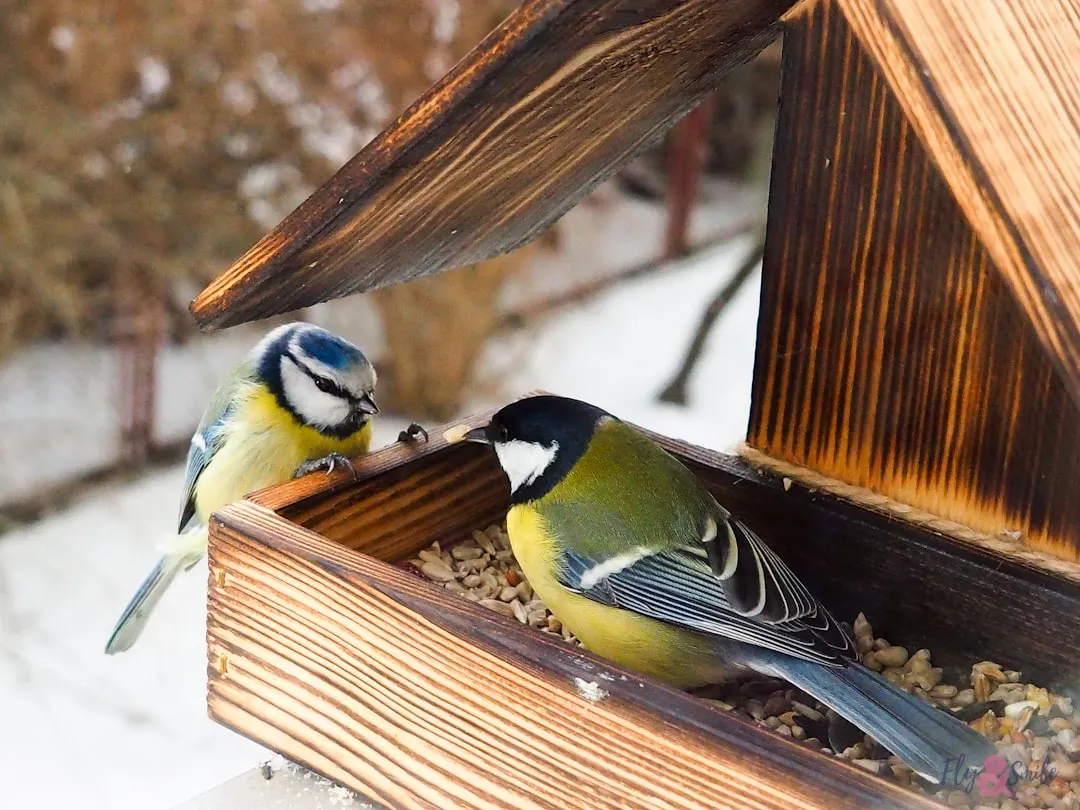
Switching seed types can make a noticeable dent in rodent activity. Nyjer is a tiny seed which goldfinches crack open to eat the edible interior, and squirrels and rats are generally not interested in it. Safflower seeds are enjoyed by birds like cardinals, but squirrels and rodents usually avoid them. Rotating toward these less rodent friendly options doesn’t mean sacrificing bird variety, it just means being a bit more selective about what goes into the feeder.
Simple Habits That Cut the Risk
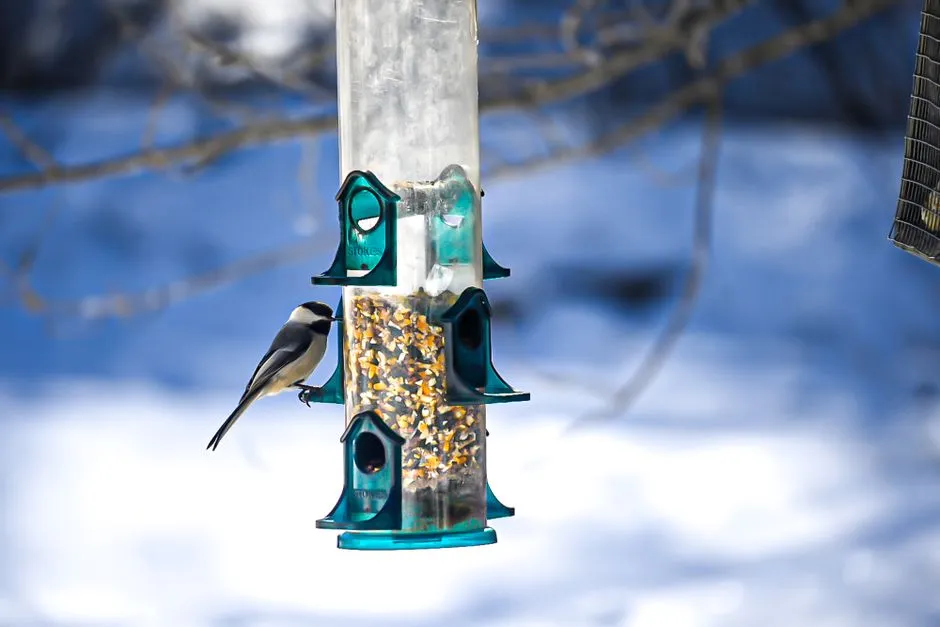
A few consistent habits go a long way toward keeping rodents away without giving up bird feeding altogether. The most important step is cleaning up spilled seeds and hulls before they accumulate, which instantly reduces the food source tempting mice and rats. Storing birdseed in airtight, watertight, rodent-proof containers with secure lids that mice and rats can’t chew through also prevents rodents from getting into the bulk supply. Adding a baffle, whether dome shaped or conical, along with a seed catcher tray underneath, rounds out a setup that’s genuinely difficult for a rodent to exploit.
Feeding Birds Without Feeding Rodents
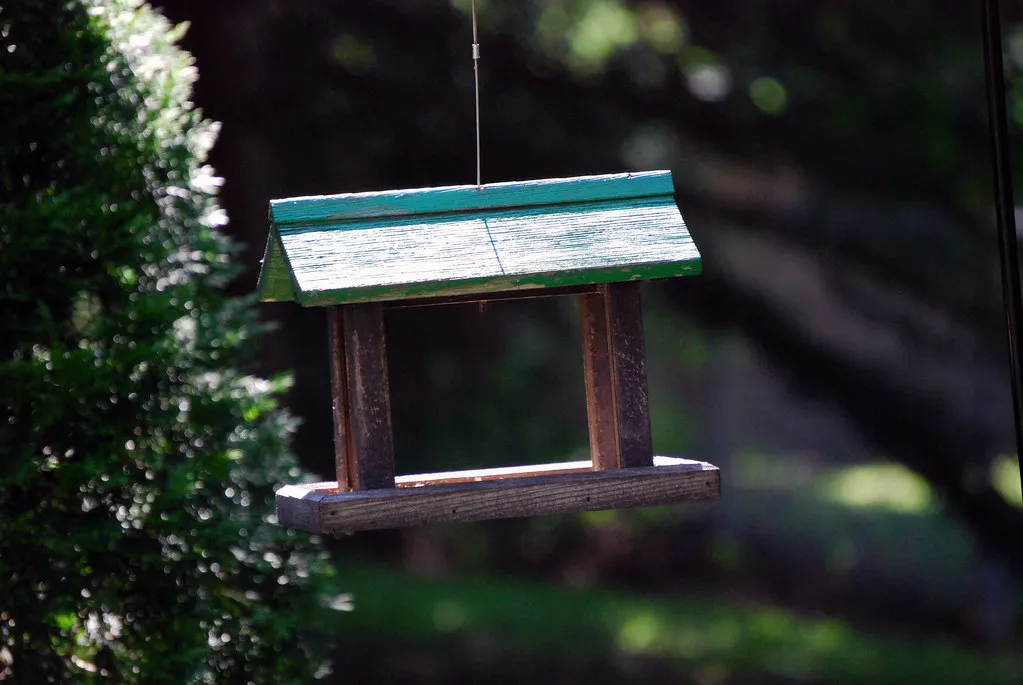
The good news is that none of this requires giving up on backyard birdwatching. Done correctly, bird feeding will not attract rats, though if rodents are already present in the yard, an unguarded source of birdseed can make them more visible and emboldened. Small adjustments, better seed, smarter placement, a baffle, and a regular cleanup routine, address the actual root of the problem rather than the feeder itself. The birds don’t need the mess to thrive, and neither does the yard.
The mistake was never about loving birds too much. It was about overlooking the ground beneath the feeder, where the real invitation to rodents quietly builds up one dropped seed at a time.AI Disclaimer: This article was created with the assistance of AI tools and reviewed by a human editor.