
The Target Range: 30 to 50 Percent Relative Humidity
The U.S. Environmental Protection Agency advises keeping indoor relative humidity ideally between 30% and 50%, with a firm ceiling of 60%. This range applies year-round, though winter introduces its own specific pressures on that balance.
In winter specifically, the ideal indoor humidity level falls between 30% and 45%, which differs slightly from the summer sweet spot of 40% to 50%. The narrowing of that range in colder months is intentional, and understanding why matters as much as knowing the number itself.
Why Humid Air Actually Feels Warmer
High humidity slows the evaporation of sweat, so a humid room at 75°F feels much warmer than a dry one. This is the same underlying physics that makes a summer day at 85°F feel suffocating when humidity is high, just working in your favor during winter.
Properly humidified air at 68°F feels warmer than dry air at 72°F, and it costs less to maintain. That’s not a minor comfort footnote. It represents a real opportunity to lower your thermostat setting while feeling equally comfortable, which translates directly into lower heating bills.
How Heating Systems Strip the Air of Moisture
Homes get too dry in winter mainly because cold outdoor air contains less moisture, and heating that air indoors lowers its relative humidity even further. Running a furnace continuously compounds the problem, pulling whatever residual moisture remains out of the indoor environment.
In winter, especially when cold outside air is heated indoors, humidity may drop to as low as 10% to 20%. That’s dramatically below the comfortable range, and many households don’t realize it’s happening until physical symptoms appear.
The Comfort Sweet Spot That Most Homes Miss
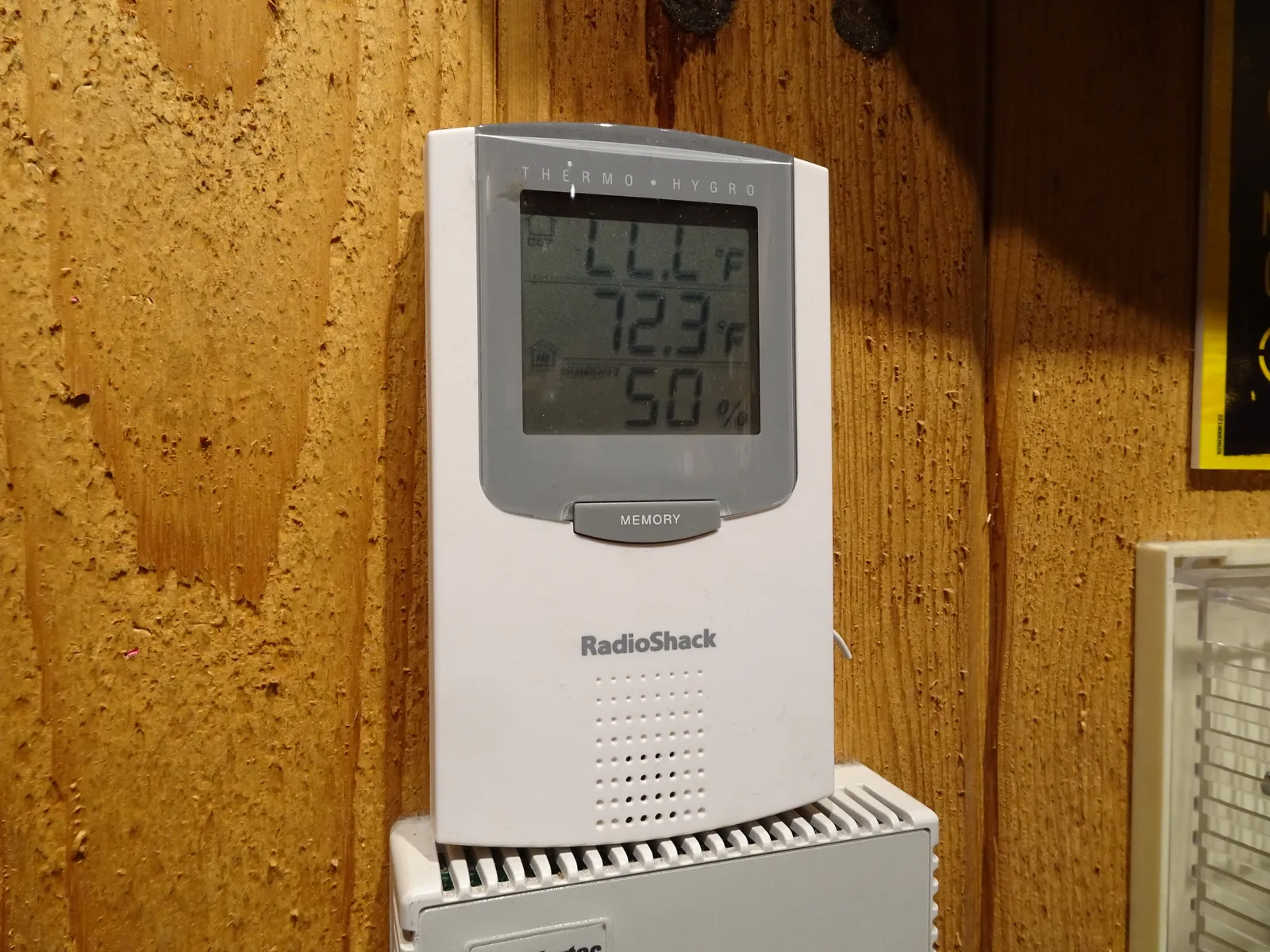
The ideal winter indoor humidity sits between 35% and 45%, a range where families report feeling most comfortable, while properly humidified air at 68°F feels warmer than dry air at 72°F. Most homes during peak heating season fall well below this, often hovering in the low twenties or even lower.
The relative humidity recommended by ISO 7730 for thermal comfort parameters is 30% to 70%, with 50% regarded as the most comfortable humidity level for a thermal environment. That 50% mark represents an upper winter ceiling for many climates, where condensation on windows becomes a concern if you push beyond it.
Energy Savings: A Real Side Benefit

By keeping winter indoor humidity closer to the 40% to 50% range, you can set your thermostat a few degrees lower while maintaining the same level of physical comfort, and that adjustment can lead to noticeable savings on heating bills. This is one of the more practical and underappreciated arguments for investing in a humidifier.
Homes with low winter indoor humidity see more colds and flu, higher heating bills because dry air feels colder and people push the thermostat up, and shrinking wood floors and trim. It’s a chain reaction that starts with something as small as the moisture content in the air.
What Happens to Your Body When Humidity Is Too Low

Low humidity is most common in winter, when heating dries the air, and very dry air leads to itchy eyes, chapped lips, and flare-ups of skin conditions like eczema. These aren’t just minor inconveniences. For people with existing skin conditions or sensitive airways, the impact can be significant.
Dry air parches mucous membranes, potentially increasing susceptibility to colds, flu, and respiratory infections. Common symptoms include chapped lips, dry eyes, and itchy skin, and dry indoor conditions may also contribute to respiratory irritation for some people.
The Link Between Low Humidity and Respiratory Illness
Stanford University research published in 2024 found that as humidity rises, airborne water microdroplets carry more naturally occurring disinfectants such as hydrogen peroxide, which may help neutralize viruses. Dry indoor air reduces this effect, which could help explain why respiratory illnesses such as flu and COVID-19 spread more in winter.
A study published in the journal Indoor Air found that indoor humidity levels between 40% and 60% were associated with a lower risk of respiratory infections, while Environmental Health Perspectives found that indoor humidity levels below 40% were associated with an increased risk of asthma attacks. These findings suggest the comfort case and the health case for proper humidification point in the same direction.
What Too Much Humidity Does to Your Home
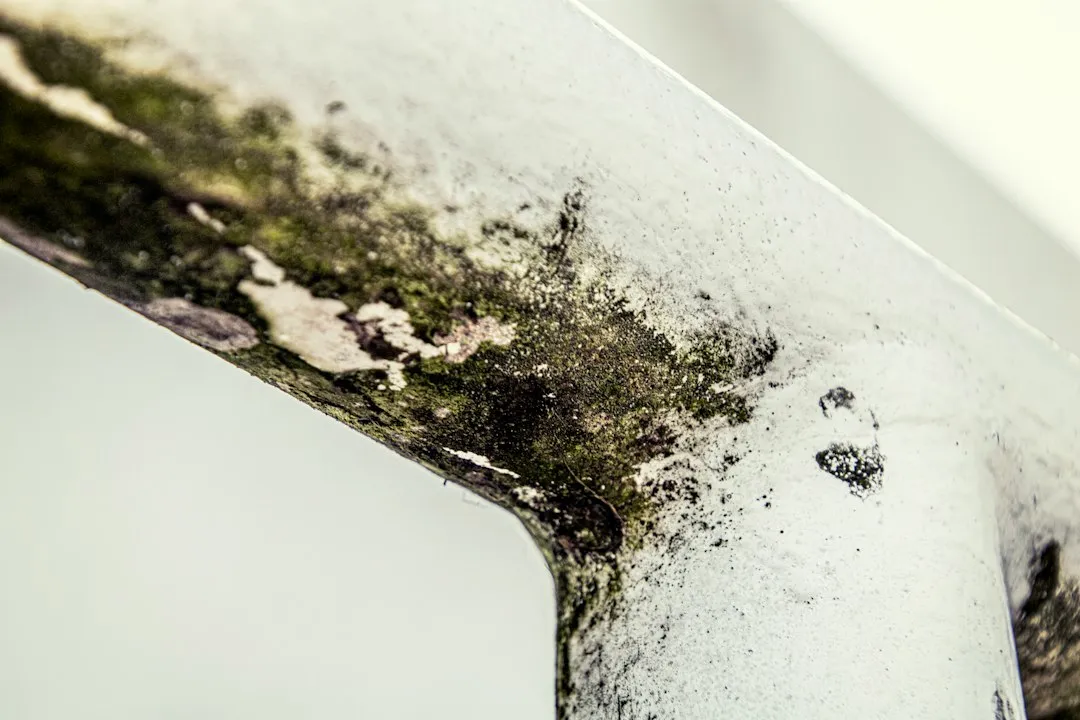
Research published in Building and Environment found that indoor humidity levels above 60% were associated with an increased risk of mold growth. Mold doesn’t just look bad – it can trigger allergies and in serious cases cause structural damage that becomes expensive to address.
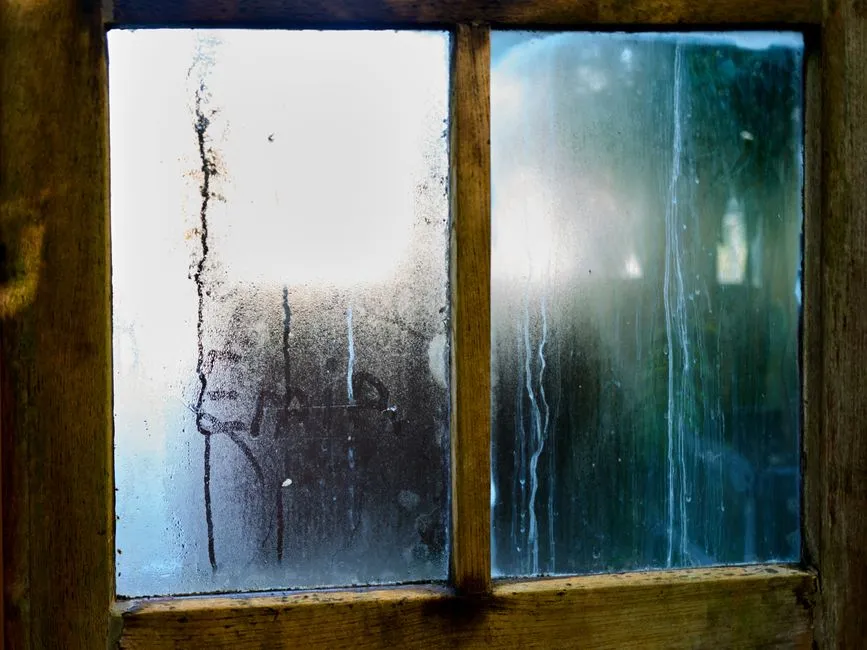
Relative humidity outside the recommended range can cause physical discomfort, and above 70% can lead to physical damage to the building through condensation. The goal in winter is to find the middle ground: enough moisture to feel warmer and breathe easier, not so much that windows weep and walls grow mold.
What Dry Air Does to Your Floors and Furniture
Persistently dry air makes hardwood floors gap, wooden instruments crack, and door frames shift, while low humidity also increases static electricity, which can damage sensitive electronics. These are slow-moving problems that accumulate quietly over a heating season.
Wood flooring manufacturers specify that wood floors perform to their specifications only when installed in a heat and humidity controlled environment, meaning the temperature and humidity conditions inside your home must be kept within a certain range. Letting indoor air dry out below 30% can effectively void the conditions under which your flooring was designed to perform.
How to Measure and Adjust Your Home’s Humidity
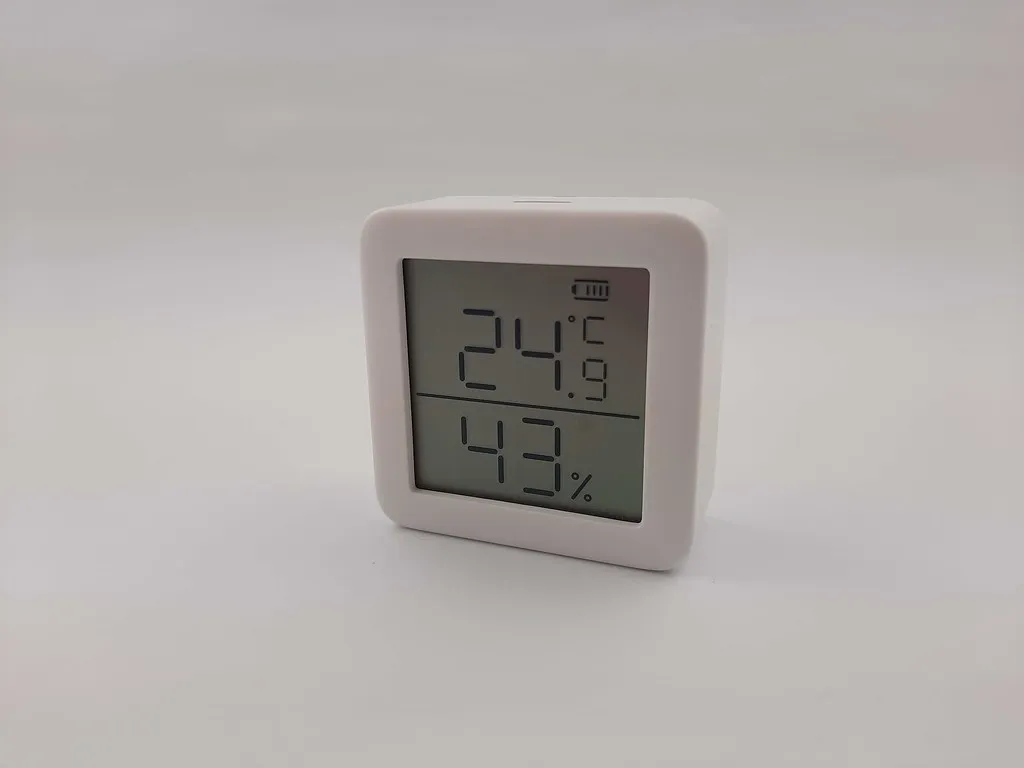
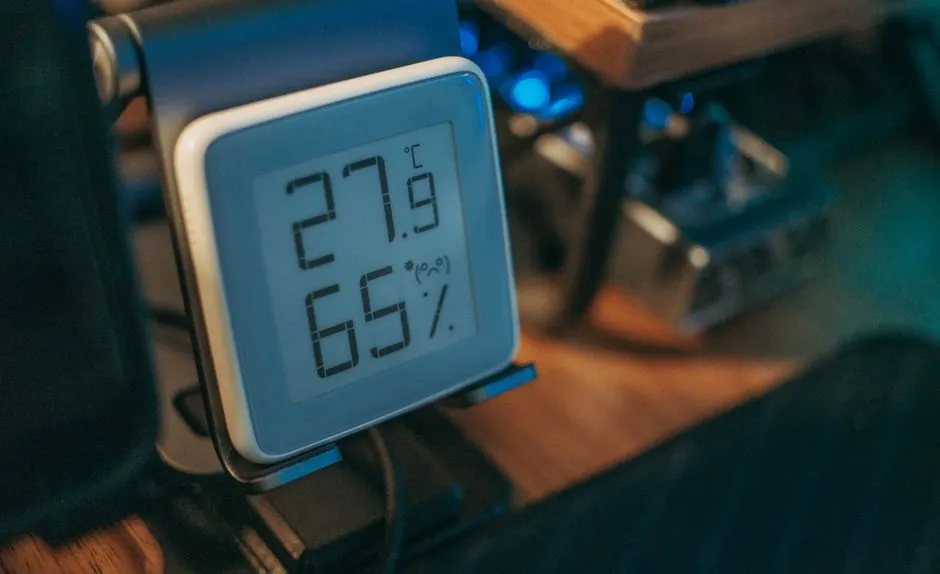
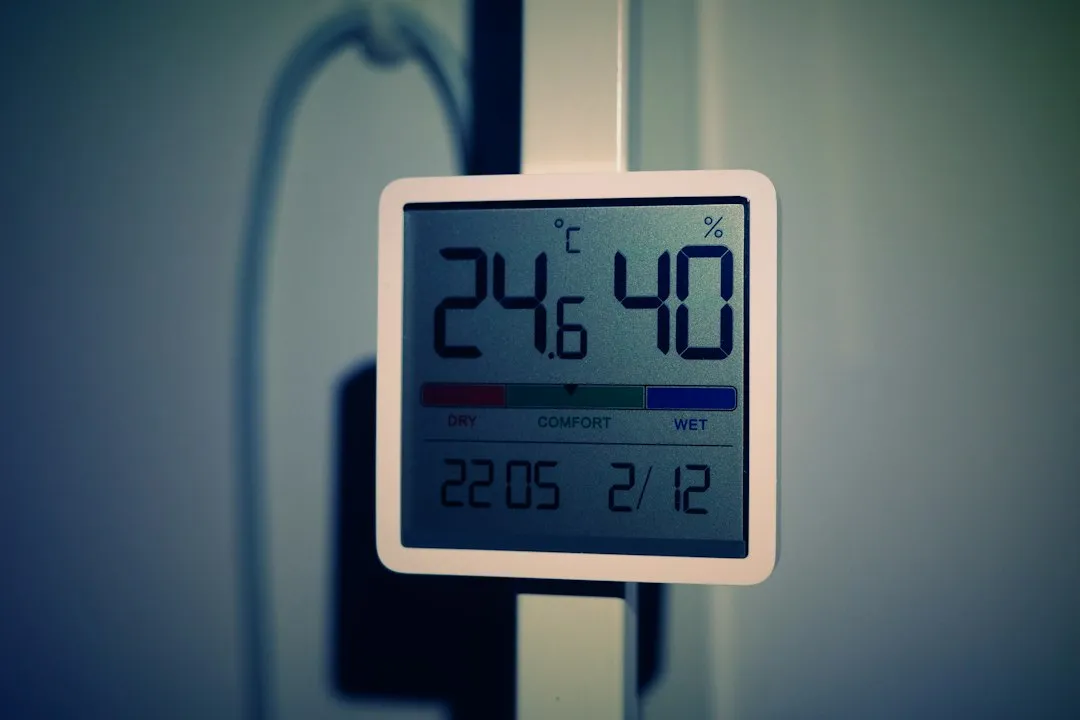
A hygrometer measures humidity, and digital versions are often included with indoor thermometers. Experts recommend keeping indoor humidity between 30% and 50% for comfort and health. A basic digital hygrometer costs very little and takes the guesswork out of a problem that many people spend years misidentifying.
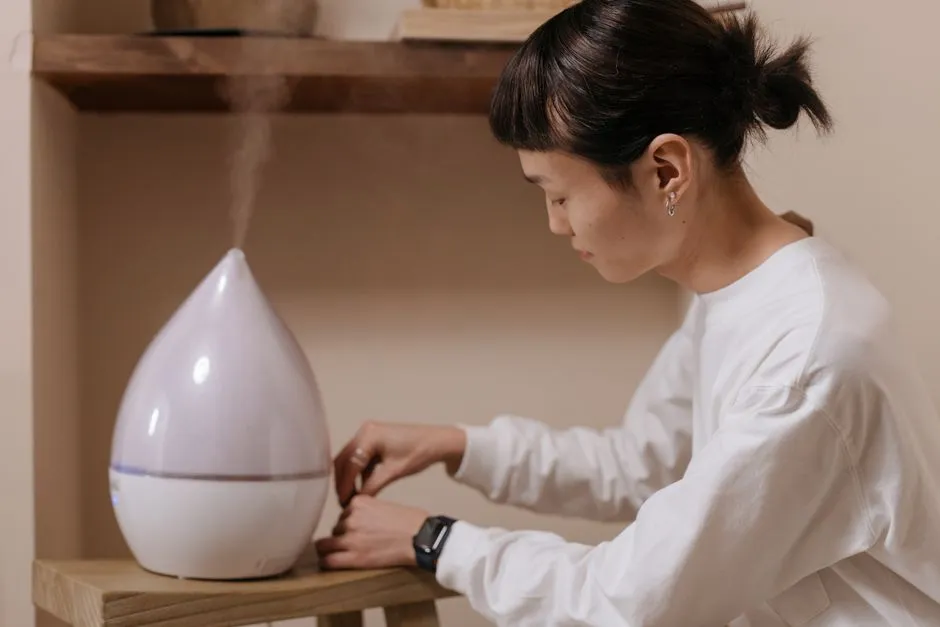
You can increase humidity naturally by placing houseplants throughout your home, using steam from showers, or positioning bowls of water near heat sources. For more consistent results, a whole-home or portable humidifier gives you direct control over where the number lands, day and night.
Adjusting the Target Based on Outdoor Temperature

The recommended indoor humidity shifts with outdoor temperature: above 50°F, 30% to 50% is appropriate; between 20°F and 50°F, aim for 30% to 40%; between 0°F and 20°F, 20% to 30% is safer; and below 0°F, keeping indoor humidity between 15% and 20% helps prevent condensation damage. This sliding scale matters especially in climates with hard winters, where pushing humidity too high can cause moisture to settle on cold window glass and wall surfaces.
Ideal indoor humidity in winter is not a single fixed number, but for many homes, keeping relative humidity around 30% to 40% offers a practical balance between comfort and mold risk. Think of it less as a rigid target and more as a range you manage in response to what’s happening outside.
The Takeaway
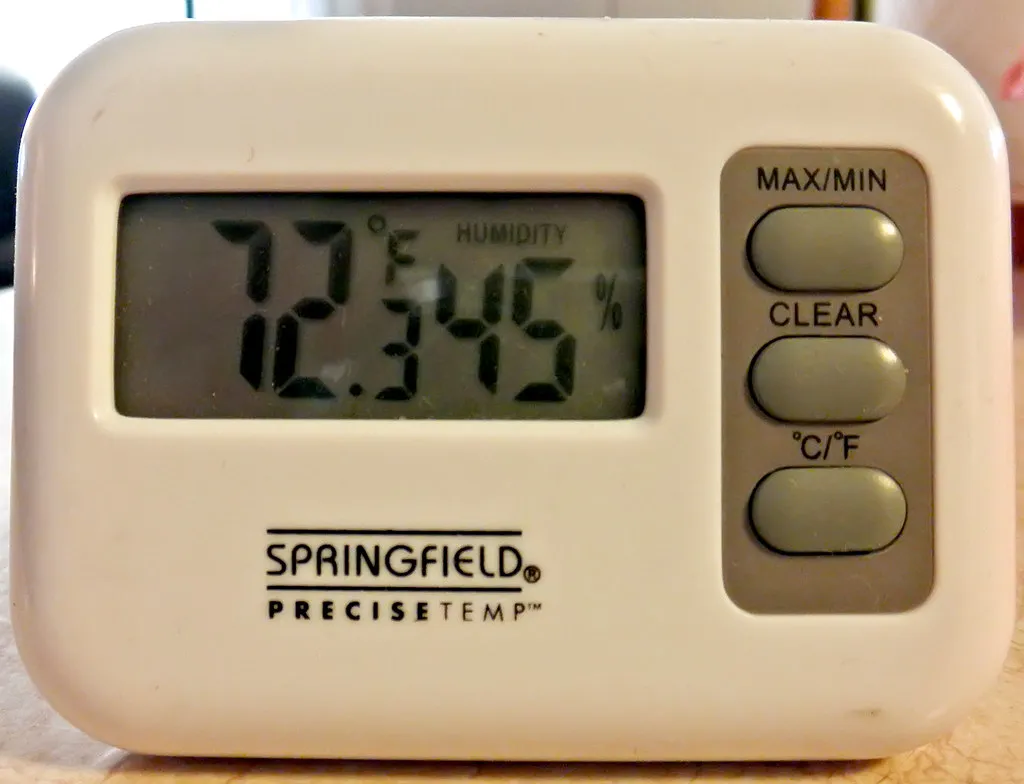
Winter warmth is as much about air quality as it is about thermostat settings. The science is clear: properly humidified air at the right level, somewhere in the 30% to 45% range for most winter conditions, genuinely makes a home feel warmer, keeps occupants healthier, and protects the structure and contents of the house.
The investment to get there is modest. A hygrometer tells you where you stand. A humidifier, used carefully and within recommended limits, can close the gap. Getting those two tools working together is often the simplest winter upgrade a homeowner can make, and the one least likely to show up on anyone’s renovation checklist.
AI Disclaimer: This article was created with the assistance of AI tools and reviewed by a human editor.