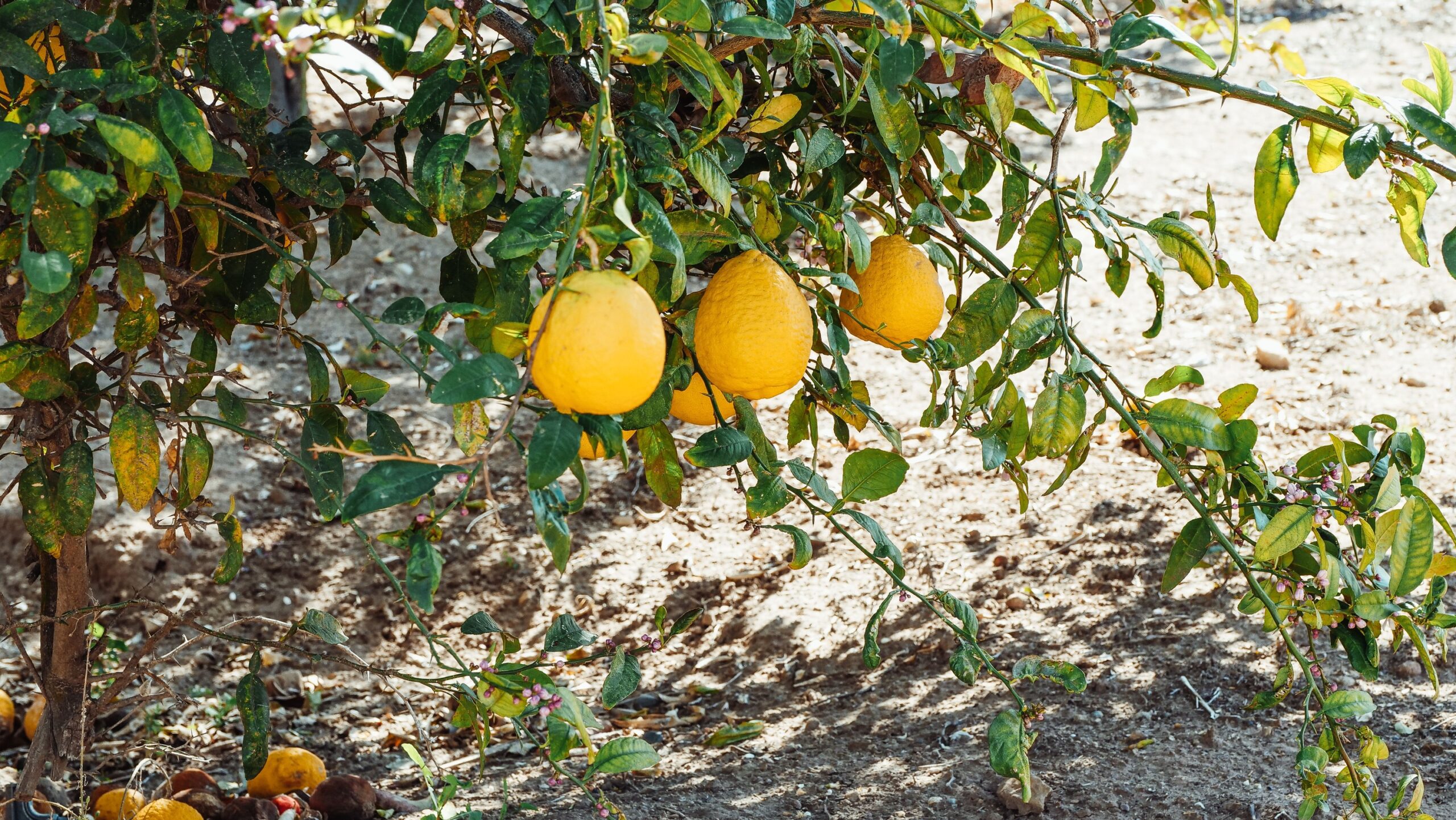

What Makes the Meyer Lemon Different from Other Citrus
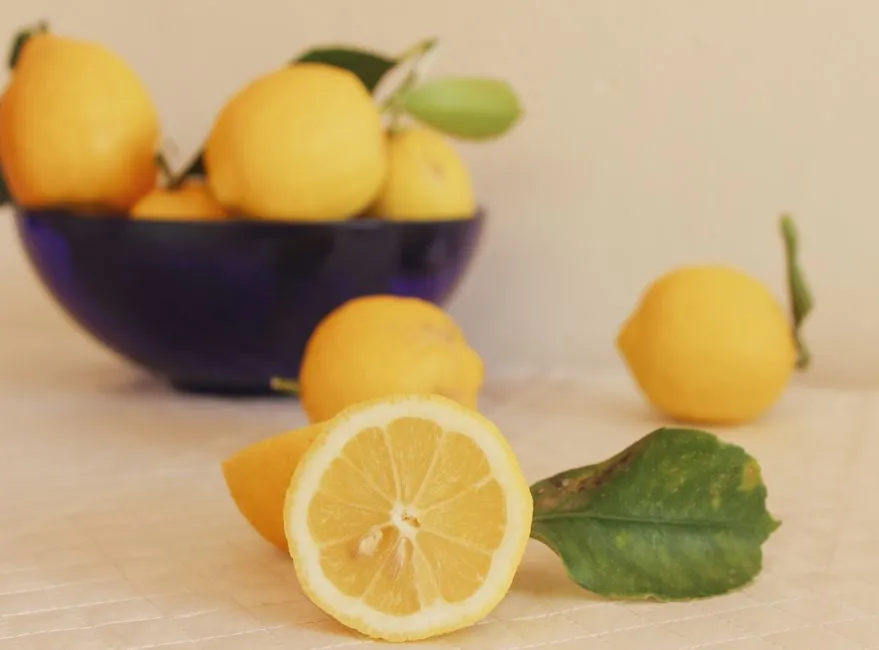
The Meyer lemon is a cross between a lemon and an orange tree, and it is probably the best-known citrus tree for indoor growing. That hybrid origin matters more than most people realize. Meyer lemon fruits have a sweeter, less acidic flavor than the more common Lisbon or Eureka supermarket lemon varieties.
The Meyer lemon is popular as an ornamental plant for its compact size, hardiness, and productivity. It strikes a rare balance: it looks good, smells good, and actually produces edible fruit in conditions that would frustrate most other citrus trees.
A Tree That Doesn’t Need Winter Rest
A citrus tree does not go dormant. This is one of the most important things to understand about growing Meyer lemons indoors. While most fruit trees shut down over winter and need a cold rest period to reset their internal clock, citrus keeps pushing forward.
Meyer lemon plants require no chill hours to fruit, so they can be grown indoors all year round. That’s a significant advantage over apples, pears, or peaches, which need hundreds of hours of cold temperatures before they’ll bloom. Meyer Lemon Trees offer sweet-scented blooms and fruit up to four times per year.
The Light Requirement: More Than You Might Expect
A Meyer lemon tree needs approximately eight or more hours of bright light per day for healthy growth and fruit production. That’s a firm requirement, not a suggestion. With lower light, the leaves will adapt, but a citrus plant will not flower or fruit.
Indoors, place the tree near a bright window that receives six to eight hours of sunlight. A south-facing window typically works best. During winter, when daylight hours shrink, a grow light can bridge the gap. If your tree is potted in a container and kept indoors, rotate it every three weeks so all sides of the canopy get equal exposure.
How Big Does It Get in a Container?
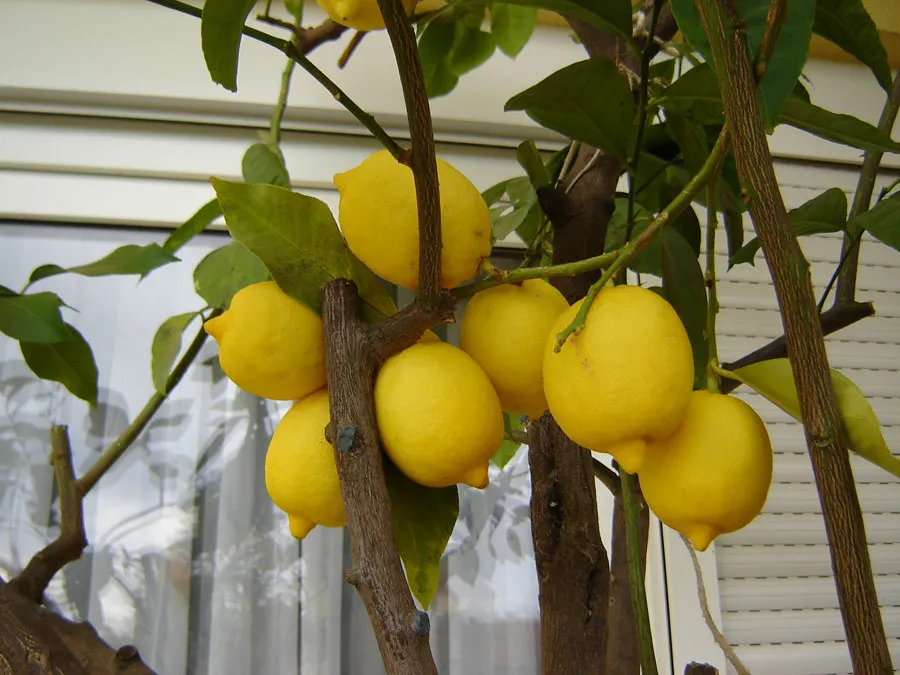
Meyer lemon trees typically reach six to ten feet tall when grown outdoors in ideal conditions, but they naturally stay smaller in containers, around three to six feet, making them perfect for patio and balcony growing. That smaller indoor size isn’t a compromise; it’s genuinely manageable for most homes.
When looking for an indoor citrus plant, look for one grafted onto dwarfing rootstock, which enables the citrus to produce regular-sized fruit on dwarf five to eight foot trees. The fruit itself stays full-sized even when the tree stays compact, which is the whole appeal of a grafted dwarf variety.
Winter Fruiting: What’s Actually Happening
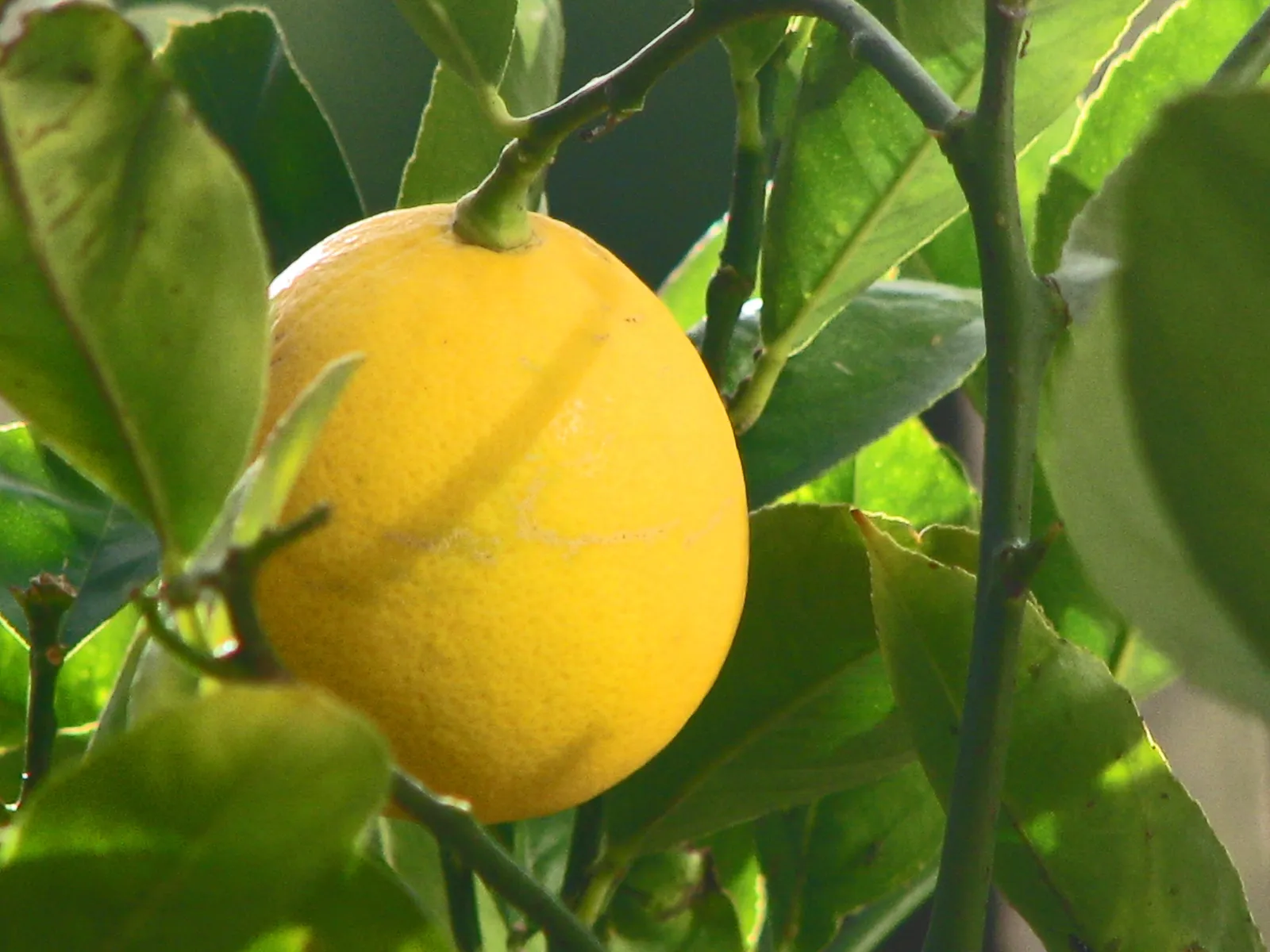
Meyer lemon trees can bloom all year, but they have two main blooming times: fall and early spring. When the fall bloom sets fruit, that fruit is often ripening right through December and January. Meyer lemons take anywhere from four to seven months to mature, which is why fruit started in autumn arrives squarely in the middle of winter.
The good news is you will have fruit ripening in different stages, so once you get started and through your first crop you won’t be waiting months for lemons. The Meyer Lemon Tree is a prolific bloomer, allowing you to almost continually have ripening lemons when grown indoors. In practice, this means a well-established tree rarely goes bare.
The Pollination Problem (and How to Fix It)

Meyer Lemon Trees are self-fertile, which means you only need one plant to get fruit. That’s genuinely useful in a home setting. However, being self-fertile doesn’t mean the pollen moves itself. Although Meyer lemon has perfect flowers, with no wind or insects indoors, pollination is erratic.
To accomplish hand pollination of your lemon tree flowers, you transfer ripe pollen to the sticky stigma. To easily pollinate lemon trees by hand, simply touch each flower with the tip of a paintbrush or feather to gather the pollen, then brush each stigma with it in turn. This takes about two minutes and makes a real difference to how many lemons actually set.
Do this every few days while the plant is indoors. Pollination will likely occur and you’ll start seeing little fruit form.
Temperature and Humidity: Getting the Balance Right

Citrus prefers sixty to seventy degrees Fahrenheit during winter. That range lines up comfortably with most heated homes. Maintain nighttime temperatures around sixty-five degrees Fahrenheit and avoid heater vents or blasts of hot air.
Homes in winter are darker and warmer, and have much drier air than outdoors. That dry indoor air is one of the main stressors for citrus in winter. For optimal growth, mist your tree daily with a spray bottle for extra humidity. A pebble tray filled with water placed beneath the pot also helps maintain moisture in the immediate surroundings.
Feeding and Watering in the Cold Months
Citrus trees are heavy feeders. Experts advise using a granular, slow-release formulation every three weeks during the warm growing season and every six weeks over the winter. Cutting back on fertilizer in winter isn’t about neglect; it’s about matching the tree’s naturally slower pace during low light months.
Most indoor citrus need watering every seven to ten days in winter versus every three to five days in summer. Overwatering is a common mistake during this season. More than most plants, citrus are prone to deficiencies of the micronutrients iron, manganese, and zinc. Look for these micronutrients in the chelated form, which makes them more accessible to citrus roots.
Pest Watch: What Winter Brings Indoors

Dry indoor winter air invites spider mites. This is one of the more predictable problems with indoor citrus, and it’s worth checking the undersides of leaves regularly through the colder months. Spider mites thrive in exactly the warm, dry air that central heating creates.
Before bringing citrus inside for winter, wash the foliage to help prevent pests. That simple step removes eggs and early infestations before they get a foothold in a heated home. A basic neem oil spray applied every few weeks through winter keeps most common citrus pests well under control.
How Much Fruit Can One Tree Actually Produce?
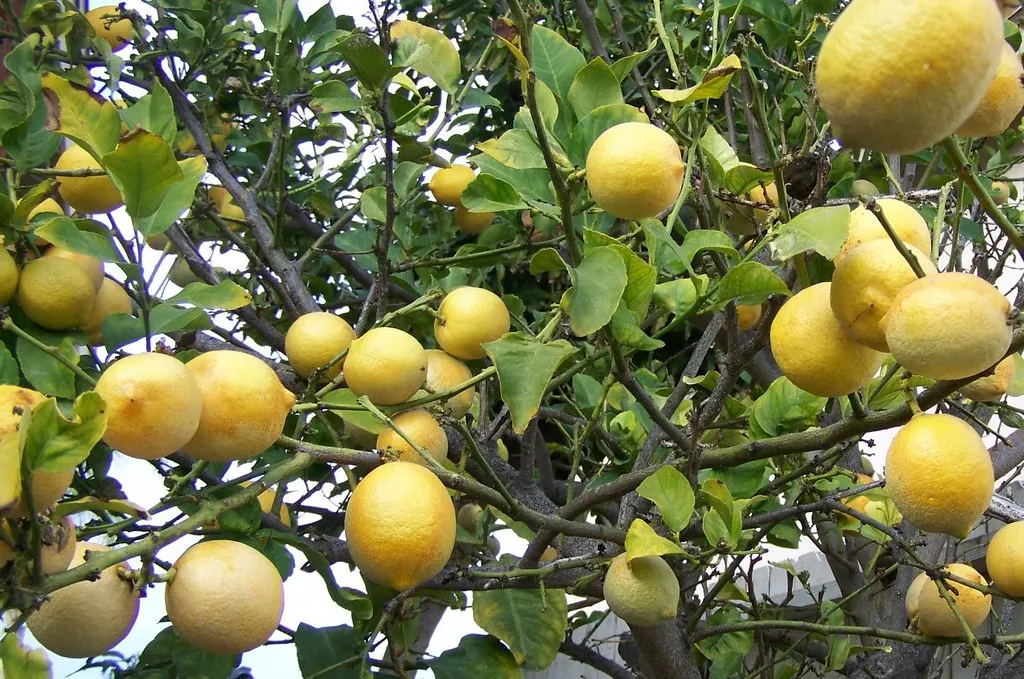
A single, healthy Meyer lemon tree can easily produce enough fruit for most households, often fifty to a hundred or more lemons annually when mature and well cared for. That’s a meaningful yield from a container plant that fits in the corner of a room. Most Meyer lemons live to be about fifty years old, and they begin to fruit as early as two years into their lifecycle.
The long-term investment case for a Meyer lemon is actually quite compelling. A tree bought today and given reasonable care could still be fruiting decades from now. A citrus will start to flower and produce fruit on a three-year-old plant, so patience in the early years pays off with consistent harvests for a very long time.
Final Thoughts
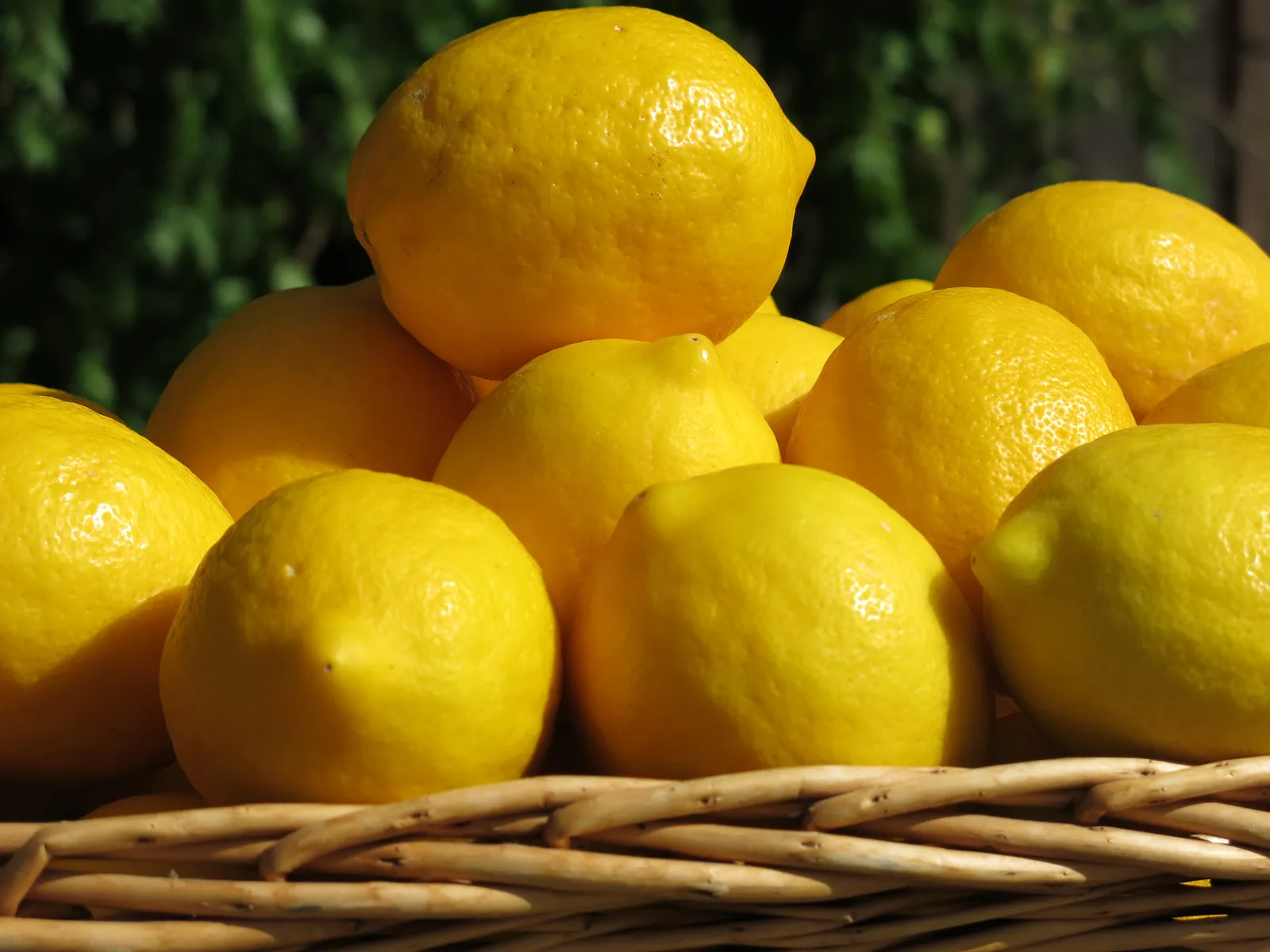
The Meyer lemon doesn’t ask for much that most sunny windowsills can’t provide. It rewards consistent light, careful watering, and a minute or two of hand pollination during bloom with something most houseplants can’t offer: actual food, in winter, when everything else outdoors is bare.
There’s a reason this tree keeps appearing in guides, nursery recommendations, and kitchen windowsills year after year. It bridges the gap between ornamental houseplant and functional food source in a way very few plants manage indoors. If you’ve ever wanted to grow something that genuinely earns its place in a room, this is a reasonable place to start.
AI Disclaimer: This article was created with the assistance of AI tools and reviewed by a human editor.